Composter Overloading: How Excessive Food Waste Destroys On-site Kitchen Waste Treatment Results
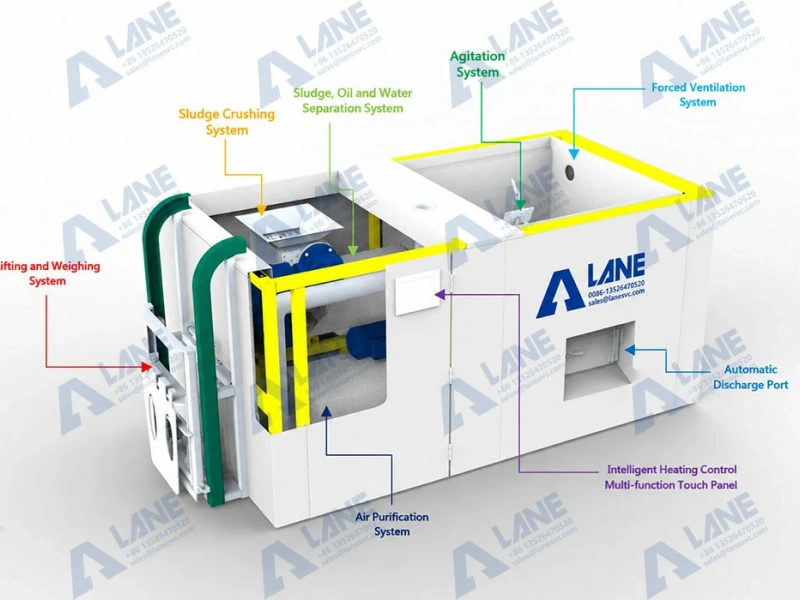
Many hotel canteen, university campus and catering plaza facility managers adopt LANE commercial food waste composter to cut garbage collection charges and turn kitchen leftovers into garden compost. During my 7 years of on-site equipment commissioning and maintenance work, Composter Overloading turns out to be the most frequent operational error that ruins daily waste disposal plans.
Frontline waste handlers tend to dump all day’s kitchen scraps in one go to cut repetitive feeding labor. This rough operation drags down aerobic fermentation speed, releases strong rotten smell, wears down core machine components, and makes the whole organic waste recycling project lose economic value. Standardized feeding management can keep the LANE commercial food waste composter running steadily, guarantee daily compost output, and slash unnecessary maintenance replacement costs year-round.
Direct Operational Malfunctions Triggered by Composter Overloading
> Deceleration Of Aerobic Fermentation Inside the Sealed Fermentation Chamber
Once raw kitchen waste fills the fermentation chamber over its rated volume, loose organic materials get tightly compacted under the weight of overloaded waste. Air circulation inside the pile gets blocked completely, and aerobic microbial strains lose active metabolic conditions instantly. The standard ripening cycle of 8 to 24 hours supported by LANE’s internal stirring structure will be prolonged to more than 3 full days. Continuous compaction also creates hard material lumps that the built-in mixing blades cannot break up thoroughly.
> Jamming and Stall of The Internal Crushing and Mixing Drive Shaft
Overfilled food waste often mixes hard bone fragments, thick eggshells and hard vegetable rhizomes. These rigid debris accumulate around the crushing mixing shaft and stirring paddles. The main drive motor faces sharp load surge, and the PLC intelligent control system configured on all LANE commercial composters will trigger overload protection for emergency shutdown. A hotel catering client once faced a 12-hour production halt for shaft disassembly and blockage cleaning, failing to process daily kitchen waste and paying extra emergency garbage hauling fees.
> Function Failure of The Integrated Oil-water Separator Module
Composter Overloading brings a sudden surge of waste oil and soup wastewater far beyond the processing capacity of the front-end oil-water separator module. Grease and wastewater overflow the separator directly. Waste oil wraps the surface of organic compost materials, further inhibiting microbial decomposition activity. The overflow greasy sewage seeps along the machine body, causing corrosion to the stainless steel shell of the LANE composting unit and shortening the outer cabinet service life.
Odor Pollution and Site Safety Risks from Long-term Composter Overloading
> Anaerobic Putrefaction Generates Strong Irritating Malodorous Gas
Compacted waste inside the chamber due to overload forms a fully anaerobic environment. Large amounts of hydrogen sulfide and ammonia gas are produced during putrefaction. Even the professional heating and deodorization system of LANE commercial food waste composter cannot fully purify the excess waste gas. For restaurants close to guest rooms and composters placed beside school teaching buildings, surrounding residents and teachers will launch repeated odor complaints, forcing temporary machine shutdown for rectification.
> Condensate Sewage and Material Residue Backflow in the Exhaust Duct
Overloaded fermentation generates excessive water vapor and fine organic powder. A large quantity of condensed sewage accumulates inside the exhaust pipeline of the deodorization system. The backflow sewage flows back into the fermentation chamber from the air outlet, causing secondary contamination to semi-finished compost materials that have started ripening. The contaminated compost cannot be used for landscaping fertilization, leading to material waste.
> Unfermented Raw Kitchen Waste Overflows from the Discharge Outlet
When the fermentation chamber reaches full load limit, the pushing force of the stirring mechanism will squeeze unbroken raw food waste out from the discharge outlet. Rotten waste mud piles up on the workshop floor. Facility staff need to arrange extra cleaning workers to wash the site every day, raising daily labor costs for waste management.
Permanent Equipment Aging Caused by Continuous Composter Overloading Operation
> Abnormal Wear of Stirring Blades and Drive Gear Assembly
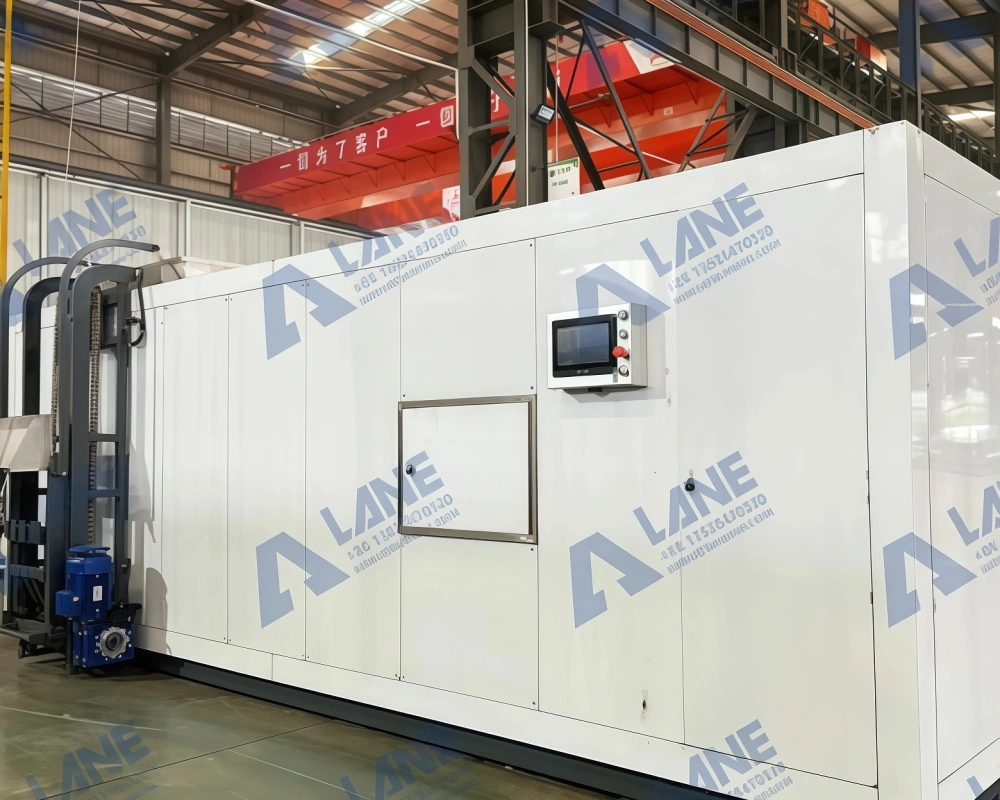
Continuous heavy-load stirring under Composter Overloading intensifies friction loss of alloy stirring blades. The matching drive gear set will form enlarged assembly gaps after long-term overload operation. Later stirring operation produces obvious eccentric vibration, bringing cracking risk to the welded seam of LANE’s integrated stainless steel main body frame. Replacing the gear assembly and stirring blades costs nearly one-third of the whole machine price for users.
> Burnout of Heating Components from Round-the-clock Full-power Heating
Overloaded wet food waste requires far more heat to evaporate internal moisture. The heating module runs at full power 24 hours a day without intermittent rest. Electric heating tubes suffer fusing damage frequently, and the temperature sensing probe loses accurate temperature detection function. Without stable temperature control, aerobic fermentation cannot maintain constant temperature, and compost maturity loses uniformity.
> Deodorization Fan Motor Burnout Due to Long-term Overcurrent
Composter Overloading doubles the total exhaust gas volume discharged from the fermentation chamber. The deodorization exhaust fan has to maintain maximum rotating speed all day long. The motor winding ages rapidly under high temperature overcurrent, leading to complete fan motor burnout. Once the fan breaks down, the whole deodorization system stops working instantly.
Core Root Causes Leading to Unexpected Composter Overloading
> Ignoring Rated Processing Capacity During Centralized Waste Collection
Most catering businesses concentrate all kitchen waste collection after dinner peak hours. Operators pour all evening leftovers into the composter at one time, far exceeding the rated daily tonnage of the LANE composter model. We suggest splitting evening kitchen waste into two feeding batches for large canteens with over 1 ton daily waste output.
> Direct Feeding of High-moisture Soup Residues Without Pre-dehydration Treatment
Soup base residues, hot pot broth and noodle soup leftovers carry massive free water. Direct feeding increases the overall volume and weight of compost materials, squeezing the effective activity space of the fermentation chamber and indirectly triggering Composter Overloading. Simple draining treatment for soup waste before feeding can reduce material water content by more than 30%.
> No Manual Sorting for Hard Foreign Impurities Mixed in Organic Waste
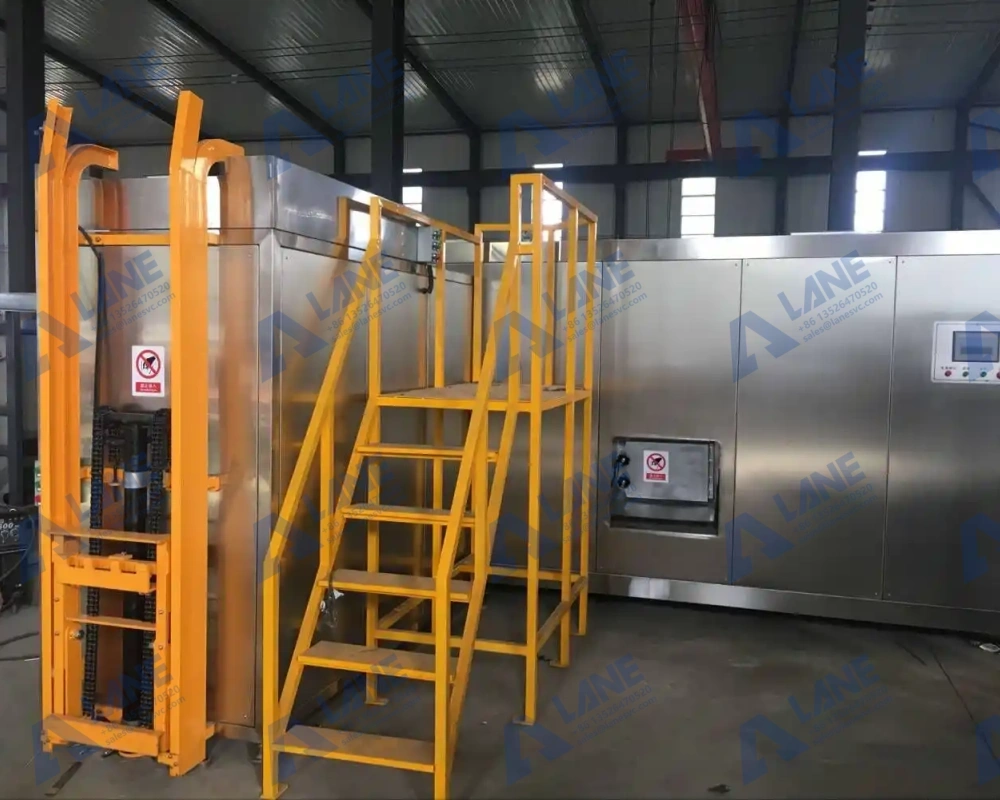
Plastic tableware, metal can fragments, thick cattle bones and hard fruit pits mixed in kitchen waste occupy internal chamber space and increase stirring resistance sharply. Under the same feeding weight, the actual operation load of the composter doubles directly. LANE equips an exclusive sorting platform at the feeding inlet for preliminary impurity removal.
Standard Feeding Operation Rules to Avoid Composter Overloading on Commercial Composter
> Divide Daily Kitchen Waste into Two to Three Separate Feeding Batches
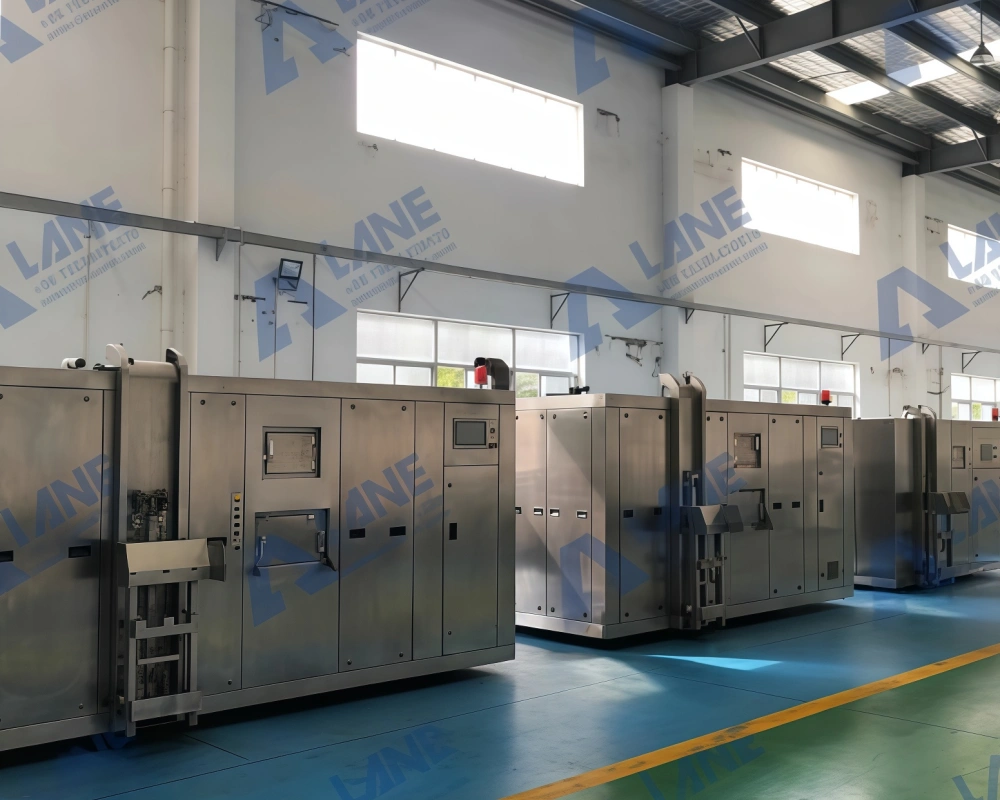
Split breakfast waste, lunch waste and dinner waste for separate feeding, matching the continuous aerobic fermentation rhythm of the LANE composting unit. Control the internal material filling ratio within 70% of the total chamber volume, which is the safest working space for stable microbial fermentation.
> Remove Hard Debris Via the Original Sorting Platform Before Feeding
Make full use of the supporting sorting platform of LANE commercial food waste composter. Workers pick out metal scraps, plastic sundries and large bone pieces on the platform before waste enters the crushing chamber. This step cuts invalid space occupation and mechanical stirring load effectively.
> Mix Dry Conditioning Material to Balance Overall Material Moisture Level
Mix wood chips, crop straw powder or dried bran into high-moisture kitchen waste to improve material bulkiness. The loose material structure keeps smooth oxygen flow inside the fermentation chamber, prevents material compaction overload, and accelerates the whole compost ripening process.
On-site Emergency Handling Plan for Sudden Composter Overloading Failure
> Cut Off Feeding Immediately and Activate Full-power Stirring and Ventilation
Once you notice abnormal motor noise or exhaust odor surge, stop the feeding conveyor right away. Turn on the stirring system and deodorization ventilation fan at full speed to break compacted material piles and restore oxygen circulation inside the fermentation chamber rapidly.
> Extract 15% to 20% Wet Raw Waste to Recover Effective Chamber Space
For serious overloading conditions, manually take out 15% to 20% unfermented wet waste from the access door. Collect these materials for independent dehydration and pre-fermentation treatment, then feed them in batches later. Never force the machine to run under full overload status.
> Test Motor Current and Heating Circuit After Fault Recovery
Run the composter under no-load status for 30 minutes after troubleshooting. Technicians check the real-time working current of the main motor and the circuit continuity of the heating system. Resume normal feeding only when all electrical parameters return to the standard range, to avoid hidden circuit short-circuit faults.
| Type | Model | Standard Configuration | Optional Configuration | Processing Capacity / Day | Dimensions (L × W × H) | Power (Customizable) |
| Integrated Type | LAJL-02T | Automatic Feeding | Sorting Platform | 0.2t | 3.3 × 1.21 × 1.8 m | 13kW |
| LAJL-05T | Shredding | Screw Press Dewatering | 0.5t | 3.8 × 1.35 × 2.2 m | 18kW | |
| LAJL-1T | Mixing | Oil-Water Separator | 1t | 3.8 × 1.6 × 2.5 m | 22kW | |
| LAJL-2T | Fermentation & Deodorization | Wastewater Treatment Equipment | 2t | 4.9 × 2.0 × 2.8 m | 43.8kW | |
| LAJL-5T | Odor Removal System | 5t | 7.3 × 2.35 × 3.3 m | 70kW | ||
| LAJL-10T | 10t | Equipment Footprint: Approx. 220 m² | 150kW | |||
| Modular Type | LAJL20T-LAJL1000T | Automatic Feeding | Wastewater Treatment | Customized | Customized | Customized |
| Apron Conveyor | Odor Removal | |||||
| Sorting | Granulation | |||||
| Shredding | ||||||
| Dewatering | ||||||
| Mixing | ||||||
| Screw Conveyor | ||||||
| Fermentation | ||||||
| Spray Tower | ||||||
| Carbon Box | ||||||
| Oil-Water Separation |
Reasonable Equipment Capacity Selection to Prevent Long-term Composter Overloading
> Complete Model Selection Based on Peak Kitchen Waste Output of Catering Venues
Calculate the maximum waste volume generated during dinner rush or weekend banquets for model selection, instead of referencing daily average low waste output. LANE provides one-to-one customized capacity matching solutions for hotels, school campuses and municipal waste stations.
> Reserve 20% Spare Processing Capacity for Holiday Waste Output Surge
Restaurant banquets, campus festival activities and holiday shopping malls will produce far more kitchen waste than usual. Reserving 20% extra rated processing capacity can completely avoid temporary Composter Overloading and guarantee continuous waste disposal during holiday periods.
> Deploy Multiple Small Composter Units for Large Catering Complex Clusters
A single large-capacity composter will suspend the whole waste treatment work once it overloads and shuts down. Multiple small LANE composters operate with staggered feeding times. The overall system has stronger fault tolerance, which fits food courts, university central canteens and large catering service parks perfectly.
FAQ
Q1:What is the safe filling volume ratio to stop Composter Overloading for commercial food waste composter?
Answer: The safe filling proportion for LANE commercial food waste composter is controlled below 70% of the fermentation chamber total volume. The remaining 30% space is reserved for material turning, oxygen flow expansion and fermentation gas emission according to the curved internal cylinder structure design of LANE composting equipment. Exceeding this ratio will cause material compaction immediately.
Q2:Will long-term Composter Overloading create irreversible damage to the main drive motor of the composter?
Answer: Yes. Continuous overcurrent operation under overload will cause permanent aging of the motor copper coil insulation layer. The coil cannot recover even after reducing feeding volume later. The cost for replacing the main motor is much higher than the daily labor cost of standardized batch feeding operation.
Q3:What early warning signs can identify Composter Overloading before complete machine shutdown failure?
Answer: Three obvious early signals can help maintenance staff intervene in advance. First, abnormal rumbling noise from the main stirring motor. Second, abnormal high temperature of deodorization exhaust gas. Third, finished compost discharged with excessive moisture and incomplete decomposition. All three signs represent early overload problems inside the composter.
Conclusion
Overloading the composting machine is the most common fault in the operation of commercial kitchen waste composting machines used by restaurants, schools, and hospitals. Blindly choosing a one-time concentrated feed will save labor in the short term, but it will destroy the efficiency of aerobic fermentation, cause complaints about surrounding odors, accelerate the aging of core accessories, and significantly increase the overall cost of waste disposal.
The commercial kitchen waste composting machine adopts a modular and integrated structure with PLC real-time load monitoring function, which helps users to master the operation status of the equipment. By implementing the three specifications of batch feeding, pre-processing of miscellaneous materials, and scientific selection of production capacity, you can completely avoid overload faults. The stable operation of the composting equipment can realize the long-cycle resource utilization and recycling of kitchen waste, and maximize the conversion economic benefits of composted organic fertilizer products for landscaping and agricultural planting.