How Much Does an Organic Fertilizer Production Cost? Full Investment & Budget Analysis
Against the backdrop of global advocacy for green agriculture and circular economy, converting waste such as livestock manure and crop straw into high-efficiency fertilizer has become an investment project with great commercial potential and policy support. Whether farm owners aim to resolve environmental challenges or entrepreneurs seek new profit drivers, building an organic fertilizer plant is an ideal option. Before launch, however, the top concern for investors is undoubtedly Organic Fertilizer Production Cost.
Accurately assessing Organic Fertilizer Production Cost not only helps you plan upfront capital reasonably and avoid capital chain breakdown, but also supports precise pricing in later operation to build competitive advantages. This cost consists of raw material procurement, plant construction, equipment investment and operating expenses.
What makes up Organic Fertilizer Production Cost?
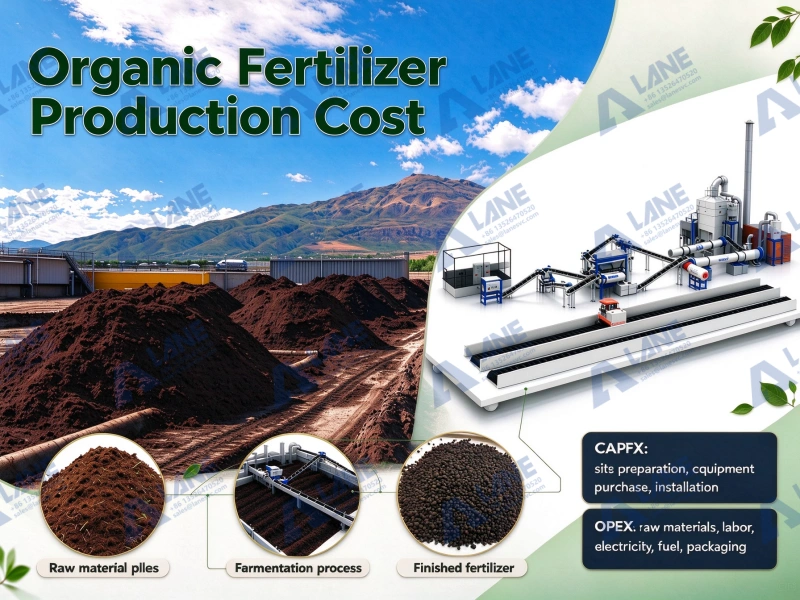
To evaluate the commercial viability of an organic fertilizer plant, you cannot only look at total investment figures. Costs should be scientifically split into two categories: CAPEX (initial capital expenditure, one-time investment) and OPEX (daily operating expenditure, recurring spending).
In real-world projects, differences in raw material properties and geographic location can lead to huge variations in the structure of overall Organic Fertilizer Production Cost.
🛠️ One-time Investment (CAPEX Reference)
CAPEX sets the initial entry threshold for Organic Fertilizer Production Cost, mainly covering site hardening and machinery procurement:
Factory Construction and Site Preparation
Proportion reference: accounts for roughly 30% – 40% of Organic Fertilizer Production Cost.
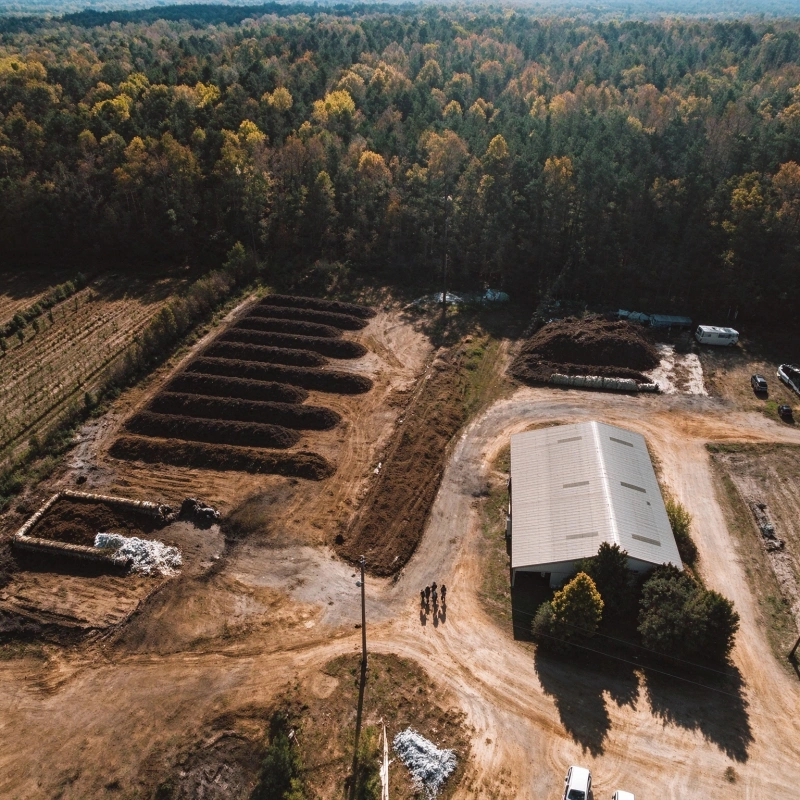
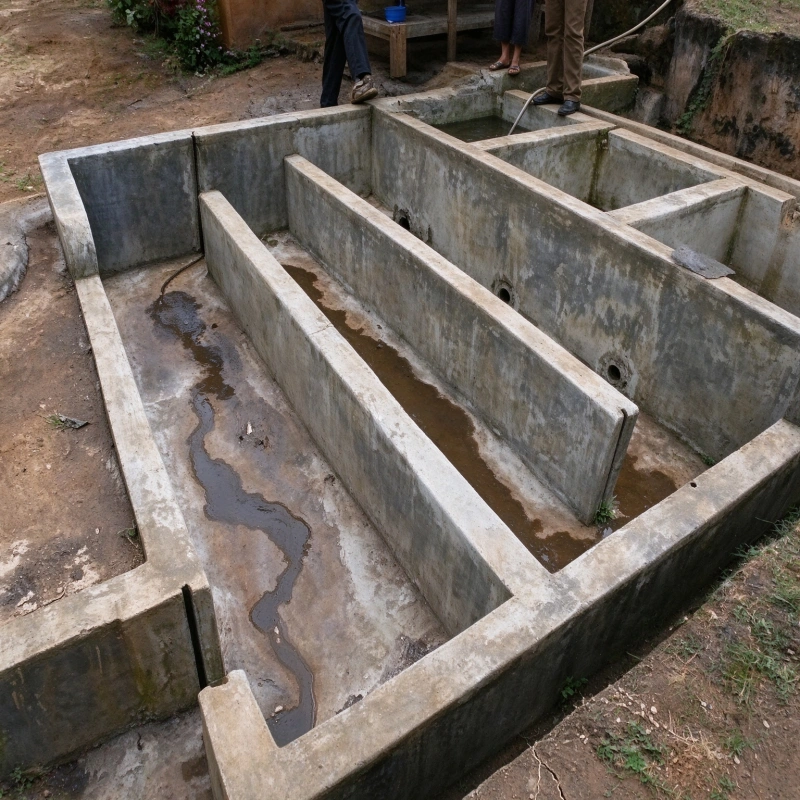
Core sub-costs: land rent, site leveling, steel structure rainproof workshop construction, and anti-seepage concrete hardening for fermentation tanks.
Cost variable: If you rent an abandoned brick factory or old workshop ready for use, this part of CAPEX can be nearly zero. If you start construction on bare land, civil engineering costs will rise sharply.
Equipment Purchase and Installation Costs
Proportion reference: accounts for roughly 40% – 70% of Organic Fertilizer Production Cost.
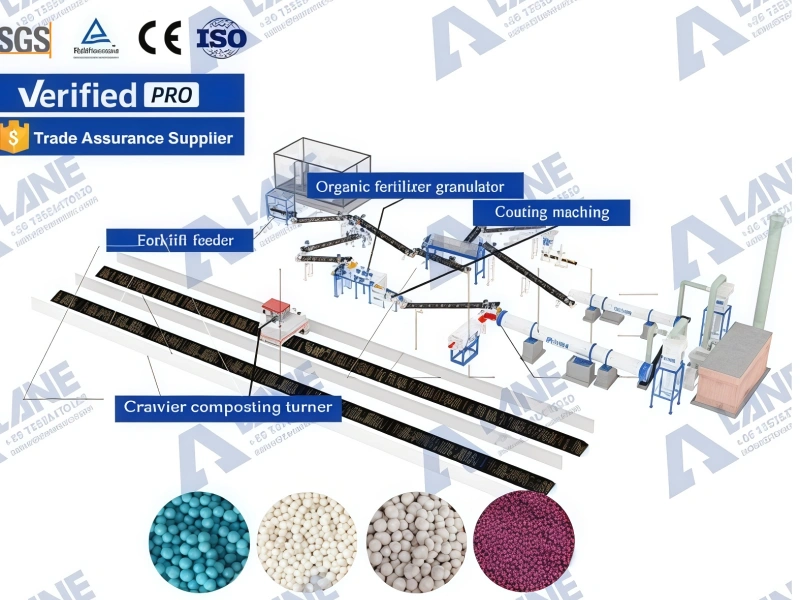
The full set of core equipment generally includes:
Fermentation turning equipment ➔ groove type compost turner, disc compost turner or crawler windrow turner
Pretreatment and crushing equipment ➔ semi-wet material crusher, vertical / horizontal crusher
Batching and mixing equipment ➔ automatic batching system, double-shaft horizontal mixer
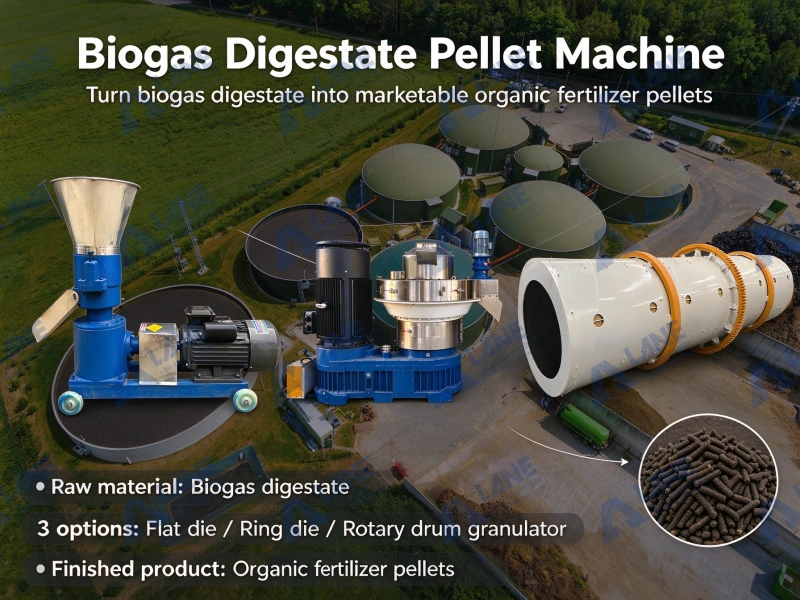
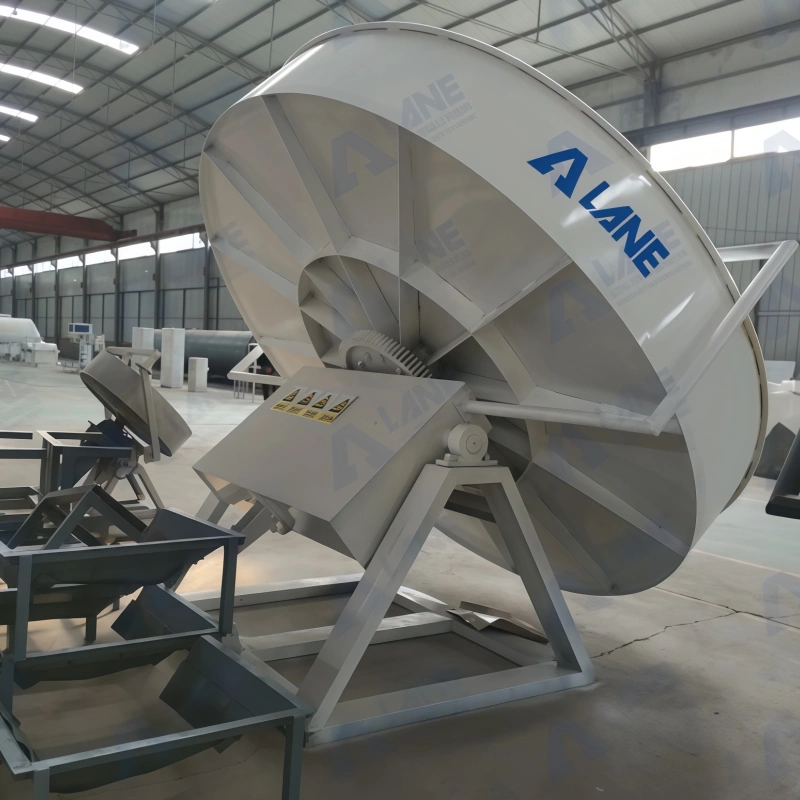
Core granulation equipment ➔ new organic fertilizer granulator, disc granulator or rotary drum granulator
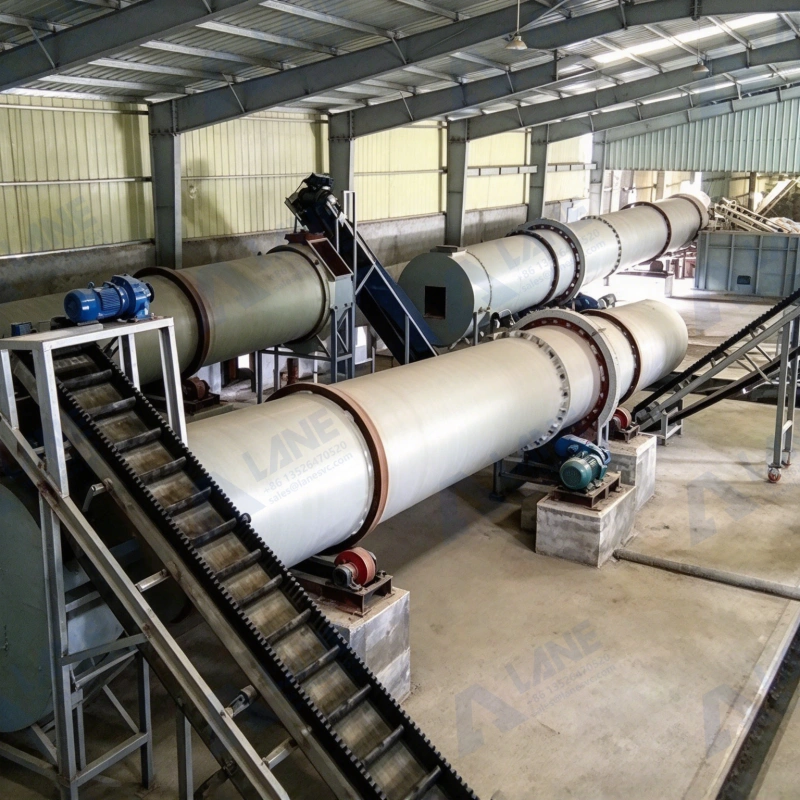
Drying and cooling equipment ➔ rotary dryer, counter-flow cooler
Screening and classification equipment ➔ rotary screener
Packaging and finished product equipment ➔ fully automatic computer packaging scale, intelligent palletizer
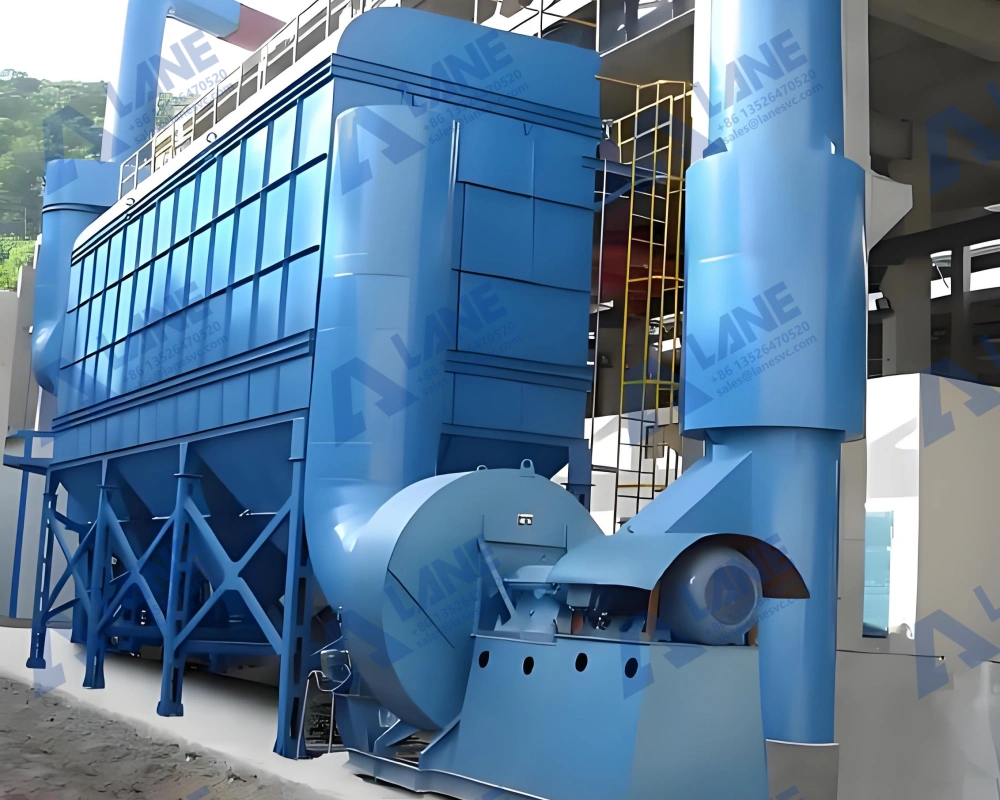
Environmental auxiliary system ➔ negative pressure collection pipeline, tail gas scrubber or activated carbon deodorization equipment
Cost variable: production process directly shapes Organic Fertilizer Production Cost. A pure powder fertilizer production line requires no granulation, drying, cooling or screening systems, so its investment for Organic Fertilizer Production Cost stays very low. High-standard commercial granule fertilizer lines carry relatively higher machinery investment.
🔄 Recurring Expenditure (OPEX Reference)
OPEX determines long-term plant viability and daily cash flow, covering the following sections:
Raw Materials and Pretreatment Costs
- Proportion reference: accounts for roughly 30% – 45% of daily Organic Fertilizer Production Cost.
- Core sub-costs: procurement and transportation of main raw materials like livestock manure, purchase of carbon source amendments such as straw / rice husk, and biological functional microbial agents for fermentation.
- Cost variable: On-site plants built by breeding farms enjoy zero main material cost and extremely low material OPEX. Independent fertilizer factories need to source raw materials from distant surrounding areas, and high freight for wet manure often becomes their heaviest financial burden.
Labor, Electricity, Fuel and Water Costs
- Proportion reference: accounts for roughly 25% – 35% of daily Organic Fertilizer Production Cost.
- Core sub-costs: industrial power consumption for crushers and granulators, fuel consumption for granule dehydration and drying, daily process water, and regular payroll for on-site staff.
- Cost variable: automation level creates a clear divide. In traditional semi-mechanized plants, labor expenses continuously push up per-ton Organic Fertilizer Production Cost. In high-standard lines fitted with automatic batching and intelligent packaging systems, fuel and electricity dominate spending while labor cost becomes negligible.
Packaging, Storage and Waste Management Expenses
- Proportion reference: accounts for roughly 10% – 15% of daily Organic Fertilizer Production Cost.
- Core sub-costs: customized purchase of national standard moisture-proof packaging bags, finished-product moisture-proof storage maintenance in rainy seasons, plus environmental treatment costs including scrubber fluid replacement and activated carbon renewal for deodorization towers.
Budget Comparison and Calculation Standards for Different Capacity Tiers
Before investing in a plant, many investors fall into a common misunderstanding: they treat machinery purchase cost directly as total factory construction spending. When calculating overall Organic Fertilizer Production Cost for precise budgeting, we split budgets into three clear calculation benchmarks:
Benchmark 1: Pure machinery purchase cost — only the buying price of production machinery inside the workshop for organic fertilizer (compost turner, crusher, granulator, computer packaging scale, etc.).
Benchmark 2: Machinery purchase + transportation and installation cost — includes all above machinery fees, logistics freight, plus on-site services from engineers for basic welding, power distribution, commissioning and trial run.
Benchmark 3: Full plant total investment — covers all items in Benchmark 2, plus land lease, steel workshop construction, anti-seepage hardening of fermentation tank floors, three-phase power access, EIA permit handling and initial working capital for daily operation.
• 📊 Core comparison: investment budget ranges for different annual output tiers (based on latest market quotes) Below we use the mainstream granule organic fertilizer production line as an example. If you only plan to produce powder fertilizer, equipment spending for Organic Fertilizer Production Cost can generally be halved from the figures below. We list budget ranges for three common production capacities:
Tier 1: Annual output 3,000–5,000 tons (small startup line)
• Pure machinery purchase ➔ Around 80,000 – 150,000 CNY
• Machinery purchase + transportation & installation ➔ Around 100,000 – 180,000 CNY
• Full plant total investment ➔ Around 250,000 – 400,000 CNY (mainly depends on local workshop and civil engineering prices)
• Project feature: Extremely low entry barrier. Ideal for small and medium farms to locally treat manure for self-use or sell to nearby farmers.
Tier 2: Annual output 10,000–20,000 tons (commercial medium line — market golden configuration)
• Pure machinery purchase ➔ Around 180,000 – 350,000 CNY (varies with automation grade)
• Machinery purchase + transportation & installation ➔ Around 220,000 – 420,000 CNY
• Full plant total investment ➔ Around 600,000 – 1,000,000 CNY (includes civil works such as anti-seepage fermentation tanks compliant with environmental standards)
• Project feature: The most cost-effective choice for commercial operation. Equipped with high-efficiency granulation and semi-automatic bagging lines, it delivers scale benefits and significantly amortizes long-term Organic Fertilizer Production Cost.
Tier 3: Annual output 30,000–50,000 tons (intelligent large-scale line)
• Pure machinery purchase ➔ Around 400,000 – 800,000 CNY
• Machinery purchase + transportation & installation ➔ Around 480,000 – 950,000 CNY
• Full plant total investment ➔ Above 1,500,000 – 3,000,000 CNY (includes heavy overhead cranes, centralized deodorization and central control system)
• Project feature: Highly automated, suitable for large agricultural groups or government environmental remediation projects. It minimizes unit Organic Fertilizer Production Cost through maximum production scale.
• 💡 Key reminder from fertilizer equipment supplier:
• Process type defines equipment budget: investment gap between powder fertilizer and granule fertilizer equipment often exceeds 100%. Confirm finished product form before investment.
• Civil engineering is the biggest variable in plant construction: steel workshops and floor hardening take a large share of total investment. Never treat equipment price as the full Organic Fertilizer Production Cost. Investors are advised to lock the budget of [machinery purchase + transportation & installation] first, then calculate total investment according to local civil engineering quotes. This guarantees stable capital chain.
How to Optimize Organic Fertilizer Production Cost Scientifically
After clarifying all cost proportions, cutting recurring Organic Fertilizer Production Cost and lifting net profit per ton of fertilizer becomes critical for plant survival in the market. Below are four core cost reduction and efficiency improvement strategies summarized by senior equipment specialists in this sector:
Raise full-line automation ➔ Break free from heavy labor expenses
• Operational pain point: Traditional plants rely heavily on manual work in batching and packaging sections, bringing tough management and high payroll spending.
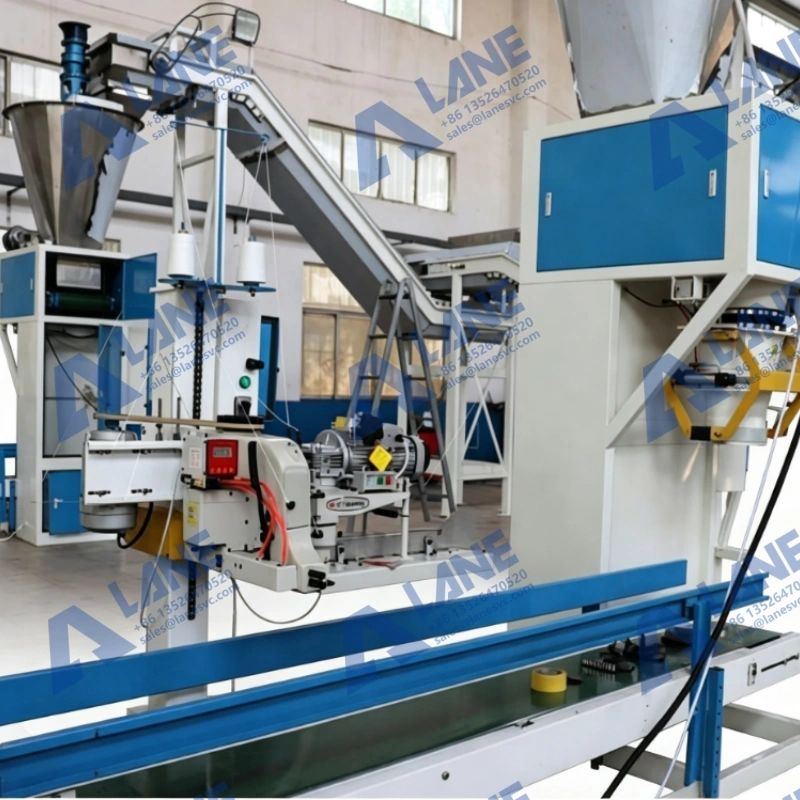
• Optimization strategy: Adopt our fully automatic batching system and intelligent computer packaging scale. Equipment strengths: high-precision metering, automatic sealing and packaging, only 2–3 operators required for the whole line, drastically lowering labor proportion within long-term Organic Fertilizer Production Cost.
Adopt high-efficiency turning process ➔ Shorten fermentation cycle and boost site turnover
• Operational pain point: Low-performance equipment causes oxygen shortage and slow temperature rise for materials, stretching fermentation over 40 days and heavily delaying downstream deep-processing equipment.
• Optimization strategy: Choose our high-power groove / disc compost turner. Equipment strengths: strong transmission and efficient oxygen supply, shortening fermentation cycle to roughly 15 days. Workshop turnover doubles, indirectly cutting capital interest losses.
Strictly control logistics and supply chain radius ➔ Lock raw material transportation losses
• Operational pain point: Wet livestock manure is a typical low-value bulk heavy cargo, extremely sensitive to truck freight and transport distance.
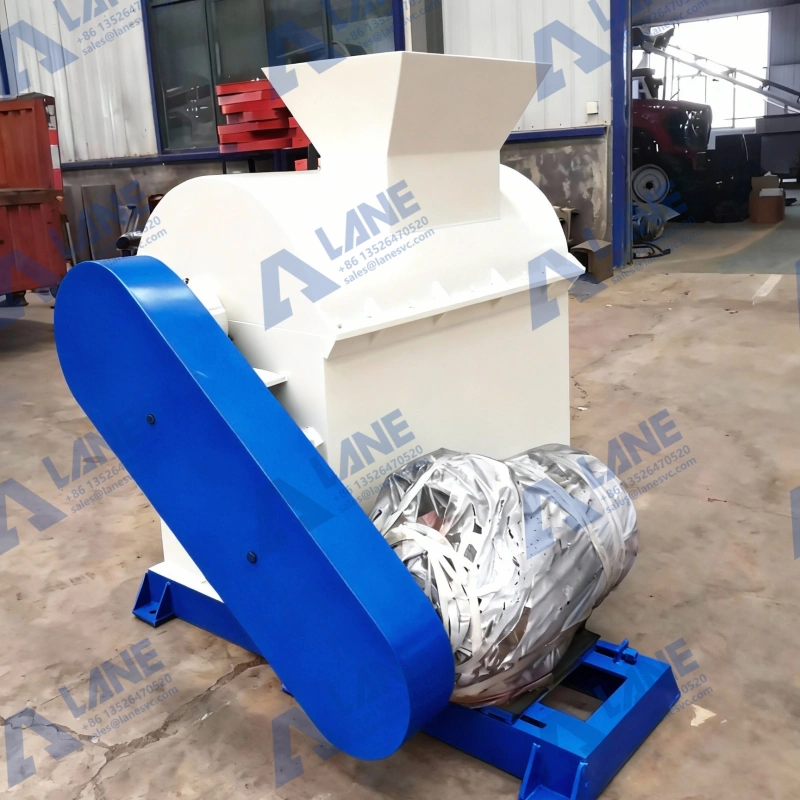
• Optimization strategy: Locate the plant within a 50-kilometer radius of raw material sources, paired with our semi-wet material crushing and pretreatment system.
Equipment strengths: rapidly crush and disperse incoming high-moisture materials to avoid stacking loss. Secure higher finished fertilizer profit with low logistics spending counted in Organic Fertilizer Production Cost.
Stick to high-quality machinery standards ➔ Eliminate hidden losses from downtime and maintenance
• Operational pain point: Blind purchase of cheap assembled machinery triggers frequent breakdowns. Production loss plus repair fees form a costly hidden expense black hole.
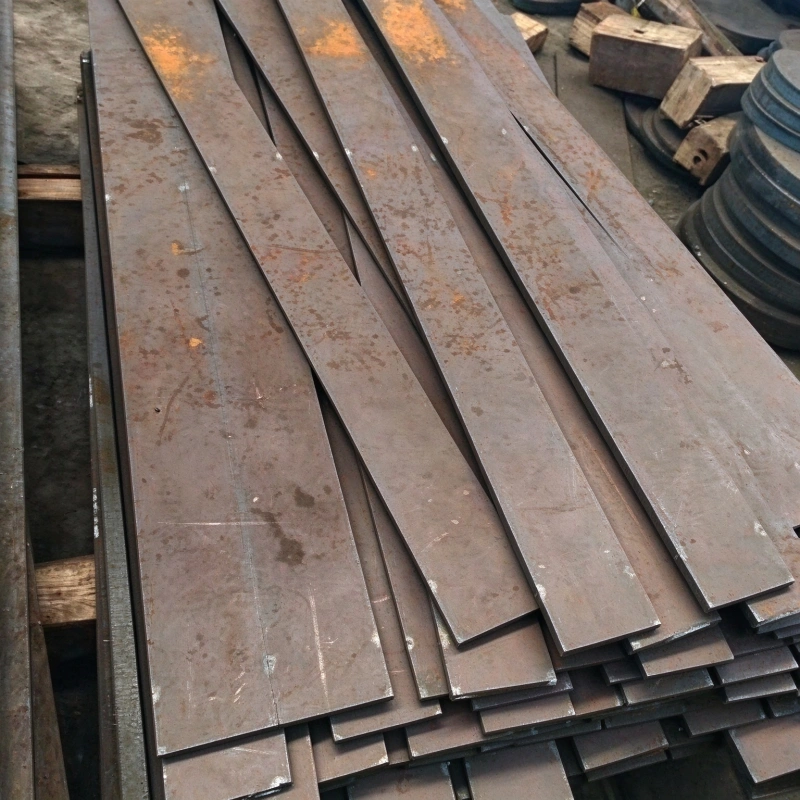
• Optimization strategy: Source equipment from formal manufacturers from the start. All our machinery adopts national standard wear-resistant manganese steel.
Equipment strengths: service life of core wearing parts extends 2–3 times, equipment runs stably with minimal faults for long-term reduction of Organic Fertilizer Production Cost.
Why global investors choose LANE fertilizer equipment?
When lowering and optimizing long-term Organic Fertilizer Production Cost, selecting a reliable, professional equipment partner is essential. As a well-recognized high-standard brand in the industry, LANE remains the top pick for medium and large breeding farms and agricultural entrepreneurs, supported by four irreplicable core strengths:
High full-line automation ➔ Cut labor costs fundamentally
• LANE advantage: Self-developed intelligent multi-bin batching system and high-speed computer packaging scale deliver fully automated pipeline control, helping you minimize workshop manpower.
National standard manganese steel and thickened liners ➔ Remove the maintenance cost black hole for spare parts
• LANE advantage: From compost turner blades to granulator moulds, all LANE machinery is built with high-strength wear-resistant manganese steel. Service life is 2–3 times longer than ordinary low-end assembled machines, avoiding frequent shutdowns.
Scientific fermentation air volume process ➔ Cut fermentation cycle by more than half
• LANE advantage: LANE high-power turning equipment features patented blade disc oxygen supply design to speed up material heating and decomposition. Fermentation cycle is shortened to roughly 15 days, greatly saving CAPEX on fermentation tank civil construction.
Lifelong one-stop technical support ➔ Prevent severe budget overruns
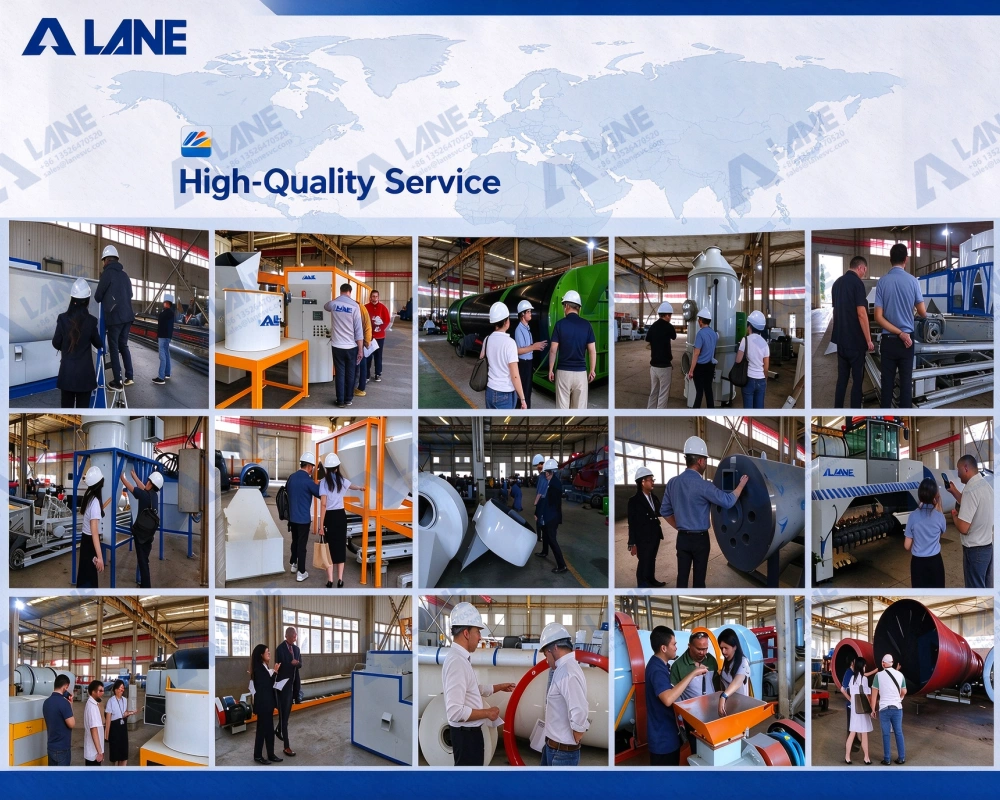
• LANE advantage: We sell more than equipment. Senior engineers provide integrated on-site delivery covering [machinery procurement + transportation & installation + on-site power distribution and commissioning]. You build your plant with full transparency and steer clear of capital chain collapse risks.