Urea Fertilizer Manufacturing Cost: How to Build a Profitable Urea Granulation Business
Buying bulk or standard small-granule urea and reselling it directly leaves very little room for profit. It also exposes traders and fertilizer processors to four major business challenges, making it difficult to control the overall Urea Fertilizer Manufacturing Cost.
• Product loss during transportation: Conventional urea granules may have insufficient crushing strength. Repeated handling and friction during long-distance transportation generate excessive fines, resulting in significant weight losses by the time the cargo reaches the destination port.
• Caking during ocean shipping and storage: Under high-temperature and high-humidity conditions, especially during long sea voyages, urea can easily absorb moisture and form hard lumps. This often leads to customer complaints, compensation claims, and even product returns.
• Segregation in BB fertilizer blending: When urea is mixed with diammonium phosphate (DAP), muriate of potash (MOP), and other fertilizer materials, differences in particle size and bulk density can cause serious segregation after blending and bagging.
• Blockages during mechanical spreading: When farmers use large fertilizer spreaders, excessive fines and weak granules can block discharge outlets, resulting in uneven fertilizer application across the field.
Professional granulation equipment offers a practical way to upgrade product quality and create additional commercial value:
• Higher granule hardness: Improved crushing strength reduces breakage during handling, loading, unloading, and long-distance shipping.
• Dust content controlled below 0.5%: Low-dust granules are better suited to precision fertilizer application using modern agricultural machinery.
• Better compatibility with BB fertilizer blending: Uniform particle sizes make the product more attractive to large fertilizer blending plants and bulk buyers.
• Greater export market potential: Improved storage stability and resistance to caking make the finished product more suitable for international transportation and higher-value markets.
Experienced fertilizer plant investors never evaluate a project based solely on the initial equipment price. What really matters is the processing margin per ton. Only by designing an efficient production line and keeping the Urea Fertilizer Manufacturing Cost under control can a processor remain competitive and generate consistent profits.
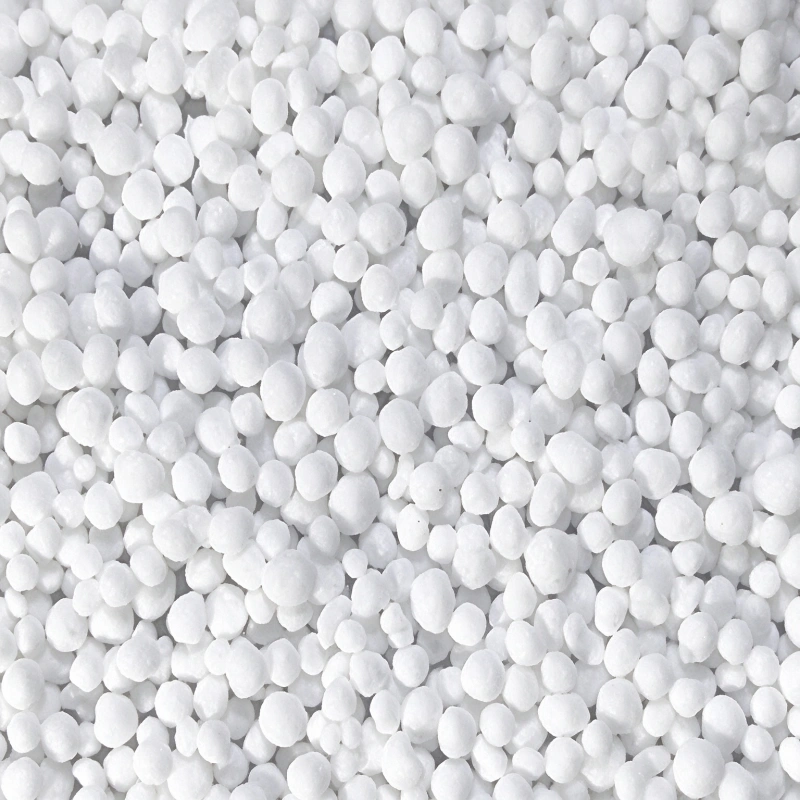
② Raw Material Supply: Three Practical Feeding Options and Their Logistics Costs
Before planning a production line, you need to choose a feeding method based on your existing supply chain. This decision directly affects both the initial investment and the overall structure of your Urea Fertilizer Manufacturing Cost.
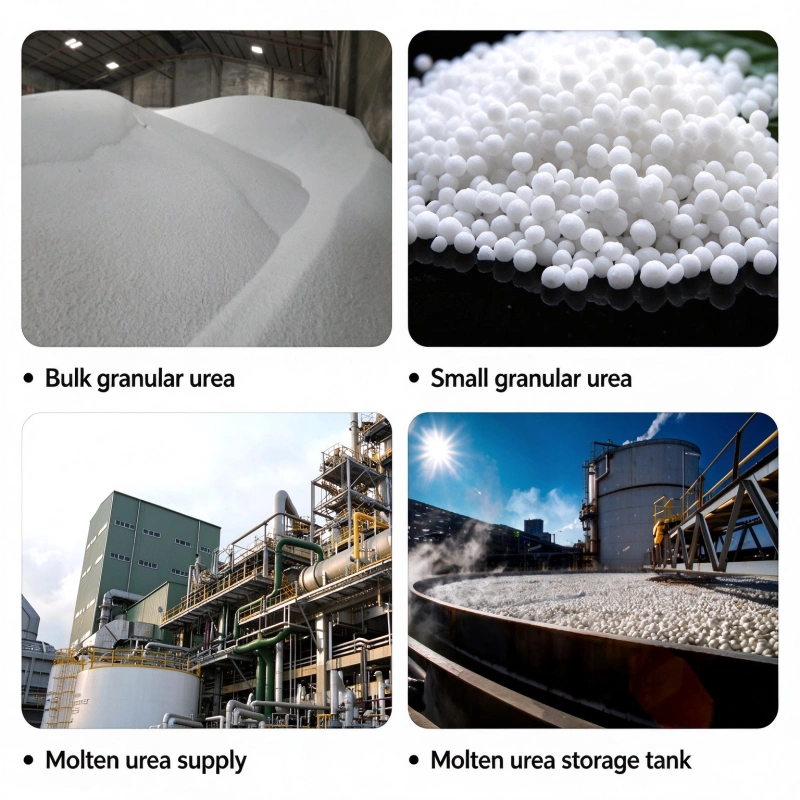
• Option 1: Purchasing Conventional Urea Granules (Screening, Light Regranulation, and Recoating)
Suitable for: Fertilizer traders and processors located near seaports or major fertilizer distribution centers.
Process logic:
Purchase low-cost bulk urea or conventional small granules, remove fines through screening, and then upgrade the product using a coating machine. Anti-caking coatings or micronutrient coatings can be added to create a higher-value fertilizer product.
• Option 2: Purchasing Molten Urea (Direct Drum or Fluidized Bed Granulation)
Suitable for: Processing companies located close to large-scale ammonia and urea manufacturing plants.
Process logic:
Molten urea is supplied directly through insulated pipelines and fed into a spray granulation system. This eliminates the need to remelt solid urea, avoiding substantial additional heat consumption.
For plants with access to a stable molten urea supply, this is one of the most direct ways to reduce Urea Fertilizer Manufacturing Cost.
• Option 3: Purchasing Powdered Urea + Binder (Small-Scale Entry Model)
Suitable for: Regional fertilizer distributors and businesses entering fertilizer manufacturing for the first time.
Process logic:
Purchase low-cost powdered urea or undersize screening material and add a suitable binder to form granules through agglomeration. This approach can offer a competitive raw material purchasing cost.
Four Key Cost Variables and One Critical Logistics Consideration
When calculating raw material costs, pay close attention to the following factors:
• Four major cost variables:
- Delivered raw material price, including applicable taxes.
- Initial moisture content of the raw material.
- Biuret content.
- Road transportation distance.
• A practical logistics consideration:
Urea is a bulk agricultural input. If the road transportation distance exceeds 300 km, high trucking costs can consume more than 30% of the expected granulation processing margin.
Therefore, when evaluating the location of a new plant, prioritize sites close to seaports, upstream chemical fertilizer manufacturers, or major fertilizer consumption markets. A well-chosen location can make a significant difference to the long-term Urea Fertilizer Manufacturing Cost.
Urea Fertilizer Manufacturing Cost
③ Detailed Breakdown of Urea Fertilizer Manufacturing Cost in the Granulation Section
We are not considering the enormous capital investment required for upstream ammonia synthesis. Instead, this section focuses exclusively on downstream urea granulation and processing.
The Urea Fertilizer Manufacturing Cost at this stage mainly consists of two parts: capital expenditure (CAPEX) and operating expenditure (OPEX).
1. Production Line Capital Investment (CAPEX)
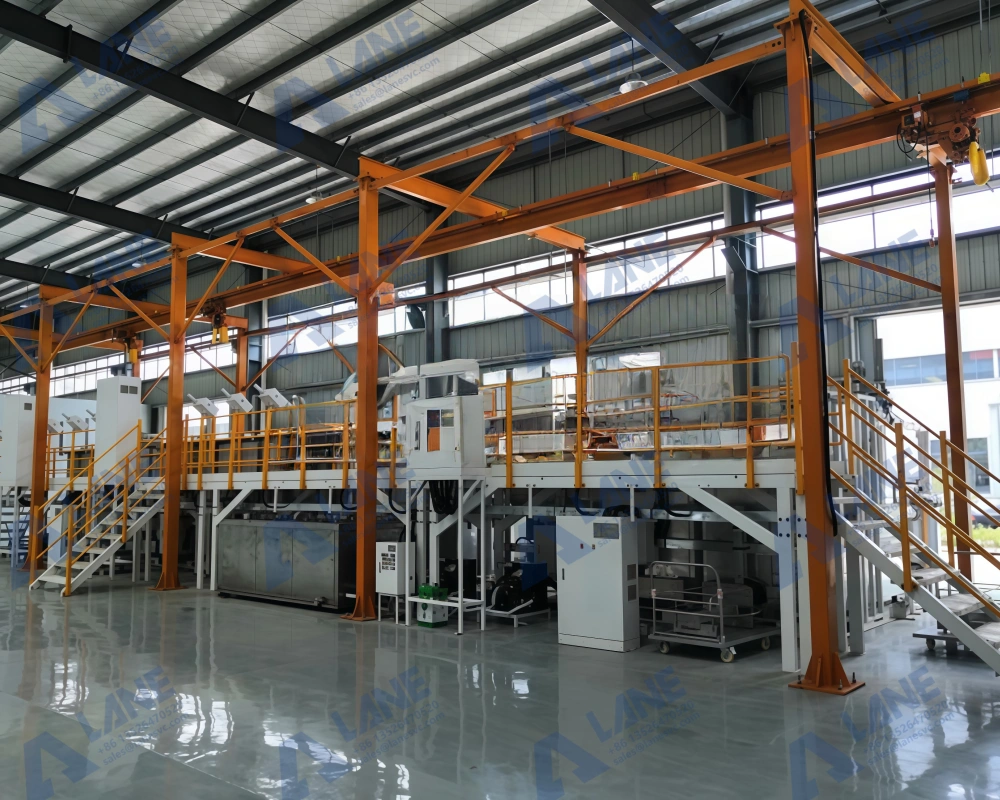
A complete urea granulation line normally includes the following equipment:
Granulation machine + screening machine + cooler + dust collection system + coating machine + automatic packaging line.
The investment requirements vary according to production capacity:
| Production Capacity | Estimated Investment | Suitable Application |
|---|---|---|
| 1–6 t/h small-scale line | USD 100,000–200,000 | Regional distributors, trial production, and specialty fertilizer processing |
| 5–10 t/h standard rotary drum line | USD 250,000–450,000 | Commercial fertilizer processing and medium-sized plants |
| 15–25 t/h large-granule production line | USD 400,000–550,000 | Large-scale manufacturers with stable raw material supplies and export channels |
The 5–10 t/h rotary drum configuration is one of the most established options for commercial operation, offering a practical balance between investment, production capacity, and potential returns.
When comparing equipment suppliers, investors should look beyond the purchase price and evaluate how the entire configuration affects the long-term Urea Fertilizer Manufacturing Cost.
2. Main Operating Costs (OPEX)
During daily production, several operating expenses directly affect the Urea Fertilizer Manufacturing Cost per ton.
• Electricity consumption: The total electricity consumption of a standard rotary drum granulation line is generally around 10–25 kWh/t.
• Thermal energy and steam: Natural gas, diesel, or steam may be required for material preheating, drying, and maintaining the temperature of molten urea.
• Chemical additives: These include special binders used in agglomeration granulation and anti-caking oils or powders used to improve storage and transportation performance.
• Labor and wear parts: These costs include salaries for control room and packaging operators, as well as regular replacement of screening meshes, granulator liners, and dust collector filter bags.
For financial planning, small and medium-sized processors should not simply copy the full-process cost calculations used by large chemical fertilizer corporations.
A more practical approach is to calculate the processing margin backward from the local selling price.
④ Application Markets
Before selecting granulation equipment, investors should answer three basic questions:
- Who will purchase the finished product?
- What type of packaging will be used?
- Will the urea be sold directly or blended with other fertilizers?
The final application determines the production line configuration and where investment should be concentrated to optimize the Urea Fertilizer Manufacturing Cost.
• 1. Direct Application in Field Agriculture
Product specifications:
- Particle size: 2–4.75 mm.
- Rounded granules with low dust content.
- Suitable for large centrifugal fertilizer spreaders.
Recommended equipment configuration:
A high-capacity rotary drum granulation system combined with multi-stage vibrating screening equipment.
The screening system should ensure that more than 95% of the finished granules meet the required particle size specifications.
• 2. Urea for BB Fertilizer Blending
Product specifications:
- Particle size distribution should closely match DAP and MOP.
- High crushing strength.
- Minimal particle segregation during transportation, storage, and bagging.
Recommended equipment configuration:
A high-precision rotary screening machine and a granule shaping or polishing machine should be included to improve particle uniformity and roundness.
• 3. Controlled-Release and Coated Urea Products
Product specifications:
Common products include:
- Sulfur-coated urea (SCU).
- Polymer-coated urea (PCU).
- Urea enriched with micronutrients such as zinc and boron.
Equipment configuration and commercial value:
A fluidized bed coating machine or rotary drum coating machine can be added after the basic granulation section.
Although this additional process increases the initial investment and slightly raises the basic Urea Fertilizer Manufacturing Cost, coated and micronutrient-enriched products can achieve a selling price premium of 25%–40% in certain high-value crop markets.
• 4. Industrial-Grade Urea and AdBlue Raw Materials
Product specifications:
- Extremely low biuret content.
- No foreign matter contamination.
- Strict control of dust and product purity.
Recommended equipment configuration:
All product-contact components must be made of stainless steel. A low-temperature granulation process should be considered to prevent excessive biuret formation, together with a fully enclosed negative-pressure conveying system.
For this market, material selection, process control, and contamination prevention are particularly important when evaluating the overall Urea Fertilizer Manufacturing Cost.
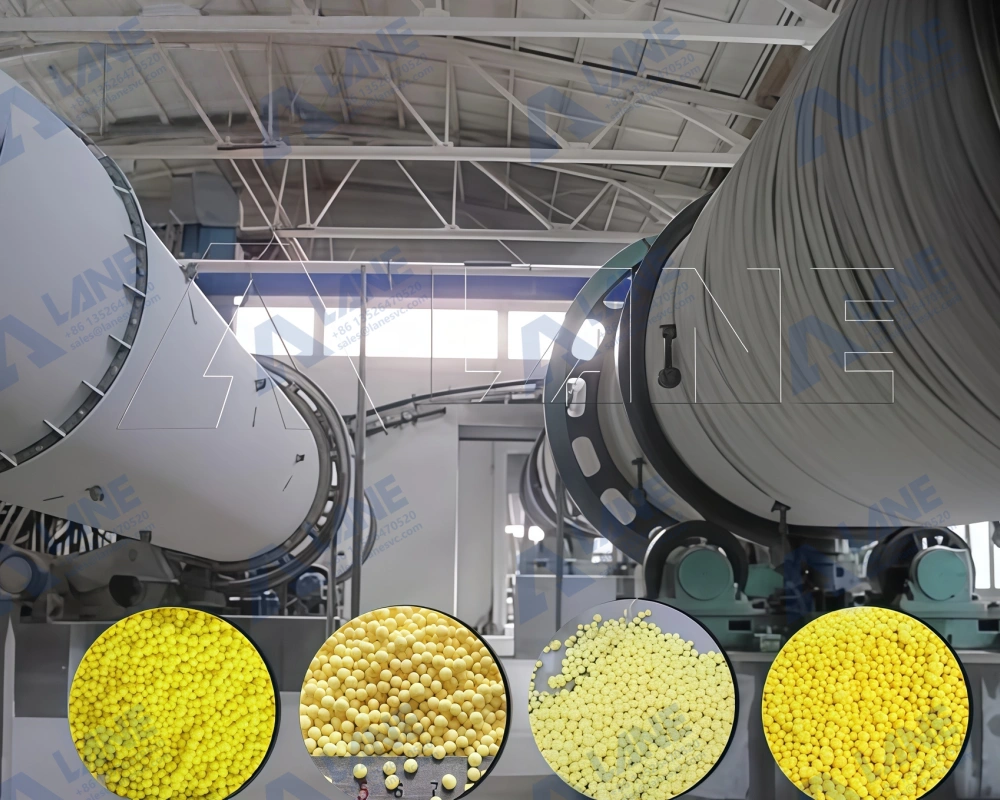
⑤ Global Market Analysis: Regional Challenges and Recommended Granulation Line Configurations
Energy prices, environmental regulations, and agricultural practices vary considerably across global markets. Matching equipment configurations to local conditions is essential for controlling Urea Fertilizer Manufacturing Cost and maintaining profitability.
| Market Region | Main Customer Challenges | Recommended Equipment Configuration |
|---|---|---|
| Middle East and North Africa | Low-cost natural-gas-based urea feedstock, but limited local secondary granulation and repackaging capacity | Large-scale export-grade granulation lines with enhanced anti-caking coating systems to improve long-distance shipping performance |
| Europe | High natural gas and energy prices, strict environmental requirements, and increasing attention to carbon emissions and regulatory compliance | Low-energy dry roller compaction or heat-recovery rotary drum systems, combined with enclosed pulse-jet dust collection and exhaust gas recovery |
| North America | Large commercial farms and automated blending plants demand consistent particle strength and size distribution | Fully automated round-granule production lines with capacities above 10 t/h |
| Southeast Asia and South Asia | High fertilizer demand, intensive rice and cash crop cultivation, and frequent caking problems caused by hot and humid conditions | Medium-sized 5–10 t/h processing lines with enhanced cooling, moisture control, and moisture-resistant heat-sealed packaging |
| Latin America | Heavy dependence on imported fertilizers, high port logistics costs, and foreign exchange fluctuations | Compact granulation and high-speed automatic packaging lines for local processing of imported bulk fertilizer materials |
⑥ Equipment Recommendations: Focus on an 18-Month Payback Plan
As a fertilizer equipment manufacturer specializing in granulation systems, our selection principle is straightforward:
We do not recommend expensive equipment simply for the sake of a larger configuration. Instead, we help customers select systems that minimize unit Urea Fertilizer Manufacturing Cost while targeting an investment payback period of around 18 months.
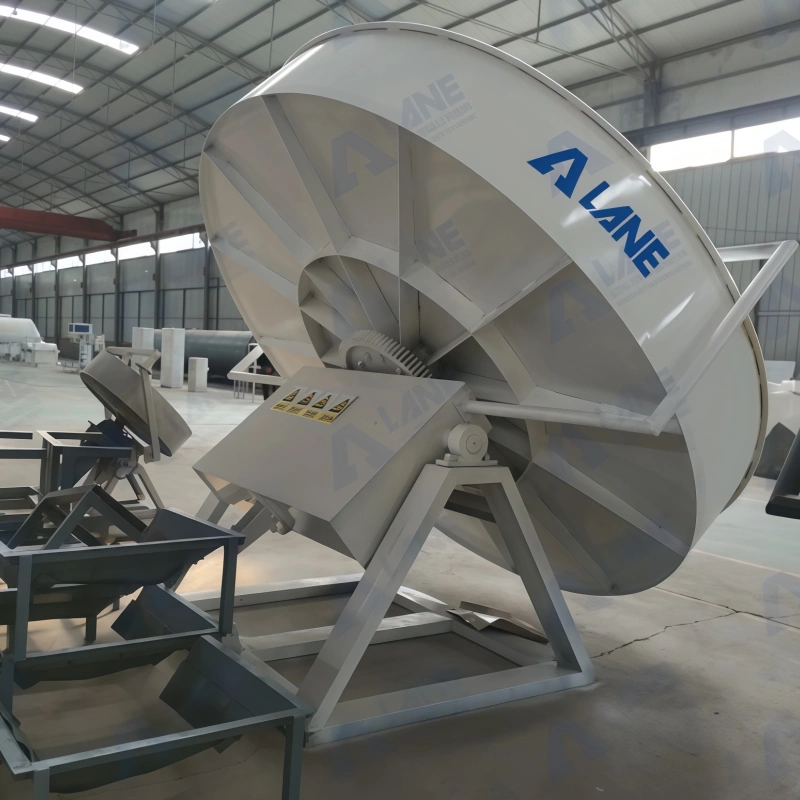
• 1–3 t/h: Entry-Level and Specialty Fertilizer Production
Recommended equipment:
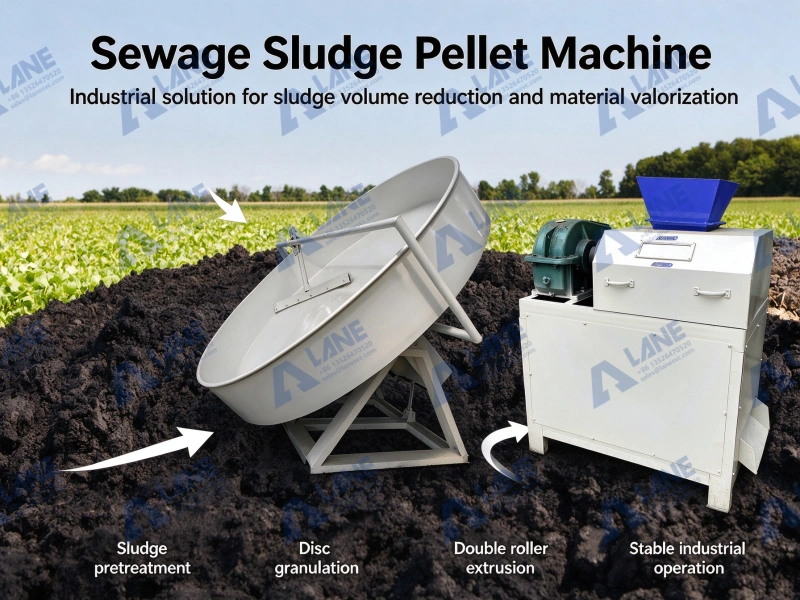
- Disc granulator.
- Double roller dry granulator.
Why choose this configuration?
These machines require relatively little floor space and can operate without a large drying system. This helps keep civil construction and initial equipment investment low.
They are suitable for new manufacturers testing local demand or businesses producing higher-margin specialty urea products containing micronutrients.
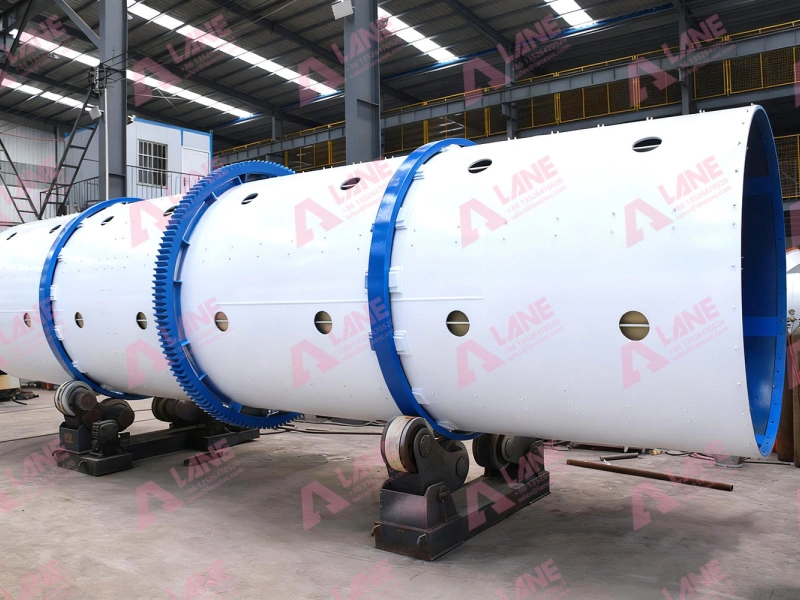
• 5–10 t/h: Mainstream Agricultural Urea Production
Recommended equipment:
Complete wet-process rotary drum granulation line.
Why choose this configuration?
The rotary drum can be equipped with wear-resistant and corrosion-resistant liners. It offers good granule formation performance, relatively uniform particle shapes, and reliable continuous operation.
For many commercial projects, this configuration provides a practical balance between production capacity and Urea Fertilizer Manufacturing Cost.
• 10–20 t/h: High-Standard Export-Oriented Production
Recommended equipment:
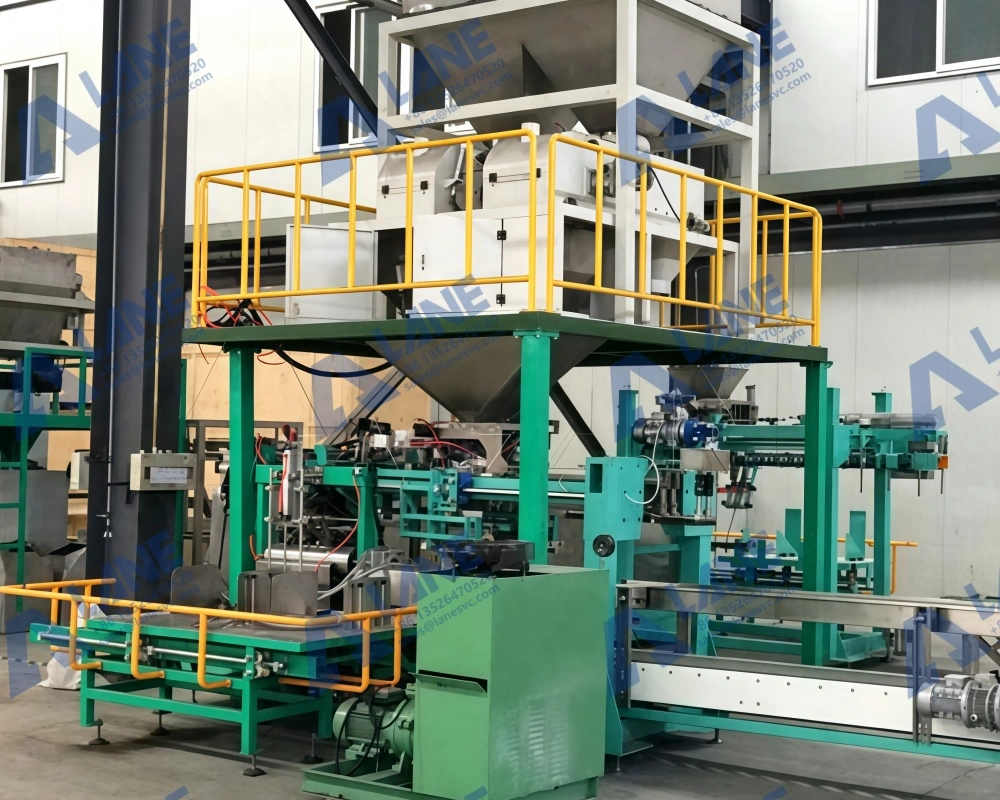
Rotary drum granulation + fluidized bed cooling + fully automatic packaging and palletizing.
Why choose this configuration?
The rotary drum ensures consistent granule formation, while the fluidized bed cooler provides uniform cooling and additional dust removal.
The finished product temperature can be brought close to ambient temperature before packaging, helping improve storage stability.
Combined with automatic small-bag or jumbo-bag packaging, this configuration is suitable for manufacturers targeting demanding international export markets.
• Specialized High-End Markets: Spray Fluidized Bed Granulation
Recommended equipment:
Spray fluidized bed granulation system.
Why choose this configuration?
This system is intended for specialized markets, including certain European applications, where particle uniformity, dust control, and crushing strength are particularly important.
It can produce dense, highly uniform, nearly dust-free spherical granules, helping manufacturers target customers willing to pay more for consistent product quality.
The final equipment selection should always be based on actual product requirements, available raw materials, and the expected Urea Fertilizer Manufacturing Cost.
⑦ Practical Cost-Reduction Checklist for Urea Granulation Projects
During plant construction and daily operation, the following five measures can help reduce unnecessary expenses and improve control over the Urea Fertilizer Manufacturing Cost.
→ 1. Prioritize a Direct Molten Urea Supply
If the plant is located near an upstream urea production facility, consider installing insulated pipelines to receive molten urea directly.
This can eliminate the need for downstream remelting and may reduce fuel and steam consumption by more than 30%, depending on the original process configuration.
→ 2. Install a Complete Dust Collection and Material Recycling System
Do not remove the material return system simply to save on initial equipment costs.
During production:
- Fine powder and undersize particles are collected through screening.
- Oversized granules are crushed to the required size.
- Recovered materials are conveyed back to the granulation section.
- Recycled materials re-enter the granulation process.
This closed-loop arrangement helps minimize material losses and improve overall raw material utilization.
→ 3. Never Skip the Anti-Caking Coating Process
Whether the finished product is shipped overseas or stored for several months, caking can create serious commercial losses.
Once a batch of urea becomes heavily caked, the resulting price reduction, additional labor, and manual crushing costs can be many times higher than the original anti-caking additive expense.
For export-oriented projects, coating is an important part of protecting product quality and controlling the long-term Urea Fertilizer Manufacturing Cost.
→ 4. Automate Packaging and Palletizing Where Possible
The main granulation section may require only one or two control room operators. However, manual bagging and palletizing can consume a considerable amount of labor.
Installing an automatic weighing and packaging machine together with a robotic palletizer can save approximately three to five employees per production line each year, depending on the original staffing arrangement.
This reduces recurring labor expenses and improves packaging efficiency.
→ 5. Collect Three Months of Pilot Production Data Before Expanding
When planning the factory layout, reserve enough space for a future second production phase.
However, keep the first-stage investment under control.
Start with the main production configuration, verify the raw material supply chain, and establish stable sales channels.
After collecting three consecutive months of actual production and financial data, including electricity, fuel, labor, additives, and finished product output, you can make a more reliable expansion decision.
Real operating data is the best basis for evaluating the actual Urea Fertilizer Manufacturing Cost and determining whether additional capacity is justified.
⑧ Conclusion: Your Next Steps Toward a Profitable Urea Granulation Project
Controlling Urea Fertilizer Manufacturing Cost is not simply a matter of choosing a low-priced granulator. It is a complete process involving raw material purchasing, transportation, process selection, energy management, equipment configuration, and final product pricing.
To help you evaluate the feasibility of your project more accurately, our engineering team has prepared three practical calculation tools that are available upon request:
• → Urea Granulation Line Energy Consumption and Processing Cost Calculator
Includes estimated electricity, water, steam, and labor consumption for production lines ranging from 1 to 20 t/h.
• → Global Urea Raw Material Delivered Cost and Transportation Distance Assessment Model
Helps you evaluate local raw material purchasing costs, transportation expenses, and the minimum processing margin required for a viable project.
• → Customized Urea Granulation Line Configuration and 18-Month Investment Payback Budget
Based on your factory space, raw material form, target production capacity, and investment budget, our engineering team can prepare a customized equipment configuration, CAD plant layout, and equipment quotation.
Planning a urea granulation project?
Contact the LANE engineering team to discuss your raw materials, required capacity, and finished product specifications. We can help you select a suitable production line and evaluate the actual Urea Fertilizer Manufacturing Cost before you invest.