Sewage Sludge Pellet Machine: Complete Guide to Sludge Pellet Production
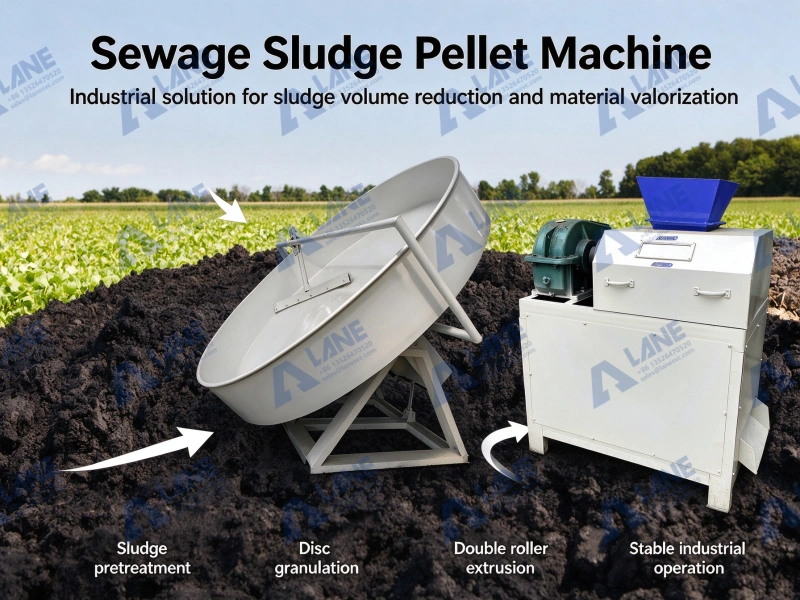
• Current Situation: As global urbanization continues to accelerate, municipal and industrial sludge production is increasing every day. Traditional landfill sites are running out of capacity, while environmental regulations are becoming increasingly strict about direct sludge disposal. Transporting wet sludge off-site is expensive, and sending it directly for incineration involves high preliminary dewatering costs.
A Sewage Sludge Pellet Machine production line offers a practical processing option for facilities looking to reduce sludge volume and improve material utilization.
• Policy and Regulations: Environmental authorities in many regions are tightening their inspections. Illegal sludge dumping can result in substantial fines. Meanwhile, governments are providing significant per-ton treatment subsidies to compliant sludge treatment facilities. Carbon reduction targets are also encouraging industrial companies to purchase alternative fuels and organic fertilizers.
• A Practical Way Forward: Investing in a complete Sewage Sludge Pellet Machine production line provides a way to turn high-moisture, foul-smelling sludge that is difficult to handle into standardized pellets. With appropriate pretreatment and processing, the final product can achieve a volume reduction of more than 60%, significantly reduce odor and harmful contaminants, and be prepared for sale as organic fertilizer or industrial alternative fuel.
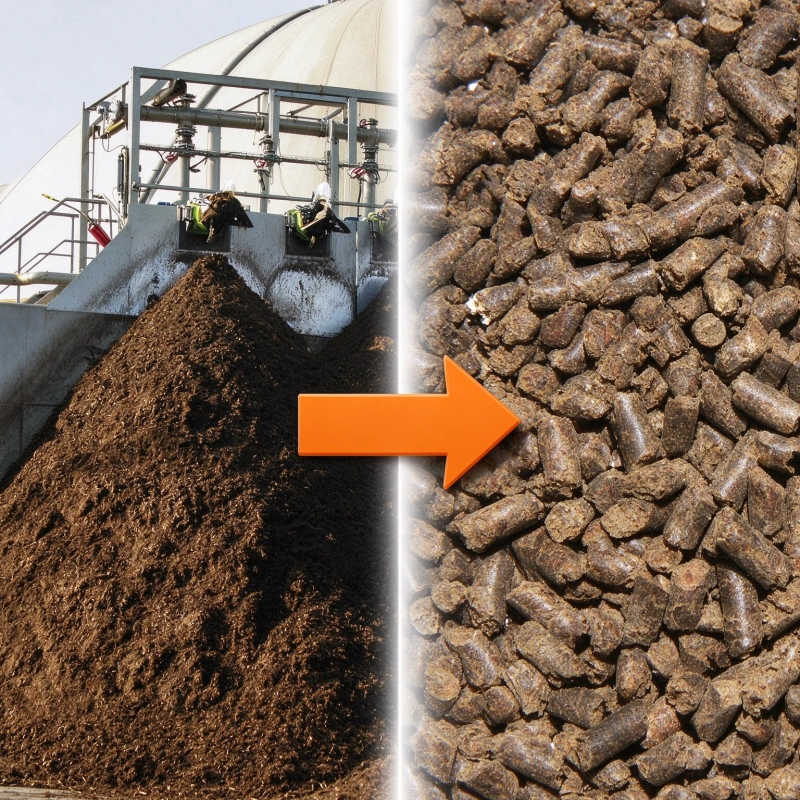
Comparison of Three Sewage Sludge Pellet Machines
When designing a complete production line, we select the most suitable Sewage Sludge Pellet Machine according to the sludge moisture content, intended end product (organic fertilizer or fuel), and investment budget.
The following three machines are commonly considered for different sludge pelletizing applications. Each Sewage Sludge Pellet Machine has its own structural characteristics and operating requirements.
| Main Parameters | Stirring Tooth Granulator (Recommended for Fertilizer Production) | Disc Granulator (Small and Medium Capacity, Round Pellets) | Double Roller Extrusion Granulator (Fuel Production) |
|---|---|---|---|
| Equipment Structure | Horizontal cylinder + spiral stirring tooth shaft + high-chromium alloy liner | Inclined disc + spray humidification system + automatic bottom scraper | Dual alloy rollers + screw feeder + hydraulic system |
| Feed Moisture Content | 40%–55% | 40%–50% | 15%–25% |
| Pelletizing Method | High-speed mechanical mixing + air-assisted pellet formation | Centrifugal force and gravity-driven rolling and pellet formation | Physical cold compression and high-pressure dry extrusion |
| Single-Machine Capacity | 1–10 tons/hour | 0.5–4 tons/hour | 1–8 tons/hour |
| Main Configuration | Hardened gear reducer + detachable alloy stirring teeth + automatic lubrication | Adjustable inclination + fiberglass/stainless steel liner + variable-frequency speed control | Chromium-molybdenum-vanadium alloy roller shells + hydraulic overload protection against metal objects |
| Suitable Materials | Municipal sludge, mixed livestock manure sludge, food processing and brewing sludge | Landscaping fertilizer and fermented sludge from small and medium-sized wastewater treatment plants | Paper mill, textile dyeing and leather sludge, as well as high-calorific-value dried municipal sludge |
| Final Products | Landscaping fertilizer, soil conditioners and agricultural organic fertilizer | High-roundness commercial organic fertilizer pellets and base fertilizer for cash crops | RDF/SRF alternative fuel pellets |
Stirring Tooth Granulator: Recommended for Organic Fertilizer
This machine is suitable for relatively sticky sludge and commercial organic fertilizer production requiring higher output. Its main advantage is that it can process materials with comparatively high moisture content, reducing the need for extensive preliminary drying and the associated energy costs.
When choosing a Sewage Sludge Pellet Machine for a high-moisture fertilizer project, this model is worth considering.

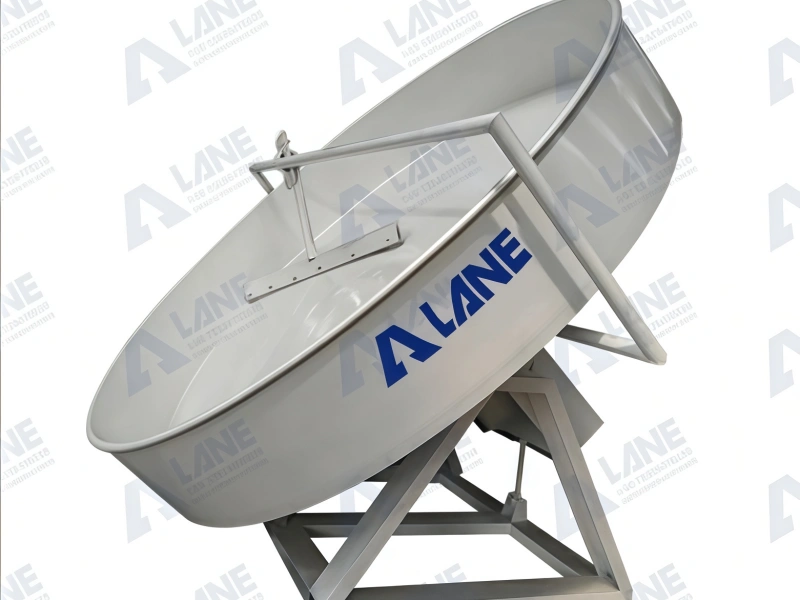
Disc Granulator: Suitable for Smaller Production Lines
The disc granulator is a practical option for small and medium-sized production facilities. Its rolling pelletizing process produces relatively round pellets, making it suitable for commercial fertilizers where appearance and pellet uniformity are important.
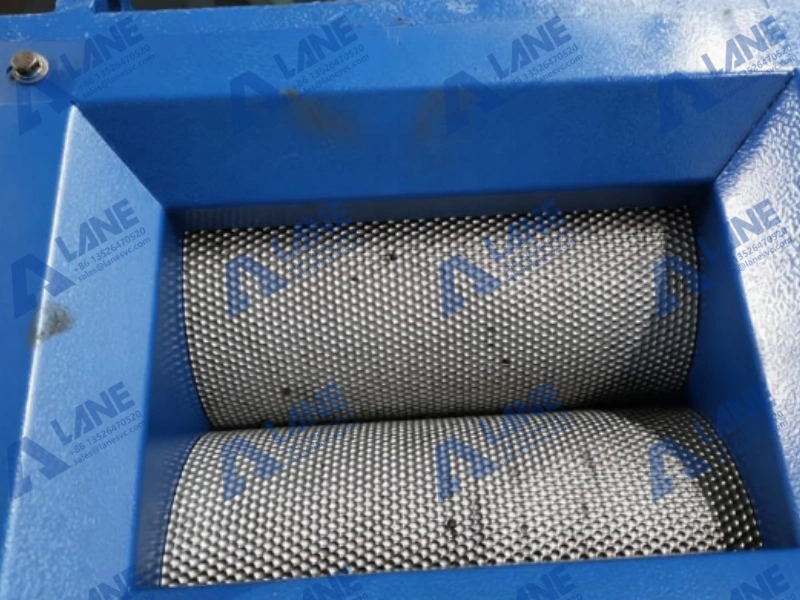
Double Roller Extrusion Granulator: Designed for Fuel Production
This machine uses high-pressure physical compression to form dry materials into dense pellets. It is particularly suitable for low-moisture sludge powder and industrial alternative fuel production. A more intensive drying system is required before pelletizing, but secondary drying is generally unnecessary after extrusion.
For projects focused on alternative fuel, the Sewage Sludge Pellet Machine must be matched with the appropriate drying and feeding systems.
Raw Material Preparation
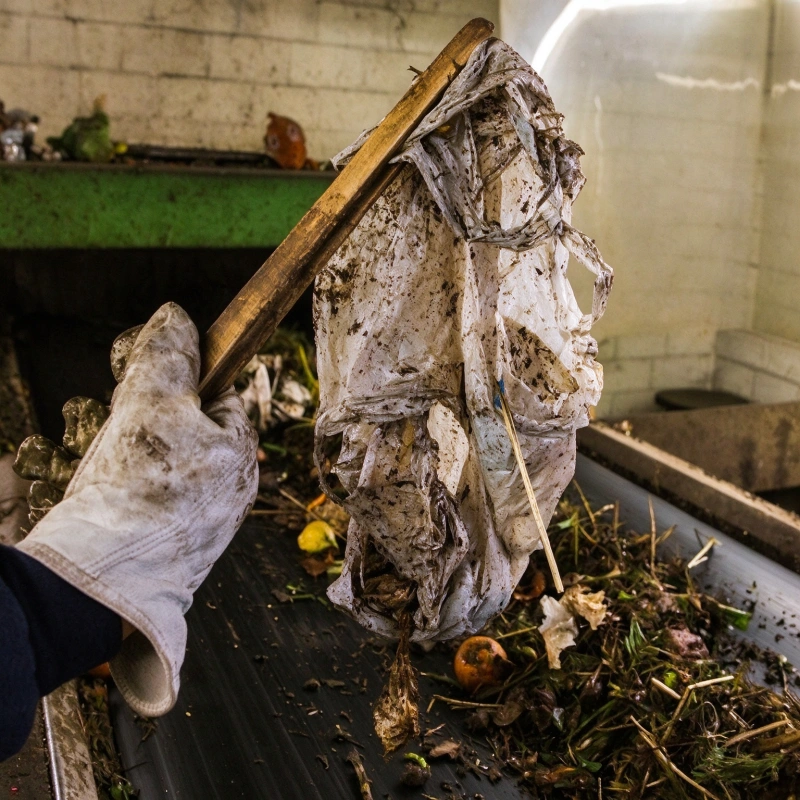
In actual production, freshly dewatered sludge from a filter press should never be fed directly into a Sewage Sludge Pellet Machine without proper pretreatment. Different sludge materials require different preparation methods to ensure stable operation and consistent pellet quality.
Suitable Raw Materials
- • Municipal Wastewater Sludge: Contains organic matter and nutrients such as nitrogen, phosphorus and potassium. After appropriate fermentation, treatment and testing, it may be suitable for landscaping fertilizer and soil conditioner production.
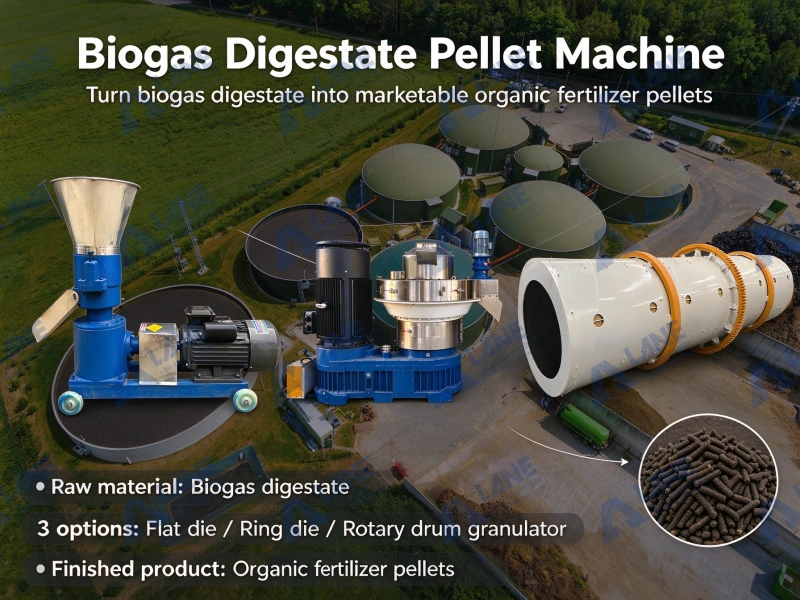
- • Food Processing, Brewing and Biogas Digestate: Materials from relatively clean sources, without industrial heavy metal contamination, can be considered for agricultural organic fertilizer production after appropriate treatment and quality verification.
- • Paper Mill, Textile Dyeing and Leather Sludge: Some of these materials contain considerable amounts of organic matter and fibrous components. Depending on their composition and calorific value, they may be processed into industrial alternative fuel.
- • River Dredging and Lake Sediment: These materials may contain relatively high sand content. With suitable wear-resistant components and proper pretreatment, they can be processed into soil improvement products where the final composition meets the relevant requirements.
Required Feed Moisture Content
Different pelletizing routes require different moisture levels:
- • Organic Fertilizer Production (Stirring Tooth / Disc Granulator):Wet sludge → Aerobic fermentation and conditioning → Moisture controlled at approximately 40%–55%.
During fermentation, high temperatures help reduce pathogens and insect eggs. The material must also reach the required maturity before agricultural use.
- • Alternative Fuel Production (Double Roller Extrusion Granulator):Wet sludge → Rotary drum dryer → Moisture reduced to approximately 15%–25% → Pelletizing.
Proper drying is essential to ensure stable compression and sufficient pellet strength.
The required moisture content should be determined before selecting a Sewage Sludge Pellet Machine, as it directly affects the pelletizing process.
Adding Auxiliary Materials
Pure sludge may be too sticky for stable pelletizing or may not have sufficient calorific value for fuel production.
In such cases, 10%–30% of auxiliary materials can be added, depending on the raw material characteristics and product requirements.
Common options include:
- • Sawdust
- • Straw powder
- • Spent mushroom substrate
- • Coal powder
These materials serve several purposes:
- • Adjust material viscosity and reduce sticking inside the machine.
- • Improve the carbon-to-nitrogen ratio where appropriate.
- • Increase the calorific value of finished fuel pellets.
- • Improve the overall physical properties of the final product.
Screening and Iron Removal Before Pelletizing
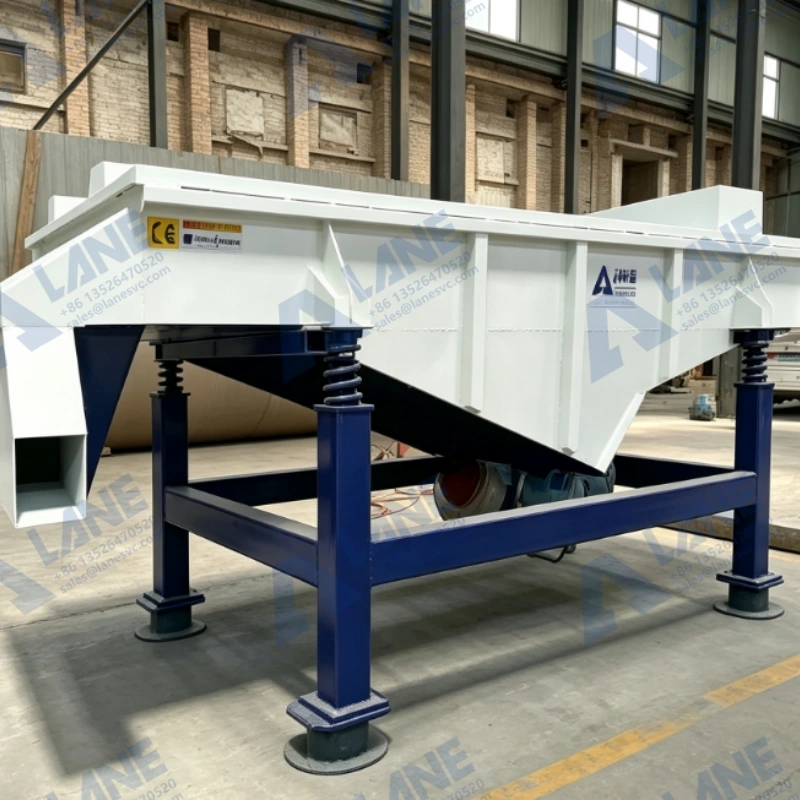
Before materials enter the Sewage Sludge Pellet Machine, they should pass through a magnetic separator and rotary screening equipment.
This step removes:
- • Stones and gravel
- • Screws and metal fragments
- • Iron wires and other unwanted debris
Removing these impurities helps protect the dies, stirring components and roller surfaces from unnecessary wear or damage.
Heavy Metal Testing Is Essential
Industrial sludge must undergo laboratory testing before production.
If heavy metal concentrations exceed the applicable agricultural standards, the material must not be used for fertilizer production. An alternative treatment or disposal route should be selected according to local environmental regulations. Where permitted, suitable sludge may be considered for industrial fuel applications.
Before purchasing a Sewage Sludge Pellet Machine, customers should therefore confirm the composition and intended treatment route of their sludge.
Complete Production Line Process
A stable Sewage Sludge Pellet Machine production line consists of several connected processing sections. Each section performs a specific function, from raw material reception to finished pellet packaging.
Standard Organic Fertilizer Production Process
The stirring tooth granulator is used as the main pelletizing machine in this configuration.
Standard Process Flow:
Wet sludge receiving hopper (with anti-bridging and anti-blocking device)
→ Aerobic fermentation / dewatering system (moisture reduction and material maturation)
→ Vertical chain crusher (breaking up hardened sludge lumps)
→ Double-shaft horizontal mixer (uniformly mixing sawdust, auxiliary materials and microbial agents)
→ Sewage Sludge Pellet Machine (main pelletizing unit, forming the material into pellets)
→ Rotary drum dryer and cooler (reducing pellet moisture to below 15% and cooling the pellets for stabilization)
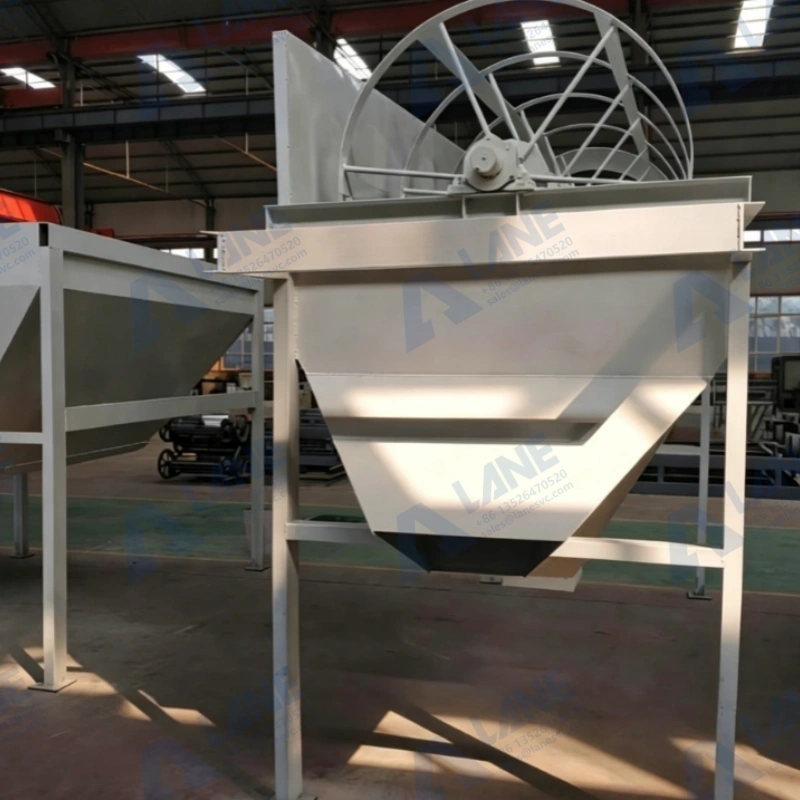
→ Multi-layer rotary screening machine (separating qualified pellets and automatically returning fines for reprocessing)
→ Automatic weighing and packaging machine (weighing, sealing and preparing finished products for storage)
Matching the Equipment to Different Production Requirements
- • Stirring Tooth Granulator: Suitable for highly adhesive sludge and large-scale commercial organic fertilizer production. It can handle relatively high-moisture materials, helping reduce preliminary drying requirements.
- • Disc Granulator: Suitable for small and medium-sized production facilities that prioritize round pellet appearance and commercial fertilizer quality.
- • Double Roller Extrusion Granulator: Suitable for low-moisture dry powder and high-density industrial alternative fuel pellets. A more powerful front-end drying system is required, while secondary drying is generally not needed after pelletizing.
The final selection of a Sewage Sludge Pellet Machine should take into account both the required output and the characteristics of the finished pellets.
Supporting Equipment for the Production Workshop
A complete sludge pellet production line also requires environmental protection and automatic control systems.
- • Fully Enclosed Negative-Pressure Deodorization Tower: Collects odor from the production workshop and treats the exhaust gas before discharge to meet applicable environmental requirements.
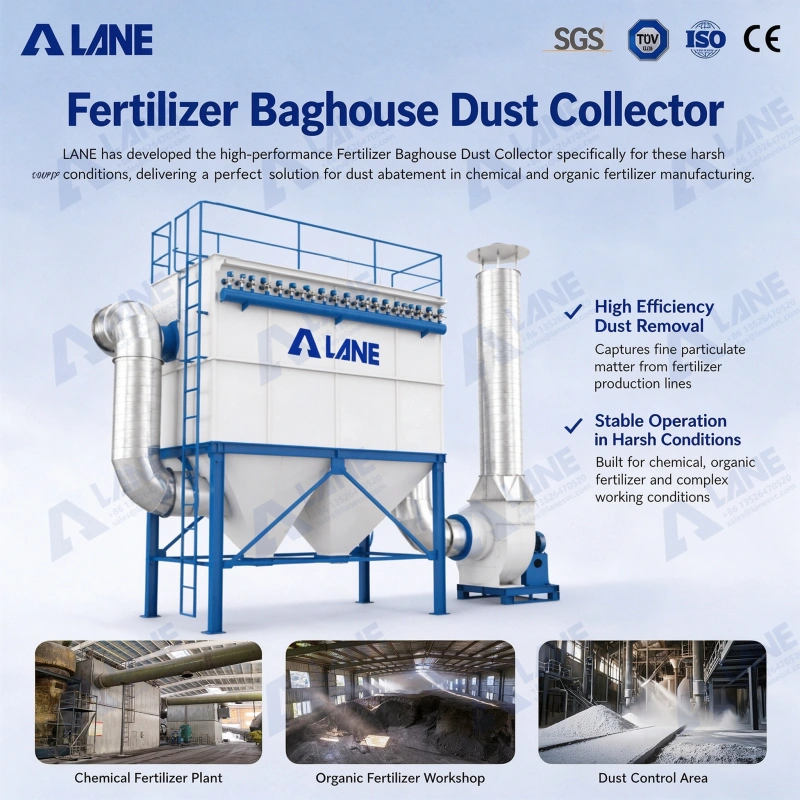
- • Pulse Jet Baghouse Dust Collector: Collects dust generated during crushing, drying and screening, helping maintain a cleaner production environment.
- • PLC Central Control Cabinet: Provides centralized start/stop control and real-time monitoring of motor current and operating temperatures. With a suitable level of automation, the entire production line can generally be managed by just 2–3 operators.
These auxiliary systems work alongside the Sewage Sludge Pellet Machine to support continuous production and improve workshop operating conditions.
Commercial Applications: How to Sell the Finished Pellets
For anyone investing in a Sewage Sludge Pellet Machine, the most important consideration is not simply producing pellets, but finding reliable buyers and establishing a profitable sales channel.
There are two main commercial routes: organic fertilizer and industrial alternative fuel.
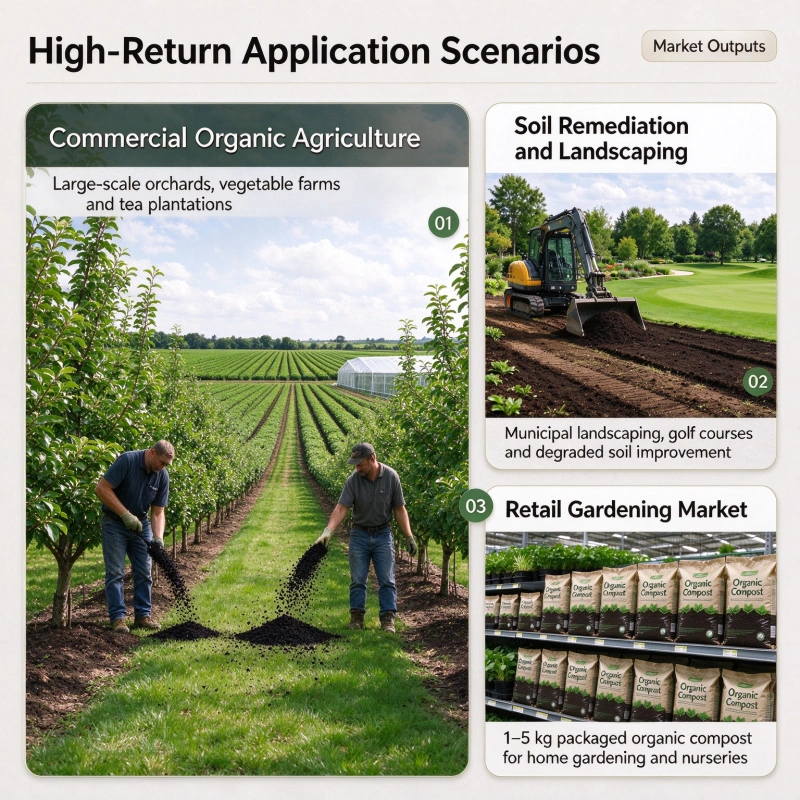
Organic Fertilizer: Potential Buyers and Market Applications
Products: Pellets produced by stirring tooth and disc granulators.
Target Customers:
- • Municipal landscaping and green space maintenance companies
- • Mine ecological restoration contractors
- • Desertification control projects
- • Golf courses
- • Large-scale commercial plantations, including palm, rubber and fruit tree farms
Main Selling Points:
When properly treated and tested, sludge-based fertilizer products can contain organic matter and humic substances that help improve soil structure and address soil compaction and degradation.
Compared with some conventional fertilizer products, these materials may offer a more economical option for large plantations and ecological restoration projects, depending on their nutrient composition and local market prices.
Alternative Fuel: Potential Buyers and Market Applications
Products: RDF/SRF pellets produced by double roller extrusion granulators.
Target Customers:
- • Large cement rotary kiln plants
- • Thermal power plants
- • Centralized industrial heating and boiler facilities
Main Selling Points:
Depending on the sludge composition and auxiliary materials, the finished pellets may achieve a calorific value of approximately 3,000–4,500 kcal/kg.
These pellets can be considered as alternative fuels to partially replace conventional coal in suitable industrial combustion systems. Their actual combustion performance, emissions and compatibility must be verified through testing.
5.3 One Important Rule Before Equipment Selection
Before purchasing a Sewage Sludge Pellet Machine, always conduct raw material sampling and laboratory testing.
Two indicators are particularly important:
- • Heavy metal content: Determines whether the material can meet agricultural fertilizer requirements.
- • Calorific value: Helps evaluate whether the material is suitable for industrial alternative fuel production.
These test results will directly influence the production route, equipment configuration and potential sales market.
Global Market Analysis and Equipment Recommendations
Different regions have different climates, environmental standards and market requirements. For international B2B customers, LANE provides customized Sewage Sludge Pellet Machine production line configurations according to local raw material characteristics and final product demand.
| Target Market | Main Local Challenges | Recommended Final Products | Recommended Production Line Configuration |
|---|---|---|---|
| Europe and North America | Strict emission standards, high labor costs and relatively high coal and natural gas prices | High-calorific-value alternative fuels (RDF/SRF) for cement plants and thermal power facilities | Double roller extrusion granulator + fully automatic PLC central control system + two-stage biological deodorization and dust collection system |
| Southeast Asia and South America | Long rainy seasons, high initial sludge moisture content and extensive cash crop plantations | Landscaping fertilizer and organic fertilizer for palm, coffee and sugarcane plantations | Stirring tooth granulator + high-efficiency triple-pass rotary drum dryer + reinforced stainless steel corrosion-resistant components |
| Middle East and Africa | Water scarcity, severe soil desertification, high temperatures and dusty environments | Ecological restoration pellets and water-retaining soil conditioners | Disc granulator / stirring tooth granulator + heavy-duty heat-resistant motors + fully enclosed dustproof conveying system |
Equipment Purchasing Guide:
Prices for pelletizing equipment can vary considerably between manufacturers. When purchasing a Sewage Sludge Pellet Machine, pay particular attention to the following four factors.
Check the Wear-Resistant Components
Sludge may contain fine quartz sand and substances with mildly acidic or alkaline properties.
The stirring teeth, disc liners and roller shells should therefore be made from suitable wear-resistant materials, such as high-chromium alloys or carburized and hardened chromium-molybdenum-vanadium steel.
Ordinary carbon steel components may wear out quickly under abrasive operating conditions, resulting in frequent replacement and higher maintenance costs.
Check the Gearbox and Transmission System
Sludge pelletizing can generate considerable resistance during operation.
The equipment should use:
- • A hardened gear reducer with direct-drive transmission.
- • Heavy-duty spherical roller bearings.
- • A reliable transmission design suitable for continuous industrial operation.
Avoid low-quality machines that rely on poorly designed belt drives and are prone to slipping or frequent belt breakage.
Verify the Actual Production Capacity
Do not rely solely on the advertised output figures.
Calculate the actual dry material quantity based on the daily wet sludge production and its moisture content. Then select a suitable Sewage Sludge Pellet Machine with a capacity of 1, 3, 5 or 10 tons per hour, according to the actual processing requirements.
Correct capacity matching helps prevent long-term overloading and unnecessary equipment damage.
Check the Manufacturer’s After-Sales Support
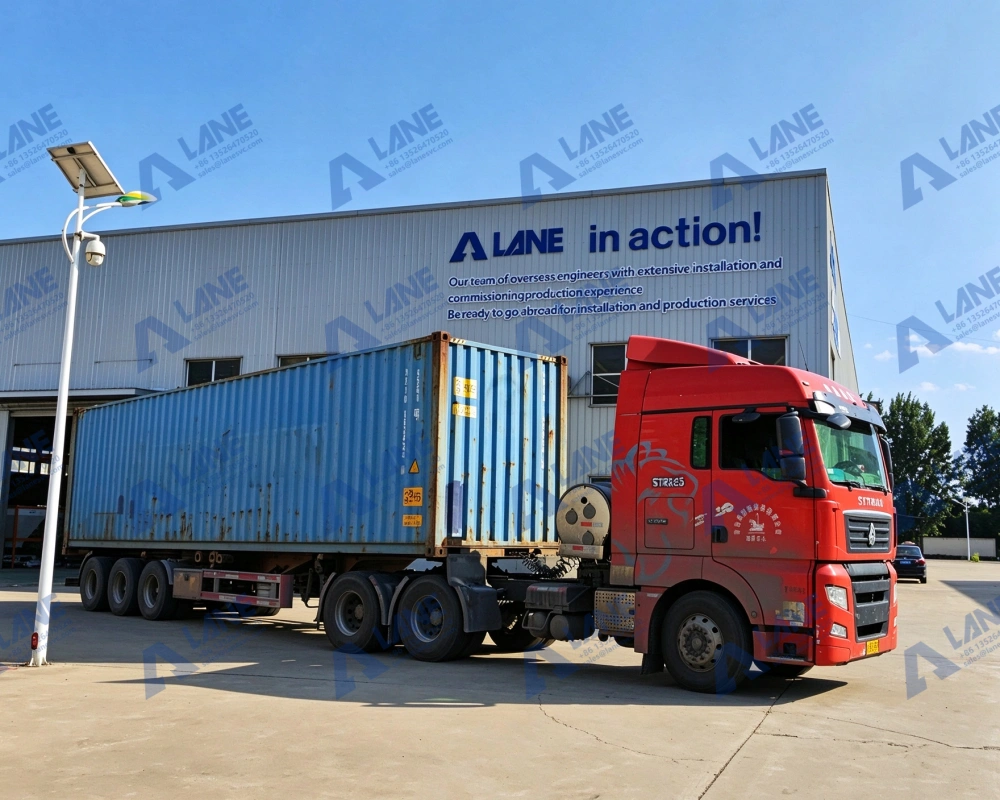
Before placing an order, verify whether the manufacturer has genuine overseas installation and commissioning experience.
Important questions include:
- • Can the manufacturer provide a free CAD workshop layout?
- • Can engineers travel to the project site for installation and commissioning?
- • Are spare parts and wear components readily available?
- • Can the manufacturer arrange timely equipment delivery?
- • Is technical support available after the production line starts operating?
A reliable equipment manufacturer should be able to support the project from initial process design through installation, commissioning and after-sales service.
When comparing suppliers, also check whether their Sewage Sludge Pellet Machine has been tested with materials similar to yours.
Frequently Asked Questions (FAQ) and Contact Us
How long do the wear parts last? Is replacement complicated?
With customized wear-resistant alloy components, the stirring teeth of a stirring tooth granulator can process approximately 3,000–5,000 tons of pellets, while the alloy roller shells of a double roller extrusion granulator can process approximately 8,000–12,000 tons.
Both designs can use modular quick-release structures. Under suitable working conditions, two workers can complete a replacement in approximately two hours, helping reduce maintenance downtime and replacement costs.
Q2. How much electricity is required to produce one ton of finished pellets?
Taking a stirring tooth organic fertilizer production line as an example, the total electricity consumption for crushing, mixing, pelletizing, drying, cooling and screening is approximately 25–35 kWh per ton of finished pellets.
Actual consumption depends on the sludge moisture content, auxiliary materials, production capacity and equipment configuration.
Q3. How much workshop space is needed for a 3-ton-per-hour production line?
For a standard 3-ton-per-hour production line, we recommend reserving a workshop measuring approximately:
- • Length: 35 meters
- • Width: 15 meters
- • Height: 8 meters
- • Total floor area: Approximately 525 m²
If the project uses a double roller fuel production line with a large rotary drum dryer, the workshop length should preferably be extended to approximately 45 meters.
LANE can also prepare a compact equipment layout according to the available site dimensions.
Q4. What if my sludge is too sticky or has an unusual composition? How can I be sure the equipment will work?
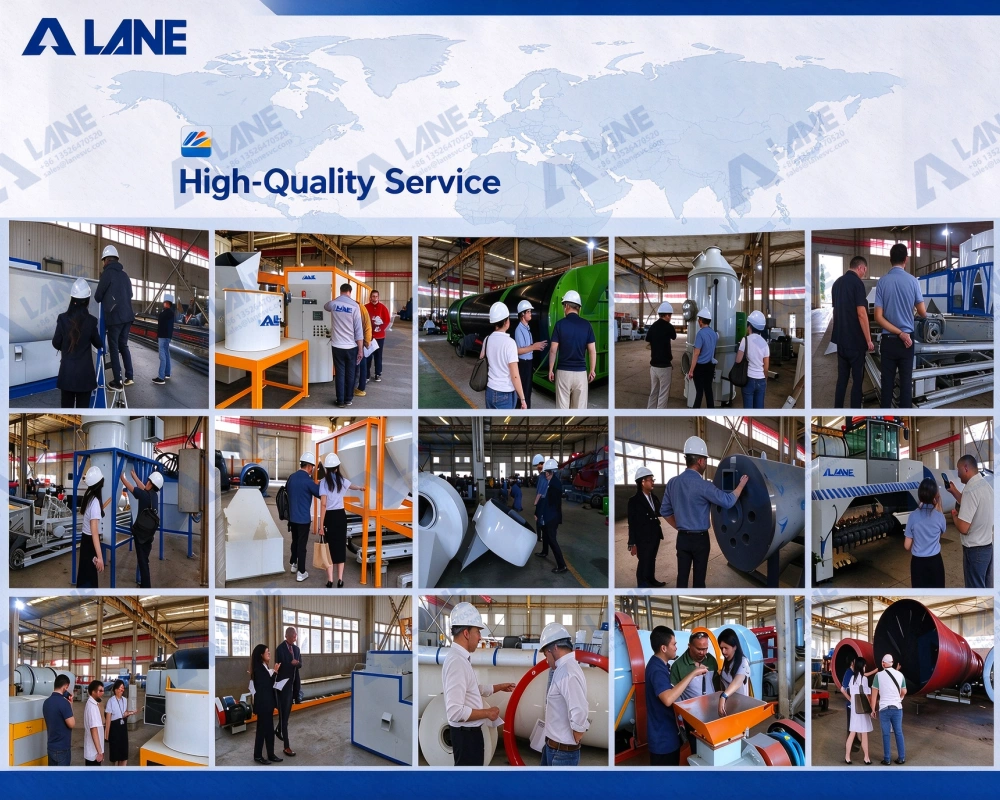
LANE has a full-scale equipment testing workshop equipped with stirring tooth, disc and double roller extrusion granulator models.
Customers from around the world can send their own sludge samples for pelletizing tests before purchasing a complete Sewage Sludge Pellet Machine production line.
This allows us to evaluate the material characteristics, test the pelletizing performance and recommend a more suitable production configuration.
Get Your Customized Sludge Pellet Production Line Solution
LANE Heavy Industry provides professional fertilizer equipment manufacturing and complete production line solutions. From raw material analysis and process design to equipment manufacturing, installation, commissioning and operator training, we support customers throughout the project.
Our engineering team can help you select a suitable Sewage Sludge Pellet Machine based on your raw material characteristics, production capacity and final product requirements.
1. Free Material Testing
Send 5–10 kg of your sludge sample to our testing workshop.
We can:
- • Conduct pelletizing tests using suitable equipment.
- • Record the complete testing process.
- • Evaluate the finished pellet characteristics.
- • Send the finished samples back to you for further calorific value or fertilizer performance testing.
2. Equipment Layout and Quotation Within 24 Hours
Simply provide the following information:
- • Daily wet sludge processing capacity.
- • Current sludge moisture content.
- • Intended final product: organic fertilizer or alternative fuel.
Our engineers can prepare a customized equipment configuration, workshop CAD layout and quotation within 24 hours.
Contact LANE today to discuss your Sewage Sludge Pellet Machine project and find the right production solution for your raw materials and business requirements.