Agricultural Waste Pellet Machine: How to Achieve High-Value Monetization via Pelletization
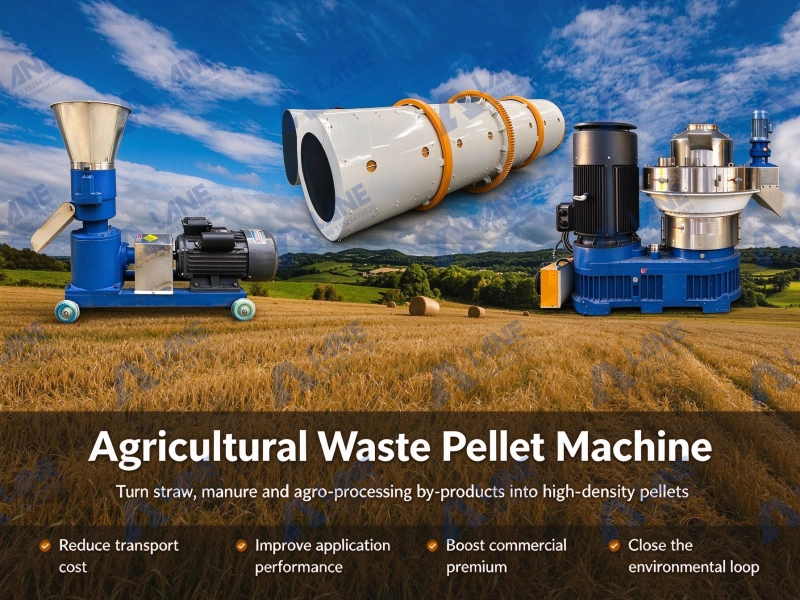
Billions of tons of straw, manure and agro-processing by-products are generated globally each year. Most are burned, stockpiled or left to rot naturally. The Agricultural Waste Pellet Machine compresses loose waste into high-density pellets, directly solving four core pain points:
• Cut transportation costs: After high-pressure extrusion by the Agricultural Waste Pellet Machine, raw material volume shrinks to 1/3–1/5 of its original size, making long-distance transport economically viable.
• Improve application performance: Powdered fertilizer creates heavy dust and clogs farm spreaders. Pellets feature good flowability, resist caking and can be applied directly by large-scale fertilization machinery.
• Boost commercial premium: Uniform, well-shaped pellets easily enter agricultural input distribution channels. At equal nutrient content, they sell for 200–500 CNY more per ton than powdered fertilizer.
• Close the environmental loop: Eliminate straw burning and direct manure discharge. The Agricultural Waste Pellet Machine acts as the core hub for commercial waste conversion; without pelletization, pre-treatment only turns one waste stream into another.
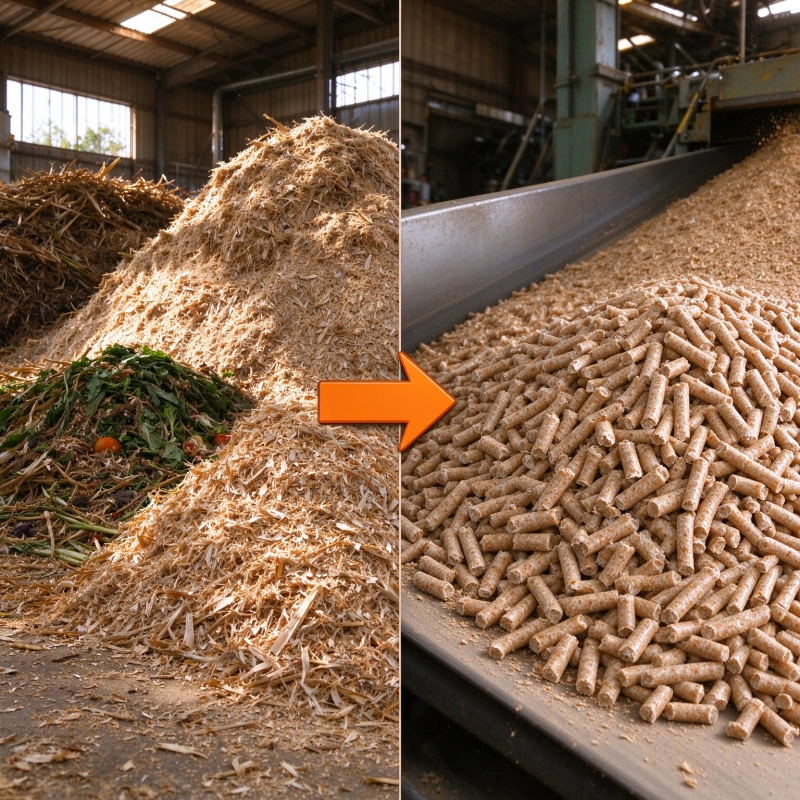
Raw Material Overview — Can Your Waste Be Pelletized, and How?
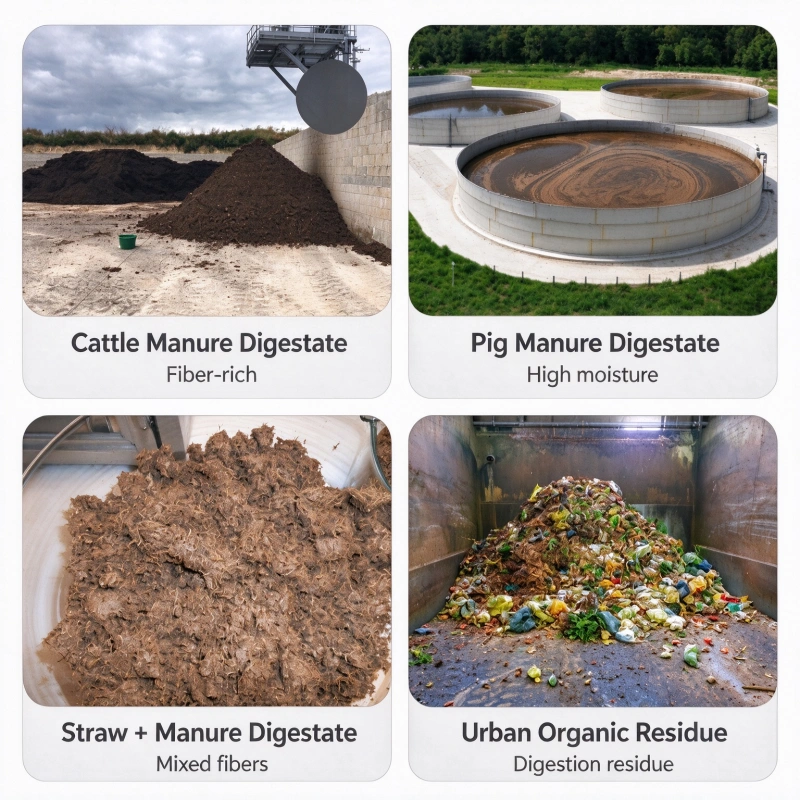
Physical properties vary drastically across feedstocks. Matching pre-treatment processes is mandatory before feeding material into the Agricultural Waste Pellet Machine:
• Straw materials (wheat straw, rice straw, corn stalk, cane leaves, coconut coir fibre): High crude fibre and lignin content require thermal softening to develop binding force. Direct pelleting causes frequent blockages and pellet crumbling; high silica content also accelerates die wear. Pre-treatment: crush to 3–5 mm, then condition with steam or water.
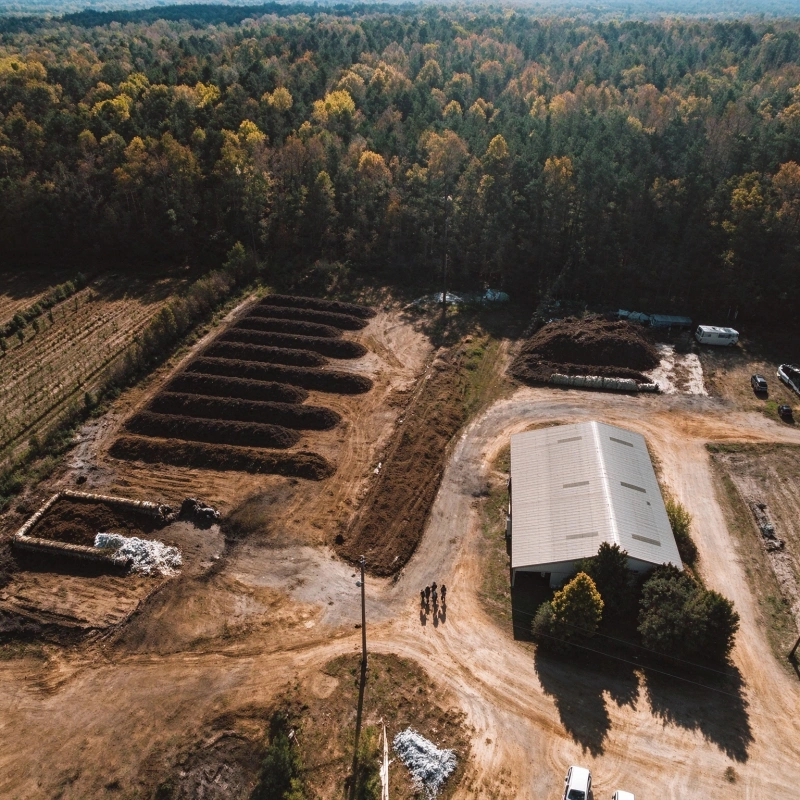
• Livestock manure (chicken manure, cow dung, pig manure, sheep manure): High moisture and stickiness, often mixed with bedding. If moisture exceeds 60%, feeding into the Agricultural Waste Pellet Machine results in muddy extrusion and die fouling. First carry out composting to reduce moisture to 30%–40%, then semi-wet crushing, and blend with straw powder as needed to adjust the C/N ratio.
• Agro-processing by-products (bagasse, coffee husk, distiller’s grains, herb residues, mushroom substrate): Moisture fluctuates widely between 40%–70%; some feedstocks contain sugar or oil. High sugar causes die sticking, high oil eliminates binding capacity, and excessive moisture prevents shaping. Pre-treat via mechanical dewatering or sun drying, then blend with dry amendments to balance material properties.
• Mixed heterogeneous agricultural waste: Complex composition and variable ratios. Prioritize equipment tolerance during selection, and choose an Agricultural Waste Pellet Machine with wider adaptability to moisture and fibre variations.
Full Breakdown of Agricultural Waste Pellet Machine Models
As a professional fertilizer equipment manufacturer, we supply four core pelletizer lines tailored to different process requirements:
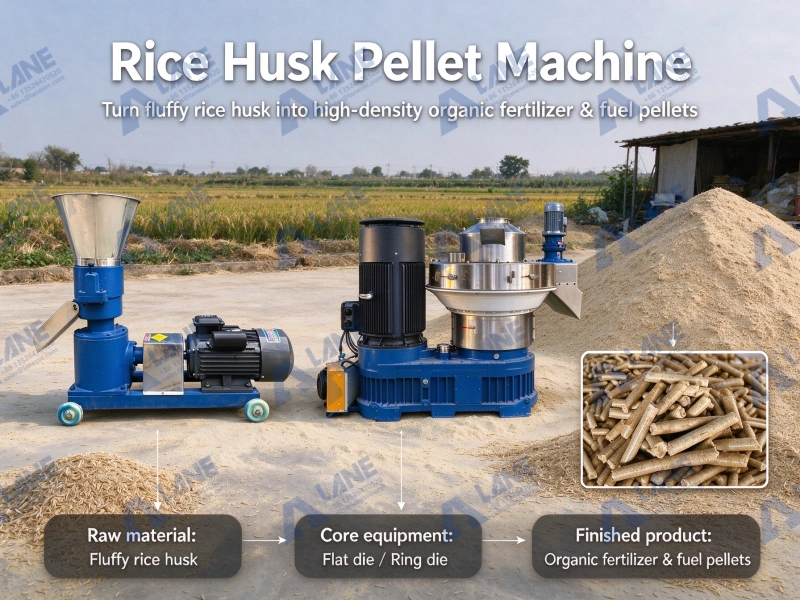
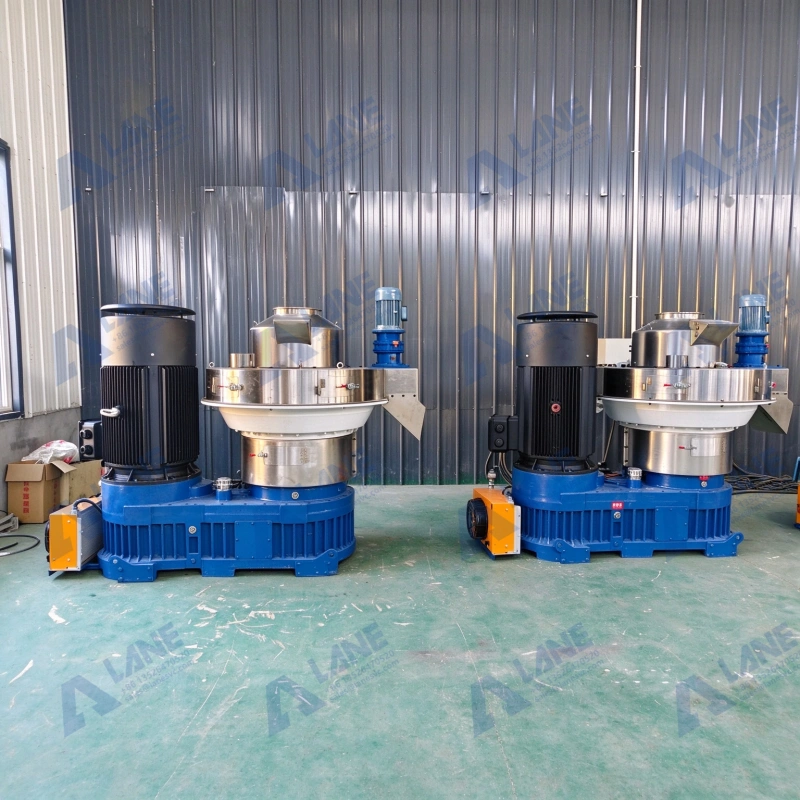
• Principle & feedstock: Material is extruded through a circular die by pressing rollers to form cylindrical pellets. Ideal for high-fibre materials such as wood chips, straw, rice husk and conditioned blends.
• Capacity & target users: 1–20 tons per hour. Designed for biomass fuel plants and large continuous organic fertilizer factories.
• Pros & recommendations: High throughput, dense pellets, long die service life. Limitations: moisture must be strictly controlled at 12%–18%, and upfront capital investment is high. The preferred Agricultural Waste Pellet Machine for large-scale fuel or commercial fertilizer projects.
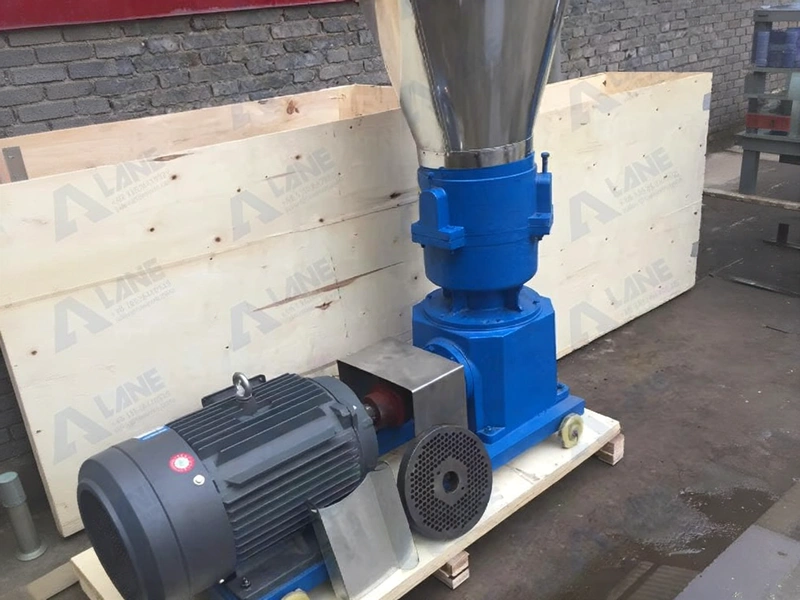
• Principle & feedstock: Vertical extrusion via rollers on a flat die. Suitable for livestock manure, straw powder, grass meal and medium-fibre blends.
• Capacity & target users: 0.3–3 tons per hour. Fits family farms, cooperatives and small fertilizer plants.
• Pros & recommendations: Low price, small footprint, easy maintenance, broad feedstock adaptability. Limitations: capped throughput, relatively faster die wear. Best value Agricultural Waste Pellet Machine for budget-limited clients with mixed feedstocks.
3. Rotary Drum Pelletizer (Drum / Disc Pelletizer)
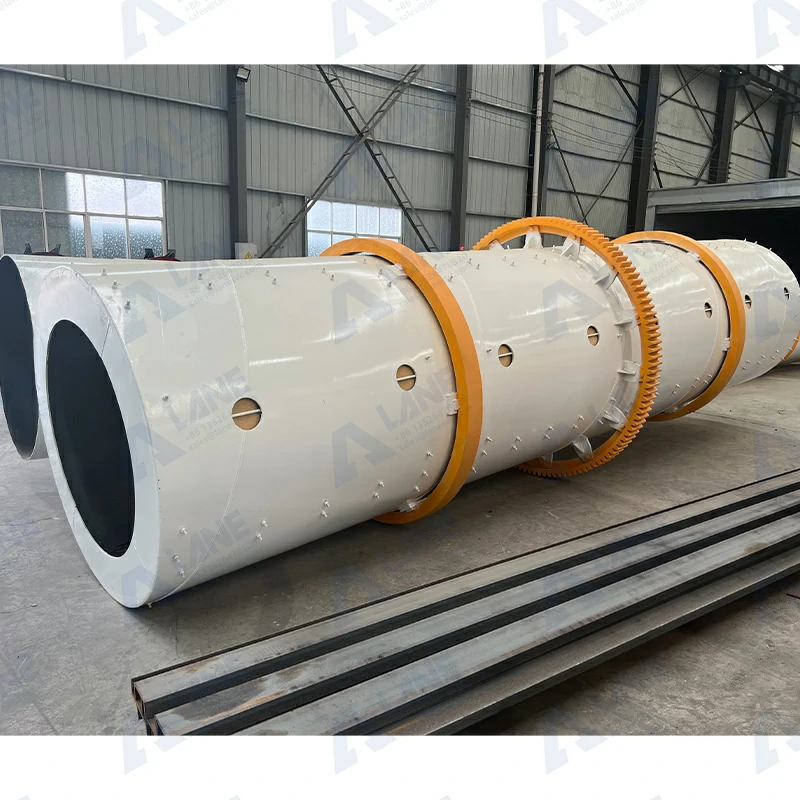
• Principle & feedstock: Spherical agglomeration inside an inclined rotating drum or disc, using water or steam as binder. Suited for composted organic fertilizer powder, compound fertilizer and bacteria-formulated fertilizer.
• Capacity & target users: 1–10+ tons per hour. For premium commercial fertilizer factories serving agricultural input distributors.
• Pros & recommendations: Balling rate above 90%, excellent roundness; viable for adding live microbial inoculants at low temperature. Requires supporting binder, drying and cooling systems. Top choice for manufacturers producing high-grade round organic fertilizer pellets.
4. Tooth Stirring Pelletizer (Wet Stirring Granulator)
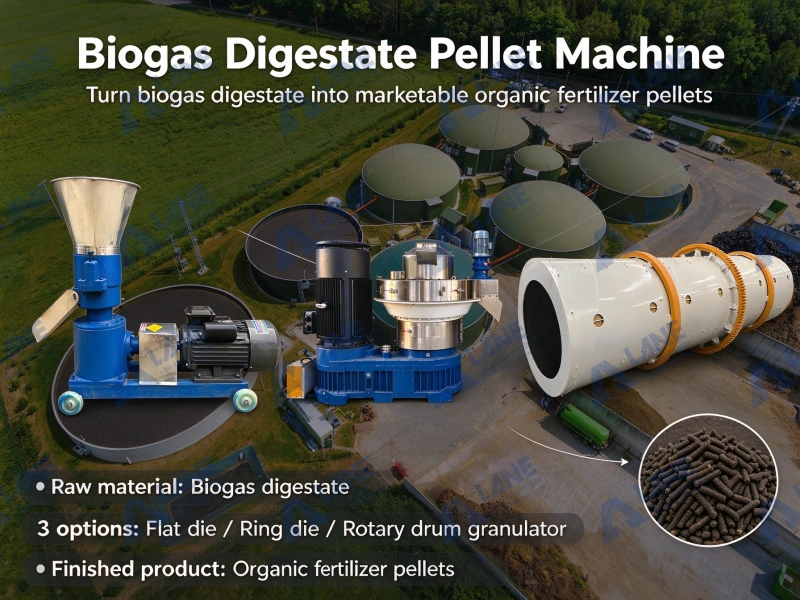
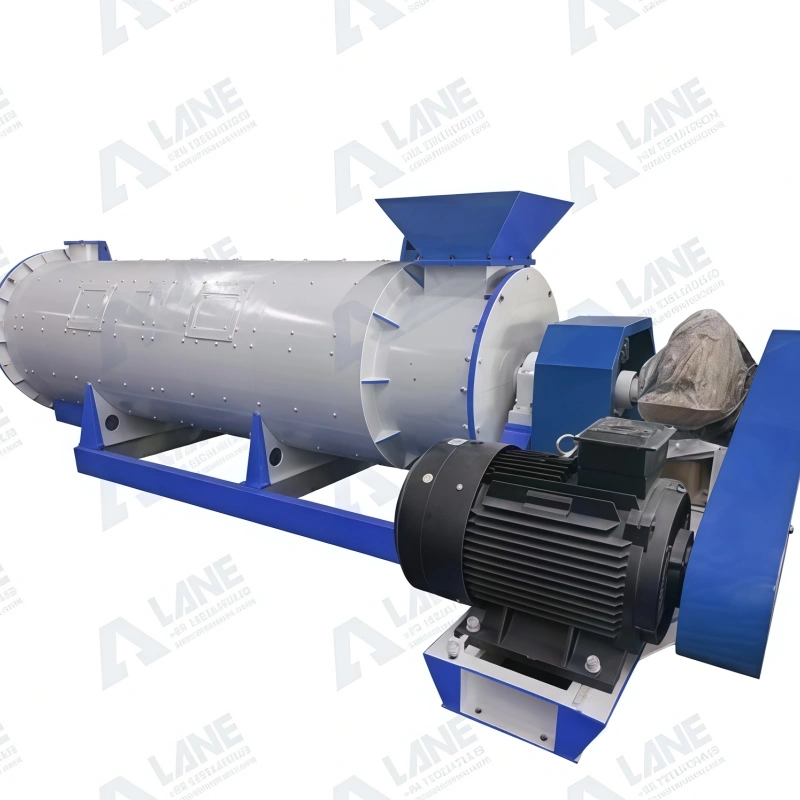
• Principle & feedstock: High-speed rotating stirring teeth knead high-moisture material into pellets. Specialized for 40%–60% moisture feedstocks: fresh manure, biogas sludge, sewage sludge and wet mushroom substrate.
• Capacity & target users: 1–8 tons per hour. Suitable for biogas residue treatment projects and centralized wet waste disposal plants.
• Pros & recommendations: Pelletizing directly without pre-drying, fast granulation. Limitations: irregular pellet shape; high sand content accelerates tooth abrasion. The Agricultural Waste Pellet Machine with stirring teeth is the optimal solution if you want to skip a front-end drying line for wet waste.
| MODEL | OPTIMAL FEEDSTOCK | HOURLY CAPACITY | INVESTMENT THRESHOLD | TARGET CUSTOMERS |
|---|---|---|---|---|
| Ring Die | Straw / wood chips / high-fibre materials | High | High | Biomass fuel plants / large fertilizer factories |
| Flat Die | Manure / straw powder / mixed materials | Low–Medium | Low | Family farms / cooperatives / small plants |
| Rotary Drum | Composted fertilizer powder / formulated fertilizer | Medium–High | Medium–High | Commercial organic fertilizer manufacturers |
| Stirring Tooth | Wet waste (biogas sludge / fresh manure) | Medium | Medium | Wet waste treatment projects |
End Markets — Where to Sell Pellets and How to Monetize
Once you select the right Agricultural Waste Pellet Machine, finished pellets can be sold through five mature revenue channels:
• Commercial organic fertilizer pellets: Sold to agro-input retailers, greenhouse bases, orchards and cooperatives. Uniform pellets support mechanical spreading, are dust-free, release nutrients slowly, and can be fortified with microbes and trace elements. At equal nutrient levels, they earn 200–500 CNY more per ton than powder fertilizer.
• Biomass fuel pellets: Made from pure straw, wood chips, bagasse and rice husk. Supplied to industrial boilers, district heating networks, power plants and residential heating systems. Pricing is determined by calorific value and ash content.
• Carbon-based fertilizer / functional fertilizer pellets: Produced by pelletizing biochar and organic fertilizer blends on the Agricultural Waste Pellet Machine. They deliver soil improvement and carbon sequestration alongside nutrient supply, with strong demand from premium plantations in Europe, Japan, South Korea and Southeast Asia.
• Animal feed pellets: Grass meal, straw and distiller’s grains pressed into pellets for cattle and sheep, drastically reducing forage waste and simplifying long-term storage.
• Government environmental projects / carbon credits: Participate in county-level straw utilization and livestock manure management programmes to qualify for equipment subsidies, and generate extra income through carbon emission reduction credit trading.
Full Process Flow — The Pellet Machine’s Position Within the Production Line
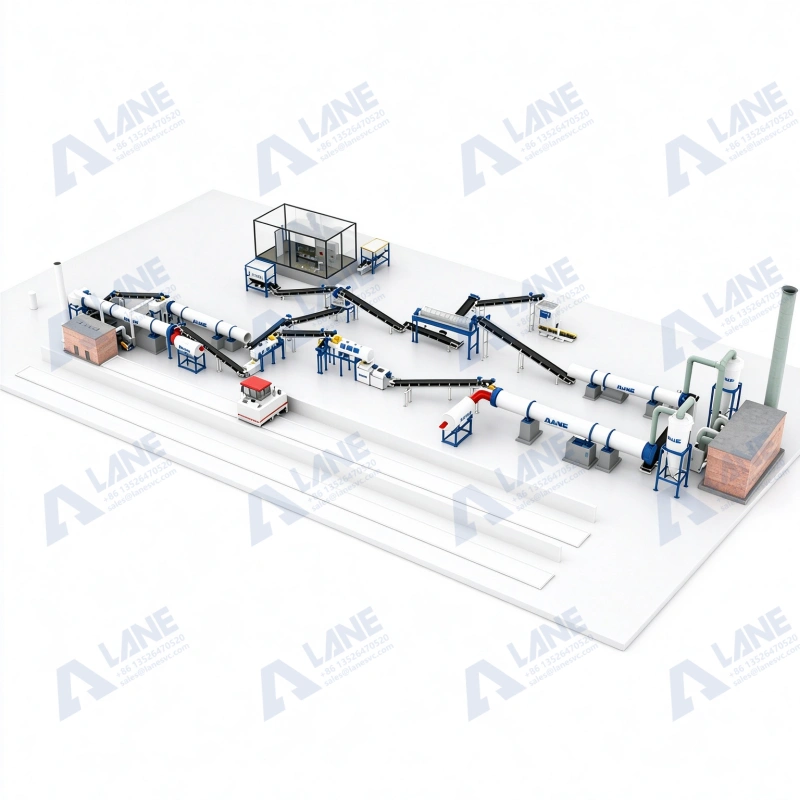
The Agricultural Waste Pellet Machine is the heart of the whole production line. The complete process sequence: Feeding → Crushing → Mixing / Conditioning → Pelletizing → Drying & Cooling → Screening → Coating → Packaging.
Dry Process vs Wet Process
• Dry process: Dry first, then pelletize (for straw and wood chips). Higher power consumption, but pellets achieve superior density.
• Wet process: Direct pelletizing of wet feedstock followed by drying (for manure and biogas sludge). Eliminates capital expenditure on front-end drying equipment.
Four non-negotiable supporting units:
Crusher controls particle size and protects die lifespan;
Mixer guarantees consistent blending and uniform pellet hardness;
Screener returns fines and broken pellets for re-pelletizing to secure over 90% pellet yield;
Cooler removes heat from hot pellets to prevent condensation and mould growth.
Global Buyer Selection & Pitfall Avoidance Guide
Follow strict criteria when purchasing an Agricultural Waste Pellet Machine:
• Stick to the correct selection order: test raw material moisture first, confirm target hourly output, then review budget. Never reverse this sequence. Reject suppliers that issue quotes without moisture testing.
• Verify die and wear parts: confirm whether dies are made of wear-resistant alloy, rated service hours and replacement cost. Request a spare parts list for rollers, dies, blades and screens, and arrange sufficient stock before shipment to avoid overseas production downtime waiting for replacements.
• Enforce machine testing and delivery standards: send your actual raw material to the factory for trial runs and request continuous discharge video for inspection. Confirm standard English operation manuals, layout drawings and circuit diagrams, and verify the supplier can provide remote troubleshooting and stable spare part supply cycles.
Global Field Implementation Cases
• Southeast Asia (chicken manure + rice husk): Semi-wet crushing + screening paired with flat die Agricultural Waste Pellet Machine, 2 t/h commercial organic fertilizer, 92% pellet yield, firm pellets popular with local plantations.
• • Africa (cow dung + straw): Wet stirring-tooth Agricultural Waste Pellet Machine deployed, full front drying line omitted, wet pellets sun-dried naturally to cut operating costs sharply.
• Latin America (bagasse + coffee husk): Heavy-duty crushing & drying line + ring die Agricultural Waste Pellet Machine, 5 t/h high-calorific fuel pellets, stable supply to local sugar mill boilers.
• Central Asia (sheep manure + straw): Rotary drum Agricultural Waste Pellet Machine for low-temperature inoculant pelleting to produce round organic fertilizer. Finished pellets meet viable bacteria count standards and successfully enter premium greenhouse markets.
Why Partner With Us
We are an original manufacturer specializing in fertilizer equipment, not a reseller trading standalone machines.
• Tailored process matching: We independently manufacture the full range of ring die, flat die, rotary drum and stirring-tooth Agricultural Waste Pellet Machine models. We design solutions around your feedstock characteristics instead of pushing overpriced equipment.
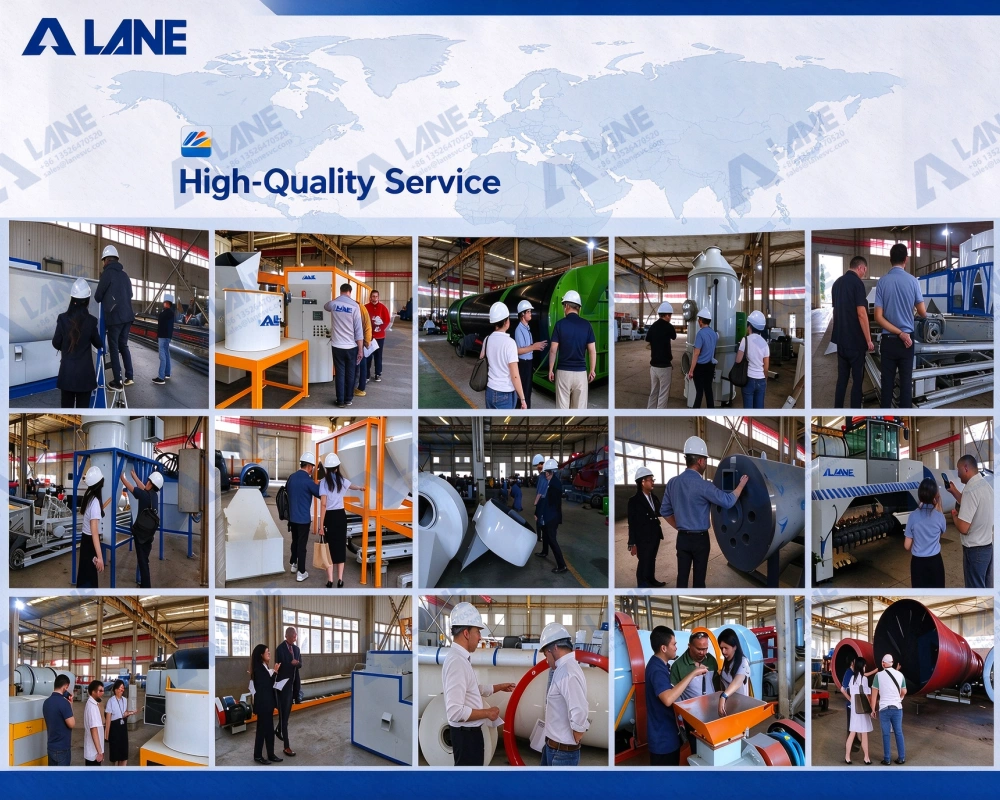
• End-to-end delivery support: We offer full line design, equipment fabrication, custom die machining, installation guidance, operator training and lifetime spare parts supply. We have rich experience shipping worldwide and provide complete English technical documentation.