Horizontal Semi-Wet Crusher VS Chain Crusher: Which Is Better for Wet Manure Crushing?
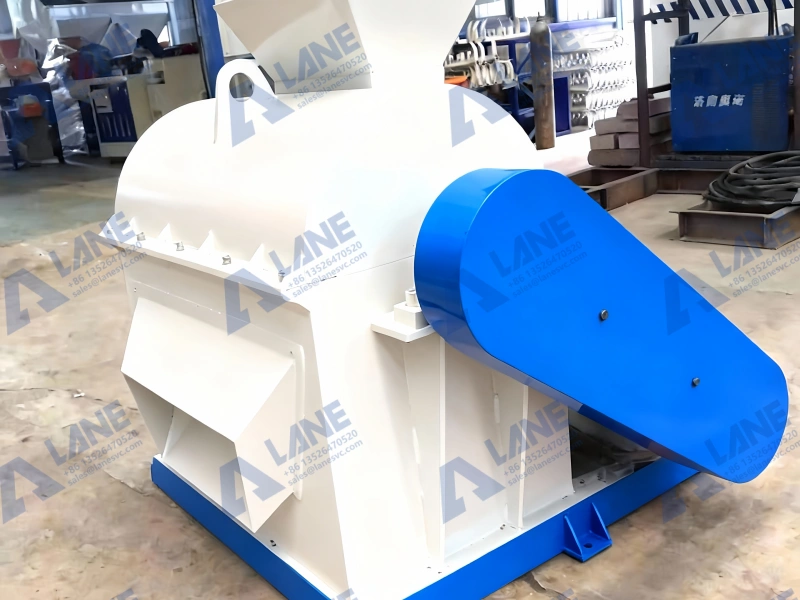
It is difficult for many fertilizer processing plant managers to choose suitable crushing equipment when dealing with mature animal and poultry manure raw materials. Once the water content of the raw material exceeds 25%, there will be a huge gap in the long-term operation effect of different crushing equipment.
Quite a number of buyers only compare equipment prices during selection. They overlook core differences between horizontal semi-wet crusher and chain crusher, and end up facing frequent blockage, fast spare part wear or uneven particle size after formal production starts.
We have collected the real feedback of dozens of organic fertilizer plants that have been in operation for a long time. This article compares the practical performance of two mainstream models to help overseas processing plant operators make rational selection judgments for the wet manure pretreatment process.
Core Working Principle Differences Between the Two Crushing Devices
To figure out which machine fits wet manure processing better, we first need to understand how each unit breaks down sticky livestock manure. Principle differences directly lead to distinct anti-blocking ability and finished particle performance.
Operation Mode of Horizontal Semi-Wet Crusher
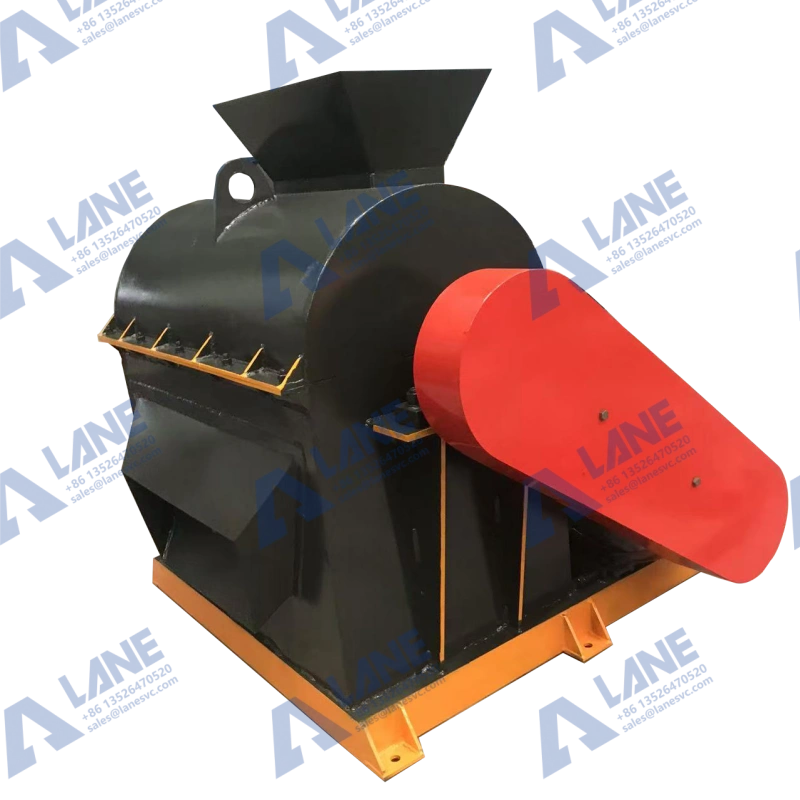
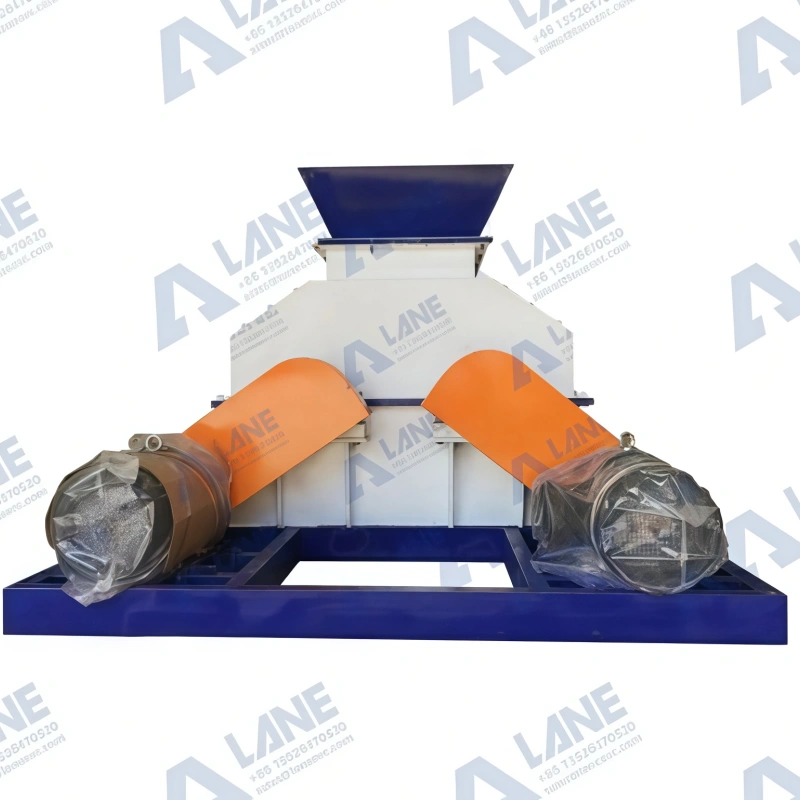
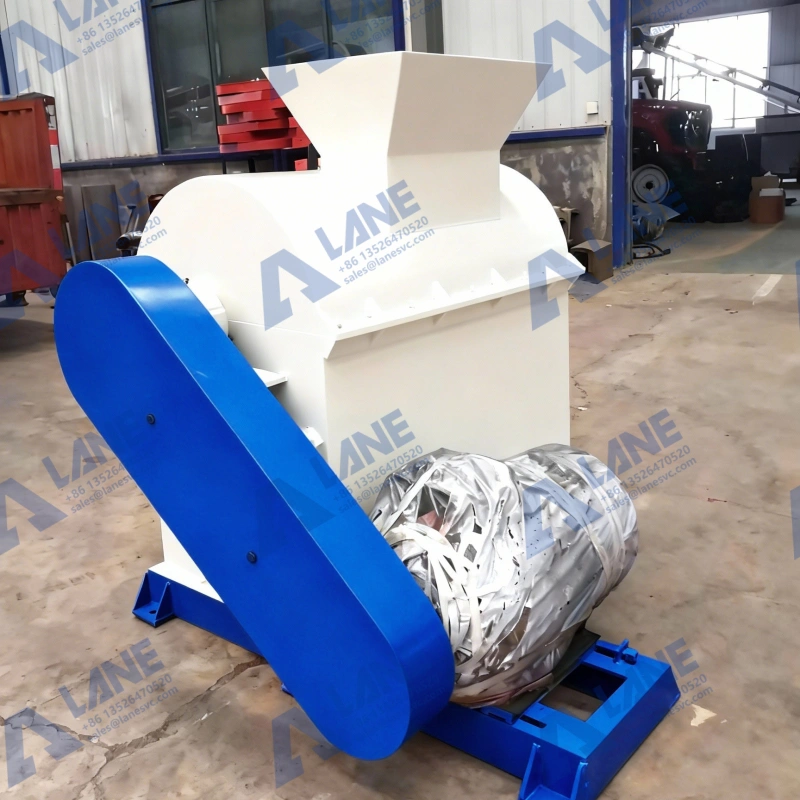
Our factory’s horizontal semi-wet crusher adopts a horizontal double-layer blade two-stage crushing structure. The material completes the initial cutting and secondary grinding inside the cavity, and the outlet position does not install the screen plate, which avoids the blocking of the machine caused by the adhesion of wet manure to the screen from the root.
| Model | Capacity(tph) | Power(kw) | Overall Size(mm) | Input Size(mm) | Output Size(mm) |
|---|---|---|---|---|---|
| LAC-60H | 2-4 | 30 | 1390*1290*1310 | 400*600 | 300*450 |
| LAC-80H | 3-6 | 30 | 1610*1400*1510 | 400*600 | 300*450 |
| LAC-90H | 4-8 | 37 | 1610*1400*1710 | 400*600 | 400*450 |
Operation Mode of Standard Chain Crusher
The chain ring crusher relies on the collision of high-speed rotating chains to break the manure lumps, and disperses the lumpy material through flexible impact. The performance of medium-moisture manure treatment is stable, but there are still obvious limitations in use when facing high-fiber, high-moisture raw materials.
| Model | LACC50/LP45 | LACC60/LP56 | LACC100/LP1012 |
|---|---|---|---|
| Center distance (mm) | 400 | 600 | 1000 |
| Feed particle size (mm) | <100 | <100 | <120 |
| Discharge particle size (mm) | ≤3 (70% to 90%) | ≤3 (70% to 90%) | ≤1(80%) |
| Production capacity (t/h) | 5~9 | 6~10 | 20~30 |
| Motor power (kW) | 7.5×2 | 11×2 | 45×2 |
| Applicable materials | Compound fertilizer blocks, wet sand | Organic compost, ore | High-hardness ore, phosphate rock |
Main Performance Comparison When Crushing Wet Manure
Many purchasers can only obtain basic equipment introduction from suppliers, and the real on-machine performance of equipment processing sticky wet manure is the most reliable reference basis for selection. We combine long-term on-site continuous monitoring data to sort out all kinds of differences in the practical operation of the two models.
- Anti-Blocking Performance Under High Moisture Condition
For wet manure with moisture between 28% and 35%, horizontal semi-wet crusher maintains steady continuous operation. Two-stage cutting breaks fibrous manure and prevents thick material layers forming on inner walls. Chain crusher may have partial residue buildup when feedstock holds high fiber content.
- Uniformity of Discharged Particle Size
The output particle size of the horizontal semi-wet crusher is stable at the range of 20 mesh to 50 mesh, and the uniform material state creates favorable conditions for the downstream granulation process. The chain link crusher can only complete the coarse crushing operation, and the processed material is often mixed with coarse and fine particles.
- Service Cycle of Vulnerable Components
Blades of our horizontal semi-wet crusher are made of forged high alloy materials. Users can adjust blade clearance after slight abrasion, extending service cycle obviously. Chain assemblies of chain crusher receive continuous impact wear and need regular replacement in long-hour production.
- Limits on Raw Material Impurity Tolerance
The horizontal semi-wet crusher has a weak tolerance for hard debris such as stones, and the operator needs to sort out hard foreign objects before feeding. The chain structure can withstand occasional slight impact from small hard impurities, and it is not easy to cause serious equipment damage immediately.
Suitable Application Scenarios for Horizontal Semi-Wet Crusher
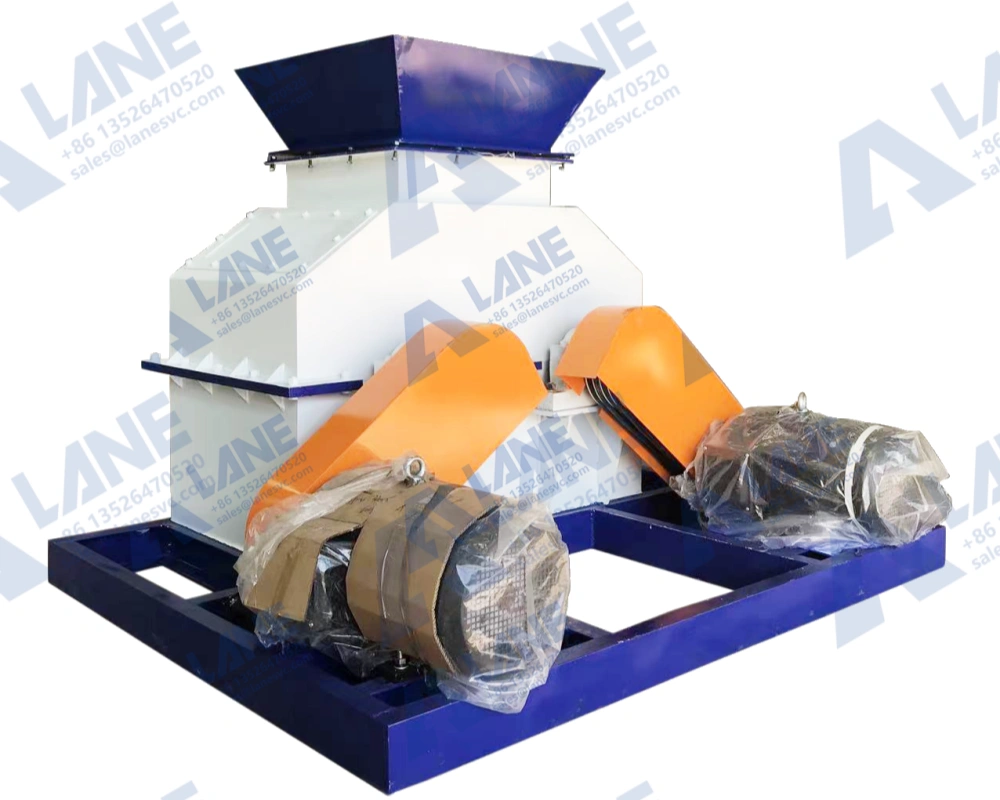
Our factory’s horizontal semi-wet crusher is specially designed for the optimization of organic fertilizer production line with wet animal and poultry manure as raw material, and can show outstanding performance advantages under several typical continuous processing conditions.
Production Lines Requiring Fine Material for Granulation
If the back-end process adopts extrusion granulation or drum granulation process, uniform and fine raw materials are indispensable. The stable crushing effect of the horizontal semi-wet crusher can improve the output rate of finished granules and reduce the number of unqualified coarse materials.
Long-Time Continuous Processing of Fermented Chicken or Pig Manure
Many medium-sized processing plants have a continuous production time of more than 10 hours per day. This machine does not have a sieve structure, so it does not need to stop frequently to clean up blockages, which can greatly shorten non-production downtime.
Raw Materials eith Rich Plant Fibre
Composted manure containing mixed straw residues contains a large amount of tough fibers, and two-stage blade cutting can fully break up the fiber bundles. For high-fiber raw materials, the horizontal semi-wet crusher has better adaptability than the chain ring crusher.
Suitable Application Scenarios for Chain Crusher
The chain link crusher still has practical value in the organic fertilizer pretreatment link, and when the production conditions conform to its own characteristics, it will become a cost-effective selection scheme.
Production Lines Primarily Processing Low-Fibre Cow Manure
Well-decomposed cow manure with limited fibre content passes smoothly through the chain crusher. Material agglomerates are efficiently broken down by the impact of the rotating chain assembly, provided that the moisture content of the raw material does not exceed 28%.
Temporary Small-Scale Discontinuous Production
The chain link crusher can meet the basic coarse crushing requirements for small-scale processing plants with intermittent operation, and the initial purchase investment of the equipment is lower than that of a complete set of horizontal semi-wet crusher.
Raw Materials Containing Occasional Tiny Hard Impurities
The flexible chain structure can withstand sporadic impacts when it is not possible to manually remove hard debris in the field, thereby reducing the risk of accidental stone entering the cavity and causing sudden equipment failure.
Suggestions for Equipment Selection Based on Wet Manure Production Conditions
There is no absolute “better” crushing equipment, and the final selection should be based on the characteristics of the raw material, the scale of daily production capacity, and the process requirements of the downstream processing equipment.
> Choose Horizontal Semi-Wet Crusher When These Conditions Apply
The moisture content of the raw material is higher than 28%, the material is rich in straw fiber, or the production line needs to provide uniform and fine material for the granulation process, and it needs to be produced continuously for a long time every day.
> Choose Chain Crusher When These Conditions Apply
The raw material of manure with water content of less than 28% and low fiber content is processed in small-scale intermittent production, and the hard impurities inside the raw material cannot be completely removed on-site.
Comprehensive Conclusion of the Two Crushing Equipment Comparison
Many overseas fertilizer plant purchasing personnel simply compare prices before placing an order, ignoring the degree of compatibility between the equipment and wet manure raw materials, and the equipment will continue to produce various types of hidden production losses after formal production.
After fully understanding the customer’s raw material indicators and production line layout, the Lane team can provide targeted equipment selection suggestions. No matter whether the customer finally chooses the horizontal semi-wet crusher or other models, we will provide technical guidance to ensure the long-term stable operation of the wet manure pretreatment process.
LANE Group offers both horizontal semi-wet crushers and chain crushers for organic fertilizer production. Our engineering team can recommend the right model based on your raw material moisture, fibre content, and production capacity. Contact us today for a customized crushing solution tailored to your wet manure processing needs.