Rice Husk Pellet Machine: Complete Guide to Production
Current global feedstock pain points:
• Global rice output exceeds 700 million tonnes per year, generating rice husk accounting for 20% of the total, which is over 140 million tonnes annually.
• Rice-growing regions across Southeast Asia, South Asia, Latin America, Africa, Europe and North America are trapped in three major troubles: occupying large stacking areas → fines for open-air burning → extra spending on landfill disposal.
Core equipment to break the deadlock:
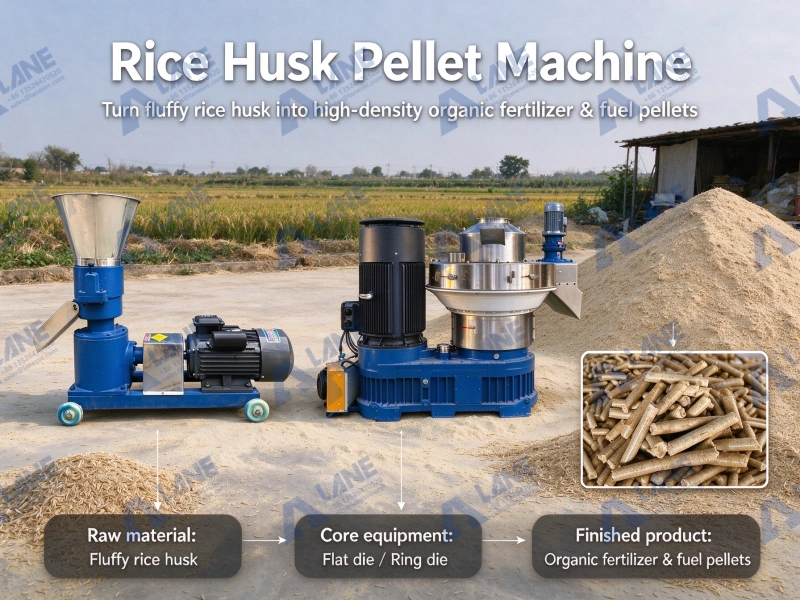
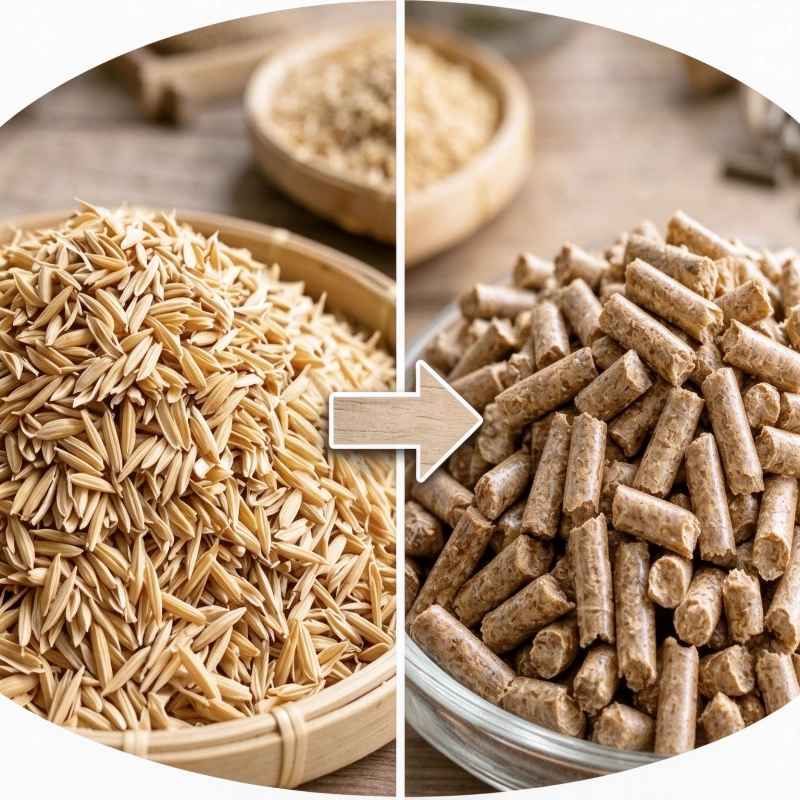
• A professional Rice Husk Pellet Machine compresses fluffy rice husk into dense cylindrical pellets via high physical pressure.
• After compression, the volume shrinks to 1/5 of its original size, completely cutting the high costs of long-distance transportation and storage.
Two major commercial monetization channels for rice husk pellets:
✅ Agricultural fertilizer sector: Works as a core raw material for organic fertilizer and biochar-based fertilizer, greatly reducing fertilizer plants’ reliance on pricey peat and wood chips.
✅ Biomass energy sector: The finished pellets can be sold directly as fuel pellets, or fed into on-site boilers to slash energy costs for your own plant.
Your reading roadmap for this practical guide:
→ Raw material pre-treatment
→ Core equipment configuration
→ High-profit application scenarios
→ Model selection for different global regions
→ Investment return calculation
Raw Material Section
Three key physical & chemical traits of raw rice husk before entering the machine:
• Extremely fluffy: Natural bulk density only hits 80–120 kg/m³, which easily causes bridging and no feeding in standard hoppers.
• High silica and high hardness: The outer layer contains 15%–20% silicon dioxide, featuring high hardness and lacking natural lignin binding properties.
• Unstable moisture content: Affected by seasons and storage conditions, moisture of raw rice husk fluctuates wildly between 15%–35%.
Standard 4-step pre-treatment process before feeding:
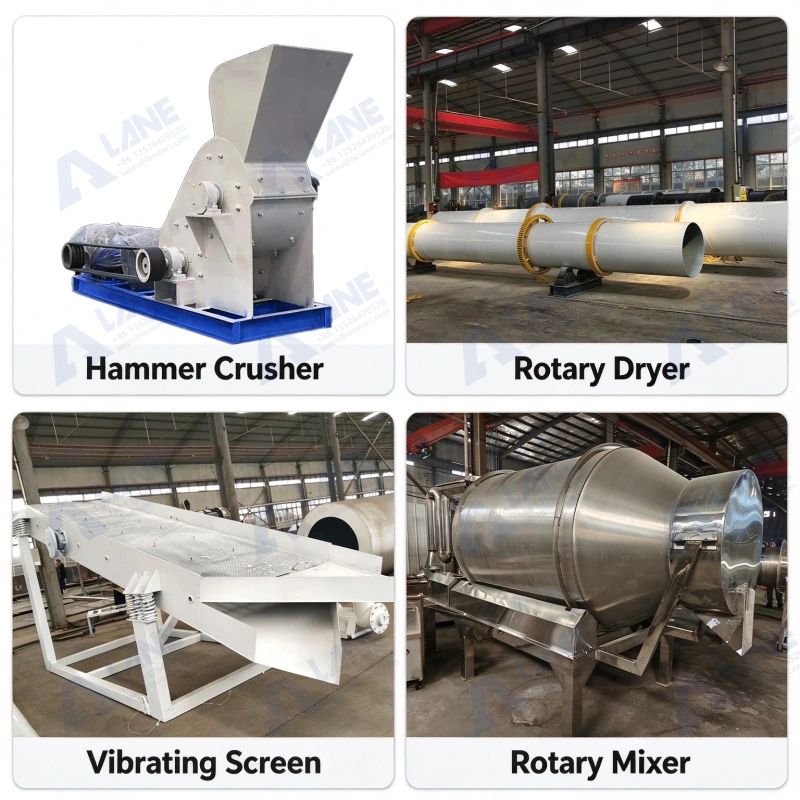
• Impurity removal: Use magnetic separators and vibrating screens to filter out iron nails, stones and broken rice, preventing hard debris from damaging the pellet die.
• Grinding: Adopt a hammer mill to crush long rice husk into 3–5 mm fine powder, expanding the specific surface area to boost pellet compactness.
• Drying: Adjust moisture precisely to the sweet spot of 15%–25% with a rotary dryer (fine-tune based on your formula).
• Mixing: When producing organic fertilizer, blend in fermented livestock manure, mushroom residue, humic acid or a small amount of natural binder at the set ratio.
Four consequences if you skip pre-treatment and feed raw husk directly:
• Frequent bridging in feeding hoppers → Unplanned shutdown due to blockage
• Severe abrasive wear from silica → Ring die cracking and premature failure under high temperature
• Poor fiber bonding → Pellet forming rate below 80%, pellets break easily by hand
• Long-term overload of main motor → Power consumption per tonne doubles
Custom service standard from our original manufacturer:
→ Clients send 20 kg of local raw rice husk samples
→ Our lab tests silica content, fiber length and moisture content
→ Customize die compression ratio and hole size for each unique project
→ Guarantee a successful first trial run of the Rice Husk Pellet Machine
Working Principle & Core Configurations of Rice Husk Pellet Machine
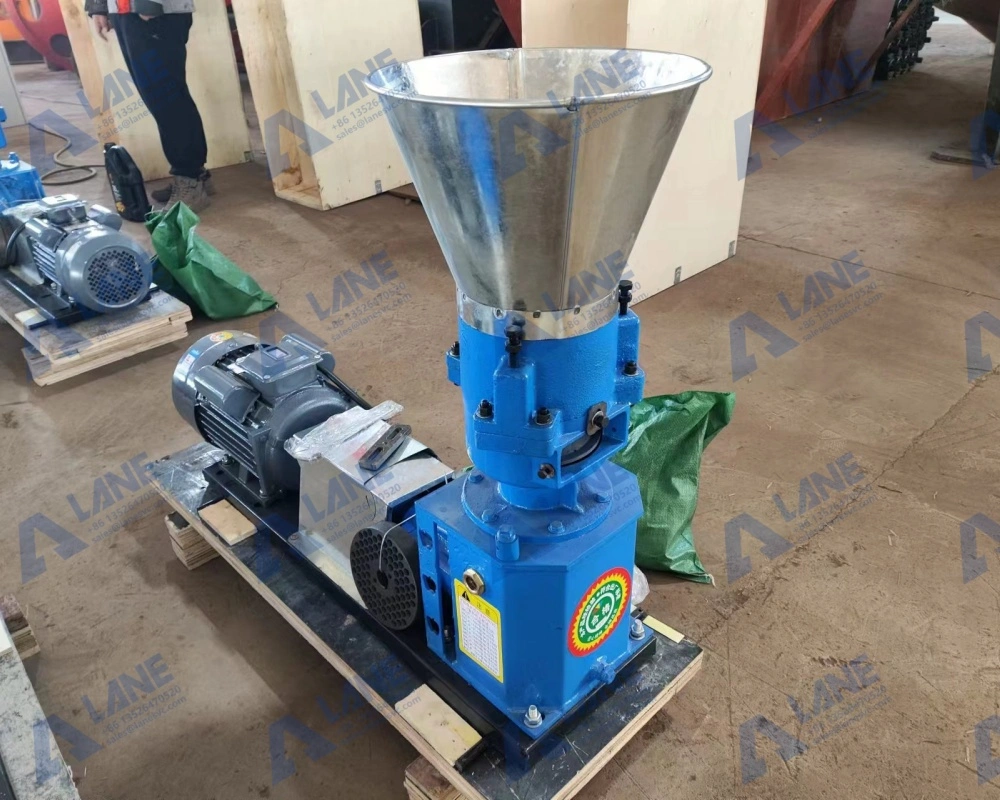
1. Host Structure Comparison: Flat Die vs Ring Die
| Comparison Item | Flat Die Pellet Mill | Ring Die Pellet Mill (Recommended for Mainstream Rice Husk Production) |
|---|---|---|
| Single machine capacity | 0.2–3 t/h | 1–20 t/h |
| Adaptability to rice husk | Tolerates coarse feedstock, handles moisture fluctuation better | Needs standardized pre-treatment, stable for 24-hour continuous operation |
| Wear resistance of core parts | Average; frequent die plate replacement under high silica abrasion | High-chromium alloy ring die, strong resistance to silica wear |
| Pellet forming rate | 80%–90% | ≥95% |
| Typical application scenarios | Smallholder farms, lab trial production, frequent formula switching | Standardized fertilizer plants, export pellet lines, large-scale commercial operation |
Golden rule for model selection:
• Rice husk features high silica content and rough fiber → Ring die design is the top pick for continuous commercial production.
• If you have a tight budget and target output below 1 t/h → Flat die mill works as a transitional option.
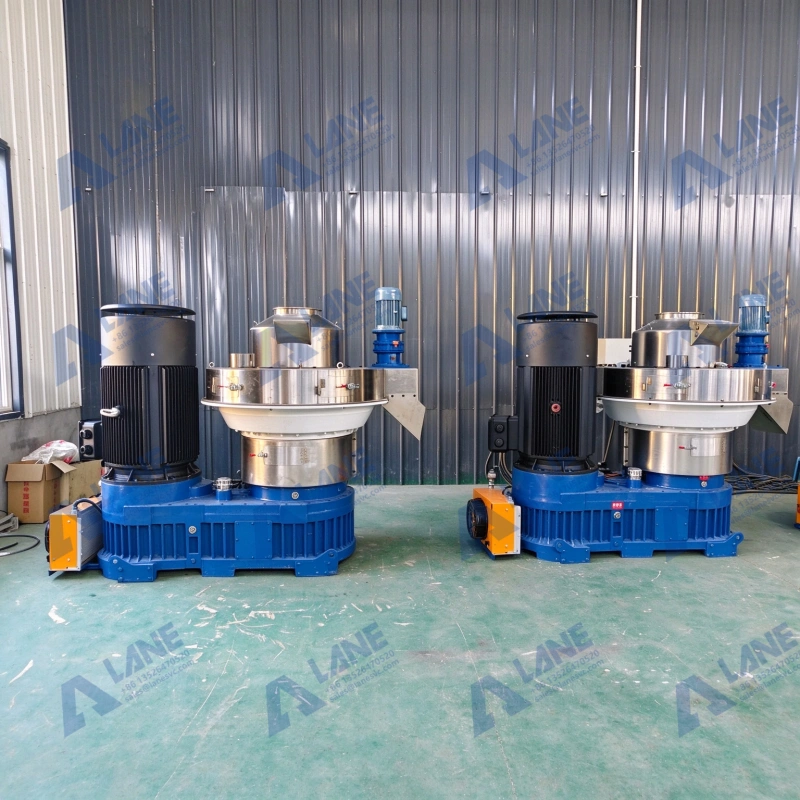
2. Heavy-Duty Special Configurations for Fertilizer Plants
• Alloy build-up welding rollers: Welded with special wear-resistant electrodes on the surface, engineered to resist cutting abrasion from silicon dioxide, extending service life by 2–3 times.
• Adjustable compression ratio ring die: Supports custom compression ratios from 1:6 to 1:10; 1:8 is the golden compression ratio for rice husk organic fertilizer pellets to balance density and discharging speed.
• Twin-screw forced feeder: Equipped with mechanical stirring devices to eliminate bridging of fluffy rice husk inside hoppers once and for all.
• Intelligent variable frequency feeding system: Feeding speed links in real time with main motor current; feeding slows down automatically when current exceeds the limit to avoid motor burnout.
• Automatic thin oil lubrication system: Timed, quantitative oil supply for main shafts and roller bearings during nonstop 24-hour operation, cutting maintenance labor greatly.
Two standard die sizes and finished pellet indicators:
• Fertilizer pellet die hole size: 6–8 mm
• Fuel pellet die hole size: 8–10 mm Hard targets for finished pellets: forming rate ≥95%, pellet bulk density stable at 1.1–1.3 g/cm³
3. Special Fertilizer Process Requirements & Full Line Interconnection
Low-temperature pelleting to preserve microbial activity:
→ Optimize die-roller clearance to control temperature rise in the Rice Husk Pellet Machine → Instant pelleting temperature ≤80℃
→ Counterflow cooler installed at the rear to cool pellets down to ≤65℃ quickly, retaining maximum activity of functional bacteria such as Bacillus subtilis and ensuring the Rice Husk Pellet Machine delivers high-quality pellets.
Flexible blending of multiple raw materials:
The front mixing system allows free addition of livestock manure, mushroom residue, humic acid and organic binders.
Standard automatic full-line workflow:
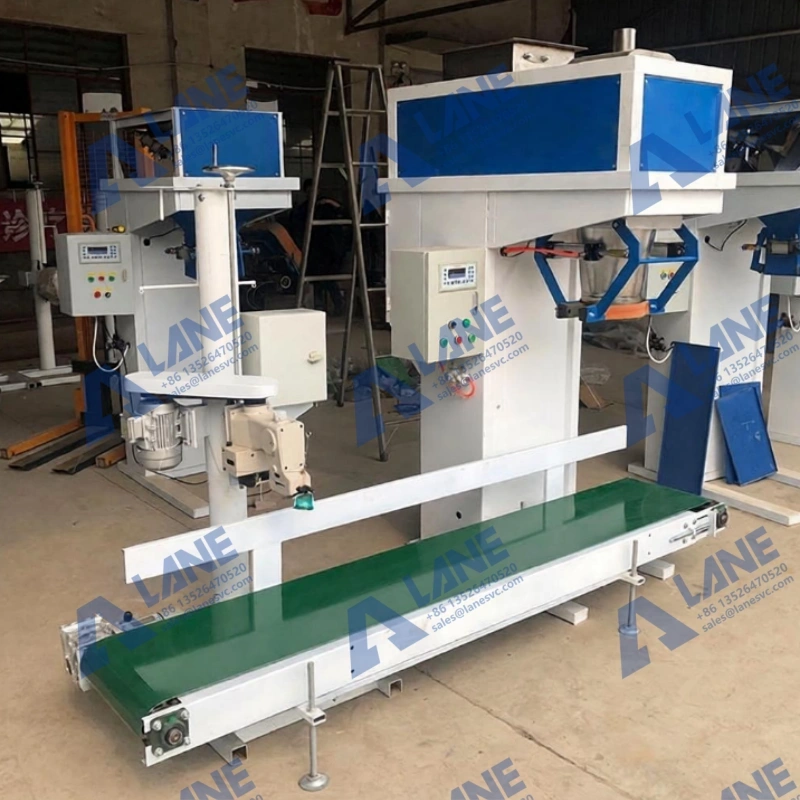
Impurity removal → Grinding → Drying → Mixing & Fermentation → Pelletizing with Rice Husk Pellet Machine → Counterflow Cooling → Vibrating Screening → Automatic Quantitative Packing
Application Scenario ①: Organic Fertilizer & Biochar-Based Fertilizer (Core Profit Stream)
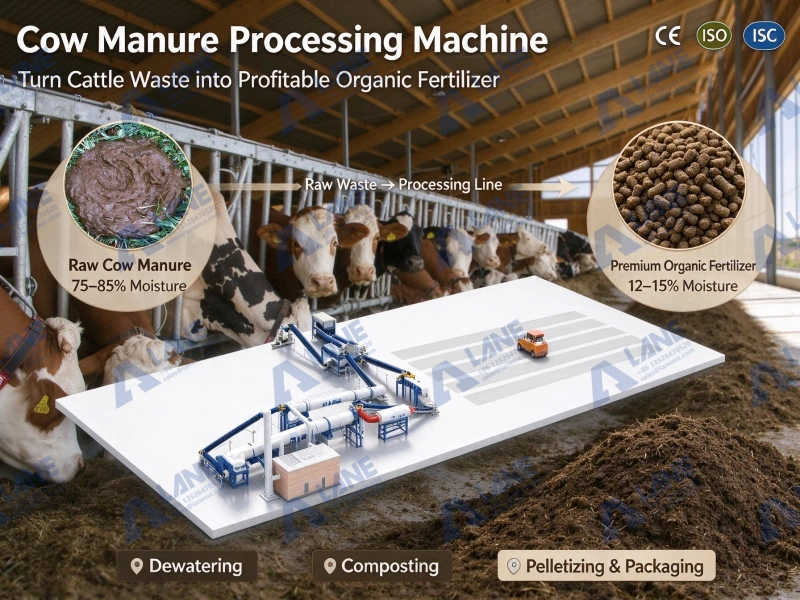
• Route A: Co-fermentation & pelleting with rice husk pellets + livestock manure / straw Solve caking problems in fermentation:
Pure chicken manure or cow manure carries high moisture and strong viscosity, easily compacting and turning anaerobic with heavy odor during fermentation.
Mix 20%–35% ground rice husk as carbon source and bulking agent → Adjust carbon-nitrogen ratio fast and improve air permeability of compost piles → Cut aerobic fermentation cycle by over 30%.
Open the market for large farm mechanical fertilization:
After composting, the mature material is pressed into uniform cylindrical pellets by the Rice Husk Pellet Machine.
This completely eliminates dust from powder fertilizer and blockages in fertilizer spreaders, making your products qualified for procurement by large commercial planting bases that require reliable Rice Husk Pellet Machine solutions.
• Route B: Rice husk pellet carbonization to produce biochar-based fertilizer Pellet first, then carbonization process:
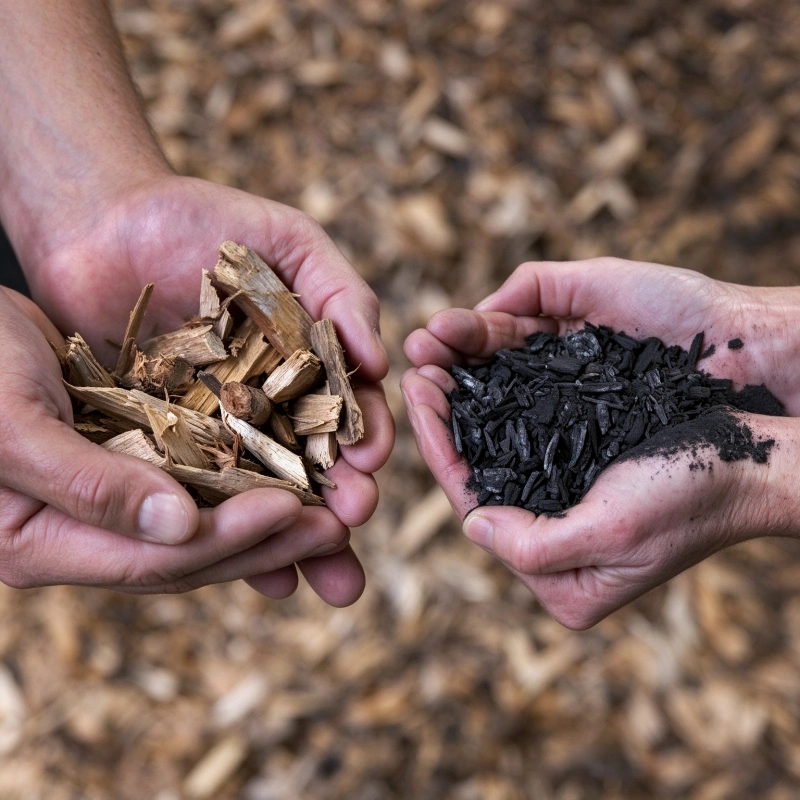
Use the Rice Husk Pellet Machine to press raw husk into high-density pellets first → Send pellets into continuous carbonization furnace for oxygen-free pyrolysis at 300–600℃ → Stable rice husk char yield at 30%–35%.
High-premium functional advantages:
Pellets made via pelleting-before-carbonization using the Rice Husk Pellet Machine have high strength and rarely break into powder.
Blend with NPK and humic acid to make biochar-based fertilizer, which delivers three core selling points: improving soil aggregate structure, water and nutrient retention, and slow-release nutrient supply.
The end selling price of products manufactured with the Rice Husk Pellet Machine can be 2–3 times higher than ordinary organic fertilizer.
Two typical commercial application cases
• Large commercial fertilizer plants:
Replace expensive peat, imported coco coir and hardwood sawdust with rice husk pellets, cutting raw material cost by 150–300 CNY per tonne.
• Large-scale farms / rice cooperatives:
Deploy small Rice Husk Pellet Machine production lines locally at rice producing areas, ferment and pellet rice husk for direct return to farmland, realizing zero raw material transportation cost and an eco-cycle with rising soil organic matter year by year.
Application Scenario ②: Energy, Livestock Farming & Cross-Border Trade (Expand Your Buyer Pool)
Biomass fuel pellets (for industrial boilers & cross-border export):
Lower heating value stays at 3300–3800 kcal/kg. Full combustion leaves ash rich in potassium and silicon, which can be recycled as natural plant ash for farmland.
Processors in Southeast Asia and South Asia use Rice Husk Pellet Machine to make 8 mm fuel pellets, replacing costly wood pellets for export to thermal power plants in Japan, South Korea and Europe, or for local factories including food mills and textile plants.
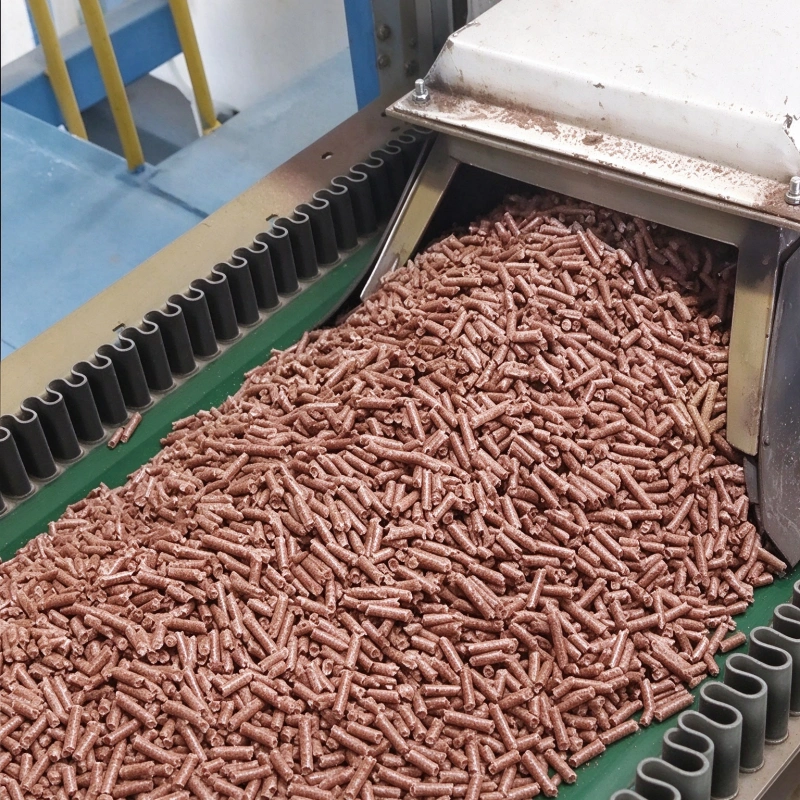
High-absorbency bedding for large livestock farms:
High-pressure pelleting creates abundant micropores inside rice husk pellets. The pellets absorb water 3–4 times their own weight, with zero dust and no irritation to livestock respiratory tracts.
Widely used in dairy and broiler farms. After absorbing manure and urine, the spent bedding can be shipped back to fertilizer plants as nitrogen-rich raw material for organic fertilizer, forming a zero-waste planting-breeding loop.
Premium eco cat litter & small pet bedding for European and American markets:
The market for flushable plant-based cat litter in Europe and North America grows over 15% annually. Rice husk pellets go through fine screening to remove fine powder, mixed with natural plant deodorant.
Packaged as all-natural rice husk cat litter or hamster bedding, it brings huge premium for cross-border e-commerce retail.
Flexible multi-purpose advantage of one production line:
With the same ring die Rice Husk Pellet Machine, you only need 30 minutes to swap ring dies of different hole sizes and adjust front-end blending formulas.
→ Produce organic fertilizer in peak seasons
→ Switch to fuel pellets or livestock bedding in off seasons
→ Keep the line running at full capacity all year round
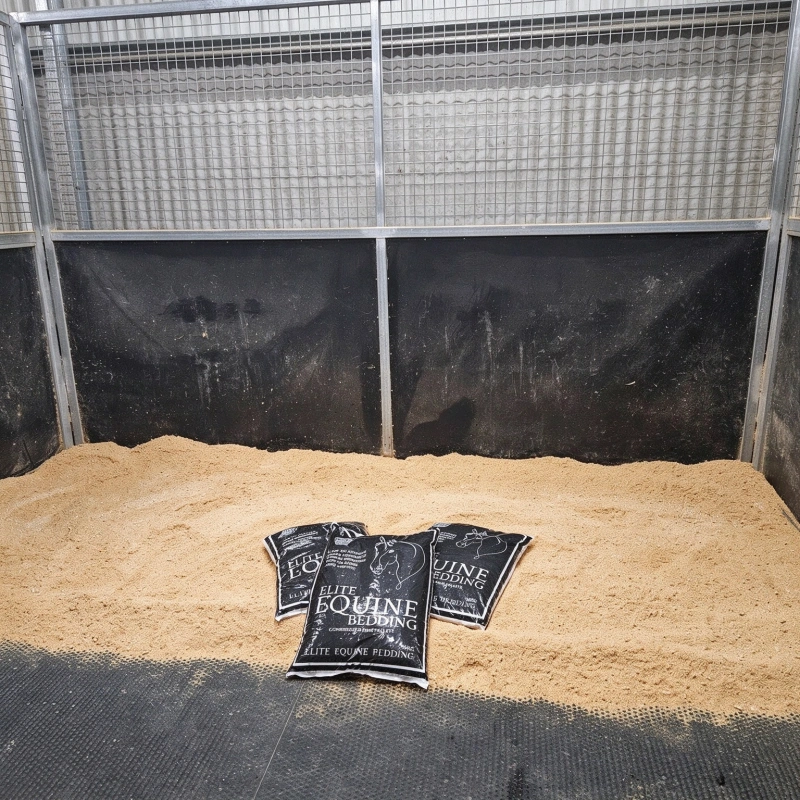
Global Regional Markets & Machine Recommendations
| Target Region | Local Core Operational Pain Points | Recommended Equipment & Full Line Configuration from Our Factory |
|---|---|---|
| Southeast Asia (Vietnam, Thailand, Indonesia, etc.) | High humidity in rainy seasons, high moisture in raw rice husk, concentrated production areas with limited budget | 1–2 t/h ring die Rice Husk Pellet Machine line + reinforced rotary dryer to stabilize raw material moisture below 18% in rainy weather |
| South Asia (India, Pakistan, Bangladesh, etc.) | Unstable grid voltage, rice husk scattered among small rice mills | Flat die pellet mill + diesel backup power system, flexible for small workshops and independent of large power grids |
| Africa (Nigeria, Tanzania, Ghana, etc.) | Frequent power outages, weak industrial foundation, buyers mainly small and medium farmers | Heavy-duty flat die mill + pure diesel engine drive + simple hot air dryer, rugged structure easy for local mechanics to repair |
| Europe | Strict emission standards, CE certification mandatory, high requirement on pellet surface finish | Fully enclosed ring die full line + pulse bag dust collector + counterflow cooler + CE-certified electric control cabinet (optional carbonization module for biochar) |
| North America | High labor cost, large farm scale, demand for automatic unattended production | 3–5 t/h large ring die Rice Husk Pellet Machine line + full PLC control room + automatic jumbo bag packing and palletizing machine |
| Latin America (Brazil, Colombia, etc.) | Rice husk often mixed with coffee husk, bagasse, large variation in fiber properties | High-torque ring die line + twin-screw anti-block forced feeder + custom ring die with wide-adaptation compression ratio |
| Middle East / Central Asia | Extremely dry climate, water shortage, strong local demand for biomass fuel and water-retention fertilizer | Sand-proof sealed dual-purpose line for fuel and water-retention fertilizer, motors and bearings upgraded to high dustproof grade for hot and dusty conditions |

Capacity Selection & Return on Investment Calculation
1. Three Investment Capacity Tiers & Payback Periods
✅ Small starter line (0.3–1 t/h output per hour)
• Suitable buyers: Agricultural cooperatives, medium rice mills, large family farms
• Operation features: Small footprint, low workshop renovation cost, 8-hour daily shift enough to consume waste rice husk from surrounding towns
• Estimated payback period: 12–18 months
✅ Standard medium line (1–2 t/h output per hour)
• Suitable buyers: County-level organic fertilizer plants, professional biomass pellet processors
• Operation features: Daily output 8–16 tonnes in single shift, supply fertilizer to local buyers and fuel pellets to nearby industrial boilers
• Estimated payback period: 8–12 months
✅ Large export line (3–5 t/h and above per hour)
• Suitable buyers: Port-based export processors, large farming & animal husbandry groups
• Operation features: Multiple large ring die Rice Husk Pellet Machine running in parallel + automatic packing and palletizing, daily output reaches 30–50 tonnes
• Estimated payback period: 6–10 months
2. Three Core Profit Logic
• Raw material cost advantage: Rice husk is free of charge in most producing areas. Some rice mills desperate for waste removal even pay a disposal subsidy per tonne (negative raw material cost).
• Processing premium: Low-value rice husk turned into dense organic fertilizer pellets or biochar-based fertilizer can sell at a premium of 300–500 CNY per tonne over ordinary powder fertilizer.
• Logistics & environmental savings: Pelleting boosts transport efficiency by over 4 times. Meanwhile, you avoid fines from environmental authorities for stacking dust and open burning.

Why Choose Us (Fertilizer Equipment Manufacturer vs Pure Trading Companies)
• We master full fertilizer process, not just sell standalone machines
With more than 20 years of fertilizer engineering experience, we independently develop and manufacture the whole set: front compost turners, impurity removal & grinding equipment, core Rice Husk Pellet Machine, low-temperature cooling and automatic packing systems. All units match each other perfectly in capacity.
• Proprietary heat treatment for high-silica wear-resistant dies
For rice husk’s high silica abrasion challenge, alloy ring dies and rollers adopt vacuum quenching and deep carburizing technology. Their service life is 2–3 times longer than generic alternatives, lowering consumable cost per tonne drastically.
• Free sample testing, verify results before order placement
We run a professional raw material testing lab at our factory. Clients send local rice husk blends, our engineers test-pellet samples free of charge, deliver moisture & compression ratio process reports together with full HD trial run videos.
• Reliable overseas delivery & multi-lingual technical support
We arrange senior engineers for on-site installation and commissioning, or provide 7×24-hour remote video guidance. Operation and maintenance manuals in English, Spanish and French are supplied with each line, enabling local workers to operate proficiently within one week.
• Global ready stock of core wearing parts
Our factory keeps stock of ring dies, roller assemblies, main shaft bearings and custom screens for all models. Air freight delivery within 72 hours is available globally, so your plant never stops production waiting for spare parts.
Our core commitment:
What you purchase from us is far more than a cold Rice Husk Pellet Machine. It is a fully validated, stable production line built to generate consistent profits.
Conclusion & Call to Action
Industry trend outlook:
Global fertilizer reduction and efficiency improvement, agricultural carbon neutrality and biomass substitution for fossil fuels make rice husk valorization a golden opportunity supported by both policy and profit.
Three non-negotiable rules for equipment selection:
✔ Clarify moisture content and blending formula of your local raw materials
✔ Match power supply and environmental certification standards of your target country
✔ Confirm end use of finished pellets (organic fertilizer / biochar fertilizer / fuel pellets / livestock bedding)
Get your customized plant layout plan and quotation right now: Send your message or email with the following four key project details:
• Target hourly output (e.g. 1 t/h, 2 t/h, 5 t/h)
• Raw material composition (pure rice husk, or mixed with chicken manure, cow manure, wood chips, coffee husk)
• End application of finished pellets (agricultural organic fertilizer, biochar-based fertilizer, industrial fuel pellets, livestock bedding)
• Project country or region (to match Once we receive your information, our senior process engineer will prepare customized layout drawings, an equipment list and a direct factory quotation for your Rice Husk Pellet Machine production line within 24 hours. We will also provide professional technical guidance to help you select the most suitable Rice Husk Pellet Machine configuration for your project.local voltage and environmental certification requirements)