Liquid Fish Protein Fertilizer Production Line: From Raw Fish Waste to Bottled Biostimulant
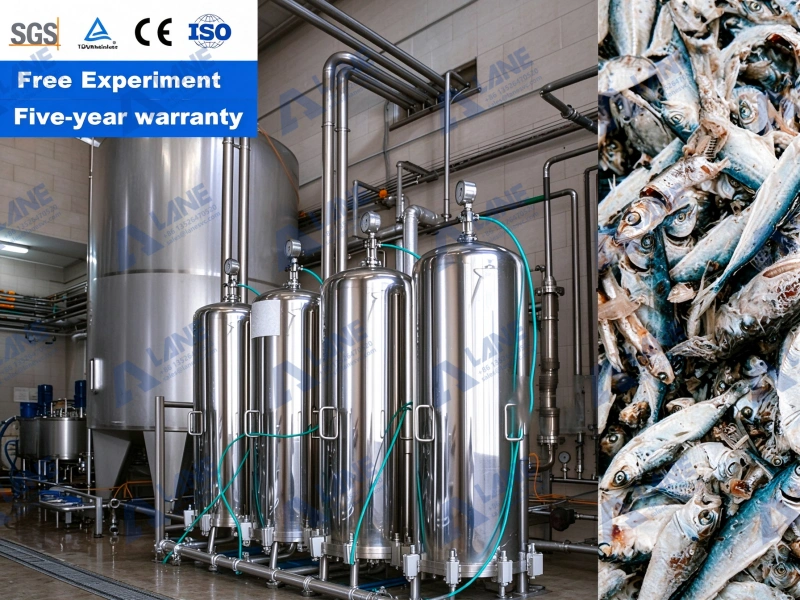
Fish by-product stockpiles bringing fines, traditional composting creating terrible odours, finished product separating and clogging drip lines, failing OMRI / EU organic certification? A Liquid Fish Protein Fertilizer Production Line eliminates every one of these headaches. Switch from solid waste to high-value enzymatic liquid bio-fertilizer and protect your investment in a Liquid Fish Protein Fertilizer Production Line that meets global organic standards.
When scaling up Liquid Fish Protein Fertilizer Production, these troubles cannot be fixed with simple makeshift methods. Go through this guide, and you will clearly know whether your raw material works, what production capacity to select, and how to target different global markets for steady profit.
Why is now the right time to step into Liquid Fish Protein Fertilizer Production?
The expansion of global organic farming makes high-activity liquid fish protein fertilizer a sought-after product, and joining the Liquid Fish Protein Fertilizer Production market is a solid move:
• Booming global market share: North America holds 39–44%, Europe accounts for 24–28%, the Asia-Pacific region records the fastest growth worldwide, while Latin America, the Middle East and Africa together take roughly 12%.
• Regulatory push: Organic farmland keeps expanding across Europe and North America. USDA, EU 2018/848 and OMRI standards impose strict requirements on biostimulant inputs, limiting the use of chemically synthesized fertilizers.
• Low-cost raw material bonus: Over 30 million tonnes of aquatic processing by-products are generated globally every year. Many governments offer direct subsidies for environmental projects that turn waste into fertilizer.
• Shift toward integrated water and fertilizer management: Drip irrigation and sprinkler systems are widely adopted in modern farming. Liquid formulations already capture 43% of the global fish fertilizer market, carrying a much higher premium than conventional fish meal solids.
Raw material section
Running Liquid Fish Protein Fertilizer Production is far more than waste disposal. One tonne of waste can unlock three separate revenue streams:
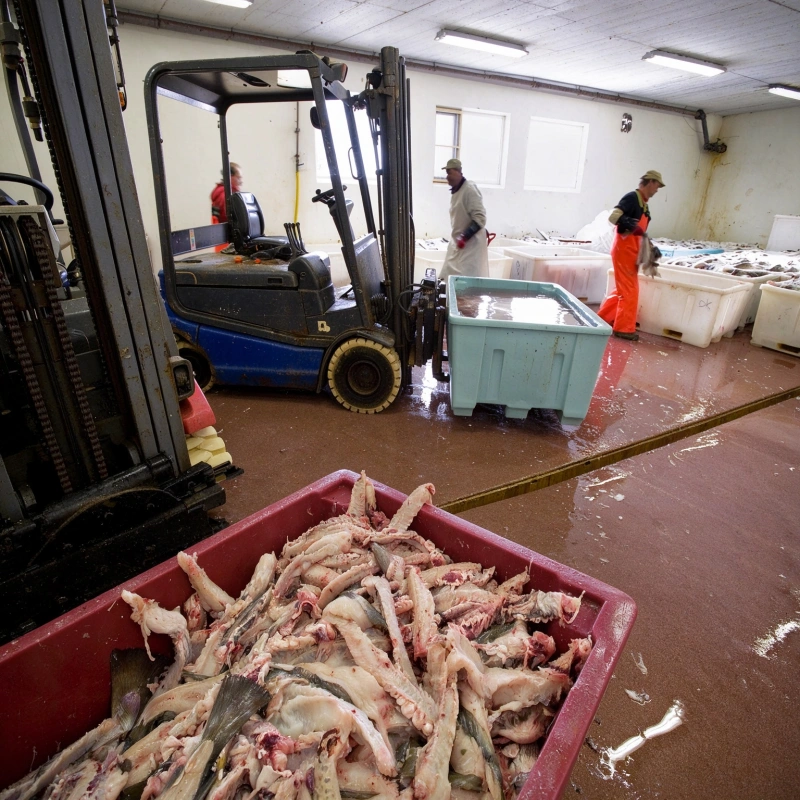
• ✅ Acceptable feedstock: Low-value small marine or freshwater fish, frozen fish processing scraps (fish heads, bones, guts, skin), concentrated stickwater from fish meal presses, shrimp and crab shell by-products.
• ❌ Materials strictly excluded: Severely decomposed, blackened spoiled fish, heavily salted preserved waste, toxic species such as pufferfish.
• 💰 Three revenue streams from one batch of raw material:
Crude fish oil → separated by decanter centrifuge and packed in drums for independent sale; this income can offset almost all the plant’s electricity bills.
High-calcium fish bone sludge → dried and milled to blend into solid organic fertilizer, or sold directly to feed mills as high-calcium bone meal.
Clarified fish protein liquid → the main stream to be bottled as premium liquid fertilizer, with the highest market price and profit margin.
⚙️ Hard pre-treatment specs: Thaw frozen feedstock at water temperature ≤40℃ (to stop protein denaturation) → high-pressure spray washing to remove blood and reduce odour → bone paste ground to fineness ≤1 mm → all wetted contact surfaces on the whole line must be built from 316L stainless steel.
Core process chain for Liquid Fish Protein Fertilizer Production
A standardized Liquid Fish Protein Fertilizer Production setup relies on precise equipment parameter control, so you no longer depend on inconsistent manual experience:
• Raw material pre-treatment: Thaw and clean frozen fish → double-shaft shredder for coarse crushing → colloid mill for ultra-fine pulping
Key parameter: Paste fineness reaches 80–120 mesh.
Common pitfall: Fish bones that are not finely ground easily jam downstream transfer pumps; never skip the colloid mill.
• Targeted enzymatic hydrolysis: Mix paste inside the tank (water ratio from 0 to 4 times, adjust pH to 5–9, add molasses as carbon source) → constant-temperature enzymatic hydrolysis reactor
Key parameter: Temperature 45–65℃ / reaction time 3–12 hours / compound protease dosage 0.2–0.5%.
Common pitfall: Poor temperature control deactivates enzymes, leaving large protein molecules unbroken into small peptides.
• Enzyme deactivation and three-phase separation: High-temperature enzyme killing → three-phase decanter centrifuge to separate fish oil, clear liquid and bone sludge at the same time
Key parameter: Hold at 85–90℃ for 15 minutes to deactivate enzymes.
Common pitfall on a Liquid Fish Protein Fertilizer Production Line: Incomplete oil removal causes finished liquid to separate, acidify or even build pressure and burst drums. That is why every Liquid Fish Protein Fertilizer Production Line we engineer integrates a multi-stage degreasing and enzymatic hydrolysis module to lock in product stability.
• Mature curing with probiotics: Inoculate compound probiotic strains → deep curing inside constant-temperature fermentation tank
Key parameter: Temperature 30–33℃ / curing time 72 hours+ / intermittent micro-pore aeration.
Common pitfall: Bottling directly without probiotic curing often triggers secondary fermentation odour in the field and burns crop roots.
• Concentration, blending and filling: Vacuum low-temperature concentration → chelate with trace elements (add humic acid / alginic acid) → high-shear homogenization → fully automatic filling
Key parameter: Concentration vacuum at -0.085 MPa to preserve biological activity under low heat.
Common pitfall: Missing high-shear homogenization lets suspended solids settle and block drip emitters for end farmers.
Production line equipment list, matched by capacity tier
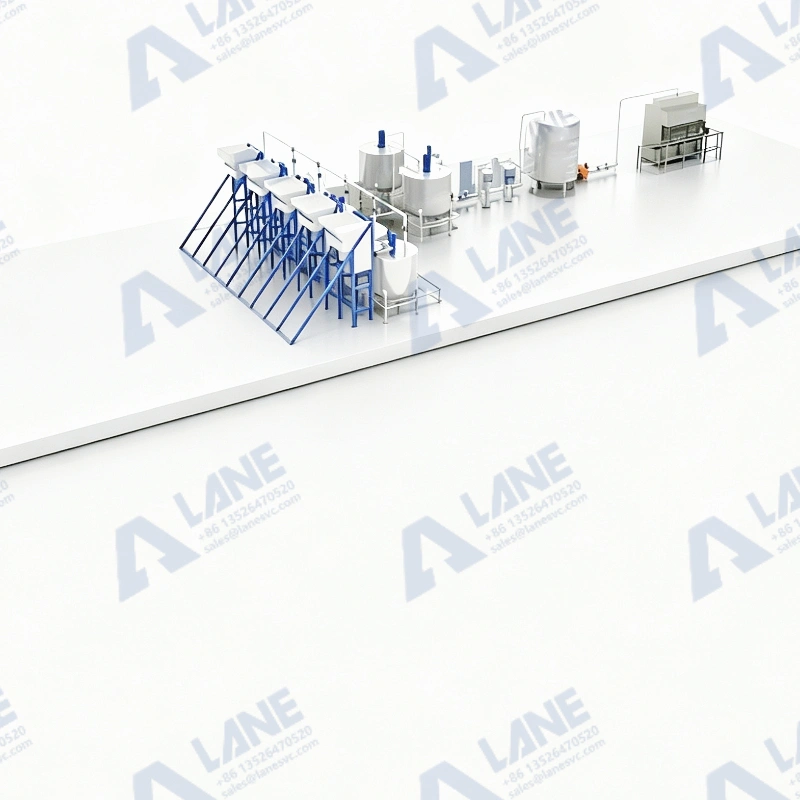
When planning Liquid Fish Protein Fertilizer Production, different scales call for completely different equipment packages:
| Capacity Tier | Target Client | Core Equipment Package | Non-Negotiable Material & Configuration Rules |
|---|---|---|---|
| Small Line(500–2000 L per batch) | Large farms, cooperatives, new entrants running trial operations | Thawing tank → colloid mill → 500 L jacketed hydrolysis tank → small decanter centrifuge → blending tank → semi-automatic filler | Main body can be 304; all surfaces touching hydrolysate must be 316L |
| Medium Line(5–20 tonnes per day) | Regional fertilizer plants, supporting units for aquatic processors | Anti-corrosion screw pump → two-stage coarse filtration → 2000–5000 L 316L combined hydrolysis & curing tank → decanter + disc separator → vacuum concentrator → chelation reactor → automatic weighing filling | Must install disc separator for deep oil removal |
| Large Line(30 tonnes+ per day) | Export-focused manufacturers, agricultural groups, EPC projects | Multi-tank parallel system → full PLC central control → CIP clean-in-place → waste gas spray deodorization tower → automatic filling for 1000 L IBC totes | Standard fit includes waste gas deodorization and explosion-proof anti-corrosion pumps |
Application side
Translate the technical strengths of Liquid Fish Protein Fertilizer Production into clear selling points, so distributors and growers are ready to place orders:
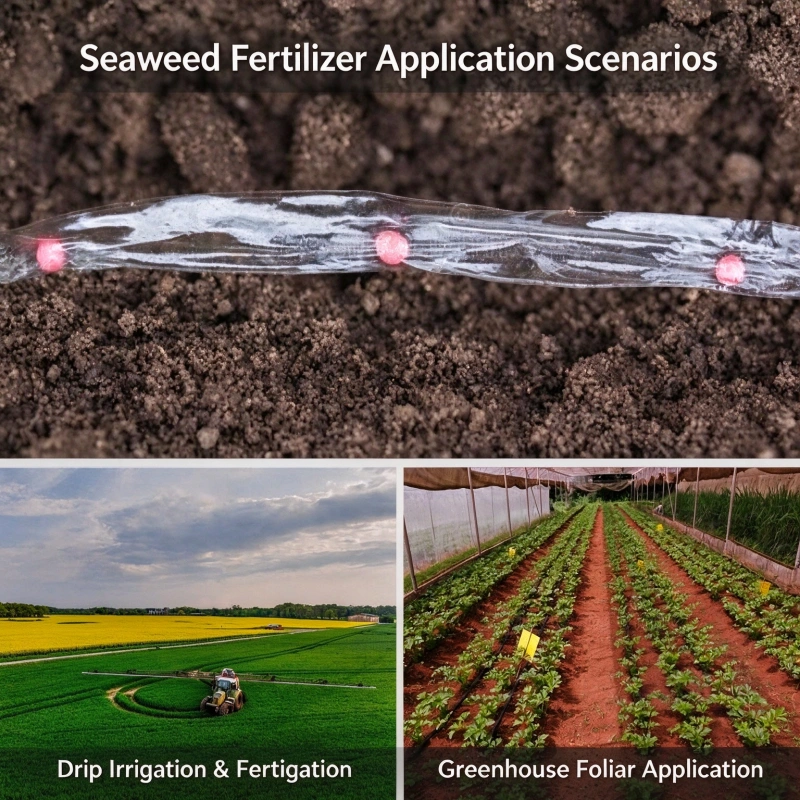
• Drip & flood application for field cash crops: Packed with free amino acids; stimulates fine white root growth even at low temperatures, loosens compacted soil and relieves herbicide phytotoxicity.
Feedback from clients: “The drip lines stayed fully clear for the whole growing season, with zero sediment at the bottom of the tank!”
• Foliar spray for fruit orchards and protected vegetables: Small peptides get absorbed by leaves without extra conversion; improves sugar content and fruit surface finish during fruit bulking.
Feedback from clients: “Leaves turn thick and green just three days after spraying. Fruit buyers offer 15–25% higher purchase price per kilogram!”
• Base fertilizer on organic farms (certified export bases): Blended with mineral humic acid, fully compliant with OMRI and EU organic standards to replace synthetic nitrogen fertilizer.
Feedback from clients: “We passed organic inspection on the first try, and crops show far stronger frost and drought resistance compared with chemical fertilizer.”
• Additive for seedling substrates at large nursery factories: Balances substrate microflora and greatly boosts transplant survival rate for fruit and vegetable seedlings.
Feedback from clients: “Uniform germination, tight root balls, seedling mortality cut in half.”
Regional global market pain points + matching line recommendations
Climate, raw material supply and farming habits vary widely across the globe, so custom Liquid Fish Protein Fertilizer Production must adapt locally:
• North America (USA / Canada):
Core pain points: Strict OMRI organic certification rules; large farms run fully mechanized drip irrigation with extremely high anti-clogging requirements.
Recommended setup: Medium-sized 316L dual hydrolysis & curing tank line + 1 μm precision bag filtration + automatic weighing drum filling line.
• Europe (EU member states):
Core pain points: Extremely tight environmental regulations (low ammonia odour emission, no sediment); full CE and ISO traceability documentation required.
Recommended setup: Fully enclosed biological deodorizing fermentation line + vacuum low-temperature falling-film concentration system.
• Africa & Middle East (Morocco / Egypt / Saudi Arabia):
Core pain points: Tight investment budgets; avoid over-specifying high-energy concentration units; unstable grid voltage in some areas.
Recommended setup: Small non-concentrated direct curing line + control cabinet compatible with diesel generators + IBC tote filling.
• Asia-Pacific (India / Thailand / Indonesia / Vietnam):
Core pain points: Mixed feedstock sources (sea fish, freshwater fish, shrimp heads blended together); clients chasing the fastest return on investment.
Recommended setup: Medium heavy-duty pulping + fast enzymatic hydrolysis + three-phase oil removal line (focus on extracting high-purity fish oil for separate sales to speed up payback).
• Latin America (Brazil / Mexico / Peru):
Core pain points: Many farms are transitioning toward organic certification; high air humidity in rainy seasons means finished goods need protection from moisture and pressure build-up in storage.
Recommended setup: Standard medium production line + humic acid / alginic acid chelating module + pneumatic moisture-proof sealed filling line.
Our proven delivery strength as equipment manufacturer
For a successful Liquid Fish Protein Fertilizer Production project, equipment accounts for only 30% of the result; process know-how and reliable delivery make up the remaining 70%:
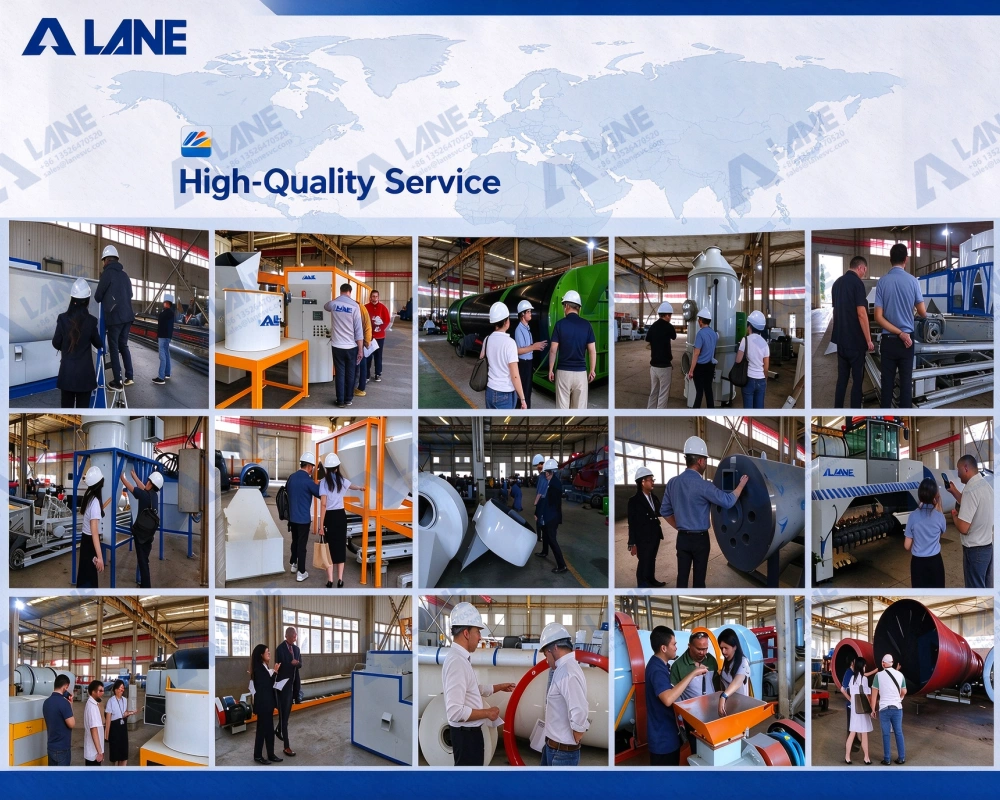
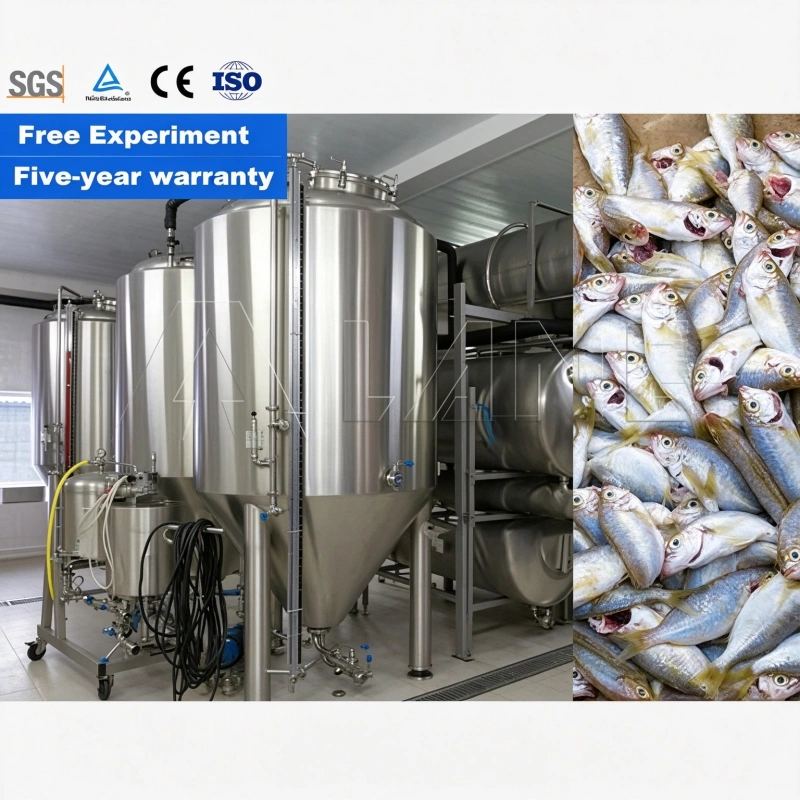
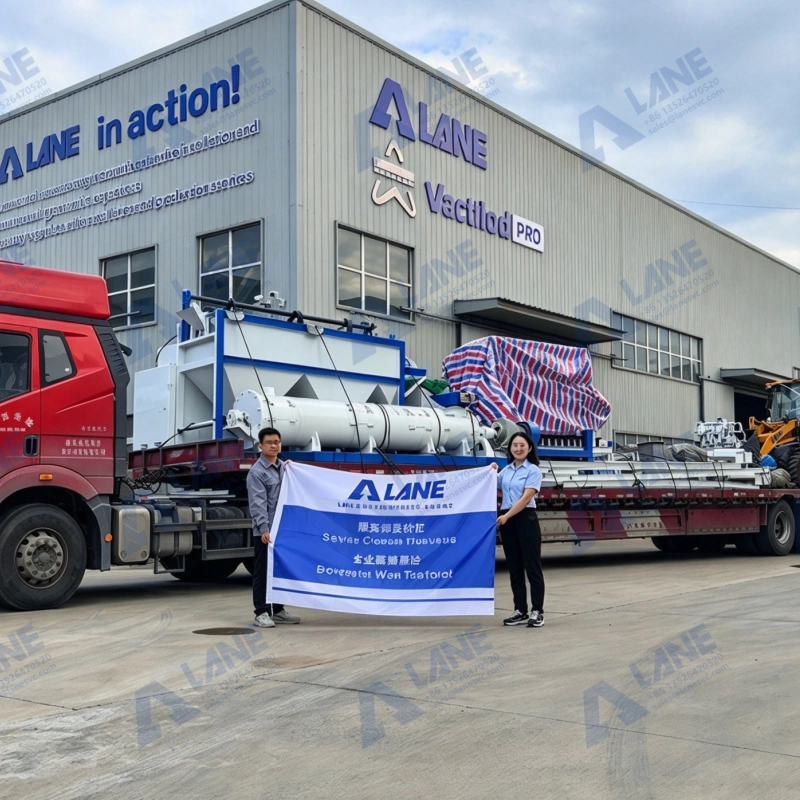
• Verified original factory capability: We own our heavy machining workshop. You can join a live video plant inspection, and we provide footage of factory wet commissioning plus a library of installation cases from overseas sites.
• Full-service turnkey package: Small-scale raw material trial and formula handover → custom CAD plant layout drawing → on-site engineer installation and commissioning → hands-on operator training → complimentary wear parts kit shipped with the line.
• Complete global compliance certificates: All equipment comes with CE certification, ISO 9001 certification, 316L stainless steel spectroscopic test reports and third-party biological fertilizer efficacy test reports.
Selection FAQ: Five critical questions to review before purchase
• Q1: If I process 5 tonnes of fish scraps per day, what size hydrolysis tank should I order?
A: With a 1:1 water mixing ratio, total slurry volume hits roughly 10 tonnes daily. We suggest two 5000 L 316L hydrolysis tanks running alternately, supporting continuous output while simplifying cleaning and maintenance.
• Q2: Can I run Liquid Fish Protein Fertilizer Production with only enzymatic hydrolysis and skip probiotic curing?
A: Absolutely not. Pure hydrolysate holds large amounts of unconverted free amino acids. When sealed inside drums and exposed to high heat, foreign bacteria quickly multiply, causing bad odour, drum bulging or even splashing. Probiotic curing is mandatory for product stability.
• Q3: End users complain the fertilizer clogs drip lines. Is it poor filtration or insufficient oil removal?
A: Both can contribute, yet 70% of such issues stem from incomplete oil separation. Residual oil condenses at lower temperatures, trapping fine impurities and forming oily sludge. A triple safeguard — decanter centrifugation + disc separation + precision filtration — is required.
• Q4: Clients exporting to Europe ask for OMRI or EU 2018/848. How should the equipment side support this?
A: Europe accepts EU 2018/848, while North America recognizes OMRI. The whole process must avoid strong synthetic acids or alkalis (relying on biological enzymatic hydrolysis). We also supply complete food-grade 316L material certificates and contamination-free cleaning logs.
• Q5: Our local industrial power runs at 380V/60Hz or 220V/60Hz. Can the motor configuration be adjusted?
A: Customization is fully supported. During the design phase, we match motors and Siemens / Schneider control systems to your grid standard: 220V / 380V / 415V / 440V at 50Hz or 60Hz.
Why choose LANE?
Within Liquid Fish Protein Fertilizer Production, one wrong selection of critical equipment can shut down your whole line. When you pick LANE, you receive more than metal machinery — you get a predictable profit-making system:
• In-house workshop + factory wet commissioning: We are not trading intermediaries. We independently develop and build all core reactors and separation units. Every production line must pass no less than 4 hours of wet test run before dispatch.
• Track record across multiple global markets: We have successfully commissioned operating plants in Southeast Asia, the Middle East, Africa and Latin America. New clients may request reference packages for projects using matching raw materials in their region.
• Integrated process and mechanical design: Our team understands microbial fermentation and enzyme formulas, alongside fluid machinery design. We tailor structural improvements to solve the typical pain points of fish feedstock: pump clogging, corrosion and phase separation.
• Full set of engineering delivery documents: Delivery is not just shipping hardware. The package includes PFD process flow diagrams, general arrangement drawings, P&ID piping and • instrument schematics, electrical drawings, SOP operation manuals and high-resolution training videos.
• Multilingual compliance support: Certification and technical files are available in five languages: Chinese, English, Spanish, French and Russian, for smooth approval with local environmental and agricultural authorities.
• Full-lifecycle after-sales support: The complete machine carries 12 months of warranty, with free lifetime process and technical guidance. Core spare parts are kept in stock, and our global after-sales response is guaranteed within 48 hours.
Others sell you individual machines. LANE delivers a stable, revenue-generating production line for consistent qualified liquid fish protein fertilizer output.