Vibrating Screener Efficiency: How to Improve Fertilizer Screening Performance
I have been engaged in fertilizer equipment technology for many years, visited dozens of fertilizer production plants, and found a common production problem. Most factories only pay attention to the operation effect of granulator and mixer, but ignore the optimization of vibrating screen efficiency. This detail omission will directly cause the granule classification chaos, high return rate, and unstable fertilizer product appearance.
In the daily production of most fertilizer production lines, problems such as poor screening accuracy and screen blockage will occur. Many manufacturers only replace the screen, ignoring systematic optimization methods. The low efficiency of the vibrating screen will directly lead to the mixing of fertilizer particle sizes, the exceeding of fine powder, and the decline of finished product quality. Optimizing the configuration and operation mode of the screening equipment is the most cost-effective solution to improve the quality of fertilizer products.
Negative Impacts of Low Vibrating Screener Efficiency on Fertilizer Production
Many plant operators regard screening failure as a trivial equipment fault. In fact, low vibrating screener efficiency will affect the entire production workflow. It damages product quality, increases operating costs and weakens market competitiveness for fertilizer enterprises.
> Unqualified Particle Mixing Reduces Finished Fertilizer Grade
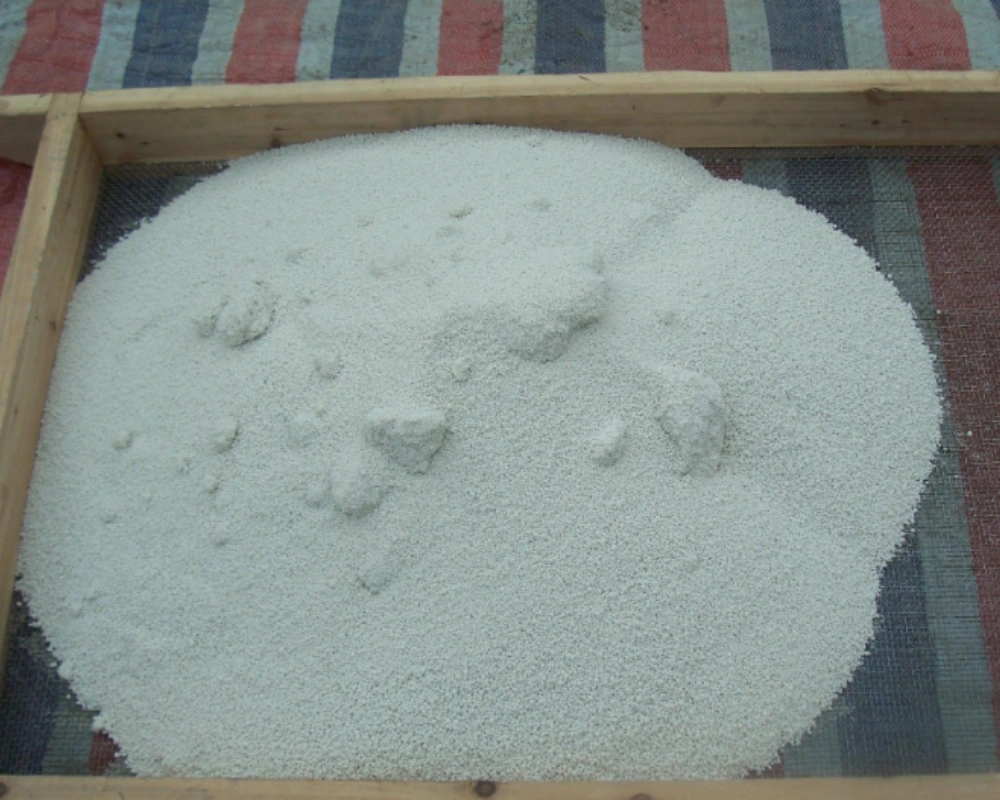
Standard fertilizer products require uniform particle size without oversized granules or excessive fine powder. When vibrating screener efficiency drops, the screen surface cannot separate materials thoroughly. Mixed large particles and fine powders flow into finished product bins directly.
Irregular particle appearance makes fertilizers look low‑grade. It fails commercial grading standards and reduces customer purchasing willingness greatly.
> Frequent Screen Blockage Leads to Discontinuous Production
Low vibrating screener efficiency is usually accompanied by serious mesh blockage. Wet fertilizer powder and tiny particles stick to sieve holes tightly. Workers have to stop the line frequently to clean the screen mesh manually.
Frequent shutdowns break continuous production rhythm. It cuts daily output and causes unnecessary labor waste for fertilizer factories.
> Excessive Return Materials Increase Production Energy Consumption
Unqualified particles that fail to be screened out will be sent back to the granulation system again and again. Excessive return materials increase repeated processing workload.
Every reprocessing cycle consumes extra electricity and machine wear. Long‑term high return rate greatly raises overall production energy consumption.
> Accumulated Fine Powder Aggravates Fertilizer Caking Risk
Fine powder has strong hygroscopicity compared with regular fertilizer granules. Low vibrating screener efficiency leaves massive fine powder in finished products.
These residual powders absorb moisture during storage and transportation. It greatly increases the chance of fertilizer caking and product deterioration.
Core Factors That Restrict Vibrating Screener Efficiency
After sorting out hundreds of on‑site screening failure cases, we find that most low‑efficiency problems are not caused by equipment quality. They come from unsuitable matching between equipment parameters and fertilizer material characteristics.
> Unmatched Screen Mesh Aperture for Fertilizer Particle Standards
Many factory workers select screen mesh only by experience. If the mesh aperture is too large, fine impurities cannot be filtered out. If the aperture is too small, qualified particles will be blocked on the screen surface.
Both wrong selections directly reduce vibrating screener efficiency and destroy particle grading accuracy.
> Unstable Feeding Volume Causes Material Accumulation on Screen Surface
Sudden surge of feeding materials is the top killer of vibrating screener efficiency. Many lines feed materials randomly without quantitative control.
Massive materials pile up on the screen surface in a short time. The vibrating screen cannot complete screening work in time, resulting in mixed discharging and unqualified grading.
> Improper Vibration Frequency and Amplitude Setting
Vibration parameters determine material moving speed and screening thoroughness. Low amplitude cannot spread materials evenly. Excessively high frequency will cause particle jumping and missing effective screening.
Fixed parameter settings cannot adapt to changing material conditions, leading to unstable vibrating screener efficiency.
> Wet Fertilizer Materials Adhere to Mesh and Cause Blockage
Organic fertilizer and compound fertilizer easily absorb moisture during production. Wet fine powders have strong adhesion and stick firmly to sieve holes.
Blocked mesh loses screening capacity gradually. If not cleaned in time, vibrating screener efficiency will drop sharply in a short period.
Our Vibrating Screener Design Advantages for Higher Vibrating Screener Efficiency
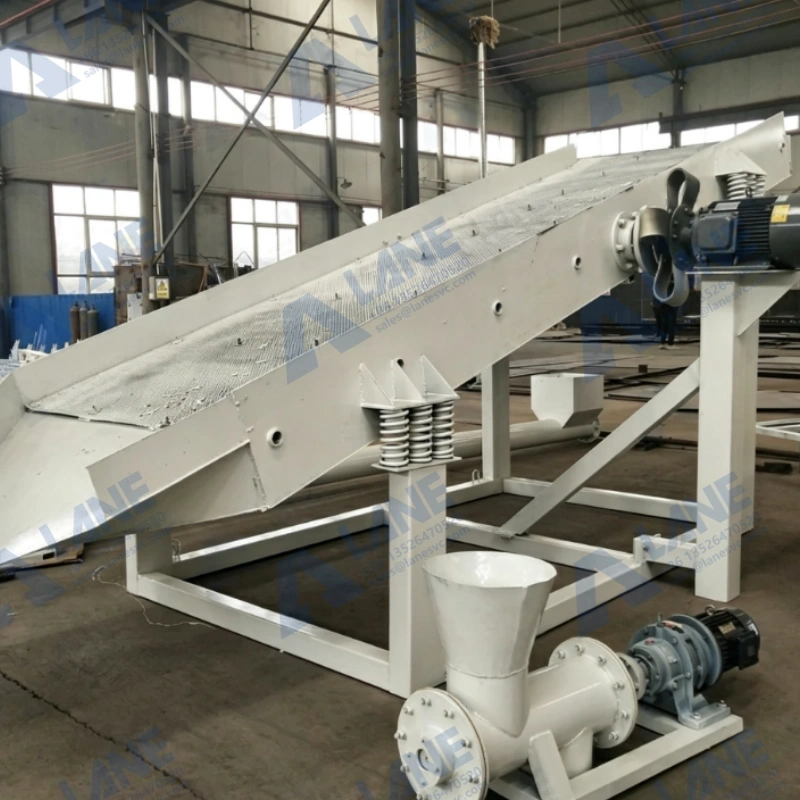
Ordinary industrial vibrating screens are designed for general dry materials, ignoring the sticky and damp characteristics of fertilizer raw materials. Our LANE vibrating screener is professionally optimized for organic fertilizer, NPK compound fertilizer and blended fertilizer production. It solves common screening defects and stably improves vibrating screener efficiency in mass production.
> Optimized Vibration Motor Configuration for Uniform Screening Force
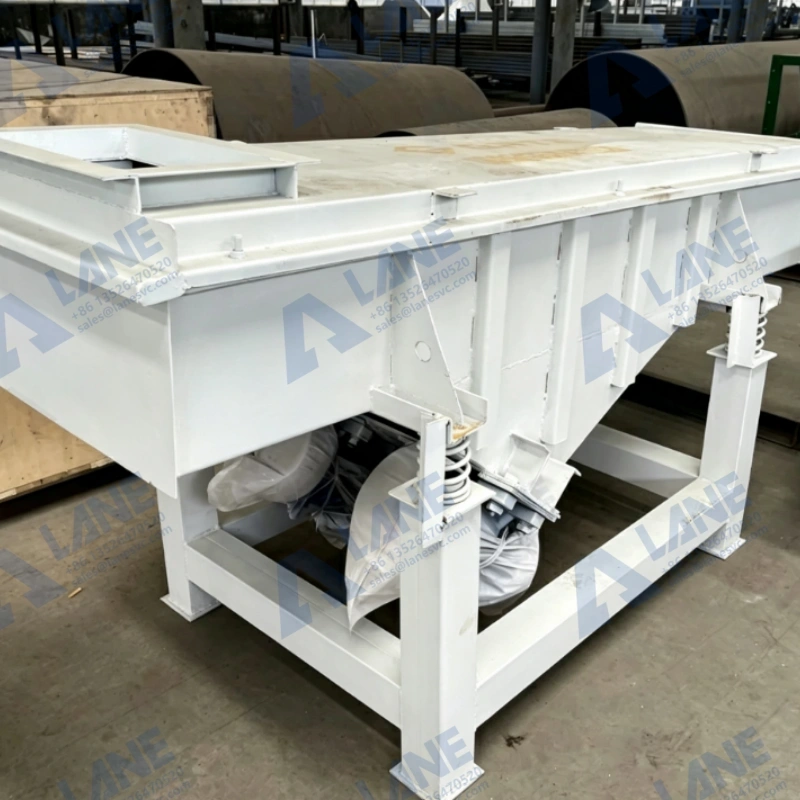
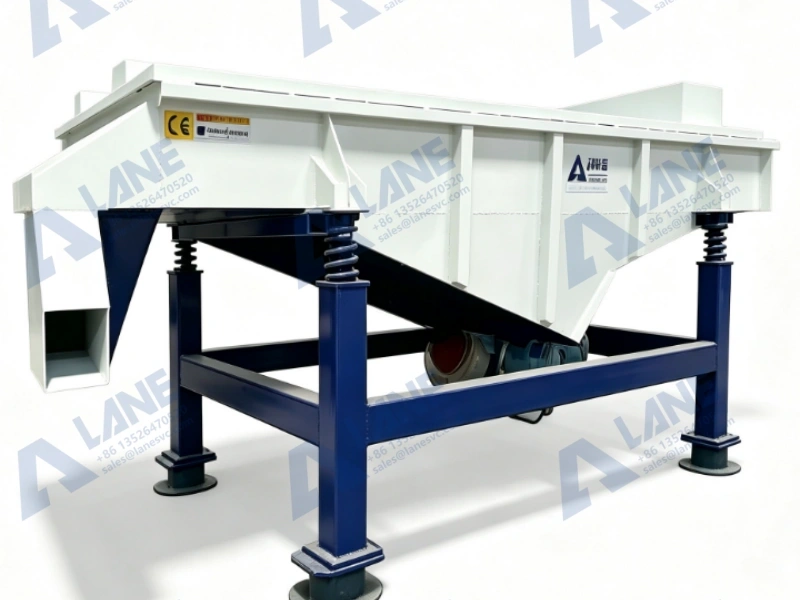
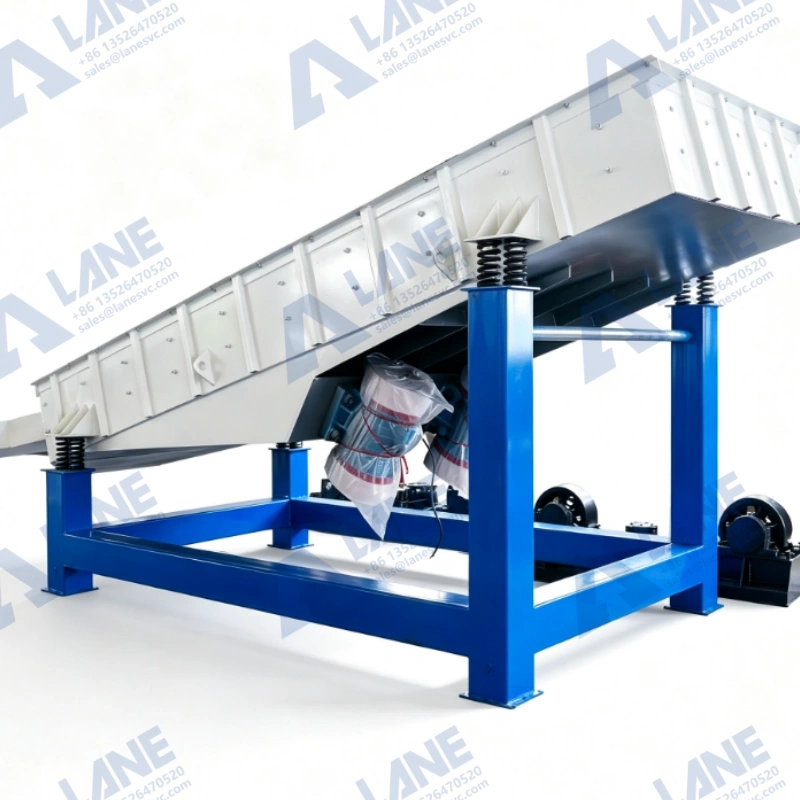
This fertilizer vibrating screener adopts dual symmetrical vibration motor layout. Different from single‑motor ordinary screens, it forms balanced vibration force across the entire screen surface. No blind spots exist during material screening.
Uniform vibration force ensures steady material advancement and even spreading. It avoids local stacking and effectively guarantees continuous vibrating screener efficiency.
> Multi‑layer Screen Structure Realizes One‑time Grading Screening
Our vibrating screener supports customizable multi‑layer screen layout. Different aperture screens work simultaneously to separate oversized particles, standard granules and fine powder in one process.
This integrated screening mode saves repeated circulation work. It simplifies production procedures and greatly promotes overall vibrating screener efficiency.
> Anti‑blocking Screen Mesh Design Reduces Frequent Shutdown Cleaning
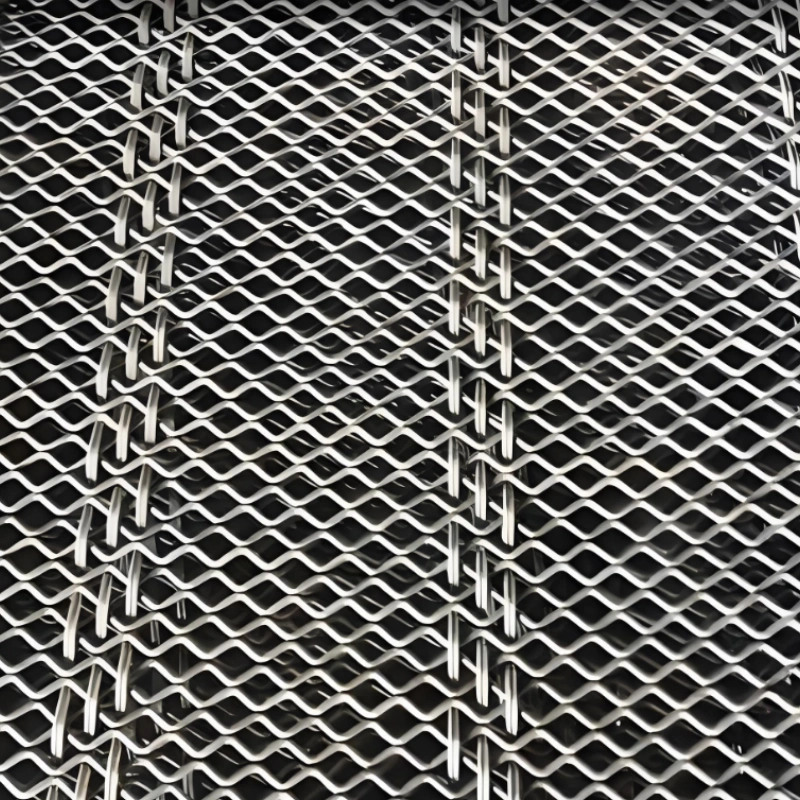
The equipment is equipped with elastic screen mesh and built‑in bouncing ball cleaning system. During operation, bouncing balls continuously strike the screen bottom to remove adhered fine powder.
This physical anti‑blocking structure keeps sieve holes unobstructed all day long. It avoids frequent shutdown cleaning and maintains stable vibrating screener efficiency.
> Stable Frame Structure Avoids Vibration Deviation During Operation
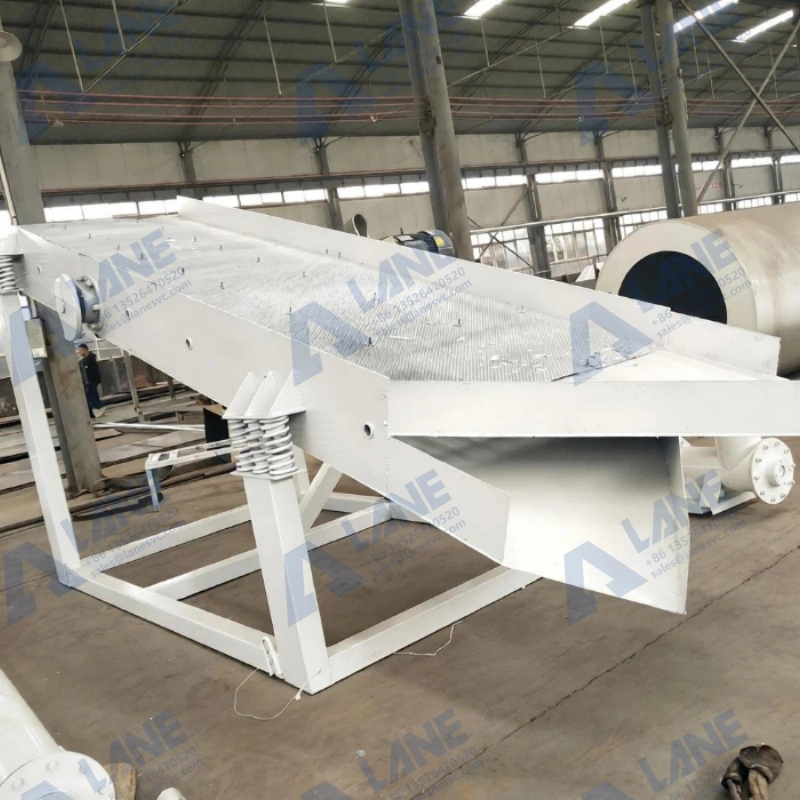
The whole machine adopts thickened steel frame and shock absorption spring sets. It reduces overall machine jitter and displacement during high‑frequency vibration.
Stable running posture guarantees consistent material movement track. It prevents efficiency loss caused by equipment deviation and keeps vibrating screener efficiency stable.
Practical Operation Methods to Effectively Boost Vibrating Screener Efficiency
High‑quality equipment needs standardized operation to release maximum performance. Years of on‑site debugging experience proves that simple daily adjustments can greatly improve vibrating screener efficiency without extra renovation cost.
> Match Screen Mesh Size According to Different Fertilizer Types
Different fertilizer materials have different particle sizes and humidity. Operators should select targeted mesh aperture according to finished product standards.
Accurate mesh matching is the premise of precise grading, which directly stabilizes vibrating screener efficiency.
> Control Uniform Feeding Speed to Avoid Screen Surface Overstocking
Install quantitative feeding equipment in front of the screener. Steady and continuous material inflow prevents instantaneous material surge.
Even material laying reduces screening pressure and allows sufficient screening time for each granule, improving vibrating screener efficiency obviously.
> Adjust Vibration Parameters Based on Material Humidity and Particle Size
Dry fine materials adapt to high frequency and low amplitude. Wet coarse particles need higher amplitude to strengthen penetration capacity.
Flexible parameter adaptation eliminates screening dead angles and keeps vibrating screener efficiency at optimal level.
> Regular Clean Screen Mesh Residues to Keep Unobstructed Sieve Holes
Arrange daily inspection and cleaning during production shifts. Timely remove sticky powder and check mesh deformation.
Daily maintenance avoids gradual mesh blockage and prevents slow decline of vibrating screener efficiency.
| Model | Capacity(tph) | Overall Size(mm) | Tilt Angle(°) | Amplification(mm) | Power(kw) |
|---|---|---|---|---|---|
| ZDS-0520-1 | 0.03-5 | 2140*808*848 | 5 | 5-7 | 0.4 |
| ZDS-0520-2 | 0.03-5 | 2140*808*880 | 5 | 5-7 | 0.55 |
| ZDS-0520-3 | 0.03-5 | 2140*808*920 | 5 | 5-7 | 0.75 |
| ZDS-1025-1 | 0.1-15 | 2300*1300*1500 | 5 | 5-7 | 0.75 |
| ZDS-1025-2 | 0.1-15 | 2300*1300*1550 | 5 | 5-7 | 1.1 |
| ZDS-1025-3 | 0.1-15 | 2300*1300*1600 | 5 | 5-7 | 1.5 |
Reasonable Production Layout to Stabilize Vibrating Screener Efficiency
Most factories only focus on equipment quality but ignore line layout optimization. Unreasonable docking and installation will cause material impact and stacking, undermining vibrating screener efficiency.
> Set Buffer Silo to Balance Material Inflow Speed
A buffer silo effectively relieves instantaneous material surge. It realizes uniform feeding and reduces screen surface pressure.
Stable feeding rhythm lays a solid foundation for long‑term high vibrating screener efficiency.
> Reduce Material Drop Height to Avoid Particle Agglomeration
Excess drop height causes strong impact force. Fine powder and granules squeeze together and form agglomeration on the screen surface.
Proper height reduction keeps loose material state and ensures smooth screening process.
> Reasonable Equipment Angle Layout Optimizes Screening Track
The installation angle directly determines material moving speed. A matched angle avoids too fast or too slow material flow.
Optimized angle layout maximizes screening area and improves overall vibrating screener efficiency.
Common Daily Mistakes That Reduce Vibrating Screener Efficiency
After investigating many fertilizer production sites, most low‑efficiency problems stem from habitual wrong operations, not equipment failure. Correcting these small mistakes can greatly improve screening performance.
> Long‑term Overfeeding Pursues Output at the Cost of Screening Quality
Many workshops blindly increase feeding volume to pursue higher output. Overloaded materials cannot be fully screened, causing mixed particle sizes.
This wrong habit continuously lowers vibrating screener efficiency and deteriorates finished product quality.
> Random Adjustment of Vibration Parameters Without Material Adaptation
Workers often adjust vibration frequency and amplitude randomly according to subjective feeling. Fixed parameters cannot adapt to changing material humidity and particle size.
Blind parameter adjustment leads to unstable screening effect and fluctuating vibrating screener efficiency.
> Delayed Replacement of Worn and Deformed Screen Mesh
Long‑term vibration friction causes mesh deformation and hole enlargement. Worn mesh loses grading accuracy gradually.
Delayed replacement will keep producing unqualified particles and reduce overall vibrating screener efficiency.
> Neglect Daily Maintenance of Vibration Motor and Fasteners
Loose bolts and abnormal motor vibration will cause equipment jitter. It distorts material screening track and reduces screening precision.
Simple daily inspection can avoid such man‑made efficiency loss.
FAQ
Overseas fertilizer production technicians often consult problems related to screening effect and vibrating screener efficiency. We summarize five high‑frequency practical questions for reference.
Q1: What is the main reason for slow screening speed and low vibrating screener efficiency?
A1: The main reasons include mismatched screen mesh, unstable feeding volume, unreasonable vibration parameters and blocked sieve holes. In most cases, multiple factors work together to reduce screening efficiency, instead of single equipment failure.
Q2: Can vibrating screener handle wet organic fertilizer materials efficiently?
A2: Yes. Our fertilizer‑specific vibrating screener equips anti‑blocking mesh and bouncing ball cleaning structure. It can handle damp and slightly sticky organic fertilizer steadily without frequent blockage.
Q3: How to choose single‑layer or multi‑layer vibrating screener for fertilizer production?
A3: Single‑layer screens suit simple two‑grade separation. Multi‑layer screens are ideal for factories that need three or more particle grading standards to improve overall vibrating screener efficiency.
Q4: How often should the fertilizer vibrating screener screen mesh be replaced?
A4: Under normal continuous production, the screen mesh can be used for 3 to 6 months. Replace it timely once deformation, hole enlargement and serious blockage occur.
Q5: Can optimizing installation angle significantly improve vibrating screener efficiency?
A5: Yes. A reasonable installation angle standardizes material moving speed, eliminates accumulation and dead zones. It is one of the most effective low‑cost ways to boost vibrating screener efficiency.
Conclusion
The stable efficiency of the vibrating screen is the key to ensure the uniformity of fertilizer particles and the quality of finished products. The equipment configuration, operation parameters, feeding method, and production line layout jointly determine the final screening effect. Our company’s fertilizer-specific vibrating screen can solve common problems such as screen blockage and material accumulation, and with standardized operation and regular maintenance, fertilizer plants can maintain high vibrating screen efficiency, reduce return rate, and steadily improve the quality of finished fertilizer.