How Automatic Screen Cleaning Device Solves Blockage of Rotary Screener Mesh?
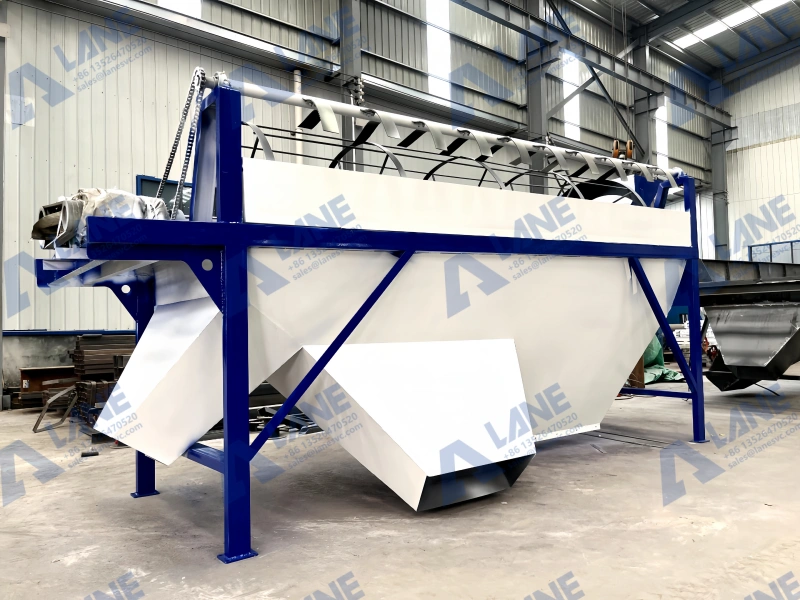
Lots of fertilizer production sites run rotary screener to grade crushed manure materials. When dealing with damp organic pellets and fine powder, operators frequently face mesh clogging issues that interrupt daily production schedules.
Many basic models of drum screen do not have a special cleaning structure, and workers can only repeatedly stop the machine and rely on manual removal of adhesive materials. This not only increases labor costs, but also significantly reduces the total material handling of the entire production line.
Our engineering team carried out dozens of on-site condition tests with many fertilizer plants, and installed an automatic screen cleaning device on the Lane roller screen. This article explains the operating principle of this structure and the improvement effect that the fertilizer processing plant can intuitively harvest in the continuous production of fertilizer.
Production Losses Brought by Unresolved Rotary Screener Mesh Blockage
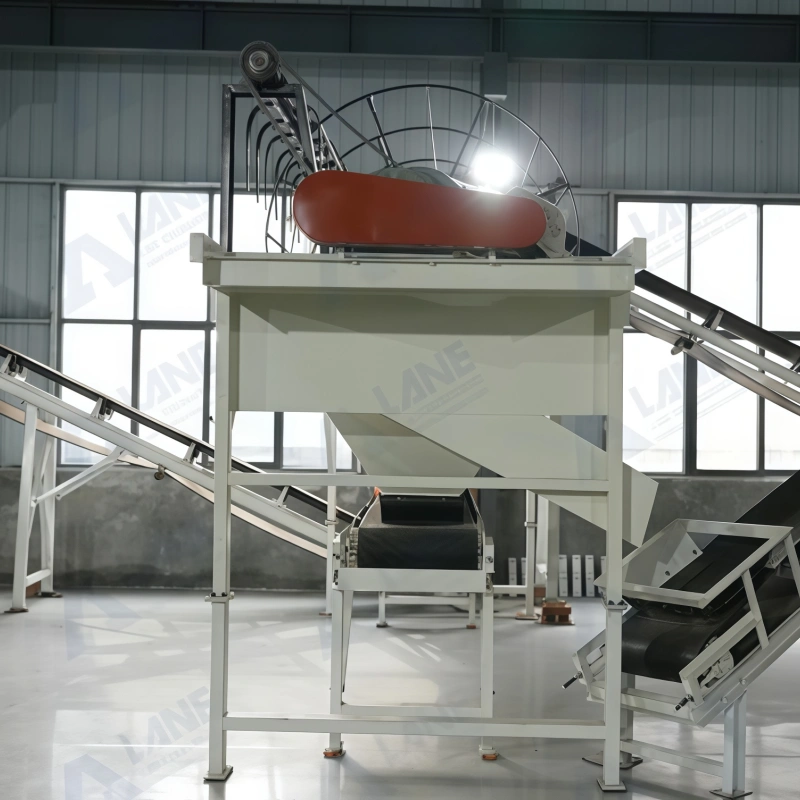
Before learning how the automatic cleaning setup works, factory managers need to understand all hidden losses created by blocked screen mesh. Many operators underestimate how sticky damp fertilizer affects long-term stable screening efficiency.
Gradual Reduction of Effective Screening Capacity
When the equipment is in continuous operation, the fine particles of wet fertilizer will gradually embed into the mesh holes, the effective permeable area of the sieve mesh will continuously shrink, and the qualified materials that can pass through the sieve mesh will continue to decrease. Even if the stable feed flow is maintained, the efficiency of material classification will still decrease hour by hour.
Frequent Unplanned Equipment Shutdown
After the clogging of the screen continues to worsen, the material cannot pass through the screen smoothly and will accumulate inside the drum. Operators must shut down the entire production line to clear the blockage, and a large number of effective working hours that can be normally produced will be lost every week.
Uneven Particle Classification Results
Local screen blockage will cause unbalanced screening operation, and some fine materials mixed with large impurities will be discharged from the coarse material outlet. Coarse and fine materials are mixed with each other, which destroys the uniformity of the particle size of the raw material in the downstream granulation process.
Extra Wear on Rotary Screener Main Components
The blockage of the screen causes an unbalanced load on the material, and the drum produces irregular vibrations. The long-term imbalance accelerates the wear of the support wheel, reducer, and transmission components, shortening the service life of the core components of the equipment.
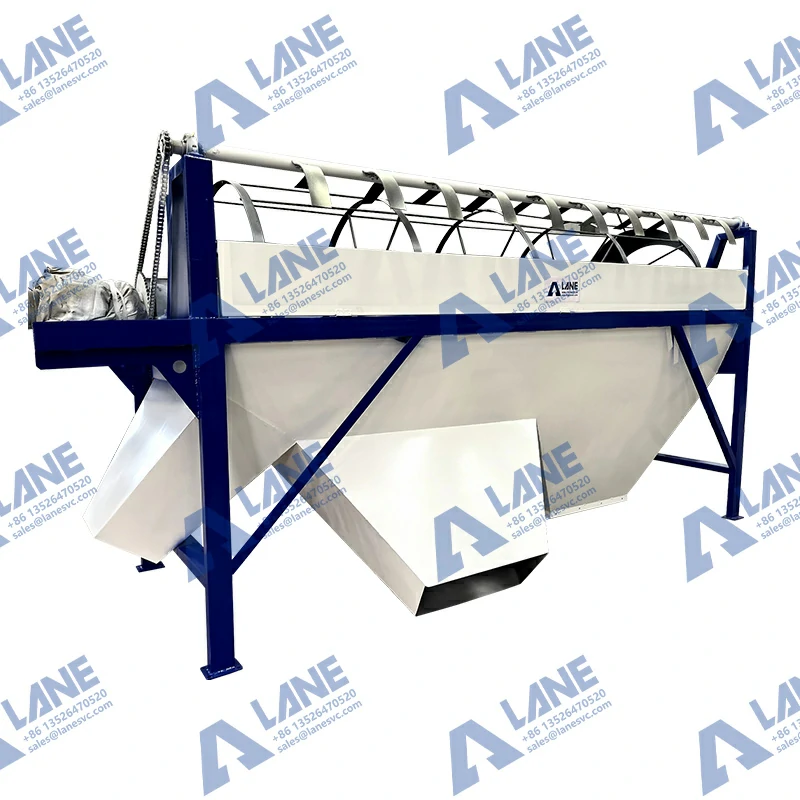
Working Mechanism of the Automatic Screen Cleaning Device on Our Rotary Screener
Many manufacturers do not consider the working conditions of sticky wet fertilizer when selling drum screens. The automatic cleaning structure that we have developed is specifically designed for organic fertilizer production lines, and it is fundamentally different from the simple external cleaning accessories on the market.
Relative Motion Design Between Cleaning Parts and Screen Mesh
The plate cleaning assembly and the roller and automatic screen cleaning device maintain a continuous relative motion. As the drum rotates, the cleaning component continuously brushes the inner side of the screen, pushing out the fine particles stuck in the mesh holes in each cycle of operation.
Need for Extra Independent Driving Motor
The main drive system of the whole set of net cleaning device provides power, and there is no need to install a driving motor separately. On the one hand, it simplifies the layout of the factory circuit, and on the other hand, it will not bring extra power consumption to the production line.
Adaptable for Different Mesh Aperture Specifications
Cleaning the gap between the scraper and the sieve supports on-site adjustment. After the workers replace the sieve with different mesh sizes, they can fine-tune this spacing to maintain a stable and effective blocking effect in the face of various fertilizer grading standards.
Visible Improvements After Equipping Automatic Screen Cleaning Device
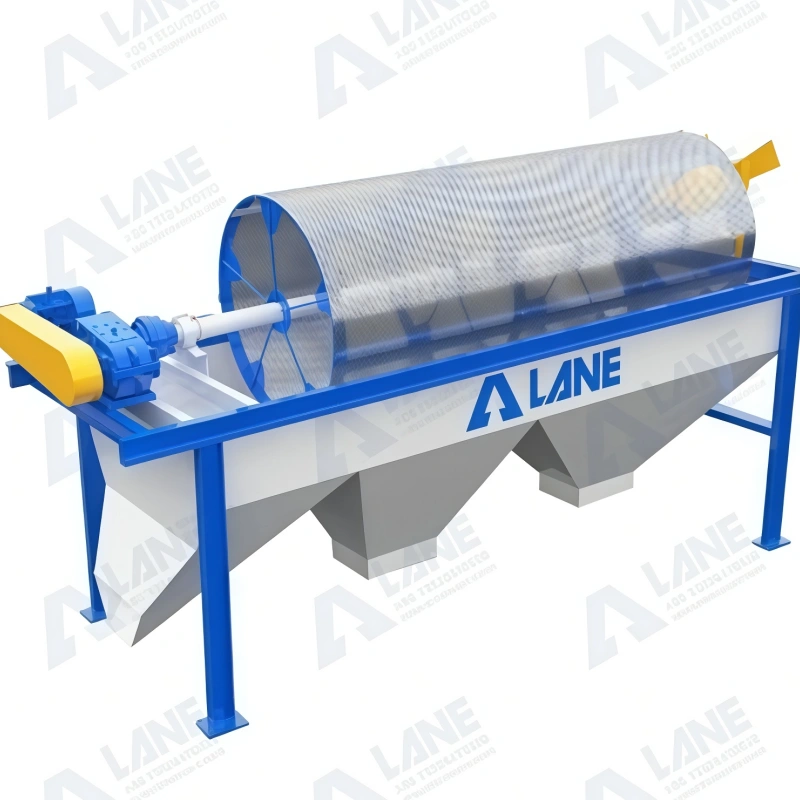
We have recorded continuous operating data from numerous fertilizer plants using our roller screen. Multiple control trials have shown that, under identical raw material conditions, the performance difference between units equipped with the built-in automatic screen cleaning device and those without it is substantial.
- Steady Screening Efficiency During Long Continuous Shifts
The roller screen equipped with an automatic screen cleaning device can maintain a stable throughput rate for more than 12 hours. The clogging of the screen will not continue to worsen with the operation of the shift, and there will be no sharp decline in the classification efficiency in the latter half of the production.
- Sharp Cut in Manual Cleaning Frequency
Previously, when screening wet fertilizer, workers needed to stop the machine every 2 to 4 hours to clean the screen; After installing the automatic cleaning structure, the manual cleaning work can only be arranged to be carried out during fixed shifts.
- Consistent Particle Separation Quality All Day Long
The continuous automatic screen cleaning device prevents local blockage, ensuring that fertilizer particle grading remains stable throughout the entire shift and eliminating the production of off-spec materials that do not meet granulation requirements.
| Model | Capacity(tph) | Drum Diameter(m) | Drum Length(m) | Tilt Angle(°) | Rotation Speed(r/min) | Power(kw) |
|---|---|---|---|---|---|---|
| LAS-0.8*2M | 1-2.5 | 0.8 | 2 | 2-3 | 22 | 3 |
| LAS-0.8*3M | 1.5-3 | 0.8 | 3 | 2-3 | 22 | 3 |
| LAS-1*3M | 2-4 | 1 | 3 | 2-3 | 22 | 3 |
| LAS-1.2*4M | 3-5 | 1.2 | 4 | 2-3 | 17 | 4 |
| LAS-1.5*4M | 4-8 | 1.5 | 4 | 2-3 | 17 | 4 |
| LAS-1.5*5M | 5-10 | 1.5 | 5 | 2-3 | 14 | 5.5 |
| LAS-1.5*6M | 5-10 | 1.5 | 6 | 2-3 | 14 | 7.5 |
| LAS-1.8*7M | 10-12 | 1.8 | 7 | 2-3 | 14 | 7.5 |
| LAS-2*6M | 12-15 | 2 | 6 | 2-3 | 14 | 15 |
Practical Operation Tips to Maximize Automatic Screen Cleaning Effect
The automatic screen cleaning device can greatly reduce the risk of clogging the screen, but regular operation is still very important. A few simple operation specifications can ensure that the roller screen can perform stably in the fertilizer production line for a long time.
- Avoid Oversized Hard Lumps Entering Screening Drum
Large hardened fertilizer lumps and stone impurities may cause the cleaning scraper and sieve mesh to deform. Operators should add a simple pre-screening before the material enters the roller screen to remove oversized lumps.
- Adjust Cleaning Plate Gap After Mesh Replacement
After the maintenance team installs the new screen, please check and reset the clearance between the cleaning components and the screen surface. If the clearance is too large, it will weaken the ability to clear blockages, and if the clearance is too small, the friction will increase, and the wear rate of the accessories will accelerate.
- Carry Out Weekly Inspection on Cleaning Components
Check and clean the worn condition of the scraper every seven days, and replace the worn scraper in advance to prevent the automatic screen cleaning device from failing in the middle of a continuous production shift.
Final Thoughts on Mesh Blockage Solutions for Rotary Screener in Fertilizer Production
Many equipment buyers only focus on rotary screener dimension and throughput parameters during selection. They ignore that mesh clogging will neutralize nominal capacity when processing damp organic fertilizer particles.
Our Lane Automatic Screen Cleaning Device integrates mature automatic screen cleaning device to tackle this widespread industry pain point. It helps fertilizer factories cut downtime losses and stabilize particle classification quality for downstream granulation procedures.
If you are looking for a roller automatic screen cleaning device that is suitable for organic fertilizer processing and has a reliable anti-blockage structure, our technical team can provide detailed parameter selection suggestions based on your raw material moisture content and target particle standard.