Cow Dung Organic Fertilizer Making Machine: Transforming Agricultural Waste into Valuable Resources
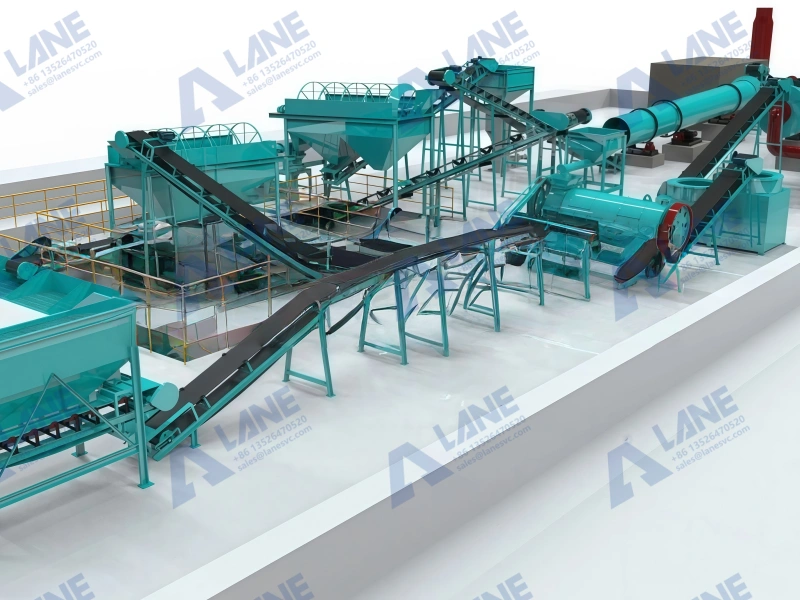
In recent years, the agricultural industry has witnessed a significant shift towards sustainable and eco-friendly practices. One of the most notable advancements is the development and widespread use of cow dung organic fertilizer making machines. These machines play a crucial role in transforming agricultural waste into valuable organic fertilizers, thereby contributing to sustainable farming practices and environmental conservation. This article delves into the various aspects of cow dung organic fertilizer making machines, their benefits, working mechanisms, and their impact on modern agriculture.
Understanding Cow Dung Organic Fertilizer Making Machines
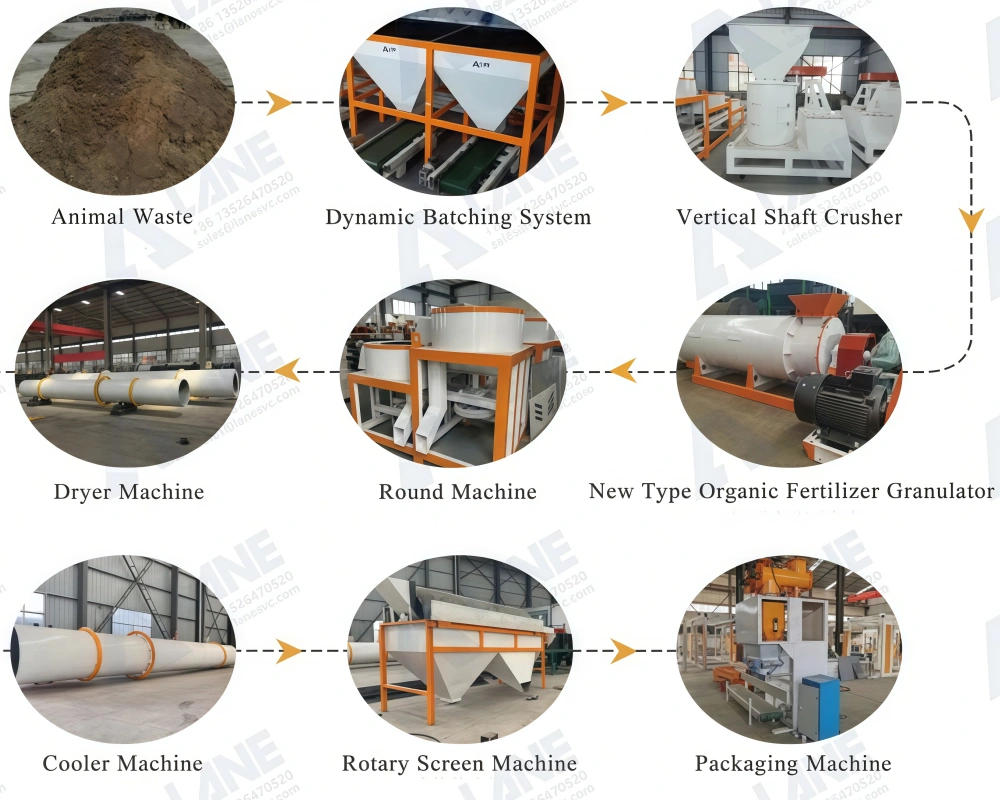
Cow dung organic fertilizer making machines are specialized equipment designed to process cow manure into high-quality organic fertilizers. These machines are engineered to handle large quantities of cow dung, converting it into nutrient-rich compost that can be used to enhance soil fertility and promote healthy crop growth. The use of these machines not only helps in managing animal waste effectively but also reduces the dependency on chemical fertilizers, thereby promoting organic farming practices.
Key Components and Working Mechanism
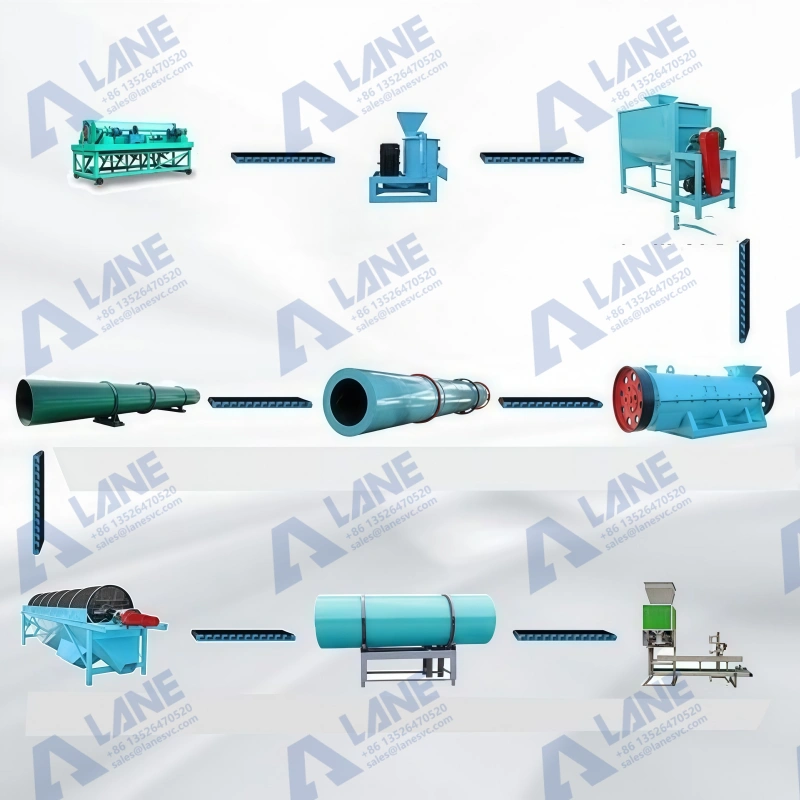
The cow dung organic fertilizer making machine typically comprises several key components, each playing a vital role in the composting process. These components include:
- Crusher: The crusher is responsible for breaking down the cow dung into smaller particles, making it easier to process and compost.
- Mixer: The mixer blends the crushed cow dung with other organic materials, such as straw, agricultural residues, and microbial inoculants, to enhance the composting process.
- Composting Turner: This component aerates the compost mixture, ensuring adequate oxygen supply for the microbial activity required for decomposition.
- Granulator: The granulator converts the decomposed compost into granules, making it easier to handle, store, and apply as fertilizer.
- Dryer: The dryer reduces the moisture content of the compost granules, ensuring they are dry and stable for long-term storage.
- Cooling Machine: This component cools the dried granules to prevent caking and ensure they retain their quality during storage.
- Screening Machine: The screening machine separates the fine granules from larger particles, ensuring uniformity in the final product.
- Packaging Machine: The packaging machine packs the final organic fertilizer granules into bags for easy distribution and application.
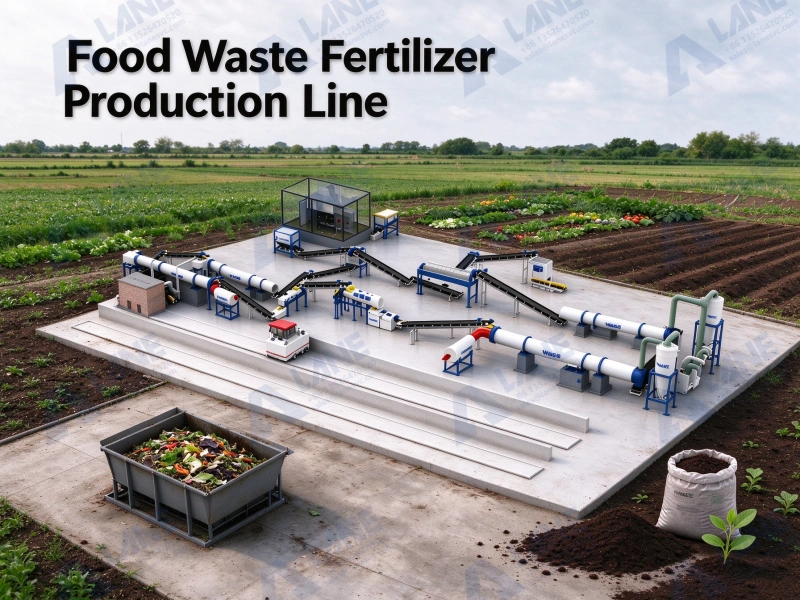
The working mechanism of cow dung organic fertilizer making machines involves a series of steps starting from the collection of cow dung to the final packaging of organic fertilizer. The cow dung is first collected and stored in a designated area. It is then fed into the crusher, where it is broken down into smaller particles. These particles are then mixed with other organic materials in the mixer. The mixture is then transferred to the composting turner, where it undergoes aerobic decomposition. Once the composting process is complete, the compost is granulated, dried, cooled, screened, and finally packaged for distribution.
| Product Name | Model | Yield | Detail | Speed | Power |
|---|---|---|---|---|---|
| Crawler Compost Turner | LALG-2500 | 400-1500m*3/h | Stacking height 600mm-1500mm | 5-10m/min | 36-170 horsepower |
| Forklift Feeding Hopper | LAH-1.5-3 | Silo size: 1-4 meters | 2250mm*1050mm*1590mm | 1450r/min | 2.2-3KW |
| Vertical Crucher | LAC-60V | 1-12t/h | ZQ series reducer | 1450r/min | 7.5-37KW |
| Organic Fertilizer Granulator | LAZJ-1000 | 1-8t/h | ZY series reducer | 1450r/min | 7.5-11KW |
| Polishing Machine | LAP2-800 | 2-10t/h | Double bearing | 1450r/min | 3-7.5KW |
| Rotary Drum Drying Machine | LARD:1.2-12 | 1-25t/h | ZQ series reducer | 1450r/min | 5.5-22KW |
| Cooling Machine | LARC-1.0-10 | 1-20t/h | ZQ series reducer | 1450r/min | 5.5-22KW |
| Rotary Screen Machine | LAS-1240 | 1-23t/h | ZQ series reducer | 1450r/min | 3-7.5KW |
| Pellet Packing Machine | LAB-50K | 4-30 bags/minute | Packaging specification: 20-50kg | 4-6 bags/min | 50Hz/60Hz/220V/380V |
Benefits of Using Cow Dung Organic Fertilizer Making Machines
The use of cow dung organic fertilizer making machines offers numerous benefits to farmers, the environment, and the agricultural industry as a whole. Some of the key benefits include:
- Sustainable Waste Management: These machines help in managing cow manure effectively, reducing the risk of environmental pollution caused by improper disposal of animal waste.
- Soil Health Improvement: Organic fertilizers produced from cow dung are rich in essential nutrients, such as nitrogen, phosphorus, and potassium, which improve soil fertility and structure.
- Promotion of Organic Farming: By providing a reliable source of organic fertilizers, these machines encourage farmers to adopt organic farming practices, reducing the dependency on chemical fertilizers.
- Cost-Effective: Producing organic fertilizers from cow dung is a cost-effective solution for farmers, as it reduces the need for purchasing expensive chemical fertilizers.
- Environmental Conservation: The use of organic fertilizers helps in reducing the carbon footprint of agricultural activities, contributing to environmental conservation.
- Enhanced Crop Yield and Quality: Organic fertilizers improve the nutrient content of the soil, leading to healthier crops and increased yields.
Impact on Modern Agriculture
The introduction of cow dung organic fertilizer making machines has had a profound impact on modern agriculture. These machines have revolutionized the way farmers manage animal waste and produce organic fertilizers. The shift towards organic farming practices has not only improved the sustainability of agricultural activities but has also enhanced the quality of agricultural produce.
Case Study: Successful Implementation
One notable example of the successful implementation of cow dung organic fertilizer making machines is the case of a dairy farm in California. The farm, which houses over 500 cows, faced significant challenges in managing the large quantities of cow manure produced daily. By investing in a cow dung organic fertilizer making machine, the farm was able to convert the manure into high-quality organic fertilizer. This not only solved their waste management issues but also provided a valuable resource for their crop production. The farm reported a 30% increase in crop yield and a noticeable improvement in soil health after using the organic fertilizer.
Future Prospects and Innovations
As the demand for sustainable farming practices continues to grow, the future prospects for cow dung organic fertilizer making machines look promising. Ongoing research and development efforts are focused on improving the efficiency and effectiveness of these machines. Innovations such as automated control systems, advanced composting technologies, and improved granulation processes are expected to enhance the performance of these machines further.
Additionally, the integration of IoT (Internet of Things) and AI (Artificial Intelligence) technologies is set to revolutionize the operation of cow dung organic fertilizer making machines. These technologies can enable real-time monitoring and control of the composting process, ensuring optimal conditions for microbial activity and composting efficiency.
Conclusion
Cow dung organic fertilizer making machines are transforming the agricultural landscape by providing a sustainable solution for managing animal waste and producing high-quality organic fertilizers. The benefits of using these machines extend beyond waste management, contributing to soil health improvement, environmental conservation, and the promotion of organic farming practices. As technology continues to advance, the future of cow dung organic fertilizer making machines holds great promise, paving the way for a more sustainable and eco-friendly agricultural industry.