The Complete Guide to Selecting a Cow Manure Processing Machine: From Environmental Burden to Organic Wealth
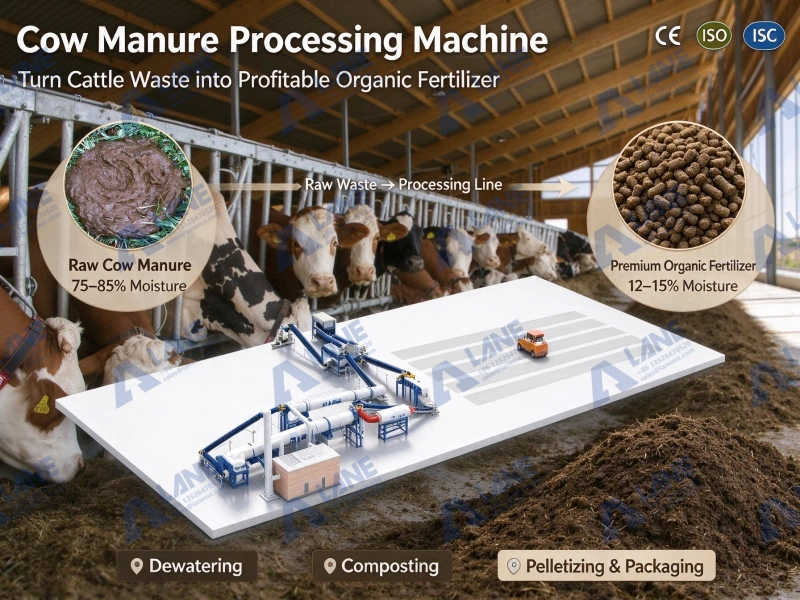
Raw Cattle Waste (75%-85% Moisture) ──> Passive Storage ──> Operational Risks & Fines
                                       │
                    (Mechanical Dewatering & Processing)
                                       ▼
             Premium Organic Fertilizer (12%-15% Moisture) ──> High-Value Revenue
Water Contamination: Rainwater runoff carries concentrated nitrates and phosphorus into local water tables.
Regulatory Penalties: Anaerobic breakdown releases heavy odors and greenhouse gases, triggering strict environmental fines.
Operational Bottlenecks: Passive storage demands massive acreage and continuous manual labor to manage.
Raw Material Characteristics—The Foundation of Equipment Selection
       [Raw Material Profile]
                 │
      ┌──────────┴──────────┐
      ▼                     ▼
[Physical States]     [Chemical Ratios]
  ├── Fresh Slurry      └── Target C/N (25:1)
  ├── Separated Fiber
  └── Straw/Bedding Mix
Moisture Level: High water content between 75% and 85%.
Physical State: Behaves as a thick, semi-fluid slurry that cannot be stacked or transported.
Processing Rule: A dewatering separator inside the Cow Manure Processing Machine configuration is mandatory to extract free water.
Chemical Profile: Ideal C/N ratio of 20:1 to 25:1, perfect for thermophilic aerobic fermentation once moisture levels are corrected.
Moisture Level: Reduced to a workable 55% to 65% through mechanical separation.
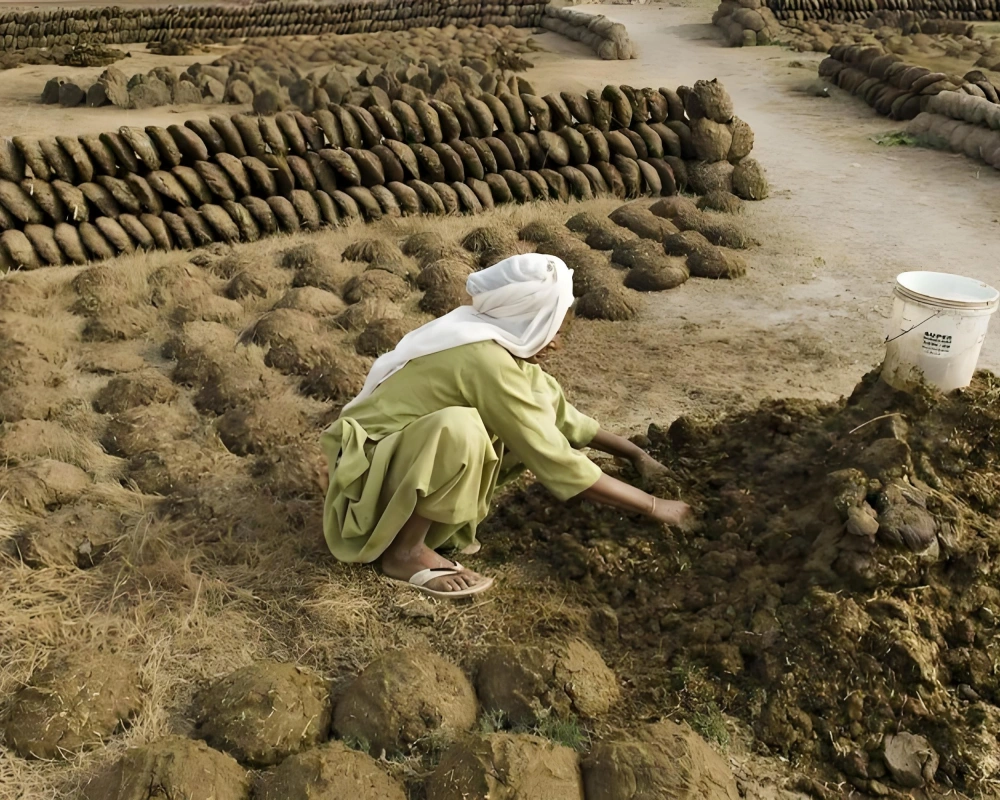
Physical State: Loose, crumbly organic solids that can be easily piled.
Processing Rule: Represents the ideal entry point for aerobic fermentation composting.
Chemical Profile: Retains sufficient oxygen within interstitial spaces to fuel beneficial microbial activity without suffocating the biomass.
Moisture Level: Low moisture range of 15% to 30% from arid environments.
Physical State: Clumped, hard, and highly dense masses.
Processing Rule: Bypasses dewatering and shortens fermentation, but requires a heavy-duty crushing unit attached to the Cow Manure Processing Machine setup.
Chemical Profile: Standard crushers will clog, requiring reinforced hammer mills with impact-resistant teeth.
Moisture Level: Highly variable depending on the ratio of bedding material used.
Physical State: Coarse material mixed with tough plant matter like wheat straw, sawdust, or rice hulls.
Processing Rule: Simple pelletizing systems will fail due to irregular lengths.
Chemical Profile: High-torque dual-shaft mixers and specialized wet-granulators are required within the comprehensive Cow Manure Processing Machine plant to force the irregular fibers into durable pellets.
| Material Type | Mandatory Equipment Line | Optional/Skippable Phase | Critical Engineering Considerations |
|---|---|---|---|
| Fresh Cow Manure | Screw-press separator + Submersible feed pump | Secondary crushing systems | High-torque motors; anti-corrosive stainless housing |
| Separated Solid Fiber | Aerobic windrow turner + Screeners | Primary dewatering systems | Uniform pile height; moisture tracking |
| Dry Cattle Dung | Industrial hammer mill + Fine batch mixer | Dewatering & extended composting | High-efficiency dust collection; impact-resistant steel teeth |
| Manure + Bedding Mix | High-torque wet granulator + Pre-mixers | Post-granulation polishing | Cellulose-shearing blades; moisture adjustment nozzles |
Daily Volume: What is your exact daily waste volume in metric tons or cubic meters?
Moisture Shifts: What is the average moisture content of the incoming waste stream across different seasons?
Bedding Debris: Does the waste contain wood shavings, sand, straw, or gravel?
Scraper Scrap: Are there large rocks, concrete fragments, or metal wires mixed into the material from scraping flush lanes?
Step-by-Step Processing Flow of a Cow Manure Processing Machine
| Sequence Step | Mechanical Process Name | Core Equipment Utilized | Operational Parameter & Technical Function |
|---|---|---|---|
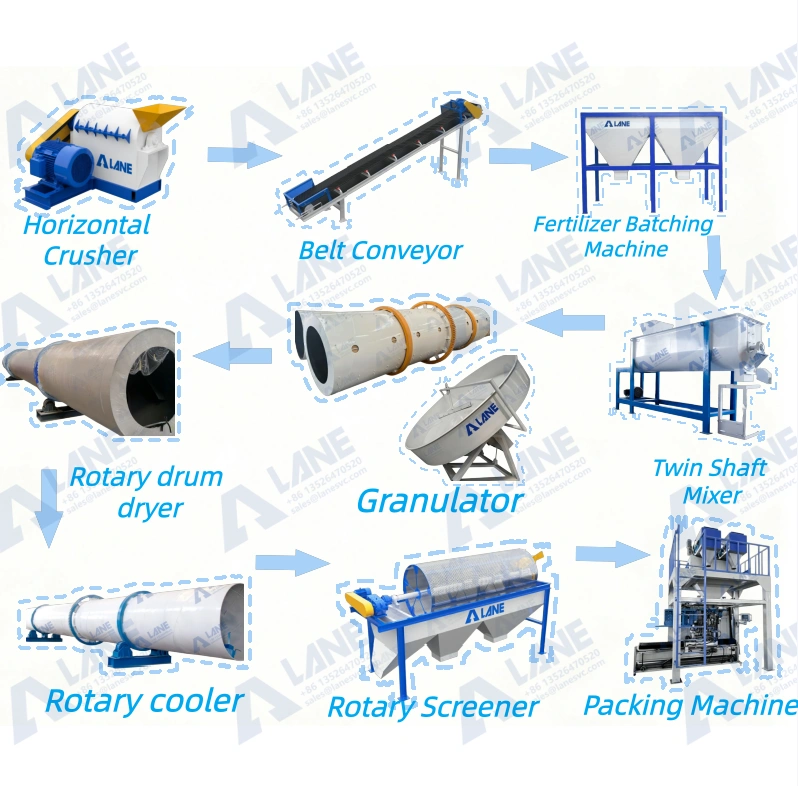
| Step 1 | Solid-Liquid Separation | Screw Press Solid-Liquid Separator | Reduces moisture from 80% to 55%–65% via mechanical compression. |
| Step 2 | Aerobic Fermentation | Windrow / Hydraulic Compost Turner | Maintains heat at 55°C–65°C for 7–15 days to kill pathogens and weed seeds. |
| Step 3 | Material Crushing | Semi-Wet Material Crusher | Grinds large fermented aggregates down to a uniform fineness of 40–80 mesh. |
| Step 4 | Nutrient Blending | Horizontal Batch Mixer | Integrates NPK, humic acids, or microbial inoculants within 3–5 minutes. |
| Step 5 | Pellet Granulation | Rotary Drum / Wet-Granulator | Agglomerates fine powders into dense, spherical pellets measuring 3–5mm. |
| Step 6 | Thermal Processing | Rotary Drum Dryer & Cooling Drum | Lowers moisture to ≤ 12%–15% and cools pellets to ambient temperatures. |
| Step 7 | Quality Screening | Rotary Screen & Coating Machine | Separates out-of-spec particles and applies protective oil or anti-dust coatings. |
| Step 8 | Final Packaging | Automated Quantitative Packaging Scale | Automatically weighs and seals material into 25kg, 50kg, or 1-ton bulk bags. |
Industrial Selection Guide for Core Equipment Components
                 [Core Equipment Selection]
                             │
     ┌───────────────────────┼───────────────────────┐
     ▼                       ▼                       ▼
[Dewatering]           [Fermentation]          [Granulation]
 ├── Screw Press        ├── Self-Propelled      ├── Disc Pan
 └── Sloped Screen      └── Hydraulic Hopper    └── Rotary Drum
Screw Press Separators:
Uses an internal stainless steel auger to squeeze material through a cylindrical wedge wire screen.
Excels at processing thick slurry, yielding solid cakes with low moisture content (under 60%).
Highly recommended for a Cow Manure Processing Machine layout where farms reuse solids for livestock bedding.
Sloped Screen Separators:
Uses gravity filtration over a high-frequency vibrating sloped screen deck.
Handles high-volume flush water with low solid concentrations well.
Output solids require secondary drying before entering the composting phase of the Cow Manure Processing Machine.
Self-Propelled Windrow Turners: Diesel-driven, straddle-type machines that move directly over ground-level compost piles. They offer excellent maneuverability and require no permanent concrete installations.
Hydraulic Hopper Turners: Track-mounted electric units running along concrete retaining walls. They maximize land utilization and handle high-density piles well, though they require a larger initial investment.
Vertical Fermentation Towers: Enclosed modular aerobic silos using internal mixing impellers and forced aeration. They offer precise odor control and process waste in 7 days within a minimal footprint.
Rotary Drum Granulators: Large, enclosed horizontal rotating cylinders using internal steam or water sprays to agglomerate particles. They are the standard for high-capacity industrial production lines.
Organic Wet-Granulators: Combines internal high-speed pins with a rotating outer shell to produce high-density spherical pellets. They process sticky organic materials and tough plant fibers efficiently without requiring binding agents.
Natural Gas Burners: Provide clean combustion with precise digital temperature control and low emissions.
Biomass Furnaces: Utilize recycled wood chips, straw pellets, or dried crop residues to generate heat, lowering operating costs.
Coal-Fired Hot Air Stoves: Deliver high thermal energy at a low cost, but require extensive environmental scrubbing equipment.
Powdered vs. Granular Production Lines—Strategic Investment Mapping
                     [Processing Route]
                             │
            ┌────────────────┴────────────────┐
            ▼                                 ▼
   [Powdered Fertilizer]             [Granular Pellets]
    ├── Low Capital Investment        ├── High Retail Premium
    └── Localized Agri-Use            └── Commercial Distribution
Powdered Organic Fertilizer Line:
Investment Level: Low to moderate; omits granulation, drying, and cooling loops from the Cow Manure Processing Machine configuration.
Product Form: Fine, loose powder; prone to drifting in high winds; absorbs ambient moisture easily.
Pricing Structure: Standard; lower profit margins per ton.
Best Customer Base: On-farm use, neighboring smallholders, and bulk local agricultural sales.
Granular Organic Fertilizer Line:
Investment Level: High; requires a complete Cow Manure Processing Machine line and heavy electrical infrastructure.
Product Form: Dense, dust-free spheres; flows easily through commercial agricultural seeders.
Pricing Structure: Premium; commands a 30% to 50% price premium over loose powder.
Best Customer Base: Regional agricultural cooperatives, retail garden centers, landscaping brands, and international export.
Production Scale and Capacity Requirements
       [Herd Size Scaling]
               │
    ┌──────────┼──────────┐
    ▼          ▼          ▼
 100 Cows   300 Cows   1,000+ Cows
    │          │          │
    ▼          ▼          ▼
  1 T/H      2 T/H      5+ T/H
 (Powder)   (Powder)   (Granular)
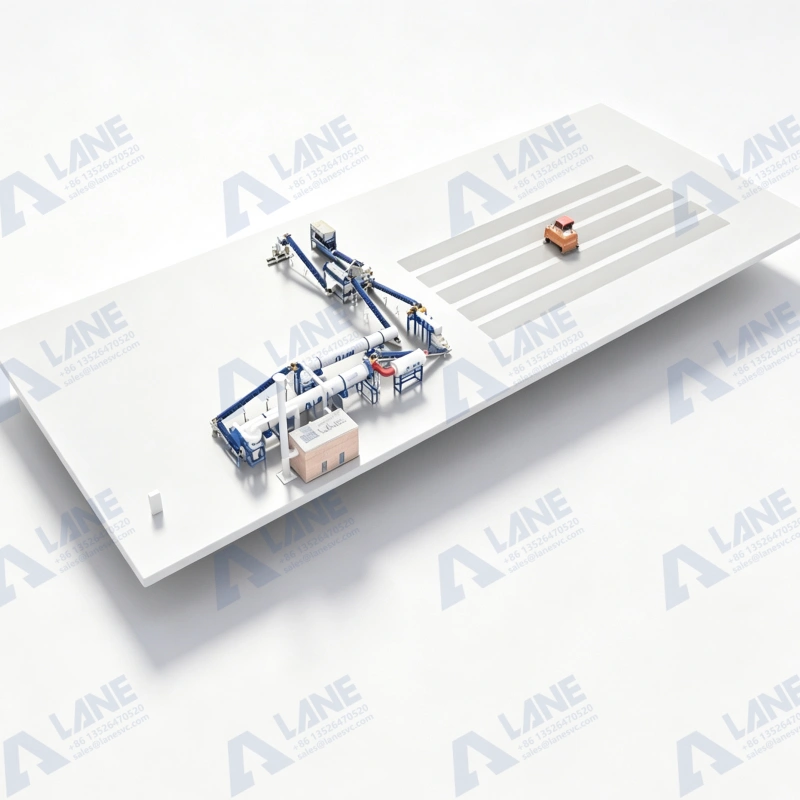
1 Ton Per Hour Powdered Line: Sized for family dairy operations managing 50 to 70 milking cows. This entry-level Cow Manure Processing Machine setup processes raw daily waste into stable compost powder using simple mechanical turners, screeners, and a basic bagging station.
2 Tons Per Hour Line: Sized for mid-scale farming operations with 100 to 150 head of cattle. This configuration handles higher volumes by adding automated solid-liquid separation and high-throughput hammer mills to ensure efficient material processing. A modular Cow Manure Processing Machine works perfectly for this scale.
5 Tons Per Hour Granular Line: Sized for commercial livestock hubs with 250 to 350 head of cattle. This setup supports commercial granulators, industrial dryers, and automated packaging lines, producing premium fertilizer pellets for regional markets via an integrated Cow Manure Processing Machine.
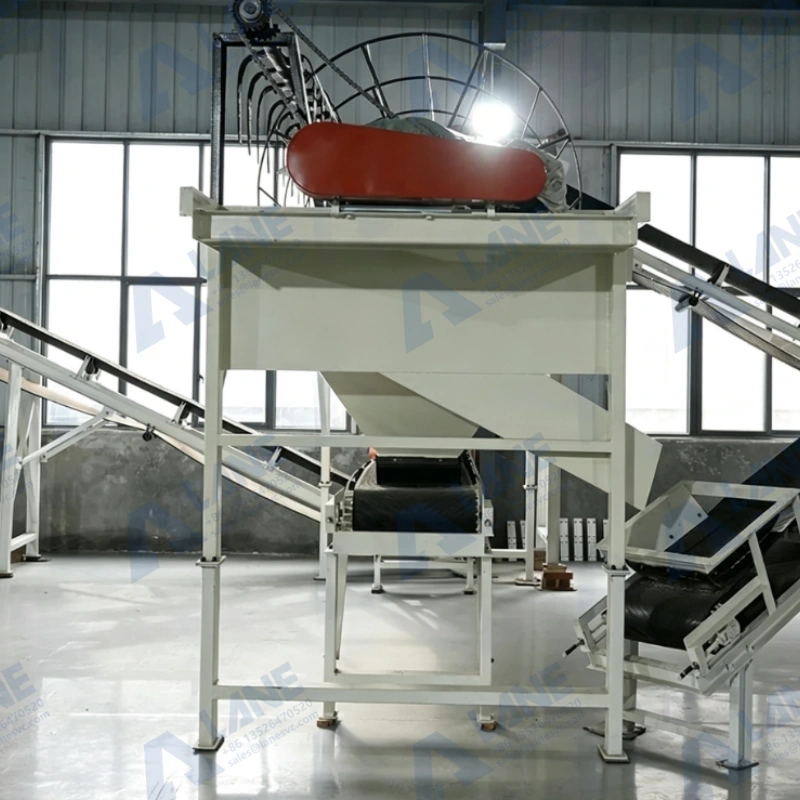
10 to 30 Tons Per Hour High-Yield Industrial System: Sized for large agricultural enterprises or dedicated regional waste processing facilities handling waste from over 1,000 cows. These operations feature a fully automated Cow Manure Processing Machine room, continuous monitoring systems, and advanced environmental scrubbing units.
Commercial End-Use Markets and Revenue Channels
               [Fertilizer Value Tiers]
                          │
       ┌──────────────────┼──────────────────┐
       ▼                  ▼                  ▼
 [Premium Tier]     [Mid-Grade Tier]    [Bulk Tier]
  └── Hort/Nurseries └── Cash Crops      └── Broad Acre
Broad-Acre Crops (Corn, Wheat, Rice): Prefers loose bulk powder applied via broadcast spreaders before spring tilling. Driven by large sales volumes, high price sensitivity, and local sourcing to minimize freight costs.
High-Value Cash Crops (Fruits, Vegetables, Tea): Prefers 3-5mm dense pellets applied via targeted furrow side-dressing or root zone placement. Yields higher wholesale margins, where buyers pay a premium for verified nutrient profiles. A robust Cow Manure Processing Machine ensures the structural integrity of these pellets.
Certified Organic Farms & Green Food Bases: Accepts both pellets or premium powder used for full synthetic fertilizer replacement programs. Features high compliance requirements and strict chemical screening while commanding stable, long-term contracts.
Commercial Nurseries & Home Gardening: Requires mini-granules (1.5-2.5mm) applied via top-dressing or liquid-dissolved application. Yields the highest retail margins, requiring high-end branding, custom small bags, and odorless pellets generated by an advanced Cow Manure Processing Machine.
Commercial Greenhouse Facilities: Uses soluble powder or uniform pellets for automated soil bedding incorporation. Features year-round purchasing cycles, high application frequency, and zero tolerance for pathogens.
Leafy Vegetables: Requires nitrogen-rich, stable organic matter. Cow Manure Processing Machine lines must eliminate all potential pathogens and weed seeds to prevent crop damage and contamination.
Orchard Fruit Trees: Benefits from slow-release nutrients that feed root zones over several months. Dense pellets are preferred here, as they break down gradually without causing sudden nutrient spikes.
Root Crops (Potatoes, Carrots): Demands fertilizers that are entirely free of heavy metals or antibiotic residues. Testing, source-tracking, and a clean Cow Manure Processing Machine environment are essential to secure contracts with industrial food processors.
Ornamental Flowers and Landscaping: Expects uniform, dust-free granules that are entirely odorless, ensuring a clean and pleasant application experience in urban settings.
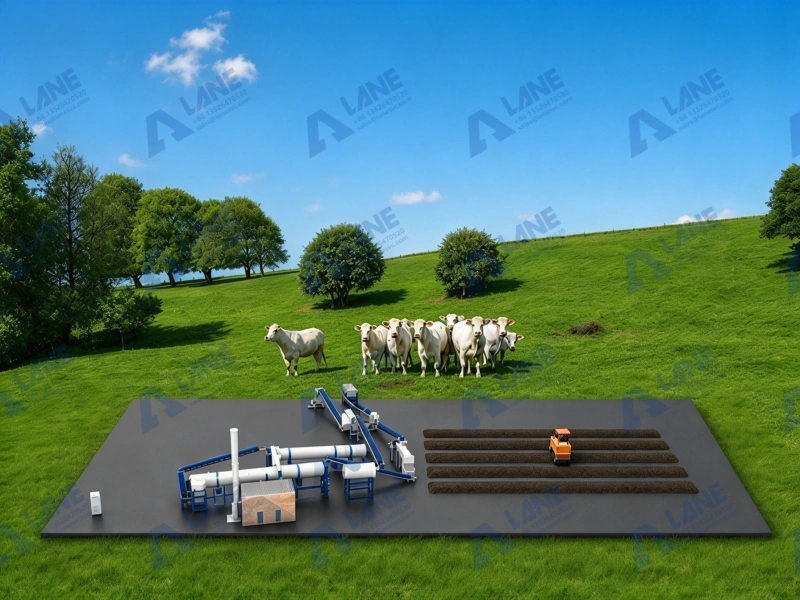
[Production Plant] ──┬──> Regional Distributors ──> Ag Retail Stores
                     ├──> Direct Contracts ───────> Large-Scale Agro-Bases
                     └──> B2G Tenders ────────────> Municipal Green Initiatives
Local Direct-to-Farmer Sales: Bulk truckloads sold directly to neighboring farms and agricultural cooperatives. Eliminates retail packaging and middleman fees, offering a reliable channel for high-volume, standard-grade fertilizers.
Wholesale Distributor Networks: Partnering with regional agricultural input distributors to place your branded bags in local farm supply stores. Expands your market reach, though it requires consistent product sizing from your Cow Manure Processing Machine line.
Contract Farming Supply Agreements: Direct partnerships with large corporate fruit plantations or agricultural processing firms. These clients provide stable, high-volume purchase orders in exchange for custom nutrient blends tailored to their specific crop requirements.
International Export Markets: High-grade organic pellets shipped to regions with limited agricultural land or depleted soils. Offers the highest profit margins, but requires compliance with international standards like OMRI or CE marks.
Government B2G Procurement Tenders: Participation in municipal soil restoration, public forestry projects, and state-subsidized green farming initiatives. Provides stable, high-volume orders, though they often involve long payment cycles and strict bidding criteria.
Standard Tier (Pure Compost): Pure, pasteurized cattle dung featuring ≥ 45% organic matter and a combined NPK content of around 5%, serving as an affordable soil conditioner.
Enhanced Tier (Fortified Organics): Fortified with humic acids, amino acids, or targeted trace minerals (zinc, boron, iron, manganese). This tier addresses specific regional soil deficiencies and commands a higher price.
Premium Tier (Bio-Organic Inoculants): Infused with beneficial microbial strains like Bacillus subtilis or Trichoderma after the cooling phase. These microbes actively suppress soil-borne pathogens and improve root nutrient uptake.
Branded Consumer Line: Custom-packaged retail bags featuring certified lab analyses and crop-specific application guides, maximizing returns in the consumer lawn and garden sector.
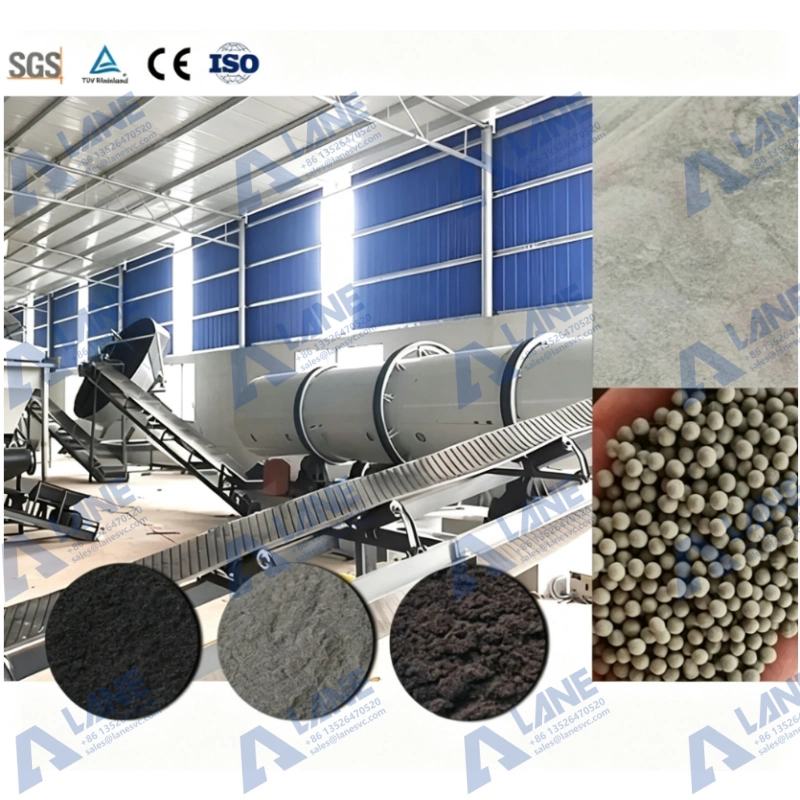
Capital Expenditure, Operational Costs, and Environmental ROI
       [Financial Cycle]
               │
    ┌──────────┴──────────┐
    ▼                     ▼
[Outflows]            [Inflows]
 ├── Capital Eqpmt     ├── Fertilizer Sales
 └── Daily Energy      └── Saved Disposal Fees
                          │
                          ▼
               [Net ROI: 12-24 Months]
Direct Revenue Generation: A plant processing 50 tons of fresh daily slurry yields roughly 15 to 17 tons of finished organic pellets per day. With regional market prices for certified organic granules averaging $150 to $280 per metric ton, an integrated Cow Manure Processing Machine facility can generate $2,250 to $4,760 in daily gross revenue.
Operational Cost Reductions: Farms eliminate third-party lagoon cleaning fees and long-distance liquid hauling costs, which can average $15,000 to $35,000 annually. Additionally, dairies using screw-press separators within their Cow Manure Processing Machine loop can recycle clean, dry solids as soft, hygienic cattle bedding, saving thousands of dollars per month on external straw.
Regulatory Compliance: Operating an authorized Cow Manure Processing Machine line reduces environmental compliance risks. It prevents manure leaks that can trigger heavy regulatory fines, legal costs, or operating suspension orders while naturally reducing farm methane emissions.
Capital Payback Timelines: For small-scale powdered fertilizer operations, initial machinery costs are relatively low, with facilities typically breaking even within 12 to 18 months. For full-scale industrial granular production lines with automated packaging systems, the projected capital payback timeline for a Cow Manure Processing Machine is 18 to 24 months.
Strategic Pre-Purchase Inspection Framework
Material Profile and Moisture Metrics: Verify your average daily manure volume and moisture levels across different seasons to ensure the separator matches your actual waste stream.
Target Product Format: Choose between loose powder or spherical granules based on your target buyers and local market pricing.
Facility Footprint and Clearances: Confirm your site plan accommodates the required composting bays, equipment clearance areas, and covered storage zones for the Cow Manure Processing Machine.
Electrical and Industrial Utilities: Ensure your on-site electrical service can handle the combined power demands of the industrial motors, conveyors, and processing equipment.
Thermal Heat Sources: Evaluate the local availability and cost of natural gas, biomass, or electricity to run the drying systems efficiently.
Automation and Labor Requirements: Choose between a manually operated line to minimize initial equipment costs or a fully automated PLC system to reduce long-term labor expenses for the Cow Manure Processing Machine operation.
Environmental Mitigation Systems: Determine if your local regulatory framework requires air bio-filters, dust cyclones, or water scrubbing units around the composting and drying loops.
Vendor Support and Spare Parts: Prioritize equipment manufacturers that provide clear performance guarantees, on-site installation support, operator training, and reliable access to local spare parts for your Cow Manure Processing Machine.
Conclusion and Call to Action
   Raw Waste   ──>   Processing Line   ──>   Market Alignment   ──>   Secure Profits
 (Characteristics)       (Machinery)             (Form & Margin)           (Circular ROI)