Limestone Fertilizer Manufacturing Process: Complete Powder & Granulation Plant for Global Soil Amendment
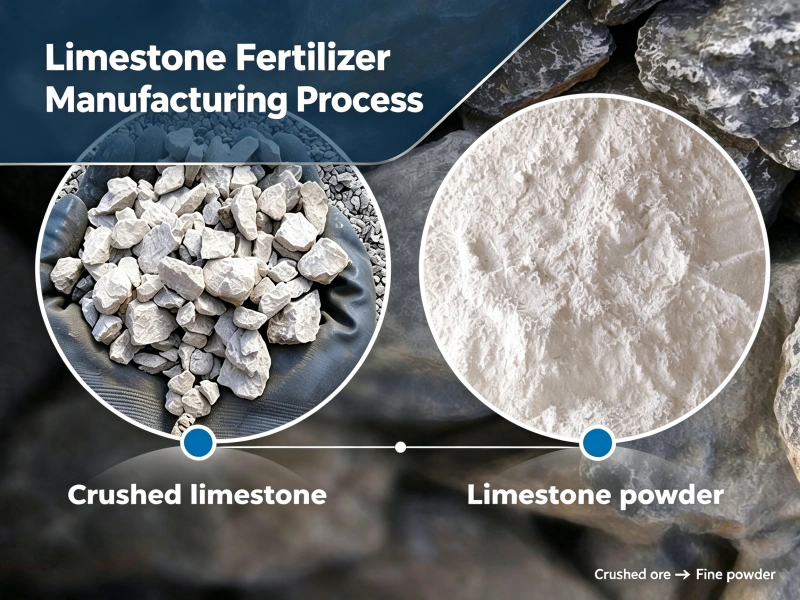
• Strong market demand: 50% of global farmland suffers from soil acidification → soil pH correction and calcium supplementation are non-negotiable needs.
• Product benefits: The most cost-effective soil amendment to raise pH, while supplying calcium and magnesium (Ca/Mg) and boosting fertilizer efficiency by 20%–30%.
• Investment logic: Adopting the Limestone Fertilizer Manufacturing Process lets you turn low-cost mineral ore into supply for long-term global soil restoration contracts. If you are searching for a stable manufacturing track in the soil amendment sector, the Limestone Fertilizer Manufacturing Process remains one of the most reliable choices for new fertilizer factories.
Raw material section
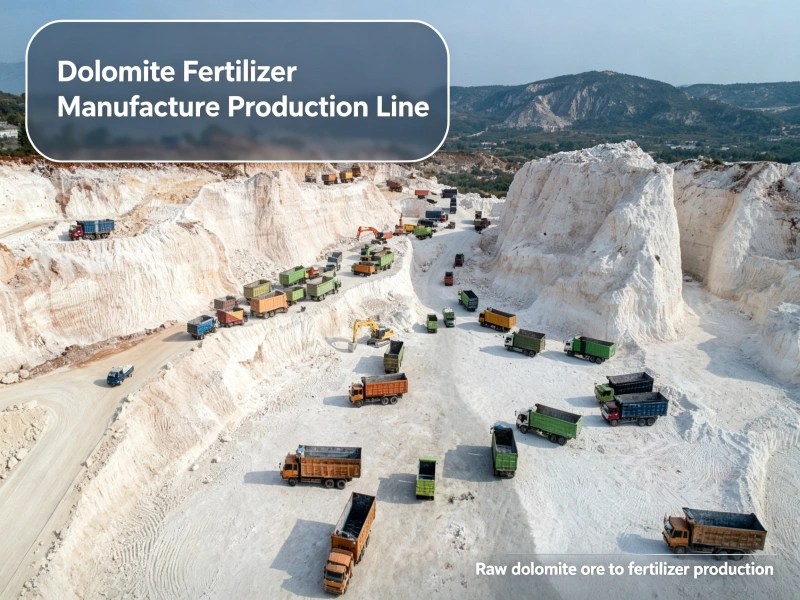
• Eligible feedstock: Natural limestone ore / dolomite (magnesium-rich) / shell powder / lime sludge from sugar mills / carbide slag.
• Incoming material thresholds: CaCO₃ equivalent ≥ 80% | moisture before milling ≤ 6% | feed lump size ≤ 300 mm | heavy metal levels must meet the agricultural standards of your target export country.
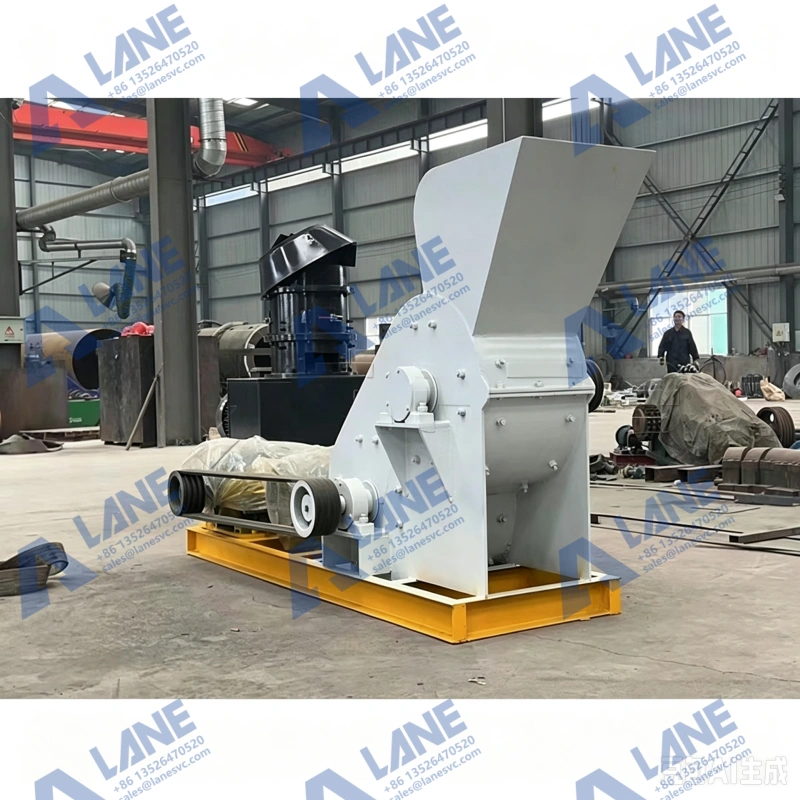
• Standard pre-treatment workflow: Run-of-mine material (≤300 mm) → Jaw Crusher (<50 mm) → Impact / Hammer Crusher (<15 mm) → Raymond Mill / Vertical Roller Mill (ultra-fine powder) → Powder Classifier (precision grading).
• Note: For high-moisture feedstock (moisture >10%), add a three-pass rotary dryer at the front section to handle nearly any raw material, so your Limestone Fertilizer Manufacturing Process will not be restricted by wet incoming ores.
Limestone Fertilizer Manufacturing Process
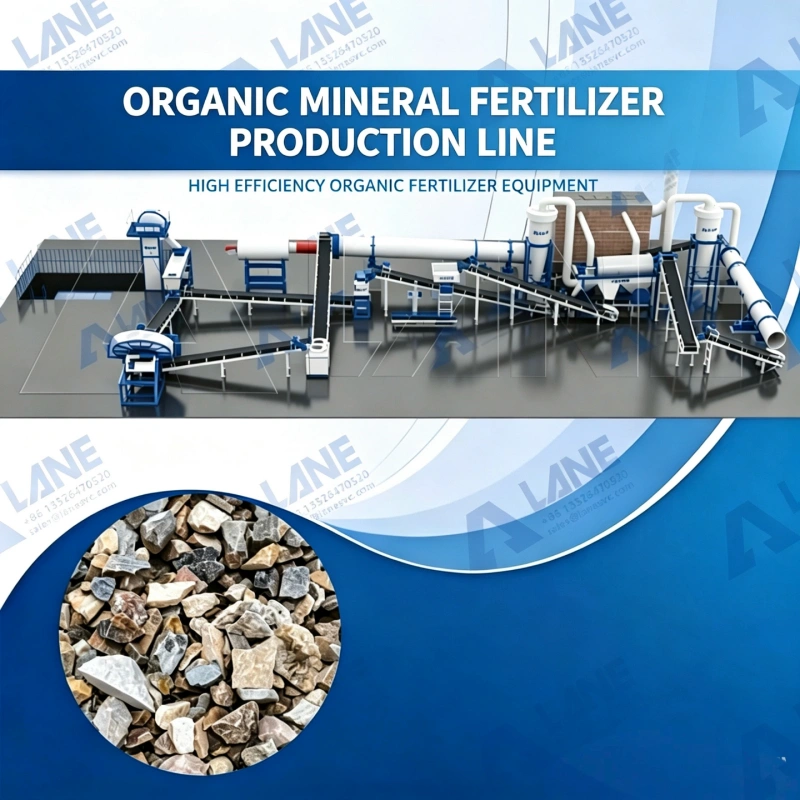
Overall process flow diagram: Raw material silo → Feeder → Secondary crushing → Ultra-fine milling → Powder classification → Automatic batching system (optional addition of Mg, humic acid, trace elements)
• Route A (Powder Line) → Finished powder silo → Automatic weighing packaging machine (25kg / 50kg / bulk jumbo bags).
• Route B (Granule Line) → Blended powder mix → Double-roll extrusion (dry process) / Disc Granulation (wet process) → Drying & cooling (skipped for dry extrusion) → Rotary screening → Dust-proof coating machine → Automatic packaging scale.
Four key process control points:
• Milling fineness: 80–100 mesh for field powder (slow-release, long-lasting); 200–325 mesh for granulation feed / fast-acting formulations (quick soil reaction, high forming rate).
• Granulation moisture: 12%–15% for wet disc granulation; ≤3% for dry double-roll extrusion (forms without water, no drying required).
• Screening return rate: Standard granule size 2.0–4.0 mm → keep return material rate ≤15% (critical for cutting power consumption in your Limestone Fertilizer Manufacturing Process).
• Granule strength: Compressive strength ≥15–20 N → prevents crumbling during ocean shipping and mechanical spreading.
Powder Line vs Granule Line
Your choice depends on local farm infrastructure and spreading practices. Below is the comparison for the two branches of the Limestone Fertilizer Manufacturing Process:
| Comparison Item | Powder Limestone Fertilizer Line | Granular Limestone Fertilizer Line (Dry Extrusion / Wet Granulation) |
|---|---|---|
| Equipment Investment | Low (no granulation, drying or screening units) | Medium to High (full forming setup, but finished goods carry a large price premium) |
| Operating Energy Cost | Power only for crushing and milling, no fuel expense | Dry roll extrusion saves fuel; wet disc granulation requires natural gas or biomass for drying |
| Application Performance | Prone to dust, requires dedicated powder spreaders | Dust-free, can be blended with urea or compound NPK (BB fertilizer), highly versatile |
| Primary Markets | Large-scale farms in Africa, newly cleared land in South America, government tender projects | Precision agriculture in Europe & North America, golf courses, lawns, high-value orchards |
End-use market
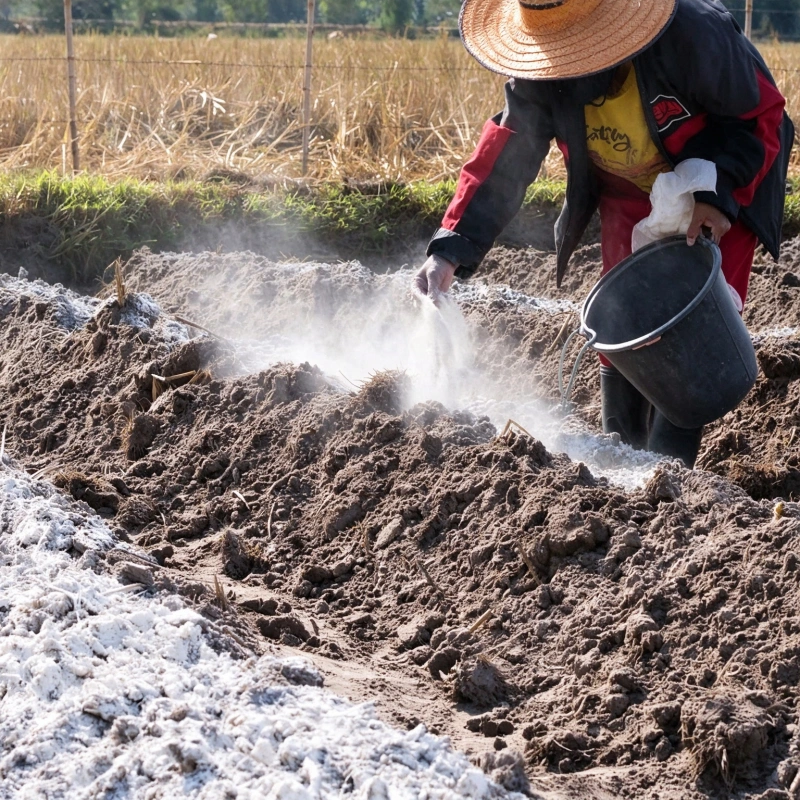
• Field crops (core volume driver): Corn / soybean / sugarcane / oil palm / coffee → 1–3 tonnes per hectare on acidic red soils, yields rise 15%–30%; plantations place bulk orders in thousands of tonnes.
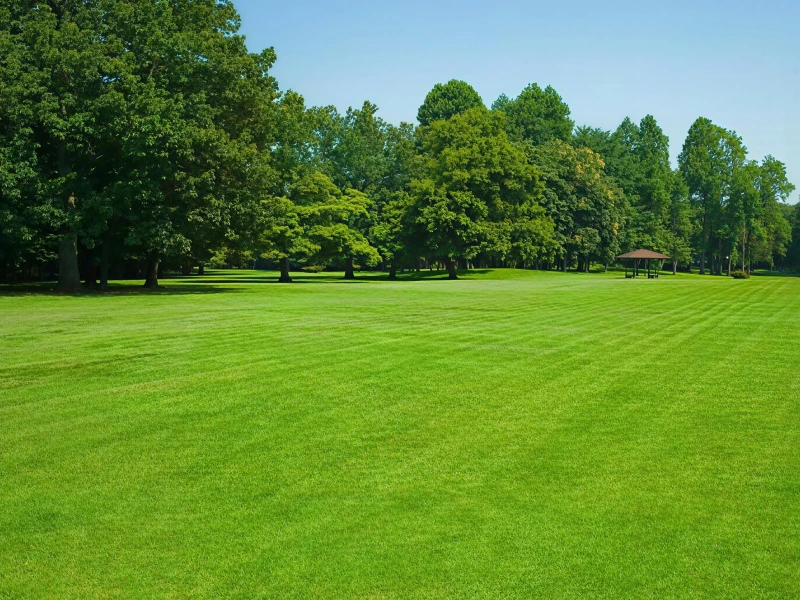
• Horticulture & turf (high-margin segment): Residential lawns and golf courses across Western markets → neatly formed 2–3 mm small granules packed in 5kg /10kg retail bags, selling at 3–5 times the price of bulk powder.
• Organic farms (policy-backed premium): Physically processed with no chemical additives, compliant with EU organic rules and US OMRI certification, delivering strong price uplift.
• Industrial environmental use (off-season order buffer): Adjust the classifier to produce 325-mesh ultra-fine powder → supply directly to power plants for flue gas desulfurization or aquaculture for water pH adjustment, keeping your Limestone Fertilizer Manufacturing Process running at full capacity year-round.
Regional market diagnostics
Rolling out the Limestone Fertilizer Manufacturing Process needs to align closely with local agricultural pain points:
• 🌍 North America (US Corn Belt / Canada): Topsoil acidification plus fully mechanized variable-rate fertilization → powder is widely rejected → invest in high-strength granule lines with coating for your Limestone Fertilizer Manufacturing Process.
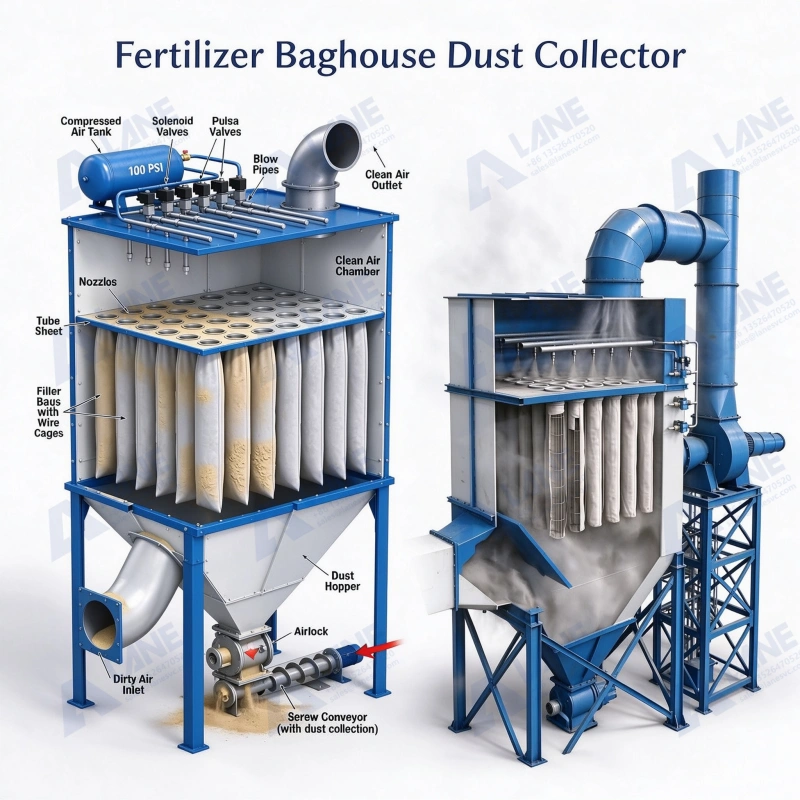
• 🌍 Europe (Western & Eastern Europe): Strict environmental regulations and widespread magnesium deficiency in soils → push dolomite calcium-magnesium granulated fertilizer plus negative-pressure pulse dust collection.
• 🌍 Africa (including French-speaking regions, East Africa, South Africa): 32.7 million hectares of acidic soil south of the Sahara, unstable power grids and tight budgets → start with a low-capital powder line (with diesel generator interface) for fast payback within the year.
🌍 South America (Brazil Cerrado / Argentina): Newly cleared red soils are heavily acidic, requiring 12–15 tonnes per hectare in the first year → enormous demand → build combined powder + granule dual lines at 15–30 t/h capacity.
• 🌍 Asia-Pacific (Southeast Asian palm belt / India / China): Humid rainy seasons with >80% relative humidity cause caking, and high electricity costs → install dryer-free double-roll extrusion lines with nano anti-caking coating.
• 🌍 Middle East (Saudi Arabia / UAE / Egypt): Saline sandy soils and widespread greenhouse drip irrigation → manufacture modified 325-mesh ultra-fine lime powder to improve soil aggregate structure in sand.
Region-specific equipment configurations
Setup A: Cost-effective powder line for Africa / South American large farms (5–10 t/h)
• Equipment sequence: Jaw Crusher → Hammer Crusher → 4R / 5R Raymond Mill → Pulse Dust Collector → Dual-station automatic powder packing scale.
• Selling points: Simple layout, low failure rate, power consumption of only 25–30 kWh per tonne; production can start in as fast as 15 days, making this a budget-friendly version of the Limestone Fertilizer Manufacturing Process.
Setup B: Premium granule line for Europe / North America / Southeast Asia (2–5 t/h)
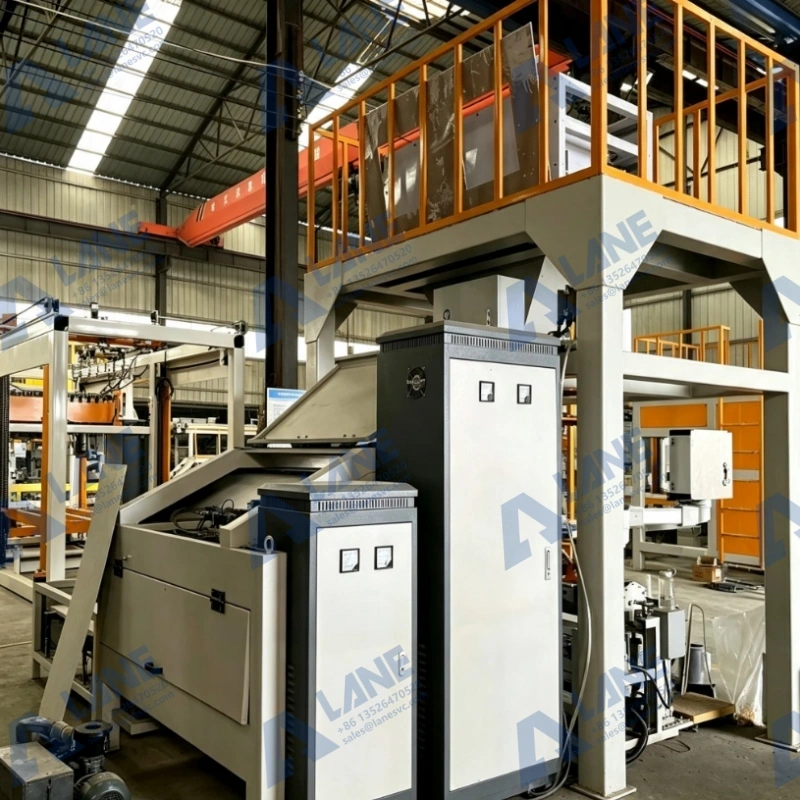
• Equipment sequence: Raymond Mill (200 mesh) → Twin-shaft mixer → 2–4 parallel double-roll granulators → Rotary screener → Anti-caking coating machine → Automatic packing & palletizing line.
• Selling points: Water-free granulation, no dryer required, cutting fuel costs and required workshop footprint by 60%; hard granules with zero dust, this is the preferred Limestone Fertilizer Manufacturing Process for high-end export markets.
Setup C: Combined granulation line for the Middle East / Eastern Europe / general agro suppliers (3–8 t/h)
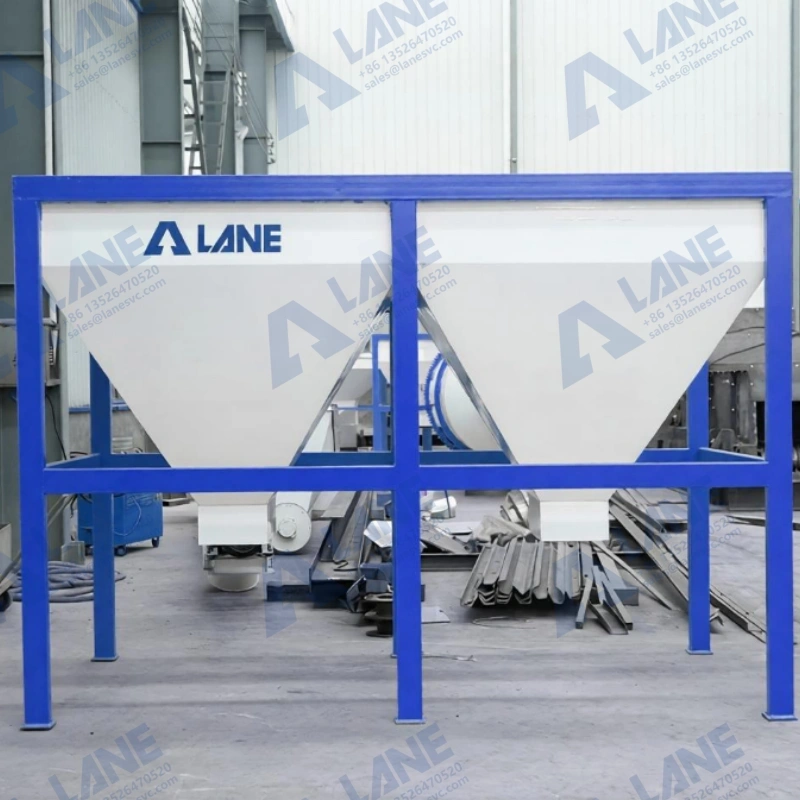
• Equipment sequence: Milling system → Automatic batching scale (add humic acid and trace elements) → Large disc granulator → Rotary dryer → Cooler → Screening and coating unit.
• Selling points: Ball forming rate ≥93%, smooth, attractive granules ideal for building premium branded calcium fertilizer products.
investment breakdown and payback calculation
• Cost split for the full equipment package:
Front-end crushing & milling: 40% (sets your capacity ceiling and powder fineness; high-manganese wear parts are essential here)
Mid & back-end granulation, drying and screening: 35% (decides granule quality and sales premium)
Pulse dust removal + PLC intelligent control system: 15% (secures environmental approvals and cuts labour by half)
Steel structure platforms + installation & commissioning: 10%
• Realistic payback estimate:
Ore sourcing / mining cost: $5 – $15 per tonne
Wholesale selling price for finished granules: $80 – $180 per tonne (granules command a 20%–40% premium over powder, sometimes doubling the price)
Payback timeline: With stable full-load operation, you recover all equipment investment within 6–12 months once your Limestone Fertilizer Manufacturing Process reaches steady operation.
FAQ & factory setup support
• Q: Can I run production if dolomite (high magnesium) is my only raw material?
A: Absolutely. Adjust the roller liner wear material, and your finished calcium-magnesium soil conditioner will fetch higher prices in magnesium-deficient markets, with no major redesign needed for your Limestone Fertilizer Manufacturing Process.
• Q: Do I have to buy a dryer to make granules?
A: Not necessarily. Choose dry double-roll extrusion granulation, no water is added in the whole process, so dryers and coolers are eliminated, cutting your upfront investment by 25%. This flexible design is one big advantage of the Limestone Fertilizer Manufacturing Process.
• Q: Can the motors and certifications match export requirements?
A: Customization for global markets is supported. Standard supply comes with CE / ISO9001 certification, motors built to local voltage specs (380V/440V/480V, 50/60Hz) and matched pulse dust control systems.
🚀 Get your custom factory layout plan for free, direct from the original equipment manufacturer
• Free raw material trial test: Send over a 5–10 kg ore sample. Our lab tests powder milling and granulation performance, then sends back finished granule samples plus test footage to validate your Limestone Fertilizer Manufacturing Process.
• Free CAD layout drawing: Share your workshop dimensions and target hourly output (1–30 t/h). We deliver a custom Limestone Fertilizer Manufacturing Process flow diagram and equipment quotation within 24 hours.
👉 Drop your message with your target country + raw material type + desired hourly capacity, and one of our engineers will work out a tailored solution for you!