How to Choose and Operate a Horse Manure Composting Machine
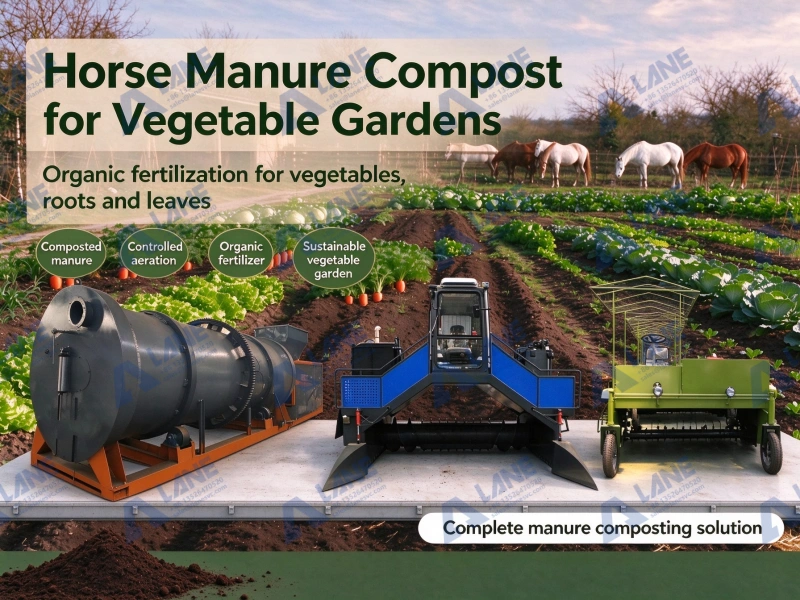
📊 The Surprising Amount of Horse Manure Generated by Horse Farms
- Daily manure production per horse: A single horse produces approximately 15–25 kg of manure and bedding waste per day. This can accumulate to around 5–9 tons per horse annually.
- Medium-sized horse farms: A stable with 50 horses can generate approximately 250–450 tons of horse manure every year.
- Large equestrian clubs: Facilities with more than 200 horses may generate 1,000–1,800 tons of manure annually, creating increasingly serious challenges in terms of storage space and waste management.
⚠️ Three Major Problems with Traditional Horse Manure Disposal
- Continuous financial expenses: Horse farms often have to pay transportation companies to collect and remove manure every week. These disposal fees can become a significant and recurring financial burden.
- Poor environmental conditions: Open-air manure piles occupy valuable land and can produce unpleasant odors, attract flies and mosquitoes, and generate complaints from nearby residents.
- Environmental compliance risks: During rainy seasons, contaminated leachate from exposed manure piles may enter surrounding soil and groundwater. Poorly managed waste storage can result in environmental violations and substantial penalties.
💡 The Core Value of Mechanical Composting
- From spending money to generating revenue: A properly configured Horse Manure Composting Machine can transform manure disposal expenses into an opportunity to produce and sell commercial organic fertilizer.
- From slow decomposition to efficient processing: Natural decomposition may take 3–6 months, while mechanical composting systems can significantly accelerate the active fermentation stage, depending on the equipment configuration and operating conditions.
- Automated and hygienic processing: A modern Horse Manure Composting Machine supports controlled aerobic fermentation. Maintaining suitable temperatures and processing conditions helps reduce harmful pathogens, parasite eggs, and weed seeds.
- A greener and more sustainable operation: Investing in a suitable Horse Manure Composting Machine allows horse farms to establish a more efficient manure recycling system, reduce waste accumulation, and create additional value from organic resources.
- The purpose of this guide: From the perspective of a professional fertilizer equipment manufacturer, this article explains how a Horse Manure Composting Machine works, how to select the right model, how to operate it efficiently, and how to evaluate its commercial potential.
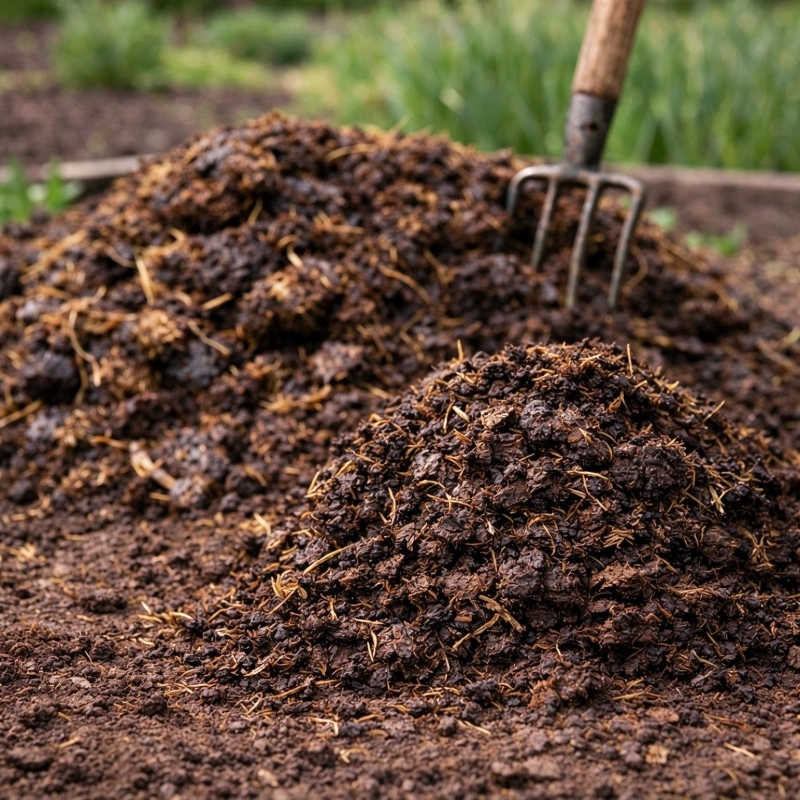
What Is a Horse Manure Composting Machine and How Does It Work?
🔧 Equipment Definition
A Horse Manure Composting Machine is a specialized piece of equipment designed to process horse manure mixed with bedding materials such as sawdust, wood shavings, wood chips, and straw.
Its main functions include:
- Turning and mixing composting materials.
- Improving oxygen circulation throughout the compost pile.
- Creating suitable conditions for microbial activity.
- Accelerating the decomposition and stabilization of organic matter.
- Reducing the volume and environmental impact of untreated horse manure.
Depending on the processing requirements, a Horse Manure Composting Machine can be configured as an open-windrow turning system, a composting trough system, or an enclosed fermentation system.
🔬 The Principle of Aerobic Composting Explained
Aerobic composting relies on microorganisms to break down biodegradable organic materials in the presence of sufficient oxygen.
The process can be understood through six basic stages:
- Microbial decomposition: Microorganisms consume readily biodegradable organic matter in horse manure and bedding materials.
- Heat generation: Microbial metabolic activity releases heat, causing the temperature inside the compost pile to rise.
- Oxygen supply: Mechanical turning or forced aeration continuously supplies oxygen (O₂), helping maintain aerobic conditions.
- High-temperature fermentation: Under suitable operating conditions, the core temperature of the compost pile can reach 55–65°C and remain within the required range for several days.
- Pathogen reduction: Maintaining the required time-temperature conditions helps inactivate many parasite eggs, harmful bacteria such as E. coli, and weed seeds.
- Compost maturation: The organic materials gradually decompose and stabilize, eventually becoming a relatively odor-free, loose, and mature organic fertilizer.
The temperature, moisture content, oxygen supply, and fermentation duration must all be properly controlled. A Horse Manure Composting Machine provides the mechanical conditions needed to make this process more consistent.
🔄 Standard Horse Manure Composting Process
Step 1: Collect the Raw Materials
Collect fresh horse manure together with bedding materials such as sawdust, wood shavings, and straw.
In many cases, these materials can be processed together without complicated separation procedures.
Step 2: Adjust the Moisture Content
Check the moisture content of the mixed materials and adjust it to approximately 50–60%.
If the material is too wet, add dry carbon-rich materials to improve its structure and aeration.
Step 3: Feed the Materials into the Machine
Transfer the prepared mixture into the Horse Manure Composting Machine for mechanical turning, mixing, or enclosed aerobic fermentation.
Step 4: Control the High-Temperature Fermentation Stage
Operate the equipment to maintain suitable aerobic conditions.
Depending on the selected machine, material characteristics, and process design, the active fermentation stage may take approximately 7–20 days.
Step 5: Discharge and Continue Maturation
After the primary fermentation stage, discharge the material and transfer it to a secondary curing area.
Allow approximately 2–4 additional weeks for further maturation before using or processing the finished compost.
⚡ Why Is Mechanical Composting Faster Than Manual Composting?
Traditional manual turning:
- Inconsistent mixing and turning.
- Insufficient oxygen in the center of large compost piles.
- Formation of anaerobic zones.
- Slower temperature increases.
- Greater risk of unpleasant odors.
- Longer overall composting periods, sometimes lasting several months.
Mechanical turning and mixing:
A Horse Manure Composting Machine can turn and mix materials more evenly, improving oxygen distribution and creating a more consistent fermentation environment.
Better control of the composting environment:
By improving turning efficiency, oxygen supply, and material uniformity, a Horse Manure Composting Machine helps microorganisms work under more favorable conditions.
The actual improvement in composting speed depends on the raw materials, moisture content, equipment capacity, and operating conditions.
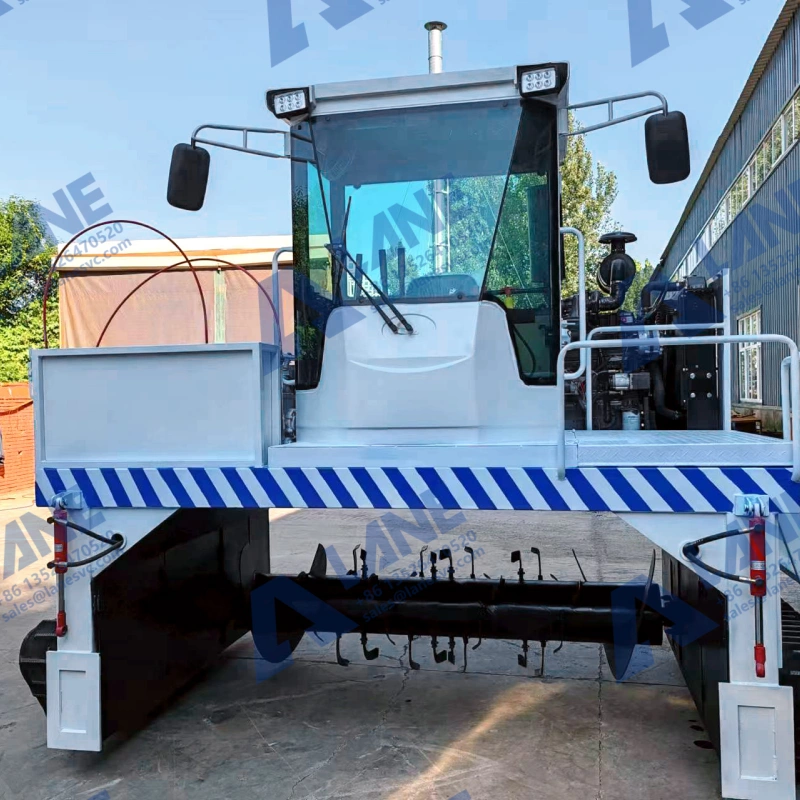
Raw Material Compatibility: What Materials Can Be Processed?
🌾 Main Raw Materials and Carbon Sources
1. Horse Manure
Both fresh and relatively dry horse manure can be used as composting materials.
A practical moisture range is approximately 50–65%, although the ideal operating moisture content depends on the amount and type of bedding mixed with the manure.
2. Bedding Materials: High-Quality Carbon Sources
Common bedding materials include:
- Wood Shavings
- Wood Chips
- Straw and Wheat Straw
- Shredded Paper
Advantages:
These bedding materials provide carbon-rich organic matter and help improve the physical structure of composting piles.
In many horse farms, bedding materials can be composted together with horse manure without requiring complete separation.
This makes the Horse Manure Composting Machine particularly suitable for processing mixed horse manure and bedding waste.
🧪 Conditioning Materials and Nutrient Supplements
Additional materials can be introduced to improve the composting process or adjust the final fertilizer composition.
1. Conditioning Materials
Common options include:
- Straw Powder
- Rice Husks
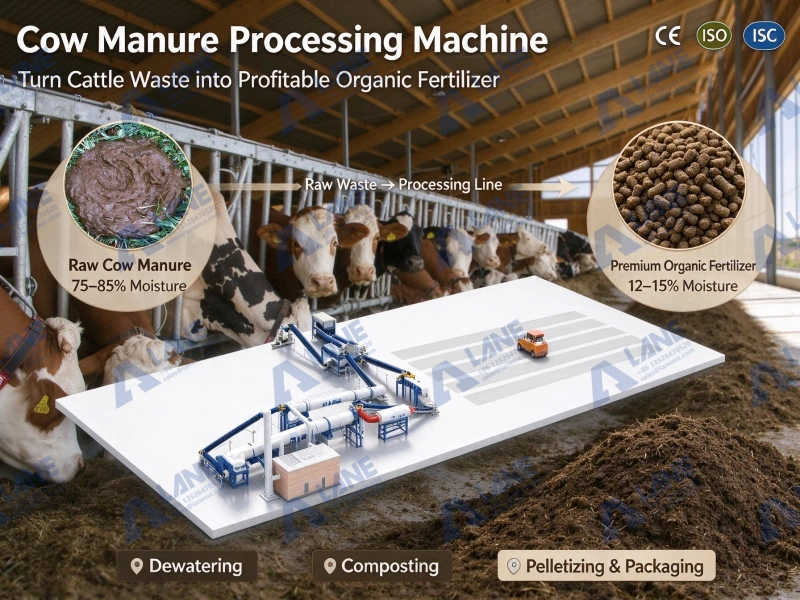
- Spent Mushroom Substrate
Main functions:
When fresh horse manure has excessive moisture content, particularly above 70%, these materials can help absorb excess moisture and improve pile porosity.
They also help prevent compaction and improve air circulation during aerobic fermentation.
2. Nitrogen-Rich Materials
Possible nitrogen sources include:
- Chicken Manure
- Pig Manure
- Cow Manure
Main functions:
Horse manure mixed with a high proportion of wood shavings may have an excessively high carbon-to-nitrogen ratio (C/N ratio).
Adding an appropriate amount of nitrogen-rich materials can help balance the C/N ratio and support more efficient microbial activity and temperature development.
3. Functional Additives
- Specialized microbial inoculants: Can help improve microbial activity and potentially shorten the composting period.
- Wood Ash or a Small Amount of Lime: Can be used to adjust material pH when necessary.
The quantity of additives should be determined according to the characteristics of the raw materials. Excessive lime or ash may negatively affect the composting environment.
⚠️ Materials That Must Be Removed Before Feeding
Certain foreign materials can seriously damage composting equipment.
1. Metal Materials
- Horseshoe nails
- Iron wires
- Screws and bolts
2. Hard Stones
- Large gravel
- Concrete fragments
- Other hard construction debris
3. Plastic and Rubber Materials
- Plastic packing ropes
- Plastic bags
- Rubber horseshoe pads
Important reminder:
Before materials enter the Horse Manure Composting Machine, they must undergo preliminary inspection and removal of foreign objects.
Otherwise, these materials may cause serious wear or damage to turning blades, chains, bearings, and transmission components.
For horse manure containing large amounts of wood shavings, preliminary waste removal is particularly important for maintaining the continuous and stable operation of the Horse Manure Composting Machine.
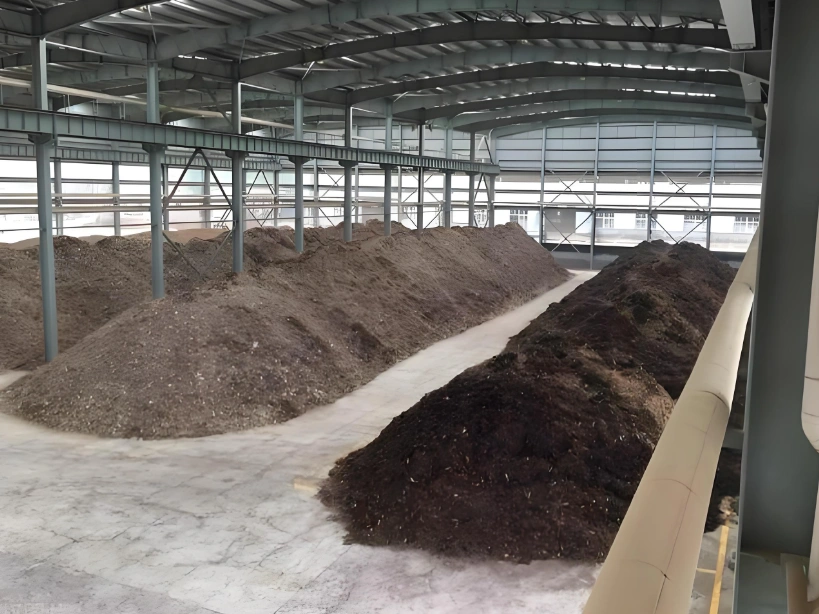
Comparison of the Main Types of Horse Manure Composting Machines
For horse farms and organic fertilizer investors with different processing capacities, selecting the right Horse Manure Composting Machine is essential.
Different equipment types have different advantages in terms of processing capacity, fermentation methods, site requirements, investment costs, and operating conditions.
Below are seven common types of Horse Manure Composting Machine systems.
⚙️ Seven Main Equipment Types Explained
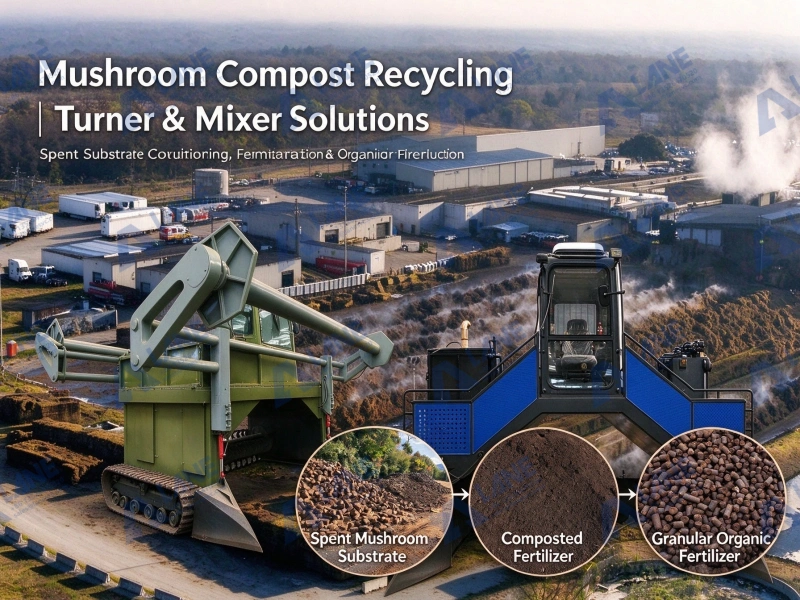
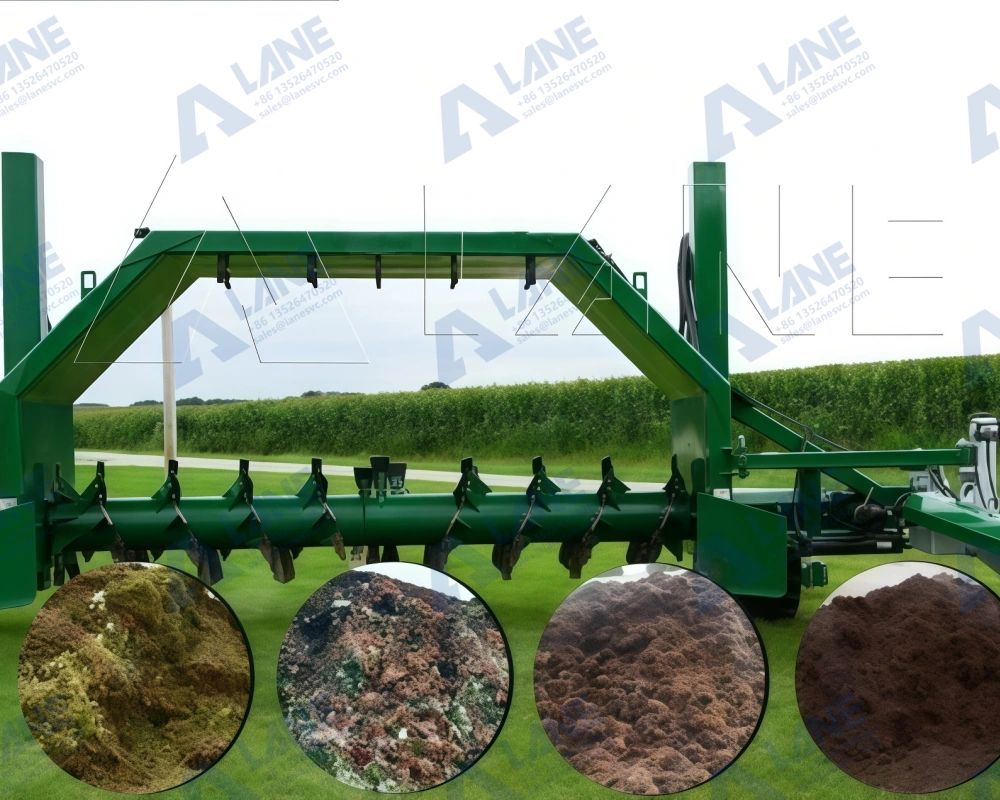
1. Self-Propelled Wheel-Type Windrow Turner
This machine travels along or across long compost windrows and uses a rotating drum at the bottom to turn and mix the materials.
It is suitable for small and medium-sized open composting facilities.
2. Crawler-Type Windrow Turner
Equipped with crawler tracks, this machine offers strong traction and better mobility on muddy or uneven ground.
It is suitable for outdoor composting facilities with difficult ground conditions and relatively deep compost piles.
3. Tractor-Towed Compost Turner
This equipment is pulled by an existing tractor and operates using the tractor’s power take-off (PTO) system.
It is an economical choice for horse farms that already own suitable agricultural tractors.
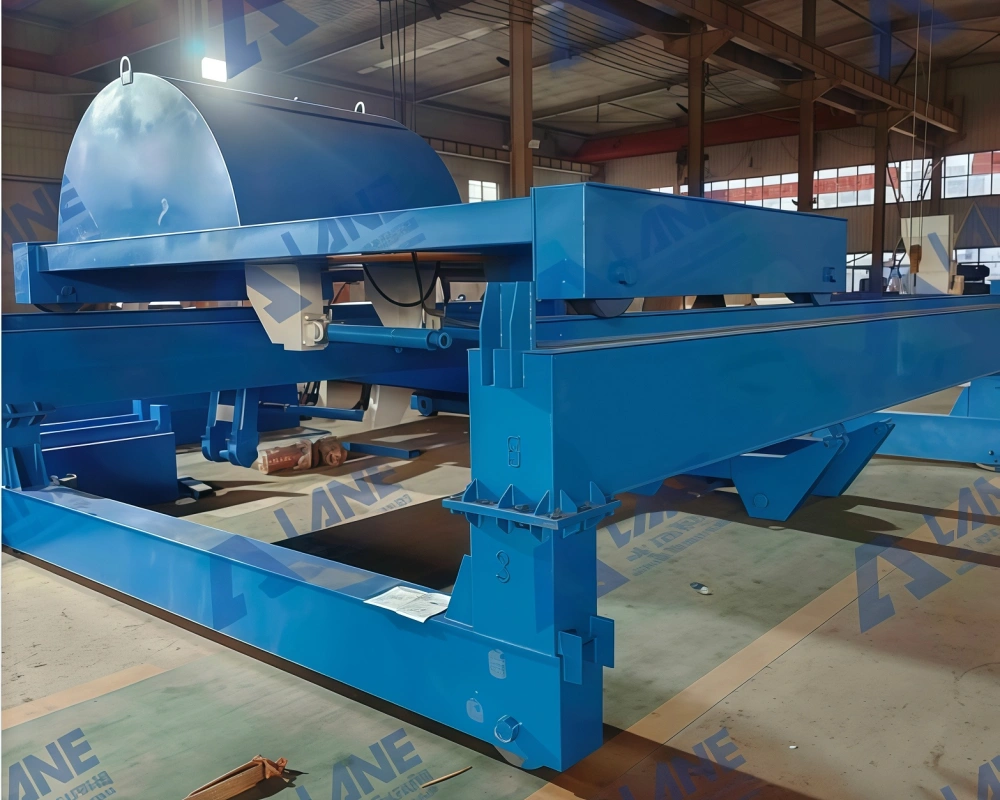
This machine operates along rails installed above concrete fermentation troughs.
It is suitable for larger composting operations. Multiple fermentation troughs can be configured, allowing one machine to serve several composting lanes through a rail-switching arrangement.
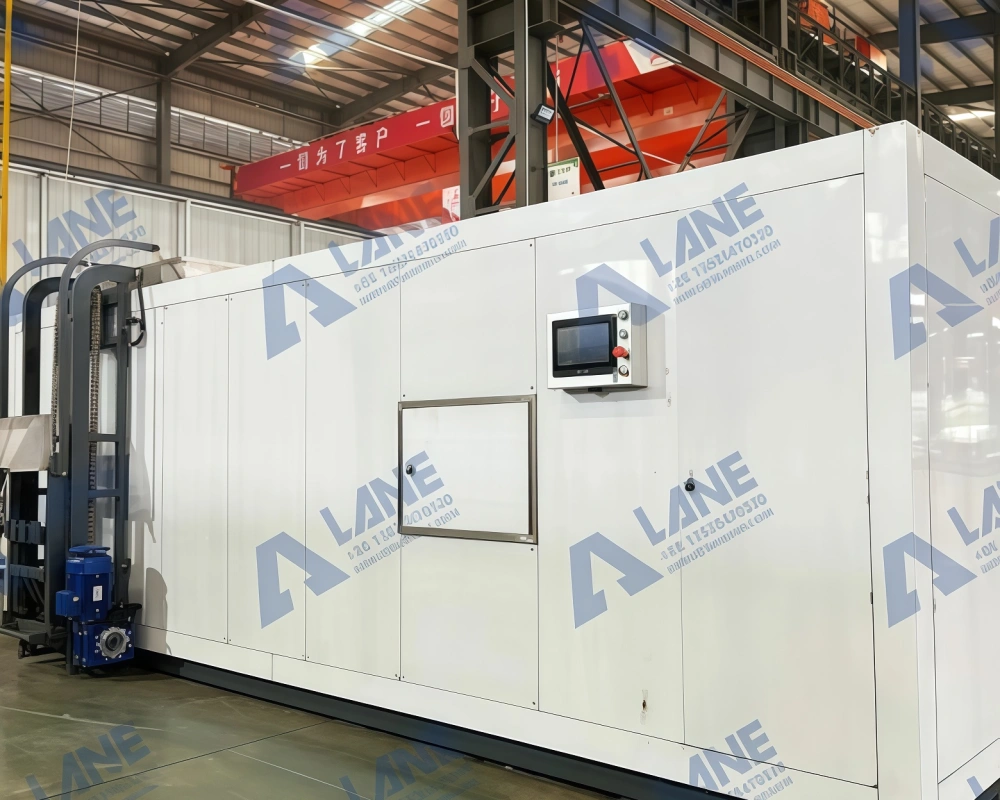
This is an enclosed tower-shaped system in which materials generally move downward through different processing sections.
It supports automated operation and centralized collection and treatment of exhaust gases and odors.
6. Horizontal Fermentation Tank
Similar to a large enclosed horizontal processing vessel, this system uses mechanical mixing to achieve relatively uniform material distribution.
It can support continuous feeding and discharge, depending on its design, and provides an enclosed fermentation environment.
7. Rotary Drum Fermentation Tank
This system rotates the entire drum to tumble and mix the materials.
Its relatively simple internal structure can reduce certain material-blockage problems. Energy consumption and maintenance requirements depend on the drum design and operating conditions.
📊 Technical Comparison of Seven Horse Manure Composting Machine Types
| Equipment Type | Suitable Processing Scale | Fermentation Period | Advantages | Disadvantages | Reference Price (RMB) |
|---|---|---|---|---|---|
| Self-Propelled Wheel-Type Windrow Turner | 1–5 tons/day | 20–30 days | No complicated civil construction required; flexible movement; relatively low investment | Open-air operation may generate odors; vulnerable to heavy rain; wheels may slip on soft or muddy ground | 50,000–150,000 |
| Crawler-Type Windrow Turner | 2–8 tons/day | 18–28 days | Strong traction on muddy ground; deep and powerful turning performance | More expensive than wheel-type machines; crawler system requires additional maintenance | 55,000–200,000 |
| Tractor-Towed Compost Turner | 0.5–3 tons/day | 25–35 days | Can use an existing tractor; very low initial investment | Relatively average mixing uniformity; depends heavily on tractor availability and operator experience | 20,000–80,000 |
| Groove-Type Compost Turner | 5–30 tons/day | 15–25 days | Large processing capacity; easier centralized odor collection with covered facilities; one machine can serve multiple troughs | Requires preliminary trough construction; higher civil engineering costs; relatively long installation area | 80,000–400,000 |
| Vertical Fermentation Tank | 3–30 tons/day | 7–10 days | Small footprint; high automation; centralized exhaust gas and odor treatment | High initial investment; strict requirements for incoming material moisture and physical characteristics | 80,000–1,000,000+ |
| Horizontal Fermentation Tank | 10–50 tons/day | 8–12 days | Can support continuous feeding and discharge; uniform mixing; enclosed processing environment | Large installation area; multiple internal wear parts and bearings | 300,000–800,000+ |
| Rotary Drum Fermentation Tank | 3–20 tons/day | 8–12 days | Relatively simple internal structure; stable operation; potentially low operating energy consumption | Very wet materials may stick to the inner wall; relatively long equipment body | 200,000–600,000 |
Note: The above prices are indicative manufacturer reference prices for standalone equipment. They do not include civil engineering, foundation construction, odor treatment systems, or downstream fertilizer processing equipment.
The actual quotation for a Horse Manure Composting Machine depends on processing capacity, structural materials, automation level, auxiliary equipment, and project requirements.
The fermentation periods listed above refer to indicative primary processing periods. Additional curing time may still be required before the compost is considered mature.
How to Choose the Right Horse Manure Composting Machine for Your Horse Farm
Choosing a Horse Manure Composting Machine should never be based on price or equipment appearance alone.
The correct model must match your actual manure production, available land, environmental requirements, final product, and investment budget.
🌳 Five Steps to Equipment Selection
Step 1: Calculate the Number of Horses
Determine the number of horses on the farm and estimate the daily quantity of fresh manure and bedding waste.
This is the starting point for calculating the required processing capacity in tons per day.
Step 2: Evaluate Available Land
Determine whether the farm has sufficient open space for windrow composting.
Also consider whether local conditions allow open-air, semi-enclosed, or fully enclosed composting facilities.
Step 3: Understand Local Environmental Regulations
Check whether there are residential areas nearby and determine the local requirements for odor emissions, wastewater management, and groundwater protection.
Stricter environmental requirements may make enclosed composting systems and centralized odor treatment more appropriate.
Step 4: Decide on the Final Product
Determine whether the finished compost will be:
- Used internally for pasture and farmland.
- Sold locally as bulk organic fertilizer.
- Processed into commercial powder organic fertilizer.
- Manufactured into granular organic fertilizer for retail markets.
The final product directly affects the required downstream equipment configuration.
Step 5: Calculate the Total Investment Budget
Consider more than the purchase price of the Horse Manure Composting Machine.
The total project investment may include:
- Main equipment purchase.
- Civil engineering and foundation construction.
- Feeding and conveying equipment.
- Odor collection and treatment systems.
- Electrical installation and control systems.
- Secondary compost maturation facilities.
- Downstream crushing, screening, granulation, and packaging equipment.
- Daily labor and maintenance expenses.
🎯 Quick Equipment Selection Guide
Fewer Than 10 Horses (Less Than 0.5 Tons/Day)
Recommended equipment:
- Tractor-Towed Compost Turner.
- Small Self-Propelled Windrow Turner.
Why?
These options are economical and can meet the daily manure processing requirements of very small horse farms.
10–50 Horses (0.5–3 Tons/Day)
Recommended equipment:
- Wheel-Type Windrow Turner.
- Crawler-Type Windrow Turner.
Why?
These machines offer good cost-effectiveness and can operate flexibly in available outdoor composting areas.
50–200 Horses (3–10 Tons/Day)
Recommended equipment:
- Medium or Large Groove-Type Compost Turner.
Why?
This configuration supports more centralized and standardized composting operations. It also makes it easier to collect and treat odors when combined with suitable covering and ventilation systems.
More Than 200 Horses or Locations with Strict Environmental Regulations
Recommended equipment:
- Enclosed Vertical Fermentation Tank.
- Enclosed Horizontal Fermentation Tank.
Why?
Enclosed systems can reduce the required land area for the active fermentation process, facilitate odor collection, and support automated operation with less manual intervention.
Planning to Manufacture and Sell Commercial Organic Fertilizer
Recommended equipment:
- High-Efficiency Groove-Type Horse Manure Composting Machine.
- Complete Downstream Organic Fertilizer Processing Line.
Why?
This configuration combines relatively large composting capacity with the ability to produce higher-value finished fertilizer products.
For investors planning commercial production, this is a practical equipment combination worth considering.
From Compost to Organic Fertilizer: Downstream Processing Equipment
Horse manure processed by a Horse Manure Composting Machine may have completed its primary fermentation and undergone the required stabilization process.
However, if you want to sell the finished material as a commercial product and obtain a higher market value, additional processing equipment may be necessary.
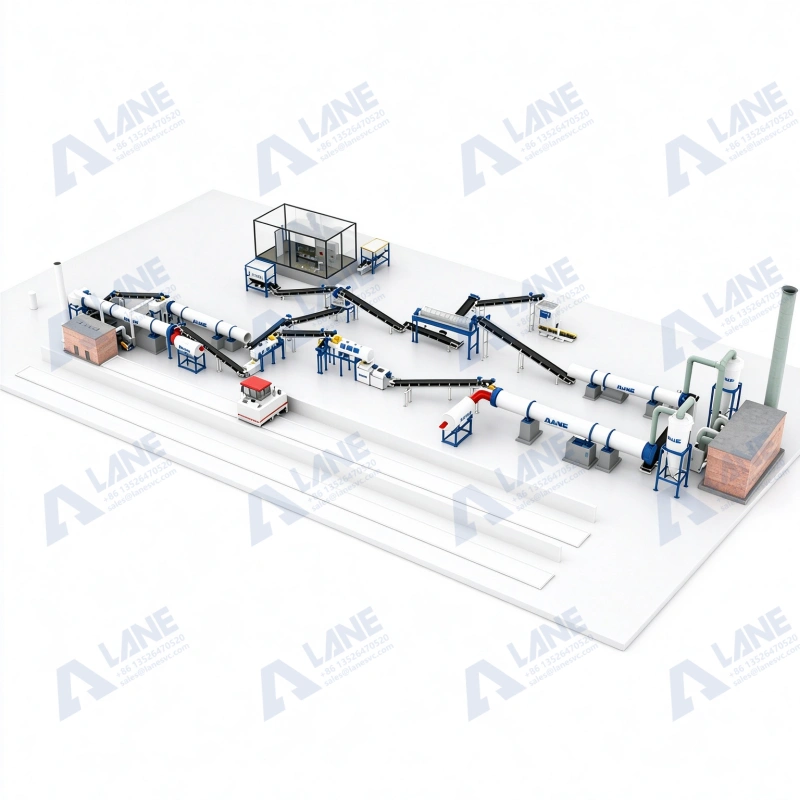
⛓️ Optional Downstream Processing Equipment Line
A typical horse manure organic fertilizer processing line may include the following stages:
1. Fermented Material Storage Bin
Temporarily stores the composted materials and provides a stable feeding supply for downstream processing.
↓
2. High-Moisture Material Crusher
Breaks up large lumps and agglomerated compost materials to improve subsequent screening and mixing efficiency.
↓
3. Rotary Drum Screening Machine
Separates oversized particles, residual foreign materials, and other unwanted materials.
↓
4. Automatic Batching and Mixing Machine
Mixes the compost with additional nutrients, mineral materials, or selected trace elements according to the required fertilizer formulation.
↓
5. Organic Fertilizer Granulator
Converts the prepared powder materials into granules.
Common options include:
- Disc Granulator
- Rotary Drum Granulator
- New-Type Three-in-One Granulator
The appropriate granulator depends on the material characteristics, required granule size, production capacity, and product formulation.
↓
6. Fertilizer Dryer and Cooler
Reduces the moisture content of the newly formed fertilizer granules and improves their hardness, stability, and storage performance.
↓
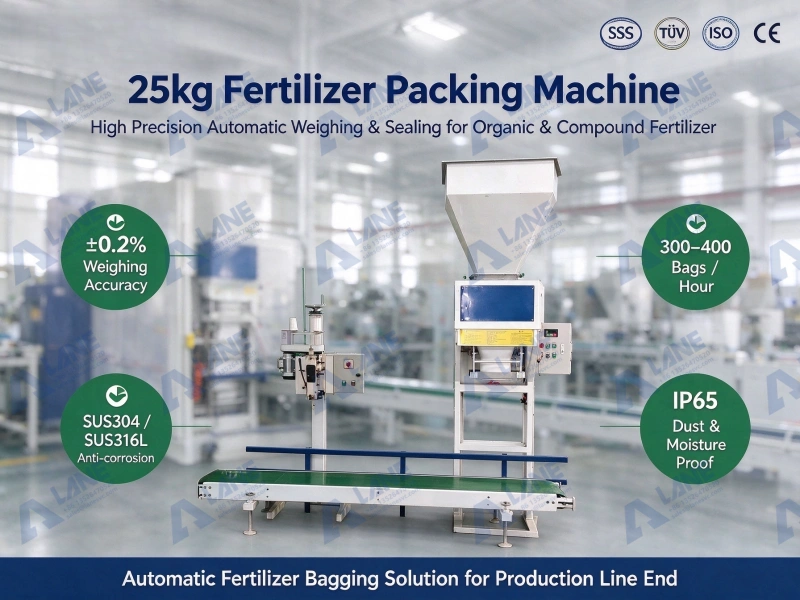
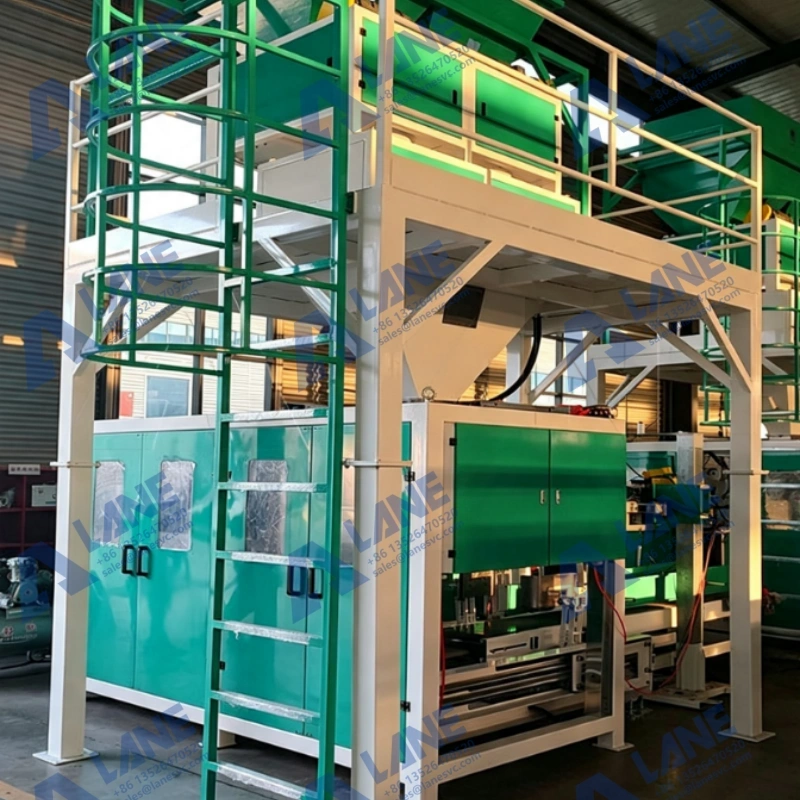
7. Automatic Weighing and Packaging Machine
Automatically weighs and packs the finished fertilizer into commercial bags for storage, transportation, and distribution.
A complete production line can be customized according to the required capacity, product specifications, and investment budget.
⚖️ Powder Organic Fertilizer vs. Granular Organic Fertilizer
| Comparison Factor | Powder Organic Fertilizer | Granular Organic Fertilizer (Pellets) |
|---|---|---|
| Equipment Investment | Requires only basic crushing and screening equipment, resulting in lower initial investment | Requires granulation, drying, and cooling equipment, resulting in higher initial investment |
| Production Costs | Simple processing flow and relatively low energy consumption | Longer processing flow with relatively higher electricity and thermal energy consumption |
| Appearance and Storage | More likely to generate dust; may experience slight caking during long-term storage | More attractive appearance; less dust; easier to store and transport over long distances |
| Commercial Value | Generally positioned in the mass market and sold in bulk locally | Can achieve higher retail value and is suitable for premium small-package products |
| Target Customers | Large nearby planting bases and field-crop farmers | Home gardening, golf courses, premium fruit and vegetable farms, and horticultural markets |
🚀 When Should You Invest in a Downstream Fertilizer Processing Line?
1. Established Sales Channels
Your horse farm already has stable external customers and sufficient demand for commercial organic fertilizer.
2. Building Your Own Fertilizer Brand
You plan to register your own fertilizer brand and sell products through flower markets, gardening stores, agricultural distributors, or e-commerce platforms.
3. Government Support and Subsidies
Local governments may offer financial support for livestock manure recycling, organic fertilizer production, or the purchase of fertilizer processing equipment.
Before making an investment decision, check the eligibility requirements and applicable subsidy programs in your region.
For businesses planning to expand beyond basic manure disposal, combining a Horse Manure Composting Machine with a complete organic fertilizer production line can create a more valuable and sustainable business model.
Finished Product Applications: Where Can Horse Manure Compost Go?
High-quality horse manure compost has several potential commercial applications.
After proper fermentation, maturation, and quality testing, the finished material can be used in the following five major markets.
🗺️ Five Main Application Markets
1. Returning Compost to Your Own Horse Farm and Pasture
- Apply mature compost to pasture areas used for growing forage.
- Improve soil structure and help address soil compaction caused by long-term horse traffic.
- Support soil organic matter improvement.
- Potentially reduce expenditure on purchased forage and chemical fertilizers.
2. Supplying Large Agricultural Planting Bases
- Supply nearby vegetable greenhouses, commercial orchards, and flower nurseries.
- Mature horse manure compost provides organic matter and can contribute to long-term soil improvement.
- Supply customers in bulk according to their agricultural production requirements.
For these markets, sales are often based on bulk quantities and long-term supply relationships.
3. Urban Gardening and Retail Markets
- Process the compost into attractive 5–25 kg bags.
- Target home gardens, balcony gardening, potted plants, and ornamental plant markets.
- Develop branded organic soil improvement products.
Small-package retail products may offer higher selling prices per ton, although packaging, distribution, marketing, and retail channel costs must also be considered.
4. Golf Courses and Municipal Landscaping
- Supply organic soil amendments for golf course turf management.
- Serve municipal parks and public landscaping projects.
- Supply landscaping contractors and high-end residential communities.
Institutional customers may provide relatively large and consistent purchasing volumes, subject to product quality and procurement requirements.
5. Certified Organic Agriculture
After professional laboratory testing and confirmation that the product meets applicable requirements, horse manure compost may be supplied to organic farming projects and certified agricultural production areas.
These markets usually have strict requirements for heavy metals, contaminants, and production inputs.
The selling price may be higher, but the product must meet the relevant certification and regulatory standards.
⚠️ An Essential Rule for Organic Fertilizer Producers
Never apply completely raw, untreated horse manure directly to agricultural soil.
Fresh manure may continue fermenting after application, potentially generating excessive heat and ammonia that can damage plant roots and seedlings.
It may also contain harmful microorganisms, parasite eggs, and viable weed seeds.
Therefore, ensuring that the Horse Manure Composting Machine and subsequent curing process achieve sufficient stabilization and the required pathogen reduction is essential before commercial application.
The finished product should be evaluated against the relevant maturity, hygiene, and fertilizer quality standards before being sold or applied to crops.
Operating Costs, Maintenance, and Frequently Asked Questions
💸 Breakdown of Daily Operating Costs
1. Electricity Consumption
- Turning equipment motors generally have power ratings of approximately 5–30 kW, depending on the machine model and processing capacity.
- If the machine operates for 1–2 hours per day, its electricity consumption can be estimated based on the actual motor load and operating time.
- The total electricity cost also depends on local industrial electricity prices and the use of auxiliary equipment.
2. Wear Parts and Replacement Costs
The main wear parts of a Horse Manure Composting Machine include:
- Turning blades.
- Chains.
- Bearings.
These components should be inspected regularly.
Under certain operating conditions, inspections and replacement may be required every 6–12 months. Actual replacement intervals depend on material abrasiveness, operating hours, and maintenance quality.
3. Labor Costs
Modern Horse Manure Composting Machine systems can achieve a relatively high level of automation.
Whether using a self-propelled windrow turner or a groove-type composting system, routine operation may require only one operator, depending on the feeding, conveying, and material handling arrangements.
🛠️ Four Essential Daily Maintenance Practices
1. Check
Check the moisture content of incoming materials regularly, preferably as part of the daily operating routine.
Excessively wet materials can reduce oxygen circulation and cause poor fermentation conditions or excessive machine load.
2. Clean
Inspect incoming materials and remove metal objects, stones, and other hard foreign materials before feeding.
This helps prevent damage to turning blades and other mechanical components.
3. Lubricate
Follow the manufacturer’s maintenance instructions and regularly apply suitable high-temperature grease to transmission bearings, chains, and other designated lubrication points.
4. Record
Record the temperature changes inside the composting pile or fermentation tank every day.
Maintaining temperature records helps operators determine whether the materials have passed through the required high-temperature treatment stage.
❓ Frequently Asked Questions About Horse Manure Composting Machines
Q1: Can horse manure containing large amounts of wood shavings and sawdust be fed directly into a Horse Manure Composting Machine?
A: Yes, in most cases.
Wood shavings and sawdust are useful carbon sources. They also help improve the porosity of the composting mixture, supporting better oxygen circulation during aerobic fermentation.
A properly configured Horse Manure Composting Machine can process horse manure mixed with these bedding materials.
However, the carbon-to-nitrogen ratio and moisture content should be checked to ensure that the mixture is suitable for composting.
Q2: How long does it take to produce compost using a Horse Manure Composting Machine?
A: The processing time depends on the selected Horse Manure Composting Machine, raw material characteristics, and operating conditions.
- Enclosed fermentation tanks may complete the primary fermentation stage in approximately 7–12 days.
- Traditional windrow composting systems may require approximately 20–30 days for primary fermentation.
Additional secondary curing may still be necessary before the finished compost is fully mature and ready for use.
Q3: Is it necessary to add microbial inoculants during horse manure composting?
A: No, microbial inoculants are not always mandatory.
Horse manure naturally contains microorganisms that participate in organic matter decomposition.
However, we recommend evaluating the use of suitable composting inoculants, particularly when the raw materials have a high proportion of bedding or when a more controlled fermentation process is required.
Appropriate microbial products may help improve the initial fermentation process and support more consistent temperature development.
The actual reduction in fermentation time depends on the raw materials, inoculant quality, and operating conditions.
Q4: Does horse manure compost need to be granulated immediately after fermentation?
A: No.
If the finished compost is intended for use on your own horse farm or for bulk sales to nearby farmers, powder organic fertilizer may be sufficient.
Additional granulation equipment is not necessarily required.
However, if you plan to develop your own fertilizer brand, sell through gardening stores, or enter retail markets, investing in an organic fertilizer granulator, dryer, cooler, and packaging system may be worthwhile.
Q5: How do I determine the required power and specifications of a Horse Manure Composting Machine for my horse farm?
A: Start by calculating the actual daily quantity of horse manure and bedding materials generated by your farm.
Then consider the following factors:
- Number of horses.
- Daily raw material processing capacity.
- Available installation area.
- Material moisture content and bedding proportion.
- Local environmental requirements.
- Whether the finished compost will be used internally or sold commercially.
- Available investment budget.
You can refer to the equipment selection guide in Section 05 for an initial recommendation.
For a more accurate Horse Manure Composting Machine configuration, the equipment manufacturer should evaluate your actual raw materials, processing capacity, and site conditions before recommending the final model.