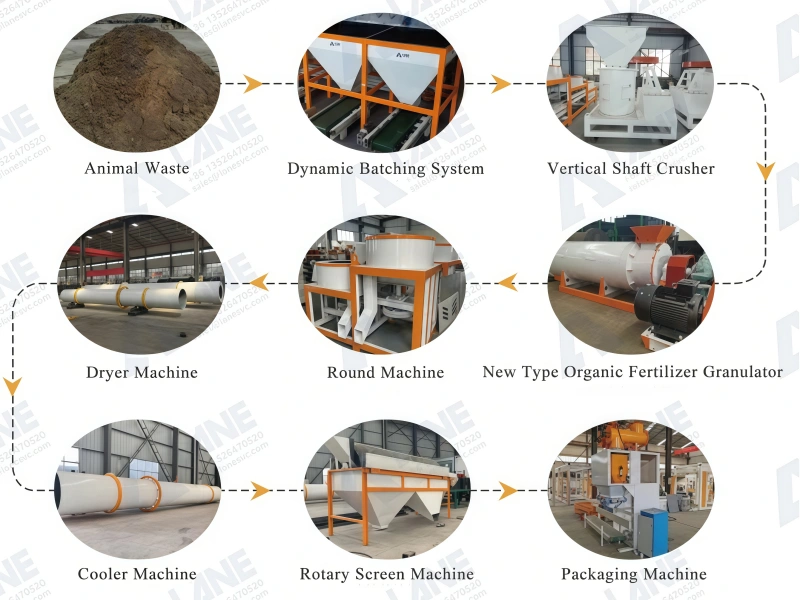


Ring Die Pellet Machine
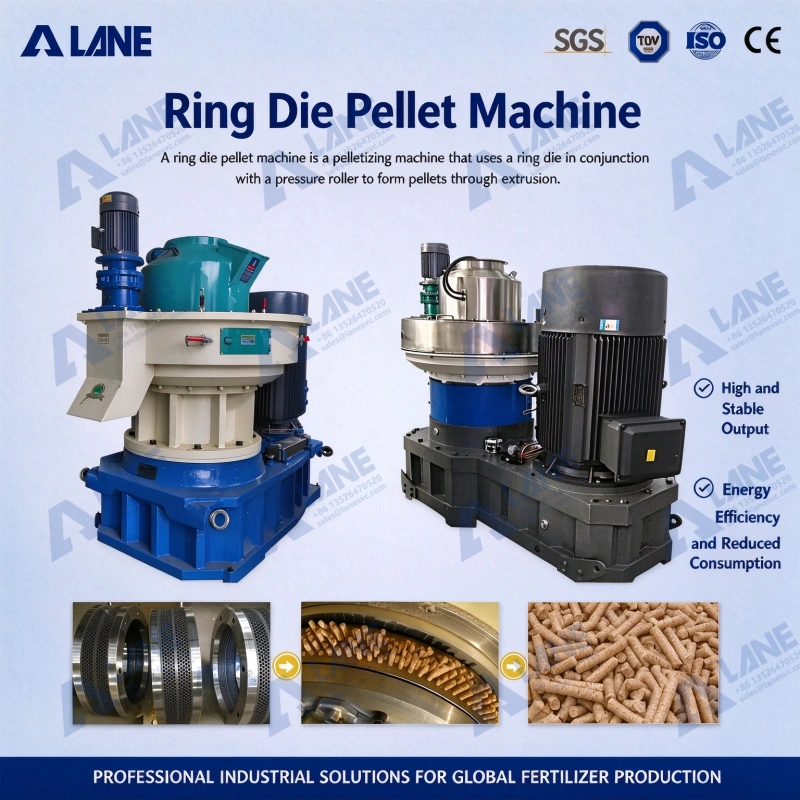
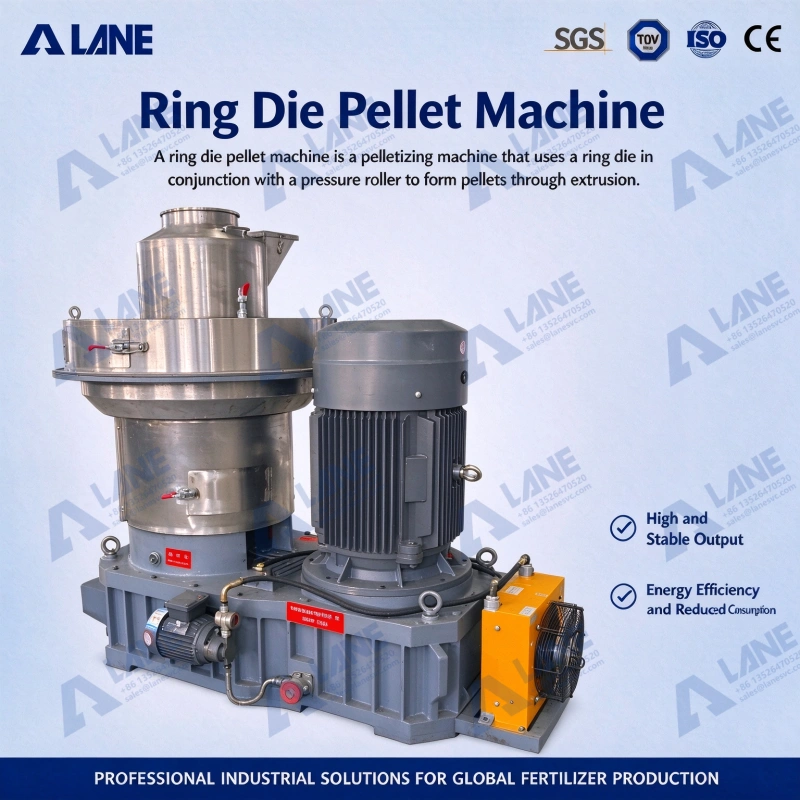
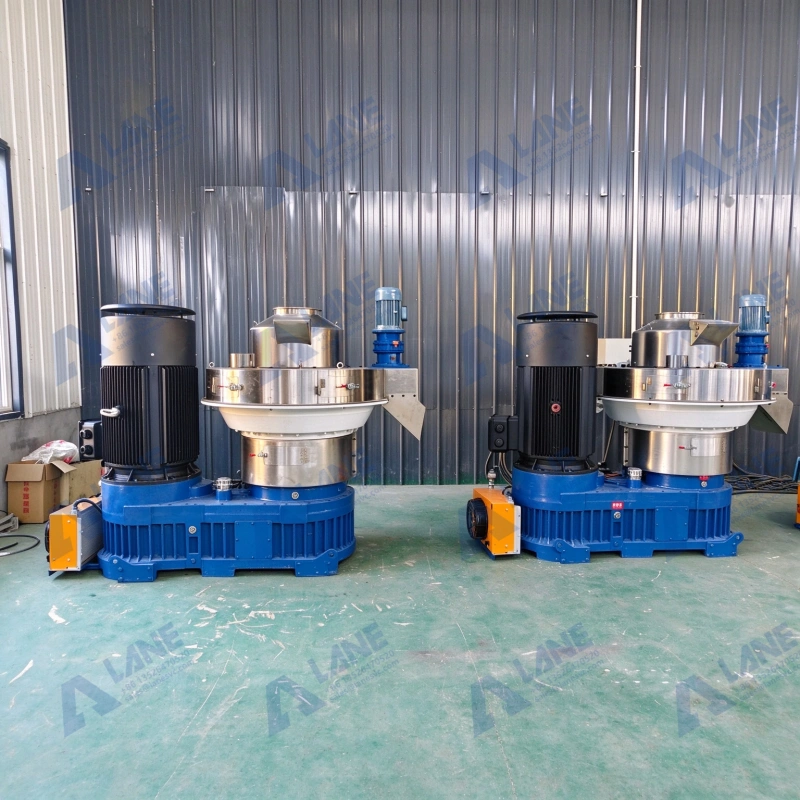
Principle of Operation
• Controlled Feeding: Pre-treated raw material is conveyed into the pelletizing chamber via a variable-frequency screw feeder, ensuring a steady and blockage-free material flow.
• Material Distribution: A built-in distributor blade evenly spreads the incoming material across the inner working surface between the ring die and the pressure rollers.
• High-Pressure Compression: Driven by the main motor, the ring die rotates at high speed while the pressure rollers spin on their own axes due to friction. This relative motion generates intense radial compressive force on the material layer.
• Die-Hole Extrusion: Under immense pressure, the compressed material overcomes friction resistance and is forced through the precision-drilled holes of the ring die, forming continuous, high-density cylindrical columns.
• Precision Cutting: Adjustable tungsten-carbide cutting blades mounted outside the die housing sever the extruded columns at a preset distance, yielding cylindrical pellets of consistent length.
• Discharge and Post-Processing: Finished pellets exit through the discharge chute and are conveyed directly to downstream cooling, screening, and automated packaging systems.
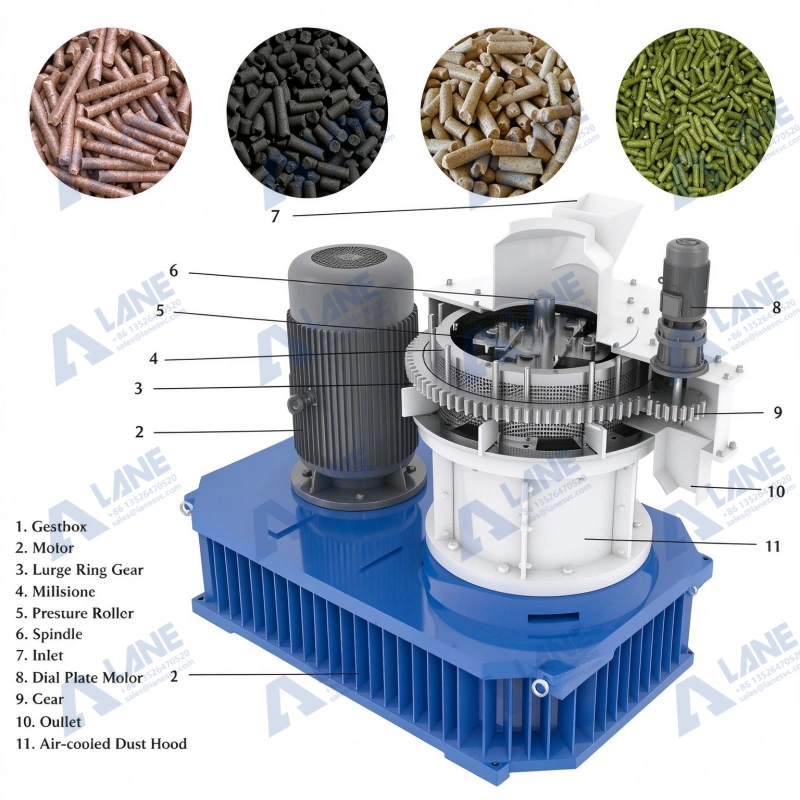
Core Structural Components of a Ring Die Pellet Machine
• Precision Ring Die: Manufactured from high-chromium alloy steel or stainless steel, treated via vacuum quenching to ensure uniform hardness, smooth inner hole walls, and superior wear resistance.
• Heavy-Duty Pressure Rollers: Equipped with high-temperature-resistant bearings and eccentric shafts, allowing operators to fine-tune the roller-to-die gap for optimal extrusion pressure.
• Force-Feeding Mechanism: An integrated forced feeder pushes low-density, fluffy fibrous materials (such as straw or palm fiber) directly into the pressing zone, preventing material bridging or slippage.
• Gearbox Drive System: Features high-precision, hardened helical gears with a forced circulating oil lubrication system, ensuring high transmission efficiency, low operational noise, and long service life.
• Overload Safety Protection: Fitted with shear pins and an automated overload release mechanism that instantly disconnects power transmission if foreign metal objects enter the chamber, protecting core components from catastrophic damage.
Application Scope and Suitable Raw Materials
| APPLICATION INDUSTRY | TYPICAL RAW MATERIALS | MAIN FINAL PRODUCTS |
|---|---|---|
| Organic Fertilizer Industry | Fermented chicken manure, cow dung, sheep manure, mushroom residue, digestate | Cylindrical organic fertilizer pellets |
| Biomass Energy Industry | Sawdust, wood chips, rice husks, crop straw, peanut shells, plant fibers | High-calorific-value biomass fuel pellets |
| Animal Feed Industry | Corn flour, soybean meal, wheat bran, grass meal, premixed grains | Livestock, poultry, and ruminant feed pellets |
| Aquaculture Industry | Fish meal, shrimp meal, grain powder, high-protein raw materials | Sinking aquatic feed pellets |
| Mineral & Chemical Industry | Selected mineral powders, humic acid, bentonite, specific chemical powders | Industrial extruded pellet products |
Technical Parameters of the Ring Die Pellet Machine
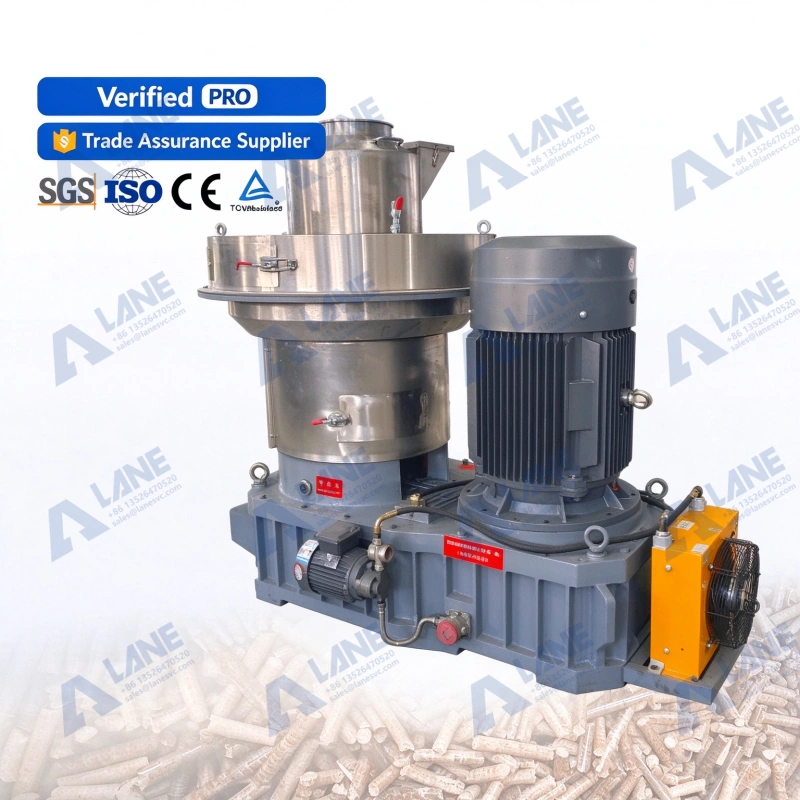
| SPECIFICATIONS AND MODELS | YIELD | DEVICE SIZE (mm) | WEIGHT (kg) | MOTOR POWER | REDUCER | MATERIALS AND ACCESSORIES |
|---|---|---|---|---|---|---|
| LAMS-300 | 0.2–0.3 t/h | 1300 × 510 × 1210 | 380 | 22 kW | ZY series reducer | High-quality carbon steel |
| LAMS-400 | 0.4–0.5 t/h | 1500 × 610 × 1800 | 750 | 22 kW | ZY series reducer | High-quality carbon steel |
| LAMD-470 | 0.8–1.2 t/h | 2600 × 1050 × 2970 | 4500 | 22 kW | ZY series reducer | High-quality carbon steel |
| LAMD-560 | 1.3–1.8 t/h | 2600 × 1000 × 2400 | 5000 | 22 kW | ZY series reducer | High-quality carbon steel |
| LAMD-600 | 2–2.5 t/h | 2600 × 1350 × 1860 | 6000 | 22 kW | ZY series reducer | High-quality carbon steel |
| LAMD-700 | 2.5–3 t/h | 2600 × 1600 × 2200 | 8000 | 22 kW | ZY series reducer | High-quality carbon steel |
| LAMD-850 | 4–4.5 t/h | 2900 × 1650 × 2100 | 11000 | 22 kW | ZY series reducer | High-quality carbon steel |
Matching Fertilizer Production Lines
| PRODUCTION LINE NAME | RAW MATERIALS → FINAL PRODUCTS | PROCESS FLOW & ROLE OF THE RING DIE PELLET MACHINE |
|---|---|---|
| Organic Fertilizer Pellet Production Line | Fermented chicken, cow, or sheep manure → Organic fertilizer pellets | Composting → Crushing → Mixing → Moisture conditioning → Ring die pellet machine granulation → Cooling → Screening → Packaging |
| Biomass Organic Fertilizer Line | Straw, rice husks, mushroom residue → Biomass organic fertilizer pellets | Coarse & fine crushing → Mixing → Conditioning → High-pressure extrusion forming → Cooling → Screening |
| Aquatic Organic Fertilizer Line | Aquatic processing by-products & organic matter → Bio-organic fertilizer pellets | Deodorization & fermentation → Pretreatment → Mixing → Extrusion pelletizing → Low-temperature drying & cooling |
| Palm Waste Fertilizer Line | Empty Fruit Bunches (EFB), palm fiber → Organic fertilizer pellets | Fiber shredding & crushing → Moisture adjustment → Extrusion pelletizing (fiber length and compression ratio verified prior to production) |
| Compound / Organo-Mineral Line | Pre-mixed NPK & organic powder → Compound fertilizer pellets | Batching → Dynamic mixing → Conditioning → Extrusion granulation (customized die parameters based on specific formulas) |
Key Advantages
• High and Stable Output: Delivers a continuous production capacity of 1–10 metric tons per hour, engineered to support uninterrupted 24/7 industrial operation.
• Energy Efficiency and Lower Drying Costs: Optimized drive transmission reduces overall electricity consumption by 15%–25%. Furthermore, because raw materials require only 15%–25% moisture content, downstream drying energy costs are drastically lowered compared to wet granulation.
• Wear-Resistant Alloy Ring Die: Constructed from vacuum-quenched alloy steel, delivering a 30%+ increase in service life and maintaining smooth pellet surfaces throughout its lifecycle.
• High Single-Pass Forming Rate: Achieves a single-pass granulation rate of ≥98% with minimal fines or powdering, maximizing net yield and reducing material recirculation.
• Rapid Maintenance Design: Features a quick-release hoop/clamp structure that allows operators to complete ring die disassembly and replacement in ≤30 minutes, minimizing costly downtime.
• Multi-Material Versatility: Easily handles difficult-to-form, low-density fibrous materials—such as wood chips, crop straw, and humic acid—simply by swapping ring dies with different compression ratios.
Why Choose LANE
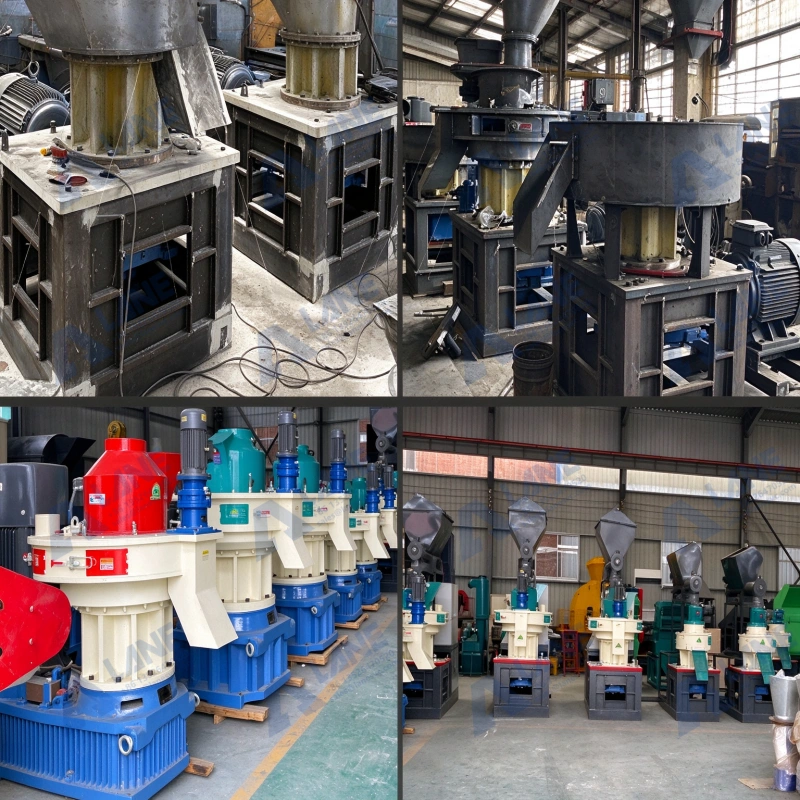
• Material Testing & Customization: We welcome customers to send raw material samples for live factory trial runs. Based on test results, we customize the ring die hole diameters and compression ratios of your ring die pellet machine to match your exact formula.
• Comprehensive Warranty Protection: Every ring die pellet machine is backed by a 1-year warranty on the entire machine and a 2-year warranty on core transmission components.
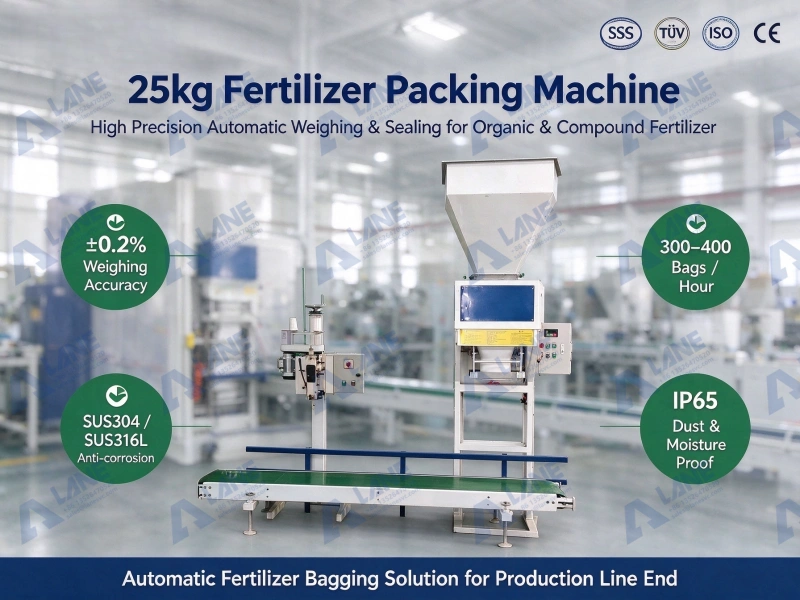
• Turnkey Engineering & Lifetime Support: Beyond standalone units, LANE designs and supplies complete turnkey production lines—integrating crushing, drying, cooling, screening, and automated packaging—supported by on-site installation guidance, operator training, and lifetime technical assistance.
Frequently Asked Questions (FAQ)
The final cost depends on required hourly capacity, motor brand (e.g., Siemens or standard domestic motors), ring die material (alloy steel vs. stainless steel), and whether a forced feeder is needed for fibrous materials. Contact LANE with your raw material details and target output to receive an itemized quotation.
Under normal operating conditions, a high-grade ring die and roller shell assembly typically lasts 800–1,500 operating hours. Actual lifespan varies depending on raw material abrasiveness, impurity levels (such as sand or metal grit), operating pressure, and routine lubrication practices.
Standard cylindrical pellet diameters include 2 mm, 3 mm, 4 mm, 6 mm, 8 mm, and 10 mm, with customizable lengths typically ranging from 5 mm to 30 mm. You can easily produce different pellet sizes on the same machine by switching to a ring die with the corresponding hole diameter.
Yes. A single unit can process diverse materials including sawdust, rice husks, crop straw, livestock manure, and compound fertilizer powders. However, because materials differ in fiber content and density, switching between vastly different materials requires matching the ring die compression ratio and adjusting incoming moisture levels.
A standard turnkey pelletizing line typically includes a hammer mill (crusher), rotary dryer (if raw material moisture exceeds 25%), horizontal mixer, ring die pellet machine, counterflow cooler, rotary vibrating screen, and automatic weighing and packaging machine. LANE configures the exact layout based on your workshop dimensions and budget.
Yes. Routine preventive maintenance is essential for consistent output and longevity. Key daily and weekly tasks include lubricating roller bearings with high-temperature grease, inspecting the roller-to-die gap, cleaning residual material from die holes before shutdown (especially for sticky organic materials), and replacing worn cutter blades or seals promptly.