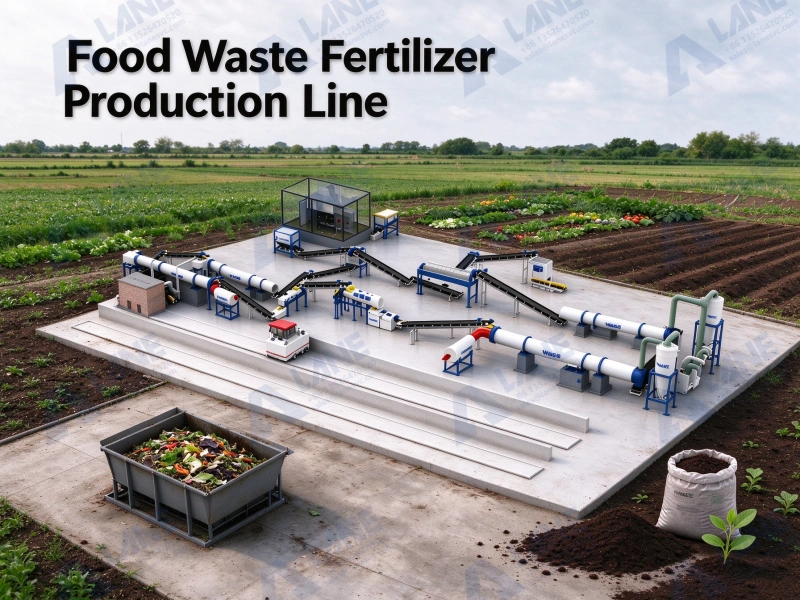
Pig Manure Processing Equipment: The Complete Guide to Turning Pig Waste into Organic Fertilizer
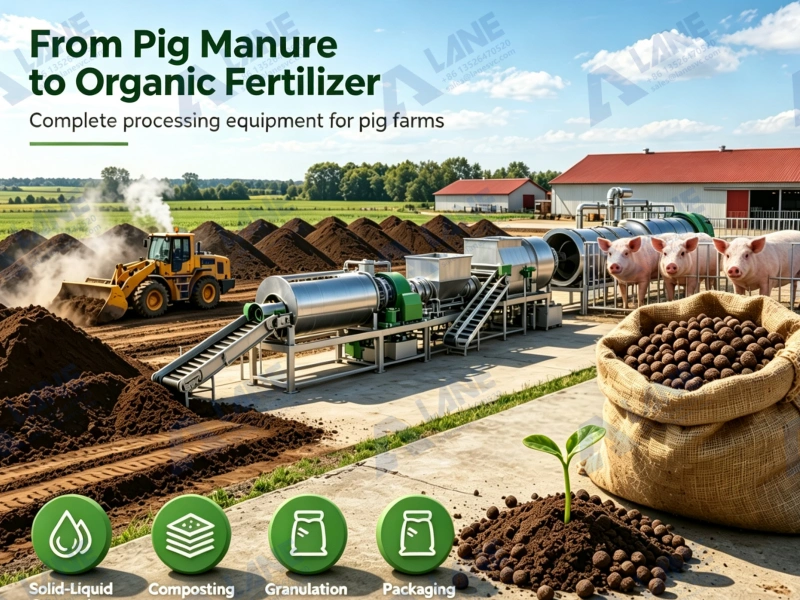
Each sow produces 5 to 8 kilograms of manure per day. On a farm with 10,000 pigs, this amounts to 50 to 80 metric tons of fresh manure per day—enough to fill several small trucks. If left to pile up, this can lead to an increasing number of odor complaints, environmental fines, and growing storage problems. When properly treated, however, this waste can be transformed into one of the most valuable products in modern agriculture: organic fertilizer. Pig manure processing equipment bridges this gap.
This guide will provide you with a detailed analysis of: why manure processing is no longer optional, how market conditions are affecting the industry, what pig manure actually contains, the complete eight-step production process, the true cost of pig manure processing equipment, how quickly you can recoup your investment, and how to choose pig manure processing equipment that will give you complete peace of mind.
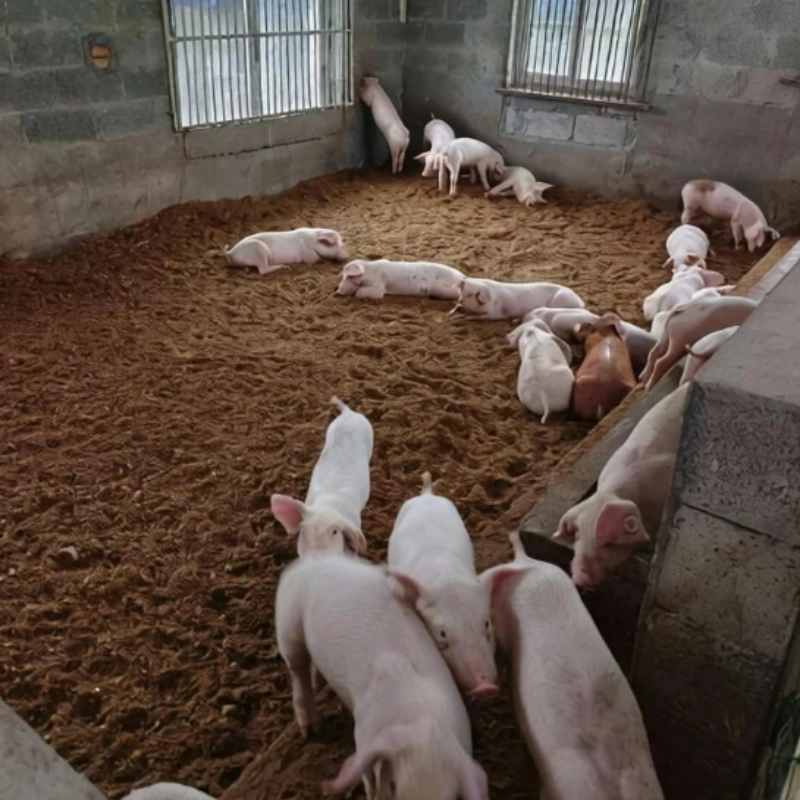
Why every pig farm needs pig manure processing equipment
Pig manure can no longer be dumped, piled up, or applied directly to fields at will. Environmental regulations in Europe, North America, and Asia all limit the amount of untreated manure that farms can store or apply to land, and inspections are becoming stricter every year. The costs of ignoring these regulations can quickly mount:
• Fines for illegal discharges, manure runoff, and excessive land application
• Complaints and legal pressure from neighbors bothered by foul odors
• Storage areas filling up much faster than they can be emptied
• Valuable nutrients being wasted
The right pig manure processing equipment can solve all four of these problems at once. Instead of being weighed down by a burden that grows larger every day, farms will have a clean, controllable production line and a marketable end product.
Three Key Factors Driving the Development of the Swine Manure Treatment Equipment Market
Policies are exerting pressure from both ends.
Governments around the world are tightening penalties for the disposal of untreated manure, including fines, orders to rectify violations, and even criminal prosecution in severe cases. At the same time, governments are subsidizing “solutions”: many regions offer procurement subsidies and special funding for solid-liquid separators, fermentation tanks, and pellet production lines, while the “Replacing Chemical Fertilizers with Organic Fertilizers” program provides fertilizer usage subsidies to end users, thereby driving market growth from the demand side.
The supply-demand balance has become severely skewed.
A pig farm with 10,000 head can produce dozens of metric tons of manure daily—far exceeding the absorption capacity of traditional farmland. At the same time, years of excessive chemical fertilizer use have led to widespread soil compaction and acidification, while the continued expansion of high-value-added crops—such as citrus, medicinal herbs, and premium vegetables—has further fueled explosive growth in demand for fully composted organic fertilizer produced by Pig Manure Processing Equipment.
The market is shifting from a large-scale model to a smart model.
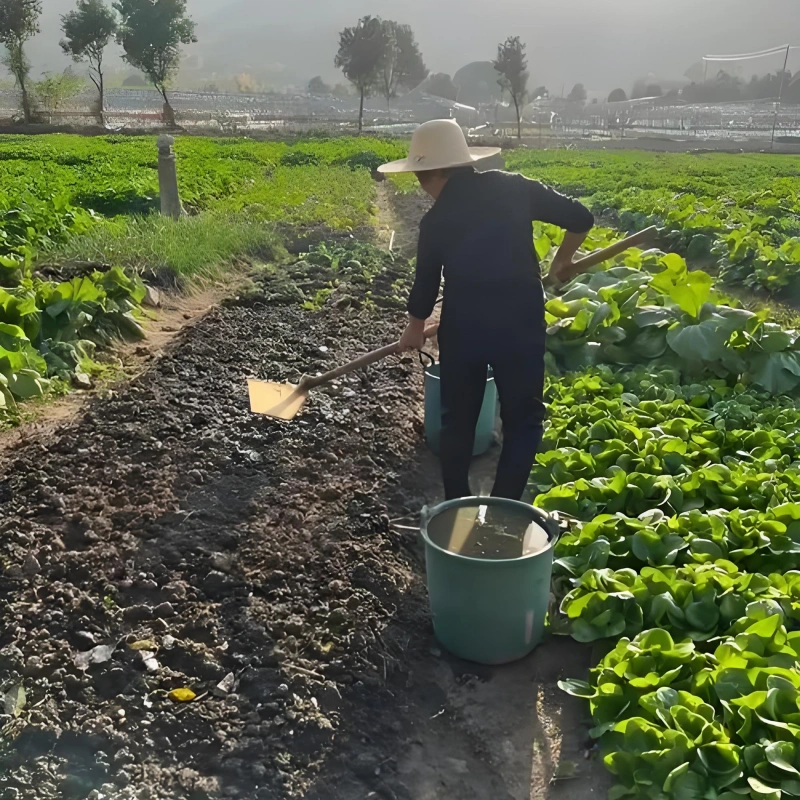
What’s actually inside pig manure
Pig manure is by no means useless waste:
• Moisture: 75%–90%—This is the main reason why fresh pig manure cannot be directly composted or pelletized.
• Organic matter: 20%–25% of the solid content—It is the foundation for improving soil and producing organic fertilizer.
• Nutrients: Nitrogen, phosphorus, and potassium—the three essential elements for the growth of every crop.
• Microorganisms: Including pathogens and weed seeds, which must be thoroughly removed before the product is brought to market.
A single pig can produce 5 to 8 kilograms of manure per day, meaning a medium-sized pig farm can generate several metric tons of potential fertilizer daily. The task of pig manure processing equipment is to transform this wet, unstable, and malodorous material into a dry, stable, and pathogen-free product—the high-quality product that farmers are truly willing to purchase.
The complete production line: eight stages from raw manure to bagged fertilizer
Stage 1 — Solid-liquid separation
Fresh pig manure’s 75–90% moisture makes direct composting impossible. A screw-press solid-liquid separator squeezes the slurry into solid manure cake (moisture down to 50–60%) and a liquid fraction. The cake moves on to fermentation; the liquid can be stored as liquid fertilizer or treated further. This single step usually cuts the volume you have to handle by more than half.
One selection note: pig manure is aggressively corrosive. The screen and screw must be 304 stainless steel or coated with a wear-resistant alloy — skimp here and the machine can be scrap within months.
Stage 2 — Conditioning and mixing
The separated solids are mixed with straw, sawdust or rice husks in a double-shaft mixer, bringing the carbon-to-nitrogen ratio to the ideal 20–30:1 so microbes have enough carbon to decompose the material efficiently and evenly.
Stage 3 — Aerobic fermentation (the heart of the line)
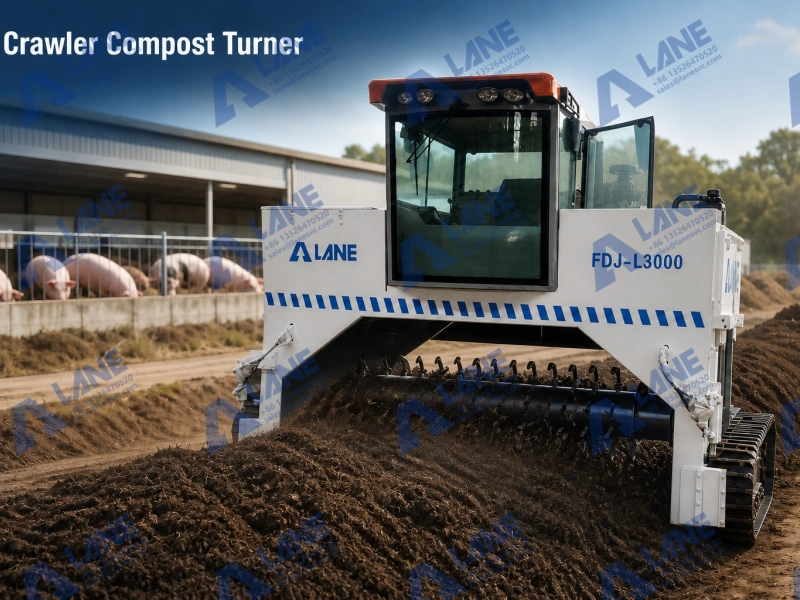
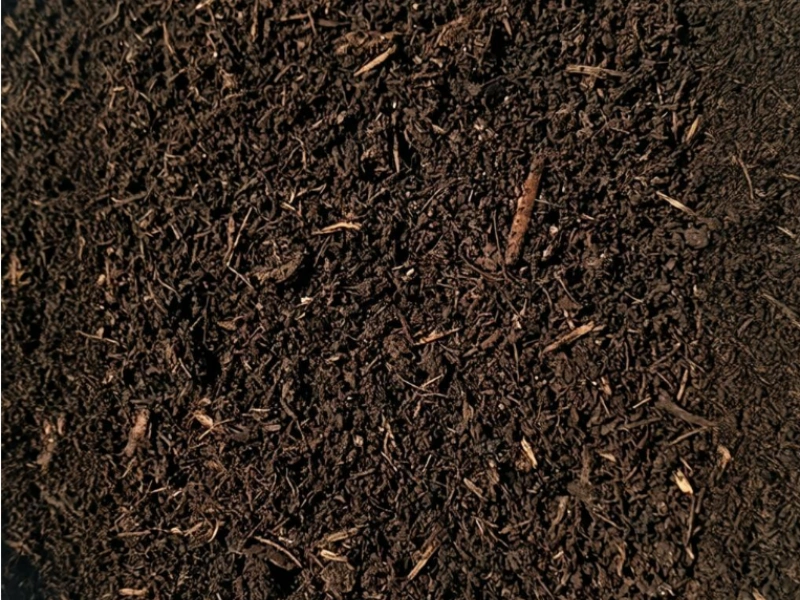
The mixed material is formed into windrows and turned regularly. Turning supplies oxygen and keeps the core at 55–70°C for several days — hot enough to kill weed seeds, insect eggs and pathogens — while breaking down large organic molecules. After two to three weeks the manure is fully composted and safe to use.
Two mainstream equipment options:
| Type | Footprint & investment | Cycle | Pros | Cons |
|---|---|---|---|---|
| Windrow / trough turner | Large footprint, civil works needed, low equipment cost | 15–20 days | Handles very large volumes; lowest equipment investment | Weather-dependent (slow in winter); some odor escape |
| Intelligent aerobic fermentation tank | Small footprint, no civil works, higher investment | 7–10 days | Fully sealed with bio-deodorizing; near-zero odor; automated; works year-round | Higher upfront cost per unit |
Step 4: Grinding
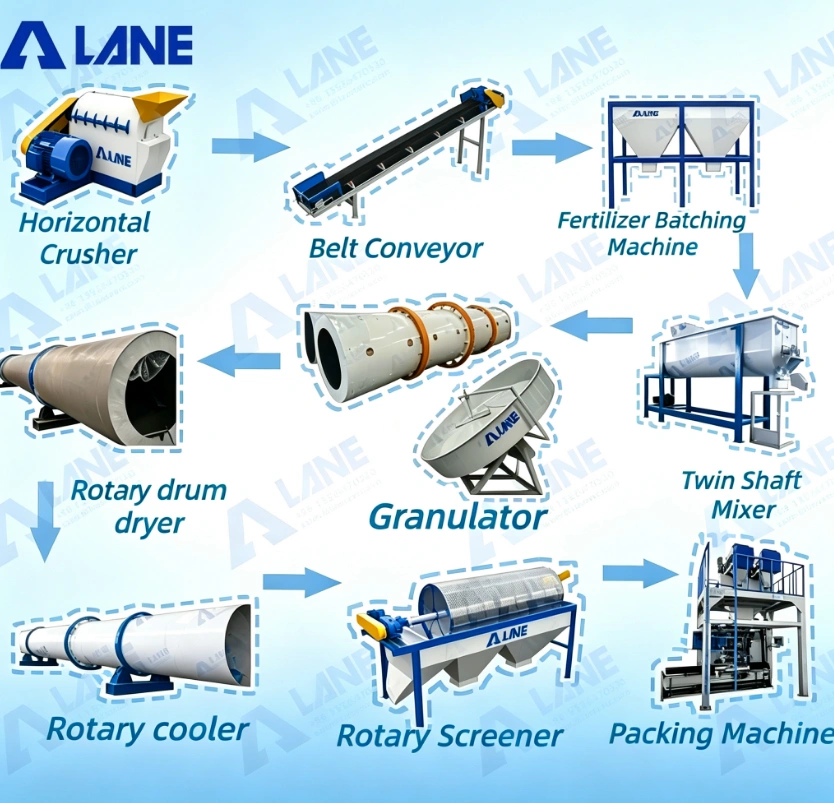
The composted material tends to form clumps. The semi-wet material grinder breaks these clumps down into a uniform, fine powder in preparation for granulation.
Step 5: Granulation
The fine powder enters the granulator. For pig manure, the new organic fertilizer granulator features a combination of a rotating drum and mixing teeth, achieving a granulation rate exceeding 95% and effectively accommodating the high-fiber content of pig manure. Granules are easier to store, transport, spread, and sell than loose powder, and they allow nutrients to be slowly released into the soil.
Step 6: Drying and Cooling
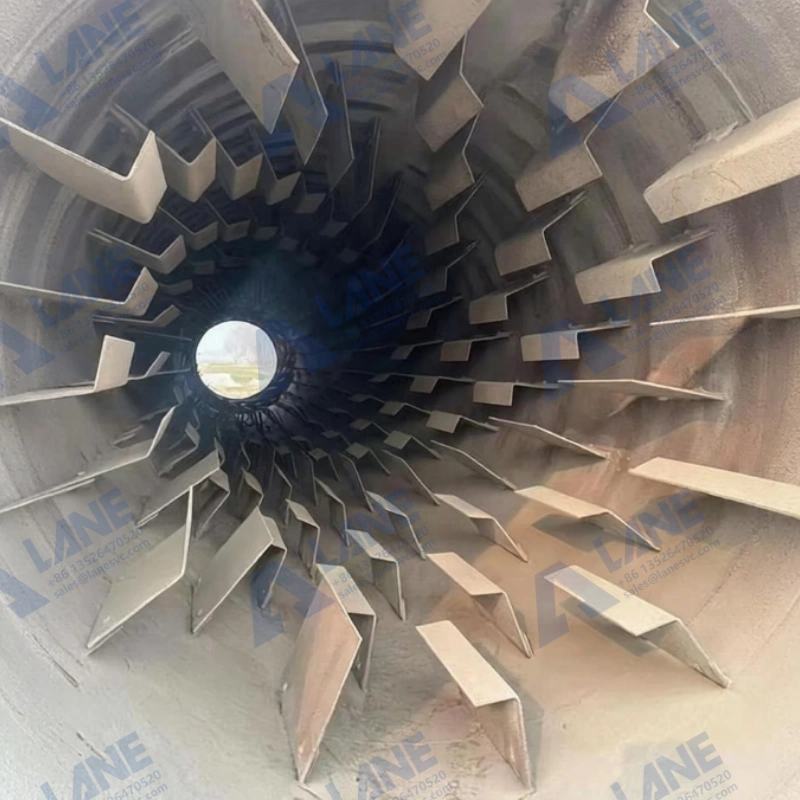
A drum dryer reduces moisture content to below 30%, and a cooler then brings the granules down to a safe temperature to prevent them from softening and molding during storage.
Step 7: Screening
A drum screen removes oversized and undersized granules, retaining only high-quality finished products of uniform size.
Step 8: Packaging
An automatic packaging machine weighs and fills bags, typically in 40-kilogram or 50-kilogram bags.
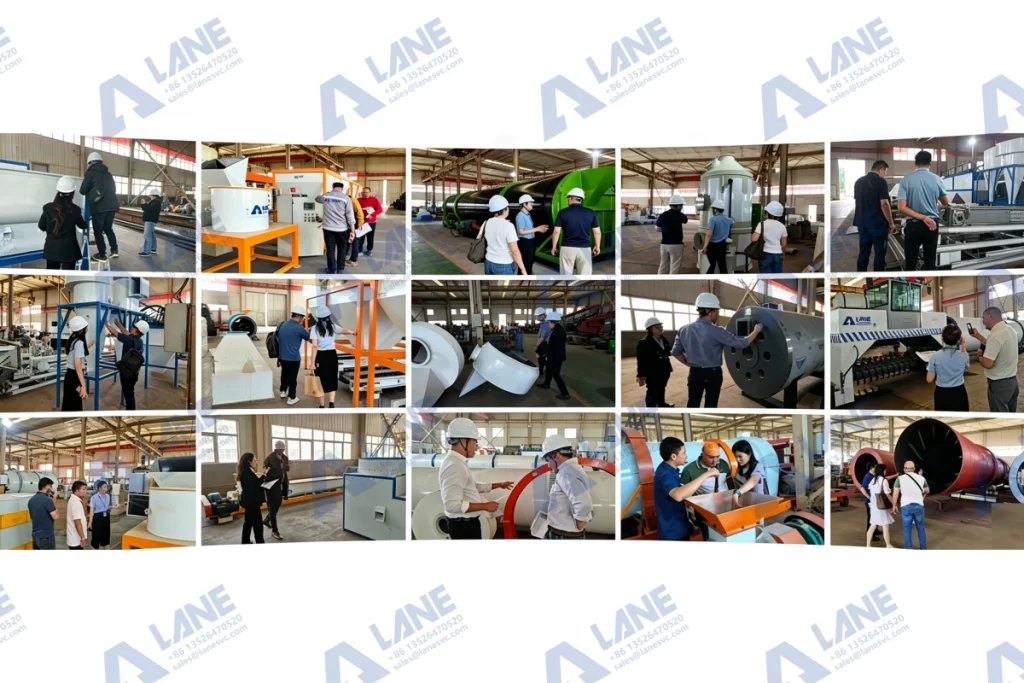
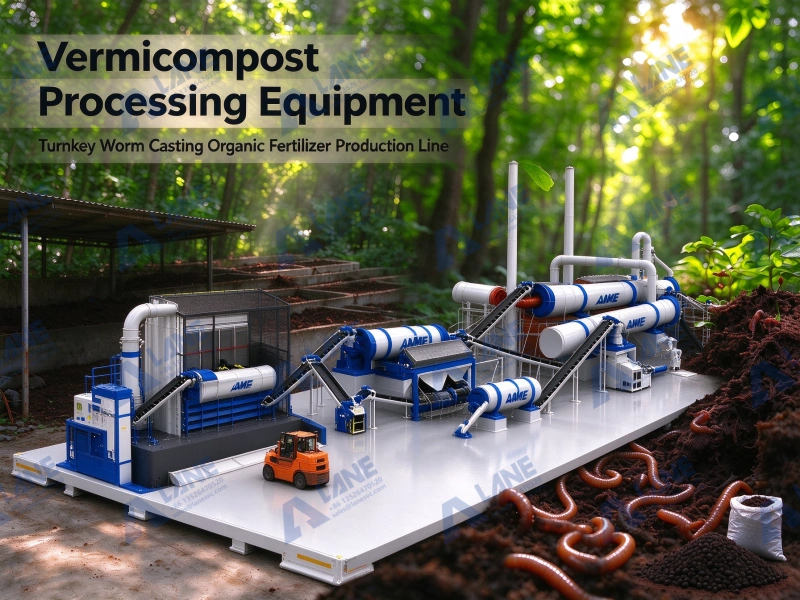
A complete pig manure processing equipment can be configured as either a simple, small-scale system or a fully automated factory. LANE designs and manufactures both types, with models ranging from 1 metric ton per hour for family farms to over 10 metric tons per hour for industrial projects.
Equipment pitfalls every buyer should know
When buying pig manure processing equipment, three traps cost more money than the machines themselves:
• Material quality.
Pig manure contains free ammonia, organic acids and sand. Don’t compare prices alone — check stainless steel thickness, motor protection rating and bearing seals. Those three details decide whether your equipment lasts eight years or eight months.
• Odor control.
Composting alone easily triggers complaints and can breach emission limits. Modern lines should pair fermentation with a bio-filter or UV photolysis unit so exhaust air meets national odor emission standards.
• Heavy metals and antibiotics.
Feed often contains copper, zinc and antibiotics, and no machine can physically remove them. The practical fix is adding compound microbial inoculants during fermentation: sustained high temperatures degrade antibiotics and passivate heavy metals before the product reaches the field.
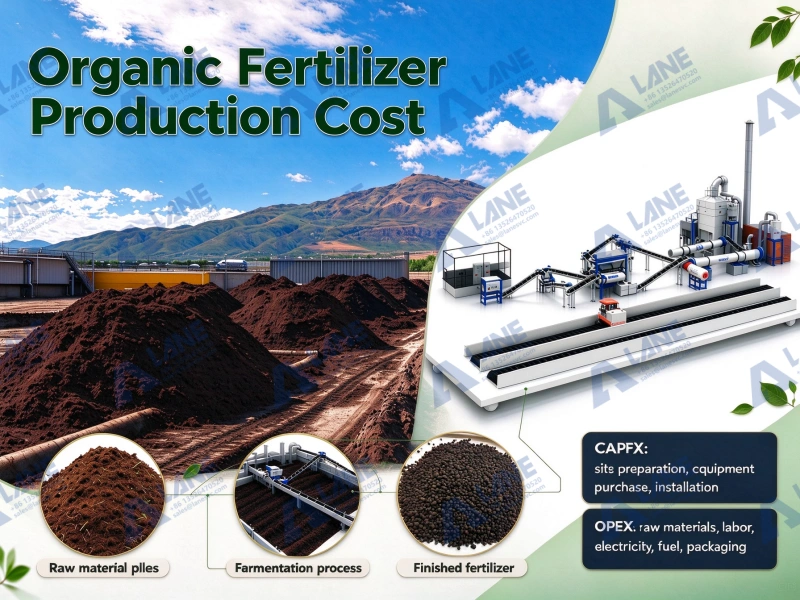
Cost breakdown and return on investment
As a rule of thumb, about 3 tons of raw pig manure (around 20% solids) yields roughly 1 ton of finished organic fertilizer after separation and fermentation.
Per-ton production cost (indicative ranges, varying by region):
| Cost item | USD per ton |
|---|---|
| Raw manure + bulking agents (rice husks, straw, sawdust) | $12–17 |
| Microbial inoculant | $3–4 |
| Energy (electricity, drying fuel) | $12–14 |
| Labor and packaging | $7–10 |
| Depreciation and overhead | $4–5 |
| Total | $38–50 |
Selling price: standard pig manure organic fertilizer wholesales around $80–150 per ton. Add functional microbes and sell it as bio-organic fertilizer and the price rises to $170–250 per ton — leaving a healthy margin of roughly $30–100 per ton.
A 10,000-head farm processing about 60 tons of manure a day produces 3,000–4,000 tons of fertilizer a year — revenue of $240,000–600,000, with a typical payback of 18–30 months.
A compact 10,000-ton-per-year plant, with stable raw material supply, can generate annual profit in the $400,000–700,000 range and recover the full equipment investment in 12–24 months.
On top of direct revenue, you avoid fines, kill odor complaints and cut manure hauling costs — and in many regions, organic fertilizer projects qualify for government subsidies or carbon-reduction programs, creating a second income stream.
How to choose the right pig manure processing equipment
Not every farm needs a full pig manure processing equipment line. Compare four factors:
Capacity.
Match throughput to your daily manure output. A 5 t/h line suits medium-sized farms; larger operations may need 10 t/h or more. Too small means overtime and bottlenecks; too large means idle capacity and wasted capital.
Moisture handling.
High-moisture manure needs a reliable solid-liquid separator first — without it, the whole line runs inefficiently and finished granules never get the right hardness.
Automation level.
Automated lines use fewer people and deliver more consistent quality, but cost more upfront. Choose the level that fits your labor and budget.
After-sales service.
Pick a manufacturer that can install, train and supply spare parts in your region. With LANE, every pig manure processing equipment package includes free technical consultation, on-site installation and commissioning, operator training, a two-year full-machine warranty and lifetime technical support.
Two practical sizing rules:
• Under 5,000 head: a solid-liquid separator plus fermented powder fertilizer for local sales is usually enough.
• 10,000 head and above: move to an intelligent fermentation tank or a complete granulation line.
And let the end market decide the process: selling to nearby fruit and vegetable growers? Fermented powder works fine. Selling through cross-region agri-input channels? You need granulation and drying.
FAQs
How long does it take to convert pig manure into organic fertilizer?
It typically takes three to four weeks to go from fresh manure to bagged pellets on a complete pig manure processing production line, with most of that time spent on composting.
How much does pig manure processing equipment cost?
Prices vary depending on production capacity and the level of automation: small-scale Pig Manure Processing Equipment production lines cost tens of thousands of dollars, while fully automated plants can cost hundreds of thousands of dollars. Please provide LANE with your daily manure output to receive an accurate quote.
Can organic fertilizer made from pig manure really be marketed?
Yes. There is strong demand from grain, vegetable, and fruit growers, and the balanced N-P-K ratio performs well in most fertilizer markets, especially in regions where organic farming is growing.
Can small farms profit from processing pig manure?
Yes. Compact Pig Manure Processing Equipment production lines starting at 1 metric ton per hour are specifically designed for small and medium-sized farms. The key is to select the appropriate model based on actual manure volume and use the simplest process to produce a marketable product.
Is fermentation really necessary before pelletizing?
Absolutely. Fresh pig manure is too wet, unstable, and highly bioactive to be pelletized directly. Aerobic composting stabilizes the manure, removes odors and pathogens, and thus produces the stable raw material required by the pelletizer.
Can the equipment remove heavy metals and antibiotics?
The Pig Manure Processing Equipment cannot physically remove them, but through high-temperature fermentation and the addition of a composite microbial inoculant, antibiotics can be effectively degraded and heavy metals can be immobilized, bringing the material up to sales standards.
Turn manure into green gold today
Pig manure isn’t a problem — it’s an under-used resource. With the right pig manure processing equipment, a pig farm can hit environmental compliance, end odor complaints and open a new profit center at the same time.
LANE has spent more than 15 years manufacturing complete organic fertilizer production lines, with projects across Europe and beyond. Tell us your farm size and daily manure output, and we’ll design a full pig manure processing equipment production line for you — from raw material analysis through installation, training and after-sales support.