Pig Manure Organic Fertilizer Fermentation: Problems and Solutions
Pig manure is a widely available organic fertilizer raw material, but fresh manure cannot simply be piled up and expected to become a stable fertilizer. Its high moisture, strong odor, nitrogen content, and sticky texture can make fermentation difficult to control.
In commercial production, the fermentation stage determines much of the quality of the material entering the next process. If moisture is too high, air cannot move properly. If aeration is poor, pig manure organic fertilizer fermentation becomes uneven. If decomposition is incomplete, later crushing, screening, and granulation can also become more difficult.
From a fertilizer production engineering perspective, these problems should be addressed according to the condition of the raw material rather than by adding equipment blindly. The following five problems are among the most common issues in pig manure organic fertilizer fermentation, together with practical solutions for production plants.
Problem 1: Excessive Moisture Slows Pig Manure Organic Fertilizer Fermentation
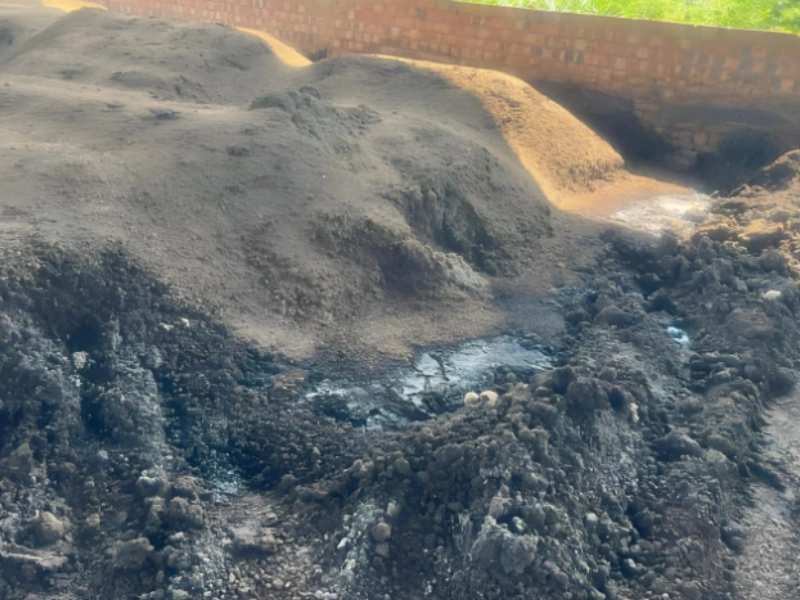
Moisture is one of the first conditions to evaluate when preparing pig manure organic fertilizer fermentation. Fresh pig manure usually contains considerable water, and the actual moisture level can vary with manure collection, storage, and handling methods.
When moisture becomes excessive, the material tends to form sticky and compacted masses. The spaces between particles become smaller, reducing air movement inside the fermentation pile. This can limit aerobic microbial activity and slow the decomposition process.
Excessive moisture can also create a chain reaction. Poor aeration increases the risk of strong odor, while compacted material becomes harder to turn and mix evenly.
> What Are the Signs of Excessive Moisture?
Several physical signs can indicate that the manure is too wet:
• The material sticks to processing equipment.
• Large wet lumps remain after mixing.
• The fermentation pile becomes compacted.
• Temperature rises slowly.
• Strong odor remains for an extended period.
• Some areas remain wet while others become relatively dry.
These signs should be checked before increasing the turning frequency. More frequent turning cannot fully correct a raw material that has an unsuitable moisture level and poor physical structure.
> How Can Excessive Moisture Be Controlled?
The practical solution is to combine the manure with suitable dry structural materials.
Depending on local availability, materials such as straw, sawdust, rice husk, corncob, and other dry carbon-rich materials can be used. They can absorb part of the excess water while improving the structure of the fermentation mixture.
Uniform mixing is equally important. If the dry material remains concentrated in only part of the mixture, moisture will still vary considerably throughout the fermentation pile.
An organic fertilizer mixer can be used before pig manure organic fertilizer fermentation to distribute pig manure and dry materials more evenly. This creates a more consistent starting condition for the pig manure organic fertilizer fermentation process.
Problem 2: Strong Odor and Ammonia Emissions During Pig Manure Organic Fertilizer Fermentation
Odor is a natural concern when processing pig manure, but excessive odor often indicates that the pig manure organic fertilizer fermentation conditions need attention.
Pig manure contains nitrogen-rich organic matter. When the material is too wet, poorly aerated, or not properly balanced with carbon-rich materials, ammonia emissions can increase. At the same time, oxygen-deficient areas inside a compacted pile can create undesirable anaerobic conditions.
For this reason, odor control should begin with the fermentation process itself.
> What Causes Strong Odor in pig manure organic fertilizer fermentation?
Several factors can contribute to strong odor.
Excessive moisture: Wet material has less available air space, making oxygen transfer more difficult.
Poor aeration: Insufficient oxygen can create anaerobic zones inside the pile.
Unbalanced raw materials: Excess nitrogen without enough suitable carbon-rich material can increase nitrogen loss.
Insufficient turning: Compacted areas may remain without adequate oxygen if the material is not properly turned.
Uneven mixing: Different parts of the pile may have different moisture and nutrient conditions.
These factors are often connected. A moisture problem can become an aeration problem, which can then become an odor problem.
>How Can Odor Be Reduced?
The first step is to improve the pig manure organic fertilizer fermentation conditions.
Excess moisture should be corrected with suitable dry materials. The mixture should then be thoroughly blended before entering the pig manure organic fertilizer fermentation stage.
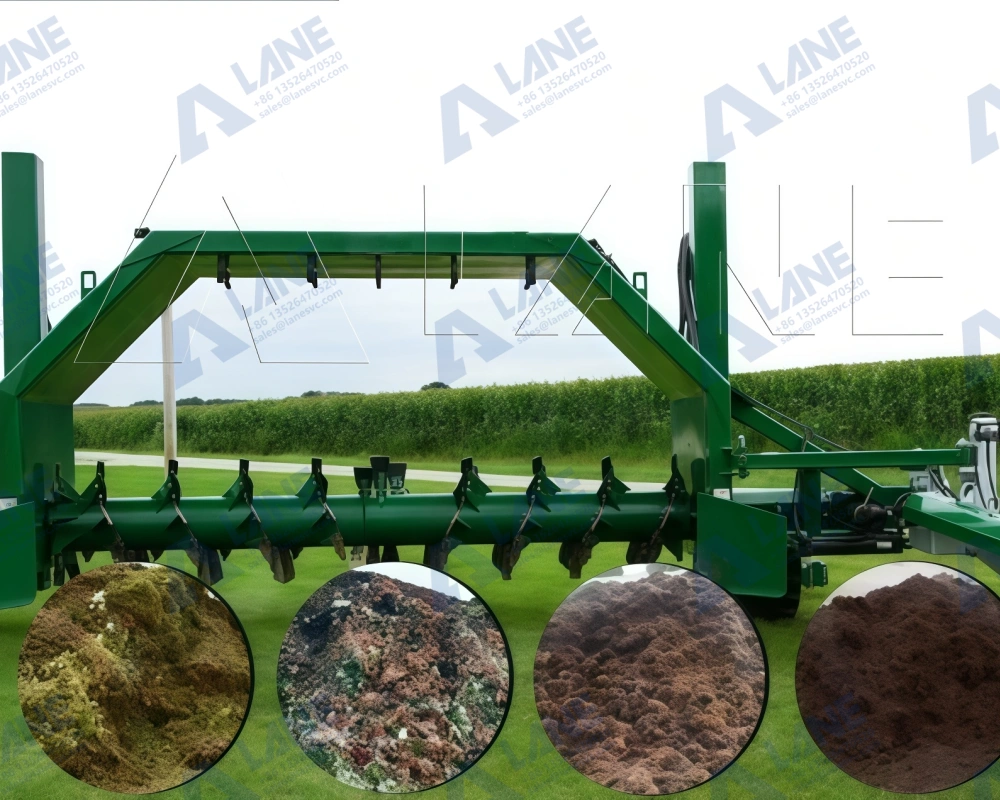
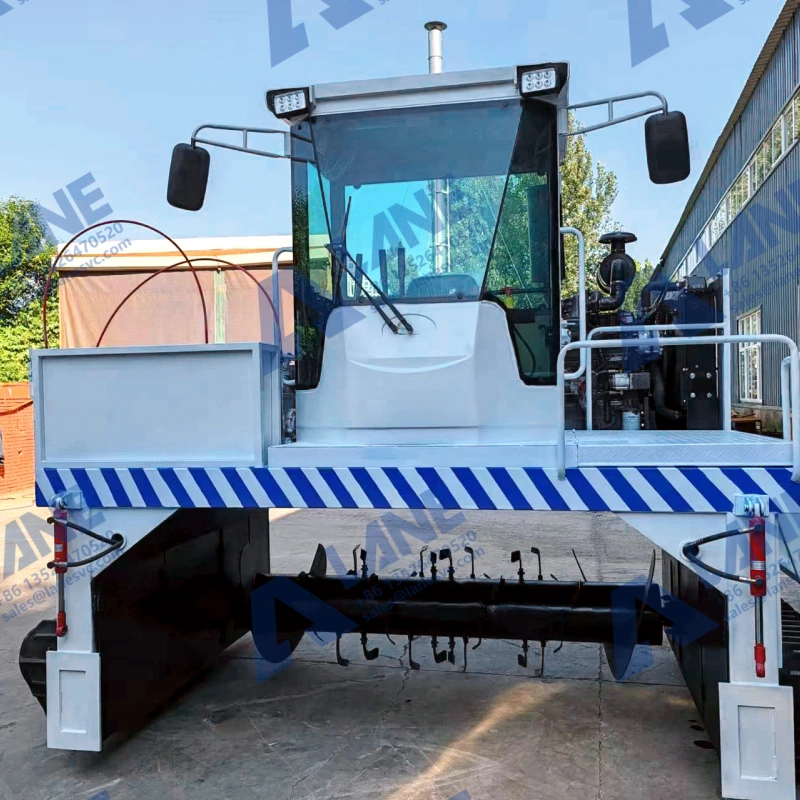
During pig manure organic fertilizer fermentation, regular turning can break compacted areas and redistribute moisture and heat. A compost turner is particularly useful for large windrow fermentation systems because it can process a large volume of material continuously.
For projects with higher environmental requirements, enclosed pig manure organic fertilizer fermentation can provide better control over ventilation and odor collection. A deodorization system can also be integrated when required by the project conditions.
The important point is that odor-control equipment should support a well-designedpig manure organic fertilizer fermentation process rather than compensate for poor raw material preparation.
Problem 3: Slow Heating Indicates Poor Pig Manure Organic Fertilizer Fermentation Conditions
A normalpig manure organic fertilizer fermentation process usually shows a noticeable temperature increase after microbial activity becomes established. When the material remains close to ambient temperature for too long, the fermentation conditions should be examined.
Temperature alone does not determine whether pig manure organic fertilizer fermentation is successful, but it is a practical indicator that can be monitored directly at a production site.
Slow heating may be caused by excessive moisture, insufficient aeration, unsuitable raw material proportions, poor mixing, or a lack of suitable biodegradable organic matter.
>Why Does Pig Manure Ferment Slowly?
The first possible cause is excessive moisture.
When water fills too much of the space between particles, oxygen transfer becomes difficult.
The second is poor material balance.
Pig manure is relatively rich in nitrogen, so suitable carbon-rich materials may be needed to improve the mixture.
The third is insufficient aeration.
Aerobic microorganisms require oxygen, and compacted material can prevent air from reaching the inner sections of the pile.
The fourth is uneven mixing.
If dry material and pig manure are not distributed properly, some sections may have suitable pig manure organic fertilizer fermentation conditions while others remain too wet or too dense.
Particle structure also matters.
Extremely wet and fine material can compact easily, while excessively large pieces may slow the breakdown of organic matter.
>How Can Slow Fermentation Be Improved?
The solution should begin with the raw material rather than simply extending thepig manure organic fertilizer fermentation period.
Moisture should first be adjusted to a suitable level. Dry structural materials can then be added when necessary.
An organic fertilizer mixer can improve the uniformity of the mixture beforepig manure organic fertilizer fermentation. This is particularly useful when pig manure is combined with several other organic materials.
Once the material enters fermentation, a compost turner can improve aeration by loosening compacted sections and redistributing heat and moisture.
For enclosed systems, controlled ventilation can provide additional process control. The appropriate aeration method depends on the fermentation system, production capacity, and raw material characteristics.
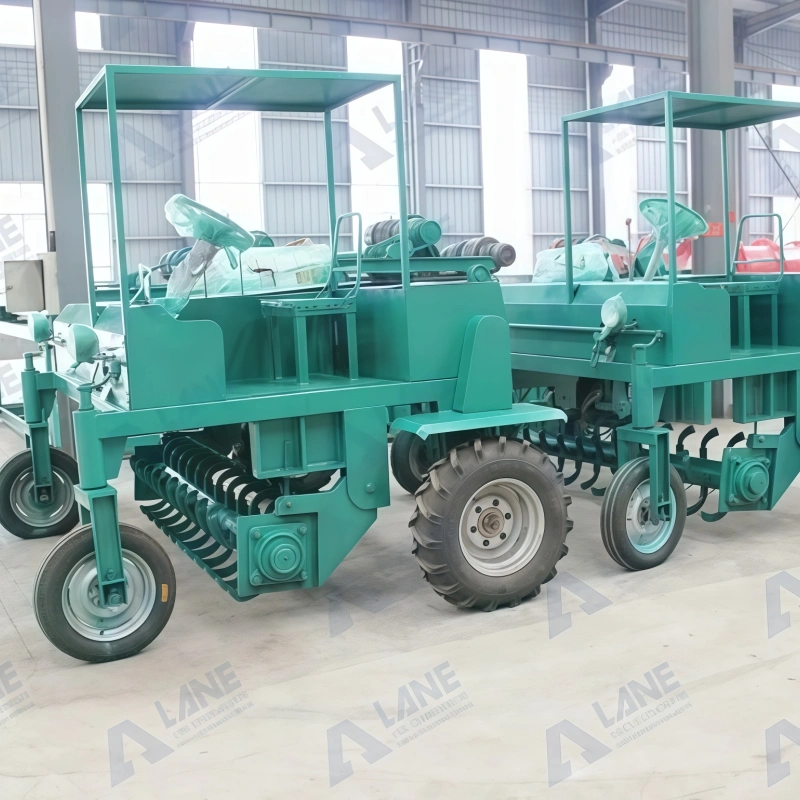
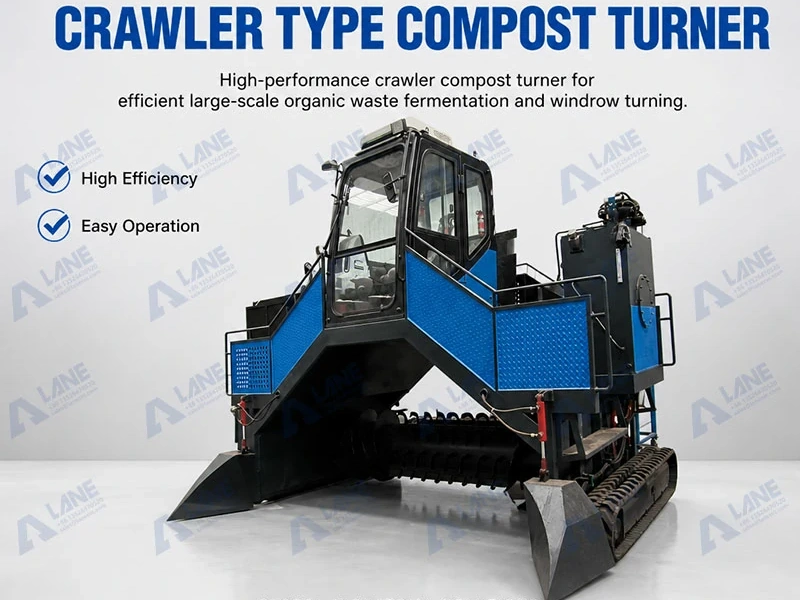
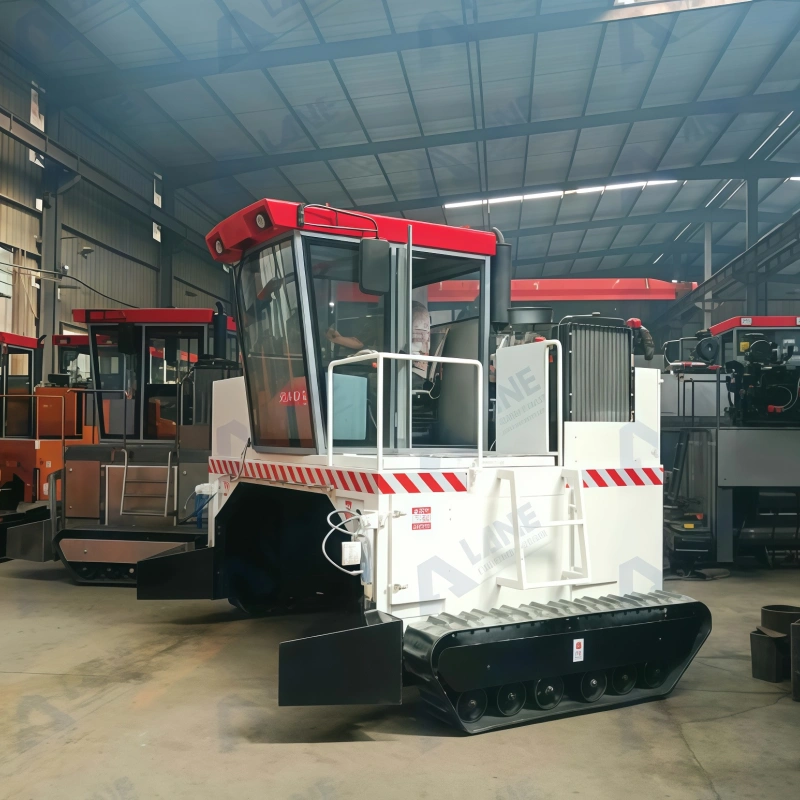
If you are interested in crawler type composting machine, you can learn about our machine’s detailed infprmation.
| Model | LALG-2500 |
| Turning Width(mm) | 2500 |
| Turning Height(mm) | 600-1000 |
| Row Spacing(mm) | 800-1100 |
| Max. Rotation Speed(r/min) | 2400 |
| Driving Speed(m/min) | 5-10(6 forwards gear; 2 reverse gear) |
| Capacity(m³/h) | 800-1000 |
| Overall Size(mm) | 2500*3300*2700 |
| Rotating Speed Of Knife Stick(r/min) | 200-300 |
| Material Particle Diameter(mm) | 200 |
Problem 4: Poor Aeration Causes Uneven Pig Manure Organic Fertilizer Fermentation
Poor aeration is one of the main reasons fermentation can become uneven.
A fermentation pile is not necessarily uniform from the outside to the center. The middle section may become hotter and wetter, while the outer material remains relatively cool. Compaction can make this difference even greater.
A surface inspection is therefore not always enough. The internal condition of the pile should also be considered when temperature, odor, or decomposition appears inconsistent.
>What Are the Common Signs of Poor Aeration?
Typical signs include:
• The center of the pile is much hotter than the outer section.
• Some areas remain wet and compacted.
• Strong odor comes from particular sections.
• Decomposition occurs at different speeds.
• Temperature changes significantly after turning.
• Large undecomposed lumps remain inside the pile.
These conditions indicate that oxygen and heat are not being distributed evenly throughout the material.
>How Does a Compost Turner Improve Aeration?
A compost turner improves aeration through mechanical turning.
During operation, compacted material is lifted and redistributed. This opens additional air spaces and exposes more material to fresh air.
Turning also redistributes heat. Material from the hot center can be moved toward the outer section, while cooler material is brought back into the active fermentation zone.
For large windrow systems, this makes the compost turner an important part of the fermentation section.
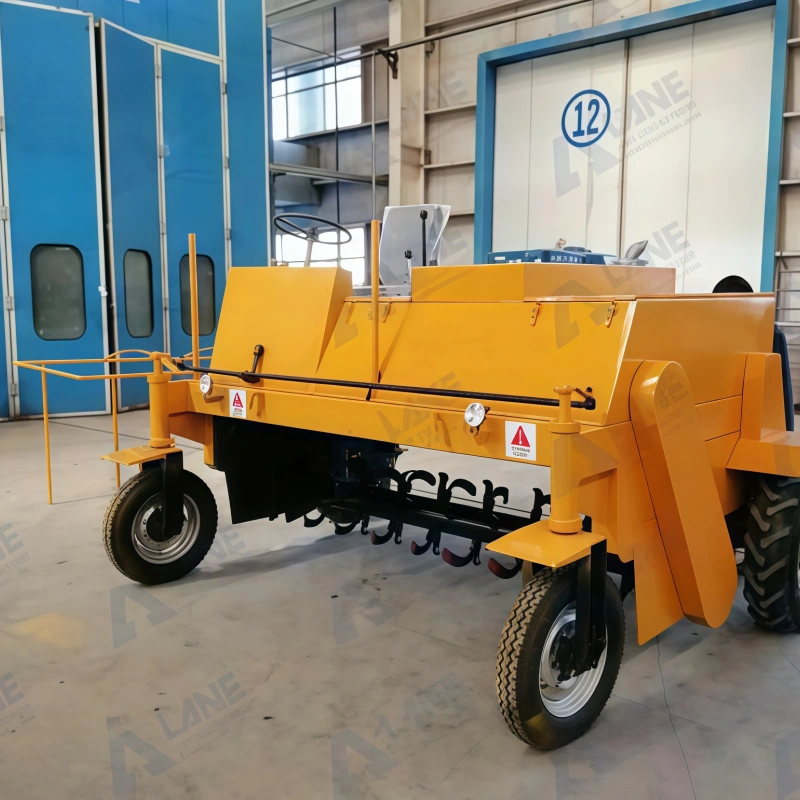
Different compost turners can be selected according to the plant capacity and site layout. A self-propelled compost turner may be suitable for some farms, while a crawler-type or larger windrow turner may be better for high-capacity projects.
Problem 5: Incomplete Decomposition Reduces Pig Manure Organic Fertilizer Fermentation Quality
Fermentation is not complete simply because the material becomes dark or begins to cool.
Incomplete decomposition means that part of the easily degradable organic matter remains active. If this material enters the next processing stage too early, it may continue changing during drying, granulation, storage, or transportation.
This can affect the stability of the final fertilizer product.
>How Can Fermentation Completion Be Evaluated?
Temperature stability is one practical indicator.
After the active fermentation stage, the material should gradually return toward a stable temperature. Strong reheating after normal handling can indicate that decomposition is still continuing.
Odor is another useful indicator. The strong odor associated with fresh pig manure should become significantly weaker as fermentation progresses.
Physical structure should also change. Properly fermented material is generally more uniform and easier to handle, with fewer large wet lumps.
For commercial projects with strict quality requirements, additional laboratory indicators can be used to evaluate compost maturity and stability.
>Why Is Complete Fermentation Important Before Granulation?
The condition of the fermented material directly affects downstream processing.
Material that is still excessively wet or sticky can cause difficulties in crushing and screening. Uneven material can also affect granulation and result in inconsistent particle sizes.
This is why fermentation should be considered an important preparation stage for the complete fertilizer production line.
What Equipment Is Used After Pig Manure Organic Fertilizer Fermentation?
Once fermentation is complete, the next process depends mainly on the required fertilizer form.
Powder fertilizer generally requires fewer downstream processes. Granular fertilizer normally requires additional crushing, screening, granulation, drying, and packing.
The equipment should be selected according to the actual condition of the fermented material.
> Crushing and Screening
Fermented pig manure may still contain large lumps. An organic fertilizer crusher can reduce these lumps and create a more uniform material for further processing.
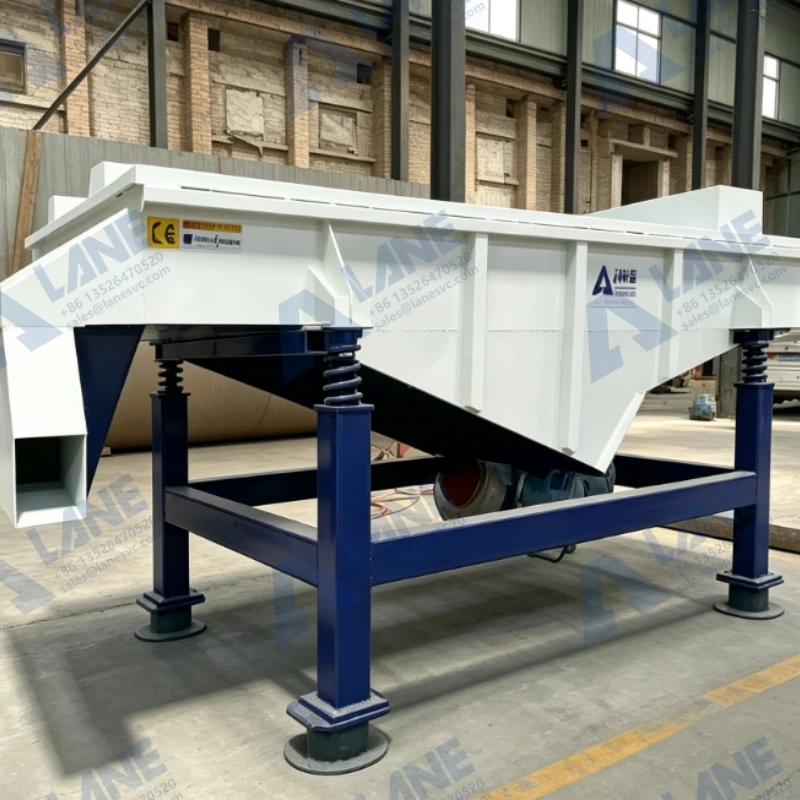
A fertilizer screening machine can then separate oversized particles and prepare the material for granulation or final use.
The selection of the crusher should consider material moisture and stickiness. Very wet material may require additional drying or conditioning before efficient crushing.
> Granulation and Drying
If the final product is granular pig manure organic fertilizer, the prepared material can be sent to an organic fertilizer granulator.
The choice of granulator depends on production capacity, raw material characteristics, required particle size, and final fertilizer specifications.
After granulation, the product may still contain excessive moisture. A rotary dryer can be used to reduce moisture and improve storage stability.
Drying conditions should be selected according to the actual fertilizer material. Excessive drying can waste energy, while insufficient drying can cause storage and packaging problems.
> Screening and Packing
After drying, the fertilizer granules can pass through a screening machine for final size classification.
Qualified granules are separated from oversized and undersized material. Recyclable material can be returned to the appropriate production stage.
The qualified product can then enter an automatic fertilizer packing machine. Automatic weighing and packing can improve production efficiency and provide more consistent bag weights for commercial fertilizer production.
How to Design a Pig Manure Organic Fertilizer Production Line
A complete production line should be designed according to the raw material, fermentation method, production capacity, and final product.
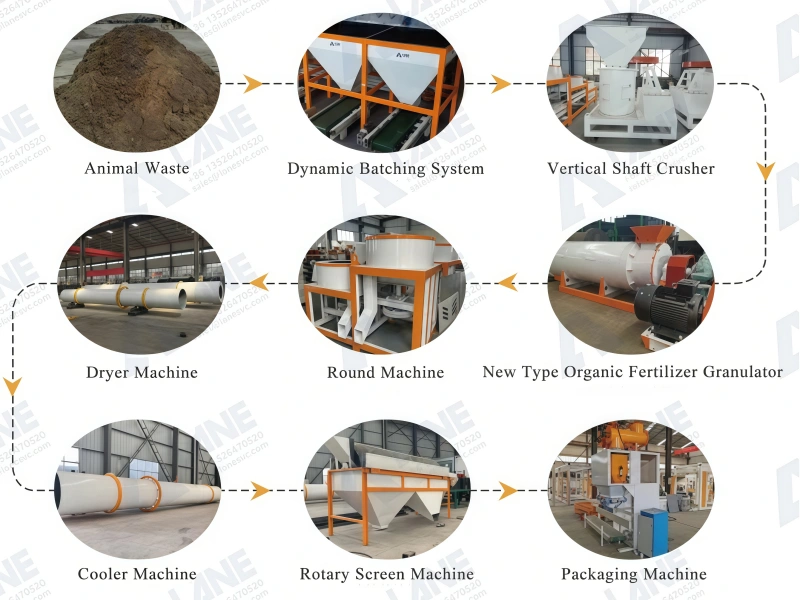
A typical granular process may follow this sequence:
Pig Manure → Crushing → Mixing → Fermentation → Crushing → Screening → Granulation → Drying → Screening → Packing
However, this process is not fixed for every project.
If the incoming manure already has a suitable particle size, the first crushing stage may be reduced or removed.
If the customer produces powder fertilizer, granulation and drying may not be required in the same form.
If the project has strict odor requirements, enclosed fermentation and a deodorization system can be added.
For high-capacity plants, automatic feeding equipment and belt conveyors can also be integrated between the major processing stages.
> What Should Be Checked Before Choosing Fermentation Equipment?
Several factors should be confirmed before selecting the fermentation system.
Raw material moisture
Moisture affects mixing, aeration, fermentation speed, and equipment performance.
Raw material composition
The available carbon-rich materials determine how the pig manure should be conditioned.
Daily processing capacity
The fermentation method and equipment size must match the amount of manure processed every day.
Available land
Open windrow fermentation requires sufficient space for fermentation piles and equipment movement.
Environmental requirements
Projects with strict odor-control requirements may benefit from enclosed fermentation and deodorization equipment.
Final fertilizer type
Powder and granular products require different downstream processing systems.
Required automation level
Large commercial plants may require automatic feeding, conveying, weighing, and packing systems.
A Practical Process for Solving Pig Manure Organic Fertilizer Fermentation Problems
The most effective approach is to solve fermentation problems in the order in which they occur.
Start with the raw material.
• If moisture is too high, correct it before fermentation.
• If the mixture is uneven, improve mixing.
• If the pile is compacted, improve aeration and turning.
• If temperature development is slow, check moisture, raw material balance, and oxygen supply.
• If strong odor remains, identify whether moisture or anaerobic areas are contributing to the problem.
• If decomposition is incomplete, confirm that the material has reached a stable condition before sending it to the next processing stage.
This approach prevents one machine from being expected to solve every problem.
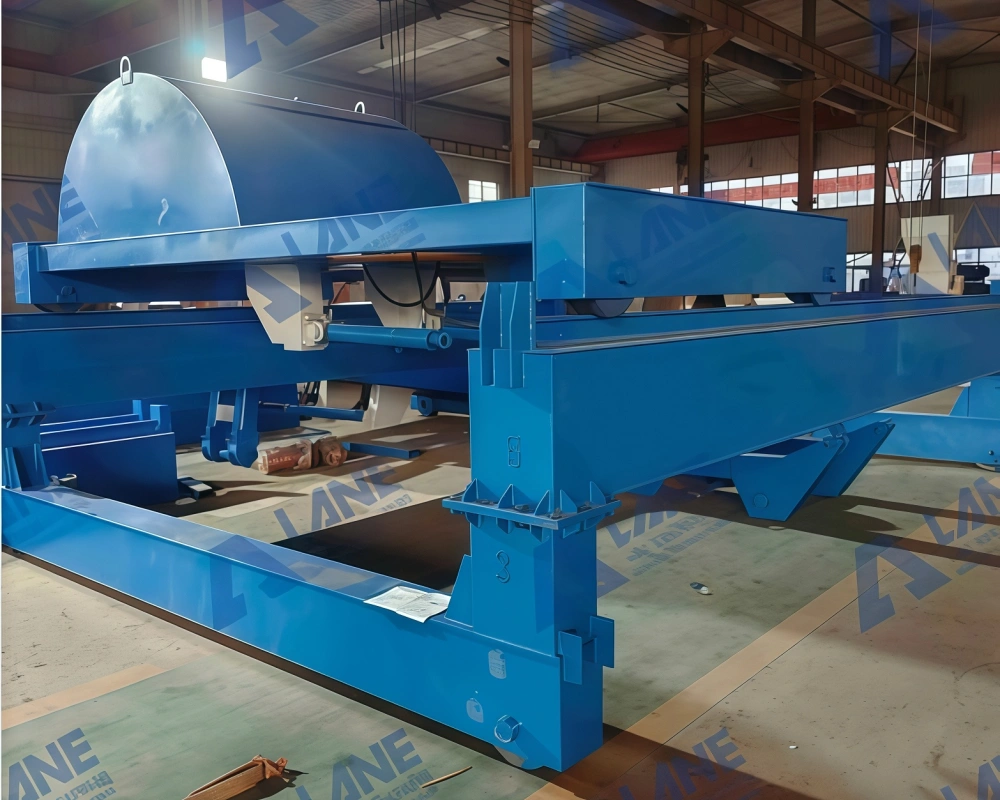
A mixer improves raw material uniformity. A compost turner improves the physical condition and aeration of the fermentation pile. A fermentation tank provides a more controlled environment when enclosed processing is required. Crushing, screening, granulation, drying, and packing equipment then complete the fertilizer production process.
Final Thoughts on Pig Manure Organic Fertilizer Fermentation
Pig manure has good potential as an organic fertilizer raw material, but fermentation quality depends on controlling several conditions at the same time.
The main problems are excessive moisture, strong odor, slow heating, poor aeration, and incomplete decomposition. These problems are closely connected. Excess moisture can reduce aeration, poor aeration can slow decomposition, and incomplete fermentation can create difficulties in downstream fertilizer processing.
For a commercial pig manure organic fertilizer project, the most reliable solution is to evaluate the raw material first and then build the equipment configuration around it.
A well-designed system may include crushing, mixing, compost turning or enclosed fermentation, screening, granulation, drying, and automatic packing. The exact configuration should depend on the manure characteristics, production capacity, site conditions, environmental requirements, and final fertilizer specification.
LANE Good fermentation is not simply a matter of waiting for the material to decompose. It is a controlled production stage that determines how smoothly the rest of the fertilizer line will operate.