Why Liquid Organic Fertilizer Processing Equipment Is a Global Agricultural Must-Have
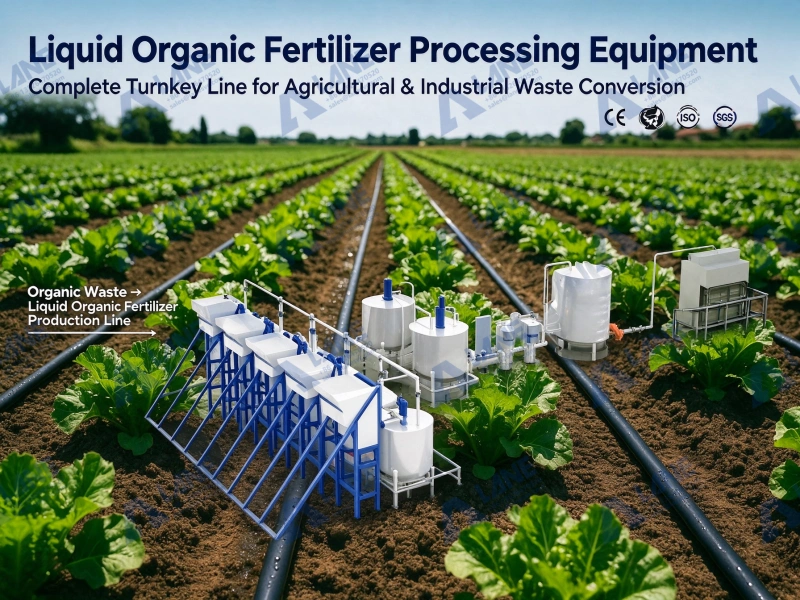
The global organic farming industry keeps expanding, which pushes up market demand for liquid organic fertilizer sharply. Traditional solid fertilizers carry obvious drawbacks, and liquid organic fertilizer is steadily replacing them across the industry.
Core advantages of liquid fertilizer over solid fertilizer
Lower transportation costs → Highly concentrated liquid fertilizer comes with smaller volume, cutting logistics expenses and storage space significantly.
Higher crop nutrient uptake rate → Nutrients exist in ionic form, ready for direct absorption by crops; its fertilizer efficiency is 2 to 3 times that of solid fertilizer.
Perfect match with modern irrigation systems → It can be directly fed into drip and sprinkler irrigation pipelines, slashing manual fertilization costs.
Investing in a professional set of Liquid Organic Fertilizer Processing Equipment has turned into a rigid requirement for agricultural enterprises and environmental protection plants. Following the business logic of raw material sourcing → core equipment → end application → global market → project cases, this article fully unpacks the profit model brought by Liquid Organic Fertilizer Processing Equipment.
Raw Material Sourcing
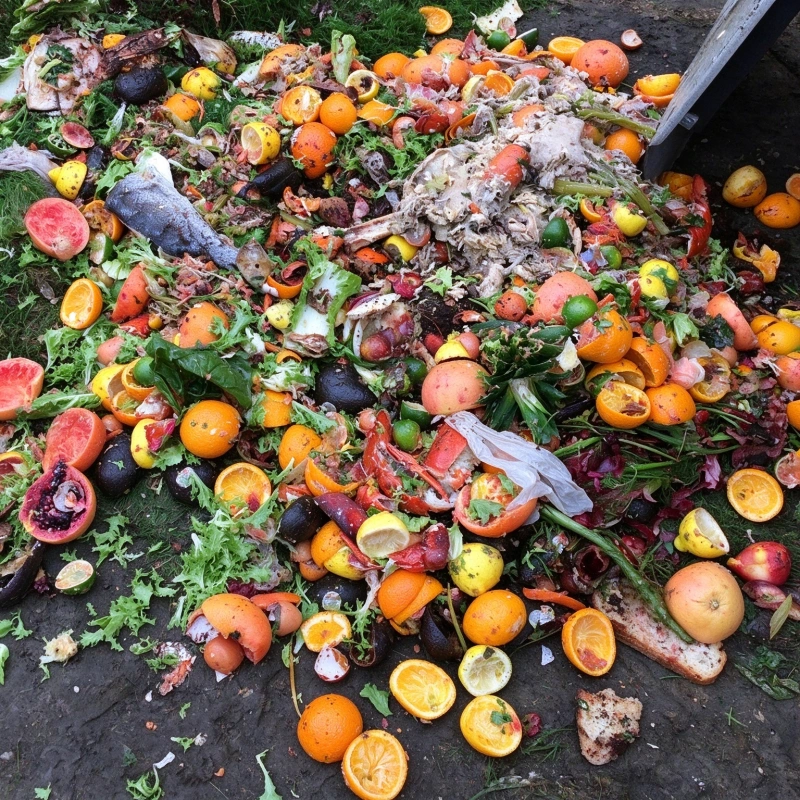
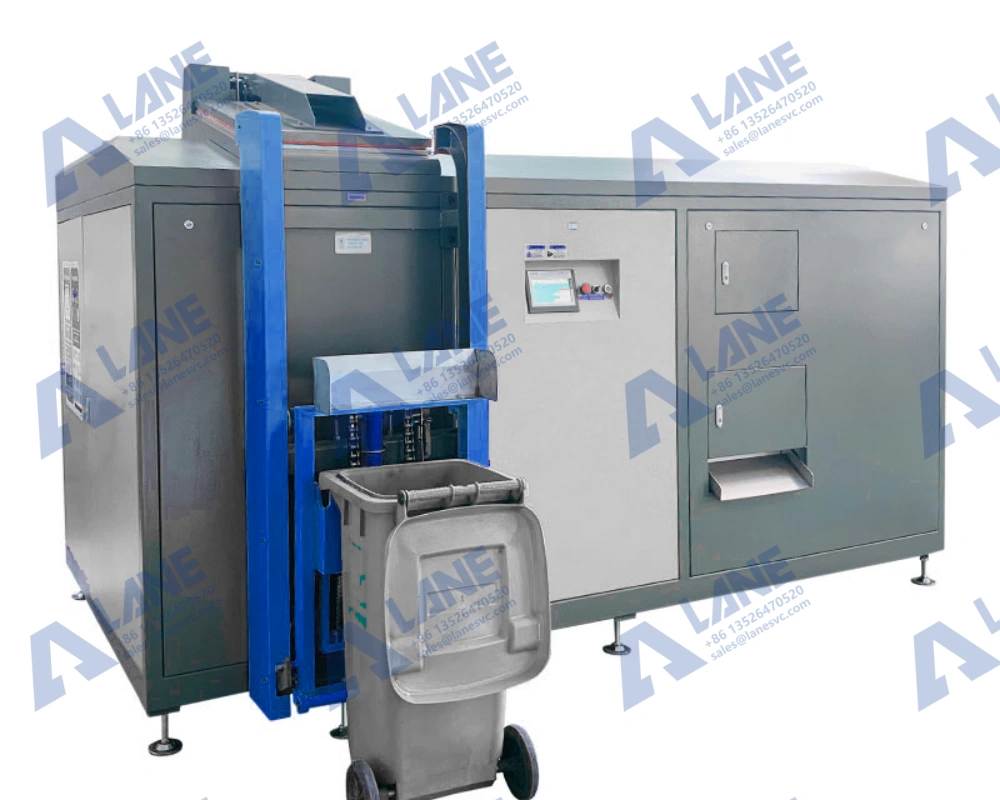
Liquid organic fertilizer production comes with ultra-low raw material costs. Factories can scale up production by reusing their daily organic waste with the support of Liquid Organic Fertilizer Processing Equipment.
Four major feedstock categories & corresponding equipment requirements
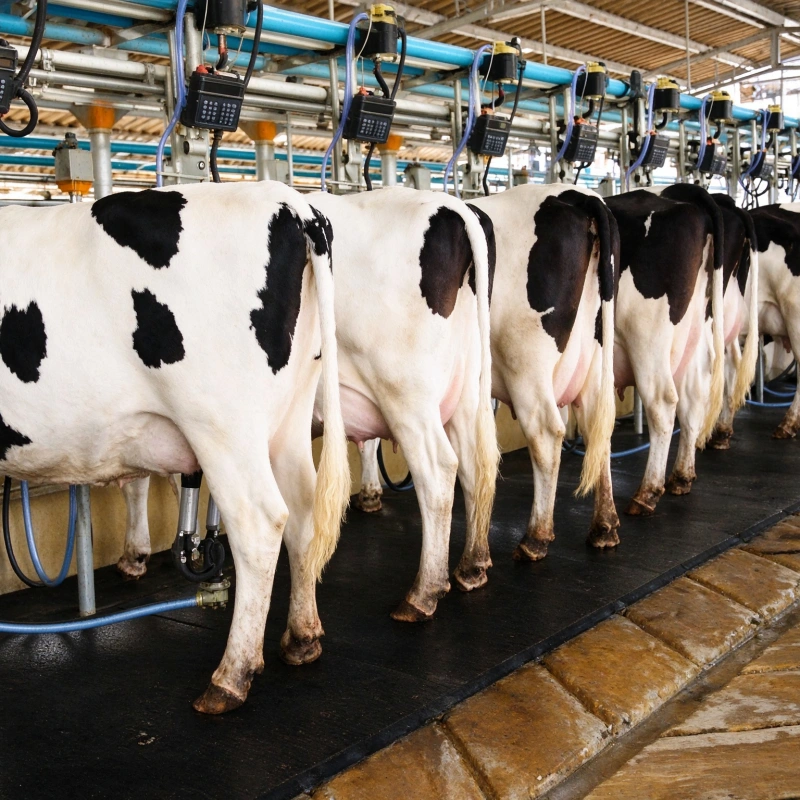
Livestock manure (pig, cattle, sheep, chicken waste) → High crude fiber and impurities → Front-end crushing and solid-liquid separation units are required.
Crop straw and silage waste liquid → High cellulose content → Equip high-efficiency enzymatic hydrolysis tanks and microbial agent dosing systems.
Food industrial wastewater (brewing, starch processing, slaughterhouse waste water) → Prone to spoilage and odor emission → Use corrosion-resistant stainless steel tanks plus tail gas deodorization systems.
Municipal sludge and kitchen waste → High oil and salt content → Add oil-water separation and high-temperature sterilization modules.
Raw material collection radius & production capacity matching
Collection radius → Keep it within 15 to 30 kilometres; long-distance hauling will drive up raw material costs.
Capacity matching
Small family farms within a 10-kilometre radius → Pair with Liquid Organic Fertilizer Processing Equipment with daily output of 1–3 tons.
Large-scale processing hubs covering a 30-kilometre radius → Select industrial-grade Liquid Organic Fertilizer Processing Equipment with daily output above 10 tons.
Liquid Organic Fertilizer Processing Equipment
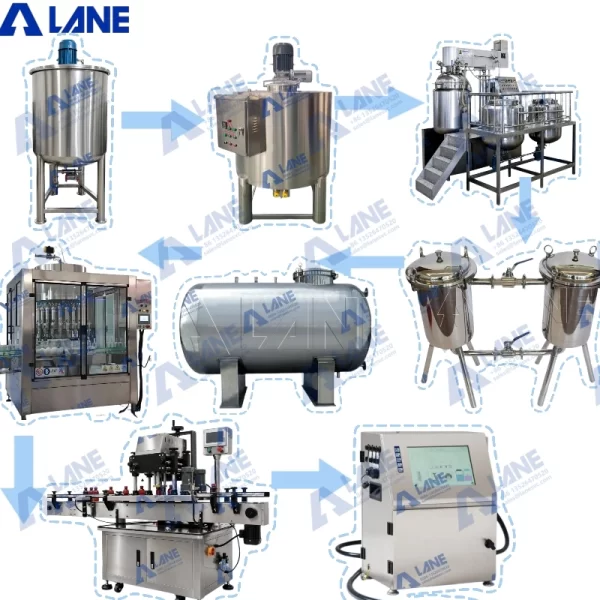
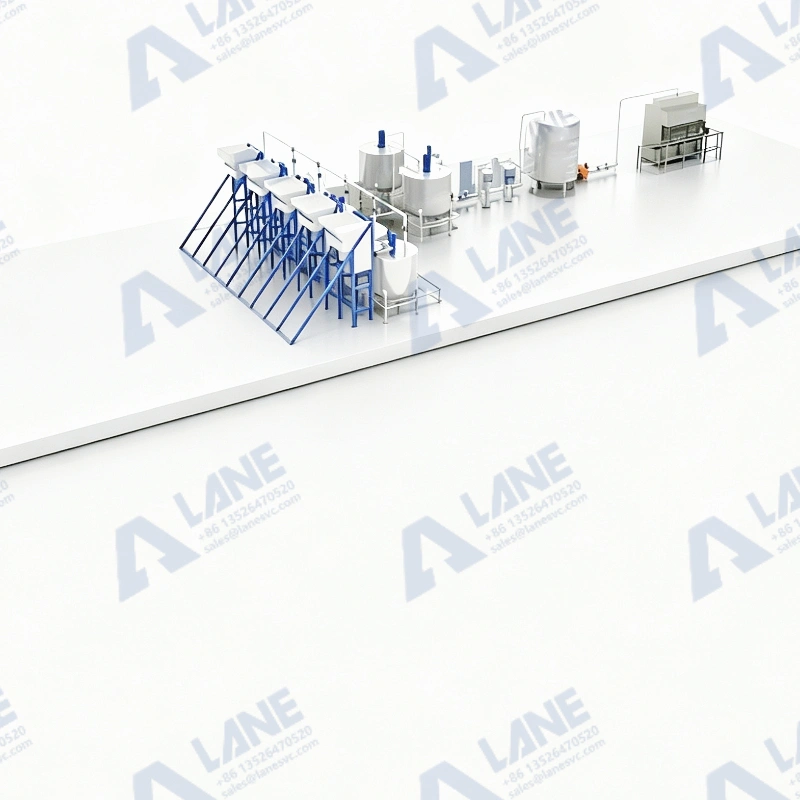
A complete set of Liquid Organic Fertilizer Processing Equipment covers six standardized production stages.
Standard production workflow Raw material pretreatment → Solid-liquid separation → Constant-temperature fermentation → Fine homogenization → Instant sterilization → Automatic filling.
Comparison & selection criteria for key standalone machines
表格
| Equipment Type | Model Options | Application Scenarios | Core Features |
|---|---|---|---|
| Solid-liquid Separator | Screw Press | Pig manure, cattle manure & other high-fiber materials | Low procurement cost |
| Horizontal Decanter Centrifuge | Chicken manure, starch wastewater with fine particles | Produces clearer liquid output | |
| Fermentation System | Open-air Fermentation Ponds | Sufficient land, low environmental constraints | Large footprint, weather-dependent, hard to control odors |
| Closed Fermentation Tanks | Strict environmental protection standards | Finishes full decomposition in 3–7 days, zero odor leakage | |
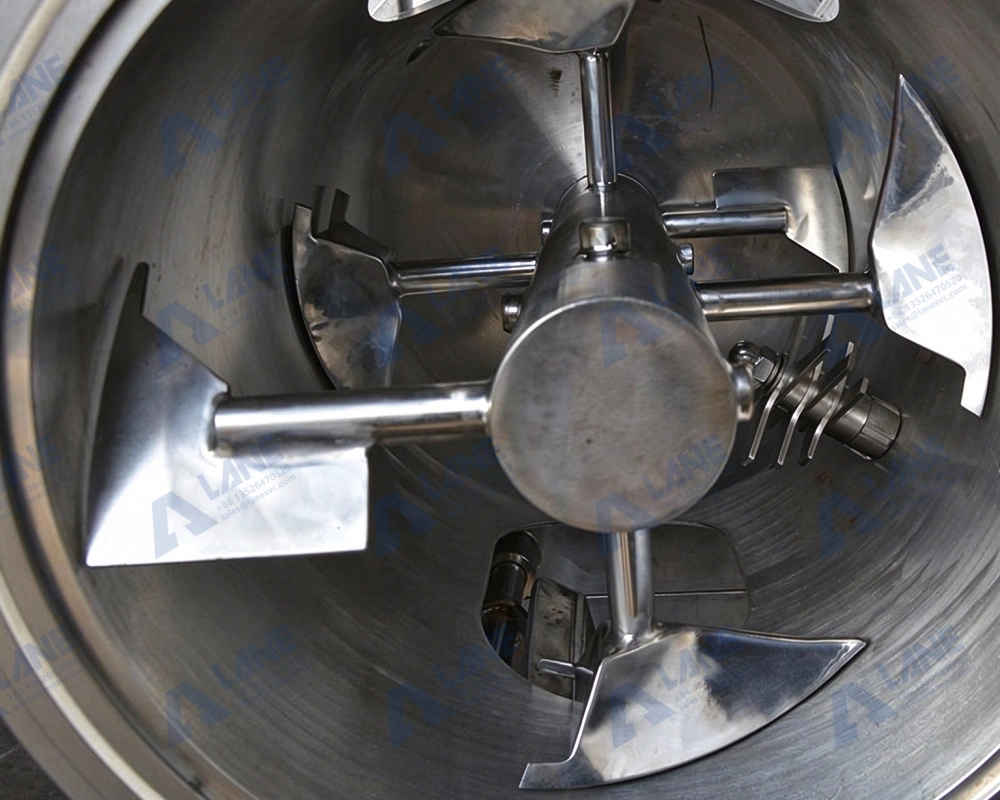
| Homogenizing Unit | High-shear Emulsifier + Precision Filter | All liquid fertilizer production lines | Avoids finished product stratification; filtration accuracy ≥100 mesh, no drip nozzle clogging |
| Automatic Filling Line | 1L–5L small bottles | Retail consumer market | Small-batch packaged goods |
| 20L–200L plastic drums | Medium-sized crop farms | Bulk wholesale delivery | |
| 1000L IBC tanks & flexitanks | Large plantations | Mass bulk transportation |
Three capacity tiers for Liquid Organic Fertilizer Processing Equipment
Daily output below 1 ton → For family farms and cooperatives for self-use; low initial investment.
Daily output 1–5 tons → The most popular commercial-grade Liquid Organic Fertilizer Processing Equipment, ideal for regional fertilizer manufacturers.
Daily output 5–20 tons and above → Fitted with fully automatic PLC control systems, designed for large livestock groups and food processing plants.
End Applications
Liquid organic fertilizer produced from Liquid Organic Fertilizer Processing Equipment enjoys obvious premium pricing in agricultural end markets.
Three major buyer groups
Cash crop farms → Fruit, vegetable, coffee and tea growers chasing higher yields and better produce quality.
Certified organic farming bases → Chemical fertilizers are banned; they maintain rigid long-term demand for organic liquid fertilizer.
Home gardening & golf courses → Require odor-free, safe and fast-acting fertilizer; retail profit margins stay high.
Field application methods
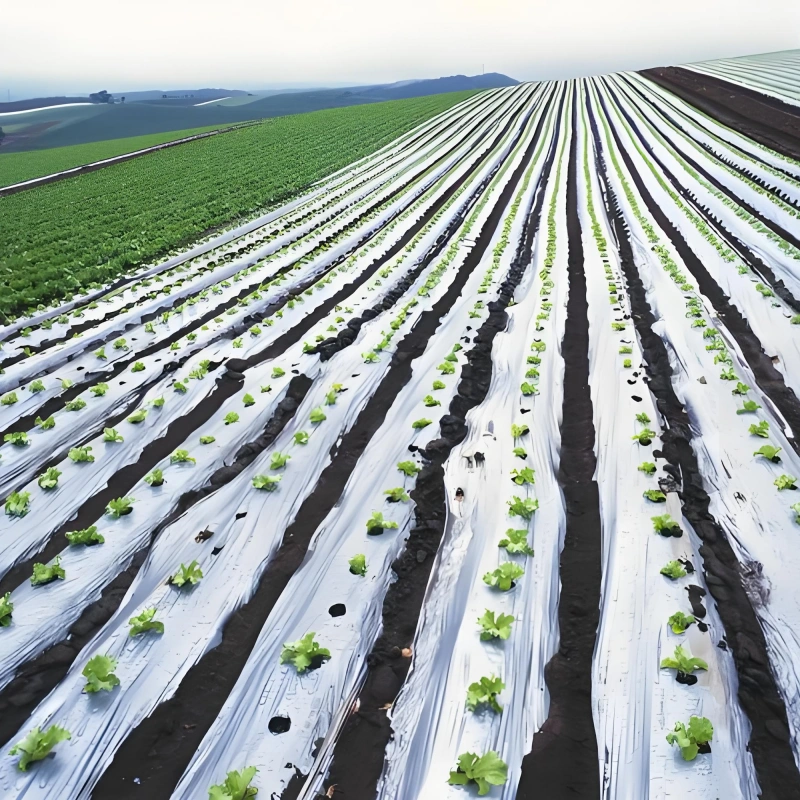
Drip & sprinkler irrigation → Dilute the fertilizer 100–300 times and apply with irrigation water; nutrients reach crop roots directly.
Foliar spraying → Dilute 500–800 times for leaf spray; crops absorb nutrients within 24 hours for fast results.
Pricing premium & sales strategies
Premium logic → Liquid fertilizer boosts crop sugar content and fruit appearance → Farm produce can be sold at a 15%–30% higher price → Farmers are willing to pay extra for this liquid fertilizer.
Bulk drum sales → Sell 200L drum-packed fertilizer to large farms for fast capital recovery.
Annual supply contracts → Lock in full-year fertilizer orders from plantations to secure steady sales.
Small-package retail → Fill 500ml–1L branded products for garden stores to gain high profit margins.
Global Regional Market Analysis
Agricultural structures vary across global regions, so Liquid Organic Fertilizer Processing Equipment needs custom adjustments to solve local pain points.
Southeast Asia (Vietnam, Thailand, Indonesia)
Market traits → Dense rice, rubber and tropical fruit plantations, plus concentrated livestock breeding.
Core pain point → High temperature and humidity make open-air fermentation extremely smelly, leading to heavy fines from environmental authorities.
Recommended equipment → Modular medium & small-size Liquid Organic Fertilizer Processing Equipment fitted with closed fermentation tanks and biological deodorization systems.
Africa (Nigeria, Kenya, South Africa)
-
- Market traits → Agriculture is the main industry; chemical fertilizers are mostly imported with inflated prices.
- Core pain point → Unstable grid power with frequent blackouts; few local technicians for equipment maintenance.
- Recommended equipment → Heavy-duty semi-automatic Liquid Organic Fertilizer Processing Equipment with low energy consumption; compatible with diesel generator power supply, simple structure for easy local repair.
Latin America (Brazil, Mexico)
Market traits → Large-scale soybean, coffee and sugarcane plantations cover vast farmland.
Core pain point → Long-distance hauling of raw materials and finished fertilizer pushes up logistics costs sharply.
Recommended equipment → Container-mounted mobile Liquid Organic Fertilizer Processing Equipment, which can be transported directly to farm sites for on-site production.
Europe (Italy, Spain, Eastern Europe)
Market traits → Strict organic farming regulations; governments offer generous subsidies for circular agriculture projects.
Core pain point → Ultra-high environmental emission standards plus steep labour costs.
Recommended equipment → Fully intelligent automated Liquid Organic Fertilizer Processing Equipment with biogas and waste heat recovery systems to meet EU environmental norms.
Client Cases
The following real production data from overseas clients proves the strong return on investment brought by Liquid Organic Fertilizer Processing Equipment.
Case 1: Dairy Farm in Kenya
Raw materials → Manure and flushing wastewater from 200 dairy cows every day.
Equipment → 3-ton daily capacity closed odor-control Liquid Organic Fertilizer Processing Equipment.
Sales channels → Supply export-oriented rose flower farms and avocado plantations locally.
Profit performance → Environmental complaints are fully resolved; monthly net profit hits around 3,000 US dollars, with full equipment investment recovered within 11 months.
Case 2: Cassava Starch Factory in Vietnam
Raw materials → Cassava starch wastewater from the factory plus low-cost chicken manure sourced from surrounding livestock farms.
Equipment → Medium modular Liquid Organic Fertilizer Processing Equipment.
Sales channels → Sell to nearby rubber plantations, coffee farms and dragon fruit bases.
Profit performance → Wastewater treatment fees are drastically cut; monthly net profit reaches roughly 5,000 US dollars, plus extra government environmental subsidies.
Conclusion & Call to Action
Turning organic waste into steady profits hinges on picking the right production machinery. The entire commercial closed loop is crystal clear: Organic waste → Liquid Organic Fertilizer Processing Equipment → High-activity liquid organic fertilizer → Sustainable business profit.
As a professional fertilizer machinery manufacturer, we deliver full turnkey project services from site planning to formal production:
Solution design → Free customized production formulas and 3D factory layout drawings based on your raw materials and plant space.
Equipment manufacturing → All units adopt corrosion-resistant stainless steel and support voltage standards of different countries to guarantee long-term stable operation of Liquid Organic Fertilizer Processing Equipment.
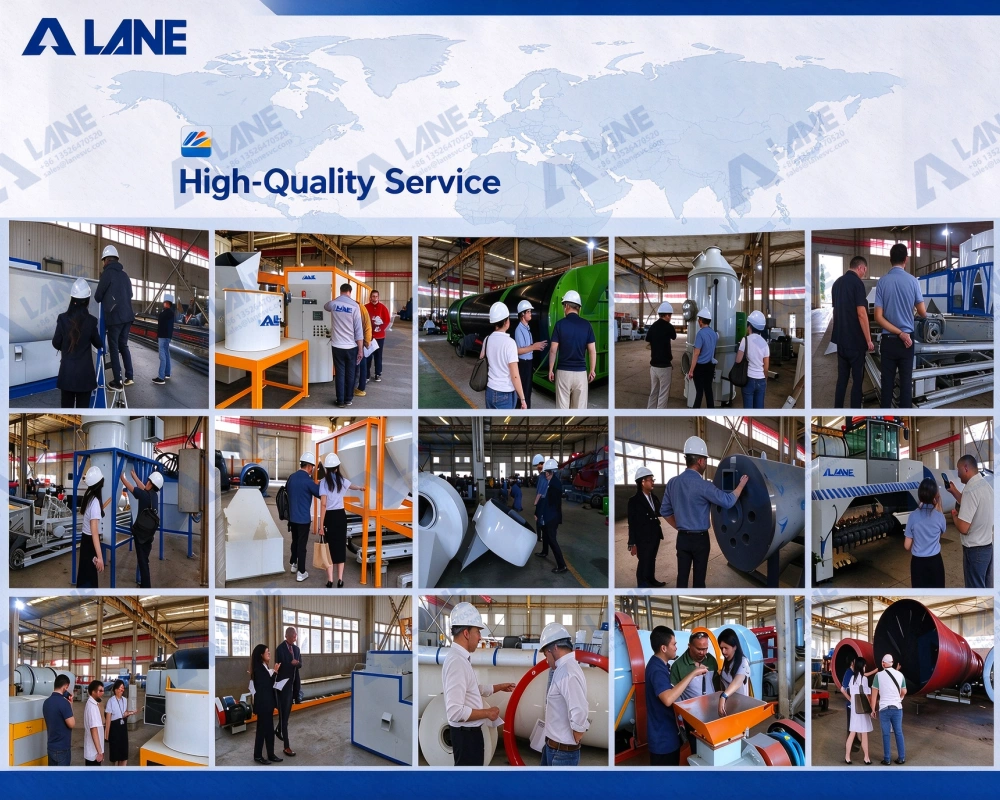
On-site installation & training → Our engineers travel overseas to complete commissioning, and train local workers to master the whole operation process.
Invest in a professional set of Liquid Organic Fertilizer Processing Equipment today, and turn waste resources around you into consistent profit streams.
To get the detailed equipment configuration list and factory quotation, please send us the following information:
Type of raw materials (e.g. cattle manure, chicken manure, starch wastewater) and daily waste volume
Target daily production capacity & your country of operation
Power supply conditions on your factory site
We will tailor a dedicated investment plan for your Liquid Organic Fertilizer Processing Equipment.