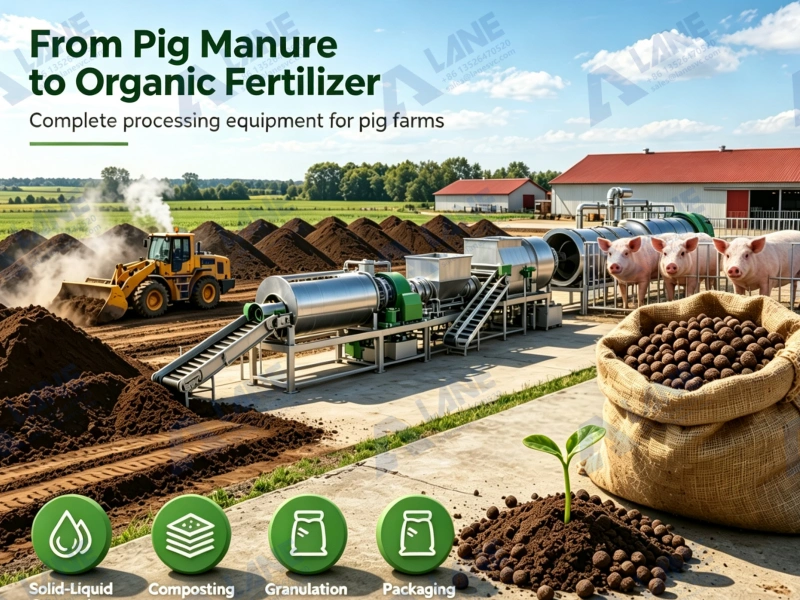
Livestock and Poultry Manure Composting: How to Set a Reasonable Turning Frequency?
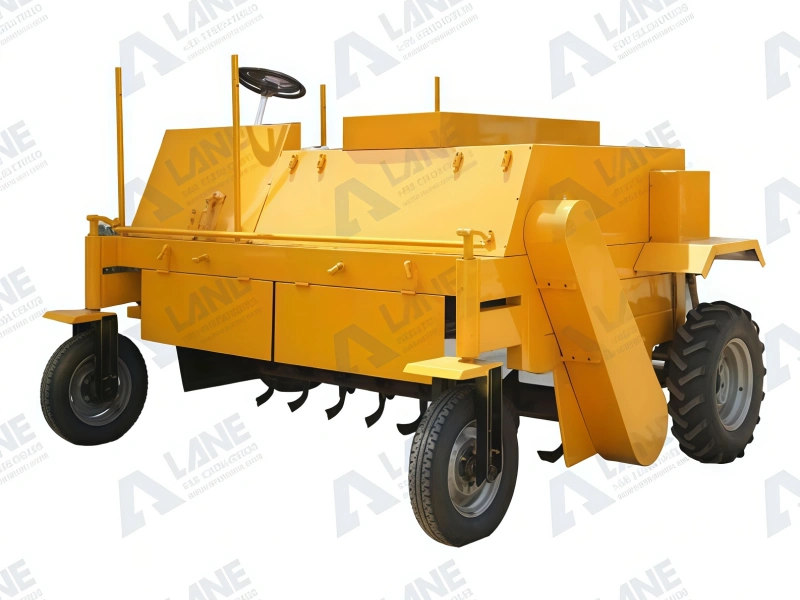
In the aerobic composting process of using animal and poultry manure to make organic fertilizer, the frequency of animal and poultry manure composting directly affects the fermentation temperature rise speed, deodorization effect, and the quality of compost products. Many organic fertilizer manufacturers cannot reasonably control the frequency of livestock and poultry manure composting, causing the fermentation cycle to lengthen and the composting workshop to continue to emit unpleasant odors.
This article analyzes various factors that affect the composting cycle, provides phased composting specifications for suitable manure raw materials, and explains how self-propelled composters can achieve standardized composting operations in livestock and poultry manure composting projects.
Why Livestock and Poultry Manure Composting Frequency Affects Fermentation Effect
Whether the material pile can maintain a stable aerobic environment largely depends on regular turning operations. Unreasonable frequency of livestock and poultry manure composting will break the internal balance of the material pile and hinder the activity of beneficial microorganisms.
Continuously Supply Oxygen to Material Piles through Reasonable Turning
Adequate oxygen is the basic condition for aerobic fermentation. Regularly turn over and compact the manure layer to eliminate anaerobic areas inside. The appropriate frequency of livestock and poultry manure composting can maintain the oxygen content in the ideal range for microbial reproduction.
Balance Pile Temperature and Protect Beneficial Microorganisms
In the early stage of composting, the pile will heat up quickly. If the frequency of composting animal and poultry manure is too low, it will cause the temperature to remain too high, killing beneficial microorganisms. Moderately turning the pile evenly disperses heat and prevents local overheating.
Accelerate Water Evaporation and Reduce Odor Emissions
The water inside the fecal lump will generate foul-smelling gases such as hydrogen sulfide. The frequency of turning the internal moist material in the scientific livestock and poultry manure composting accelerates the evaporation of water and reduces the emission of foul odor.
Mix Raw Materials Evenly to Promote Feces Decomposition
The uneven distribution of feces, straw, and mycelium will restrict the fermentation process. The regularity of turning the pile realizes the full mixing of all kinds of raw materials, and the reasonable frequency of livestock and poultry manure composting ensures that the decomposition speed of the whole pile material remains consistent.
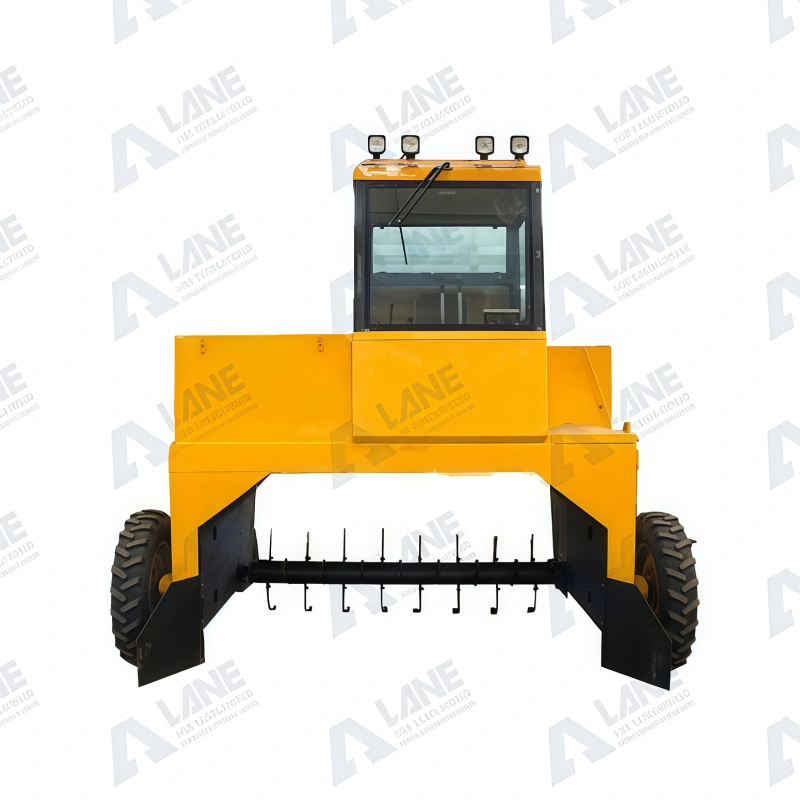
Key Factors Determining Livestock and Poultry Manure Composting Frequency
There is no uniform turning cycle that applies to all composting projects. The factory needs to adjust the frequency of livestock and poultry manure composting according to the actual production conditions, and cannot mechanically apply the same standard.
- Initial Water Content of Livestock and Poultry Manure Raw Materials
The water content of fresh livestock and poultry manure is generally high, and raw materials with humidity above 65% are easily compacted to form an anaerobic environment, requiring higher frequency of livestock and poultry manure composting. Adjusted dry mix can appropriately lengthen the turning interval.
- Environmental Temperature and Seasonal Climate Changes
In the summer, the external temperature is high, the activity of microorganisms is enhanced, the temperature of the material pile rises quickly, and the frequency of turning the pile needs to be increased; The fermentation process in the low-temperature winter environment slows down, and the frequency of livestock and poultry manure composting can be reduced moderately.
- Carbon-to-Nitrogen Ratio of Composting Raw Materials
The carbon-to-nitrogen ratio should be maintained between 25:1 and 30:1 for smooth fermentation. When the proportion of feces is too high and the nitrogen content increases, it is necessary to shorten the turning interval and increase the frequency of composting livestock and poultry manure.
- Specifications and Dimensions of Compost Piles
The internal air permeability of the pile of large width and height is poor, and the higher the specification of the pile, the higher the requirement for the frequency of turning over. The narrow strip pile built in the small workshop can adopt a lower frequency of livestock and poultry manure composting.
- Expected Overall Fermentation Production Cycle
Enterprises that pursue short fermentation cycles need to increase the frequency of livestock and poultry manure composting and speed up the process of rotting; Factories that plan for a longer composting period can use a more spaced-out turning arrangement.
| Model | LAZF-2000 |
|---|---|
| Capacity(m³/h) | 400-500 |
| Turning Width(mm) | 2000 |
| Turning Height(mm) | 600-800 |
| Row Spacing(mm) | 500-800 |
| Required Material Particle(mm) | 250 |
| Power (diesel engine) | 36HP-water cooling-Electric starting |
| Max. Rotation Speed(r/min) | 2200 |
| Rated Speed(r/min) | 2200 |
| Working Speed(m/min) | 7.5-8 |
| Driving Speed(m/min) | 50(3 forwards gear; 1 reverse gear) |
| Turning Blades Diameter(mm) | 600 |
Phase-by-Phase Turning Specifications to Optimize Livestock and Poultry Manure Composting Frequency
The complete aerobic composting process can be divided into three stages, and operators should set different composting frequencies for each stage to balance fermentation efficiency and operating costs.
> Heating Stage: Initial Pile Turning Operation Specifications
After the raw materials are stacked, the microorganisms will start to reproduce, and the temperature will gradually rise. It is recommended to turn over the pile every 2-3 days. The frequency of stable livestock and poultry manure composting in this stage helps the material pile smoothly enter the high-temperature stage.
> High Temperature Stage: Harmless Sterilization Turning Cycle
During the high temperature stage, the temperature should be maintained above 55 ℃ continuously to achieve harmless treatment, and the pile should be turned over once every 1~2 days. The appropriate frequency of livestock and poultry manure composting extends the effective high temperature time, killing bacteria and weed seeds.
> Cooling and Maturing Stage: Appropriately Reduce Turning Frequency
When the temperature of the material pile continues to fall, the activity of microorganisms decreases, and the factory can lengthen the interval and reduce the frequency of composting animal and poultry manure, adjusting it to turn over once every 3 to 5 days until the material is fully decomposed.
Apply Self-Propelled Compost Turner for Livestock and Poultry Manure Turning Operations
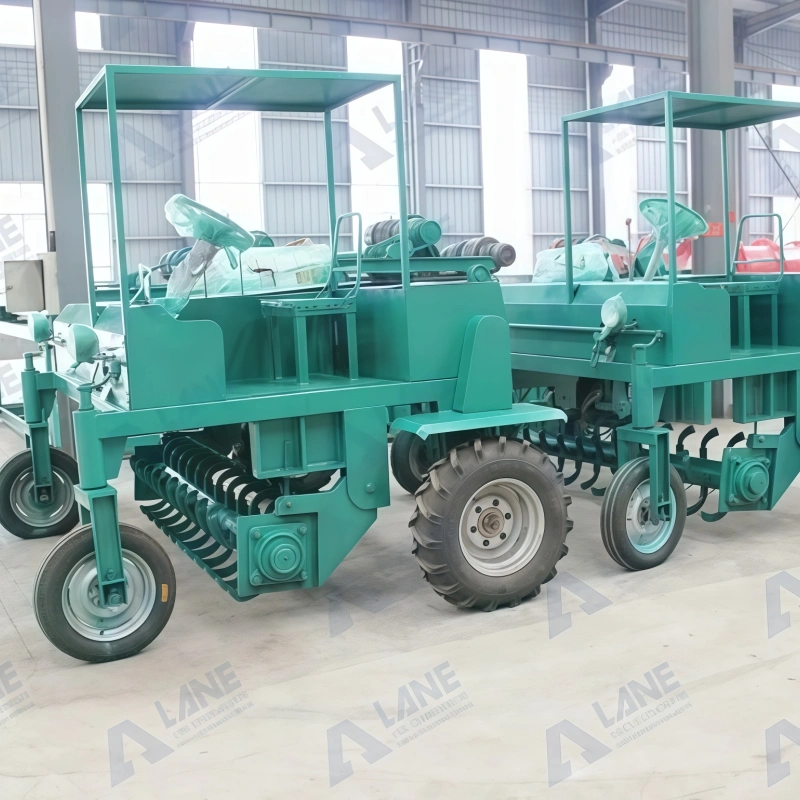
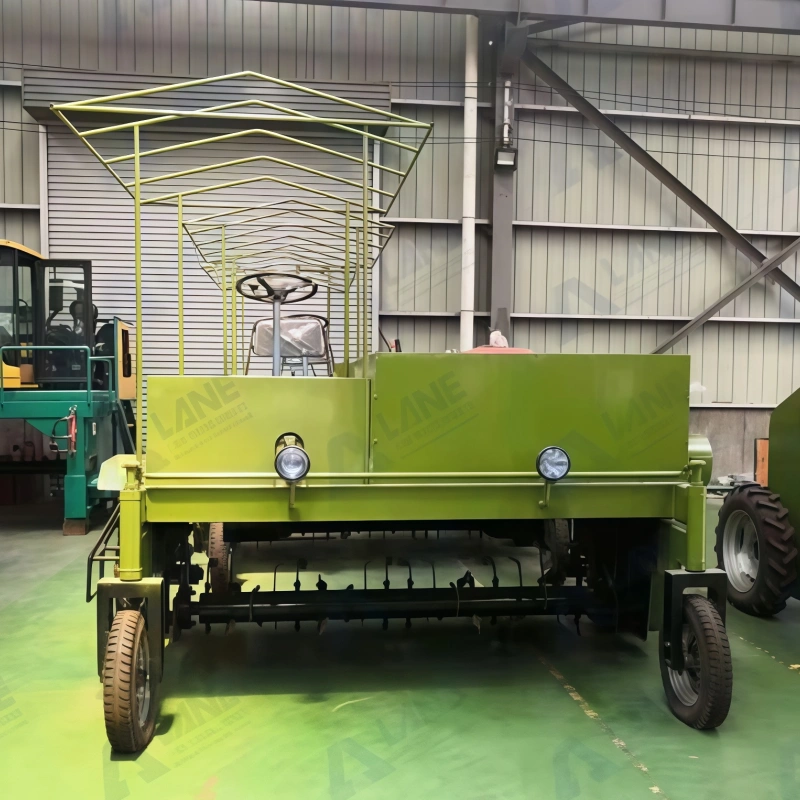
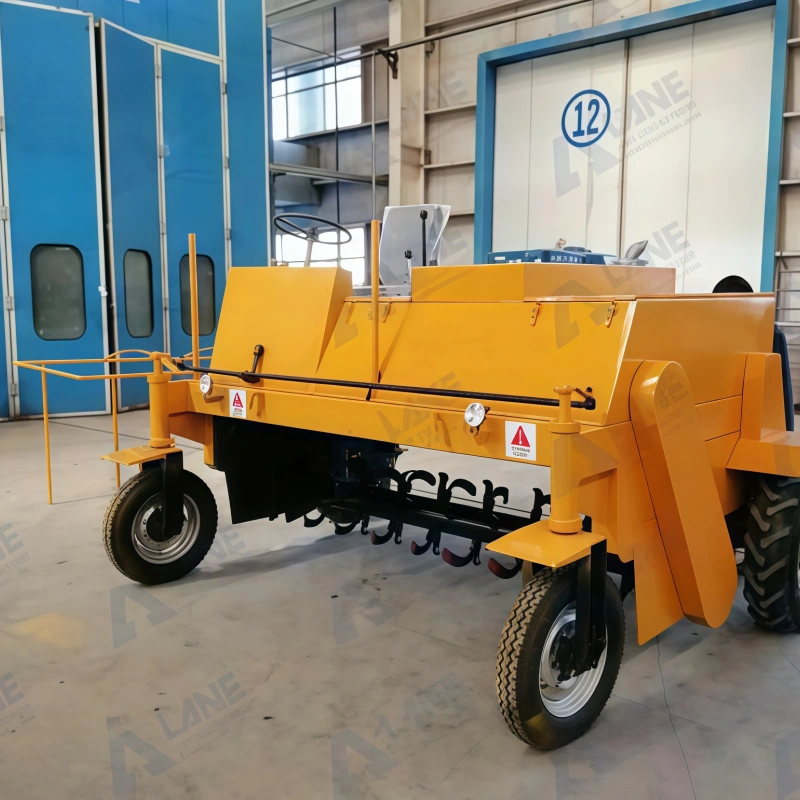
Manual turning cannot guarantee the uniformity of operation and the stable frequency of livestock and poultry manure composting, and the self-driving turning machine is specially developed for aerobic composting of livestock and poultry manure.
- Advantages of Self-Propelled Compost Turner for Livestock and Poultry Manure Composting
The LANE self-propelled turner adopts four-wheel drive with anti-slip tires, and a single person can complete the continuous turning operation, simultaneously realizing the stirring and aeration of materials, breaking up the lumps of feces, and ensuring the stable implementation of the planned frequency of livestock and poultry manure composting.
- Key Operation Points for Periodic Pile Turning
The operator should maintain a uniform speed when turning the pile, and driving too fast can easily cause incomplete turning of the material; According to the height of the pile, adjust the depth of the material to ensure that the material on the upper and lower layers is fully exchanged, and meet the operation requirements of the frequency of livestock and poultry manure composting.
- Model Selection Reference Based on Strip Pile Width
Our company provides self-propelled turning machines with different working widths, and the LAZF-2010 model is suitable for pallets with a width of less than 2 meters. Customers can choose suitable models according to their own pile specifications and the frequency of target animal manure composting.
Frequently Asked Questions
Question 1: What harm will unreasonable frequency of livestock and poultry manure composting bring to the quality of composting?
Answer: Too few turns of the pile will cause anaerobic fermentation, odor accumulation, and slow maturation; Frequent composting of livestock and poultry manure will waste energy, heat will continue to dissipate, and the heating process will be delayed.
Question 2: What is the recommended turning cycle during the hot season?
Answer: In the hot summer, use a shorter interval, maintain the frequency of animal and poultry manure composting once every 1-2 days during the high temperature stage, and pay attention to avoiding the rapid loss of manure raw material moisture.
Question 3: Can the self-propelled composting machine adapt to the high-frequency composting operation of livestock and poultry manure?
Answer: Yes. The rigid structure of the whole machine is matched with wear-resistant turning teeth, which supports long-term repetitive periodic turning, and can steadily meet the frequency of various types of livestock and poultry manure composting set by composting technicians.
Question 4: Is it true that the higher the frequency of turning the pile, the better the composting effect of animal and poultry manure?
Answer: That is not the case. Blindly increasing the frequency of livestock and poultry manure composting will cause a large amount of heat loss, and each project needs to match the corresponding turning frequency with the characteristics of the raw material and the fermentation stage.
Question 5: How to determine the best time to turn the pile?
Answer: Observe the temperature and odor of the material pile, and when there is a noticeable foul odor or the temperature exceeds 65 ℃, it is an appropriate turning node, which can further optimize the frequency of its own livestock and poultry manure composting.
Summary of Frequency Control for Livestock and Poultry Manure Composting
Rational control of the frequency of livestock and poultry manure composting is the core link of aerobic composting management. The factory cannot rely on fixed standards and needs to dynamically adjust the turning interval in combination with the moisture content of the raw material, season, and fermentation stage.
The LANE self-propelled turner can complete the cyclic turning operation of livestock and poultry manure compost stably. If you need technical guidance on composting or equipment quotes based on production capacity, please contact our technical team for a complete solution.