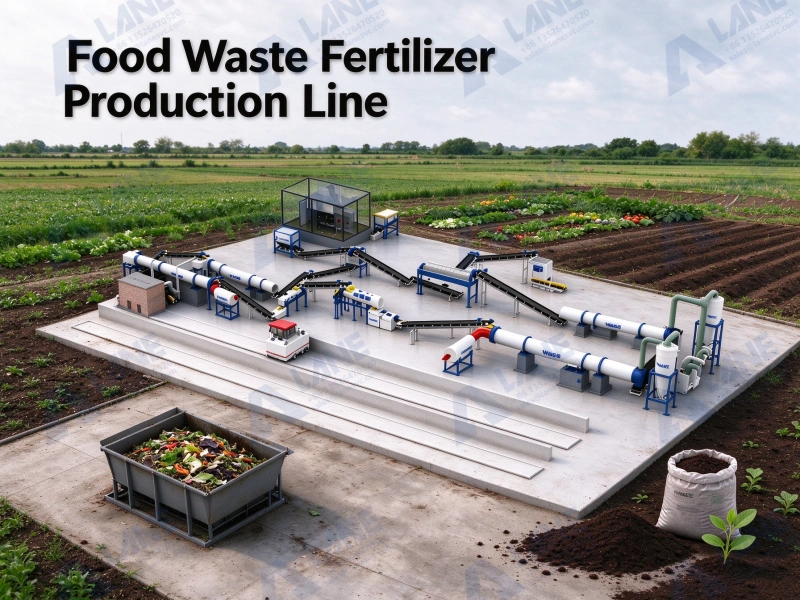
Food Waste Fertilizer Making Machine: Turning Waste into Gold for Sustainable Agriculture
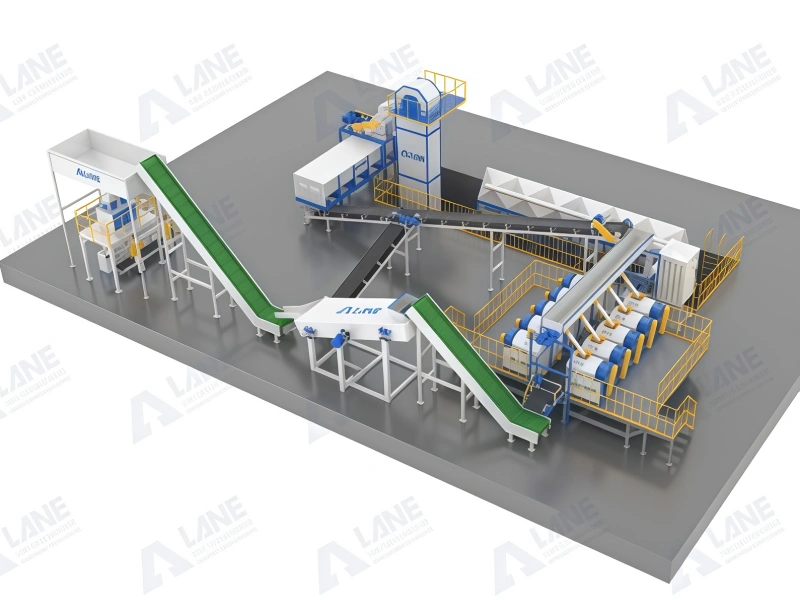
In a world where sustainability is more critical than ever, the Food Waste Fertilizer Making Machine stands out as a groundbreaking solution for managing organic waste and promoting environmentally friendly agriculture. This innovative machine transforms food waste into nutrient-rich organic fertilizer, offering a practical way to recycle organic materials that would otherwise end up in landfills. Whether you are a farmer, a business owner, or an environmental enthusiast, understanding the benefits and mechanics of this machine can help you contribute to a greener future.
What is a Food Waste Fertilizer Making Machine?
A Food Waste Fertilizer Making Machine is a specialized piece of equipment designed to convert organic food waste into high-quality compost or organic fertilizer. By breaking down food scraps, vegetable peels, coffee grounds, and other organic materials, the machine accelerates the decomposition process, turning waste into valuable fertilizer that can be used to enrich soil and support plant growth.
Key Components:
Feeding System: Where food waste is loaded into the machine.
Crushing Unit: Breaks down large food waste particles into smaller, manageable pieces.
Composting Drum: A rotating drum that mixes and aerates the waste, promoting microbial activity and decomposition.
Heating System: Provides the necessary temperature to accelerate the composting process.
Output System: Where the finished organic fertilizer is discharged, ready for use.
How Does a Food Waste Fertilizer Making Machine Work?
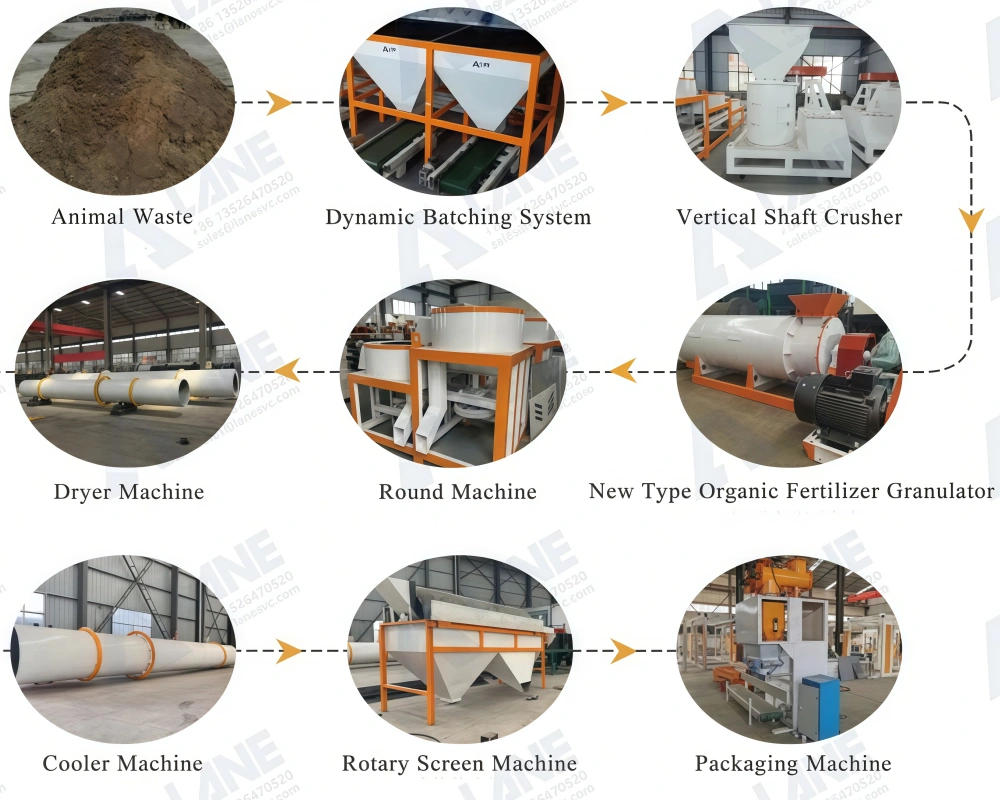
The Food Waste Fertilizer Making Machine operates through a series of well-coordinated processes that efficiently convert food waste into organic fertilizer. Here’s a step-by-step overview of how the machine works:
- Collection and Feeding
Food waste is collected from various sources, including households, restaurants, and food processing facilities. The waste is then fed into the machine through the feeding system. It’s important to ensure that non-compostable materials such as plastic or metal are removed before processing.
- Crushing and Shredding
Once inside the machine, the food waste passes through a crushing unit that breaks down large particles into smaller pieces. This step increases the surface area of the waste, making it easier for microorganisms to decompose the material.
- Composting Process
The crushed food waste is then moved into the composting drum, where it is mixed and aerated. The drum rotates to ensure that the waste is evenly mixed and exposed to oxygen, which is essential for aerobic decomposition. The addition of beneficial microbes further accelerates the breakdown of organic matter.
- Heating and Temperature Control
The machine is equipped with a heating system that maintains the optimal temperature for composting, typically between 55°C and 65°C. This heat not only speeds up the decomposition process but also helps eliminate pathogens and weed seeds, resulting in a safer and more effective fertilizer.
- Moisture Control
Proper moisture levels are critical for successful composting. The machine monitors and adjusts moisture content to ensure that the composting process is neither too wet nor too dry, both of which can hinder microbial activity.
- Curing and Maturation
After the initial composting stage, the material is allowed to cure and mature. During this period, the compost stabilizes and further decomposes into a nutrient-rich organic fertilizer. This stage can take several weeks, depending on the machine’s design and the type of waste processed.
- Final Product
Once the composting process is complete, the finished fertilizer is discharged from the machine, ready to be used in gardens, farms, or landscaping projects. The resulting product is a dark, crumbly material rich in nutrients that can improve soil health and promote robust plant growth.
Advantages of Using a Food Waste Fertilizer Making Machine
- Reduces Landfill Waste
One of the most significant benefits of using a food waste fertilizer making machine is the reduction of organic waste sent to landfills. By diverting food waste from landfills, the machine helps reduce methane emissions, a potent greenhouse gas, and lessens the environmental impact of waste disposal.
- Promotes Sustainable Agriculture
The organic fertilizer produced by the machine is rich in essential nutrients like nitrogen, phosphorus, and potassium, which are vital for healthy plant growth. Using this fertilizer reduces the need for chemical fertilizers, promoting more sustainable farming practices.
- Cost-Effective Solution
For businesses and municipalities, investing in a food waste fertilizer making machine can be a cost-effective solution to waste management. By converting waste into valuable fertilizer, organizations can reduce disposal costs and create a product that can be used or sold.
- Improves Soil Health
Organic fertilizer produced from food waste enhances soil structure, increases water retention, and promotes the activity of beneficial microorganisms. These improvements lead to healthier soils that can support more productive and resilient crops.
- Customizable Fertilizer Production
The machine allows for the customization of fertilizer production based on the type of food waste and the desired nutrient profile. This flexibility makes it possible to create fertilizers tailored to specific crops or soil conditions.
- Reduces Odors and Pests
Properly managed composting within the machine helps reduce the odors and pests typically associated with food waste. The enclosed system ensures that decomposition occurs in a controlled environment, minimizing unpleasant smells and deterring vermin.
- Environmental Stewardship
Using a food waste fertilizer making machine demonstrates a commitment to environmental stewardship. By recycling food waste into fertilizer, individuals and organizations contribute to a circular economy, where resources are reused and environmental impact is minimized.
Key Considerations When Choosing a Food Waste Fertilizer Making Machine
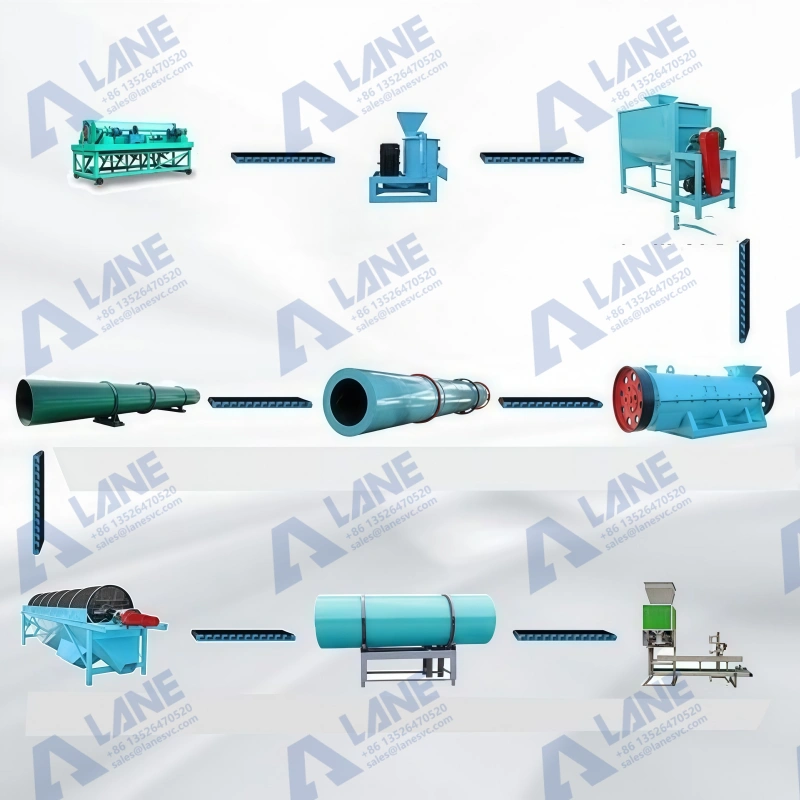
Selecting the right Food Waste Fertilizer Making Machine involves considering several factors to ensure it meets your specific needs:
- Capacity
The capacity of the machine is a crucial factor. Consider the amount of food waste you generate daily and choose a machine that can handle that volume efficiently. Machines come in various sizes, from small units suitable for households to large industrial systems.
- Processing Time
Different machines have varying processing times, depending on their design and technology. Some machines can produce fertilizer in a matter of days, while others may take several weeks. Choose a machine that aligns with your operational needs.
- Type of Waste
Ensure that the machine can process the types of food waste you generate. Some machines are designed for specific types of organic material, such as vegetable scraps or coffee grounds, while others can handle a broader range of waste.
- Energy Efficiency
Energy consumption is an important consideration, especially for large-scale operations. Look for machines that are energy-efficient to keep operating costs low and reduce your carbon footprint.
- Ease of Use
User-friendly machines with intuitive controls and minimal maintenance requirements are ideal. Consider the level of training required for operators and choose a machine that fits within your team’s skill set.
- Durability and Build Quality
Investing in a high-quality machine with durable components ensures long-term reliability and performance. Check the manufacturer’s reputation and the availability of spare parts and support.
- Cost
While it’s important to consider the initial investment, also take into account the long-term savings in waste disposal costs and the potential revenue from selling organic fertilizer. A higher upfront cost may be justified by greater efficiency and durability.
| Product Name | Model | Yield | Detail | Speed | Power |
|---|---|---|---|---|---|
| Crawler Compost Turner | LALG-2500 | 400-1500m*3/h | Stacking height 600mm-1500mm | 5-10m/min | 36-170 horsepower |
| Forklift Feeding Hopper | LAH-1.5-3 | Silo size: 1-4 meters | 2250mm*1050mm*1590mm | 1450r/min | 2.2-3KW |
| Vertical Crucher | LAC-60V | 1-12t/h | ZQ series reducer | 1450r/min | 7.5-37KW |
| Organic Fertilizer Granulator | LAZJ-1000 | 1-8t/h | ZY series reducer | 1450r/min | 7.5-11KW |
| Polishing Machine | LAP2-800 | 2-10t/h | Double bearing | 1450r/min | 3-7.5KW |
| Rotary Drum Drying Machine | LARD:1.2-12 | 1-25t/h | ZQ series reducer | 1450r/min | 5.5-22KW |
| Cooling Machine | LARC-1.0-10 | 1-20t/h | ZQ series reducer | 1450r/min | 5.5-22KW |
| Rotary Screen Machine | LAS-1240 | 1-23t/h | ZQ series reducer | 1450r/min | 3-7.5KW |
| Pellet Packing Machine | LAB-50K | 4-30 bags/minute | Packaging specification: 20-50kg | 4-6 bags/min | 50Hz/60Hz/220V/380V |
Conclusion
The Food Waste Fertilizer Making Machine represents a significant advancement in sustainable waste management and agriculture. By converting organic food waste into nutrient-rich fertilizer, this machine offers a practical and environmentally friendly solution to one of the most pressing challenges of our time: food waste. Whether used in households, businesses, or large-scale farming operations, the machine provides numerous benefits, including reduced landfill waste, improved soil health, and cost savings.
As the world continues to grapple with the environmental impact of waste and the need for sustainable agriculture, the Food Waste Fertilizer Making Machine stands out as a key tool in promoting a circular economy. By turning waste into a valuable resource, we can contribute to a greener future while supporting the health and productivity of our soils and crops. Investing in this technology is not just a smart business decision; it’s a step toward a more sustainable and responsible way of living.