How to Choose the Right Food Waste Fertilizer Production Line for Your Business
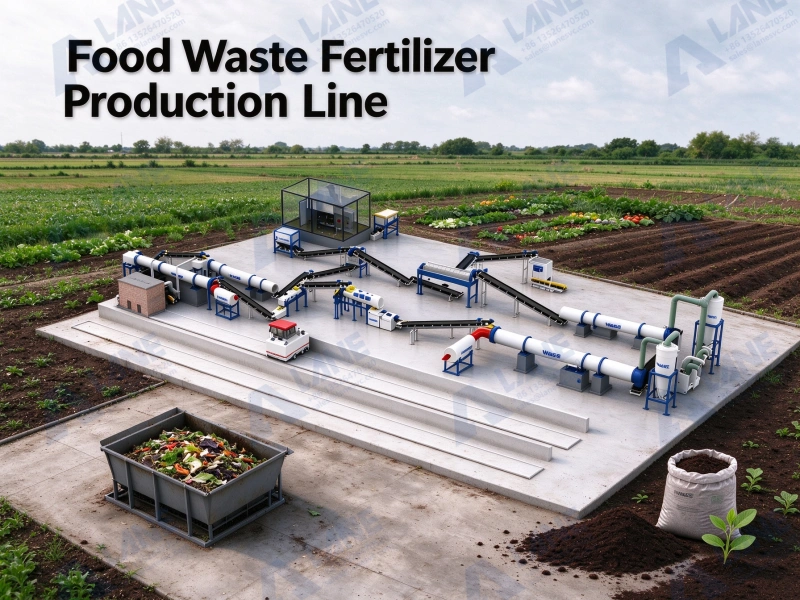
The growing global concern for sustainable development has transformed a huge environmental challenge into a high-return business opportunity: converting kitchen waste into high-quality organic fertilizer. For waste management companies, municipal departments and green investors, introducing a professional food waste fertilizer production line is no longer merely an ecological obligation, but a strategic move towards high return on investment (ROI) in resource recovery.
However, the treatment of urban kitchen waste faces unique operational obstacles. High moisture content, complex organic structure and strict local odor control standards mean that ordinary composting equipment is simply ineffective. To establish a successful, compliant and profitable commercial chemical plant, you need professional engineering solutions and heavy machinery specifically designed for this raw material.
As a leading equipment manufacturer, we are well aware that a reliable food waste fertilizer production line must strike a balance between intelligent automation, corrosion resistance and outstanding environmental protection standards. Whether you want to install a small community composting unit or a large industrial kitchen waste fertilizer production line, choosing the right system configuration is a key decision for your long-term successful operation.
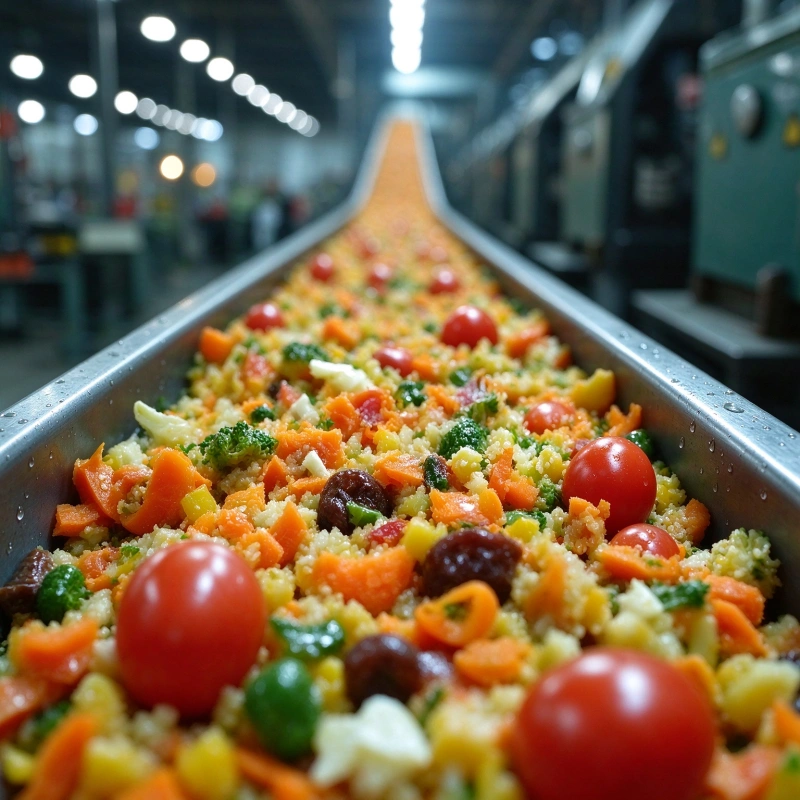
Step-by-step processing technology and core equipment configuration
How exactly does a commercial food waste fertilizer production line transform greasy and damp kitchen leftovers into high-quality agricultural granular fertilizer? The entire manufacturing process must follow a strict scientific sequence:
1. Process flow chart:
Raw material input → automatic sorting (removal of plastic/metal) → solid-liquid dehydration → industrial crushing → aerobic fermentation tank → fertilizer granulation → rotary drying and cooling → Automated packaging → market-popular granular fertilizer
2. Core technology stage in-depth disassembly
• Pretreatment stage: The moisture content of the original kitchen waste exceeds 80%. The automatic dehydration system reduces the moisture content to around 60%, creating perfect conditions for microbial composting within the food waste fertilizer production line.
• High-temperature fermentation: This is the core of the system. Modern food waste fertilizer production lines have replaced the traditional ground turning with closed aerobic fermentation tanks. It kills pathogens within 48 hours through the high temperature it generates itself.
• Finished product granulation: The powder after fermentation is mixed with the power binder. Heavy-duty granulators turn the mixture into uniform organic spheres of 2-5mm, adding extremely high commercial value to the entire product line.
3. Core Mechanical Configuration List
To assist you in planning your budget, the following is a list of core equipment required for the food waste fertilizer production line:
| PROCESSING SECTION | MAIN EQUIPMENT NAME | CORE FUNCTION FOR FOOD WASTE | MATERIAL & TECHNICAL STANDARD |
|---|---|---|---|
| Pretreatment Section | Magnetic Separator & Screw Dewatering Press | Remove inorganic waste; reduce moisture from 80% to 60%. | Heavy-duty 304 stainless steel |
| Fermentation Section | Closed Aerobic Fermentation Tank | Rapidly decompose materials; contain foul odors inside the system. | Double-layer thermal insulation, PLC intelligent control |
| Crushing & Mixing | Vertical Fertilizer Crusher & Horizontal Mixer | Crush bulk materials; fully mix organic matter with straw powder. | Wear-resistant alloy blades |
| Granulation Section | Rotary Drum Granulator (or New Organic Fertilizer Granulator) | Produce uniform high-quality granules required for the food waste fertilizer production line. | High-density anti-stick lining |
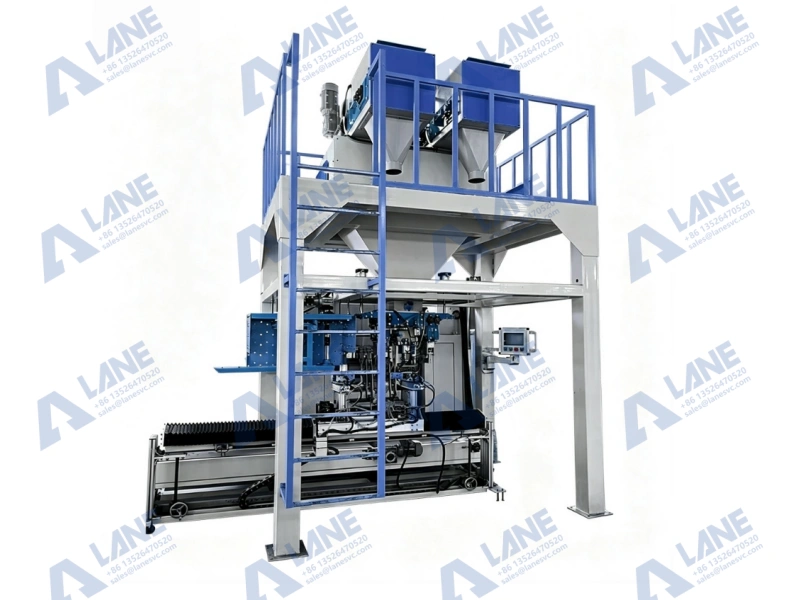
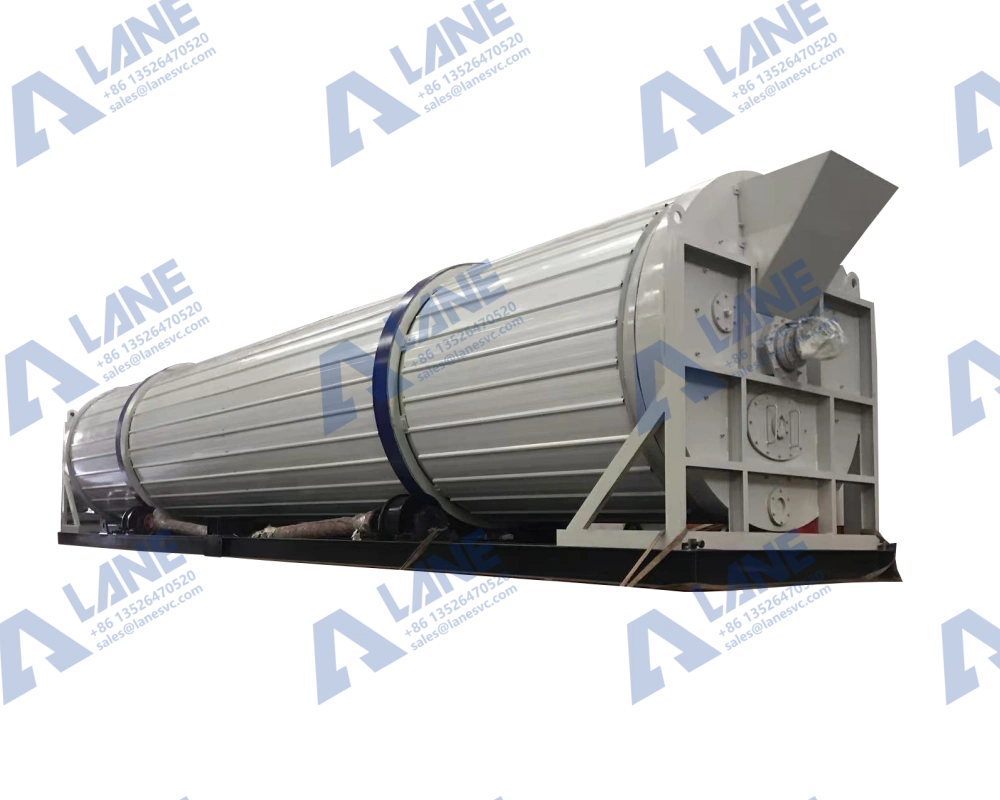
| Finished Product Section | Rotary Dryer, Cooler & Automatic Packing Machine | Reduce moisture of final granules to <14%; seal fertilizer into bags. | Automated weighing sensors |
| Environmental Supporting Facilities | Industrial Biological Deodorization Filter | Purify exhaust gas to meet strict local environmental regulations. | — |
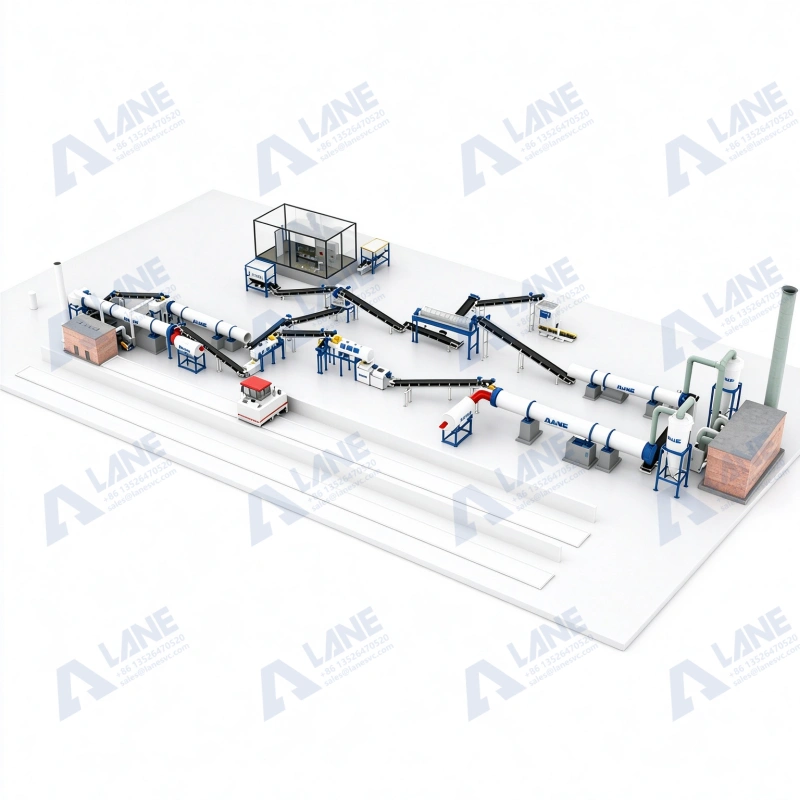
Raw Material Compatibility and End-Product Applications
Before allocating your budget, it is crucial to have a clear understanding of raw material compatibility and the intended market distribution. A commercial-grade food waste composting production line offers exceptional versatility, but clearly defining your specific input materials and target applications will directly impact the success of your project.
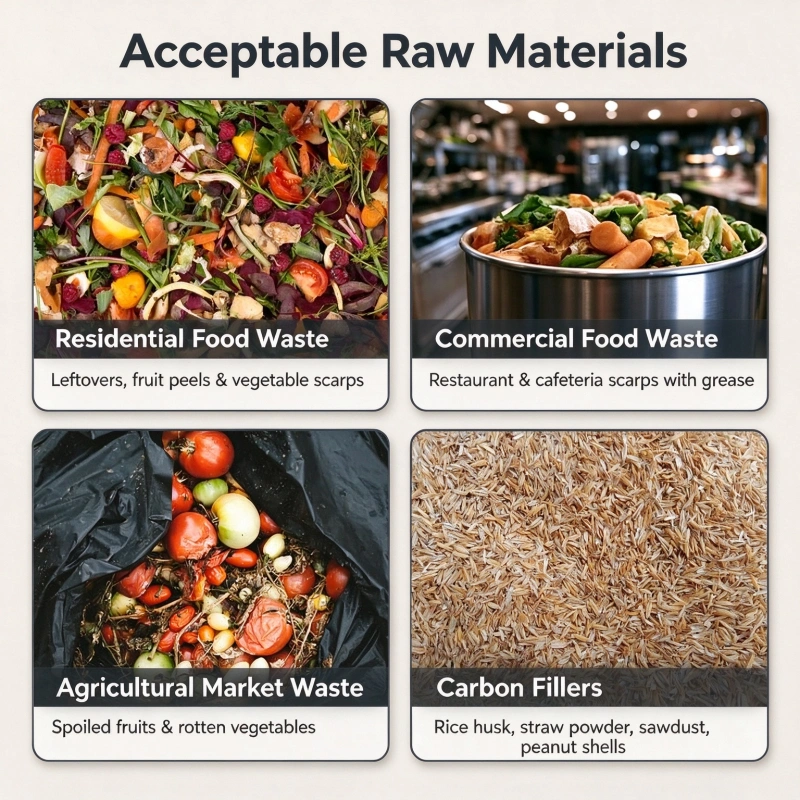
1. Acceptable Raw Materials (Input Materials)
• Residential Food Waste: Leftover meals, vegetable scraps, fruit peels, and food processing waste from residential communities.
• Commercial Food Service Waste: Large volumes of food scraps, grease, and expired inventory from restaurants, hotels, and university cafeterias (this requires a more robust pretreatment system).
• Agricultural and food industry waste: Spoiled fruit, rotten vegetables, and organic waste from agricultural wholesale markets and food processing plants.
• Required additives/fillers: Straw powder, sawdust, rice husks, or peanut shells (these are key materials added to the [food waste fertilizer production line] to balance moisture content and the carbon-to-nitrogen ratio).
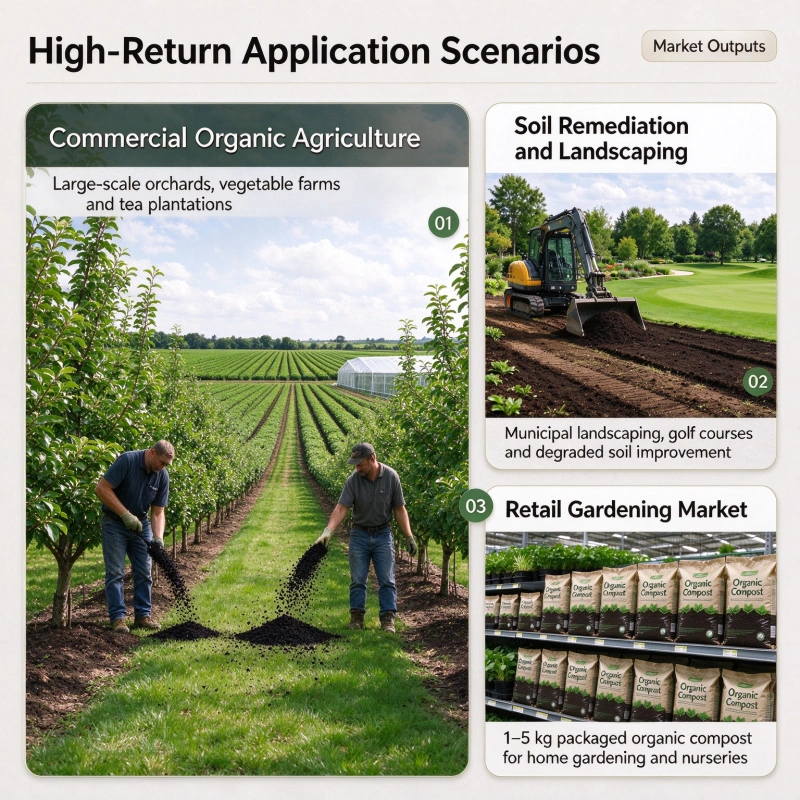
2. High-Return Application Scenarios (Market Outputs)
• Commercial Organic Agriculture: Large-scale fruit orchards, vegetable farms, and tea plantations aiming to replace chemical fertilizers with nutrient-rich organic granular fertilizers.
• Soil Remediation and Landscaping: Municipal landscaping projects, golf courses, and degraded soil remediation projects requiring improved soil structure and organic matter content.
• Retail Gardening Market: High-profit organic compost sold in small packages ranging from 1 kg to 5 kg for urban home gardening and commercial nurseries.
3. Quick Reference Matrix Process
[Raw Material Inputs]
│ (Residential communities, food service establishments, farmers’ markets, biomass additives)
▼
[Food Waste Compost Production Line]
│ (Sorting → Dehydration → Fermentation → Pelletizing)
▼
[Target Applications]
│ (Organic Farms, Soil Remediation, Retail Gardening)
By connecting these input materials to the output markets through a specialized food waste compost production line, investors can establish a sustainable, closed-loop green ecosystem that generates revenue.
Why choose LANE as your supplier of food waste fertilizer production line?
Purchasing heavy-duty recycling machinery is a long-term capital investment. As a dedicated industrial equipment manufacturer, we not only sell individual machines but also deliver engineering-grade reliability. Our signature food waste fertilizer production line blueprint has been structurally strengthened and is specifically designed to address the three major pain points in the industry: corrosion, high labor costs, and non-compliance with environmental protection standards.
1. Our core engineering technology breakthrough
When comparing suppliers, please carefully examine the following technical advantages integrated in our customized food waste fertilizer production line:
• Military-grade corrosion resistance: Raw food waste is rich in salt and organic acids, which can destroy cheap carbon steel equipment within a few months. We engineering and manufacture all material contact areas, including the dewatering screw shaft and the inner wall of the fermentation tank, with thick 304/316 stainless steel or special anti-wear alloy coatings.
• Intelligent PLC automation: Minimize the operational costs of your factory to the greatest extent. The entire kitchen waste fertilizer production line is managed through a central control room. Only one or two on-duty operators are needed to monitor the real-time microbial fermentation temperature, moisture percentage and safety overload indicators.
• Zero-odor eco-friendly ventilation design: Protect your factory from penalties by the local environmental protection bureau. The food waste fertilizer production line is equipped with a completely sealed negative pressure pipeline, which guides all volatile gases through multi-stage biological filters and UV decomposition systems for purification.
2. Factory Trust Endorsement list
• Direct sales price from the source factory: Help you eliminate the profits of middlemen from trading companies and ensure the best return on investment (ROI) for direct sales from the factory.
• Global on-site installation service: Our engineering team offers basic embedded drawing layout, overseas on-site assembly, and worker operation training.
• Customized production layout: Tailor-made solutions based entirely on your local raw material collection volume (supporting 10 tons to over 200 tons per day).
Investing in our professional food waste fertilizer production line can ensure that you obtain a stable material flow, the durability of heavy machinery and a highly competitive organic fertilizer brand in the market.
Implementation cases and mechanical operation standards
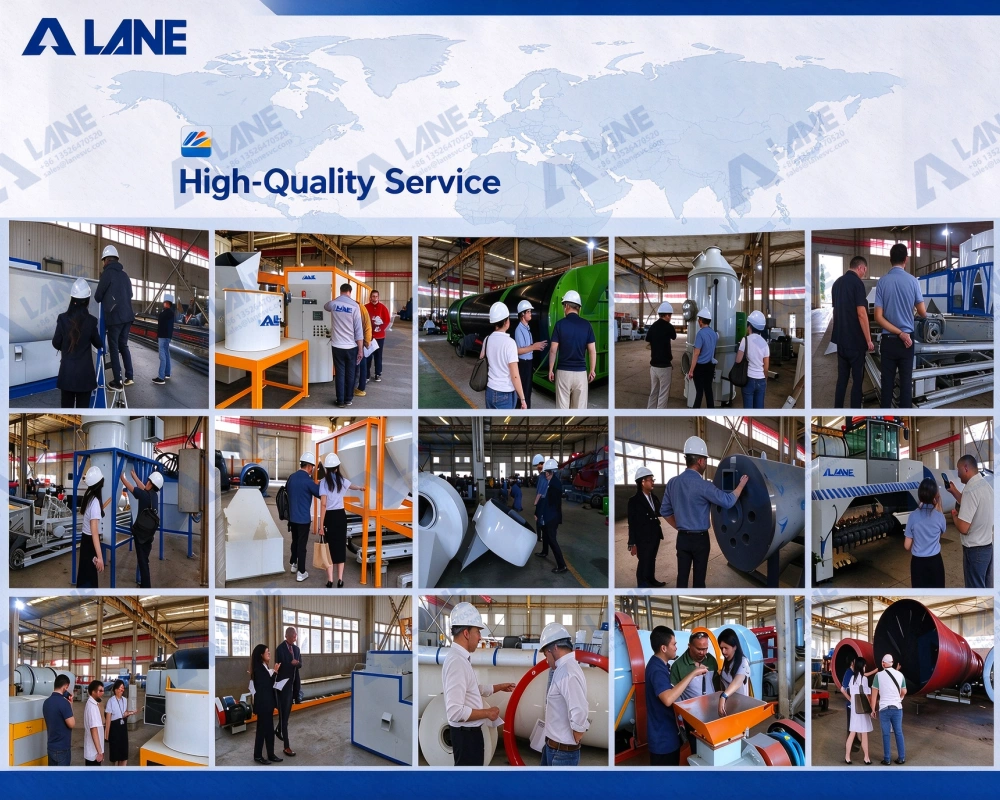
Before finalizing the supplier contract, astute engineering buyers will assess the actual operating history of their equipment. A high-quality food waste fertilizer production line is by no means a conceptual experimental product. It must be an industrial system that has been tested in practice and can provide continuous and stable output throughout the long service life of the factory.
Global success Stories (From drawings to On-site production)
Our customized engineering layout solutions have been successfully operated in various environments around the world, which demonstrates the outstanding versatility of our heavy machinery:
• 50-ton daily municipal project (Southeast Asia) : Handling high-oil and high-spicy food waste in highly humid climates. By introducing our closed food waste fertilizer production line equipped with an advanced biological dewatering system, the customer has completely solved the problem of local landfill overflow.
• 100 tons per day in the ecological agricultural park (Middle East) : Process waste from farmers’ markets and mix it with dried date palm leaf powder. The drum granulator integrated in this professional food waste fertilizer production line has successfully produced high-density organic granular fertilizer, which is not easy to break during long-distance transportation in the desert.
2. Built for Longevity: How do we ensure a device lifespan of over 10 years
The losses caused by industrial downtime are costly. To prevent premature wear of equipment caused by high concentrations of organic salts and volatile fatty acids, our factory has implemented strict manufacturing standards in the design of the entire food waste fertilizer production line:
• High-quality steel specifications: All core material contact walls inside the crusher and fermentation module are made of custom 316L stainless steel to completely eliminate acidic pitting corrosion.
• Heavy-duty industrial bearings: We have replaced ordinary agricultural machinery bearings with international first-line brands (such as SKF/NSK) to withstand the huge rotational stress of continuous operation for 24 hours /7 days.
• Modular component layout: Each vulnerable part inside the granulator or mixer is designed as a quick-replaceable structure, reducing the necessary downtime for maintenance by 60%.
3. Expected operational life milestones
• Pre-treatment pulverizer blades: Continuous service life of 12 to 18 months (replaceable spare parts).
• Aerobic fermentation main tank shell: 10-15 years of structural rust-free and perforation-free guarantee.
• Anti-sticking lining for granulation machine: 3-5 years of heavy-duty operating life.
By choosing our field-proven food waste fertilizer production line, you will gain a lasting industrial asset, converting the local continuous supply of organic raw materials into stable business profits year after year.
Frequently Asked Questions (FAQ)
To help investors and engineering buyers quickly clarify technical questions, the LANE Heavy Machinery Engineering team has summarized the most frequently asked questions regarding the establishment of commercial recycling plants.
Question 1: What is the average cost of installing a professional kitchen waste fertilizer production line?
Solution: The total capital investment largely depends on the tonnage of raw material input you need each day and your choice of the degree of automation. A basic commercial food waste fertilizer production line without a complete granulation system is relatively more attractive in price. However, for a one-stop full-line system equipped with fully automatic pretreatment and intelligent PLC control, our engineering sales office needs to provide you with a tailor-made factory quotation.
Question 2: How does your system control the strong odors produced by kitchen leftovers?
Solution: Odor control is the core pillar of our system. Our customized food waste fertilizer production line uses a negative pressure air duct network to tightly seal all volatile gases. Subsequently, these gases are guided through multi-stage industrial biological filters, converting the unpleasant processing tail gas into harmless and odorless carbon dioxide and water vapor.
Question 3: Can a regular organic fertilizer production line directly handle high-salt catering waste without causing damage?
• Answer: Absolutely not. Ordinary fecal treatment lines will suffer from severe acidic rusting and salt corrosion within a few months. Our dedicated food waste fertilizer production line features custom 304/316L stainless steel on the material contact walls and is equipped with reinforced alloy shredder blades to ensure high-intensity continuous operation without structural damage.
Question 4: How long does it take for raw waste to be transformed into stable organic compost?
Solution: By integrating our automated aerobic fermentation tanks into your customized food waste fertilizer production line, the high-temperature microbial decomposition process only takes 7 to 10 days. The traditional ground turning method, however, takes as long as two months.