As a technical supervisor who has serviced dozens of fertilizer plant renovation projects, I often notice one common oversight among factory owners. Plenty of manufacturers pour large‑scale capital into
granulation, drying and
cooling equipment, yet pay little attention to fertilizer packaging bottleneck. Once granulated fertilizer flows out from the rotary cooler, poor‑performing packaging links create a real fertilizer packaging bottleneck. Even when upstream crushing and granulation units run at full rated capacity, slow speed and unstable weighing during bagging will drag down overall line efficiency.
Many plant managers only check output data of granulator and rotary drum dryer. They regard packaging as a simple auxiliary step and ignore how
a fertilizer packaging bottleneck restricts real factory yield. On‑site feedback shows many production lines own strong front‑end capacity, but cannot ship finished goods timely simply because bagging cannot keep pace.
How Fertilizer Packaging Bottleneck Forms after Granulation
Finished granular fertilizer comes out from granulator and cooling equipment. Multiple practical on‑site factors will slow down bagging output and break continuous production rhythm. These influencing factors rarely appear alone, and two or three conditions often overlap to worsen the fertilizer packaging bottleneck.
> Manual Bagging Causes Low Throughput and Unstable Weighing Results
Small and medium fertilizer factories still adopt manual bagging in many transformation projects. Workers finish bag sleeving, weighing and sealing by hands. Human operation brings obvious fluctuation for output. When worker fatigue builds up, weighing deviation will expand and further enlarge the fertilizer packaging bottleneck.
> Old Packaging Equipment Cannot Match Upstream Granulation Output
Some factories keep old‑generation packing machines purchased many years ago. These devices can handle small batch production, yet cannot keep up with upgraded granulator throughput. Upstream equipment gets updated, while packaging section stays unchanged. This mismatch gradually builds up a fertilizer packaging bottleneck.
> Poor Material Fluidity Interrupts Continuous Fertilizer Bagging
Fertilizer granules with high moisture or lots of fine powder move poorly inside feeding chutes. Material bridging and blockage happen frequently during feeding. Operators have to stop the unit and clean internal chambers repeatedly. Frequent shutdowns cut effective running time and trigger a fertilizer packaging bottleneck.
> Frequent Machine Adjustment Shortens Effective Running Hours
When fertilizer formula, particle size or bag specification changes, poorly‑designed packing devices need repeated parameter tuning. Operators spend plenty of time modifying settings instead of running production. Too much debugging time occupies actual working hours and fuels the fertilizer packaging bottleneck.
Practical Losses Brought by Fertilizer Packaging Bottleneck
A fertilizer packaging bottleneck does not merely lower bagging speed. It brings a series of secondary troubles that damage finished product quality and shrink factory operating profit. Many operators underestimate these hidden losses until customer complaints keep coming in.
> Back‑up Pile of Granulated Fertilizer Occupies Large Workshop Space
If bagging speed falls behind granulation discharge speed, finished fertilizer will pile up on workshop floor. Temporary stacking occupies valuable production area which should be reserved for raw material handling or
screening equipment. Factories have to arrange extra forklift transfer work for piled granules.
> Weight Deviation Triggers Customer Complaints on Finished Fertilizer Bags
Unstable weighing caused by manual operation or aging machine parts produces over‑weight and under‑weight bags. Bulk buyers will reject batches with large weight error. Return goods and compensation directly cut project profit and damage long‑term cooperative relationships.
> Extra Manual Input Raises Overall Production Operating Cost
To cope with slow bagging speed, factories hire more temporary workers for packaging posts. Wage expenditure rises continuously. Labor cost becomes a heavy burden especially during peak fertilizer production seasons. Such extra spending could be avoided with proper automatic packing equipment.
> Stagnant Granules Absorb Moisture and Generate New Material Caking
Granulated fertilizer exposed in open workshop air easily absorbs ambient moisture. Piled‑up finished goods start caking before packing. Those caked bags cannot meet sales requirements, and factories have to send materials back into crushing and granulation procedures again.
Working Logic of Single Compartment Packing Machine for Granulated Fertilizer
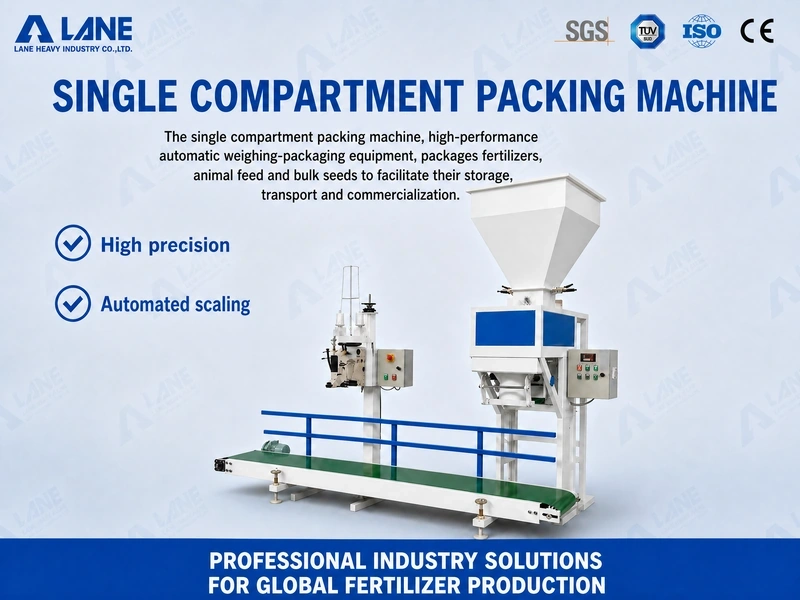
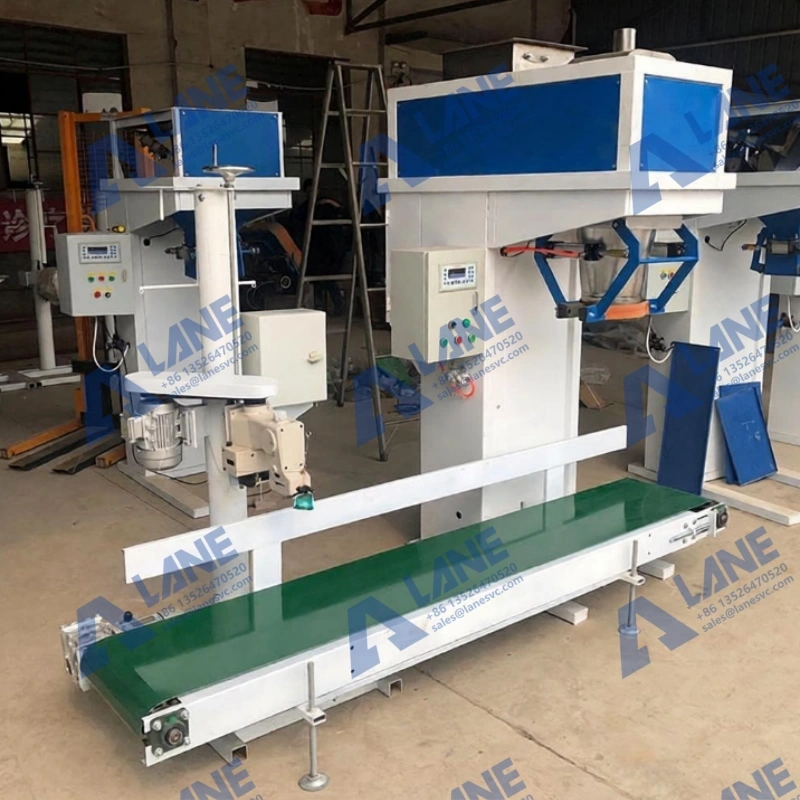
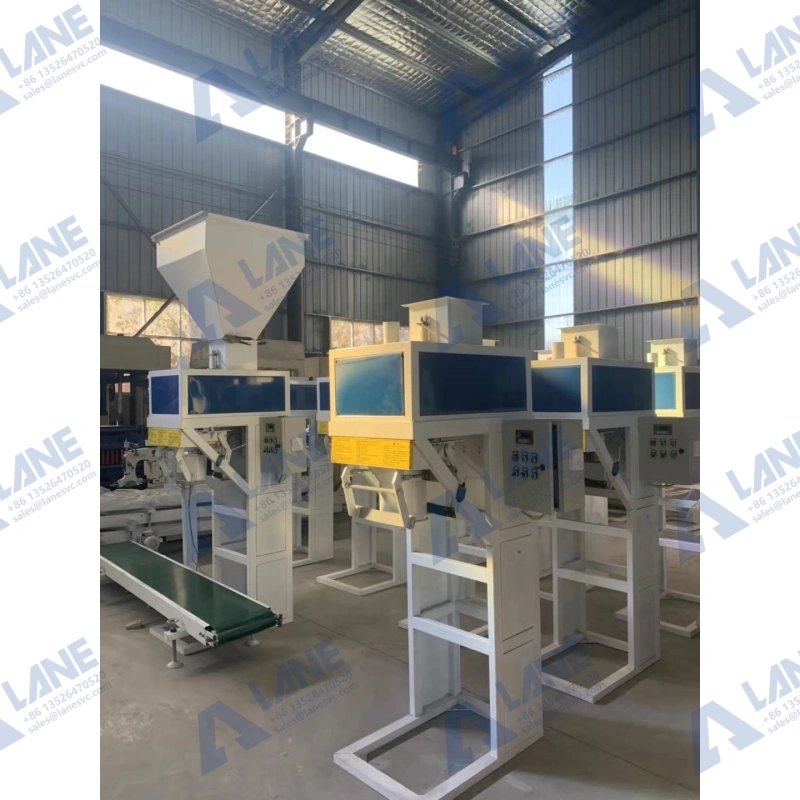
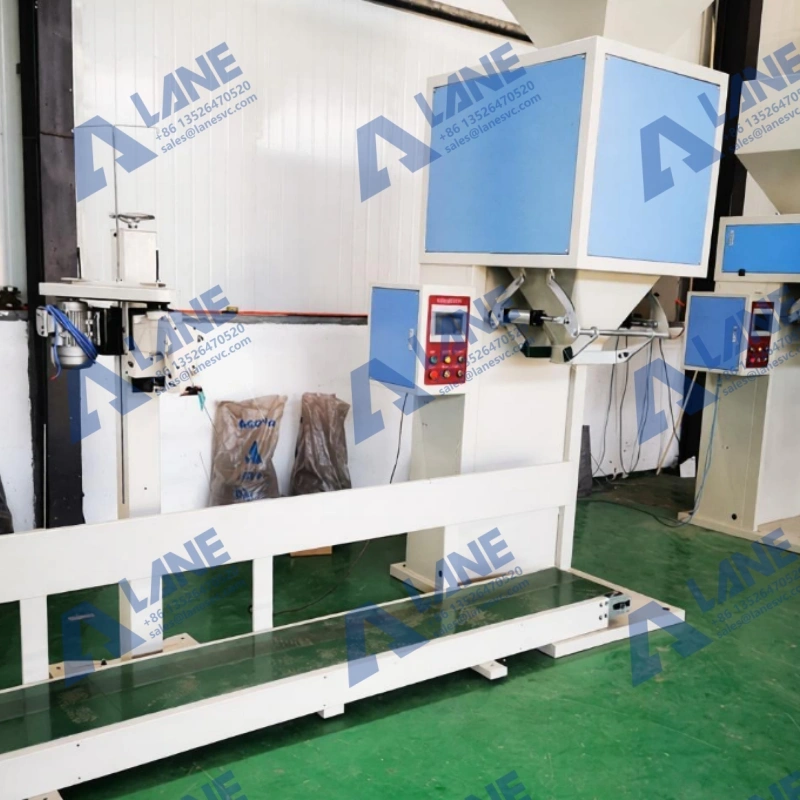
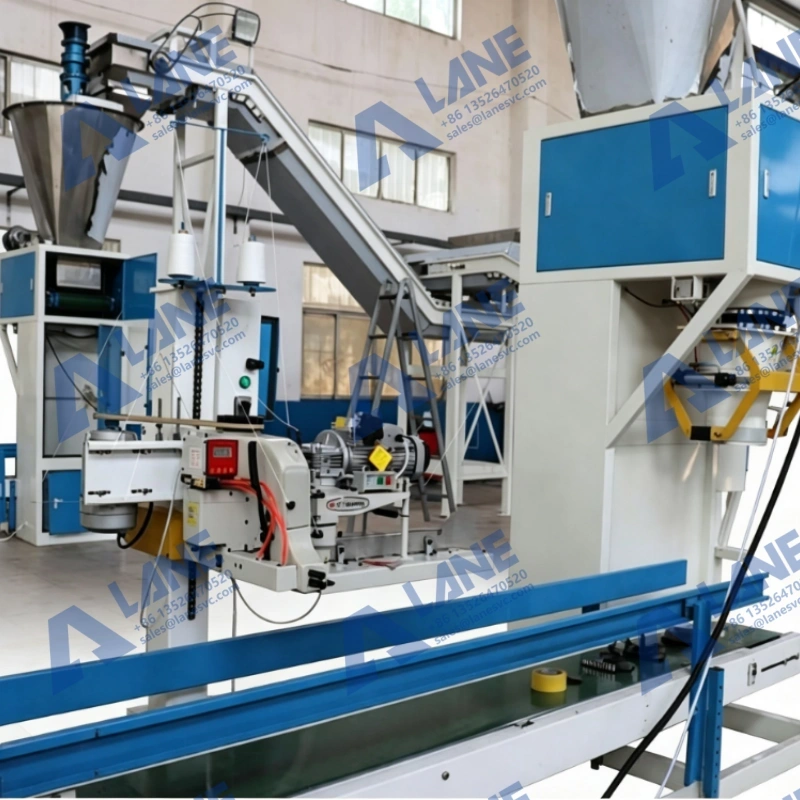
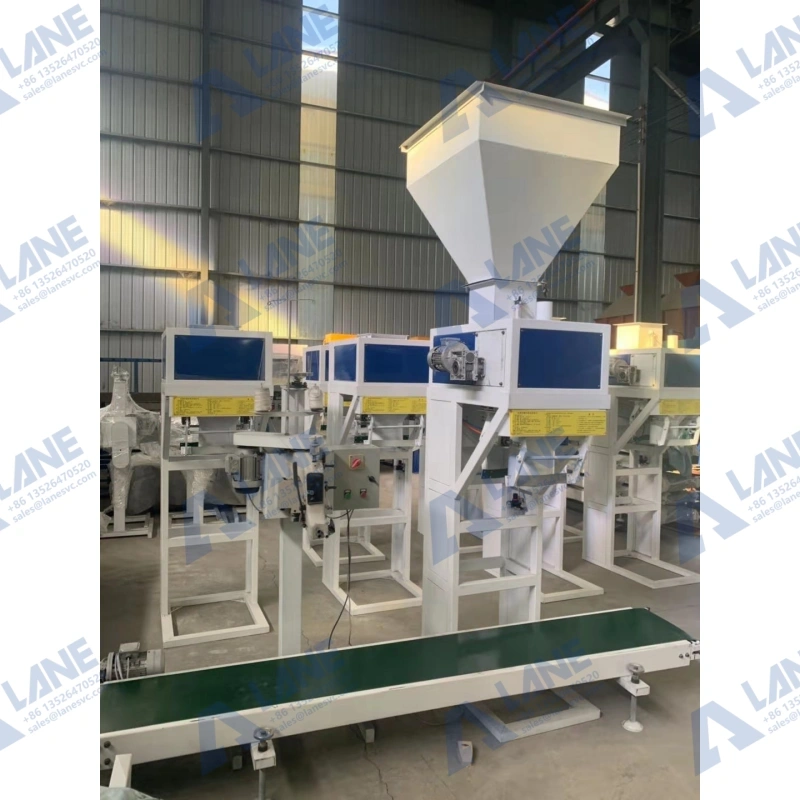
The single compartment packing machine is developed to resolve the fertilizer packaging bottleneck we talked about above. Installed right after granulation and rotary cooler units, this device completes weighing, bag filling and sealing for bulk fertilizer through fully automatic circulation. It matches the output rhythm of mainstream organic and compound fertilizer production lines.
> Feeding Device Transports Granulated Fertilizer toward Weighing Unit
Adjustable feeding device delivers fertilizer granules into weighing hopper. Operators can switch feeding rate according to actual granule status. This step prevents material surge which would disturb weighing precision.
> High‑precision Sensors Realize Accurate Weight Measurement
Built‑in high‑precision weight sensors collect real‑time material weight data. Once material reaches preset target value, feeding stops immediately. It effectively reduces manual error existed in traditional weighing mode.
> Packing Device Completes Bag Filling and Automatic Sealing Process
After weighing finishes, materials drop into pre‑sleeved bags. Conveying mechanism moves filled bags to sealing station. Heat‑sealing structure finishes bag mouth sealing without manual intervention.
> Central Control System Monitors Every Step of Bagging Procedure
On‑board central control system records each batch weighing data. It sends out alarm prompts when abnormal conditions emerge. Plant technicians can quickly locate fault points according to system feedback.
| Model | LAB-50F |
| Belt Feed Size(mm) | 2000*500 |
| Packaging Specification(kg) | 5-50 |
| Max. Weighing Weight(kg) | 100 |
| Packaging Speed(bags/min) | 4-6 |
| Packaging Precision | ±0.2% |
| Voltage | 50Hz/220V/380V |
| Size(mm) | 820*1400*2300 |
Core Components That Solve Fertilizer Packaging Bottleneck
Every assembly inside single compartment packing machine cooperates closely with one another. Each functional unit is designed to remove various obstacles appearing during fertilizer bagging work. Reasonable component configuration greatly lowers the chance of forming a new fertilizer packaging bottleneck on site.
> Stable Feeding System Adapts Fertilizer Granules with Different Fluidity
Multi‑stage feeding structure handles materials with diverse flow performance. Whether smooth compound fertilizer granules or sticky organic fertilizer particles, the feeding system can deliver material steadily without frequent blockage.
> Weighing System Controls Tolerance for Each Finished Fertilizer Bag
Calibrated weighing system keeps weight tolerance within acceptable range. It avoids lots of unqualified bags caused by drifting measurement value. Regular simple calibration can maintain long‑term weighing stability.
Heavy‑duty bag conveyor transfers filled fertilizer bags toward sealing station. It bears impact from falling materials and keeps stable running under continuous production conditions.
> Intelligent Control Cabinet Supports Parameter Setting and Fault Prompt
Intelligent control cabinet stores groups of working parameters. Operators can call preset parameters when changing bag weight or material types. Visible fault prompt helps shorten troubleshooting time during shift production.
On‑site Benefits Single Compartment Packing Machine Delivers to Fertilizer Lines
Replacing manual or outdated bagging setup with single compartment packing machine helps fertilizer factories break away from the fertilizer packaging bottleneck. Multiple practical improvements will show up in daily shift production instead of theoretical data only.
> Matches Output Speed of Upstream Granulation and Drying Equipment
Adjustable processing capacity makes this machine coordinate with granulator and rotary drum dryer output. When upstream runs at full load, packaging section will no longer become the weak link of whole production flow.
> Automatic Operation Cuts down Number of On‑site Packaging Workers
One operator can supervise several single compartment packing machines simultaneously. Factories do not need to arrange many workers for heavy manual bag sleeving and weighing work. Labor cost gets obvious reduction year by year.
> Consistent Weighing Data Reduces Rejection Rate of Finished Fertilizer Bags
Stable weighing performance lowers the proportion of overweight and underweight bags. Factories cut loss brought by rejected goods. Product consistency also raises customer satisfaction for bulk fertilizer orders.
> Wide Compatibility Works for Fertilizer, Feed and Seed Bulk Materials
Apart from organic fertilizer and compound fertilizer granules, this packing unit also works for animal feed and grain seed. If plant expands product scope later, the machine still can serve multi‑purpose packing demands.
Basic Pre‑conditions To Keep Stable Bagging Performance
Even well‑built packing equipment cannot deliver ideal results without suitable raw material and auxiliary workshop conditions. Several simple daily checks can prevent a new fertilizer packaging bottleneck from forming on your production line.
> Granulated Fertilizer Needs Basic Level of Material Fluidity
Excessive fine powder or overly high moisture will worsen granule flow state. Operators should control material index before entering packing machine. Too poor fluidity will trigger frequent feeding blockage regardless of good device performance.
> Uniform Bag Specification Ensures Smooth Automatic Sealing
Non‑standard bag thickness and bag size will cause sealing failure. Factories should stick to unified bag specification matching packing machine requirement. Random mixed bag types will bring extra shutdown for adjustment.
> Regular Inspection for Sensors and Conveying Wear Parts
Weight sensors, conveyor belts and sealing strips belong to key wearing parts. Scheduled inspection avoids drifting weighing value and sealing defects. Replace worn components in advance during planned equipment maintenance window.
> Avoid Excessive Dust Build‑up on Control Cabinet and Weighing Zone
Floating fertilizer dust will accumulate on sensor surface and control cabinet. Thick dust interferes signal transmission and brings hidden safety risks. Keep cleaning work for weighing area after each production shift finishes.
FAQ
Plant technicians and site operators encounter various real‑world puzzles while trying to remove the fertilizer packaging bottleneck. Five high‑frequency practical questions collected from fertilizer project sites are listed below.
Q1: What kinds of fertilizer materials fit for single compartment packing machine?
A1: It fits most granular organic fertilizer, compound fertilizer and npk fertilizer with normal fluidity. Materials with large lumps or ultra‑high moisture should go through pre‑treatment before entering this packing device.
Q2: Can this machine work right after roller compression granulator without extra buffer silo?
A2: Direct connection is not recommended. Short‑term material surge from granulator will disturb weighing accuracy. A small buffer silo stabilizes material supply and protects the whole packing unit.
Q3: What common wear parts need stock‑up for long‑term continuous bagging?
A3: Prepare sealing strips, conveyor belts, buffer rubber pads and sensor protective covers. These parts consume fast under continuous fertilizer production and quick replacement reduces unexpected downtime.
Q4: How much labor can single compartment packing machine save compared with full manual bagging?
A4: Under medium‑capacity production, one operator can manage two sets of this machine. Compared with full manual workflow, it cuts 3‑4 workers for packaging post in most fertilizer workshops.
Q5: What troubleshooting work should operators do when weight deviation becomes large?
A5: First clean dust on weight sensor, then check feeding chute for material sticking. Verify parameter setting and inspect whether sealing strips and conveyor parts wear seriously. Carry out calibration after finishing above checks.
Conclusion
A noticeable fertilizer packaging bottleneck will waste all output potential built by granulation, drying and crushing sections. The
single compartment packing machine realizes automatic weighing, filling and sealing, and makes bagging rhythm match upstream production capacity. Cooperated with proper material handling and routine component inspection, this equipment supports stable long‑term running. It helps fertilizer plants cut labor cost, lower defective bag rate and deliver consistent finished goods for bulk buyers.