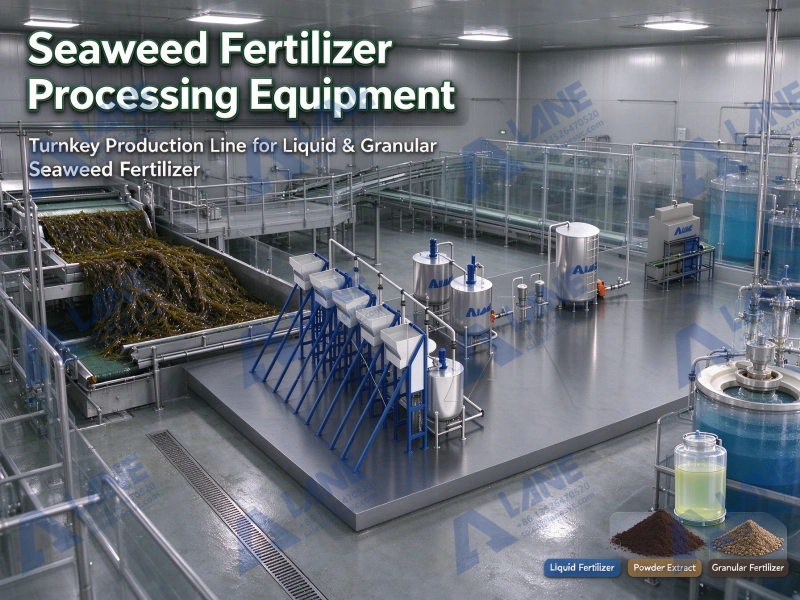
Fertilizer Pellet Damage: How Proper Conveying Reduces Breakage during Transportation
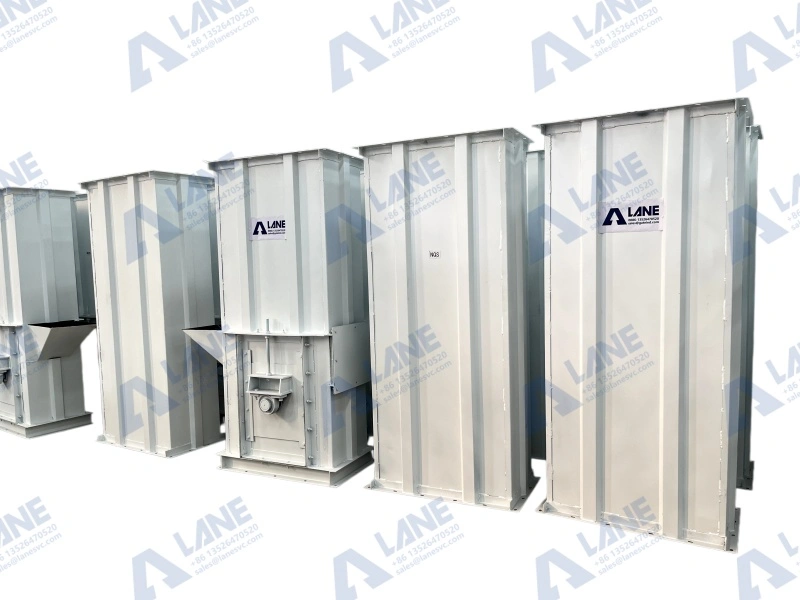
Many fertilizer manufacturers spend a lot of time in the granulation process to improve the hardness of the granules. However, they ignored the material transportation link, and serious damage to fertilizer particles still occurred before packaging. The broken particles lowered the product grade, produced excess dust, and triggered buyer complaints. This article analyzes the common causes of particle crushing in conveying, and gives practical solutions applicable to bucket elevator.
Negative Impacts Caused by Severe Fertilizer Pellet Damage
Some factory operators treat minor particle breakage as an unavoidable problem. In fact, continuous fertilizer pellet damage brings multiple hidden losses for fertilizer enterprises, covering product quality, production environment and long-term sales.
> Increased Fine Powder Lowers Commercial Value of Finished Fertilizer
Distributors and farming clients always check particle integrity before accepting bulk fertilizer shipments. Large amounts of fine powder will make buyers refuse to accept goods or request price cuts.
Even if nutrition indexes meet standards, poor particle appearance weakens market competitiveness and damages brand reputation.
> Fertilizer Fines Raise Dust Pollution inside Production Workshop
Broken fertilizer pellets generate floating fine dust during continuous conveying. The dust spreads across the whole workshop and creates messy working conditions.
Workers face worse working conditions, and accumulated dust also raises hidden risks of equipment short circuit.
> Uneven Particle Size Leads to Blockages in Subsequent Equipment
Mixed large pellets and fine powders change material flow features. The mixed material easily blocks screens, packaging machines and pipeline outlets.
Frequent blockages force repeated shutdown cleaning, cutting down effective operating hours of the whole fertilizer line.
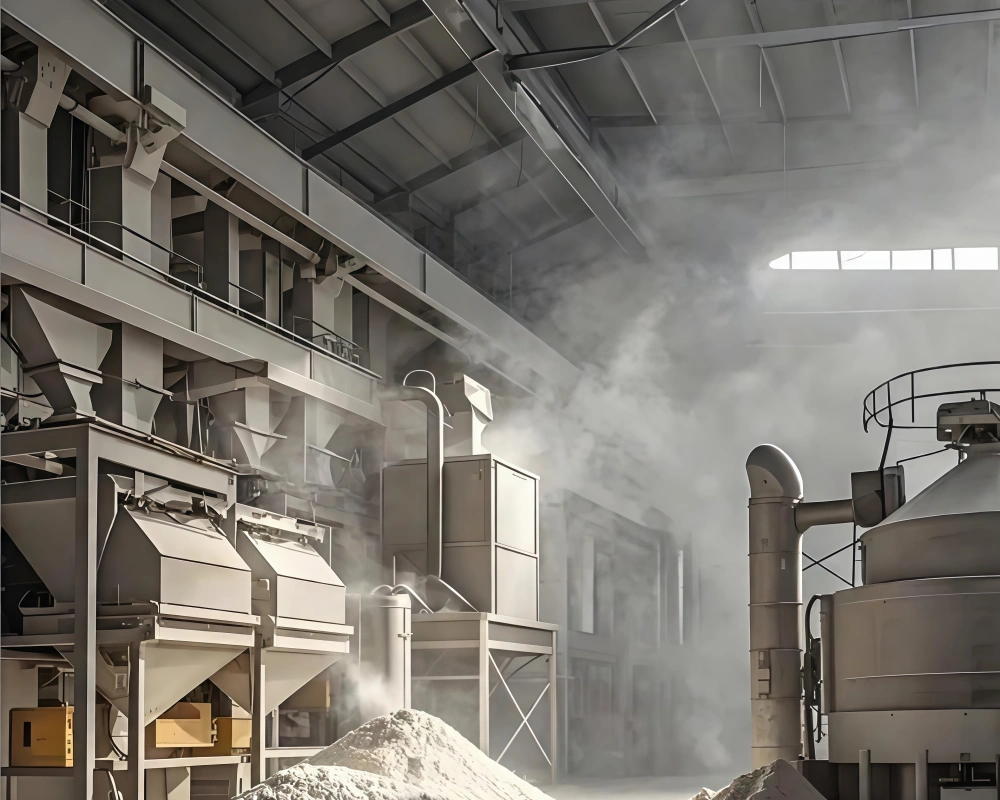
Main Conveying Factors That Trigger Fertilizer Pellet Damage
Fertilizer pellets collide, squeeze and impact frequently inside conveying equipment. Improper machine selection or unreasonable operation parameters will greatly increase collision intensity, which becomes the major source of fertilizer pellet damage.
> Violent Impact When Materials Fall during Vertical Transportation
Many vertical conveying equipment let materials fall freely inside the casing. High falling height creates strong impact when pellets hit metal surfaces.
Brittle organic fertilizer pellets crack easily under such impact, forming plenty of fine powder in a short time.
> Friction and Extrusion from Unsuitable Conveying Equipment Structure
Sharp internal edges, narrow gaps and rigid transmission structures will continuously scrape and squeeze fertilizer pellets during movement.
Long-term friction gradually wear down pellet surfaces and eventually turn complete particles into fragments.
> Excessive Running Speed of Material Transportation Devices
Operators often raise equipment speed blindly to pursue higher hourly output. Higher speed strengthens collision energy between pellets and equipment walls.
What seems like higher productivity leads to serious fertilizer pellet damage and reduces qualified finished product ratio.
Why Bucket Elevator Is Friendly to Prevent Fertilizer Pellet Damage
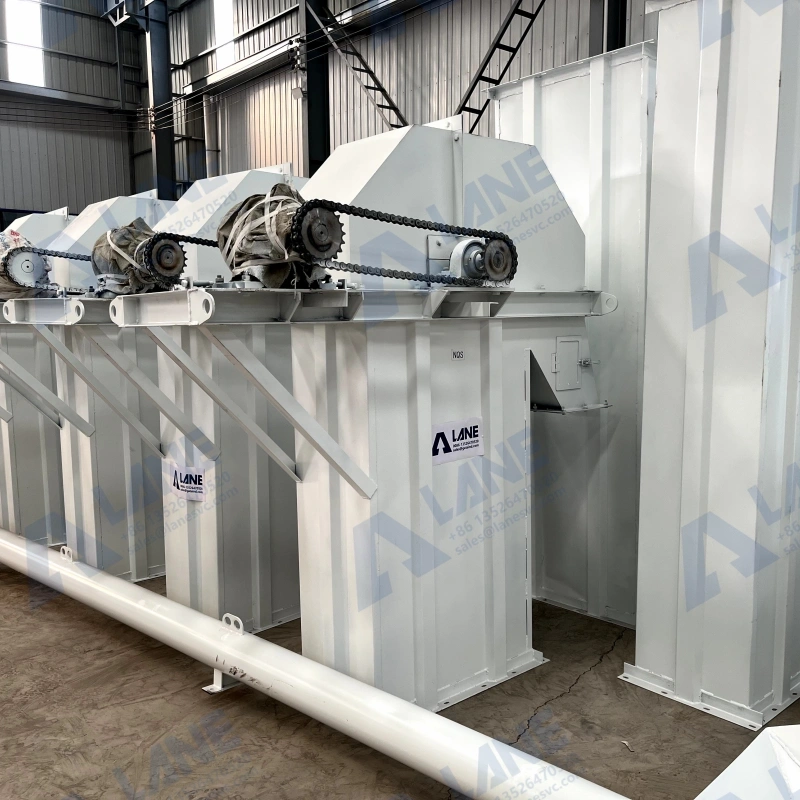
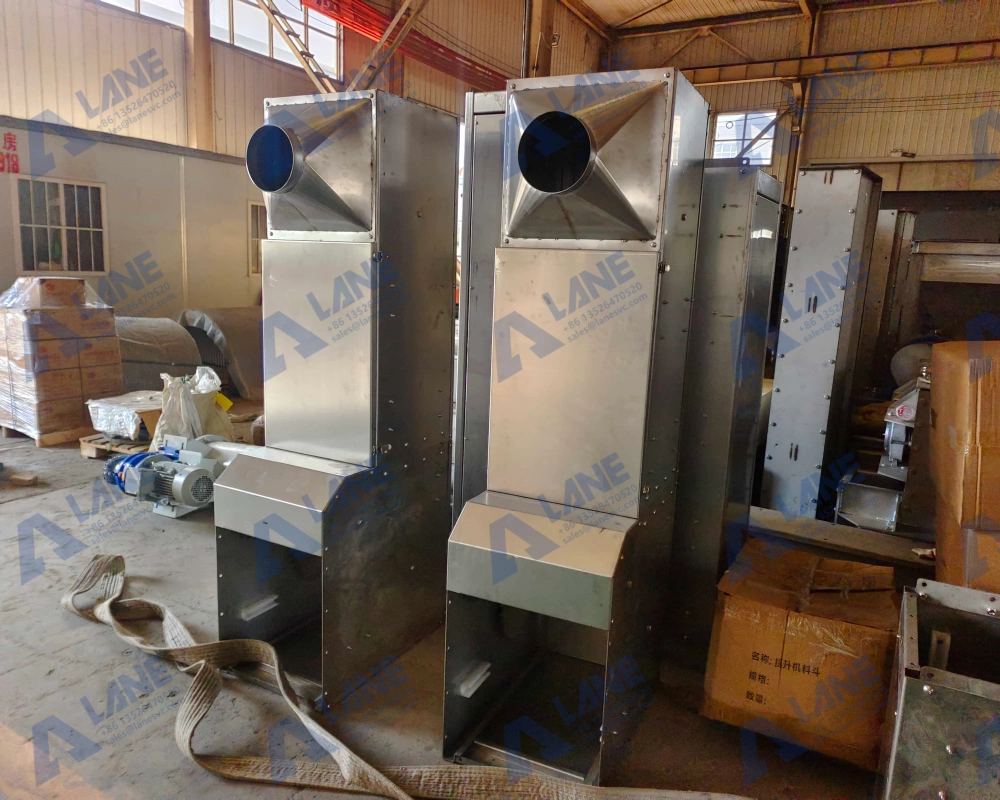
Different vertical conveying machines produce different degrees of particle impact. Our bucket elevator adopts bucket loading mode instead of free falling transport. This design effectively buffer collision force and control fertilizer pellet damage during vertical lifting.
> Bucket Structure Supports Pellets and Reduces Direct Impact
Materials are held steadily inside individual buckets during upward transportation. Pellets will not drop and hit hard metal surfaces randomly.
This bearing design is the core advantage to slow down fertilizer pellet damage compared with other vertical conveyors.
> Enclosed Casing Avoids Secondary Collision of Suspended Pellets
The fully sealed casing limits unnecessary material floating. Pellets stay inside buckets instead of bouncing everywhere inside the machine.
Less random bouncing means fewer collisions between fertilizer pellets and internal metal components.
> Adjustable Operating Speed Matches Fragile Fertilizer Materials
Our bucket elevator is equipped with frequency conversion drive. Operators can lower operating speed for fragile organic fertilizer pellets.
Slower steady movement cuts impact force significantly and keeps fertilizer pellet damage within acceptable ranges.
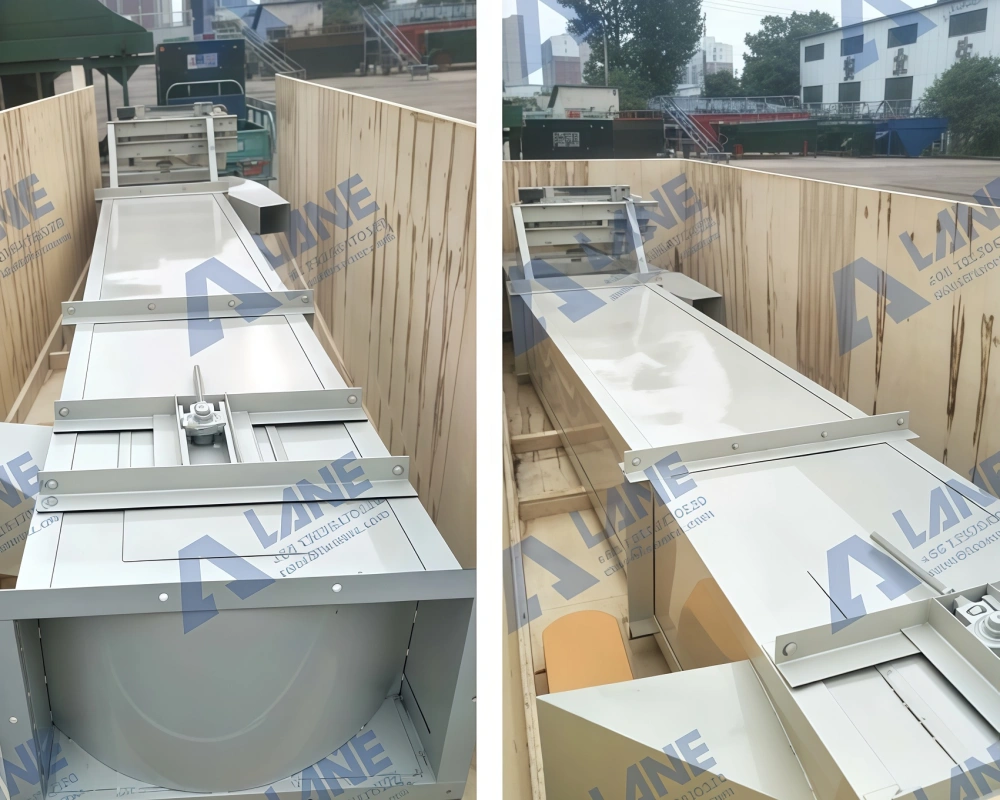
Belt-type Bucket Elevator vs Chain-type Bucket Elevator for Fertilizer Production
We provide two mainstream traction types for bucket elevators. Choosing the right version according to fertilizer material property can further minimize fertilizer pellet damage. Many customers make wrong selections and face frequent particle breakage troubles.
> Belt-type Bucket Elevator: Gentle Operation for Fragile Organic Pellets
The belt traction system runs smoothly without rigid shock. It creates less vibration during long-hour continuous operation.
It is the preferred choice for fermented organic fertilizer pellets that are easy to break, limiting fertilizer pellet damage effectively.
> Chain-type Bucket Elevator: Heavy Load for Hard Compound Fertilizer Granules
Chain traction offers outstanding load capacity and stable performance under high temperature and heavy working conditions.
It fits hard NPK compound fertilizer pellets. But it is not recommended for ultra-fragile organic materials due to slight vibration.
> Matching Bucket Style to Reduce Pellet Squeezing
We supply deep buckets and shallow buckets for different fertilizer materials. Shallow buckets bear lighter material weight and reduce particle squeezing pressure.
Engineers will recommend proper bucket shape once customers share pellet hardness and raw material features.
| Model | Silo Volume(m³/h) | Max. Feed Size(mm) | Power(kw) | Silo Width(mm) | Silo Distance(mm) | Linear Velocity(m/h) |
|---|---|---|---|---|---|---|
| LAE-160 | 5.4/9.6 | 25 | 3 | 160 | 280 | 1.4 |
| LAE-250 | 12/22 | 35 | 4 | 250 | 360 | 1.6 |
| LAE-315 | 17/30 | 45 | 5.5 | 315 | 410 | 1.6 |
| LAE-400 | 24/40 | 55 | 7.5 | 400 | 480 | 1.8 |
| LAE-500 | 32/50 | 65 | 11 | 500 | 530 | 1.8 |
| LAE-630 | 40/60 | 75 | 15 | 630 | 600 | 2 |
Practical Operation Tips to Cut Down Fertilizer Pellet Damage
High-quality bucket elevators work better with standardized operation. Simple adjustments to feeding mode and running parameters can obviously relieve fertilizer pellet damage without extra equipment investment.
> Keep Stable and Uniform Feeding Speed for Elevator
Sudden material surge makes buckets overload. Overloaded pellets will be squeezed between bucket edges and machine housing.
Install variable speed feeding equipment to maintain steady inflow and avoid extra fertilizer pellet damage.
> Set Reasonable Lifting Speed Based on Pellet Hardness
Do not blindly raise operating speed to pursue higher throughput. Test multiple speed values to find the balance between output and particle integrity.
For fragile organic fertilizer, lower speed always brings much lower fertilizer pellet damage rate.
> Regular Inspection to Avoid Damaged Buckets Scrapping Pellets
Worn edges, cracks and deformed buckets will scratch and cut fertilizer pellets during operation. Daily routine inspection is essential.
Replace damaged buckets timely to prevent continuous particle breakage inside the bucket elevator.
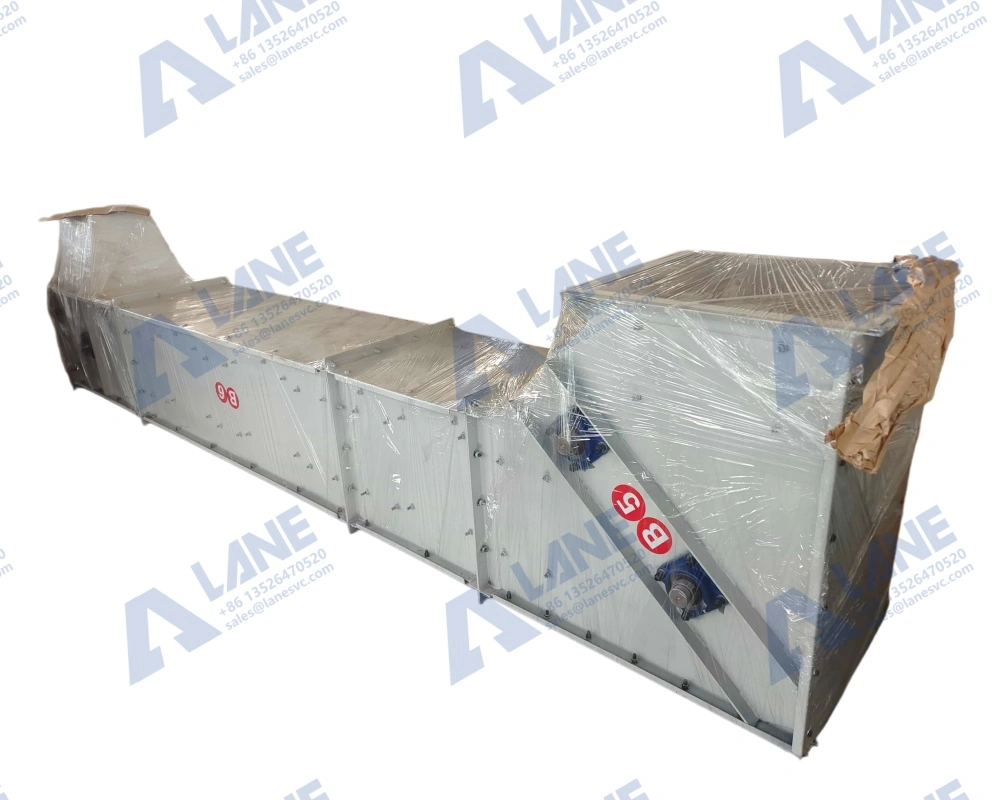
Proper Layout Design to Minimize Fertilizer Pellet Damage
Equipment layout is easy to overlook during factory planning. Unreasonable connection between machines creates high drop distance, which causes unavoidable fertilizer pellet damage no matter what conveyor you choose.
> Shorten Vertical Drop Distance between Connected Machines
Every time pellets fall from high positions, impact force will damage particle structure. Design production lines to cut unnecessary vertical drop.
Place bucket elevator close to upstream discharging outlets to reduce free fall distance of fertilizer pellets.
> Adopt Smooth Transition Chutes at Material Transfer Points
Sharp corners inside transfer chutes lead to fierce pellet collision. Curved, smooth lining reduces impact when materials shift between equipment.
This low-cost layout adjustment supports less fertilizer pellet damage in the whole conveying route.
> Arrange Bucket Elevator Position Close to Granulator and Screener
Pellets keep relatively stable hardness right after granulation and screening. Long-distance horizontal transport will increase friction breakage.
Arranging bucket elevator nearby reduces horizontal conveying length and overall particle breakage risk.
FAQ
Fertilizer plant managers often consult us about particle breakage in conveying links. We sort five typical questions related to fertilizer pellet damage and bucket elevator selection.
Q1: Can bucket elevator completely eliminate fertilizer pellet damage during vertical lifting?
A1: It cannot achieve zero breakage. No conveying equipment can guarantee 100% intact pellets. But properly selected and adjusted bucket elevator can greatly reduce fertilizer pellet damage compared with other vertical conveying solutions.
Q2: Which fertilizer materials are more likely to suffer fertilizer pellet damage during transportation?
A2: Fermented organic fertilizer, humic acid fertilizer and biological pellets are easy to break. Hardened compound fertilizer has stronger anti-breakage ability. Operators need stricter conveying control for brittle organic products.
Q3: How to choose bucket shape to lower fertilizer pellet damage?
A3: For fragile pellets, select shallow buckets to reduce internal extrusion. Deep buckets hold more materials and bring larger squeezing force. We will recommend bucket styles according to your actual fertilizer samples.
Q4: What lifting height limits will increase fertilizer pellet damage obviously?
A4: Within 20 meters lifting height, a well-sealed bucket elevator maintains stable low breakage rate. If lifting height exceeds 30 meters, longer operation cycle will slowly raise fertilizer pellet damage. We can optimize internal structure for ultra-high lifting requirements.
Q5: Is stainless steel bucket better to reduce fertilizer pellet damage than carbon steel bucket?
A5: Stainless steel surface is smoother and creates less friction. It helps reduce abrasion type fertilizer pellet damage. Carbon steel buckets with wear-resistant coating also deliver good performance. Material selection also needs to consider fertilizer corrosion features.
Conclusion
During the entire conveying process, the damage of fertilizer particles was caused by factors such as impact, friction and squeezing. Choose a suitable bucket elevator, optimize operating parameters, improve production layout, and jointly control particle crushing. LANE provides a set of bucket elevator models for the production line of organic fertilizer and compound fertilizer of nitrogen, phosphorus and potassium. We help fertilizer plants reduce the rate of fine powder and improve the quality of finished products.