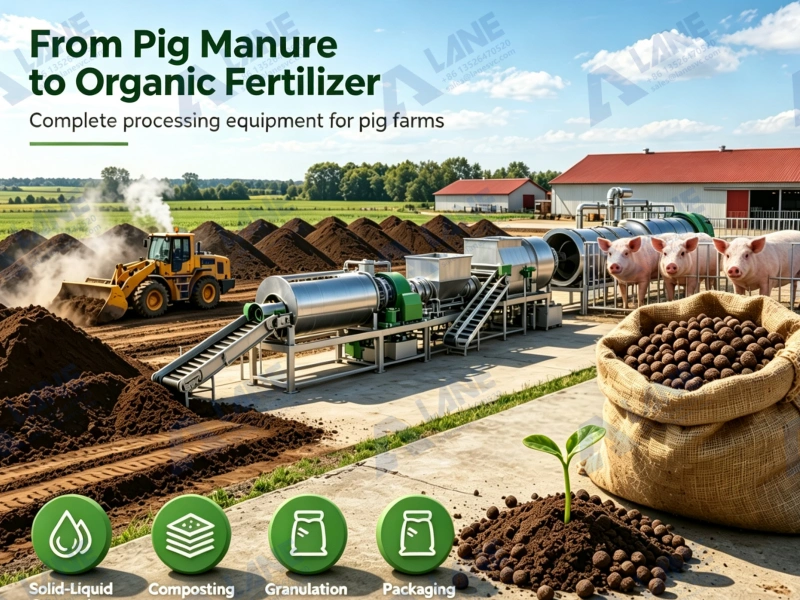
Fertilizer Production Core Tools-Fertilizer Pellet Machine Making
In modern agriculture, the use of fertilizers is essential to ensure high crop yields and soil health. One of the most efficient ways to produce fertilizers is through a fertilizer pellet machine making process. These machines are designed to convert raw materials into uniform, easy-to-handle pellets, making fertilizer application more efficient and effective. This guide will explore the importance of fertilizer pellet machines, their working principles, types, benefits, and tips for selecting the right machine for your needs.
Why Fertilizer Pellet Machines Are Essential
Fertilizer pellet machine making has become increasingly popular due to the numerous benefits it offers to farmers and fertilizer producers. Pelletized fertilizers are easier to apply, store, and transport compared to traditional powder or granular forms. Here are some of the key reasons why fertilizer pellet machines are essential in modern agriculture:
- Improved Nutrient Distribution: Pelletized fertilizers ensure a more uniform distribution of nutrients when applied to the soil. This uniformity promotes consistent plant growth and reduces the risk of nutrient runoff, which can lead to environmental issues.
- Reduced Fertilizer Waste: Pellets are less likely to be blown away by the wind or washed away by rain, reducing the overall waste of fertilizer. This makes fertilizer pellet machine making a cost-effective solution for farmers.
- Enhanced Soil Structure: Pelletized fertilizers help improve soil structure by providing a slow-release source of nutrients. This gradual release ensures that plants receive the nutrients they need over an extended period, promoting healthier and more resilient crops.
- Easier Handling and Storage: Pellets are easier to handle, store, and transport compared to loose powders or granules. This convenience makes fertilizer pellet machine making an attractive option for both small-scale farmers and large agricultural enterprises.
How Fertilizer Pellet Machines Work
The fertilizer pellet machine making process involves several stages, each designed to transform raw materials into high-quality pellets. Understanding how these machines work can help you optimize production and ensure the best results.
- Raw Material Preparation
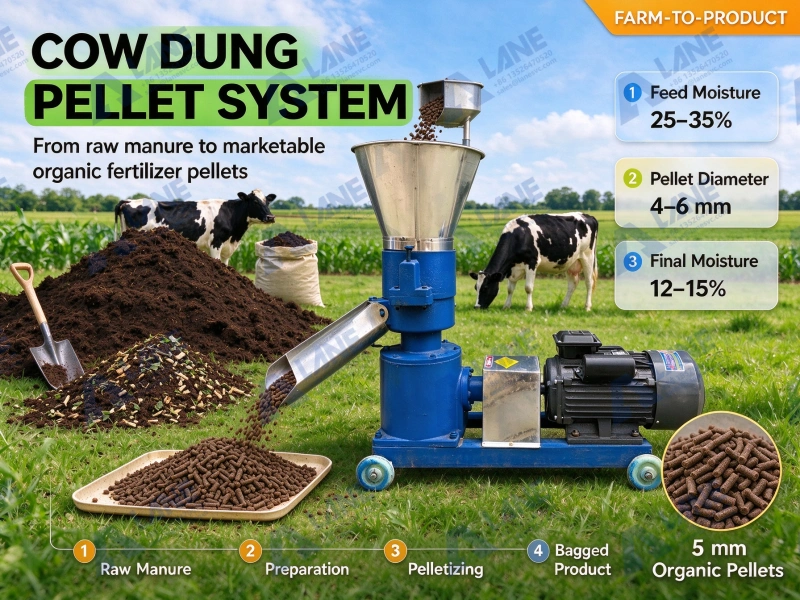
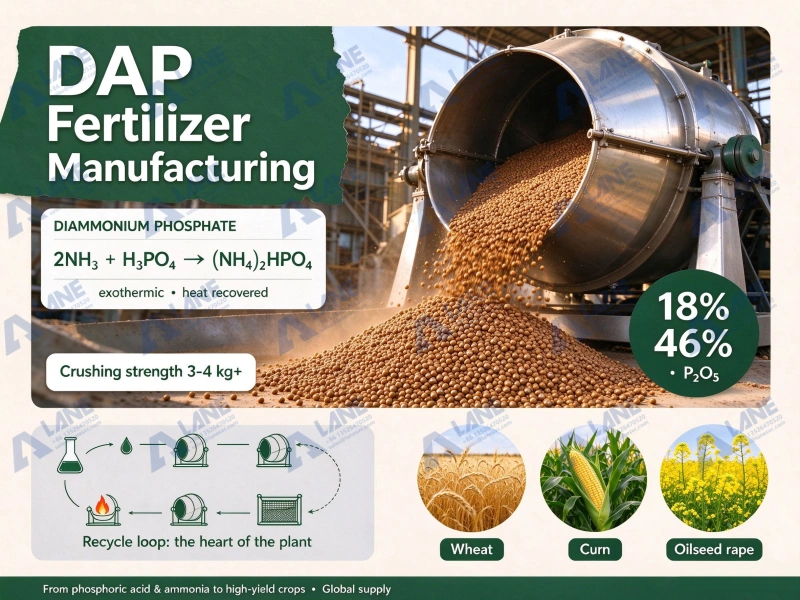
The first step in fertilizer pellet machine making is the preparation of raw materials. Common materials used include organic matter such as compost, manure, and crop residues, as well as inorganic components like urea, phosphate, and potash. These materials are finely ground to ensure uniformity in the final product. - Mixing and Conditioning
Once the raw materials are prepared, they are mixed and conditioned to achieve the desired moisture content and consistency. Conditioning typically involves adding steam or water to soften the materials, making them easier to pelletize. Proper conditioning is crucial for producing durable and uniform pellets. - Pelletizing
In the pelletizing stage, the conditioned material is fed into the fertilizer pellet machine. The machine uses rollers and a die to compress the material into small, cylindrical pellets. The size and shape of the pellets are determined by the die, which can be customized based on specific requirements. - Drying and Cooling
After pelletizing, the pellets are usually hot and contain excess moisture. The drying and cooling process removes this moisture and hardens the pellets, making them suitable for storage and application. This step is essential to ensure the durability and longevity of the pellets. - Screening and Packaging
The final step in fertilizer pellet machine making involves screening the pellets to remove any fines or irregularly shaped particles. The screened pellets are then ready for packaging and storage. Advanced fertilizer pellet machines often include automated packaging systems to streamline this process.
Types of Fertilizer Pellet Machines
There are several types of fertilizer pellet machine making available, each designed to meet different production needs. Here are the most common types:
- Flat Die Pellet Machine
Flat die pellet machines are typically used for small-scale production. They are simple in design, easy to operate, and ideal for producing pellets in small quantities. These machines are often used by small farmers or those just starting in the fertilizer production industry.
Applications: Small farms, home use, small-scale fertilizer production
Key Features: Simple design, lower cost, easy maintenance - Ring Die Pellet Machine
Ring die pellet machines are designed for large-scale production and are commonly used in commercial fertilizer manufacturing plants. They offer higher efficiency and capacity compared to flat die machines, making them suitable for continuous operation.
Applications: Large farms, commercial fertilizer production, industrial use
Key Features: High capacity, continuous operation, durable construction - Double Roller Granulator
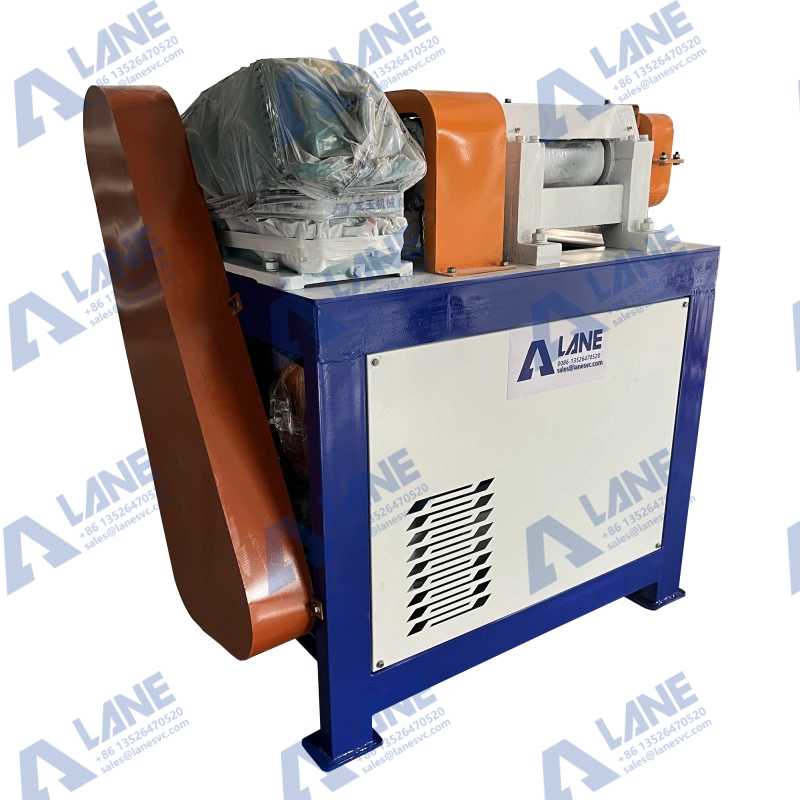
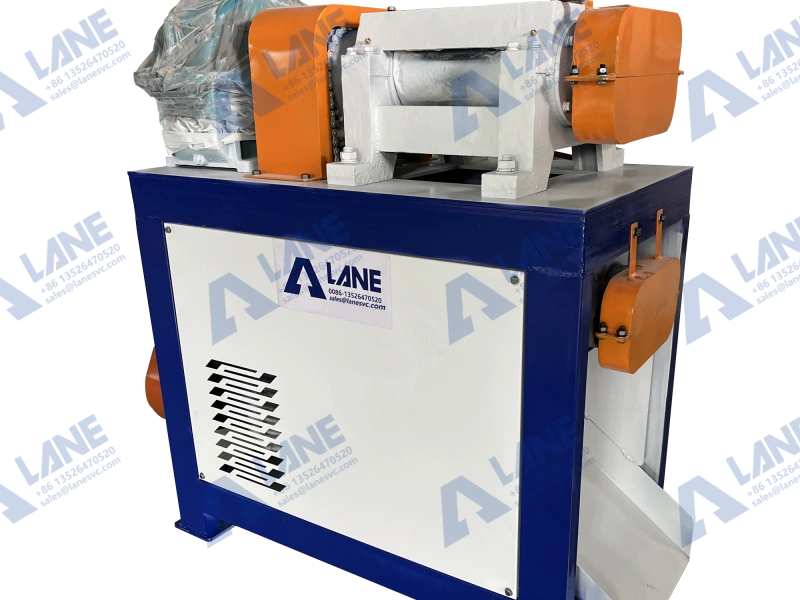
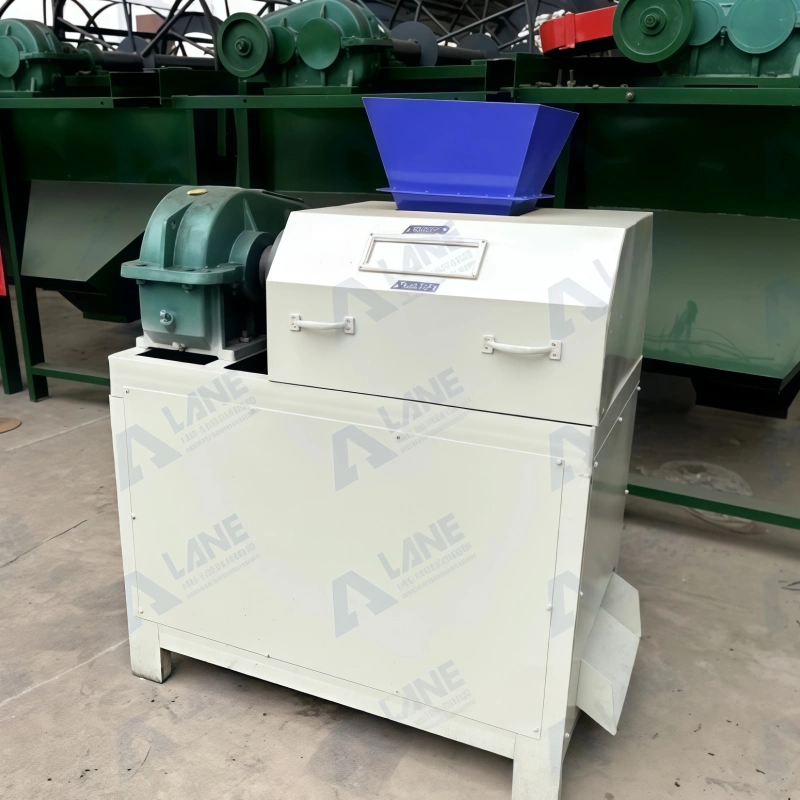
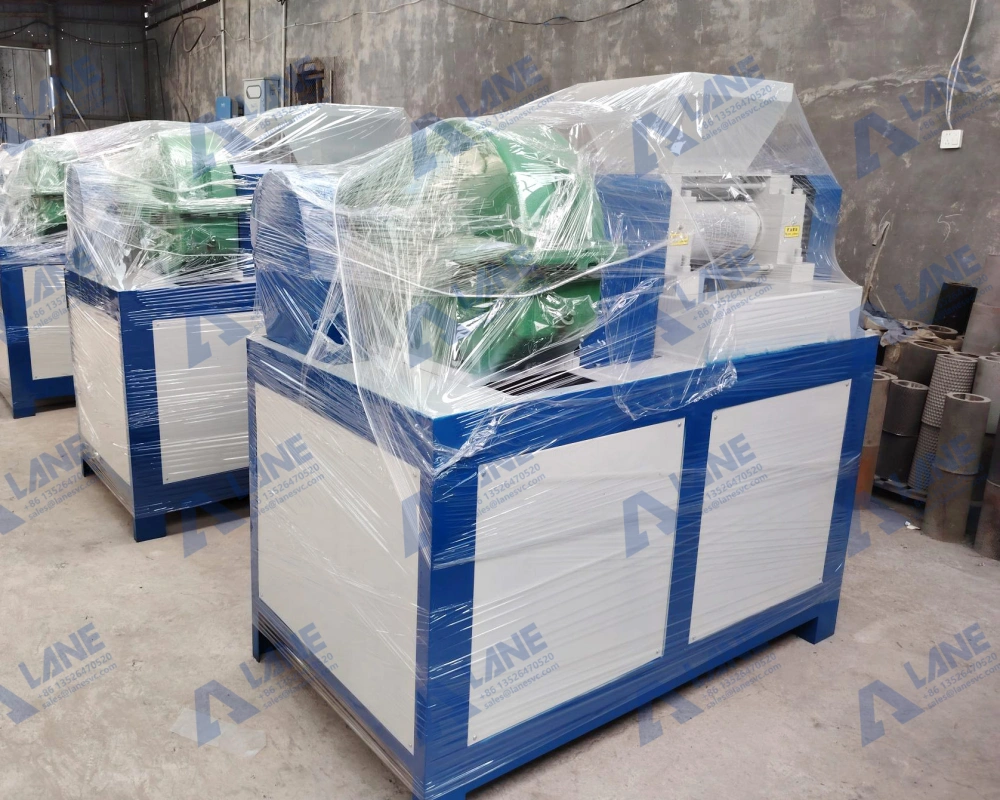
The double-roller granulator is a dry granulator. The raw materials enter from the feed hopper and are extruded throughthe mold shells above the two roller skins. After demoulding.they enter the crushing and molding module at the lower partofthe roller body to crush the entire particle board into Looseparticles coming out of the machine. The particles are intheshape of flat spheres, and the size of the particles is deter-mined by the size of the mold, which can be customized. - Stirring Pin Granulator
The high-speed rotating mechanical stirring force and the resulting aerodynamic force are used to continuously mix thefine powder materials in the machine to achieve the purposeof granulation. The particle shape is spherical, the particlesize is 0.5mm~mm, and the granulation rate is 90 % ormore, and the moisture content is about 35% to 40%.
Benefits of Fertilizer Pellet Machine Making
The use of fertilizer pellet machine making offers numerous advantages to both producers and end-users. Here are some of the key benefits:
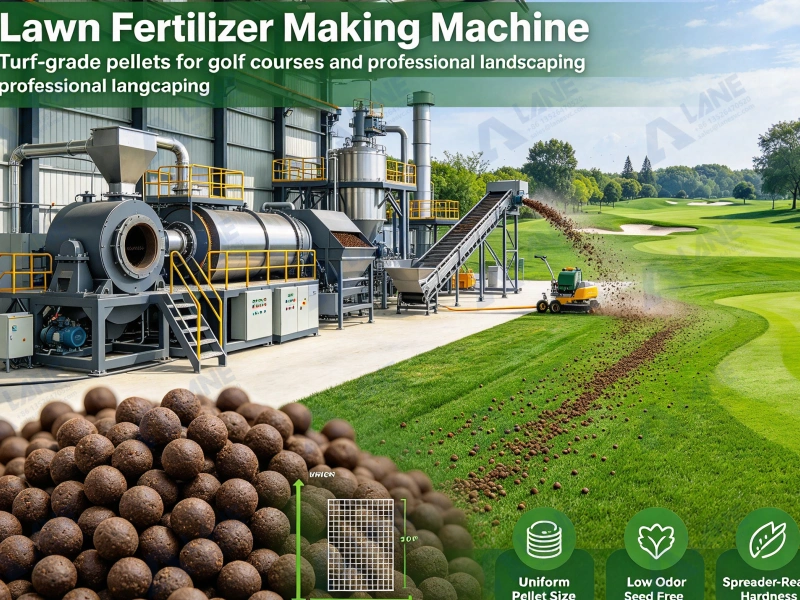
- Consistent Product Quality. Pellet machines ensure that the final product is consistent in size, shape, and nutrient content. This consistency is crucial for achieving uniform application rates and optimal plant growth.
- Efficient Production Process. Fertilizer pellet machines are designed to operate efficiently, minimizing waste and reducing production costs. This efficiency is particularly important for large-scale producers who need to maintain high output levels.
- Flexibility in Fertilizer Formulation. Fertilizer pellet machine making allows for the customization of fertilizer formulations to meet specific crop needs. Producers can easily adjust the nutrient content and pellet size to create tailored solutions for different agricultural applications.
- Environmental Benefits. Pelletized fertilizers are less prone to runoff and leaching, reducing the environmental impact of fertilizer application. Additionally, many fertilizer pellet machines can process organic materials, promoting sustainable agriculture practices.
Choosing the Right fertilizer pellet machine making
Selecting the right fertilizer pellet machine making equipment is crucial for achieving your production goals. Here are some factors to consider when making your choice:
- Production Capacity. Consider the volume of fertilizer you need to produce. Small-scale operations may only require a flat die pellet machine, while larger commercial operations will benefit from the higher capacity of a ring die machine.
- Raw Material Type. Different raw materials require different processing techniques. If you’re using high-fiber or tough materials, a horizontal pellet machine may be the best choice.
- Desired Pellet Size. The size of the pellets can impact how the fertilizer is applied and absorbed by plants. Choose a machine that can produce pellets in the size range that best suits your needs.
- Budget. Fertilizer pellet machines vary widely in price, depending on their capacity and features. Determine your budget and look for a machine that offers the best balance between cost and performance.
- Energy Efficiency. Energy consumption is a critical factor, especially for large-scale operations. Choose a machine that offers high energy efficiency to reduce operating costs.
Best Practices for Operating a Fertilizer Pellet Machine
To get the most out of your fertilizer pellet machine making equipment, it’s important to follow best practices in operation and maintenance:
- Regular Maintenance
Perform regular maintenance on your machine to prevent wear and tear. This includes checking for worn parts, cleaning the machine, and lubricating moving components. - Monitor Raw Material Quality
The quality of the raw materials directly impacts the quality of the final pellets. Ensure that your materials are clean, free of contaminants, and properly prepared. - Adjust Settings for Optimal Performance
Different materials and pellet sizes may require different machine settings. Regularly monitor the machine’s performance and make adjustments as needed to optimize pellet quality. - Train Operators
Proper training is essential for safe and efficient operation. Ensure that all operators are fully trained in the use and maintenance of the fertilizer pellet machine. - Monitor Pellet Quality
Regularly check the quality of the pellets produced. Look for consistent size, shape, and hardness. If you notice any issues, adjust the machine settings or review your raw material preparation process.
Conclusion
Fertilizer pellet machine making is a vital process in modern agriculture, offering a range of benefits from improved nutrient distribution to reduced waste and enhanced soil structure. By understanding the different types of machines available and the best practices for operation, you can optimize your fertilizer production process and achieve the best results for your crops. Whether you’re a small-scale farmer or a large commercial producer, investing in a high-quality fertilizer pellet machine will pay dividends in terms of efficiency, cost savings, and environmental sustainability.