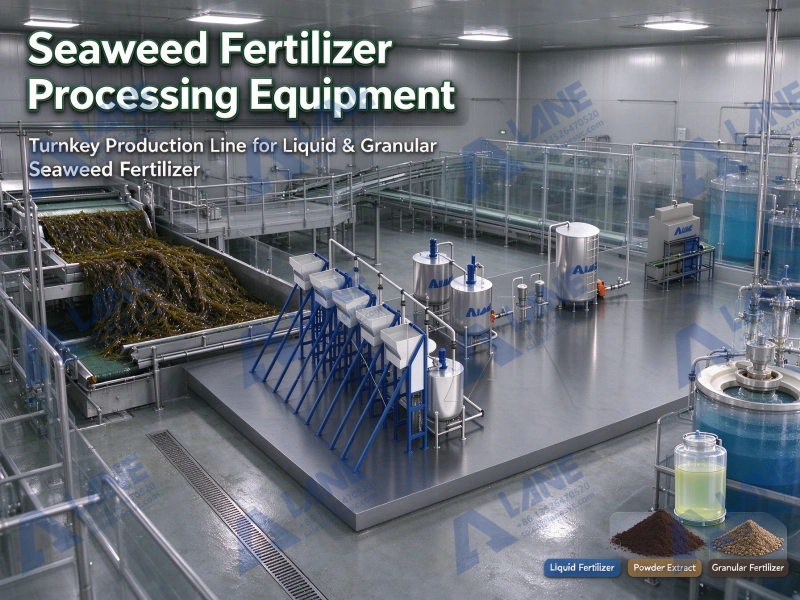
Granular Fertilizer Making Machine: Revolutionizing Fertilizer Production
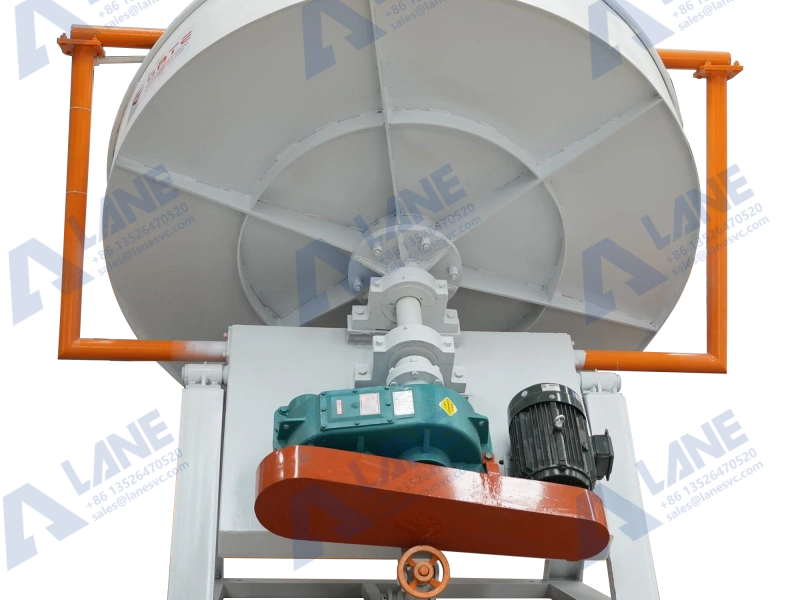
In the agricultural sector, the demand for high-quality fertilizers continues to grow as farmers seek to enhance crop yields and improve soil health. The granular fertilizer making machine has emerged as a critical tool in meeting this demand by producing uniform, high-quality granular fertilizers that are easy to store, transport, and apply. This article delves into the significance of granular fertilizers, the functionality of the granular_fertilizer_making_machine, its benefits, and the key factors to consider when investing in this technology.
Understanding the Importance of Granular Fertilizer Making Machine
Granular fertilizers offer several advantages over other forms of fertilizers, such as powders or liquids. They are easy to handle, provide a slow and controlled release of nutrients, and reduce the risk of over-fertilization. Granular fertilizers also ensure that nutrients are evenly distributed across the field, leading to more consistent crop growth.
Key Benefits of Granular Fertilizer Making Machine:
Ease of Application: Granular fertilizers can be easily applied using standard agricultural equipment, reducing labor costs and increasing efficiency.
Controlled Release: The granules break down slowly, providing a steady supply of nutrients to crops over time.
Reduced Waste: The even distribution of granules minimizes nutrient runoff and wastage, making them more environmentally friendly.
How th Granular Fertilizer Making Machine Works
Thegranular fertilizer making machine is designed to convert raw materials into uniform granules, which can then be packaged and distributed to farmers. The process involves several key steps, each critical to ensuring the quality and consistency of the final product.
- Raw Material Preparation
The process begins with the preparation of raw materials, which may include organic matter, minerals, and chemical additives. These materials are carefully measured and mixed to achieve the desired nutrient balance. - Granulation
The mixed materials are then fed into the granulation chamber of the machine. Here, the machine uses various methods—such as extrusion, rolling, or pelletizing—to form the materials into granules. The size and shape of the granules can be adjusted based on the specific requirements of the end product. - Drying
After granulation, the granules are typically wet and need to be dried to achieve the desired hardness and stability. The granular_fertilizer_making_machine includes a drying component that removes excess moisture from the granules, ensuring they are suitable for storage and transportation. - Cooling
Once dried, the granules are cooled to prevent them from sticking together and to further harden them. This step is essential for maintaining the quality and shelf life of the fertilizer. - Screening and Packaging
The cooled granules are then screened to remove any oversized or undersized particles. The uniform granules are then ready for packaging, while the off-spec particles are recycled back into the process. - Coating (Optional)
Some granular fertilizers are coated with a protective layer to enhance their durability and control the release of nutrients. The coating process is integrated into thegranular fertilizer making machine, providing a complete solution for fertilizer production.
Types of Granular Fertilizer Making Machine
There are several types of granular_fertilizer_making_machines, each designed to meet different production needs and material requirements.
| Model | Capacity(tph | Power(kw) | Size(mm) | Roller size(mm) | Rotation Speed(rpm) |
|---|---|---|---|---|---|
| LAZR-1.0 | 0.8-1 | 11-15 | 1200*700*1000 | Φ150*220 | 1450 |
| LAZR-1.5 | 1-1.5 | 11-15 | 1300*800*1100 | Φ150*300 | 1450 |
| LAZR-2.0 | 2-3 | 22 | 1630*850*1650 | Φ168*300 | 1450 |
| LAZR-3.0 | 3-4.5 | 30 | 1900*1050*1200 | Φ300*300 | 1450 |
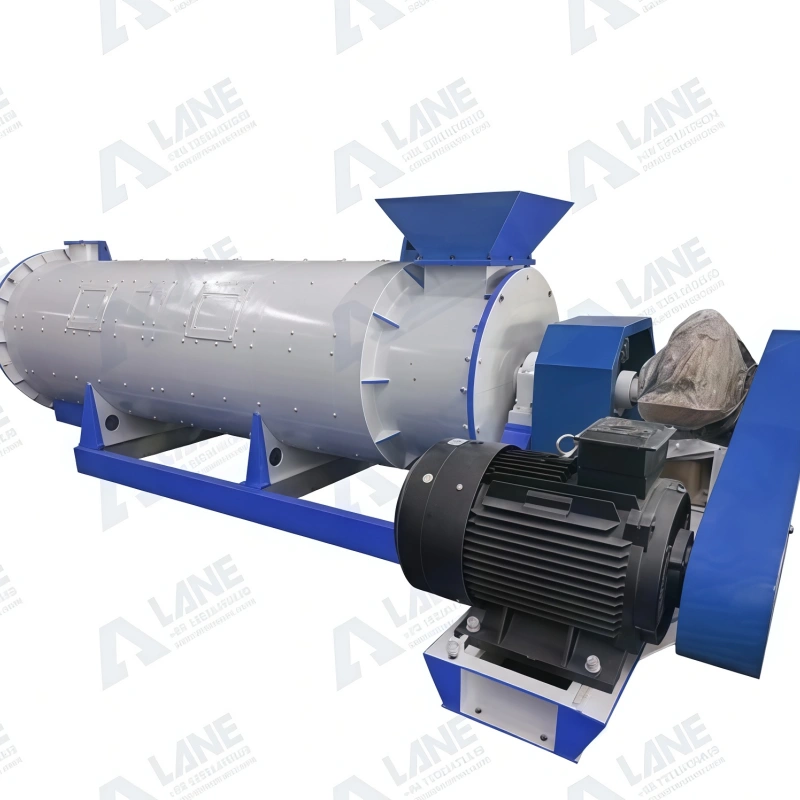
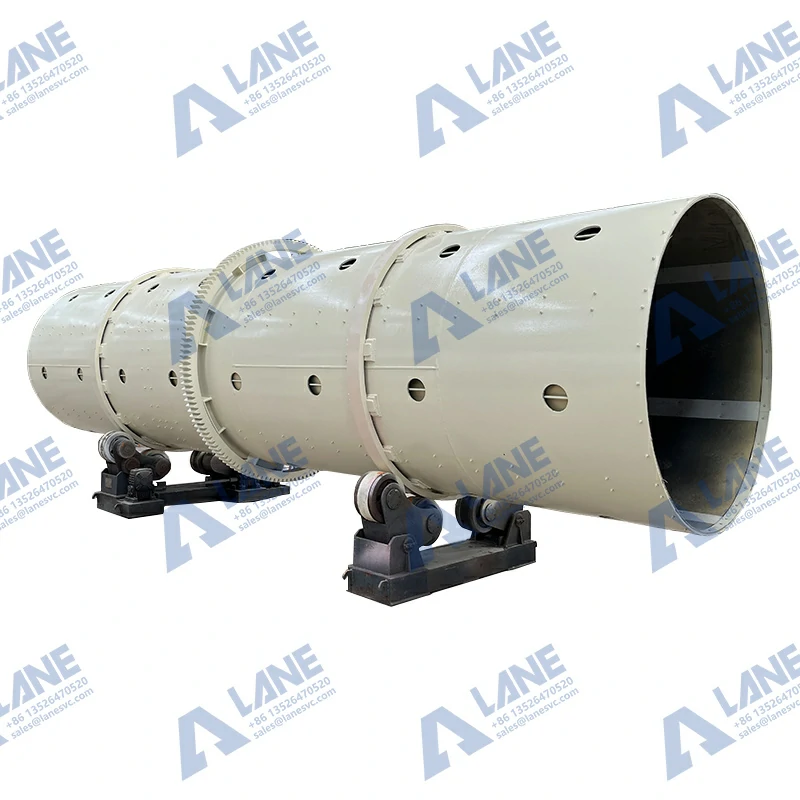
The rotary drum granulator is one of the most common types of granulation equipment. It works by rotating a drum filled with raw materials, causing them to agglomerate into granules. This type of machine is ideal for large-scale production and can handle a wide variety of materials.
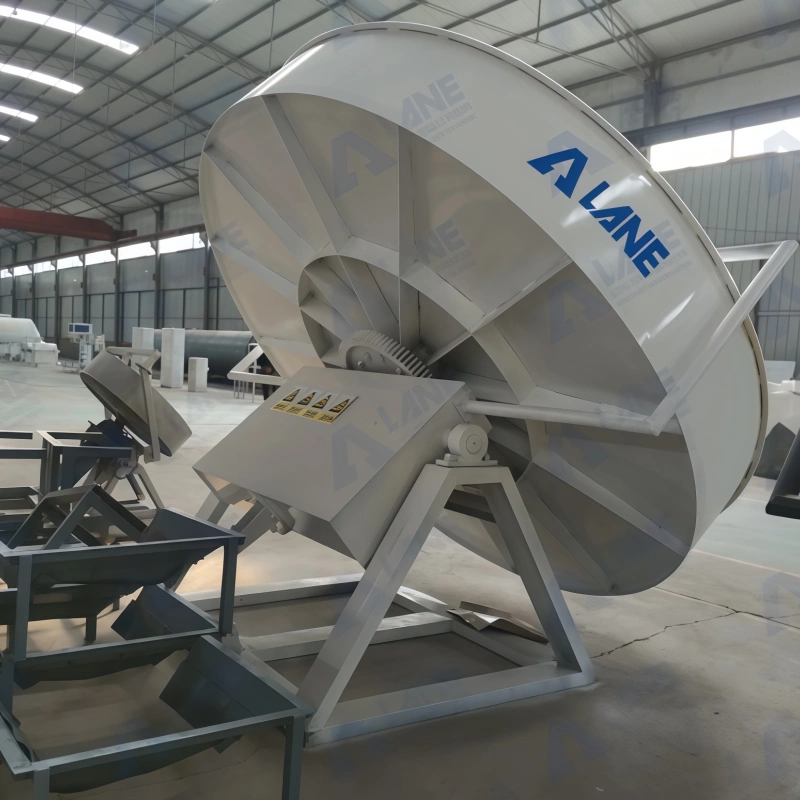
The disc pan granulator uses a rotating disc to agglomerate the raw materials into granules. The angle and speed of the disc can be adjusted to control the size of the granules. This machine is suitable for small to medium-scale production and is known for its flexibility and ease of operation.
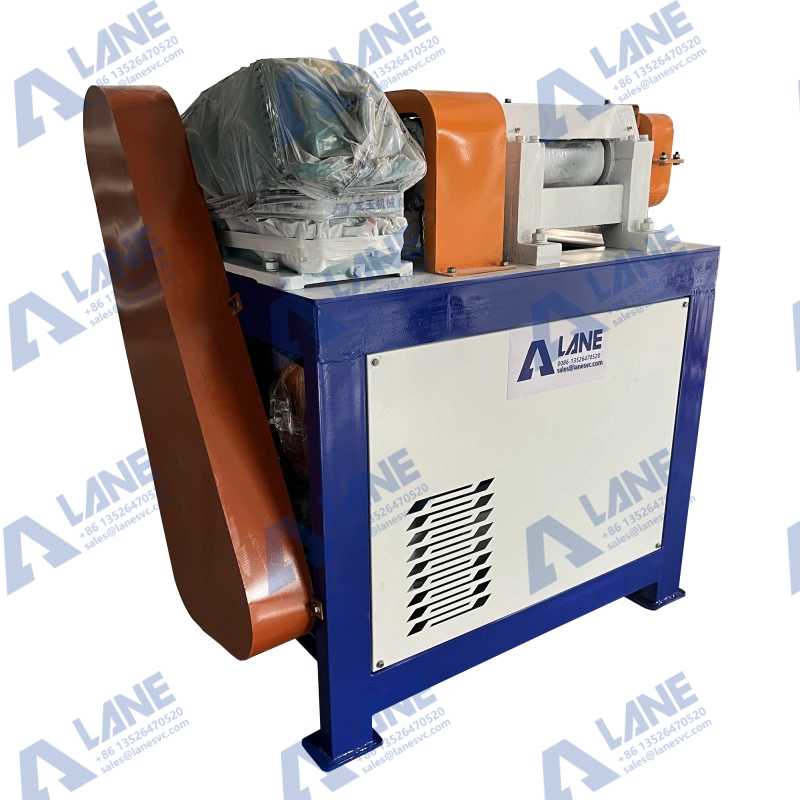
The double roller granulator uses pressure to compress the raw materials into granules. This machine is ideal for producing fertilizers with high nutrient content and is often used for producing compound fertilizers.
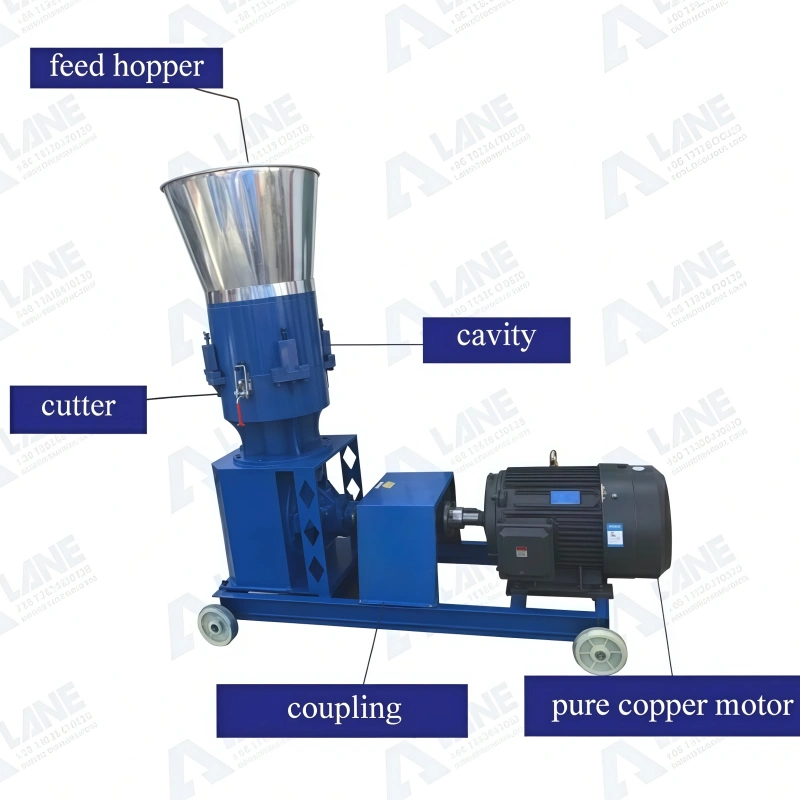
| Model | Capacity(kg/h) | Weight(kg) | Power(kw) |
|---|---|---|---|
| LA125 | 80-100 | 35 | 3-4 |
| LA150 | 90-150 | 40 | 3-4 |
| LA160 | 150-200 | 45 | 4.5 |
| LA210 | 200-300 | 110 | 7.5 |
| LA230 | 350-450 | 150 | 11 |
| LA260 | 400-500 | 190 | 15 |
| LA300 | 500-700 | 400 | 22 |
| LA360 | 700-800 | 600 | 22 |
| LA400 | 900-1200 | 750 | 30 |
The flat die granulator uses a flat die and rollers to compress the raw materials into granules. This machine is particularly suitable for producing organic fertilizers.
Benefits of Using a Granular Fertilizer Making Machine
Investing in a granular fertilizer making machine offers numerous benefits, making it a valuable addition to any fertilizer production facility.
- High Efficiency: granular fertilizer making machines are designed to produce large quantities of granules quickly and efficiently. This high output capacity makes them ideal for meeting the growing demand for fertilizers.
- Consistent Product Quality: The machine ensures that the granules produced are uniform in size and nutrient content, resulting in a consistent and high-quality product that meets the needs of farmers.
- Versatility: These machines can process a wide range of raw materials, including organic matter, minerals, and chemical additives. This versatility allows producers to create a variety of fertilizer formulations to meet different agricultural needs.
- Cost-Effective Production: By automating the granulation process, the granular_fertilizer_making_machine reduces labor costs and minimizes material waste, making fertilizer production more cost-effective.
- Environmental Benefits: The controlled release of nutrients from granular fertilizers reduces the risk of nutrient runoff, which can cause environmental pollution. The machine’s efficient use of materials also minimizes waste, contributing to more sustainable fertilizer production.
- Enhanced Shelf Life: The drying and cooling processes ensure that the granules are stable and have a long shelf life, reducing the risk of product degradation during storage and transportation.
Key Considerations When Choosing a Granular Fertilizer Making Machine
When selecting agranular fertilizer making machine, it’s essential to consider several factors to ensure that the machine meets your production needs and delivers the desired results.
- Production Capacity
Consider the size of your operation and the volume of fertilizer you need to produce. Choose a machine with a production capacity that matches your requirements to ensure efficient and cost-effective operation. - Material Compatibility: Ensure that the machine you choose is compatible with the types of raw materials you intend to use. Some machines are better suited for specific materials, such as organic matter or chemical additives.
- Granule Size Control
Look for a machine that allows you to adjust the size and shape of the granules to meet specific product requirements. This flexibility is essential for producing fertilizers that cater to different agricultural needs. - Energy Consumption: Energy efficiency is an important consideration, as it directly impacts operating costs. Choose a machine that offers high efficiency and low energy consumption to maximize profitability.
- Maintenance and Durability: Consider the maintenance requirements of the machine and its overall durability. A machine that is easy to maintain and built to last will minimize downtime and reduce long-term operating costs.
- Automation and Control Features: Modern granular_fertilizer_making_machines come with advanced automation and control features that allow for precise management of the production process. Look for a machine with user-friendly controls and the ability to monitor and adjust key parameters in real-time.
Conclusion
The granular fertilizer making machine is a game-changer in the fertilizer production industry, offering a reliable and efficient solution for producing high-quality granular fertilizers. With its ability to produce uniform granules, control nutrient release, and reduce environmental impact, this machine is an essential tool for any fertilizer production facility. By considering factors such as production capacity, material compatibility, energy efficiency, and automation features, you can select the right granular_fertilizer_making_machine to meet your needs and drive the success of your fertilizer production business.