How Tow Behind Compost Turner Shortens The Composting Cycle
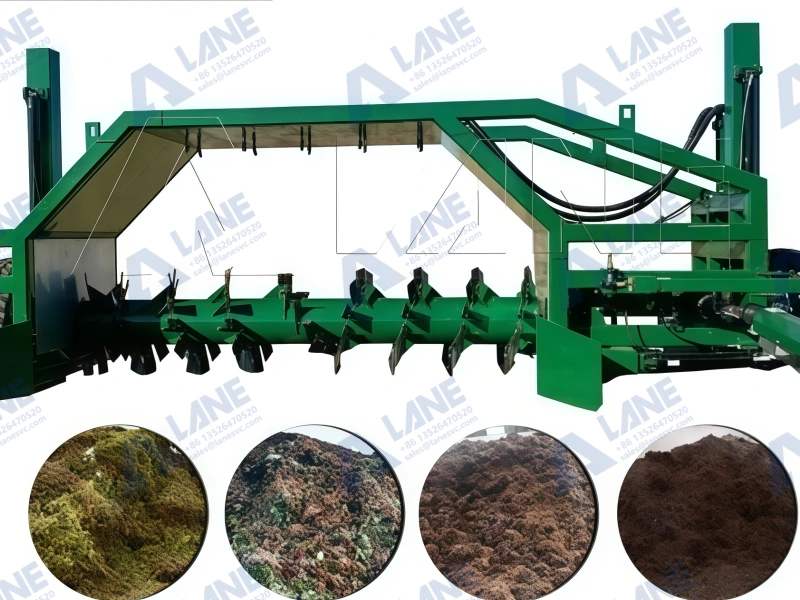
Many small-scale farms and organic fertilizer manufacturers face the problem of too long fermentation cycle. The static storage of livestock and poultry manure and straw often takes several months to complete the fermentation process.
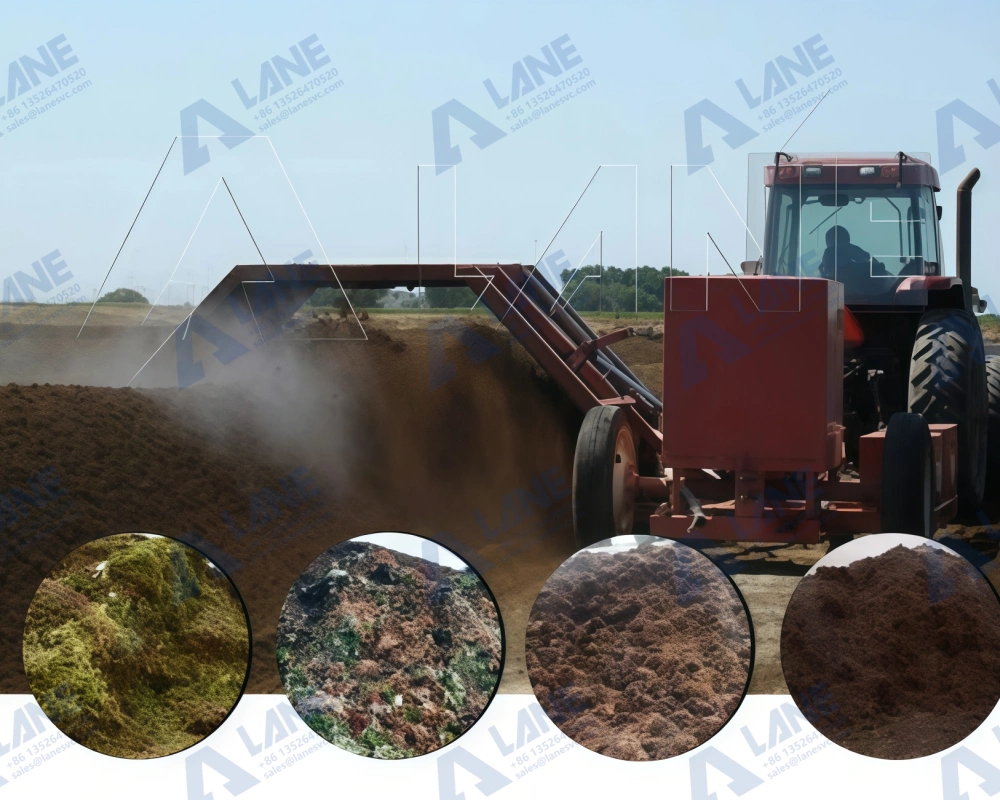
Using a Tow Behind Compost Turner is an effective way to improve production efficiency. Many operators know that this equipment can speed up the composting process, but few have a deep understanding of the underlying working principle.
Below, we will explain in detail how the Tow Behind Compost Turner activates microbial activity and greatly shortens the overall fermentation time.
Disadvantages Of Traditional Static Composting
After the raw materials are piled up, they are not turned over regularly, and it is very easy for static piles to form large areas of anaerobic regions. These problems hinder the decomposition of organic matter, which is why more and more composting sites choose to use Tow Behind Compost Turner to solve the fermentation problem.
- Poor air permeability restricts aerobic bacteria reproduction
The manure pile is continuously compacted as it is piled up, and the dense material blocks the airflow, making it difficult for aerobic microorganisms that decompose waste to reproduce normally.
- Uneven material temperature causes inconsistent fermentation progress
The outer layer of the pile cools down quickly, while the core remains at a high temperature. The fermentation speed of raw materials in different temperature regions is greatly different.
- Accumulated organic acid leads to material deterioration and odor surge
Anaerobic reactions produce organic acids when there is a lack of oxygen exchange. Acidic substances accumulate continuously, inhibit beneficial microorganisms, and produce strong odors.
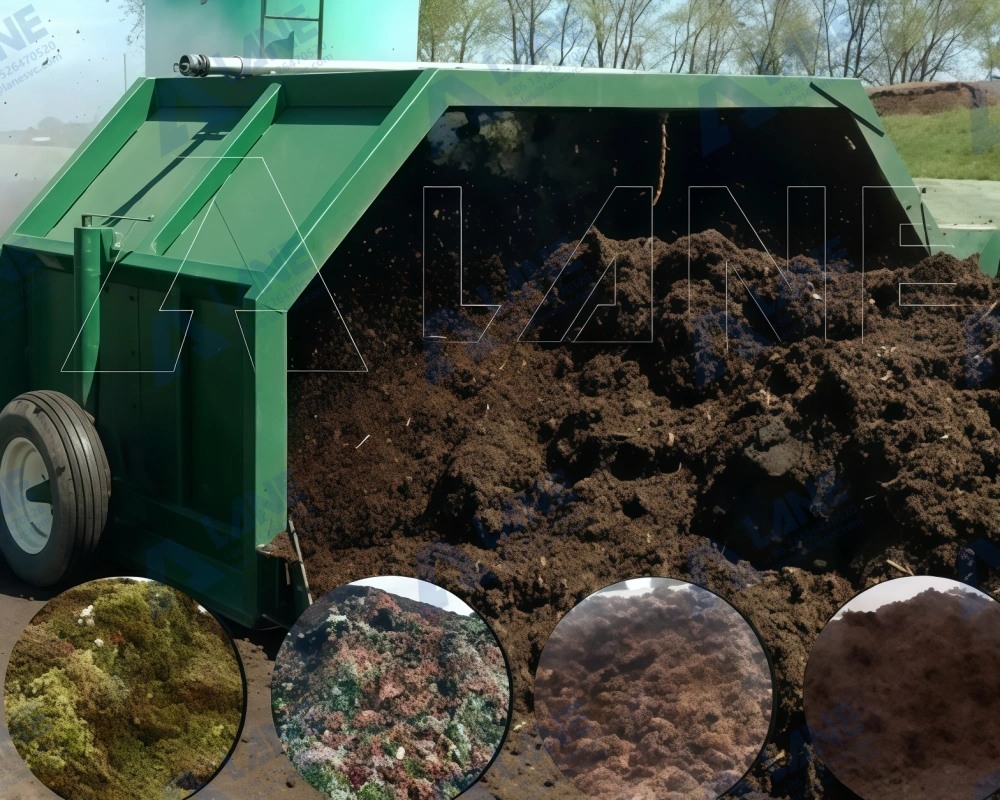
Core Mechanisms: How Tow Behind Compost Turner Accelerates Composting
The Tow Behind Compost Turner relies on mechanical disturbance to adjust the internal environment of the pile, mainly through four ways to shorten the fermentation cycle.
Realize sufficient oxygen exchange inside compost piles
High-speed rotating blades spray and disperse the material, fresh air penetrates into the pile, and oxygen-free areas in the pile are eliminated.
Balance material temperature and humidity evenly
During the turning operation, the high-temperature core material is mixed with the low-temperature outer material, and the excess water in the material is fully evaporated during the throwing process, maintaining the appropriate moisture conditions for microorganisms.
Break compacted lumps and eliminate fermentation dead zones
Hard lumps formed by moist feces were broken up during the turning process. The loose material structure continues to retain gaps, ensuring air circulation.
Dilute acidic substances to maintain suitable microbial pH
The composted material and fresh material are fully mixed, the concentration of organic acid is reduced, the acidity and alkalinity of the heap remain stable, and the continuous activity of aerobic microorganisms is ensured.
Structural Design Of Tow Behind Compost Turner Supports Efficient Turning
The stable operation capability of the Tow Behind Compost Turner comes from targeted structural optimization. Each core component is designed around the continuous aerobic composting operation.
♦ Heavy-duty roller and wear-resistant turning blades
The thick-walled drum is paired with chrome-alloy wear-resistant blades, which can continuously withstand the impact of sticky feces. The hard blade can effectively break the compacted material and improve the permeability.
♦ Hydraulic lifting system for adjustable turning depth
The operator can freely adjust the depth of the turning pile through the hydraulic device, which can meet different fermentation needs such as shallow turning or thorough mixing of the whole layer.
♦ Towing mobile design adapts to strip composting sites
The equipment can be connected to a common agricultural tractor, move freely along the long strip pile, and do not need to build a fixed track, saving the cost of site construction.
♦ Shock absorption structure reduces equipment load impact
The built-in shock absorber component buffers the impact of stones and hard material blocks, reduces wear on the transmission system, and extends the service life of the equipment.
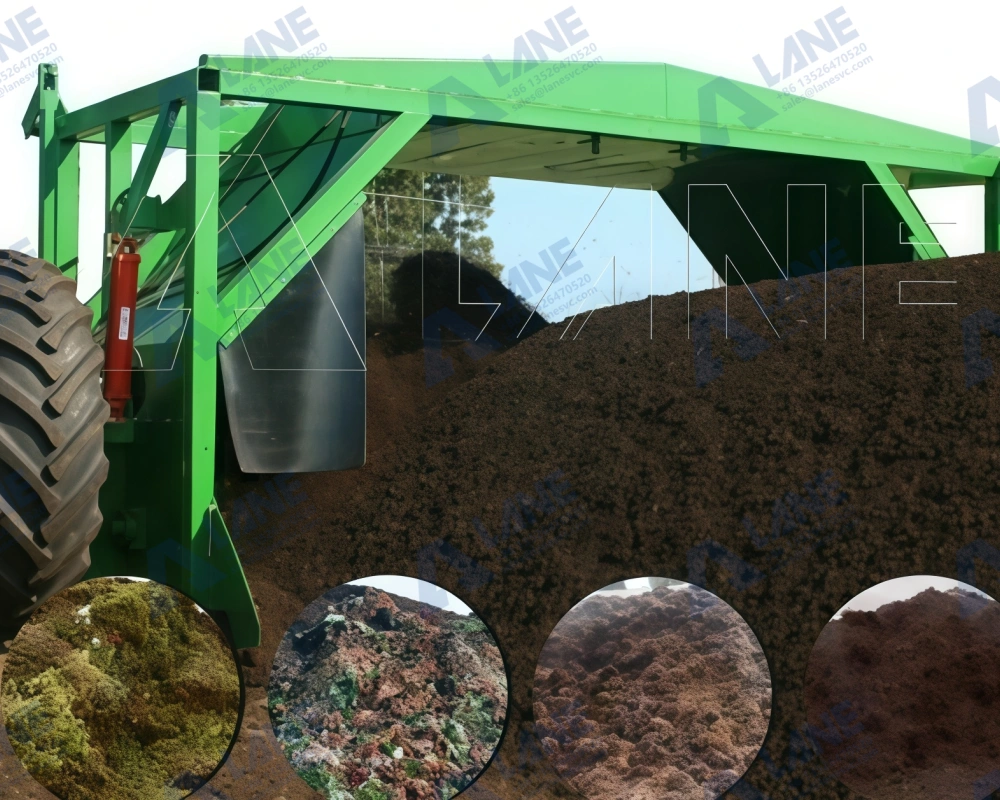
Composting Cycle Comparison: Static Pile VS Tow Behind Compost Turner
The actual production data can intuitively reflect the advantage of the Tow Behind Compost Turner in shortening the fermentation time.
- Fermentation cycle of untreated static raw materials
The static storage of livestock and poultry manure mixed with straw requires 90 to 180 days for complete fermentation. The long cycle occupies a lot of space and the return of capital is slow.
- Typical fermentation cycle using tow behind compost turner
With suitable humidity conditions, the aerobic fermentation can be completed in only 45 to 60 days by using a Tow Behind Compost Turner to turn the pile regularly.
- Output growth and land occupation changes after cycle reduction
The fermentation cycle is shortened, and the factory can process more batches of raw materials every year. Under the same land area, the annual output of organic fertilizer is nearly doubled.
Proper Operation Skills To Maximize The Value Of Tow Behind Compost Turner
Only by standardizing the operation can the manufacturer fully exert the advantages of the Tow Behind Compost Turner and realize the shortest fermentation cycle. Improper operation will greatly weaken the effect of speeding up fermentation.
> Reasonable turning frequency based on raw material types
High-moisture chicken manure should be turned over every 2 to 3 days; The dry cow dung mixed material can be extended to 4 to 6 days.
> Control suitable windrow height and width
The pile height of the conventional Tow Behind Compost Turner is controlled between 1.2m and 1.8m. The stack is too high, and the internal ventilation effect is poor.
> Adjust turning depth according to real-time pile temperature
When the core temperature exceeds 65 ℃, full-depth turning and heat dissipation is required; When the temperature is stable, shallow and moderate turning can be used.
> Pre-treatment of overly wet and lumpy raw materials
When the water content of raw materials exceeds 65%, dry materials such as straw should be mixed in advance. If the moisture of the material is too high, it is easy to stick together, which will reduce the turning effect of the Tow Behind Compost Turner.
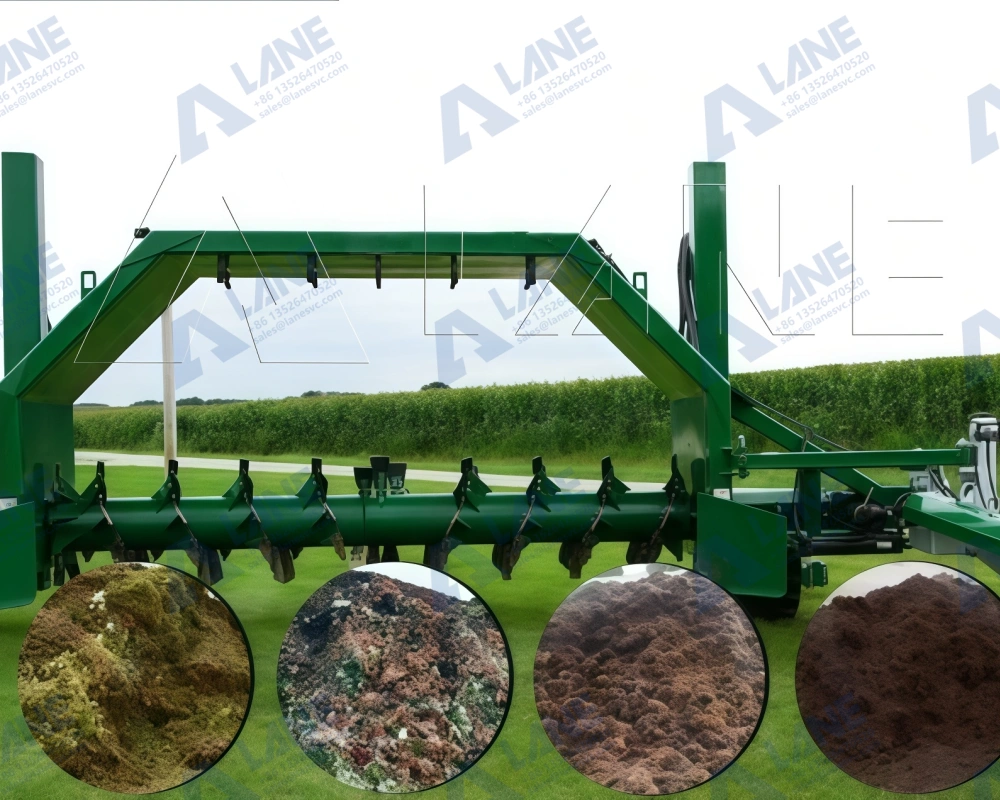
Tow Behind Compost Turner VS Self-propelled Compost Turner
Many customers are confused about the selection of different models of turner. In order to effectively shorten the fermentation cycle, it is necessary to understand the applicable scenarios of the Tow Behind Compost Turner.
• Differences in mobility and site requirements
The Tow Behind Compost Turner relies on the tractor to pull, which is suitable for open-air open pile composting sites. Self-driving models are more suitable for spaces that are narrow and have fixed fermentation tanks.
• Input cost and later maintenance comparison
The purchase cost of the Tow Behind Compost Turner is lower, the accessories are more universal, and the long-term maintenance cost of small and medium-sized farms is lower.
• Suitable scale of breeding farms and compost sites
Poultry farms with a daily waste treatment capacity of less than 80 tons should choose this equipment as a priority. Large centralized composting plants generally use self-propelled turning machines.
LANE Optimized Tow Behind Compost Turner For Organic Waste Fermentation
Combined with the need to shorten the fermentation cycle for a large number of customers, LANE Machinery has upgraded and optimized multiple components of the Tow Behind Compost Turner for the manure and straw composting project.
- Arch frame structure with strong torsion resistance
The arched frame is made of thick steel plate, which is not easy to twist and deform under heavy load operation, and maintains stable operation for a long time.
- Modular blades for easy replacement
Individual damaged leaves can be replaced separately, without the need to disassemble the drum as a whole, saving maintenance time on the composting site.
- Optional remote control function for continuous operation
The customer can install a remote control device, and the operator does not need to stay in the smelly compost area, remotely controlling forward, turning over, and lifting.
- Wide tires to avoid soil compaction on compost sites
Wide tires reduce the pressure on the ground, avoiding the equipment crushing the soft ground of the hardened open-air composting site.
Common Mistakes That Affect The Working Effect Of Tow Behind Compost Turner
After some manufacturers purchase the Tow Behind Compost Turner, the fermentation effect cannot reach the expected level, which is mainly due to several typical errors in operation.
Unreasonably oversized or narrow windrow stacking
The pile is too wide, and the equipment cannot thoroughly turn it over; The pile is too narrow, the heat loss is too fast, and the temperature required to kill the eggs and bacteria cannot be reached.
Long intervals between two adjacent turning operations
The interval between turning the pile is more than 7 days, and a large area of anaerobic area is formed again in the pile body, which greatly reduces the effect of oxygen supply improvement in the early stage.
Ignore raw material moisture adjustment before composting
Many manufacturers do not test the moisture content and directly pile the material. If the raw material is too wet or too dry, it will limit the function of the Tow Behind Compost Turner.
Overload operation leading to incomplete material turning
Forcing the equipment to process extremely thick piles, incomplete material mixing, and large lumps continuing to remain in the pile, slowing down the fermentation progress.
Frequently Asked Questions
Farmers often ask about the use of Tow Behind Compost Turner and the control of fermentation cycle, so we have compiled a high-frequency question-and-answer list.
Q: Which raw materials are suitable for fermentation with a tow behind compost turner?
A: It is suitable for mixing animal and poultry manure with straw, sawdust, garden waste, kitchen organic residues, and other materials.
Q: How many times per week should the pile be turned to shorten the fermentation cycle?
A: Normally 2 to 3 times a week, adjusted flexibly according to the temperature of the pile and the moisture content of the raw material.
Q: Can a tow behind compost turner directly handle high-moisture chicken manure?
A: No. It is necessary to first mix straw and other auxiliary materials, reduce the moisture content to below 65%, and then pile and turn over.
Q: Do you need ventilation equipment in addition to the turning operation?
A: By relying on the periodic turning of the Tow Behind Compost Turner, the basic aerobic fermentation requirements can be met. Additional ventilation ducts can be selected for large projects.
Q: What horsepower tractor is required for a standard tow behind compost turner?
A: The regular model is suitable for tractors with a power of more than 60 horsepower; It is recommended to use a tractor with a power of more than 80 horsepower when widening the working machine.
Conclusion
The Tow Behind Compost Turner mainly improves the oxygen supply conditions of the pile, balances the internal physical and chemical environment of the pile, and accelerates the fermentation process of the compost pile.
Standardized operation and appropriate supporting equipment can shorten the overall fermentation time to the greatest extent.
For small and medium-sized farms and decentralized composting projects, a Tow Behind Compost Turner is a cost-effective solution that can achieve stable aerobic fermentation.
After the fermentation cycle is shortened, the organic fertilizer processing plant can process more batches of raw materials every year, improve the overall production capacity, speed up the turnover of funds, and bring more economic benefits to the enterprise.