From Manure to Marvel: The Revolutionary Animal Excrement Fertilizer Production Line
Imagine a world where animal waste isn’t just a byproduct of farming but a golden opportunity for sustainable growth. Enter the Animal Excrement Fertilizer Production Line, a cutting-edge innovation that turns what was once waste into rich, life-giving fertilizer. This transformative technology takes the challenge of manure management and flips it into a powerful tool for enhancing soil fertility and promoting greener agriculture.
Unpacking the Magic: What is the Animal Excrement Fertilizer Production Line?
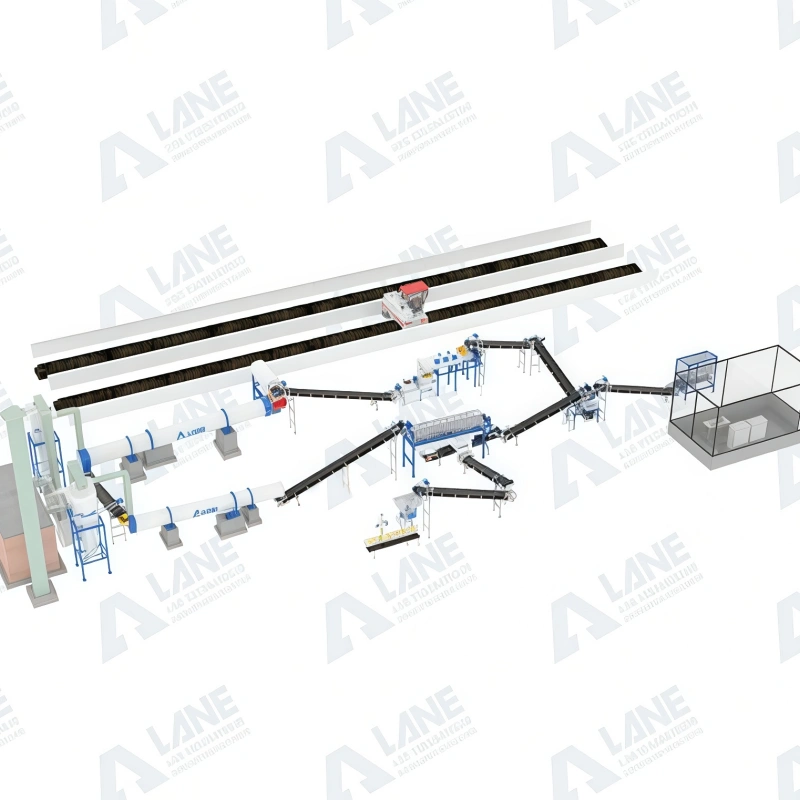
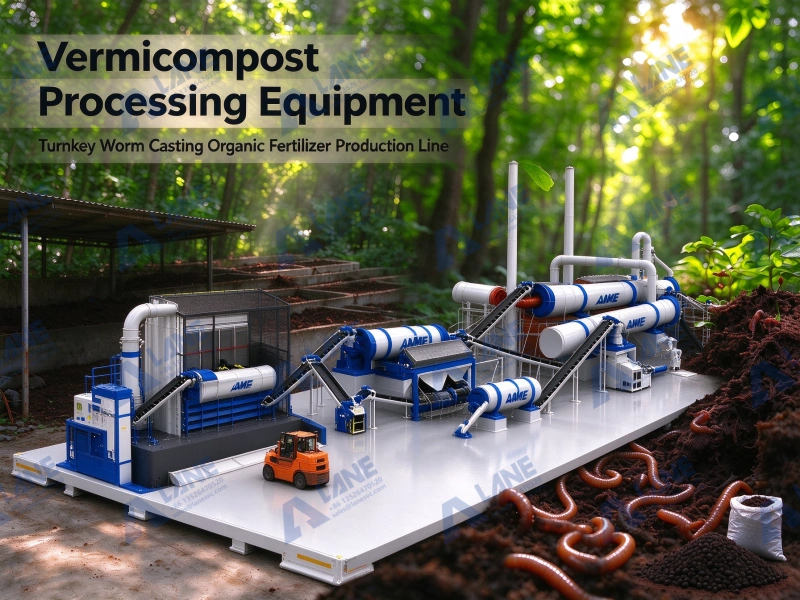
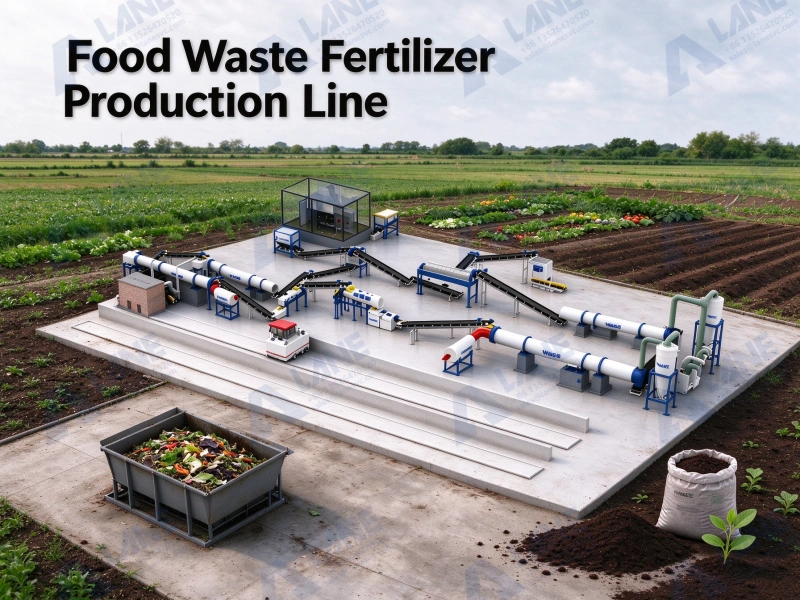
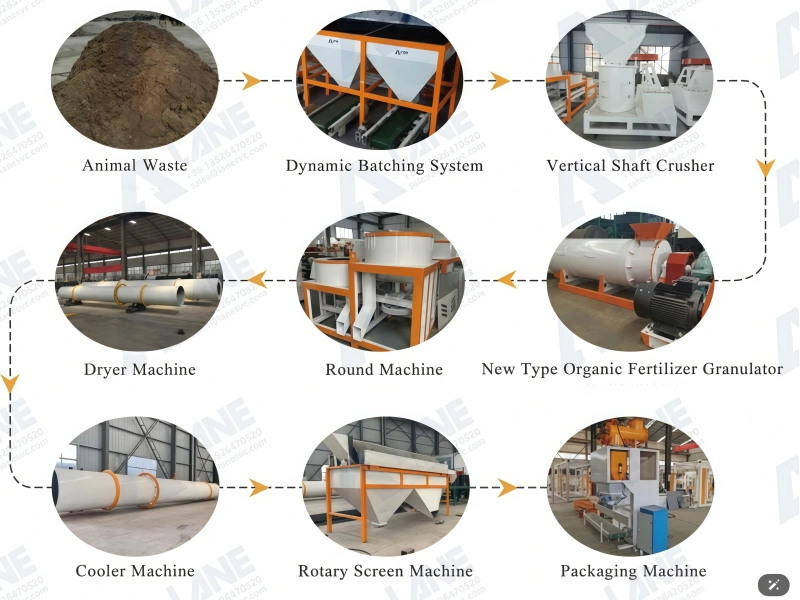
At its core, the Animal Excrement Fertilizer Production Line is a sophisticated assembly of machines that work in harmony to convert livestock waste into organic fertilizer. This system is a game-changer for farms, whether they’re dealing with the manure of cows, chickens, pigs, or sheep. The process is efficient, eco-friendly, and ultimately beneficial for both the environment and crop production.
The Key Players in the Animal Excrement Fertilizer Production Line:
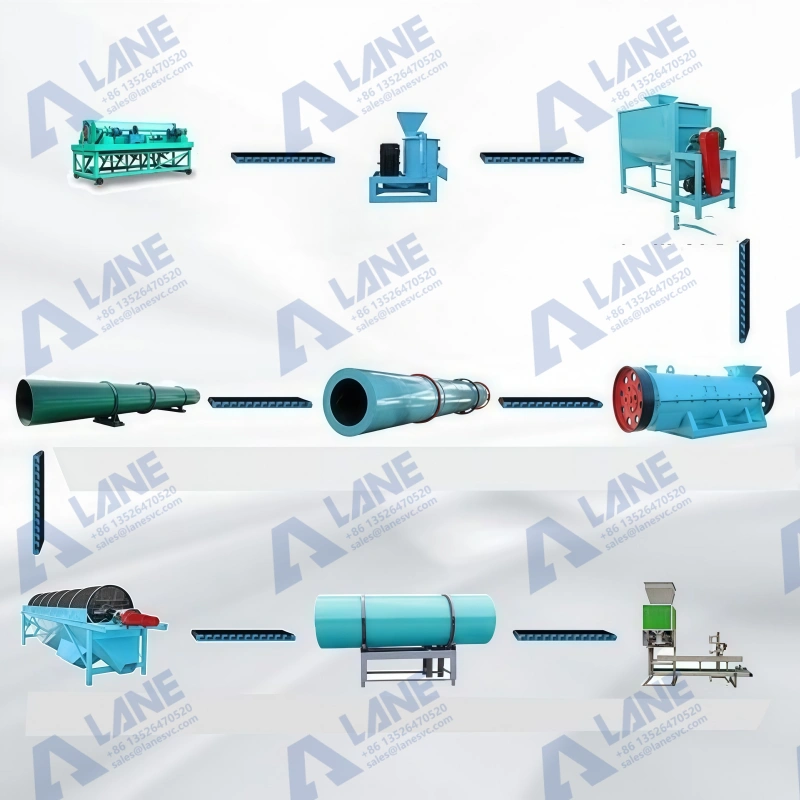
- Raw Material Collector: Gathers manure from various animal enclosures.
- Fermentation Reactor: Where the magic begins—manure is transformed into compost.
- Crusher: Smashes any large clumps to ensure smooth processing.
- Mixer: Blends the compost with other ingredients to fine-tune the nutrient mix.
- Granulator: Shapes the mixture into easy-to-use granules.
- Dryer and Cooler: Prepares the granules for storage by drying and hardening them.
- Screening System: Ensures only the best granules make it to the packaging stage.
- Packaging Unit: Seals the deal, packaging the fertilizer for distribution.
The Journey from Waste to Fertilizer
So, how does this remarkable Animal Excrement Fertilizer Production Line take raw manure and turn it into something valuable? Let’s break down the journey:
- Gathering the Gold
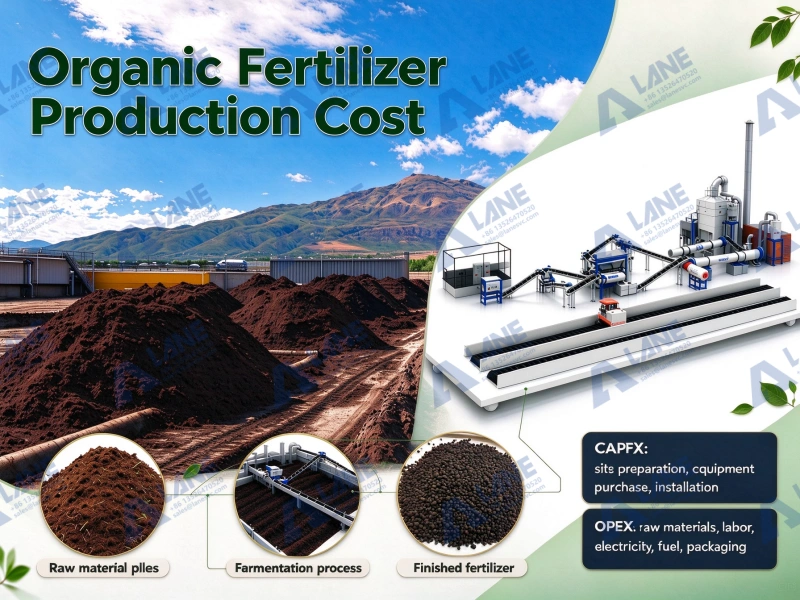
It all starts with the collection of animal manure. Farms generate massive amounts of this material daily, and instead of letting it go to waste, it’s gathered up and brought into the production line.
- Fermentation: The Heart of the Process
The manure is then loaded into a fermentation reactor or treated with a compost turner. This is where the transformation begins. Through aerobic fermentation, the manure breaks down, harmful pathogens are destroyed, and the material becomes rich, fertile compost. This stage is critical for ensuring that the final product is safe and effective as a fertilizer.
- Breaking It Down
Next, the compost might still have some large clumps, which are then broken down by the crusher. This ensures that the material is uniform and easy to work with in the following stages.
- Mixing for Perfection
The finely crushed compost is mixed with other essential ingredients, depending on the specific needs of the crops it’s intended for. This could involve adding extra nutrients to create a fertilizer blend that’s perfectly tailored to the farm’s requirements.
- Granulation: Shaping the Future
The mixed material is then granulated, forming it into small, uniform pellets. These granules are easy to spread, ensuring that the nutrients are evenly distributed when applied to the soil.
- Drying and Cooling: Sealing the Quality
After granulation, the pellets are dried to remove excess moisture and cooled to harden them. This process not only makes the fertilizer easier to handle and store but also extends its shelf life.
- Screening: Only the Best
A screening machine ensures that only granules of the right size move on to the packaging stage. Any that are too large or too small are sent back for reprocessing, ensuring consistency in the final product.
- Packaging the Power
Finally, the perfected granules are packaged, ready to be used or sold. This packaging process can be fully automated, making it easy to prepare large quantities of fertilizer for the market.
| Product Name | Model | Yield | Detail | Speed | Power |
|---|---|---|---|---|---|
| Crawler Compost Turner | LALG-2500 | 400-1500m*3/h | Stacking height 600mm-1500mm | 5-10m/min | 36-170 horsepower |
| Forklift Feeding Hopper | LAH-1.5-3 | Silo size: 1-4 meters | 2250mm*1050mm*1590mm | 1450r/min | 2.2-3KW |
| Vertical Crucher | LAC-60V | 1-12t/h | ZQ series reducer | 1450r/min | 7.5-37KW |
| Organic Fertilizer Granulator | LAZJ-1000 | 1-8t/h | ZY series reducer | 1450r/min | 7.5-11KW |
| Polishing Machine | LAP2-800 | 2-10t/h | Double bearing | 1450r/min | 3-7.5KW |
| Rotary Drum Drying Machine | LARD:1.2-12 | 1-25t/h | ZQ series reducer | 1450r/min | 5.5-22KW |
| Cooling Machine | LARC-1.0-10 | 1-20t/h | ZQ series reducer | 1450r/min | 5.5-22KW |
| Rotary Screen Machine | LAS-1240 | 1-23t/h | ZQ series reducer | 1450r/min | 3-7.5KW |
| Pellet Packing Machine | LAB-50K | 4-30 bags/minute | Packaging specification: 20-50kg | 4-6 bags/min | 50Hz/60Hz/220V/380V |
Why Choose the Animal Excrement Fertilizer Production Line?
- Environmental Impact
Turning animal waste into fertilizer has a massive positive impact on the environment. It reduces the need for chemical fertilizers, which can be harmful to the soil and water, and keeps manure from polluting local ecosystems.
- Boosting Soil Health
Organic fertilizers produced by this line are packed with essential nutrients that plants crave. Over time, these fertilizers improve soil structure, increase water retention, and encourage the growth of beneficial microbes—all of which lead to healthier crops and higher yields.
- Cost-Effective Farming
Managing manure can be expensive, but the Animal Excrement Fertilizer Production Line turns this cost into a potential profit. Farmers can reduce waste disposal costs and even create a new revenue stream by selling the organic fertilizer they produce.
- Sustainable Practices
Using organic fertilizers is a step toward sustainable agriculture. This production line helps close the loop on waste, ensuring that what comes from the farm returns to the farm, enriching the soil naturally and sustainably.
- Odor Control
One of the less glamorous but crucial benefits is odor control. The fermentation and composting process within this line significantly reduce the strong smells associated with manure, making the farm a more pleasant place to work and live.
- Tailored Fertilizer
This system allows for customization, meaning farmers can produce fertilizer blends that meet the specific needs of their soil and crops. This targeted approach leads to better results and more efficient use of resources.
- Scalability
Whether you’re running a small farm or a large agricultural operation, the Animal Excrement Fertilizer Production Line can be scaled to meet your needs. Its versatility makes it a viable option for a wide range of farming setups.
Final Thoughts
The Animal Excrement Fertilizer Production Line is more than just a set of machines—it’s a transformative approach to farming. By turning manure into a powerful, natural fertilizer, this technology helps farms operate more sustainably, reduces waste, and improves crop production. It’s a win-win for farmers and the environment.
If you’re looking to enhance your farm’s efficiency, reduce your environmental footprint, and produce healthier crops, investing in an Animal Excrement Fertilizer Production Line could be the key. It’s time to see waste not as a problem, but as an opportunity to grow—literally and figuratively.