Belt Conveyor Motor: How to Deal with Frequent Tripping Problems?
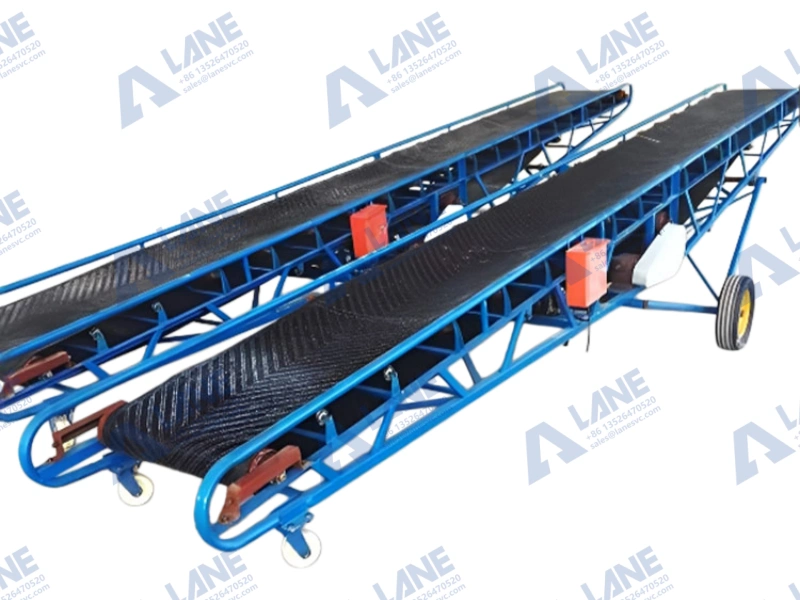
Frequent tripping of the belt conveyor motor is one of the most annoying and common electrical faults in organic fertilizer production lines. Most fertilizer processing plants rely on belt conveyor to finish continuous material delivery, including fermented manure, straw powder, compound fertilizer raw materials and recycled screen residues.
Many on-site workers only reset the switch and restart the machine after tripping. This temporary operation can only resume production for a short time. Without finding the real cause, the belt conveyor motor will trip repeatedly, resulting in frequent shutdowns, low production efficiency and increased waste materials. Long-term unresolved tripping will also burn motor coils indirectly, raising equipment replacement costs and delaying factory delivery schedules.
Belt Conveyor Motor Tripping Caused by Overload Due to Humid Material Accumulation and Its Solutions
Problem Analysis
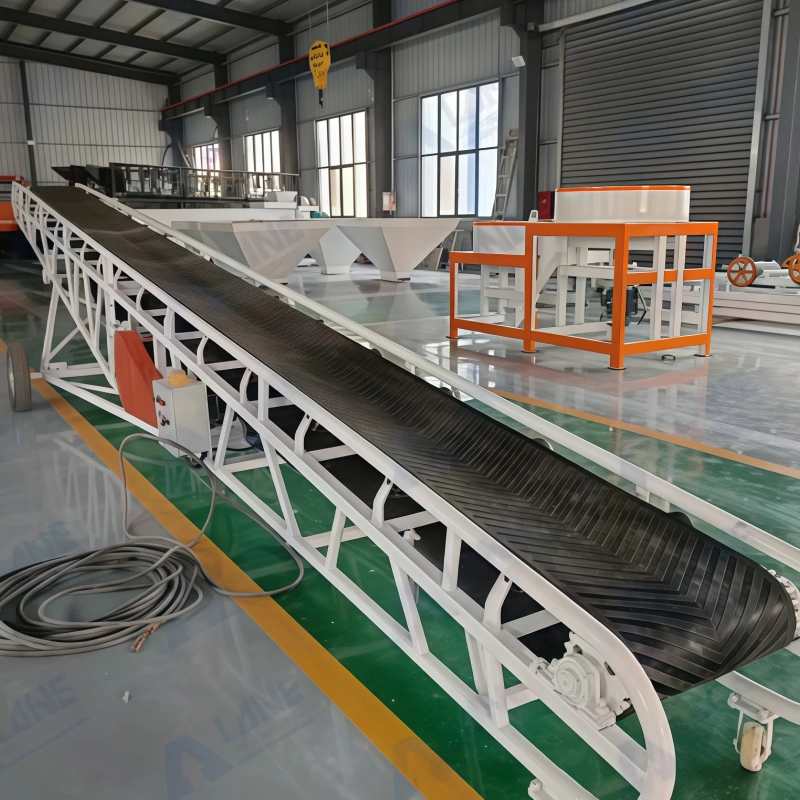
Organic fertilizer raw materials such as cow manure, chicken manure and pig manure maintain high humidity after aerobic fermentation. Wet materials have strong adhesion and easily stick to the belt surface, roller gaps and conveyor frame edges during long-term conveying. Day by day, residual materials accumulate into thick layers and greatly increase the actual operating load of the belt conveyor motor. When the instantaneous load exceeds the motor rated bearing range, the overload protection system will automatically power off and cause tripping.
Practical Solution
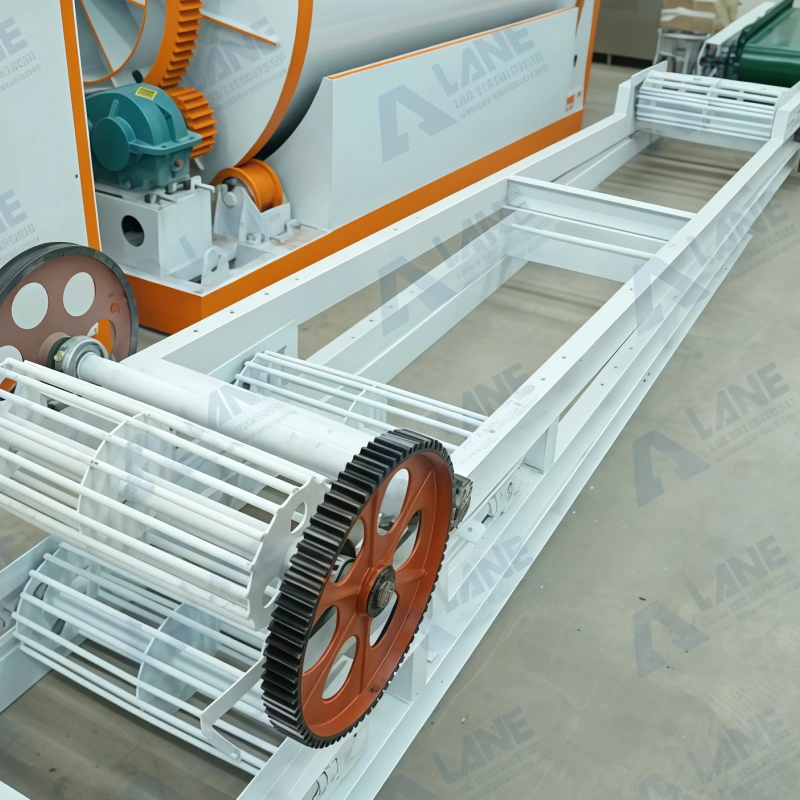
Workers need to clean belt residues and roller sticky materials before each shift. Our customized anti-stick belt conveyor is equipped with automatic bottom scrapers, which continuously clean residual wet materials during operation. Keeping the belt and rollers clean can effectively reduce operating resistance and avoid overload tripping caused by material accumulation. Regular surface cleaning removes hidden load risks and allows the belt conveyor motor to operate within standard load range all day long.
Belt Conveyor Motor Trip Due to Unmatched Feeding Speed and Adjustment Approach
Problem Analysis
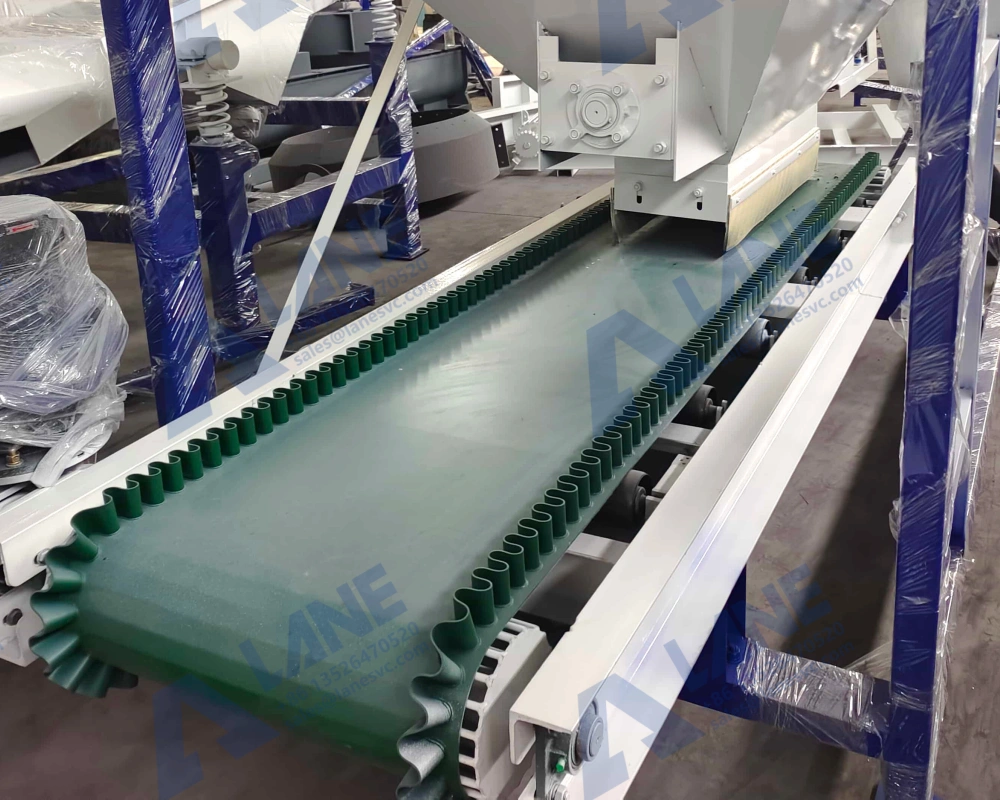
Most fertilizer production lines use screw feeders to discharge materials to the belt conveyor. Many new operators pursue high hourly output and set the feeding frequency too high. A large amount of mixed manure and straw materials surge onto the belt in a short time, forming thick material accumulation. The belt conveyor motor cannot bear the sudden heavy load, which directly triggers overcurrent tripping and forces the whole conveying system to stop running.
Practical Solution
According to the actual conveying capacity of the belt conveyor, adjust the feeding frequency step by step to ensure uniform and flat material distribution on the belt. Avoid instantaneous material surge and heavy local accumulation. Reasonable speed matching can make the belt conveyor motor run in a stable load state all day long and eliminate tripping failures caused by improper feeding. Balanced feeding coordination protects the motor from frequent current impact and extends the service life of the belt conveyor equipment.
Belt Conveyor Motor Trip Due to Aging and Loose Circuit Accessories and Maintenance Recommendations
Problem Analysis
The working environment of fertilizer workshops is always dusty and humid. The belt conveyor runs for 10 to 12 hours every day. Long-term dust corrosion and moisture penetration will cause motor terminal loosening, wire aging and poor line contact. High-load operation will generate instantaneous current surge, activating the overcurrent protection and leading to continuous tripping of the belt conveyor motor. Hidden circuit faults are difficult to find in daily inspection, causing repeated failures.
Practical Solution
Arrange special personnel to inspect circuit tightness every week. Regularly replace aging wires and oxidized terminals. Our complete set of belt conveyor supporting electrical components adopts dust-proof and moisture-proof design, which greatly reduces circuit failure rate and effectively avoids motor tripping caused by line faults. Standard electrical maintenance can stabilize current transmission and ensure continuous and stable operation of the belt conveyor motor.
Belt Conveyor Motor Tripping Caused by Increased Resistance from Roller Bearing Jamming
Problem Analysis
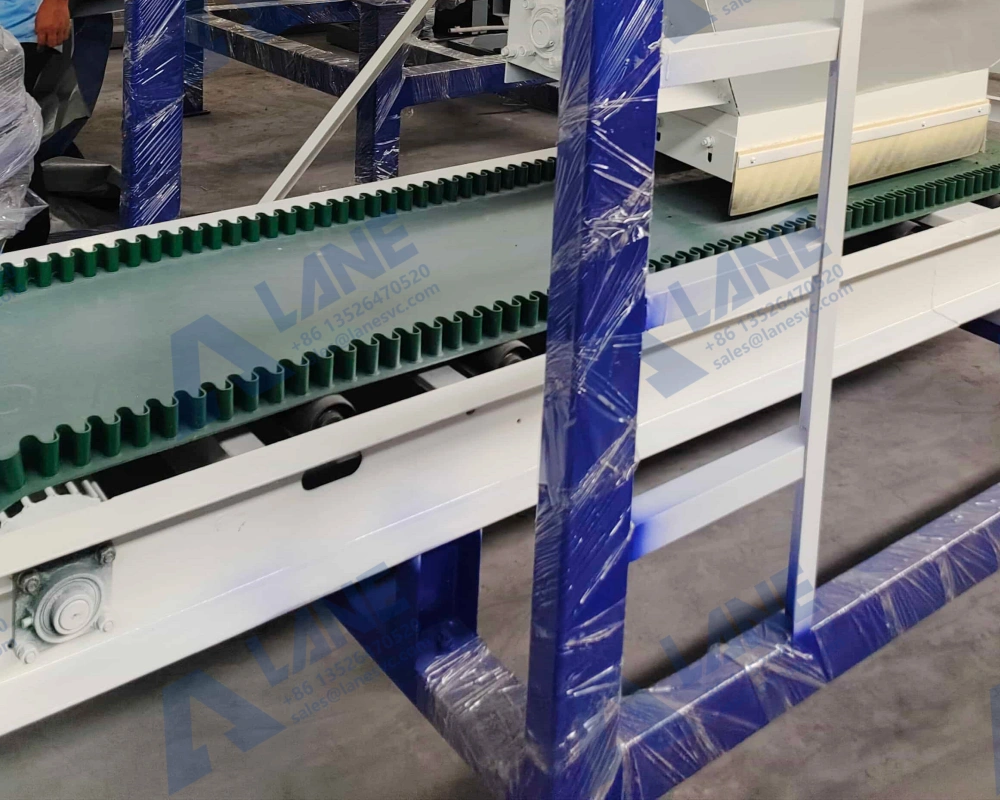
The supporting rollers of the belt conveyor are in long-term contact with fine organic fertilizer dust and wet manure residues. Without regular grease replenishment, the bearings will rust, jam and rotate inflexibly. Stuck rollers bring huge frictional resistance. The belt conveyor motor needs to consume excessive current to drive operation, eventually triggering overload tripping and affecting the continuous conveying process of organic fertilizer raw materials.
Practical Solution
Implement fixed-cycle lubrication maintenance every three working days. Our upgraded belt conveyor adopts fully sealed wear-resistant bearings, which prevent dust and water from entering the bearing interior. This structural optimization ensures flexible roller rotation, reduces mechanical resistance, and fundamentally solves motor tripping caused by bearing jamming. Stable mechanical operation greatly reduces the failure probability of the belt conveyor motor during peak production periods.
Belt Conveyor Motor Trip Due to Grid Voltage Fluctuation and Optimization Measures
Problem Analysis
Fertilizer workshops have multiple high-power equipment running simultaneously, including crushers, granulators, compost turners and dryers. Concentrated startup and operation will cause instantaneous grid voltage drop and unstable voltage fluctuation. Low voltage reduces the operating torque of the belt conveyor motor. Under unchanged material load, the motor is prone to overcurrent operation and automatic tripping, which seriously affects the continuous production rhythm.
Practical Solution
Install supporting voltage stabilizer equipment for the belt conveyor motor to balance grid voltage fluctuation. Avoid simultaneous startup of all high-power machines. Stably maintained working voltage can ensure constant power output of the motor and completely eliminate voltage-type tripping faults. Reasonable power distribution and voltage stabilization can keep the belt conveyor motor in a safe operating state for a long time.
Daily Inspection Procedures to Prevent Recurrent Belt Conveyor Motor Tripping
Problem analysis
Most belt conveyor motor tripping faults are not sudden failures. They are caused by long-term neglected maintenance, irregular feeding operation and dirty equipment environment. Many workshops only repair after faults occur, lacking effective pre-inspection mechanisms, resulting in repeated tripping and long-term production loss. Minor hidden dangers accumulate into major electrical faults, increasing maintenance costs.
Practical Solution
Formulate strict pre-shift inspection standards for the belt conveyor. Before daily startup, operators must clean sticky materials, check bearing lubrication, fasten circuit connections, test voltage stability and clear roller blockages. Adopting our fully matched belt conveyor production set can greatly reduce hidden mechanical and electrical troubles, keep long-term stable operation, and maximize the continuous production capacity of organic fertilizer lines.
Core Summary of Fault Elimination for Belt Conveyor Motor Tripping
Frequent tripping of the belt conveyor motor is mainly summarized into five major causes: material overload accumulation, unmatched feeding speed, aging circuit accessories, mechanical bearing jamming and grid voltage fluctuation. Simple reset and restart cannot solve the root problem. Only combining mechanical cleaning, circuit maintenance, parameter adjustment and standardized operation can completely eliminate tripping hidden dangers.
Factories that use standardized, well-matched belt conveyor equipment and adhere to daily maintenance rules can effectively reduce failure rate, shorten downtime loss, improve organic fertilizer pellet forming efficiency, and obtain more stable and long-term production benefits. Scientific operation and targeted troubleshooting are the key to maintain the long-term stable operation of the belt conveyor motor in organic fertilizer production lines