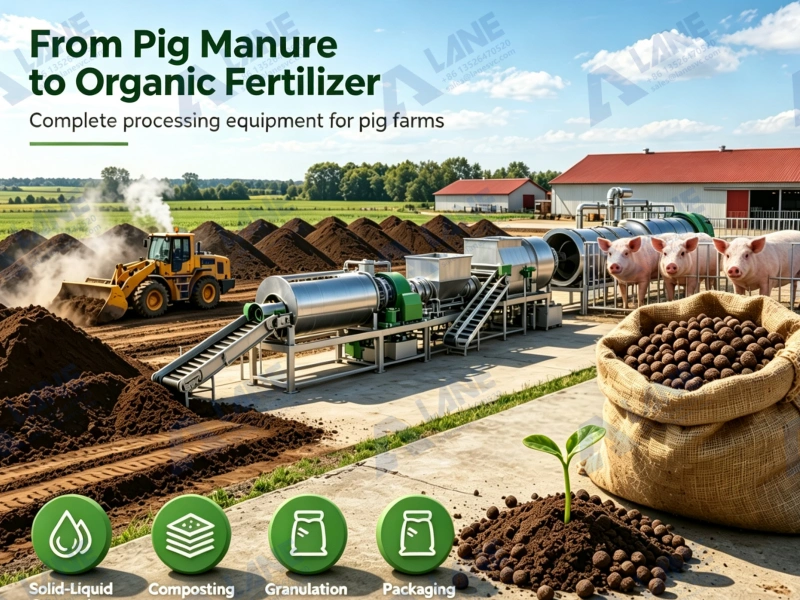
Bucket Elevator for Fertilizer:4 Practical Ways to Fix Dust Spill & Space Waste Problems In Vertical Fertilizer Lifting
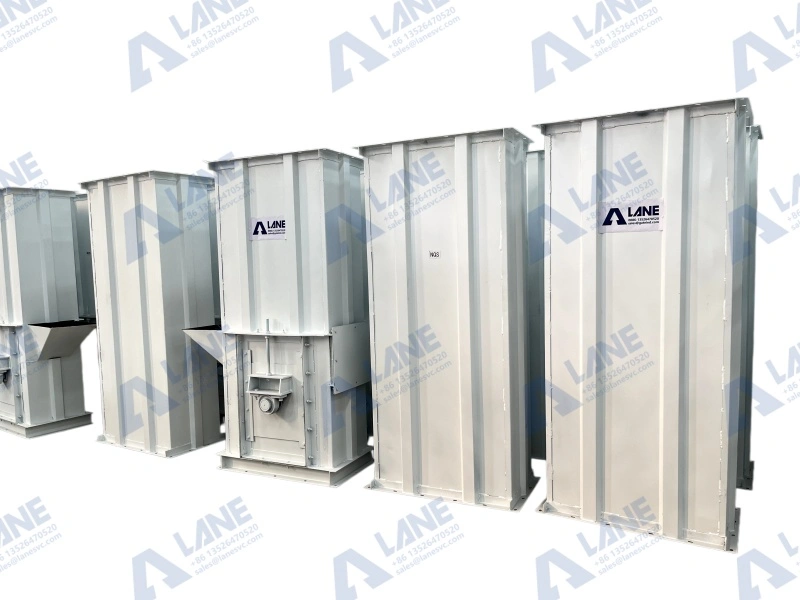
Hidden Bottlenecks of Traditional Lifting Equipment & The Value of Bucket Elevator for Fertilizer
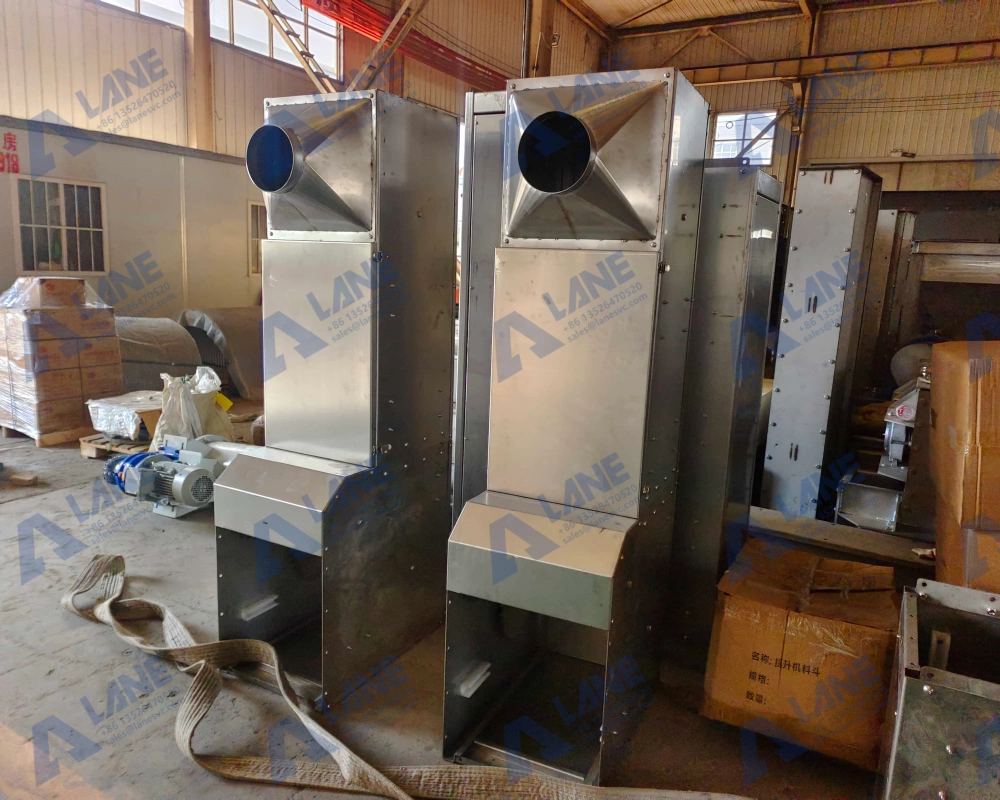
Throughout the entire process of fertilizer production, there are multiple processes with varying elevations: raw material feeding, mixing, granulation, drying, and finished product packaging. The factory requires stable vertical lifting equipment to transport powdered, granular, and small-block fertilizers to different processing heights.
The old-fashioned horizontal conveyors and simple lifting equipment on the market have three major drawbacks: First, the horizontal layout occupies a large area, which cannot be adapted to the compact fertilizer workshops; second, the open shell causes severe dusting, polluting the workshop environment and causing loss of fertilizer raw materials; third, the traction structure operates unstably, causing frequent drops of materials, resulting in low transportation efficiency and high daily maintenance costs.
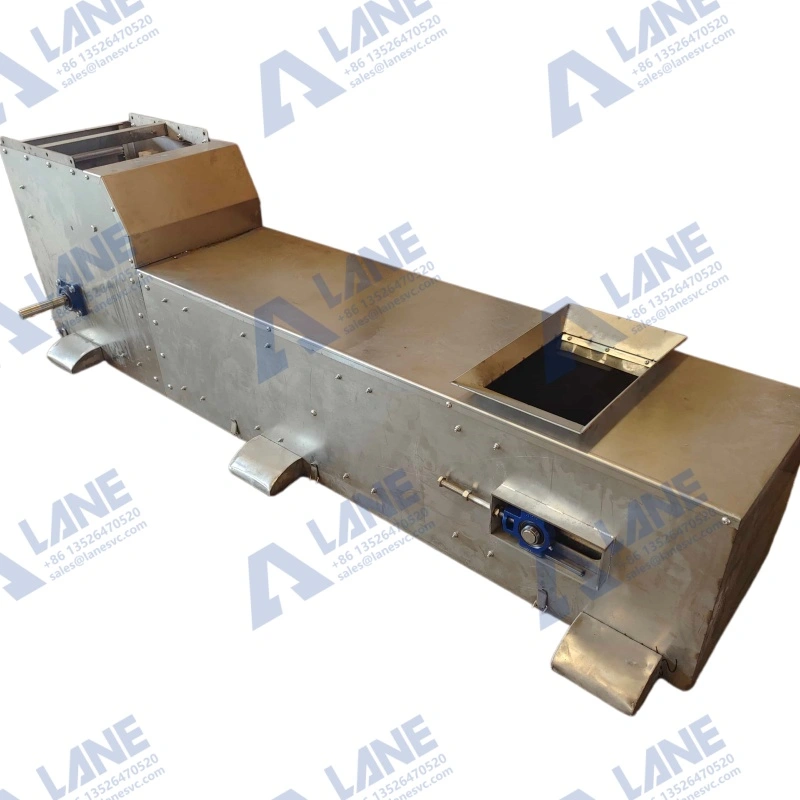
The bucket elevator for fertilizer, as a specialized vertical conveying equipment for the fertilizer industry, is specially developed for various fertilizer production conditions. The compact vertical body and fully enclosed shell solve the two major problems of floor space and dusting from the root. The dual traction structure can match different material loads and humidity conditions.
Complete Component Configuration of Bucket Elevator for Fertilizer
Five Core Assemblies That Make Up Bucket Elevator for Fertilizer
A complete set of the bucket elevator for fertilizer consists of five modules: the head assembly, the tail assembly, the sealing housing, the hopper, and the traction components. Each component performs a separate function.
- • Head Assembly: Equipped with a drive motor, a reduction gearbox, and an active sprocket / drum, it provides power for the entire machine and discharges the materials; an anti-reversal device can be optionally installed to prevent the equipment from reversing and the materials from flowing back when the power is cut off.
- • Tail Assembly: A feed inlet is reserved for the input of fertilizer raw materials; a tension adjustment device is built-in, and two structures, namely heavy-duty tensioning or screw tensioning, can be optionally selected to adjust the tightness of the belt and chain traction components.
- • Housing: Made of high-quality carbon steel or stainless steel through modular assembly, the fully sealed structure effectively prevents dust from spilling out and meets the environmental protection emission requirements of fertilizer factories.
- • Hopper: The material can be selected from carbon steel, stainless steel, or nylon; based on the stickiness and fluidity of the fertilizer materials, two styles of deep or shallow hoppers are available, directly determining the lifting efficiency and the smoothness of material discharge.
- • Traction Components: Compatible with the mainstream two types of schemes of the fertilizer production line. Belt type operates smoothly with low noise; chain type has strong load-bearing capacity and is suitable for long-term transportation of heavy, block-shaped, and high-humidity fertilizers.
Standard Working Cycle of Bucket Elevator for Fertilizer
The entire operation cycle of the bucket elevator for fertilizer system consists of four consecutive processes: feeding, vertical lifting, automatic discharging, and empty bucket return flow, achieving continuous and uninterrupted circulation transportation.
- • Feeding stage: Powdered, granular, and block-shaped fertilizer raw materials enter the equipment shell from the tail feed port and are continuously loaded into the interior of the evenly arranged buckets.
- • Lifting stage: Driven by the transmission device at the machine head, the traction components carry the loaded buckets vertically upward, transporting the fertilizer stably from the bottom loading position to the top high-level discharge point.
- • Discharging stage: When the bucket reaches the machine head position, the materials are discharged by centrifugal force or fall naturally due to gravity, directly falling into the downstream fertilizer screening machine, granulation machine, packaging machine and other supporting equipment.
- • Circulation return flow stage: After discharging, the empty bucket returns along the shell with the traction components to the tail feed area, initiating the next round of feeding and lifting cycle, achieving 24-hour uninterrupted automated transportation.
Six Irreplaceable Advantages of Bucket Elevator for Fertilizer in Fertilizer Production Lines
High Continuous Lifting Capacity Matches Large-Scale Fertilizer Output
Bucket elevator for fertilizer has an extremely strong ability to operate continuously. It has a large single-machine conveying capacity and can stably supply and lift materials for a long time without frequent shutdowns. It is perfectly suitable for meeting the production capacity requirements of organic fertilizer, compound fertilizer, and high tower fertilizer production lines at all times.
Vertical Compact Structure Saves Valuable Workshop Space
Unlike horizontal belt conveyors which occupy an extremely long horizontal space, the bucket elevator for fertilizer adopts a vertical lifting layout. The entire machine occupies a very small floor area, which can significantly simplify the arrangement of fertilizer-intensive production equipment and save the cost of factory renovation and expansion.
Fully Sealed Shell, Dust-Free & Environmentally Friendly Production
The integrated modular closed shell of the bucket elevator for fertilizer completely encloses the internal hopper and the traction components. It can completely prevent the dust from spreading during the fertilizer transportation process, reduce the loss of raw materials caused by dust, maintain the cleanliness of the workshop air, and meet the strict environmental protection inspection standards.
Stable Operation, Low Failure Rate & Low Maintenance Cost
The internal mechanical structure of bucket elevator for fertilizer is simple, with few wear-prone parts and smooth transmission operation. Under standardized operation, the equipment can operate stably for a long time, significantly reducing the sudden shutdown losses and daily maintenance expenses of the fertilizer plant.
Ultra-Wide Material Adaptability for All Fertilizer Types
This bucket elevator for fertilizer can stably convey powdered chemical raw materials, loose organic fertilizer particles, granular compound fertilizers, and small pieces of raw materials. Besides the fertilizer industry, it can also undertake vertical lifting operations in the fields of metallurgy, building materials, and chemical engineering.
Fully Customizable Design for Individual Production Conditions
All the core parameters of the bucket elevator for fertilizer can be customized according to individual needs. The lifting height, hourly conveying capacity, shell material (carbon steel / fully stainless steel), hopper style, and traction method can all be adjusted based on the actual production line process, workshop site, and characteristics of the fertilizer materials.
How To Select the Right Bucket Elevator for Fertilizer for Your Production Line
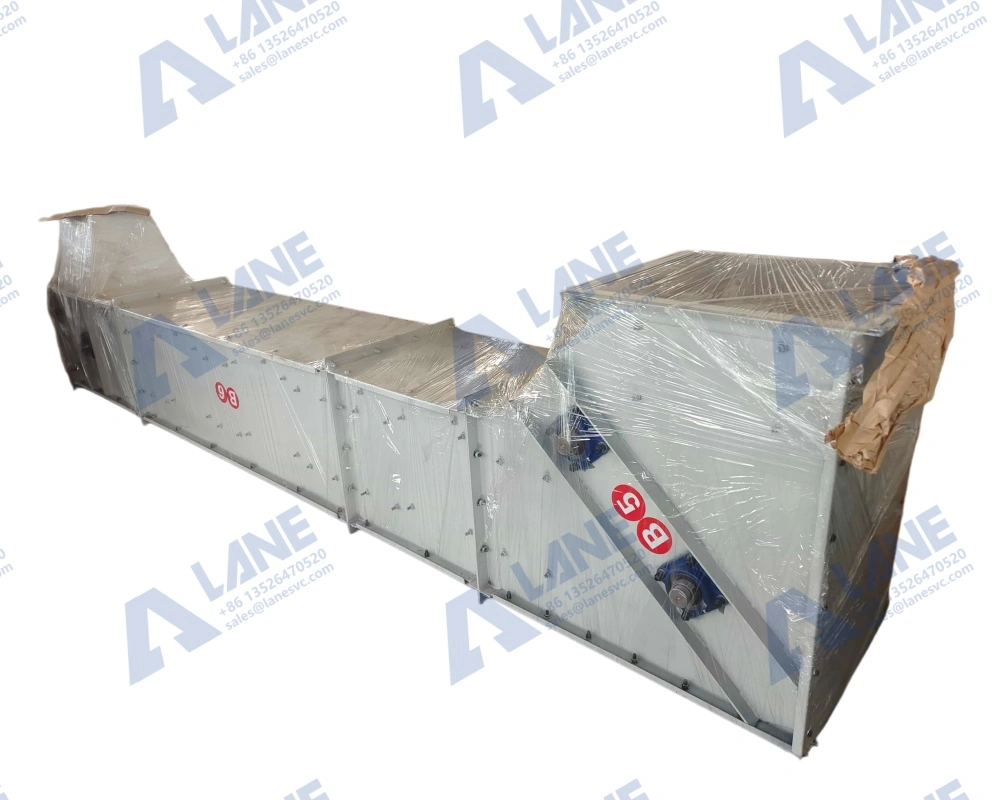
Many fertilizer production enterprises fail to distinguish which type of belt or chain-style fertilizer bucket elevators to choose. The two traction styles are completely different in their applicable working conditions. Please refer to the following selection rules.
If the material is dry and low-viscosity fertilizer particles, the workshop requires low-noise operation, and the lifting height is medium, the belt-style fertilizer bucket elevator should be preferred.
For transporting high-humidity and viscous decomposed fertilizers, heavy block-shaped fertilizers, or high-tower compound fertilizer production lines that require extremely high lifting heights and higher bearing capacity, the chain-style fertilizer bucket elevator should be selected.
In addition to the traction method, we will also match the deep or shallow material bins based on the fertilizer moisture content, corrosion resistance, and shell anti-corrosion treatment plan to extend the overall service life of the bucket elevator for fertilizer.
Standard Operation & Maintenance Tips for Bucket Elevator for Fertilizer
Pre-Startup Inspection Rules for Bucket Elevator for Fertilizer
Before starting the bucket elevator for fertilizer, the operator must complete a comprehensive inspection: check the tightness of all bolts in the casing, confirm the tension of the belt or chain traction components, inspect whether the hopper is deformed or detached, and test the lubrication status of the machine head reducer and bearing housing; only after eliminating all potential hazards can the equipment be started without load.
Daily Maintenance to Extend Service Life of Bucket Elevator for Fertilizer
Regular lubrication is the core maintenance method for the bucket elevator for fertilizer. At fixed intervals, lubricating grease is added to the bearing seats at the head and tail of the machine. The internal gear oil of the reducer is replaced regularly based on the operating duration.
After each shift of production, the residual fertilizer adhering to the hopper is cleaned to prevent long-term solidification and blockage, which may affect the unloading effect. If abnormal vibrations, abnormal sounds, or material leakage occur during operation, the feeding should be immediately stopped and the machine should be shut down for troubleshooting.
LANE Custom Complete Matching Solutions Of Bucket Elevator for Fertilizer
Lane is an integrated manufacturer specializing in complete fertilizer production equipment. It independently develops bucket elevator for fertilizer that can perfectly match large-angle belt conveyors, fertilizer screening machines, granulators, and packaging machines, thus building an automated closed-loop fertilizer production line.
Based on the customer’s fertilizer types, workshop site, and production process layout, we customize the lifting height, hourly production capacity, anti-corrosion configuration, and traction method of the bucket elevator for fertilizer. The factory provides pre-sale solution design, on-site installation guidance, and long-term technical maintenance support throughout the process, helping fertilizer plants solve all vertical material lifting bottlenecks.
| Model | Silo Volume(m³/h) | Max. Feed Size(mm) | Power(kw) | Silo Width(mm) | Silo Distance(mm) | Linear Velocity(m/h) |
|---|---|---|---|---|---|---|
| LAE-160 | 5.4/9.6 | 25 | 3 | 160 | 280 | 1.4 |
| LAE-250 | 12/22 | 35 | 4 | 250 | 360 | 1.6 |
| LAE-315 | 17/30 | 45 | 5.5 | 315 | 410 | 1.6 |
| LAE-400 | 24/40 | 55 | 7.5 | 400 | 480 | 1.8 |
| LAE-500 | 32/50 | 65 | 11 | 500 | 530 | 1.8 |
| LAE-630 | 40/60 | 75 | 15 | 630 | 600 | 2 |
Get Custom Layout Drawing & Quotation of Bucket Elevator for Fertilizer
Are you still troubled by the large space occupation, severe dust pollution and frequent material drops during the vertical transportation of fertilizers? Our factory offers various types of fertilizer bucket elevators, which can solve all the vertical lifting problems on organic fertilizer, compound fertilizer and tower fertilizer production lines at one go.
Our professional technical team will provide you with a free one-on-one layout plan for the fertilizer bucket elevator production line. Based on your material humidity, lifting height and hourly production capacity, they will match the belt/chain traction structure, bucket body specifications and sealing solutions for you.
Please leave the factory lifting height, fertilizer raw material type and hourly production capacity in the comment section below, or contact the sales team directly. You will receive the complete parameter drawings and the latest quotation for the fertilizer bucket elevator within 24 hours. We will specially design a vertical transportation support system with low failure rate and no dust for your fertilizer production workshop.