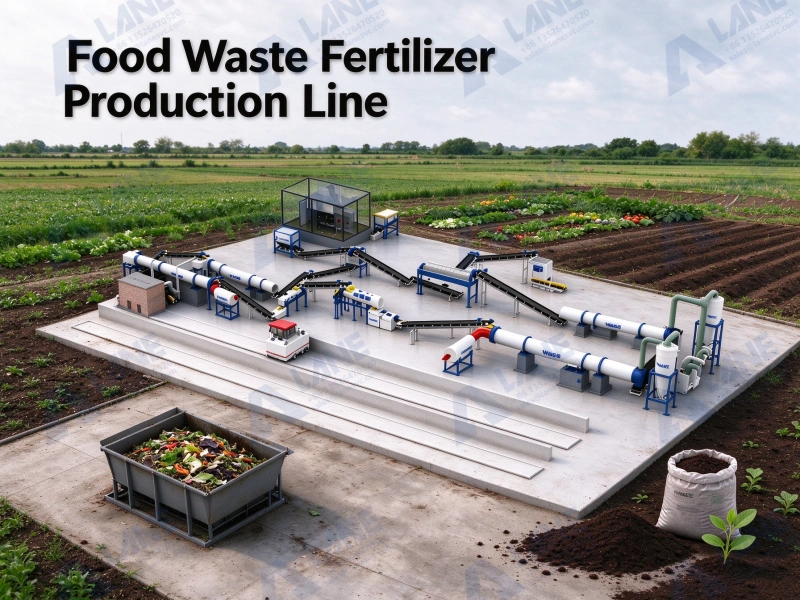
Bucket Elevator for Machine Organic Fertilizer: Enhancing Efficiency in Fertilizer Production
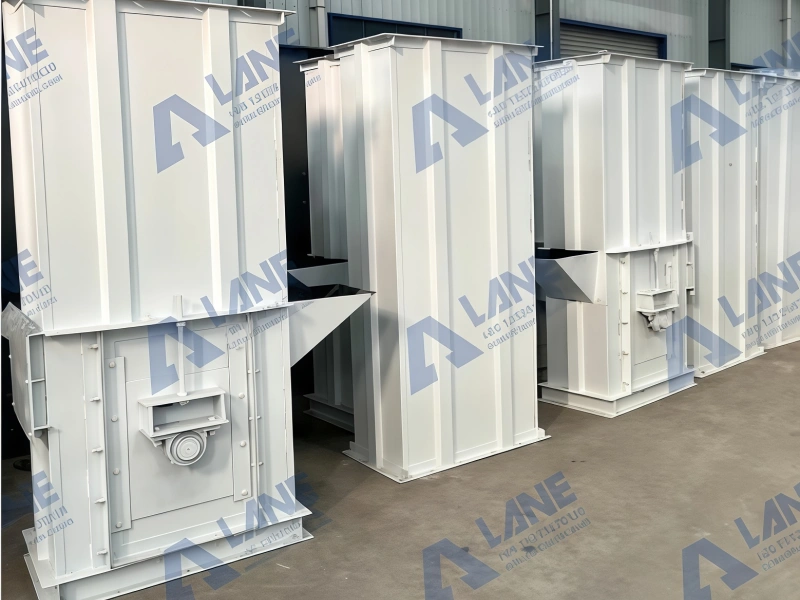
In the modern agricultural landscape, efficiency and sustainability are key drivers of innovation. Among the numerous technological advancements in agriculture, the bucket elevator for machine organic fertilizer stands out as a pivotal tool. This equipment significantly enhances the production process of organic fertilizers, making it more efficient and streamlined. This article explores the various aspects of bucket elevators, their role in organic fertilizer production, their benefits, and their impact on the agricultural industry.
Understanding Bucket Elevator For Machine Organic Fertilizer
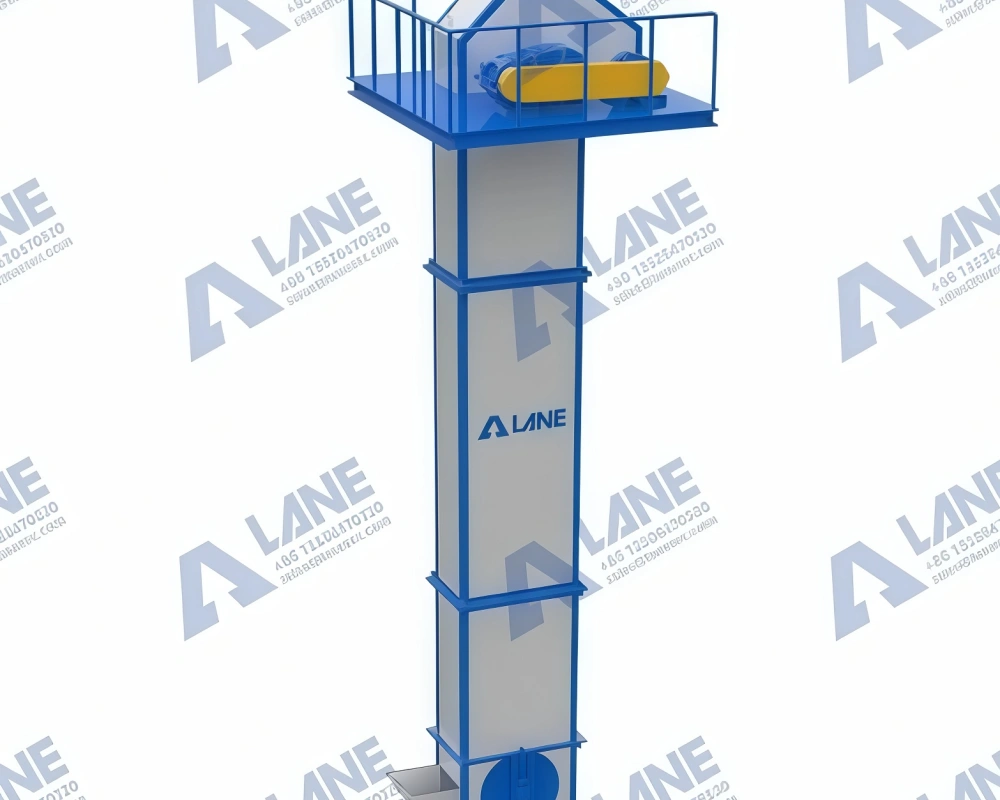
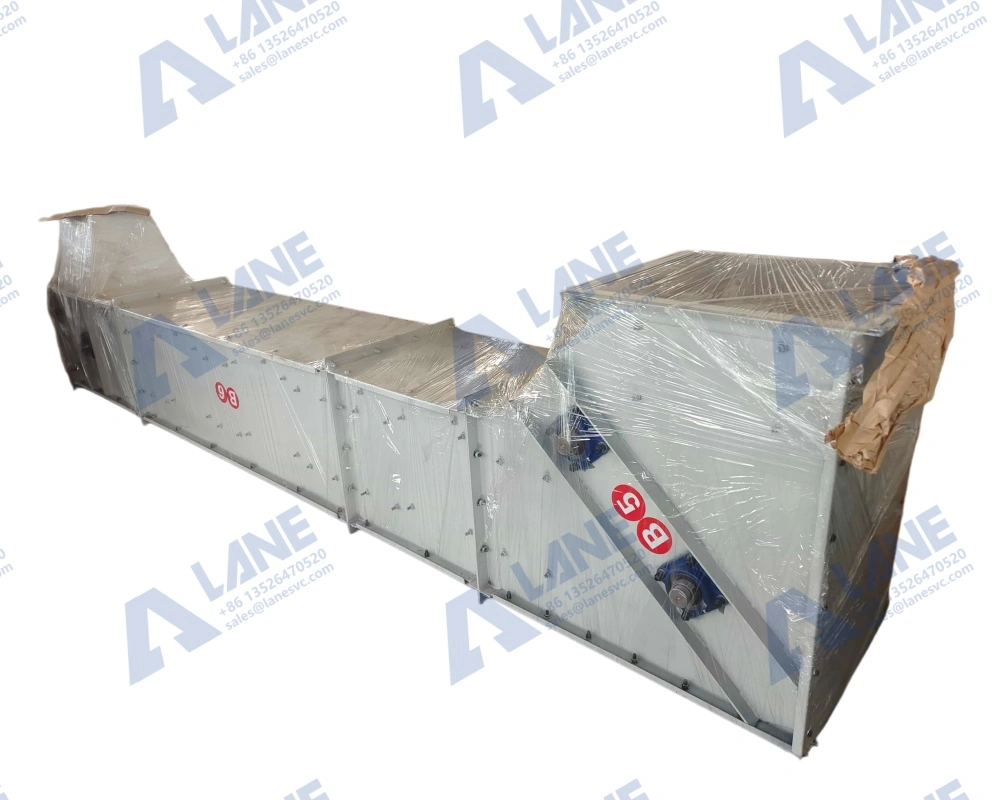
A bucket elevator, also known as a grain leg, is a mechanism for hauling flowable bulk materials (most often grain or fertilizer) vertically. It consists of a series of buckets attached to a belt or chain with pulleys or sprockets located at the top and bottom of the unit. The buckets scoop up the material from the bottom and lift it to the top, where it is discharged as the buckets turn downward over the top pulley or sprocket.
Key Components and Working Mechanism
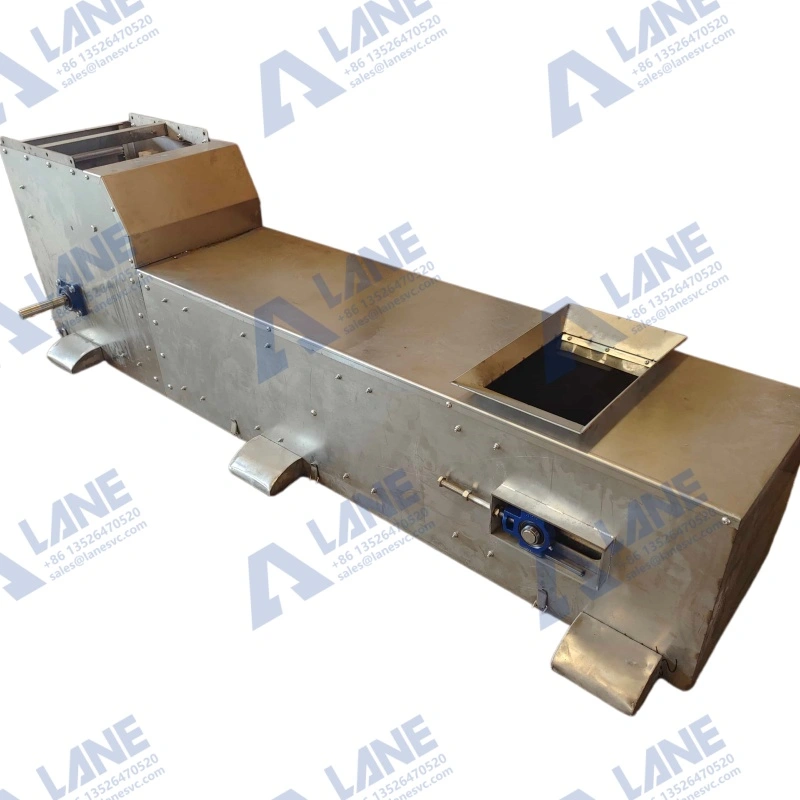
The bucket elevator for machine organic fertilizer typically comprises several essential components:
- Buckets: Attached to a belt or chain, these carry the organic fertilizer from one point to another.
- Belt/Chain: A strong, durable material that supports the buckets and moves them through the system.
- Motor and Drive System: Powers the belt or chain, providing the necessary lift for the buckets.
- Inlet and Outlet Sections: Where the organic fertilizer enters and exits the elevator.
- Casing: Encloses the system to prevent spillage and protect the contents.
The bucket elevator for machine organic fertilizer working mechanism is straightforward yet highly efficient. Organic fertilizer material is fed into the inlet section at the base. The rotating belt or chain carries the buckets upward. As the buckets reach the top, they pass over the pulley or sprocket and invert, discharging the material into a designated chute or container. This continuous cycle ensures a steady and controlled flow of materials, minimizing spillage and maximizing efficiency.
| Model | Silo Volume(m³/h) | Max. Feed Size(mm) | Power(kw) | Silo Width(mm) | Silo Distance(mm) | Linear Velocity(m/h) |
|---|---|---|---|---|---|---|
| LAE-160 | 5.4/9.6 | 25 | 3 | 160 | 280 | 1.4 |
| LAE-250 | 12/22 | 35 | 4 | 250 | 360 | 1.6 |
| LAE-315 | 17/30 | 45 | 5.5 | 315 | 410 | 1.6 |
| LAE-400 | 24/40 | 55 | 7.5 | 400 | 480 | 1.8 |
| LAE-500 | 32/50 | 65 | 11 | 500 | 530 | 1.8 |
| LAE-630 | 40/60 | 75 | 15 | 630 | 600 | 2 |
Types of bucket elevator for machine organic fertilizer
There are several types of bucket elevator for machine organic fertilizer designed for different purposes and material handling needs:
- Centrifugal Discharge Bucket Elevators: These are used for handling fine and powdered materials. The buckets discharge the material by centrifugal force as they pass over the head pulley.
- Continuous Discharge Bucket Elevators: Designed for gentle handling of fragile materials, these elevators discharge material by gravity.
- Positive Discharge Bucket Elevators: Used for handling materials that tend to stick or have a high moisture content. These elevators use a series of buckets to discharge the material positively.
Each type of bucket elevator for machine organic fertilizer is designed to handle specific materials and applications, ensuring optimal performance and efficiency in the production process.
Benefits of Using Bucket Elevators in Organic Fertilizer Production
Implementing bucket elevators in the production of organic fertilizer brings several advantages, enhancing both the efficiency and effectiveness of the process.
- Increased Efficiency: Bucket elevators can handle large volumes of material quickly and efficiently, reducing the time required for production.
- Reduced Labor Costs: Automation of material handling minimizes the need for manual labor, lowering overall operational costs.
- Minimal Spillage: The enclosed design of bucket elevators reduces the risk of material spillage, ensuring that valuable organic fertilizer is not wasted.
- Versatility: Suitable for a variety of materials, bucket elevators can handle different types of organic fertilizers, including powders, granules, and pellets.
- Enhanced Safety: Enclosed systems reduce dust and spillage, leading to a safer working environment.
- Consistent Quality: By ensuring uniform handling of materials, bucket elevators help maintain the consistent quality of the organic fertilizer produced.
- Space Efficiency: Bucket elevators occupy less floor space compared to other material handling equipment, making them ideal for facilities with limited space.
Impact on Organic Fertilizer Production
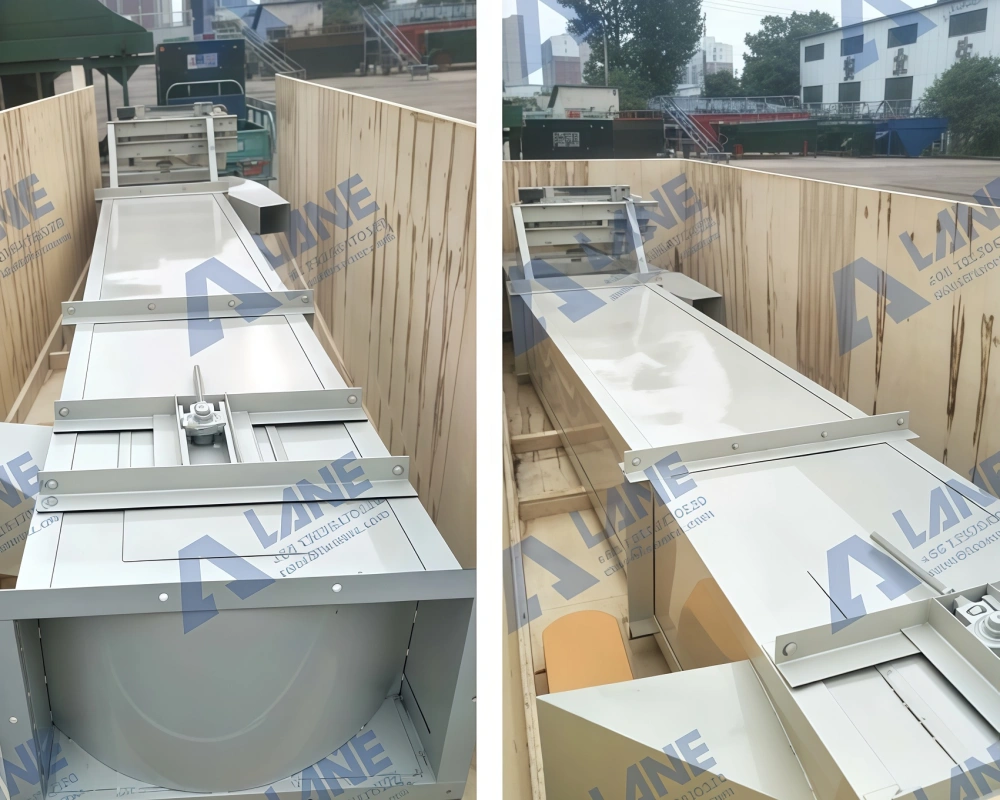
The integration of bucket elevator for machine organic fertilizer into organic fertilizer production lines has significantly transformed the industry. By streamlining the transportation of materials, these elevators ensure a more consistent and reliable production process. This not only improves the quality of the final product but also enhances the overall productivity of fertilizer manufacturing facilities.
Case Study: Successful Implementation
A notable example of successful implementation is a large-scale organic fertilizer production plant in Iowa. Faced with the challenge of handling increased production volumes, the plant integrated bucket elevator for machine organic fertilizer into its existing production line. The result was a dramatic improvement in efficiency, with a 40% increase in production capacity and a significant reduction in labor costs. The plant also reported improved product quality due to the consistent handling of materials.
Innovations and Future Prospects
As technology advances, bucket elevator for machine organic fertilizer continue to evolve, offering even greater benefits for organic fertilizer production. Innovations such as smart sensors and automated control systems are being integrated into modern bucket elevators, allowing for real-time monitoring and adjustments. These advancements ensure optimal performance, reduce downtime, and enhance the overall efficiency of the production process.
Additionally, the development of more durable and lightweight materials for belts and buckets is expected to further improve the longevity and efficiency of bucket elevators. As the demand for organic fertilizers grows, the need for efficient and reliable production methods will drive continued innovation in this area.
Integration with IoT and AI
The integration of Internet of Things (IoT) and Artificial Intelligence (AI) technologies into bucket elevators is revolutionizing the organic fertilizer production process. IoT-enabled sensors can monitor various parameters such as load, speed, and temperature in real-time, providing valuable data for optimizing the operation. AI algorithms can analyze this data to predict maintenance needs, prevent breakdowns, and improve overall efficiency.
For instance, AI-driven predictive maintenance can alert operators to potential issues before they become critical, reducing downtime and maintenance costs. Additionally, IoT sensors can provide real-time feedback on the material being transported, ensuring optimal performance and minimizing waste.
The future of bucket elevator for machine organic fertilizer also includes the use of sustainable materials and eco-friendly designs. Manufacturers are exploring the use of biodegradable and recyclable materials for buckets and belts, reducing the environmental impact of production equipment. Furthermore, energy-efficient motors and drive systems are being developed to lower the carbon footprint of these machines.
Conclusion
Bucket elevators for machine organic fertilizer are revolutionizing the production process, offering numerous benefits that enhance efficiency, reduce costs, and improve product quality. By integrating these advanced systems into their production lines, fertilizer manufacturers can meet the growing demand for organic fertilizers while promoting sustainable agricultural practices. As technology continues to advance, the future of bucket elevators looks promising, paving the way for even more efficient and sustainable fertilizer production methods.