Common Operating Mistakes During Fertilizer Granule Polishing That Reduce Product Quality
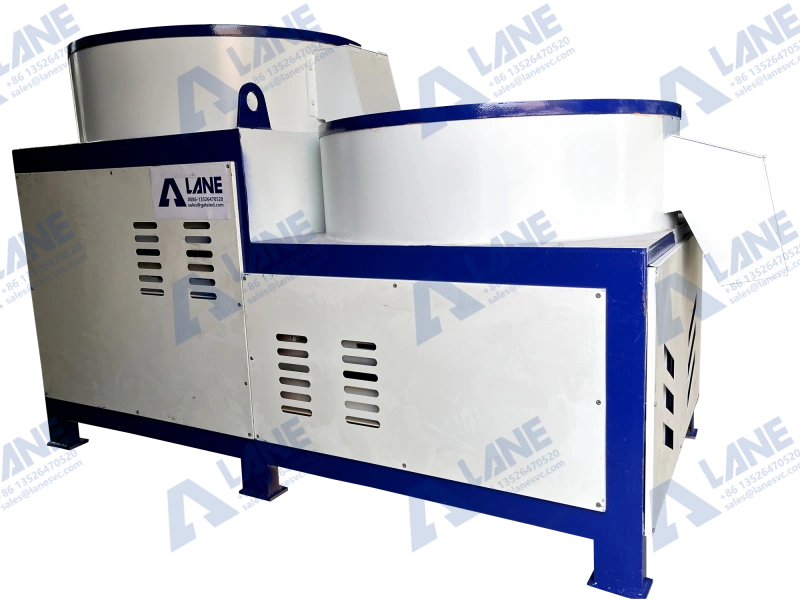
Many organic fertilizer production lines add a polishing process after extrusion granulation or disc granulation to improve the appearance of finished pellets. Although numerous factories have purchased fertilizer polishers, they still face quality issues such as uneven particles, fragile pellets, and excessive dust. Most on-site problems do not stem from machine malfunctions but rather from improper operation that undermines the intended polishing effect. We have compiled common mistakes observed in actual workshops, shared their negative impacts, and provided practical solutions for correction.
Why Standard Fertilizer Granule Polishing Matters for Finished Fertilizer
The appearance of organic fertilizer directly affects the sales price and market competitiveness, while the fertilizer particle polishing process determines the roundness and hardness of the particles. Many production teams underestimate the management standards of this stage, but incorrect operations can completely negate the quality improvement brought by the fertilizer polishing equipment.
> Uneven Particles Will Lower Market Acceptance Rate
Buyers always compare fertilizer shape when choosing suppliers, and irregular pellets look low-grade, so merchants prefer to purchase well-rounded fertilizer products. Poor Fertilizer Granule Polishing creates deformed grains and makes it hard to get stable orders.
> Fragile Granules Create Extra Powder in Screening and Packaging
Weak pellets break easily during transportation, screening and bagging, and a large amount of fine powder wastes raw materials and pollutes finished products. It happens frequently when operators do not control conditions during Fertilizer Granule Polishing.
> Poor Surface Shape Affects Fertilizer Dissolution Performance
Smooth spherical pellets dissolve evenly in farmland soil, while particles with rough surfaces dissolve too fast or slowly. Qualified Fertilizer Granule Polishing keeps steady nutrient release for crops.
Common Feeding Mistakes in Fertilizer Granule Polishing Process
Feeding is the first control point of Fertilizer Granule Polishing, and most poor polishing results start from improper material feeding. Unstable feeding breaks particle friction and rolling forming inside the polishing machine.
• Feed Material Moisture Exceeds Suitable Range
Every fertilizer polishing machine has a proper moisture range for raw pellets, because too wet materials stick together and cling to the inner wall of equipment, while over-dry pellets cannot rub and form round shapes during Fertilizer Granule Polishing.
• Mixed Particle Size Raw Materials Enter Polishing Machine Directly
If big and small pellets go into the machine together, they cannot get equal polishing time, so small particles wear into powder while large pellets stay irregular. Operators should separate sizes before Fertilizer Granule Polishing.
• Discontinuous Feeding Causes Unstable Polishing Effect
Intermittent feeding leads to empty load and overload alternately inside the polishing cavity, and the contact time between pellets and rotating disc changes constantly. Continuous feeding is basic to keep consistent Fertilizer Granule Polishing results.
Improper Parameter Settings That Damage Granule Quality
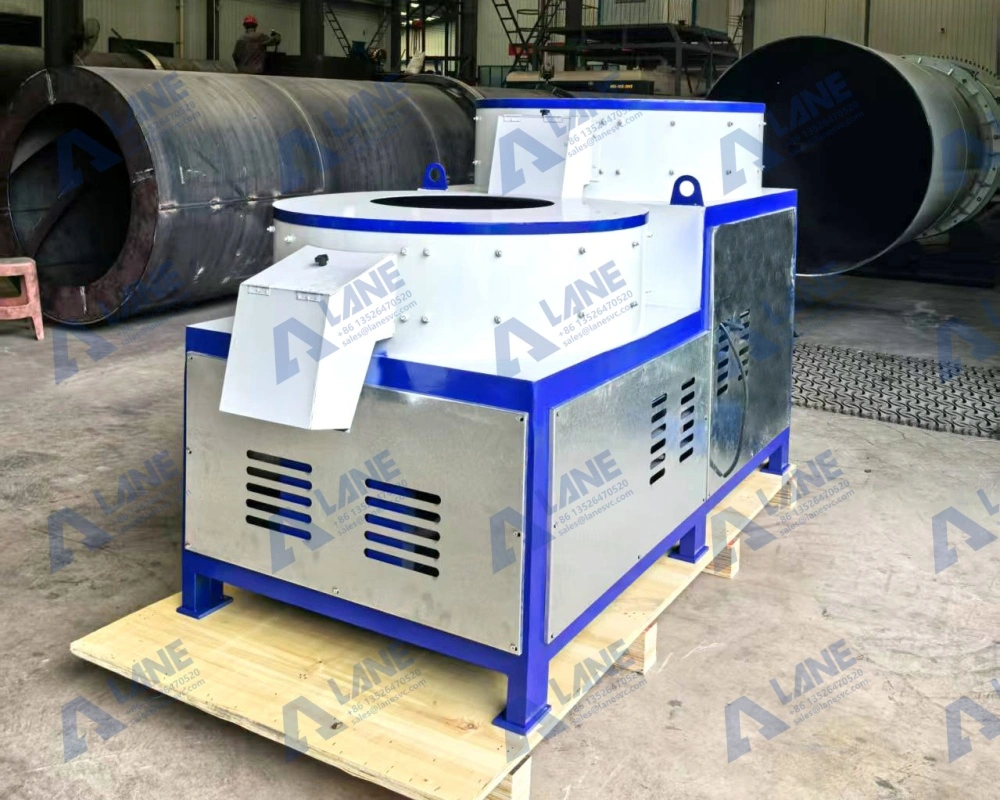
There is no universal standard for rotation speed and processing time of fertilizer polishing machines, because parameters need adjustment according to raw material features. Many operators use fixed values all year round, and slowly weaken Fertilizer Granule Polishing performance.
- Too High Rotation Speed Leads to Excessive Particle Collision
High speed brings fierce collision between pellets, and lots of complete particles crash into fine powder inside the polishing chamber. You will face higher raw material loss during Fertilizer Granule Polishing.
- Too Low Rotation Speed Cannot Achieve Rounding Effect
When rotation speed is too slow, pellets cannot roll and rub fully, so cylindrical or irregular granules keep their original shape after processing. The whole Fertilizer Granule Polishing procedure loses its meaning.
- Insufficient Residence Time Inside Polishing Chamber
If materials pass through the machine too quickly, surface finishing cannot finish, and short processing time is one common mistake new operators make. Adjust feeding speed to set proper residence time for Fertilizer Granule Polishing.
Ignoring Pre-Treatment Before Fertilizer Granule Polishing
The polishing machine cannot fix all defects from granulation stage, and if seriously damaged pellets directly enter polishing equipment, you cannot get high-quality spherical fertilizer. It also increases operation burden and wear of the whole machine.
♦ Send Seriously Broken Granules into Polishing Process
Broken fragments cannot form complete round pellets again, and these fragments turn into powder after continuous friction inside the machine. Clean out broken grains before starting Fertilizer Granule Polishing.
♦ Mix Large Amount of Fine Powder into Polishing Raw Materials
Plenty of powder will attach on the surface of solid pellets, but the powder falls off after polishing, and the fertilizer surface becomes rough again. Remove excess powder before Fertilizer Granule Polishing.
♦ No Screening Treatment After Extrusion Granulation
Extrusion granulator produces long cylindrical pellets of different lengths, and direct polishing without screening causes uneven finished fertilizer. Screening is an essential pre-work of Fertilizer Granule Polishing.
Daily Maintenance Errors Affect Long-Term Polishing Performance
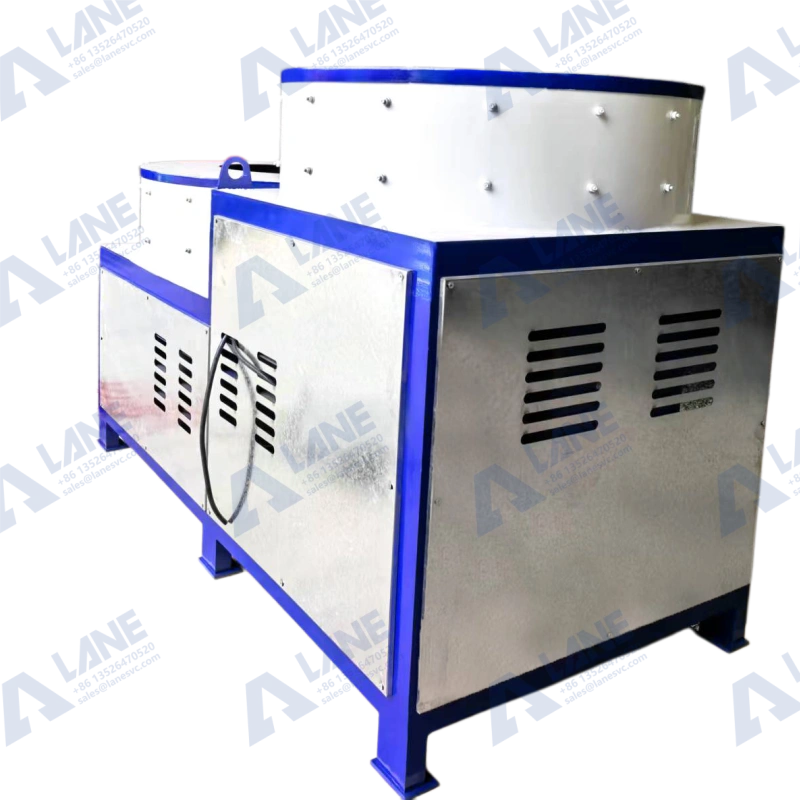
Materials residue accumulates inside fertilizer polishing machines during continuous production, and if teams skip regular cleaning and inspection, buildup will affect every batch of Fertilizer Granule Polishing. Mass quality fluctuation will appear without early maintenance.
- Delayed Cleaning Causes Material Residue Inside the Machine
Sticky organic fertilizer hardens on rotating disc and cylinder wall, and hard residue bumps and damages new pellets during Fertilizer Granule Polishing. Planned daily cleaning can avoid this problem easily.
- Fail to Inspect Rotating Disc Wear Regularly
Rotating disc is the core component for Fertilizer Granule Polishing, and worn disc surface cannot drive pellets to roll evenly. Regular inspection helps you arrange component replacement in advance.
- Seal Damage Is Not Timely Replaced
Damaged seals lead to powder leakage from polishing chamber, and leaked powder pollutes the workshop and reduces finished output. It also changes the internal air environment for Fertilizer Granule Polishing.
Standard Operation Methods to Stabilize Fertilizer Granule Polishing Quality
After understanding common operation mistakes, factories can adopt standardized operation to avoid most quality troubles, and the following solutions are summed up from real organic fertilizer production lines, ready for direct application.
Control Raw Material Moisture Before Feeding
Test material moisture every hour before materials enter polishing equipment, and adjust moisture to match the recommended range of fertilizer polishing machine. Stable moisture creates consistent Fertilizer Granule Polishing results.
Keep Continuous and Uniform Feeding Speed
Install feeding conveyor with speed control device, and avoid sudden start and stop of feeding equipment. Steady feeding provides stable working conditions for Fertilizer Granule Polishing.
Adjust Rotation Parameters According to Granule Condition
Record parameter data for different raw materials in workshop logbooks, and change rotation speed once pellet shape or hardness shows obvious changes. Do not use fixed parameters for all types of raw materials in Fertilizer Granule Polishing.
Set Fixed Daily Cleaning Schedule
Arrange short cleaning work after daily production, and remove all sticky materials on rotating disc and inner cylinder wall. Regular cleaning keeps stable Fertilizer Granule Polishing performance for long-term running.
LANE Fertilizer Polishing Machine Optimized for Stable Granule Polishing
Many production lines strictly follow the standard operating procedures, yet due to the structural defects of the old polishing machines, the polishing effect is still limited and the quality still faces constraints. LANE has specially designed fertilizer polishing machines for organic fertilizer production conditions, helping factories stabilize the quality of the finished product particles.
> Multi-Stage Continuous Polishing Structure Improves Roundness
Our fertilizer polishing machine adopts multi-layer continuous polishing design, and pellets go through repeated rounding step by step inside the equipment. The structure greatly raises ball forming rate during Fertilizer Granule Polishing.
> Adjustable Rotation Speed Adapts Different Organic Raw Materials
The machine supports flexible rotation speed adjustment, so workers can set suitable speed for manure fertilizer, compost pellets and feed granules. It keeps reliable Fertilizer Granule Polishing effect for various raw materials.
> Smooth Inner Cavity Reduces Material Residue
We polish the inner surface of cylinder and rotating disc, and the smooth surface prevents organic materials from sticking and hardening. Less residue means less interference for daily Fertilizer Granule Polishing.
> Multiple Models Match Different Production Capacity
LANE supplies LAP2-800, LAP2-1000, LAP2-1200 and other models, with capacity ranging from 1 ton per hour to 4.5 tons per hour. Factories can select proper model according to their Fertilizer Granule Polishing demand.
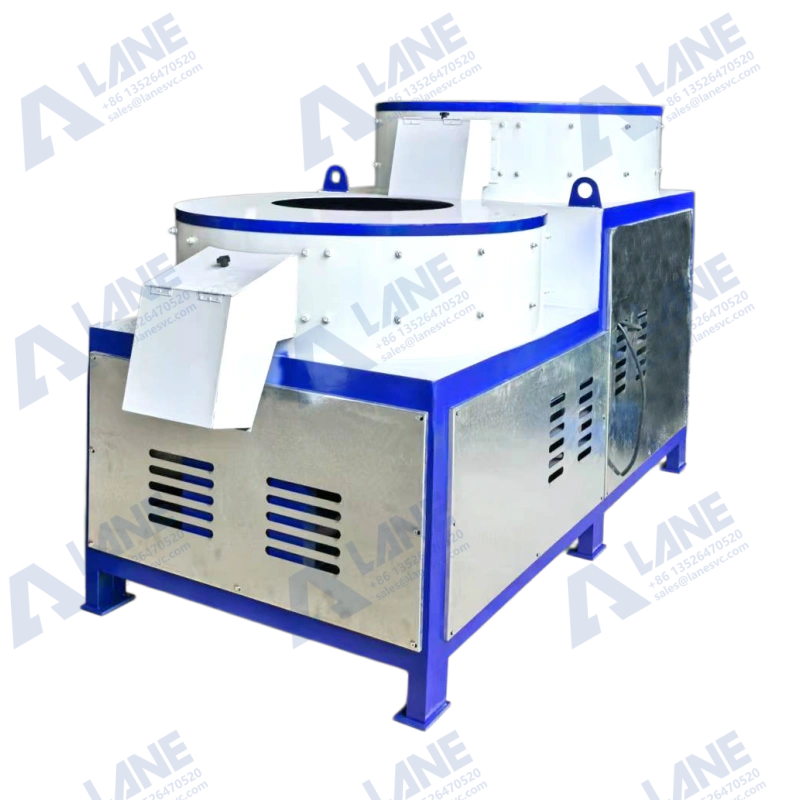
| Model | Capacity(tph) | Size(mm) | Power(kw) | Plate Diameter(mm) |
|---|---|---|---|---|
| LAP2-800 | 1-1.5 | 1800*950*1290 | 5.5 | 800 |
| LAP2-1000 | 1.5-2.5 | 2200*1120*1350 | 7.5 | 1000 |
| LAP2-1200 | 2.5-3.5 | 2400*1200*1370 | 7.5 | 1200 |
| LAP2-1500 | 3.5-4.5 | 3000*1500*1450 | 11 | 1500 |
| LAP3-1000 | 3-4 | 3000*1000*1500 | 5.5 | 1000 |
Frequently Asked Questions
Technicians from organic fertilizer plants often raise similar questions about the Fertilizer Granule Polishing process, and here we answer the most common technical problems encountered on site.
Q: What Is the Optimal Moisture Content for Fertilizer Granule Polishing?
A: Generally, raw pellets need to keep moisture between 20% and 30%, but the exact value changes based on organic material types. Too high or low moisture will break the Fertilizer Granule Polishing effect.
Q: Can Fertilizer Polishing Machine Process Pellets from Disc Granulator and Extrusion Granulator at the Same Time?
A: We do not suggest mixing two kinds of pellets for polishing, because cylindrical extrusion pellets and spherical disc pellets have different forming features. Separate processing can get better Fertilizer Granule Polishing results.
Q: How Much Production Capacity Will Be Lost If Polishing Operation Is Not Standardized?
A: Improper operation may create 8% to 15% extra powder, and these fine powder cannot be sold as finished fertilizer directly. Standard operation reduces waste and improves efficiency of Fertilizer Granule Polishing.
Q: Is It Necessary to Screen Materials Before Fertilizer Granule Polishing?
A: Screening is strongly recommended, because screening removes oversize pellets, broken grains and excess powder. Clean raw materials lay a good foundation for stable Fertilizer Granule Polishing.
Q: Can LANE Fertilizer Polishing Machine Reduce Broken Particles Effectively?
A: Yes. Our structural design lowers fierce collision inside the cavity, and when operators follow standard steps, the machine keeps particle integrity during Fertilizer Granule Polishing.
Conclusion
Fertilizer Granule Polishing acts as a key working procedure to lift commercial value of organic fertilizer, and most pellet quality defects do not come from machine hardware failure but from long-term incorrect operation habits. Production lines can improve pellet appearance and hardness quickly by regulating feeding management, parameter adjustment and daily maintenance. When cooperating with structurally optimized fertilizer polishing equipment, factories can further stabilize finished pellet quality, cut powder loss and strengthen market competitiveness of organic fertilizer products.