Compost Temperature Control: How Turning Helps Maintain Proper Fermentation Conditions
Many organic fertilizer processing plants are plagued by the problem of unstable composting temperature when operating aerobic fermentation production lines. Operators keep a close eye on the temperature measuring instrument all day long, but they ignore the fact that material turning is the most convenient and low-cost way to achieve compost temperature control.
Combining many years of practical experience in wide-slot fermentation, this article sorts out the common causes of temperature fluctuations, and shares standardized turning operation norms and control schemes that can be directly implemented.
Why Compost Temperature Control Determines Organic Fertilizer Quality
Aerobic composting relies on microbial activity to break down livestock manure, crop straw and other raw materials. Microbe activity stays stable only within a suitable temperature range. Failed fermentation in most factories traces back to poor compost temperature control. We break down different production troubles triggered by abnormal compost temperature.
> Low Temperature Slows Down Decomposition of Organic Materials
If pile temperature stays below 55℃ for a long time, harmful insect eggs and pathogens cannot be eliminated completely. Organic matters fail to reach full maturity. The finished fertilizer will have limited efficiency and face quality inspection risks.
> Overheating Kills Beneficial Microbes inside Compost Piles
Continuous temperature above 68℃ destroys the beneficial microbial community. Fermentation progress stalls completely. High heat also speeds up water loss, making materials hard and compact.
> Unstable Temperature Causes Uneven Fermentation in Troughs
Uneven heat distribution creates different maturity levels within one fermentation trough. Some material gets fully decomposed while others remain raw. It brings extra difficulties to later crushing, screening and granulation work.
How Material Turning Influences Compost Temperature Control
Adjusting oxygen supply, loosening compacted piles and balancing material humidity all depend on regular turning operations. Different compost turners deliver very different results, which directly affects compost temperature control performance.
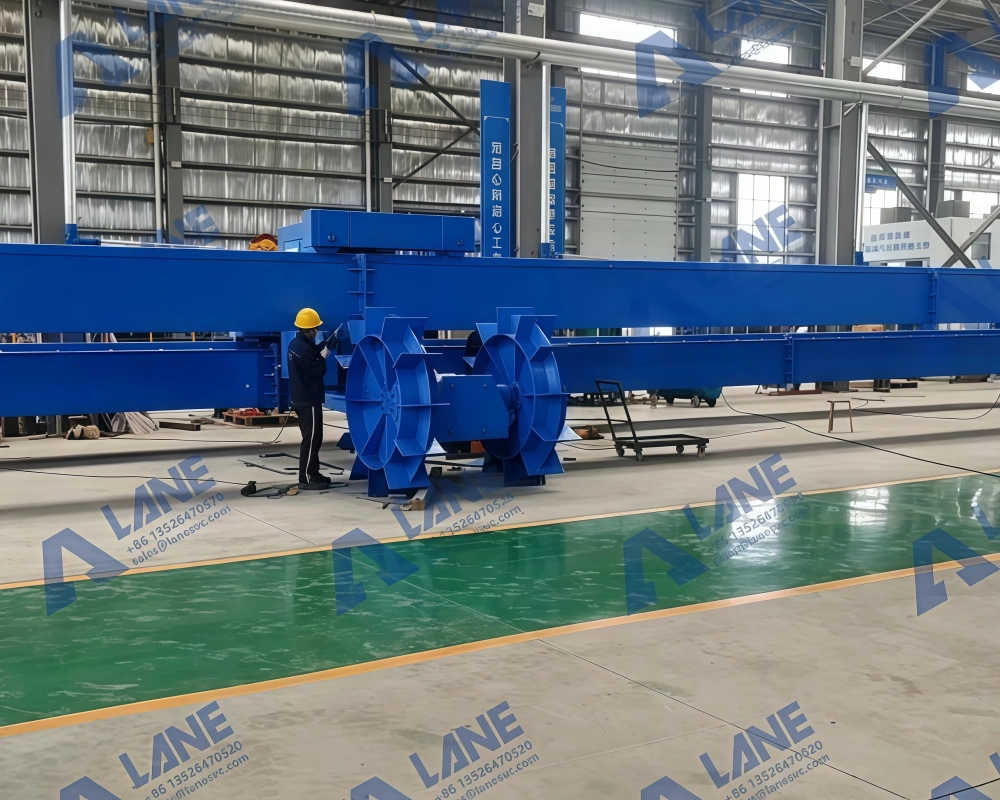
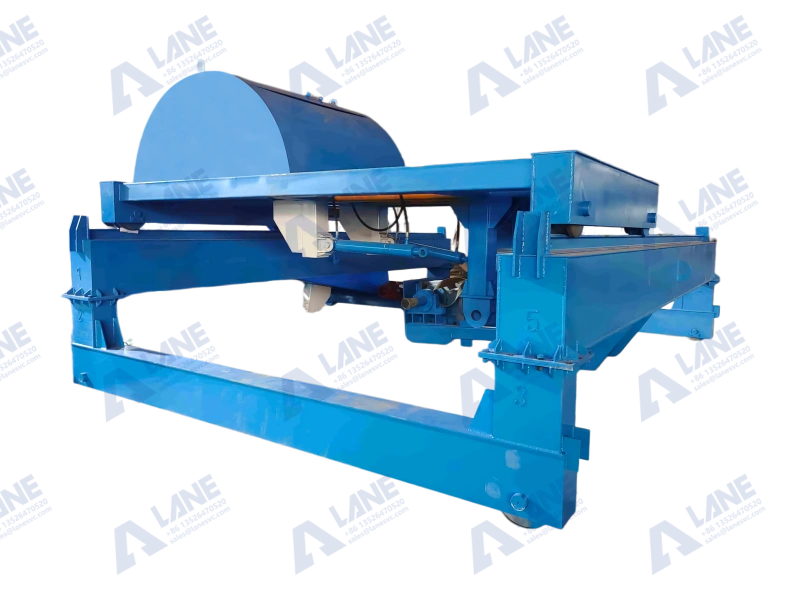
Wheel Type Compost Turner fits fermentation troughs from 5m to 25m wide, and shows obvious strengths for large-scale organic fertilizer manufacturing projects.
> Turning Supplies Oxygen to Support Aerobic Microbial Activity
Materials turn anaerobic after staying still for days. Microbe activity drops sharply without fresh air. Timely turning brings oxygen into the pile and supports temperature rise during early fermentation stages.
> Turning Balances Humidity and Temperature across the Whole Trough
Materials near trough edges lose heat quickly, while the central area stores excessive heat. Turning mixes materials from different zones, and narrows temperature gaps across the entire fermentation trough.
> Turning Breaks Compacted Material to Avoid Local Overheating
Compacted material loses air permeability easily. Local anaerobic zones form and create sudden overheating. These areas produce strong odors and ruin the whole fermentation environment.
Common Barriers to Effective Compost Temperature Control in Large Troughs
Many newly built large organic fertilizer production lines still choose traditional trough turners. Such equipment limits the maximum width of fermentation troughs. Even if factories build wide troughs, turning blind zones frequently appear. These obstacles make stable compost temperature control hard to achieve.
> Insufficient Turning Coverage Leaves Undisturbed Dead Zones
Traditional turners only work within limited width. Materials on both sides of wide fermentation troughs never get turned. These areas stay at low temperature and fall behind on the fermentation schedule.
> Improper Turning Frequency Leads to Chaotic Temperature Changes
Too frequent turning takes away too much heat and stops the pile from heating up. Too long intervals between turns lead to excessive heat accumulation. Both habits break the planned fermentation cycle.
> Inconsistent Raw Material Properties Interfere with Temperature Regulation
Fluctuating moisture content and C/N ratio of incoming materials change fermentation conditions constantly. Fixed turning schedules cannot maintain stable compost temperature control all the time.
Using Wheel Type Compost Turner to Optimize Compost Temperature Control
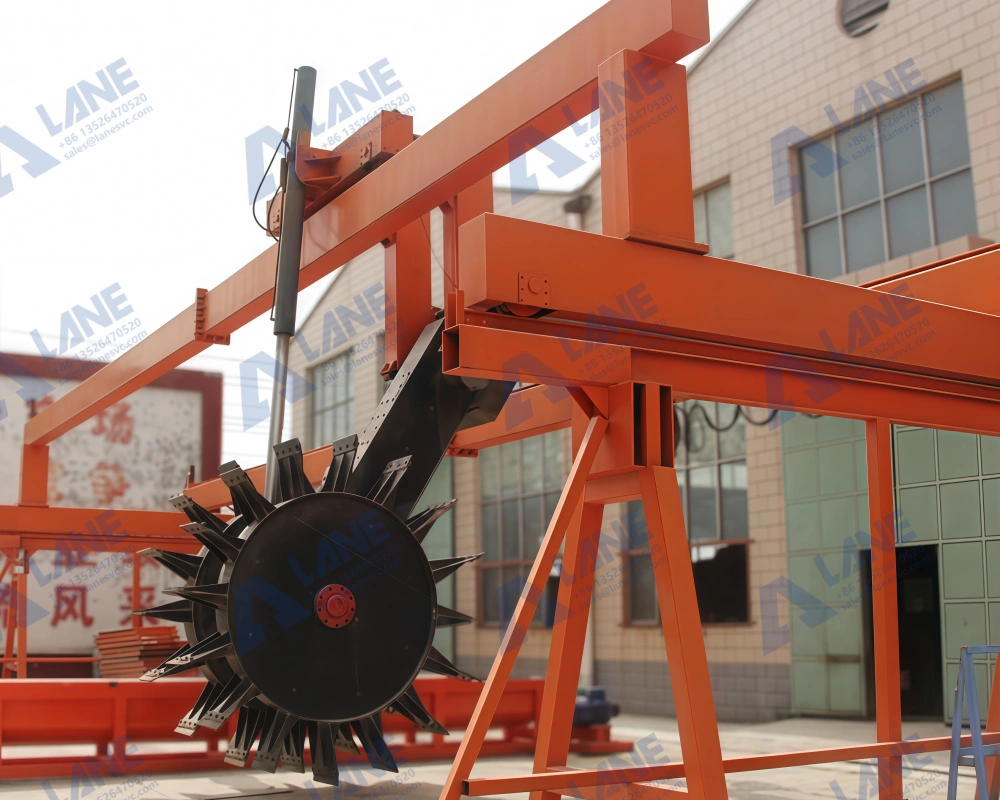
For wide trough fermentation projects, Wheel Type Compost Turner relies on large diameter turning wheels to stir materials over a broad range. Many large organic fertilizer manufacturers see obvious improvements on compost temperature control stability after switching to this machine. Below we share standard operation ideas.
> Match Working Span of Turner with Width of Fermentation Trough
This turner model supports trough widths between 5m and 25m. Proper model selection removes turning dead zones. Materials in every section of the trough can reach similar temperature levels.
> Adjust Lifting Height to Adapt to Variable Material Stack Thickness
Material stack thickness differs in early, middle and later fermentation stages. Operators can adjust the lifting height of turning wheels to control aeration depth, so they stabilize compost temperature control flexibly.
> Set Reasonable Travel Speed to Control Turning Intensity
Low travel speed delivers deep mixing for uneven raw materials. Higher speed works for simple aeration and heat dissipation. Staff can adjust speed according to real-time temperature readings on site.
| Model | LAF-10Y | LAF-15Y | LAF-20Y |
|---|---|---|---|
| Fermentation Groove Width (m) | 10 | 15 | 20 |
| Turning Depth (mm) | 1200–1500 | 1200–1500 | 1200–1500 |
| Processing Capacity (m³/h) | 800–1200 | 1200–1800 | 1800–2500 |
| Traveling Speed (m/min) | 2–6 | 2–6 | 2–6 |
| Main Motor Power (kW) | 45–55 | 55–75 | 75–110 |
| Turning Wheel Diameter (mm) | 2000–2500 | 2500–3000 | 3000–3500 |
| Installation Type | Rail-mounted | Rail-mounted | Rail-mounted |
Practical Operation Checklist for Stable Compost Temperature Control
High-quality equipment alone cannot guarantee ideal fermentation results. Factories need matched daily inspection and operation rules. This checklist can be printed and handed directly to workshop operators.
> Collect Temperature Data at Multiple Points inside Fermentation Troughs
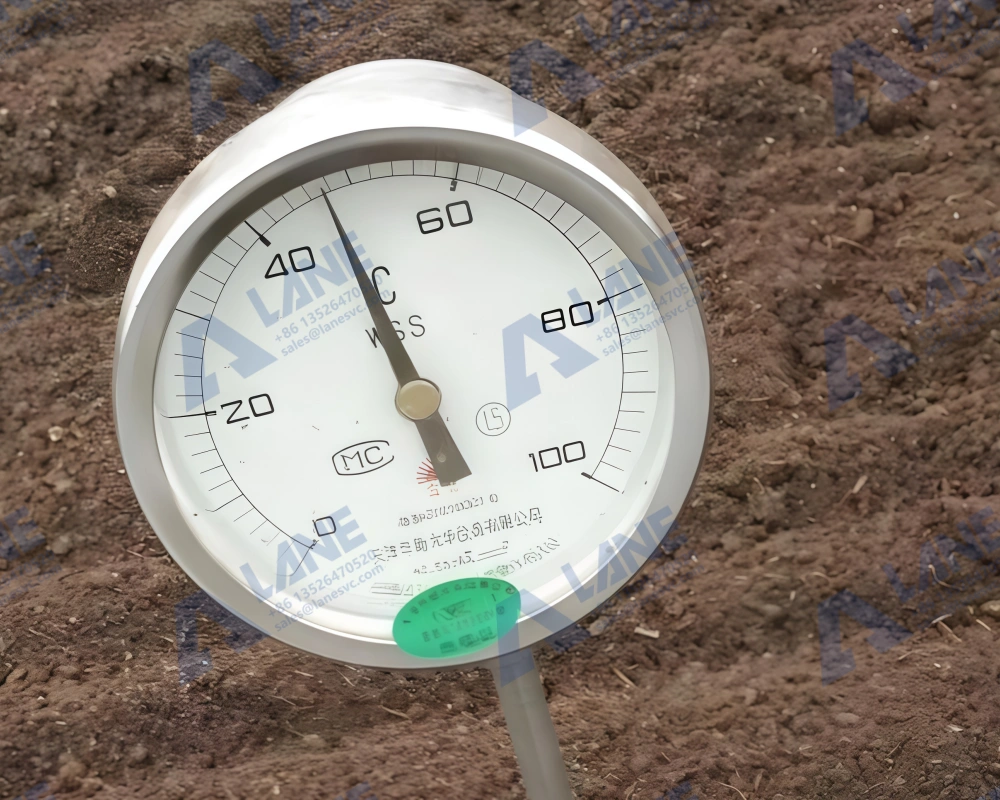
Do not measure temperature at only one single spot. Record data from the trough center, edge surface and bottom layer. Multi-point data reflects the real fermentation situation accurately.
> Adjust Turning Schedule Based on Real-time Temperature Readings
Extend turning intervals when the overall temperature stays low. Increase turning frequency to enhance heat dissipation and oxygen supply if temperature keeps rising beyond the target range.
> Monitor Raw Material Moisture before Loading into Troughs
The suitable moisture range for aerobic compost sits between 55% and 65%. Too high or too low moisture will raise difficulties for compost temperature control before fermentation even starts.
Misoperations That Ruin Compost Temperature Control Results
Many production sites keep inefficient working habits for years. Even equipped with reliable turning machines, they still struggle to maintain steady compost temperature. We list typical wrong operations found in organic fertilizer workshops.
> Only Adjust Equipment without Checking Raw Material Conditions
Unbalanced C/N ratio or abnormal moisture restricts microbial activity. Increasing turning times cannot fix temperature problems caused by poor raw material preparation.
> Run the Turner Continuously without Referring to Temperature Trends
Blind continuous turning removes massive heat from compost piles. Materials cannot reach the required temperature above 55℃ to finish harmless treatment.
> Ignore Regular Maintenance of Turning Blades
Worn turning blades lose the ability to break and mix materials thoroughly. Material mixing quality drops gradually, and obvious temperature differences begin to appear inside the trough.
FAQ
We sort out frequent questions raised by overseas organic fertilizer project customers. All questions connect closely with wide trough fermentation and Wheel Type Compost Turner applications.
Q1: What target temperature range should we follow for standard compost temperature control?
For standard aerobic composting, keep temperature between 55℃ and 65℃ for at least 7 consecutive days. This range ensures pathogen and egg removal. Avoid long-term temperature above 68℃.
Q2: Can wheel type compost turner work well for 20-meter ultra-wide fermentation troughs?
LANE Wheel Type Compost Turner supports trough width from 5m to 25m. The large turning wheel covers the whole trough width without dead zones. It works steadily on 20m ultra-wide trough fermentation lines.
Q3: How many times should we turn materials each day to keep stable compost temperature control?
There is no universal fixed value. In the heating stage, turn materials once every two to three days. Adjust frequency to one or two times per day when temperature exceeds 65℃. Always refer to real temperature data.
Q4: What should we do if compost temperature rises fast after heavy rainfall?
Rainwater raises material moisture and speeds up microbe activity. First check the moisture level. Carry out turning to release extra heat and avoid anaerobic odor formation.
Q5: Does the lifting function of wheel type compost turner help with compost temperature control?
Yes. Operators raise the turning wheel for shallow stirring in late fermentation. Lower the wheel to mix deep materials in early fermentation. Flexible depth adjustment makes compost temperature control much easier.
Conclusion
Compost temperature control acts as the core link of aerobic fermentation for organic fertilizer production. Timely and proper material turning remains the most practical way to manage pile temperature.
For factories running large-scale production lines with ultra-wide fermentation troughs, Wheel Type Compost Turner eliminates turning blind spots and balances material temperature across the whole trough.
Combine suitable equipment selection, stable raw material management and temperature-based turning plans. Plant operators can shorten fermentation cycles, improve finished fertilizer quality and cut long-term operation costs. LANE supplies durable wheel type compost turners customized to match different trough sizes for global organic waste treatment projects.