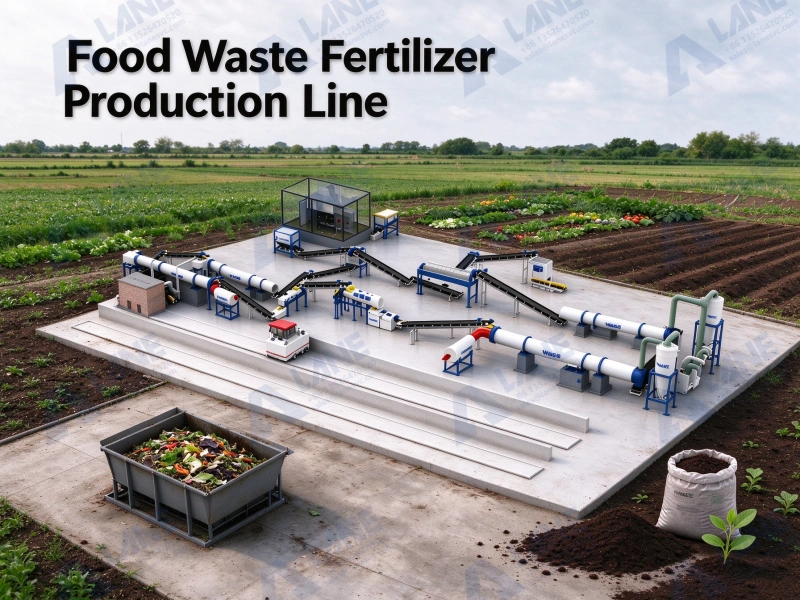
Feed Machine Pellet Making: Revolutionizing Livestock Nutrition
The agriculture and livestock industries are constantly evolving to meet the growing demand for high-quality animal feed. One of the most significant advancements in this sector is the Feed Machine Pellet Making process. This technology has transformed the way livestock feed is produced, offering numerous benefits that improve both efficiency and the nutritional value of the feed. Whether you’re a small-scale farmer or managing a large commercial operation, understanding the benefits and mechanics of feed pellet making machines is essential for optimizing animal nutrition and maximizing productivity.
What is a Feed Machine Pellet Making?
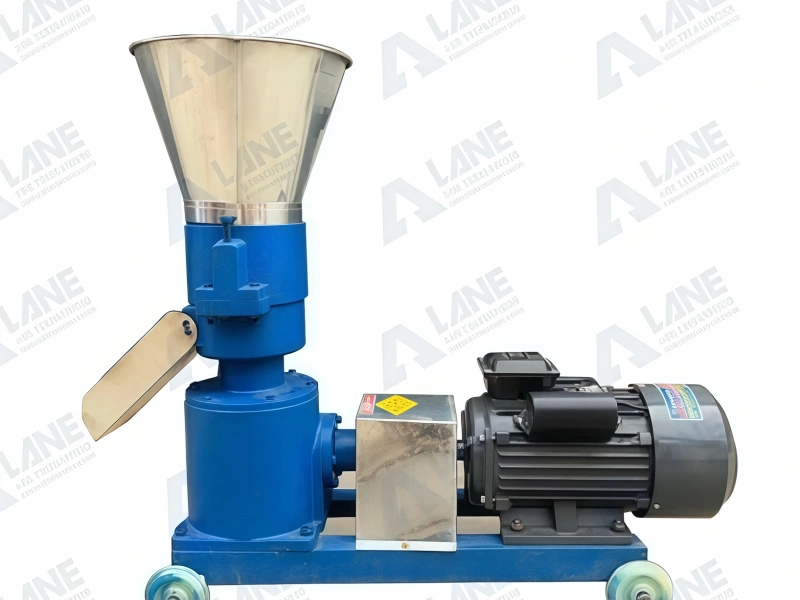
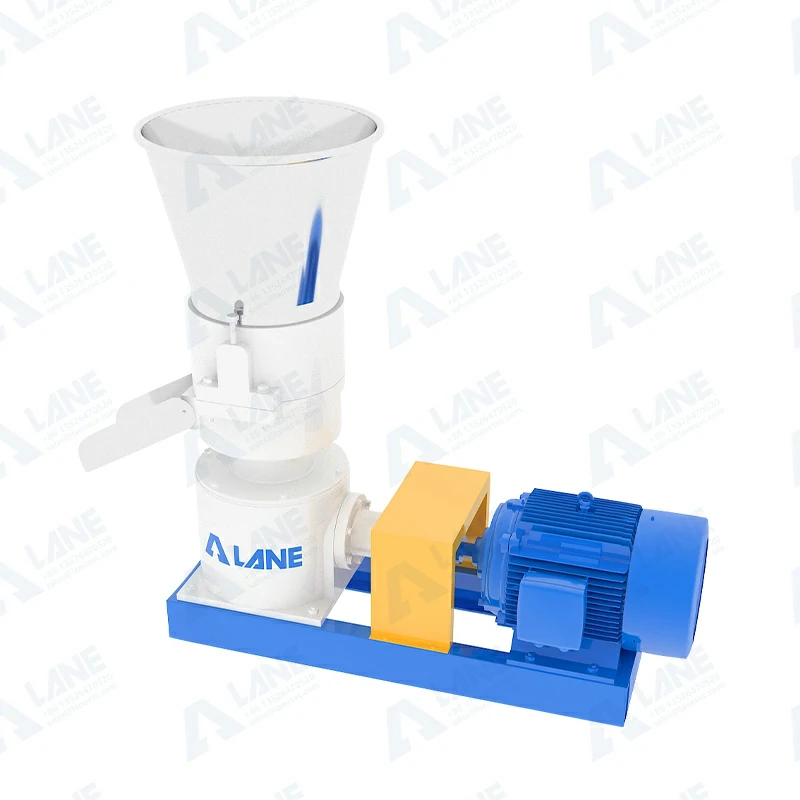
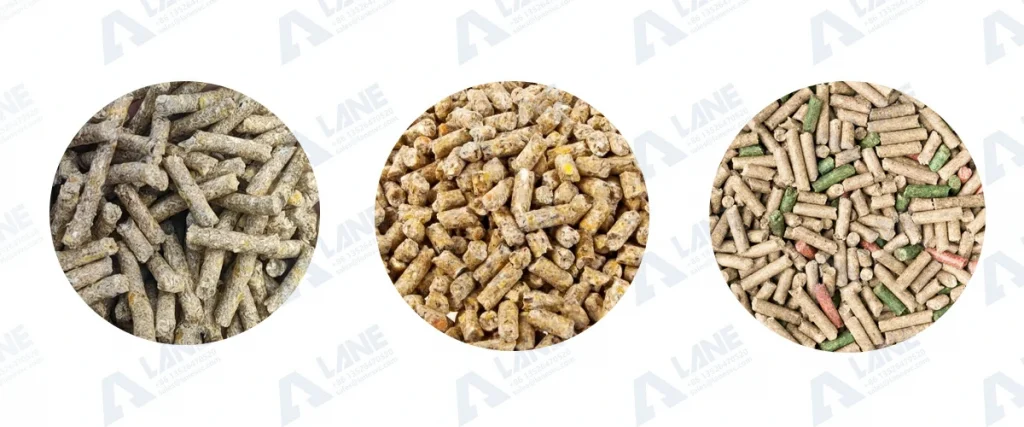
A Feed Machine Pellet Making is a specialized piece of equipment designed to compress and mold various feed ingredients into dense, uniform pellets. These pellets are a highly efficient form of feed for livestock, providing a balanced diet that is easy to store, transport, and administer. The machine uses a combination of heat, moisture, and pressure to convert raw materials like grains, vitamins, and other nutrients into solid, cylindrical pellets that are readily consumed by animals.
Key Components:
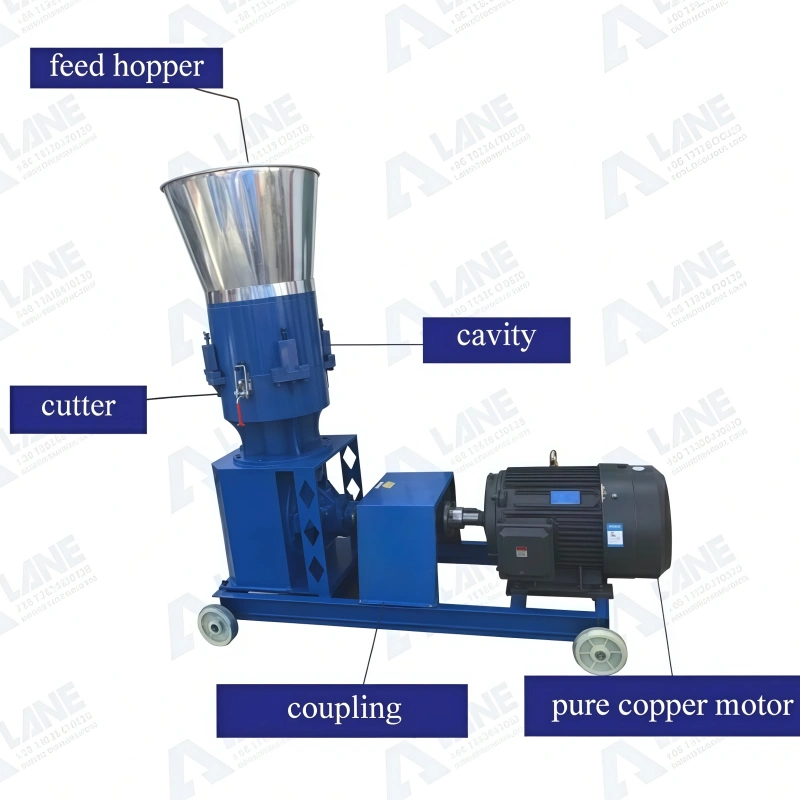
- Feed Hopper: Where the raw materials are introduced into the machine.
- Conditioner: Adds moisture and heat to the raw materials to prepare them for pelletizing.
- Pellet Mill: The heart of the machine, where raw materials are compressed through a die to form pellets.
- Cutter: Slices the extruded feed into uniform pellet sizes.
- Cooling System: Ensures that the pellets are hardened and cooled for easy handling and storage.
How Does a Feed Machine Pellet Making Work?
The Feed Machine Pellet Making process is straightforward yet highly effective in converting raw materials into nutritionally balanced pellets:
- Material Preparation
Raw ingredients such as grains, corn, soybeans, vitamins, and minerals are first ground into a fine powder. This ensures that the pellets are uniform and that each pellet contains a balanced mix of nutrients. - Conditioning
The ground materials are transferred to the conditioner, where steam or water is added to increase the moisture content. This step is crucial for binding the materials together and achieving the desired pellet density. - Pelletizing
The conditioned feed is fed into the pellet mill, where it is pressed through a die. The die determines the size and shape of the pellets, and the pressure applied ensures that the materials are compressed into solid, uniform pellets. - Cooling and Hardening
After pelletizing, the hot and soft pellets are cooled down to harden them. This step is important to prevent the pellets from crumbling during storage and transport. - Screening
Finally, the pellets are screened to remove any fines (small fragments or dust), ensuring that only high-quality, uniform pellets are packaged and distributed.
| Model | Capacity(kg/h) | Weight(kg) | Power(kw) |
|---|---|---|---|
| LA125 | 80-100 | 35 | 3-4 |
| LA150 | 90-150 | 40 | 3-4 |
| LA160 | 150-200 | 45 | 4.5 |
| LA210 | 200-300 | 110 | 7.5 |
| LA230 | 350-450 | 150 | 11 |
| LA260 | 400-500 | 190 | 15 |
| LA300 | 500-700 | 400 | 22 |
| LA360 | 700-800 | 600 | 22 |
| LA400 | 900-1200 | 750 | 30 |
Advantages of Using Feed Machine Pellet Making
- Enhanced Nutritional Value
Pelletizing feed allows for the precise control of the nutritional content, ensuring that each pellet is a balanced mix of essential nutrients, vitamins, and minerals. This uniformity leads to better animal health and growth rates. - Improved Feed Efficiency
Pellets are easier for animals to digest compared to loose feed. The dense, compact form reduces feed waste and ensures that livestock receive the maximum nutritional benefit from each pellet. - Reduced Feed Wastage
Loose feed is prone to wastage due to spillage and selective feeding. Pellet feed minimizes these issues as animals cannot easily pick and choose what to eat, leading to more efficient feed utilization. - Ease of Handling and Storage
Pellets are easier to store and transport than loose feed. They occupy less space, are less prone to spoilage, and can be easily handled with minimal dust, making them ideal for large-scale operations. - Versatility
Feed machines can process a wide range of ingredients, allowing you to create custom feed formulations tailored to the specific needs of your livestock. This versatility is particularly beneficial for farms with diverse animal populations. - Scalability
Feed machine pellet making systems are available in various sizes and capacities, making them suitable for operations of all scales—from small farms to large industrial feed production facilities. - Economic Benefits
By producing your own feed pellets, you can significantly reduce feed costs, especially when utilizing locally sourced ingredients. Additionally, the consistent quality of pellets can lead to better growth rates and higher yields, further boosting profitability.
Key Considerations When Choosing a Feed Machine Pellet Making
When selecting a Feed Machine Pellet Making system, several factors should be taken into account to ensure you choose the right machine for your operation:
- Capacity:Consider the volume of feed you need to produce daily. Choose a machine with a capacity that matches your production needs to ensure efficient operation without bottlenecks.
- Die Size and Shape
The die size and shape determine the size of the pellets produced. Select a die that produces pellets appropriate for the species of livestock you are feeding. - Material Compatibility
Ensure that the machine can process the types of raw materials you plan to use. Some machines are better suited for specific ingredients, so it’s important to choose one that matches your feed formulation. - Energy Consumption
Pellet mills can be energy-intensive, so consider the power requirements of the machine. Look for energy-efficient models that will help keep operational costs low. - Ease of Operation and Maintenance
Choose a machine with user-friendly controls and easy maintenance features. Regular maintenance is essential for keeping the machine running smoothly, so look for models with accessible components and reliable manufacturer support. - Cost
Evaluate the initial investment cost as well as the ongoing operational costs. While it’s important to stay within budget, prioritize quality and reliability to ensure long-term savings and efficiency. - Brand Reputation
Purchase from reputable manufacturers with a proven track record in the industry. Reliable brands are more likely to provide high-quality machines and excellent customer service.
Conclusion
The Feed Machine Pellet Making technology has become an indispensable tool for modern livestock farming, offering a range of benefits that improve feed efficiency, nutritional quality, and overall farm productivity. By investing in a high-quality feed pellet machine, you can optimize your feed production process, reduce costs, and ensure that your livestock receives the best possible nutrition.
Whether you’re a small farmer looking to produce feed on-site or a large-scale operation aiming to streamline feed production, a Feed Machine Pellet Making system can provide the efficiency, versatility, and cost savings you need to stay competitive in the agriculture industry. With careful consideration of your specific needs and a focus on quality, this technology can be a game-changer for your farming business, leading to healthier livestock and higher yields.