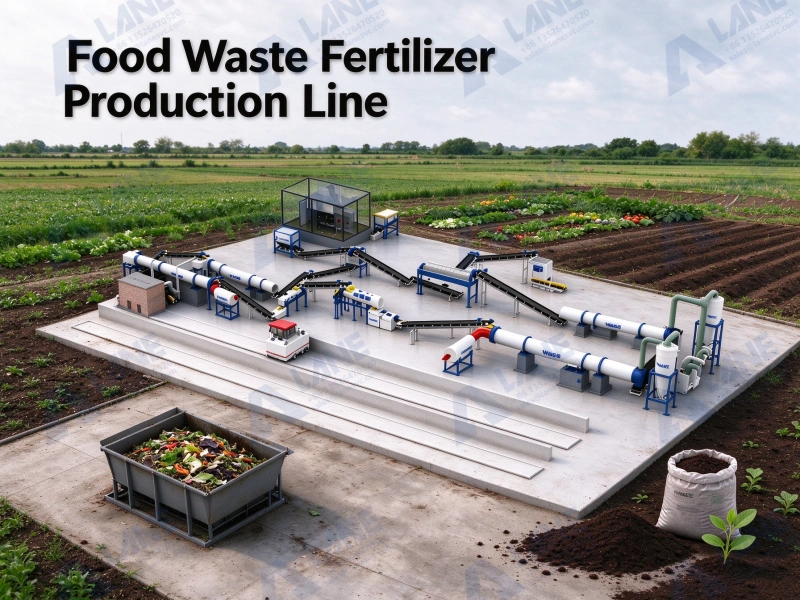
Feed Pellet Making Machine: Transforming Raw Materials into Nutritious Feed
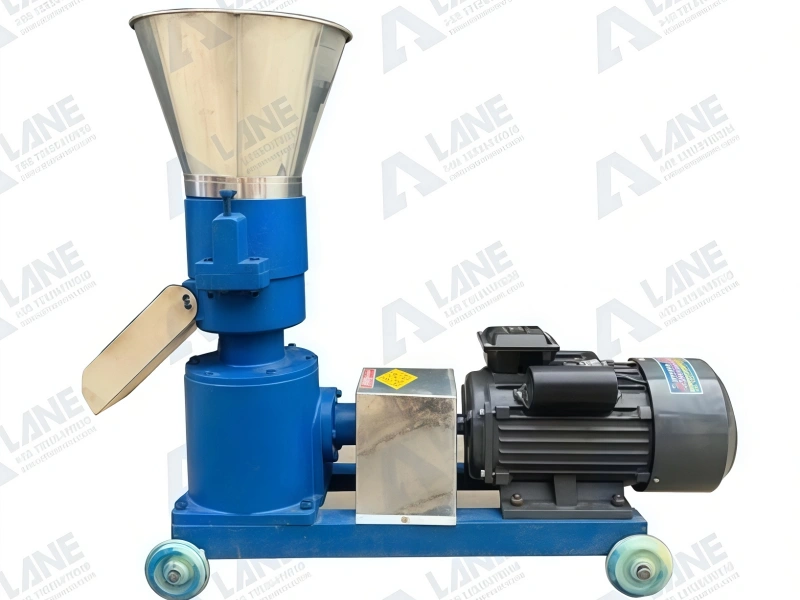
In the world of animal husbandry and aquaculture, providing high-quality feed is essential for the healthy growth and productivity of livestock and fish. The Feed Pellet Making Machine plays a pivotal role in this process by transforming raw materials into compact, nutrient-rich pellets. These pellets are easy to store, transport, and feed to animals, making the Feed Pellet Making Machine an invaluable tool for farmers, feed manufacturers, and aquaculture operators alike.
What is a Feed Pellet Making Machine?
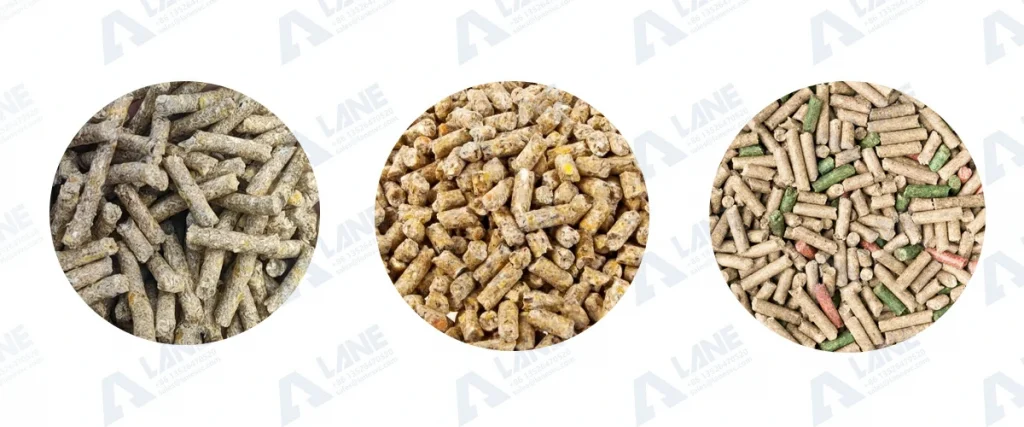
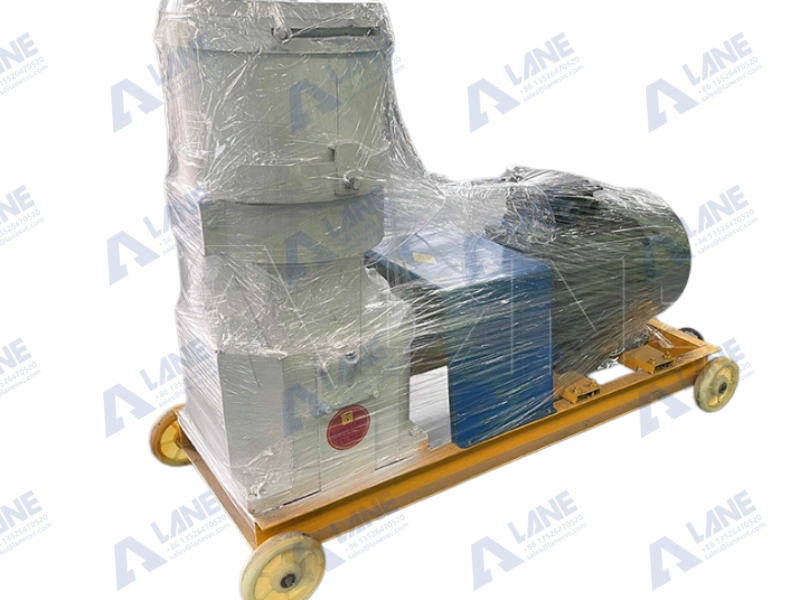
A Feed Pellet Making Machine is a specialized piece of equipment designed to convert raw materials like grains, protein sources, and other feed ingredients into dense, uniform pellets. These pellets are used as feed for livestock such as cattle, poultry, pigs, and fish. The machine operates by compressing the raw materials through a die, forming them into cylindrical shapes that are easy for animals to consume.
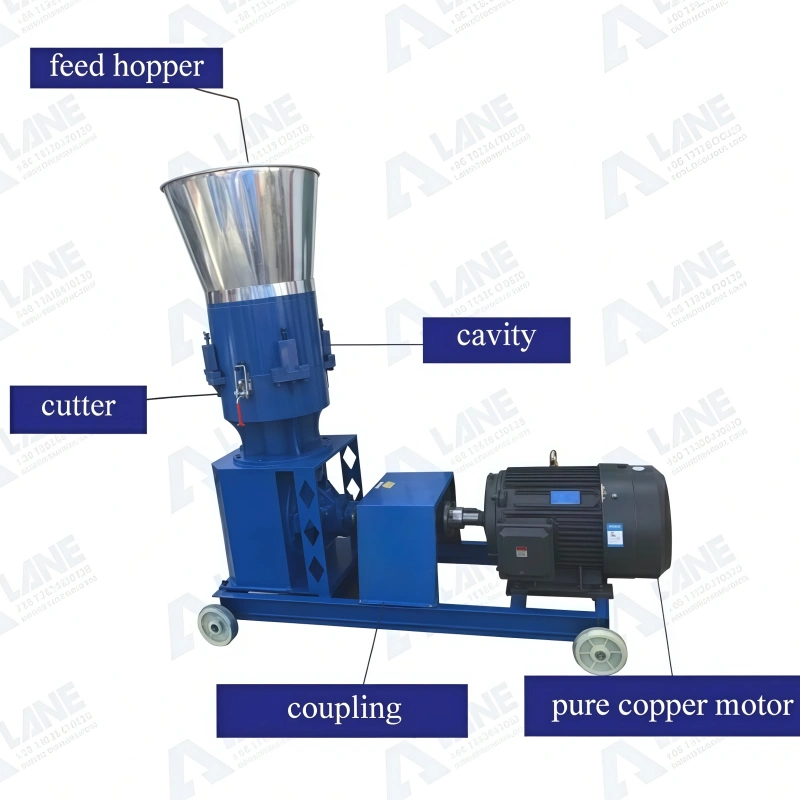
- Key Components of a Feed Pellet Making Machine
- Feeding Hopper: Where the raw materials are introduced into the machine.
- Conditioner: Adds moisture or steam to the raw materials, preparing them for pelletizing.
- Pellet Mill: The heart of the machine, where raw materials are compressed through a die to form pellets.
- Cutting Knife: Trims the pellets to the desired length as they exit the die.
- Cooling System: Lowers the temperature of the pellets after extrusion, ensuring they retain their shape and durability.
- Screening System: Removes fines and unformed pellets, ensuring a consistent product.
The Pelletizing Process: How It Works
The Feed Pellet Making Machine operates through a series of steps that transform raw materials into finished feed pellets.
- Raw Material Preparation
The first step involves preparing the raw materials. This may include grinding grains, mixing protein sources, and adding vitamins or minerals. The goal is to create a homogenous blend that can be efficiently processed by the machine.
- Conditioning
In the conditioner, the raw materials are treated with steam or moisture. This step is crucial as it softens the materials, making them more pliable and easier to compress into pellets. Conditioning also helps to gelatinize starches, improving the digestibility of the feed.
- Pelletizing
Once conditioned, the raw materials are fed into the pellet mill. Here, they are forced through a die using a roller. The die has small holes, and as the material is pushed through, it forms cylindrical pellets. The size of the pellets can be adjusted by changing the die or the thickness of the material being extruded.
- Cutting and Cooling
As the pellets exit the die, a cutting knife trims them to the desired length. The freshly formed pellets are hot and soft, so they are passed through a cooling system to reduce their temperature. Cooling hardens the pellets, ensuring they retain their shape during storage and transport.
- Screening
The final step involves screening the pellets to remove fines or unformed pellets. This ensures that only uniform, high-quality pellets are packaged and delivered to the end user.
| Model | Capacity(kg/h) | Weight(kg) | Power(kw) |
|---|---|---|---|
| LA125 | 80-100 | 35 | 3-4 |
| LA150 | 90-150 | 40 | 3-4 |
| LA160 | 150-200 | 45 | 4.5 |
| LA210 | 200-300 | 110 | 7.5 |
| LA230 | 350-450 | 150 | 11 |
| LA260 | 400-500 | 190 | 15 |
| LA300 | 500-700 | 400 | 22 |
| LA360 | 700-800 | 600 | 22 |
| LA400 | 900-1200 | 750 | 30 |
Benefits of Using a Feed Pellet Making Machine
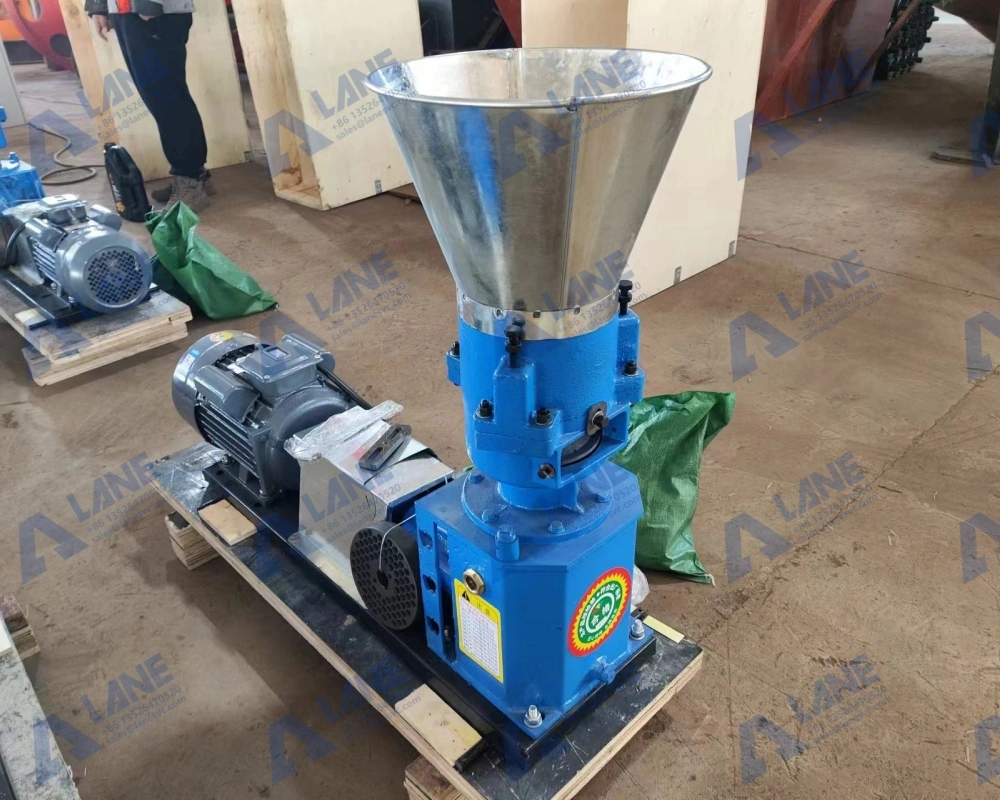
- Improved Feed Efficiency
Pelletized feed is more digestible for animals, leading to better feed conversion ratios. This means animals gain more weight or produce more milk, eggs, or meat from the same amount of feed, improving overall farm productivity.
- Uniform Nutrient Distribution
Pellets ensure that each mouthful of feed contains a balanced mix of nutrients. This uniformity is especially important in large-scale operations where consistent nutrition is key to maintaining animal health and performance.
- Reduced Waste
Pelletized feed reduces waste during feeding, as animals are less likely to sort through the feed and leave behind less desirable ingredients. This is particularly beneficial in situations where feed costs are high.
- Ease of Storage and Transport
Pellets are compact and have a higher bulk density than loose feed ingredients, making them easier to store and transport. They are also less prone to spoilage and can be stored for longer periods without losing nutritional value.
- Customizable for Different Animals
The feed pellet making machine can be adjusted to produce pellets of different sizes and nutrient compositions, making it suitable for a wide range of animals. Whether you are feeding chickens, pigs, cattle, or fish, the machine can be tailored to meet their specific dietary needs.
Applications of a Feed Pellet Making Machine
- Poultry Farming
In poultry farming, pelletized feed is commonly used to ensure that chickens, turkeys, and other birds receive a balanced diet. The pellets are easy for birds to consume and reduce the chances of nutrient segregation during feeding.
- Aquaculture
Fish and shrimp farms rely heavily on pelletized feed to ensure that aquatic animals receive the right nutrients. The dense nature of pellets means they sink slowly, giving fish time to eat without polluting the water.
- Cattle and Dairy Farms
Cattle and dairy farms use feed pellets to deliver a balanced diet to cows and other ruminants. Pellets can include a mix of grains, forages, and supplements, ensuring that livestock receive the energy and nutrients they need for growth, milk production, and reproduction.
- Pig Farming
Pellets are ideal for pig farming, as they provide a concentrated source of nutrients in a form that pigs can easily digest. This leads to faster growth rates and more efficient use of feed resources.
- Small-Scale Farms
For small-scale farmers, a feed pellet making machine offers the ability to produce custom feed on-site. This can be particularly advantageous for those looking to reduce feed costs or create specialized diets for niche markets.
Conclusion: A Vital Tool for Modern Agriculture
The Feed Pellet Making Machine is an essential tool in modern agriculture, providing a cost-effective way to produce high-quality feed for a variety of animals. By converting raw materials into dense, uniform pellets, this machine helps farmers and feed manufacturers optimize their operations, improve animal nutrition, and reduce waste.
If you want to know more, contact us!
Whether you are managing a large commercial farm or a small-scale operation, investing in a Feed Pellet Making Machine can significantly enhance your feed production capabilities, leading to healthier animals and more profitable farming.