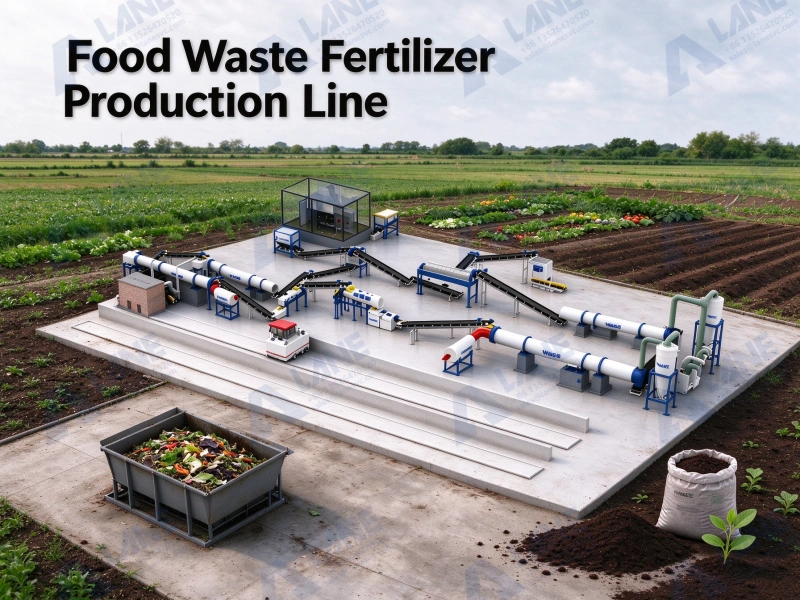
Feed Pellet Production Line: A Complete Solution for High-Quality Animal Feed
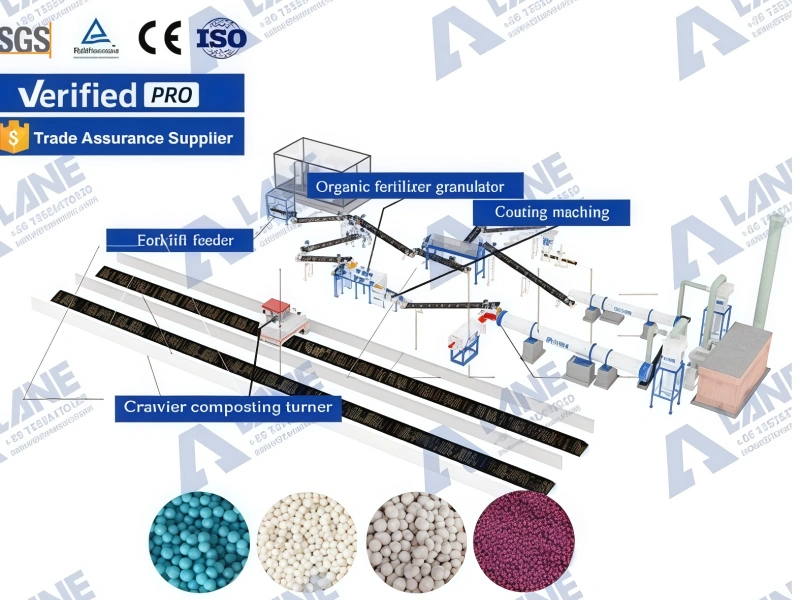
The production of high-quality animal feed is a crucial aspect of livestock and aquaculture farming. A well-designed Feed Pellet Production Line provides an efficient and reliable way to convert raw materials into nutrient-rich feed pellets, meeting the dietary needs of various animals. This system is indispensable for farmers, feed manufacturers, and large-scale farming operations, enabling them to produce consistent, high-quality feed that supports healthy growth and productivity.
Overview of a Feed Pellet Production Line
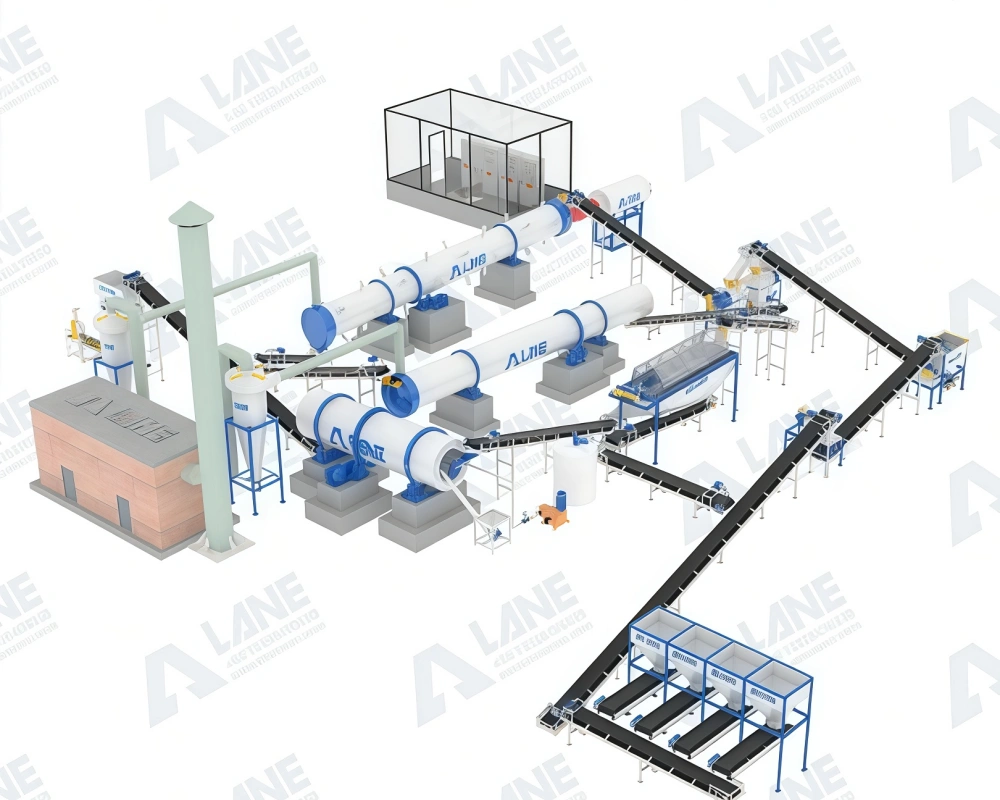
A Feed Pellet Production Line is a comprehensive system that automates the entire process of feed production, from raw material preparation to the final packaging of feed pellets. This line includes various machines that work together to produce feed pellets that are easy to store, transport, and feed to animals.
Key Components of a Feed Pellet Production Line
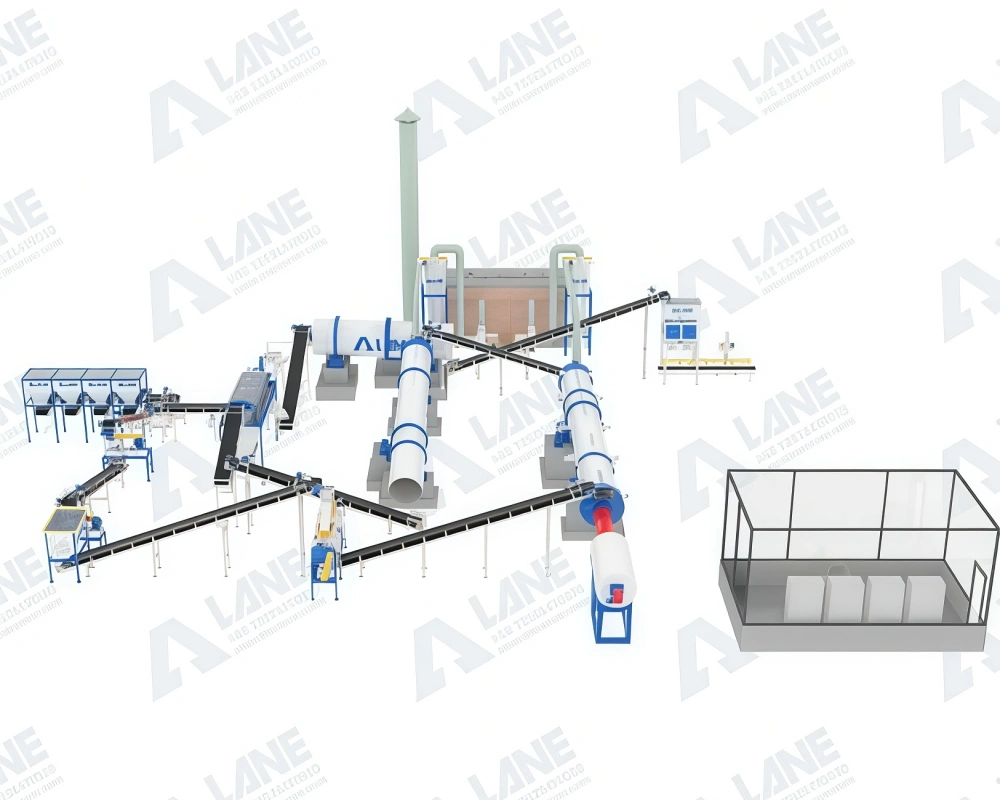
Raw Material Crusher: The first step in the production line, where raw materials such as grains, legumes, and protein sources are crushed into fine particles to ensure uniformity in the final feed mix.
Mixer: This machine blends the crushed materials with other additives like vitamins, minerals, and oils, creating a homogenous mixture that meets the specific nutritional requirements of the animals.
Pellet Mill: The core of the production line, where the mixed materials are compressed into feed pellets of various sizes and shapes. The pellet mill can be adjusted to produce pellets suitable for different types of livestock or fish.
Conditioner: A pre-treatment machine that adds steam or moisture to the raw materials before they enter the pellet mill. Conditioning improves the binding quality of the feed, resulting in firmer, more durable pellets.
Dryer: After pelletizing, the pellets contain moisture that needs to be reduced. The dryer removes this excess moisture, ensuring the pellets are stable and have a long shelf life.
Cooler: This machine cools down the hot pellets after drying, which is essential to maintain their integrity and prevent them from crumbling.
Screening Machine: The cooled pellets are passed through a screening machine to remove fines and unformed pellets, ensuring that only high-quality feed pellets are packaged.
Packaging Machine: The final step in the production line, where the finished pellets are weighed, bagged, and sealed for storage or transport.
The Production Process
The feed pellet production process can be broken down into the following stages:
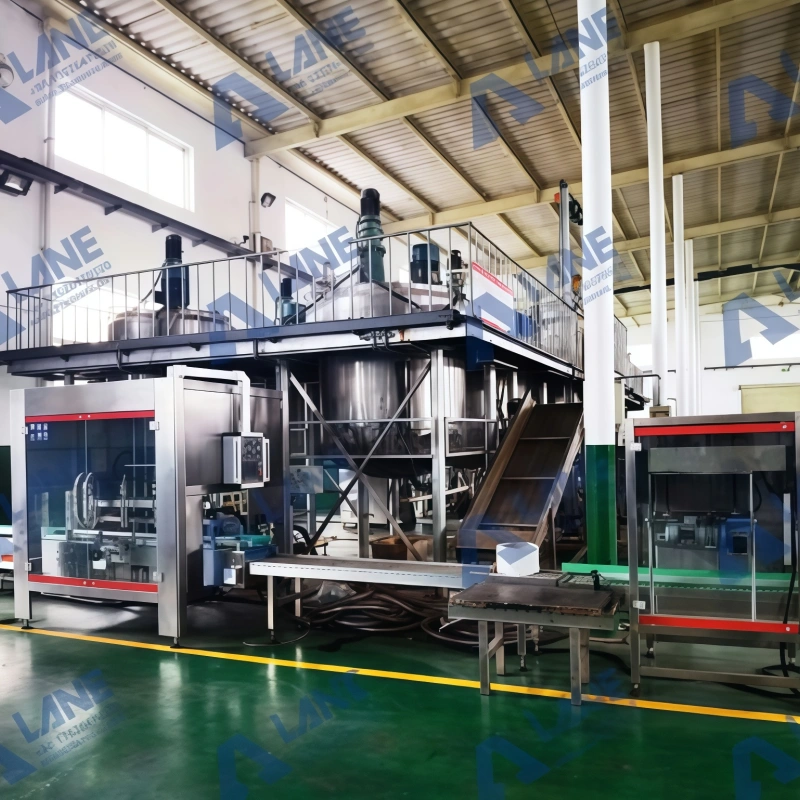
- Raw Material Preparation: The process begins with the selection and preparation of raw materials. Grains like corn, wheat, and soybeans, along with protein sources like fish meal and bone meal, are ground into fine particles. This step is crucial for creating a uniform feed mix that will pelletize effectively.
- Mixing: The ground materials are then mixed with other essential ingredients, such as vitamins, minerals, and oils, to create a balanced feed formula. The mixing process ensures that each pellet contains the same proportion of nutrients, providing consistent nutrition to the animals.
- Pelletizing: The mixed feed is then fed into the pellet mill, where it is compressed through a die to form pellets. The die and roller can be adjusted to produce pellets of different sizes and densities, depending on the species of animal being fed.
- Drying: Once the pellets are formed, they are transferred to a dryer to reduce their moisture content. Proper drying is essential to prevent mold growth and ensure the pellets have a long shelf life.
- Cooling: After drying, the pellets are still warm and need to be cooled to room temperature. The cooler reduces the temperature of the pellets, making them easier to handle and package.
- Screening and Packaging: The cooled pellets are screened to remove any broken pieces or fines, leaving only uniform pellets. These are then weighed and packaged in bags or bulk containers, ready for distribution.
Benefits of a Feed Pellet Production Line
- High Efficiency and Automation: A feed pellet production line automates the entire process, significantly increasing production efficiency. This automation reduces labor costs and allows for continuous operation, making it ideal for large-scale feed production.
- Consistent Quality: The production line ensures that each batch of feed pellets is consistent in quality and nutritional content. This consistency is vital for maintaining the health and productivity of livestock and fish.
- Customizable Production: The production line can be customized to produce feed pellets of different sizes and compositions, catering to the specific dietary needs of various animals, including poultry, cattle, pigs, and fish.
- Cost-Effective Production: By producing feed pellets on-site, farmers and feed manufacturers can save on the costs of purchasing commercial feed. The ability to source raw materials locally further reduces production costs.
- Longer Shelf Life: Pelletized feed has a longer shelf life compared to loose feed, as the drying and cooling processes remove excess moisture that can lead to spoilage. This makes it easier to store and transport the feed without the risk of degradation.
- Environmental Benefits: The efficient use of raw materials in a feed pellet production line reduces waste and minimizes the environmental impact of feed production. The ability to control the formulation also allows for the creation of eco-friendly feed options that reduce methane emissions in livestock.
Applications of Feed Pellet Production Lines
- Commercial Feed Production
Large-scale feed manufacturers use feed pellet production lines to produce feed for a variety of animals. The ability to produce large volumes of feed quickly and efficiently makes these lines essential for meeting the demands of the livestock and aquaculture industries.
- Farm-Based Feed Production
Farmers who produce their own feed benefit from having a feed pellet production line on-site. This allows them to create custom feed blends that meet the specific needs of their animals, ensuring optimal health and growth.
- Aquaculture
In aquaculture, pelletized feed is crucial for feeding fish and shrimp. The production line can be adjusted to produce floating or sinking pellets, depending on the species being farmed. This flexibility ensures that the feed is suitable for different stages of growth and feeding behaviors.
- Research and Development
Feed pellet production lines are also used in research and development settings to create new feed formulations. This is particularly important for developing specialized feeds that address specific nutritional deficiencies or improve animal performance.
Conclusion: Elevating Feed Production to New Heights
The Feed Pellet Production Line represents a leap forward in feed production technology, offering an efficient, customizable, and cost-effective solution for producing high-quality feed. By automating the entire process, from raw material preparation to packaging, these lines ensure consistent, nutrient-rich feed that supports the health and productivity of livestock and fish.
Investing in a Feed Pellet Production Line is a smart move for any farm or feed manufacturing operation looking to enhance their production capabilities, reduce costs, and meet the growing demand for high-quality animal feed. Whether you are feeding poultry, cattle, pigs, or fish, a well-designed feed