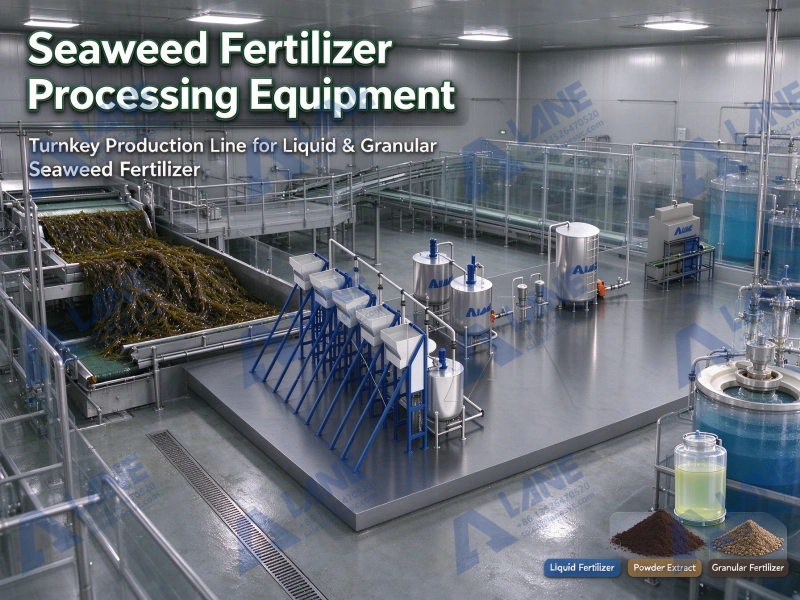
Fertilizer Bag Weight Control: Why Accurate Filling Matters in Commercial Fertilizer Production
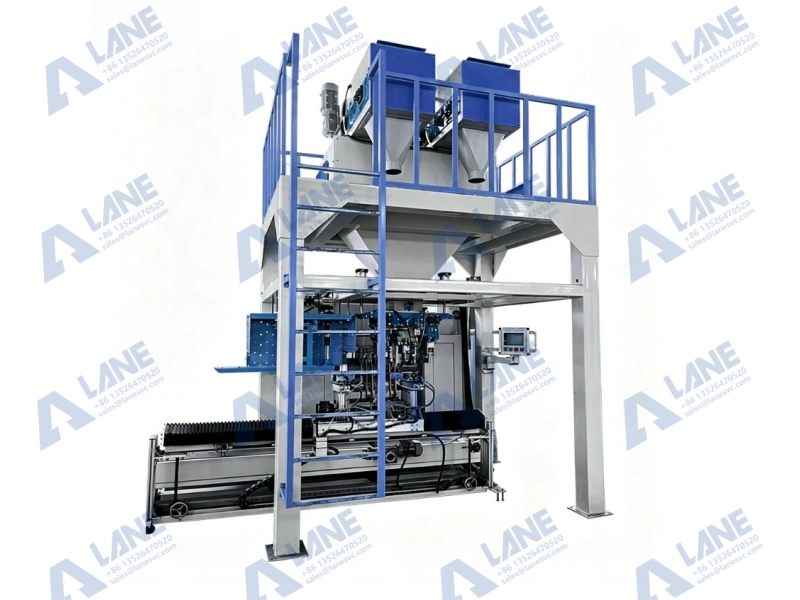
Many fertilizer factory operators focus on nutrient content and particle quality, but ignore stable fertilizer bag weight control during the packaging stage. Underweight bags cause customer complaints, while overweight bags create unnecessary raw material losses. This article analyzes the common causes of weight deviation and introduces how LANE Automatic Packaging Machine stabilizes fertilizer bag weight control.
Risks Brought by Poor Fertilizer Bag Weight Control
Small weight fluctuations on production lines are often overlooked. However, unstable fertilizer bag weight control creates long-term problems, including compliance risks, profit loss and damage to brand reputation.
> Underweight Packages Trigger Buyer Claims and Disputes
Weight sampling is commonly carried out by global fertilizer distributors after receiving shipments. Once repeated underweight bags are detected, buyers may submit formal claims.
Long-term unstable bag weight performance can also cause importers to switch to other fertilizer suppliers.
> Overweight Bags Lead to Continuous Raw Material Waste
After thousands of finished fertilizer bags are produced, even a small overweight deviation in each bag can accumulate into significant raw material losses.
Most fertilizer manufacturers calculate selling prices based on standard net weight. Excess material in every bag directly reduces overall profit margins.
> Unstable Weight Results in Failure to Meet Local Trade Standards
Many countries apply strict measurement regulations for packaged agricultural products. Fertilizer batches with large weight deviations may face customs inspection delays.
In serious cases, entire shipments may be detained or rejected, causing major logistics costs and order losses.
Primary Reasons for Unstable Fertilizer Bag Weight Control
Bag weight deviation is not only caused by weighing equipment. Material flow characteristics, feeding methods and workshop conditions can all influence fertilizer bag weight control during continuous packaging operations.
> Unstable Material Flow of Granular and Powder Fertilizer
Changes in moisture content and fine powder proportion affect fertilizer flow performance. Some materials flow too quickly, while others may block the feeding chute.
Uneven material flow delivers inconsistent amounts to the weighing unit and reduces fertilizer bag weight control stability.
> Outdated Weighing Components with Slow Response Speed
Aging load cells require more time to provide accurate weight feedback. The system cannot stop feeding immediately when reaching the target weight.
This signal delay directly causes repeated overweight problems during continuous fertilizer packaging.
> Irregular Feeding Speed Interrupts Stable Metering
Many factories still use simple feeding structures. Material supply speed cannot remain stable during long-hour production.
Sudden fertilizer surges into the weighing hopper make it difficult to maintain reliable fertilizer bag weight control.
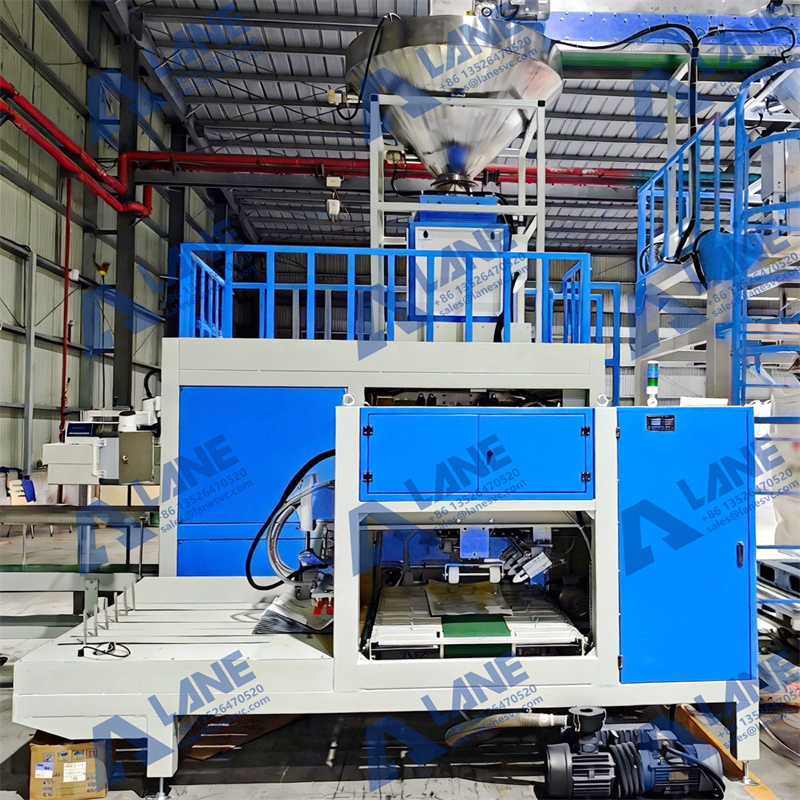
How LANE Automatic Packaging Machine Optimizes Fertilizer Bag Weight Control
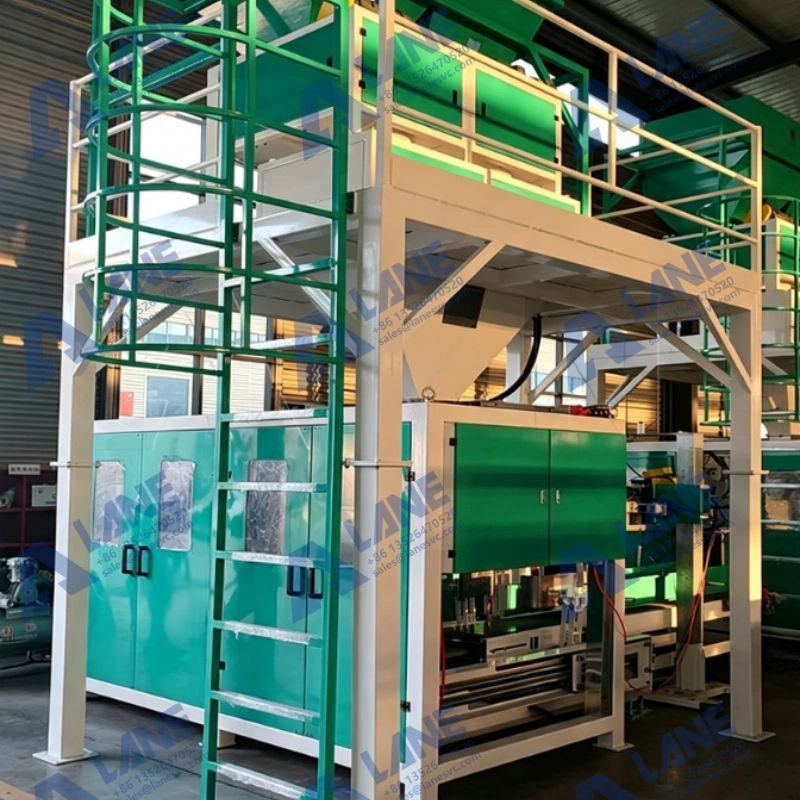
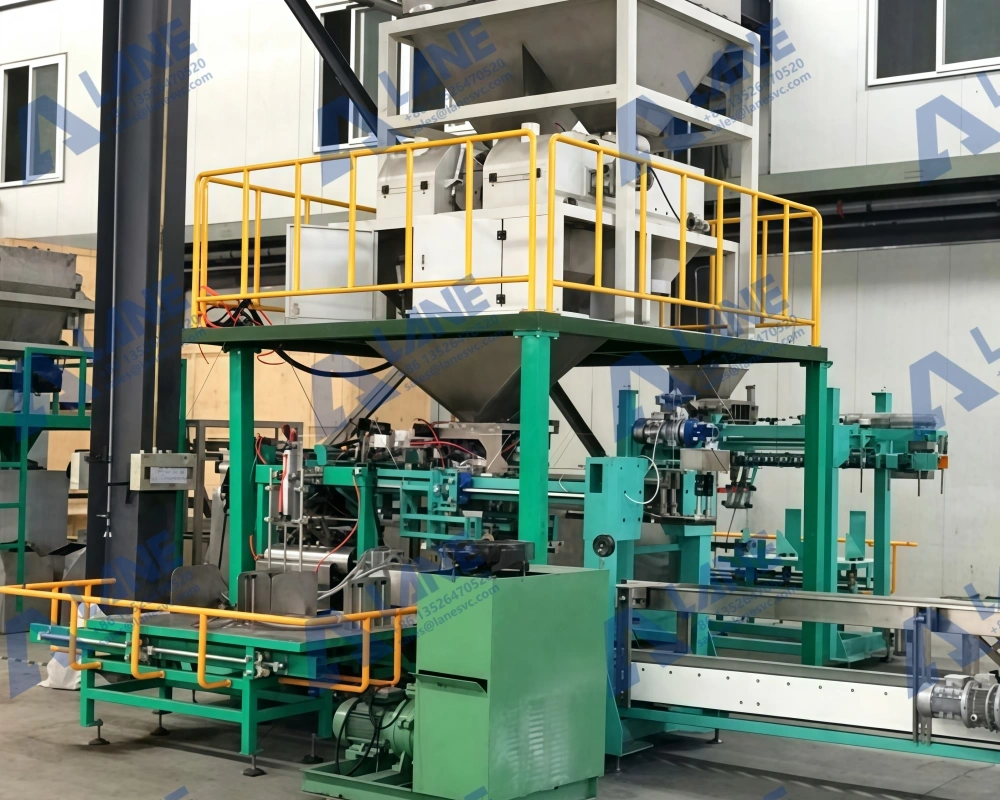
A reliable packaging system requires a suitable feeding structure and a high-precision weighing module. LANE Automatic Packaging Machine is specially designed for fertilizer materials and can achieve stable fertilizer bag weight control during long-term continuous production.
> Optional Vibration, Screw and Belt Feeding for Different Fertilizers
LANE Automatic Packaging Machine is equipped with replaceable feeding components. Operators can select different feeding methods according to fertilizer characteristics.
The matched feeding structure improves material flow consistency and creates a strong foundation for accurate fertilizer bag weight control.
> High-precision Digital Weighing System Reduces Metering Deviation
The built-in digital weighing system supports high-frequency weight sampling. Under continuous operation, weighing accuracy can be maintained within ±0.2%~±0.5%.
Fast signal response avoids delayed feeding cutoff and effectively reduces overweight and underweight risks.
> Real-time Parameter Adjustment Adapts to Changing Material Conditions
The control panel allows operators to adjust feeding speed and weight parameters without stopping the entire production line.
When fertilizer moisture content or particle ratio changes, quick parameter adjustment helps maintain stable fertilizer bag weight control.
| Technical Parameter | Specification |
|---|---|
| Packaging Speed | 20–50 bags/minute |
| Packaging Weight Range | 10 grams–50 kilograms |
| Weighing Accuracy | ±0.2%–±0.5% |
| Applicable Packaging Materials | Plastic bags, woven bags, composite film bags, etc. |
| Feeding Method | Vibrating feeder, screw feeder, belt feeder |
| Power Supply Requirement | AC220V/AC380V (three-phase four-wire system) |
| Power Consumption | 1–5KW |
| Air Source Requirement | Pressure: 0.4–0.8MPa; Air consumption: 0.6m³/min |
| Equipment Material | Contact parts made of 304/316 stainless steel |
Choose Proper Feeding Mode to Stabilize Fertilizer Bag Weight Control
Incorrect feeding selection is one of the common hidden causes of bag weight deviation. Matching the feeding method with different fertilizer characteristics can significantly improve fertilizer bag weight control without replacing the weighing system.
> Vibration Feeding: Ideal for Uniform Fertilizer Granules
Vibration feeding provides a stable material flow for round compound fertilizer granules and organic fertilizer pellets. It prevents sudden material surges during the weighing process.
Most granular fertilizer production lines choose this feeding method to achieve stable fertilizer bag weight control.
> Screw Feeding: Designed for Fine Fertilizer Powder
Screw feeding creates a closed internal material flow channel and prevents powder from floating during transportation. It provides accurate feeding for fertilizer powder and materials such as humic acid.
It also reduces powder bridging inside the hopper, which is one of the common factors affecting fertilizer bag weight control.
> Belt Feeding: Works for Poor-flowing, Lump-prone Materials
Sticky organic fertilizer and agglomerated bulk materials usually have poor flow performance and cannot be handled effectively by traditional feeding methods.
The flat belt surface transports materials smoothly and continuously, supporting consistent fertilizer bag weight control for difficult fertilizer materials.
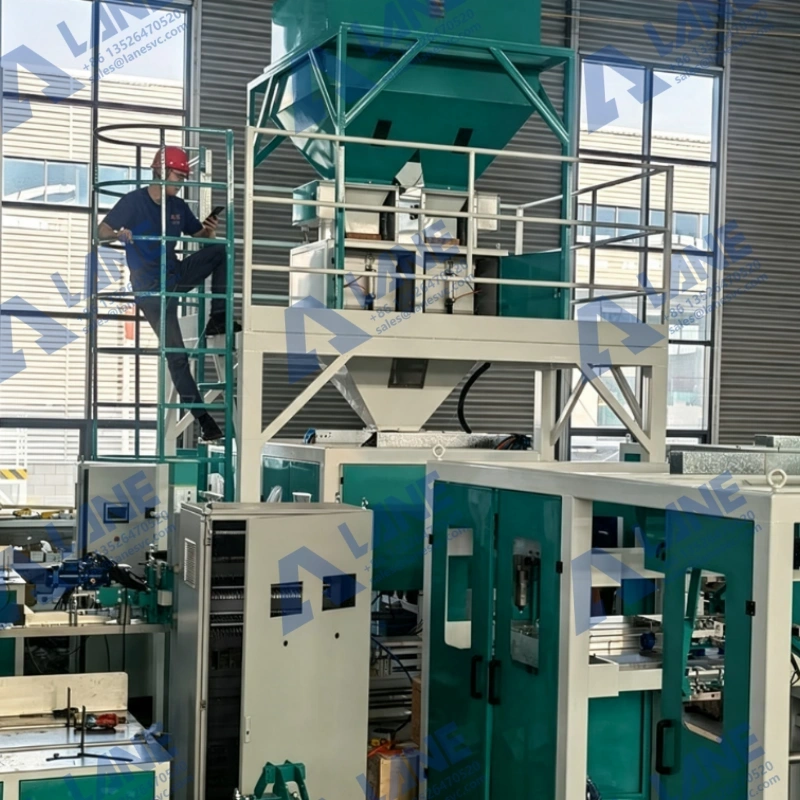
Practical Daily Operation Rules for Better Fertilizer Bag Weight Control
Even high-performance packaging equipment requires standardized operation. Proper daily maintenance and parameter adjustment can prevent most fertilizer bag weight control fluctuations.
> Carry Out Regular Calibration for Weighing System
Changes in environmental temperature and continuous equipment vibration may gradually affect weighing accuracy. Regular calibration helps correct weight deviation in advance.
Most fertilizer plants perform calibration before daily production starts to maintain reliable fertilizer bag weight control.
> Keep Consistent Material Moisture before Packaging
High moisture content makes fertilizer materials stick together, while excessive dryness increases dust generation. Both conditions influence material flow stability.
Maintaining moisture within a suitable range reduces flow variation and supports stable fertilizer bag weight control.
> Prevent Dust Accumulation on Weighing Hopper Surface
Fine fertilizer powder may gradually attach to the hopper surface during operation. Accumulated dust can create inaccurate weight readings during each weighing cycle.
Regular cleaning schedules remove dust buildup and protect fertilizer bag weight control accuracy.
Supporting Layout Design to Maintain Fertilizer Bag Weight Control
Material supply conditions before the packaging process directly influence weighing stability. A reasonable production line layout ensures continuous material delivery and supports consistent fertilizer bag weight control.
> Use Bucket Elevator for Gentle, Stable Material Delivery
Traditional free-fall conveying methods may cause particle separation and uneven material distribution before packaging.
A bucket elevator transports fertilizer materials smoothly through buckets and delivers a more uniform material flow to the packaging machine, helping maintain fertilizer bag weight control.
> Install Buffer Silo before Packaging Machine to Balance Flow
Direct feeding from granulators or dryers may cause unstable material output. A buffer silo works as an intermediate storage unit to absorb sudden fluctuations.
Stable material supply entering the weighing system reduces pressure on fertilizer bag weight control.
> Reduce Material Drop Height to Avoid Granule Segregation
A large vertical drop distance may cause heavier particles to move downward while fine powder separates, changing material flow characteristics.
Reducing material falling distance helps maintain uniform fertilizer composition and improves continuous fertilizer bag weight control.
FAQ
Fertilizer manufacturers often ask questions about weighing accuracy and fertilizer bag weight control. The following answers summarize common practical concerns.
Q1: What weight tolerance range meets common international fertilizer trade standards?
A1: Most international fertilizer buyers accept a tolerance range of approximately ±0.5% for standard 25kg and 50kg fertilizer bags. Some strict importers require accuracy within ±0.2%. After proper commissioning, LANE Automatic Packaging Machine can meet different accuracy requirements.
Q2: Can Automatic Packaging Machine handle both powder and granular fertilizer for stable fertilizer bag weight control?
A2: Yes. The feeding device can be selected according to fertilizer characteristics. Vibration feeding is suitable for granules, while screw feeding is recommended for powder materials. The weighing system remains unchanged to maintain stable fertilizer bag weight control.
Q3: How often should operators calibrate the weighing unit for fertilizer bag weight control?
A3: Daily calibration before startup is recommended. If the workshop experiences strong vibration or large temperature changes, additional calibration during production can further improve fertilizer bag weight control stability.
Q4: Will a high-dust environment affect fertilizer bag weight control results?
A4: Dust accumulation may gradually affect weighing hoppers and sensors. LANE Automatic Packaging Machine can be equipped with dust removal components to reduce dust interference and protect weighing accuracy.
Q5: Can the packaging machine connect with an automatic palletizer for complete automation?
A5: Yes. The equipment provides standard connection interfaces for conveyors and automatic palletizing systems. Fully automated packaging and stacking reduce manual operation and maintain continuous fertilizer bag weight control.
Conclusion
Reliable fertilizer bag weight control depends on equipment selection, feeding methods, daily operation and production line design.
LANE Automatic Packaging Machine provides flexible feeding options and high-precision weighing systems for fertilizer production lines. It helps manufacturers reduce weight deviation, minimize raw material waste and avoid commercial disputes in global fertilizer markets.