Fertilizer Drum Mixer: 5 Ways to Reduce Its Operating Cost
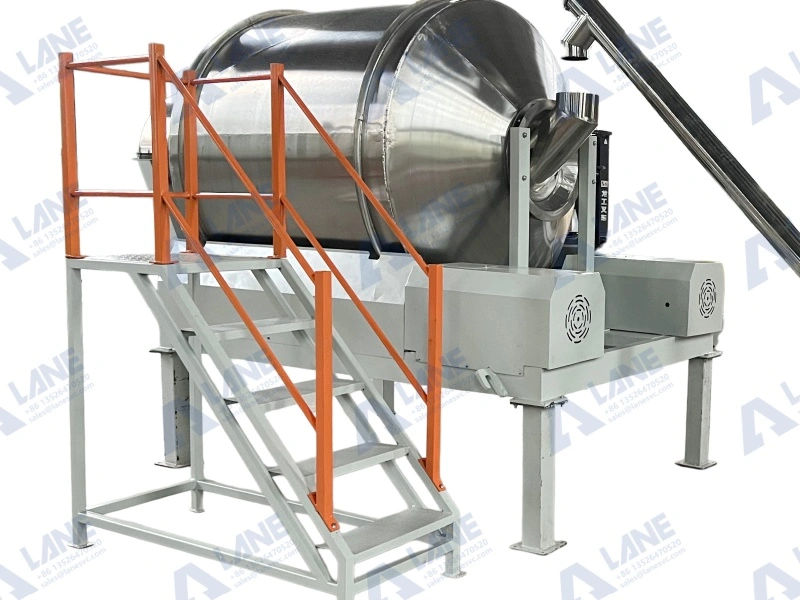
Most small and medium fertilizer plants will use fertilizer drum mixer as the core mixing equipment for the production of organic fertilizer and compound fertilizer. Daily power consumption, replacement of wearable parts, manual maintenance, waste of materials and other expenses almost swallow most of the production profit of the workshop.
Many manufacturers only pay attention to the improvement of production capacity, but ignore the hidden waste of fertilizer drum mixer. Irregular operation, unreasonable parameter debugging, and timely maintenance will cause continuous unnecessary losses throughout the year.
This article starts from the real production pain points in the workshop, sorts out the feasible and highly targeted reduction methods, and helps the factory cut down unnecessary operating expenses while ensuring the stable quality of fertilizer drum mixer mixing.
The Main Hidden Cost Waste Points in the Daily Operation of Fertilizer Drum Mixer
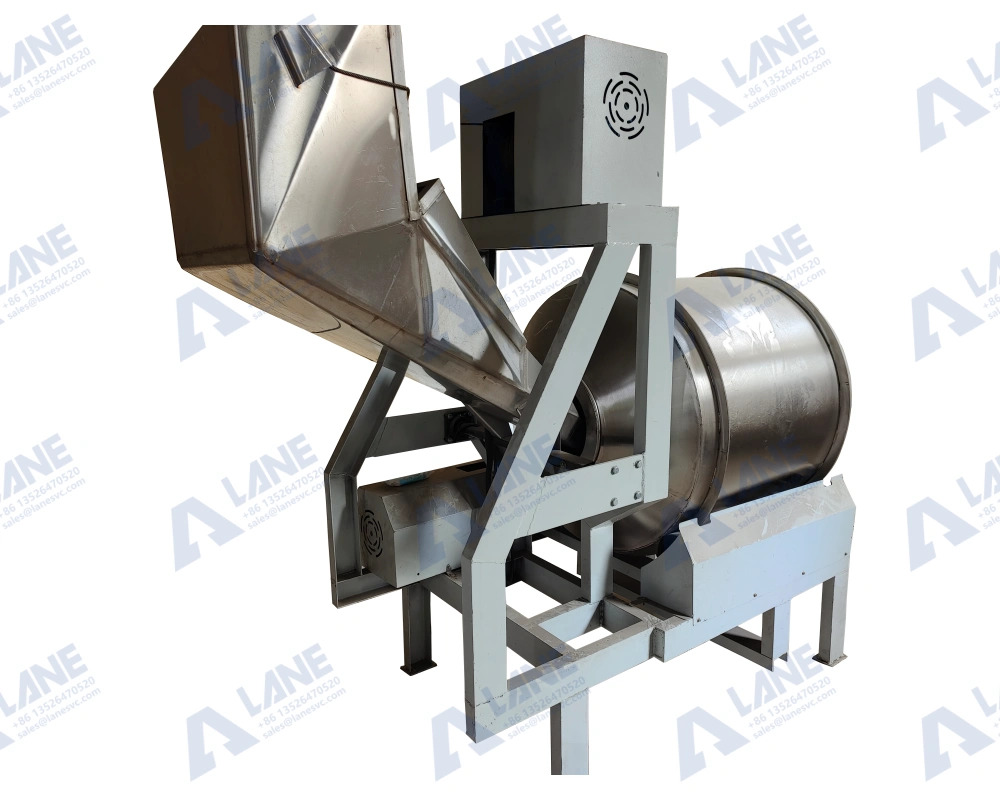
In order to optimize costs, it is necessary to clarify all the hidden consumption links first. Most of the operating losses of fertilizer drum mixer are not caused by equipment quality problems, but by the accumulation of long-term non-standard use and blind operation.
-
Ineffective Idling Causes Energy Waste
Many fertilizer workshops let the fertilizer drum mixer run for a long time when waiting for materials and changing shifts. The equipment has no material load, but the main motor still operates at full load, generating a large amount of inefficiency every day. Long-term idle operation will significantly increase the monthly electricity cost of the workshop.
-
Frequent Replacement of Consumable Parts Increases the Cost of Consumables
The common fertilizer drum mixer lacks anti-stick and wear-resistant structural design. Long-term stirring of high-moisture manure fertilizer and viscous compound fertilizer raw materials will cause serious adhesion and wear of liners and driving gears. Frequent aging and replacement of accessories form a fixed consumable consumption expenditure every year.
-
Incomplete Output Causes Waste of Raw Materials
The traditional fertilizer drum mixer has a mixing blind spot in the shell. After each production, there will be a large amount of mixed organic fertilizer and nitrogen, phosphorus, potassium powder left in the drum. Accumulated residues are prone to moisture and deterioration, and cannot be reused, which causes continuous raw material loss to the fertilizer workshop in the long run.
-
Frequent Manual Cleaning Leads to Labor Cost Loss
The viscous fertilizer raw material is very easy to adhere firmly to the inner wall of the ordinary fertilizer drum mixer. Each shift in the workshop must assign someone to clean the drum, and repetitive cleaning takes up a lot of manpower resources, continuously increasing the daily manpower operation cost of the production line.
-
Unreasonable Mixing Cycle Reduces Production Efficiency
Novice operators will blindly extend the mixing time in order to pursue the uniformity of the mixture. The mixing time of fertilizer drum mixer is too long, which not only causes excessive electricity consumption, but also slows down the whole production line rhythm and reduces daily production capacity, indirectly raising the unit production cost.
Fertilizer Drum Mixer: Feasible Cost Reduction Optimization Plan
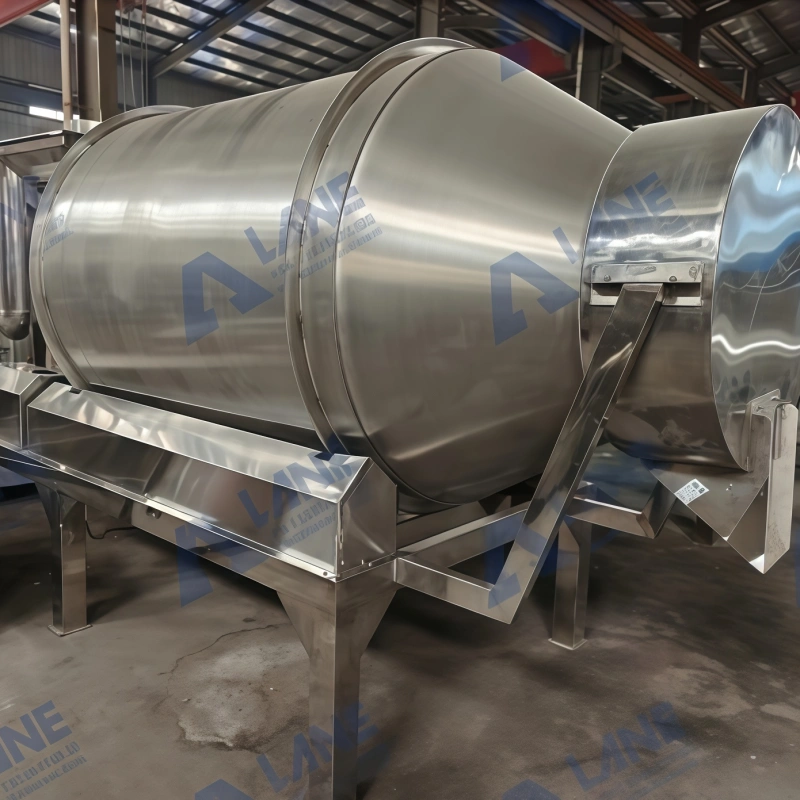
For all the above hidden waste problems, targeted optimization can achieve significant cost reduction. Our upgraded fertilizer drum mixer has been comprehensively optimized in terms of structure, power configuration, and operation logic, and is specifically designed to meet the low-consumption production requirements of small and medium-sized fertilizer workshops.
-
Optimize Start-Stop Logic to Eliminate Idle Power Consumption and Waste
Change the traditional 24-hour non-stop operation mode of the equipment, and start and stop as needed according to the progress of the feed, and operate intermittently. Equipped with a frequency converter, the motor power can be adjusted in real time according to the load of the material, which can reduce the unnecessary electricity consumption by 20% to 25% every month and save electricity from the source.
-
Adopts Wear-Resistant Structural Design to Reduce the Frequency of Replacement of Accessories
Our factory’s optimized fertilizer drum mixer is equipped with thick, replaceable anti-stick lining and wear-resistant alloy gears. The upgraded structure greatly reduces friction loss caused by mixing high-moisture materials, extends wearable parts life more than two times and significantly decreases annual spare part procurement costs.
-
Achieves Complete Discharge, Eliminating Waste of Raw Materials
The inclined angle of the shell of our fertilizer drum mixer and the internal roller mixing structure have been scientifically optimized, and there are no blind spots in the whole process of mixing and discharging, and the overall discharge rate can reach 99%. The basic principle is that there is no residue in the cylinder, and the problem of long-term waste of raw materials is completely solved.
-
Reduce Manual Cleaning Workload and Save Labor Costs
The inner wall of the upgraded fertilizer drum mixer is smooth and anti-stick, which can effectively avoid the stubborn attachment of sticky materials such as manure and compound fertilizer. A small amount of residual material can be automatically discharged with the rolling of the drum body, reducing the manual cleaning workload by more than 80%, and saving the long-term fixed labor expenses of the workshop.
-
Standardizes Mixing Parameters and Improves Unit Production Efficiency
Standardize the mixing parameters for different fertilizer raw materials. The mixing time of regular organic fertilizer raw materials is uniformly controlled at 3 to 5 minutes. A reasonable mixing cycle can not only ensure the uniformity and stability of the mixture, but also avoid the waste of electricity and reduction of capacity caused by excessive mixing.
| Model | LAFB-1000 | LAFB-2000 |
|---|---|---|
| Drum Volume | 1000 | 2000 |
| Loading capacity(kg/batch) | 300 | 600 |
| Power(KW) | 3 | 5.5 |
| Speed(rpm) | Continuously adjustable | Continuously adjustable |
| Production capacity(t/h) | 3-5 | 8-10 |
Long-Term Maintenance Specification, Stable Fertilizer Drum Mixer Low-Cost Operation
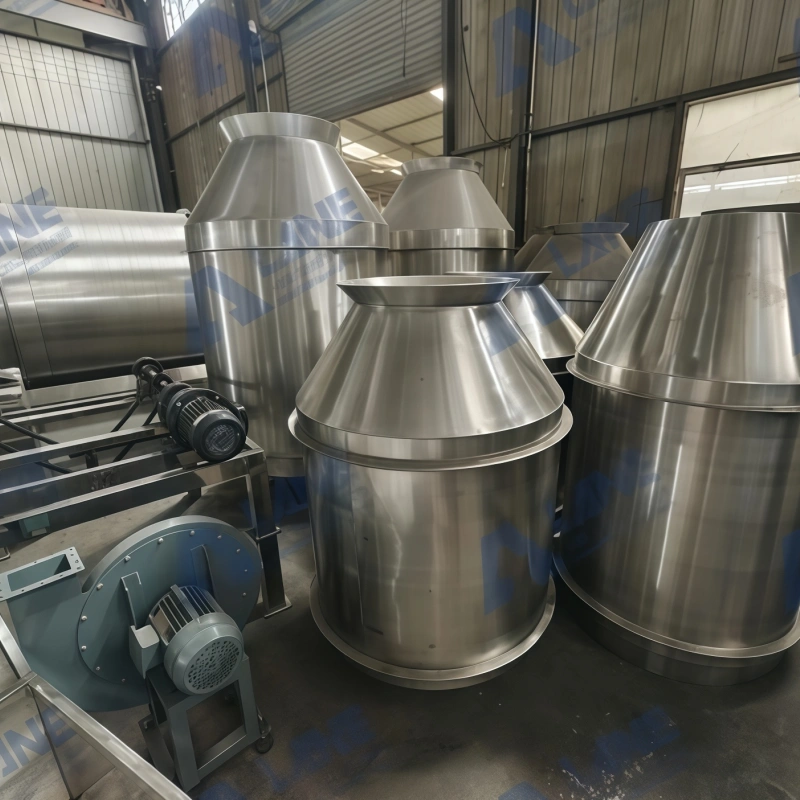
Most of the cost loss of fertilizer drum mixer is accumulated over a long period of time. Establishing a standardized daily maintenance system can effectively avoid sudden failures and high emergency repair costs, and maintain the equipment’s long-term low consumption and stable operation.
Regular Lubrication and Maintenance to Reduce Equipment Operation Resistance
Lubricating grease should be added to the bearings and driving gears of the fertilizer drum mixer every two weeks. Sufficient lubrication can effectively reduce mechanical friction resistance, reduce motor operating load, and indirectly reduce the daily power consumption of the equipment.
Check and Replace Old Sealing Parts in a Timely Manner
Regularly check the condition of the fertilizer drum mixer sealing gasket, replace the aged and deformed parts in time, and prevent material leakage. The failure of sealing not only causes the loss of raw materials, but also aggravates the entry of dust into the equipment, causing the mechanical wear to worsen.
Clean the Barrel Every Day to Prevent the Accumulation of Hard Lumps
After the fertilizer drum mixer is stopped every day, the soft residue in the drum should be cleaned up in time to avoid the material drying and hardening. It can effectively prevent the occurrence of overload, surge current, and additional power consumption problems when the material with hard lumps is stirred next time when the machine is turned on.
Fertilizer Drum Mixer Summary of Cost Reduction and Efficiency Improvement
The operating cost loss of fertilizer drum mixer is mainly concentrated in four aspects: electricity waste, spare part loss, raw material residue and manual maintenance. Blind operation and delayed maintenance are the core reasons for the high overall production cost in the workshop.
Only by optimizing operation parameters, upgrading equipment structure, and implementing standardized daily maintenance can factories continue to achieve cost reduction and efficiency improvement. Our factory’s high-efficiency low-consumption fertilizer drum mixer can reduce all kinds of hidden operating costs, help small and medium-sized fertilizer workshops improve profit margins, and achieve stable and sustainable profitable production.
The solutions are clear and proven — from optimizing start-stop logic and upgrading wear-resistant structures to standardizing mixing parameters and daily maintenance. Every improvement directly reduces waste and protects your workshop’s bottom line. The question is not whether you can afford to make these changes, but whether you can afford not to. Contact LANE today to start cutting your operating costs and building a more profitable, efficient fertilizer production line.