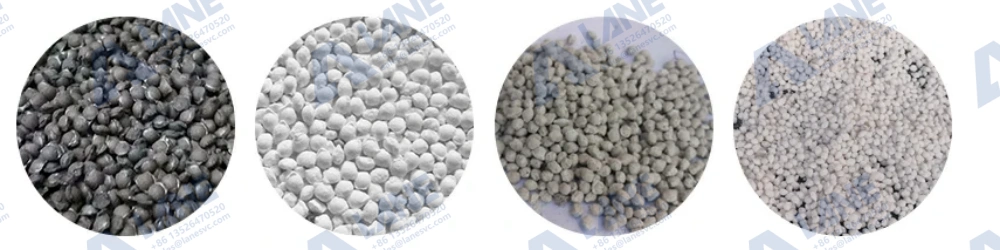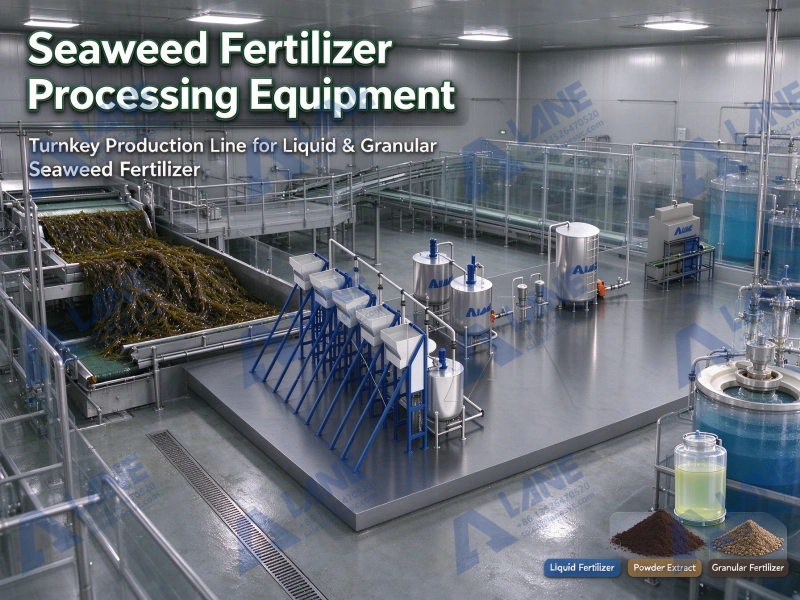
Fertilizer Granule Cracking: Why Do Pellets Break after Roller Compression?
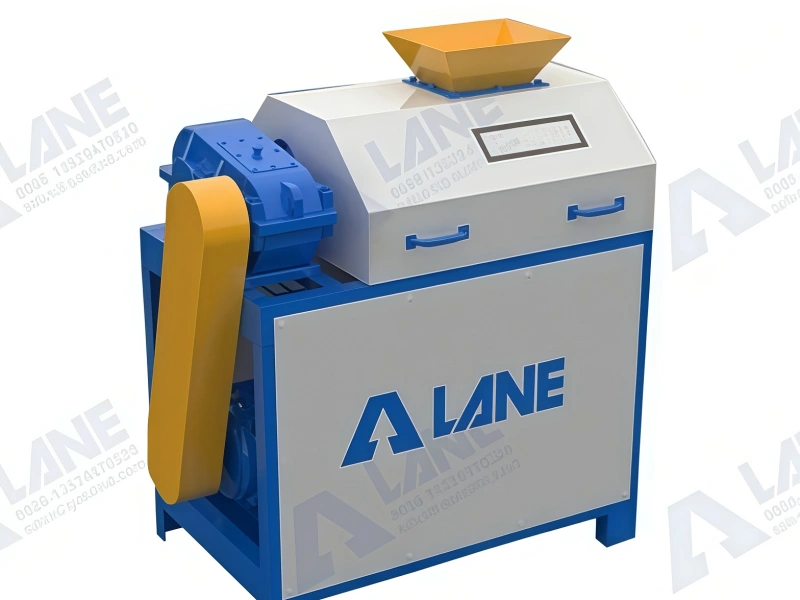
Many compound fertilizer plants adopt double roller granulator for normal-temperature extrusion granulation. Operators frequently encounter fertilizer granule cracking issues. Most factory teams immediately suspect equipment failure and repeatedly adjust roller pressure. However, they ignore critical factors including raw material formula, moisture content and post-granulation conveying. Combined with on-site production cases, this article sorts different cracking types and provides practical troubleshooting methods to raise finished pellet rate.
What Is Fertilizer Granule Cracking in Roller Granulation Process
Fertilizer pellets from roller granulation have two typical cracking modes: instant cracking right after forming, and delayed cracking after cooling and screening. The root causes of these two problems are completely different. Many production teams mix up fault types and adjust equipment blindly, and suffer from persistent fertilizer granule cracking. The following content distinguishes the appearance features of two failures for quick on-site judgment.
> Instant Cracking When Pellets Come out of Double Roller Granulator
This phenomenon can be observed directly at the machine discharge outlet. Pellets split the moment they separate from roller molds. Fragmented pieces fall into return material area immediately. It usually happens due to excessive extrusion force or poor bonding performance of powder raw materials.
> Delayed Cracking after Cooling and Screening
Freshly formed pellets look intact at first. They gradually break apart during storage and transportation. Internal hidden stress inside pellets leads to this kind of failure. This problem is easy to overlook by factory maintenance staff.
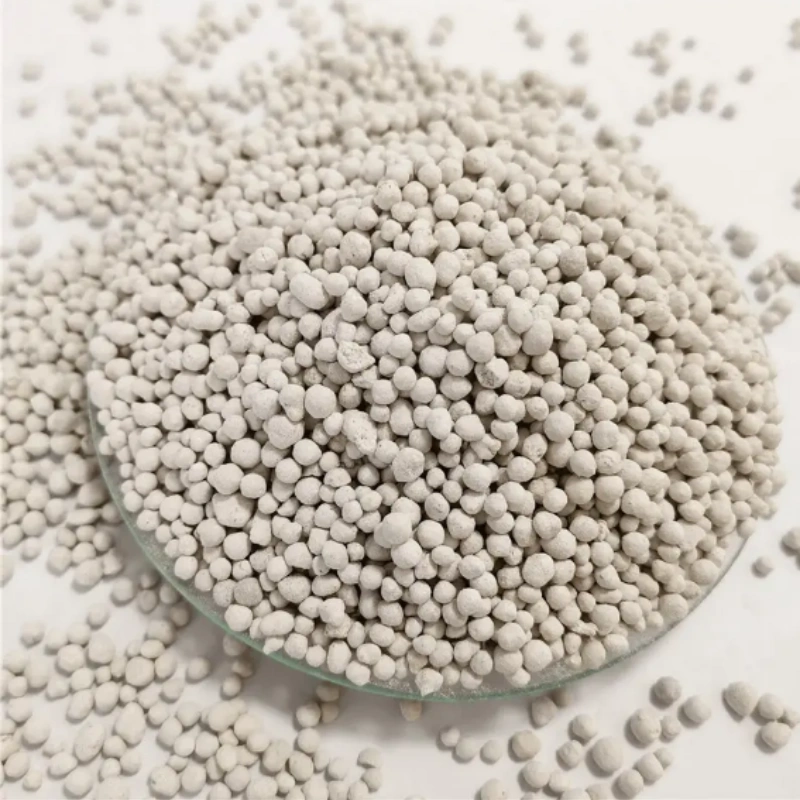
Raw Material Factors That Trigger Fertilizer Granule Cracking
Double roller granulation is a normal-temperature forming process. Raw material condition acts as the primary factor affecting pellet integrity. Many factories prioritize adjusting parameters of double roller granulator, while neglecting raw material pretreatment, which leads to continuous fertilizer granule cracking. We sort out common raw material problems below.
> Unreasonable Moisture Content of Mixed Powder Materials
Too much moisture causes pellets to stick together. If moisture content stays too low, powder lacks bonding force and breaks easily after extrusion. Compound fertilizer powder needs to maintain a stable moisture range to achieve stable granulation results.
> Lack of Effective Binder inside Raw Material Formula
Pure inorganic NPK powder has no organic carrier. Products formed only by mechanical extrusion own loose structure. The finished pellets cannot resist impact force and crack easily.
> Uneven Mixing of Raw Materials
Partial materials have different humidity and composition after insufficient mixing. Materials bear uneven force during extrusion, forming tiny internal cracks that expand and break pellets later.
Equipment Parameter Errors Leading to Fertilizer Granule Cracking
If raw material conditions meet standards, improper settings on double roller granulator will still damage forming quality. Many operators try to strengthen pellets by raising extrusion pressure. This operation cannot improve pellet quality, but makes cracking worse instead.
> Excessive Extrusion Pressure between Two Rollers
When pressure exceeds the reasonable range, plenty of stress accumulates inside pellets. Cracks expand rapidly after pellets leave roller molds. Operators need to follow basic rules for pressure adjustment.
> Mismatched Roller Speed and Feeding Speed
Unstable feeding volume changes material thickness under compression constantly. Formed pellets have uneven thickness, and cracks tend to appear on weak positions.
> Worn Roller Surfaces and Damaged Pellet Sockets
Long-term operation causes deformation and pits on roller skins. Shaped pellets have incomplete outlines and natural microcracks. LANE double roller granulator adopts wear-resistant roller skins to extend service life and keep stable forming effect.
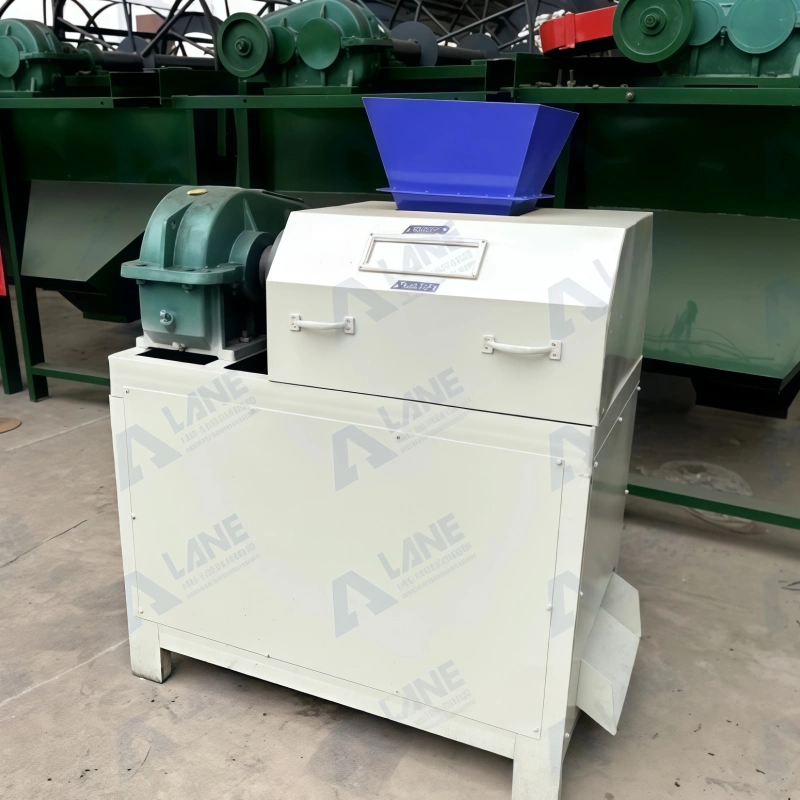
Post-Granulation Handling Issues Aggravating Fertilizer Granule Cracking
Many factories get complete pellets at granulator outlet, but plenty of finished products break in subsequent procedures. Staff often wrongly attribute this fault to granulator defects and waste much time on ineffective debugging.
> Violent Impact during Conveying and Screening
High material drop height and excessive vibration amplitude of sieve machines make intact pellets break under external impact.
> Rapid Temperature Change of Newly Formed Pellets
Direct contact between newly made pellets and cold air creates inconsistent shrinking speed inside and outside pellets, which generates cracks.
| Model | Capacity(tph | Power(kw) | Size(mm) | Roller size(mm) | Rotation Speed(rpm) |
|---|---|---|---|---|---|
| LAZR-1.0 | 0.8-1 | 11-15 | 1200*700*1000 | Φ150*220 | 1450 |
| LAZR-1.5 | 1-1.5 | 11-15 | 1300*800*1100 | Φ150*300 | 1450 |
| LAZR-2.0 | 2-3 | 22 | 1630*850*1650 | Φ168*300 | 1450 |
| LAZR-3.0 | 3-4.5 | 30 | 1900*1050*1200 | Φ300*300 | 1450 |
Practical Solutions to Reduce Fertilizer Granule Cracking
We sort out a step-by-step on-site improvement plan covering raw materials, equipment and follow-up processes. It lowers trial and error cost and relieves fertilizer granule cracking quickly.
> Optimize Raw Material Pretreatment and Formula Configuration
Standardize mixing procedures, control moisture precisely, and add proper organic bonding materials to improve forming performance of powder materials.
> Calibrate Double Roller Granulator Working Parameters Step by Step
Adjust roller gap, feeding rate and roller speed gradually. Check abrasion condition of roller skins regularly. LANE double roller granulator features adjustable structure for convenient parameter calibration on site.
> Improve Conveying and Screening Processes to Lower Particle Impact
Reduce material drop height, adjust vibration amplitude of screens reasonably, and reserve enough stable cooling time for newly formed pellets.
Common Misjudgments about Fertilizer Granule Cracking in Production
We summarize frequent misunderstandings among fertilizer plant maintenance teams. Avoid blind debugging to save production time and maintenance cost.
> All Cracking Problems Are Attributed to Granulator Quality
Lots of production cases prove raw material conditions and post processes are usually main causes. Simply replacing equipment cannot solve fertilizer granule cracking fundamentally.
> Increase Extrusion Pressure Blindly to Strengthen Pellets
When pressure goes beyond critical value, internal stress inside pellets keeps rising and cracking becomes more serious, forming a vicious cycle.
> Ignore Gradual Wear of Roller Skins
Roller skin abrasion develops slowly. The cracking issue worsens little by little, so maintenance workers hardly notice the change in time.
FAQ
We collect frequently asked questions raised by overseas fertilizer clients. All questions match real production scenarios.
Q1: Can fertilizer granule cracking be completely eliminated when using double roller granulator?
Perfect elimination of cracking is hard to achieve. But standardized raw material preparation and proper equipment operation can cut broken pellet rate greatly.
Q2: If pellets crack only during rainy weather, which factor should we check first?
Check the moisture stability of raw materials first. Humid climate changes water content of stored powder easily and weakens material bonding ability.
Q3: What is the fastest debugging sequence to solve fertilizer granule cracking on site?
Check raw material moisture and mixing uniformity first, then adjust granulator operating parameters, and finally optimize conveying and screening links.
Q4: How long can LANE double roller skins run before they cause frequent pellet cracking?
Service life depends on raw material hardness and daily maintenance. With normal operation, LANE wear-resistant roller skins can work steadily for a long period before obvious abrasion appears.
Q5: Is it necessary to add water to raw materials to reduce fertilizer granule cracking for NPK compound fertilizer?
Adding water is not required for double roller granulation. Extra water may trigger other problems. Adjust formula and moisture of existing powder instead.
Conclusion
Fertilizer granule cracking mainly comes from three aspects: raw material status, operating parameters of double roller granulator, and post-granulation conveying and screening processes. Stable pellet quality requires coordinated adjustment of the whole production line. Proper selection and regular maintenance of double roller granulator, together with standardized raw material pretreatment, effectively reduce pellet breakage and return material volume, and lift economic benefits for fertilizer plants. LANE supplies reliable double roller granulator and supporting spare parts for global compound fertilizer manufacturers