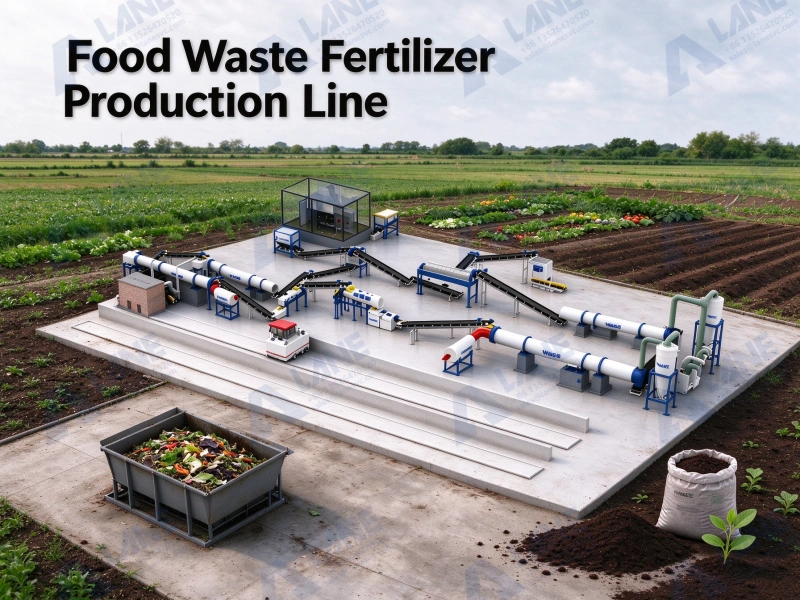
Fertilizer Making Manufacturing Plant: 1 way to Boosting Agricultural Productivity
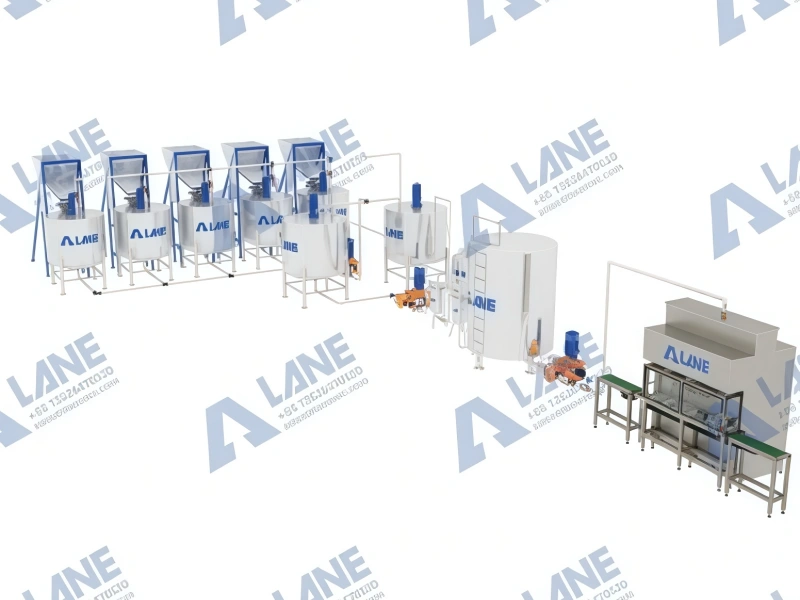
A fertilizer making manufacturing plant is the cornerstone of modern agriculture, providing farmers with the necessary nutrients to enhance crop yields and maintain soil health. These plants are designed to efficiently produce various types of fertilizers, catering to the diverse needs of the agricultural sector. In this comprehensive guide, we will explore the importance of fertilizer making manufacturing plants, their key components, the production process, and how to optimize operations for maximum productivity.
Importance of Fertilizer Making Manufacturing Plant
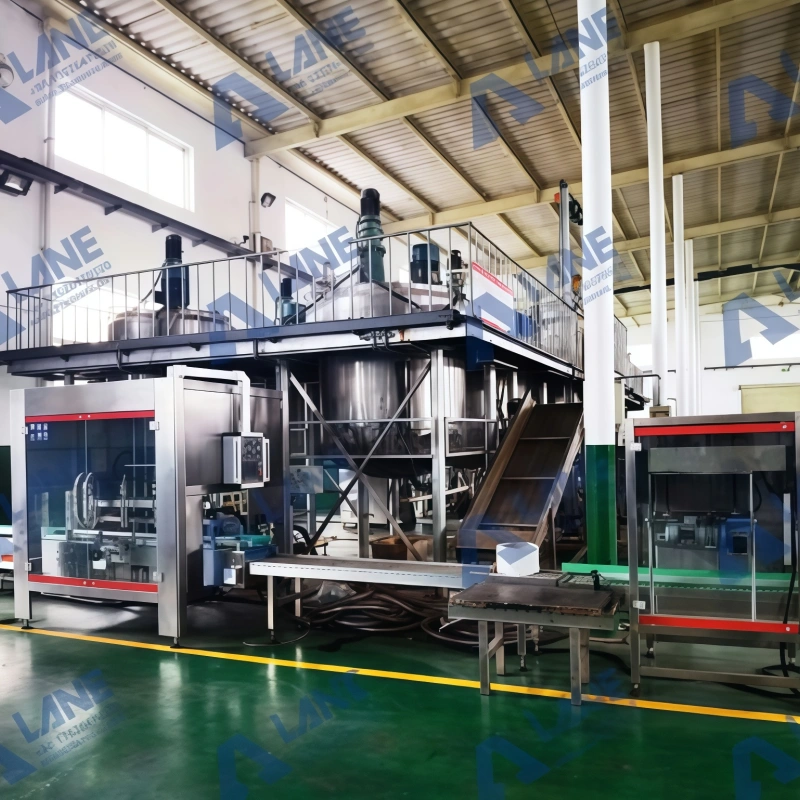
The global demand for food is ever-increasing, driven by population growth and changing dietary preferences. To meet this demand, agriculture must become more efficient, and fertilizers play a crucial role in this transformation. Fertilizer making manufacturing plant are essential in producing high-quality fertilizers that provide essential nutrients to crops, ensuring healthy growth and high yields.
Key Benefits of Fertilizer Making Manufacturing Plant:
- Sustainable Agriculture: These plants enable the production of fertilizers that support sustainable farming practices by replenishing soil nutrients and improving soil structure.
- Cost-Effective Production: Modern fertilizer making manufacturing plant are designed to minimize waste and reduce production costs, making fertilizers more affordable for farmers.
- Customized Fertilizer Solutions: With advanced technology, these plants can produce customized fertilizer blends tailored to the specific needs of different crops and soil types.
- Environmental Protection: Efficient production processes in fertilizer making manufacturing plant help reduce environmental impact by minimizing emissions and waste.
Key Components of a Fertilizer Making Manufacturing Plant
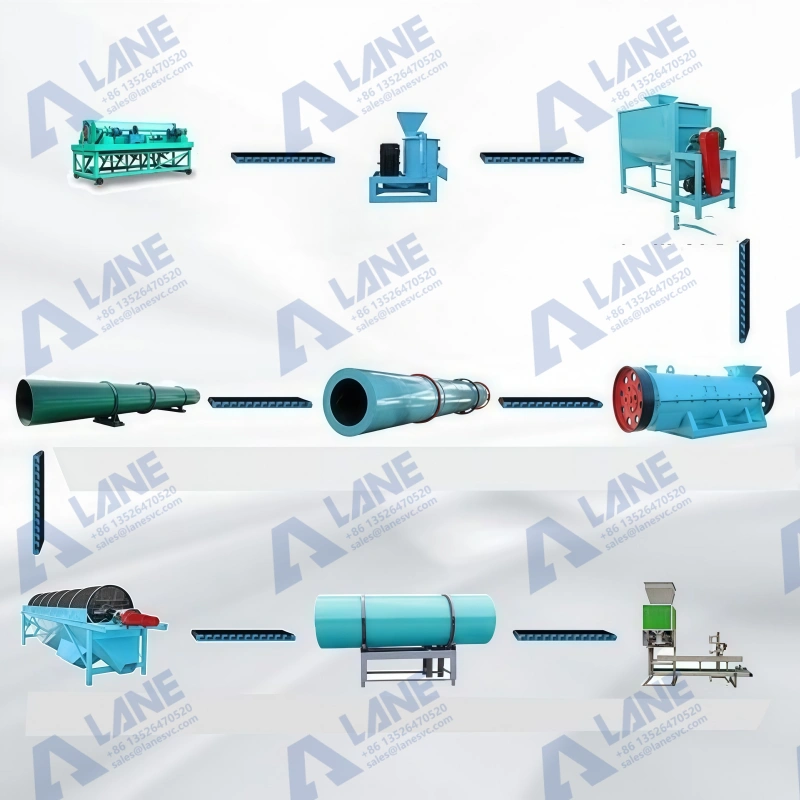
A fertilizer making manufacturing plant consists of various components, each playing a vital role in the production process. Understanding these components is crucial for optimizing plant operations and ensuring the production of high-quality fertilizers.
- Raw Material Storage and Handling
The first step in fertilizer production is the proper storage and handling of raw materials. Fertilizer making manufacturing plants typically store raw materials such as urea, ammonium nitrate, phosphate rock, and potash in silos or storage tanks. Efficient handling systems, including conveyors and bucket elevators, ensure a steady supply of raw materials to the production line.
- Mixing and Blending Equipment
Once the raw materials are collected, they are mixed and blended to create the desired fertilizer formulation. Mixing and blending equipment in a fertilizer making manufacturing plant is designed to ensure a uniform distribution of nutrients, which is crucial for producing high-quality fertilizers.
- Granulation Unit
The granulation unit is where the mixed raw materials are formed into granules. Granulation is a critical process in a fertilizer manufacturing plant as it determines the size, shape, and hardness of the final product. The granules are formed by agglomerating the raw materials using a binder, followed by drying and cooling.
- Drying and Cooling Systems
After granulation, the fertilizer granules must be dried and cooled to achieve the desired moisture content and hardness. Drying and cooling systems in a fertilizer manufacturing plant are designed to operate efficiently, ensuring that the granules are ready for packaging and storage.
- Screening and Coating Equipment
To ensure uniformity in size, the granules are screened to remove any oversized or undersized particles. The screened granules are then coated with a protective layer to prevent caking and improve storage stability. Screening and coating equipment are essential components of a fertilizer manufacturing plant, ensuring the production of high-quality fertilizers.
- Packaging and Storage Facilities
The final step in the production process is packaging and storage. Fertilizer manufacturing plant are equipped with advanced packaging systems that can handle various packaging sizes and formats. Proper storage facilities ensure that the packaged fertilizers remain in optimal condition until they are ready for distribution.
| Product Name | Model | Yield | Detail | Speed | Power |
|---|---|---|---|---|---|
| Crawler Compost Turner | LALG-2500 | 400-1500m*3/h | Stacking height 600mm-1500mm | 5-10m/min | 36-170 horsepower |
| Forklift Feeding Hopper | LAH-1.5-3 | Silo size: 1-4 meters | 2250mm*1050mm*1590mm | 1450r/min | 2.2-3KW |
| Vertical Crucher | LAC-60V | 1-12t/h | ZQ series reducer | 1450r/min | 7.5-37KW |
| Organic Fertilizer Granulator | LAZJ-1000 | 1-8t/h | ZY series reducer | 1450r/min | 7.5-11KW |
| Polishing Machine | LAP2-800 | 2-10t/h | Double bearing | 1450r/min | 3-7.5KW |
| Rotary Drum Drying Machine | LARD:1.2-12 | 1-25t/h | ZQ series reducer | 1450r/min | 5.5-22KW |
| Cooling Machine | LARC-1.0-10 | 1-20t/h | ZQ series reducer | 1450r/min | 5.5-22KW |
| Rotary Screen Machine | LAS-1240 | 1-23t/h | ZQ series reducer | 1450r/min | 3-7.5KW |
| Pellet Packing Machine | LAB-50K | 4-30 bags/minute | Packaging specification: 20-50kg | 4-6 bags/min | 50Hz/60Hz/220V/380V |
Fertilizer Production Process in a Fertilizer Making Manufacturing Plant
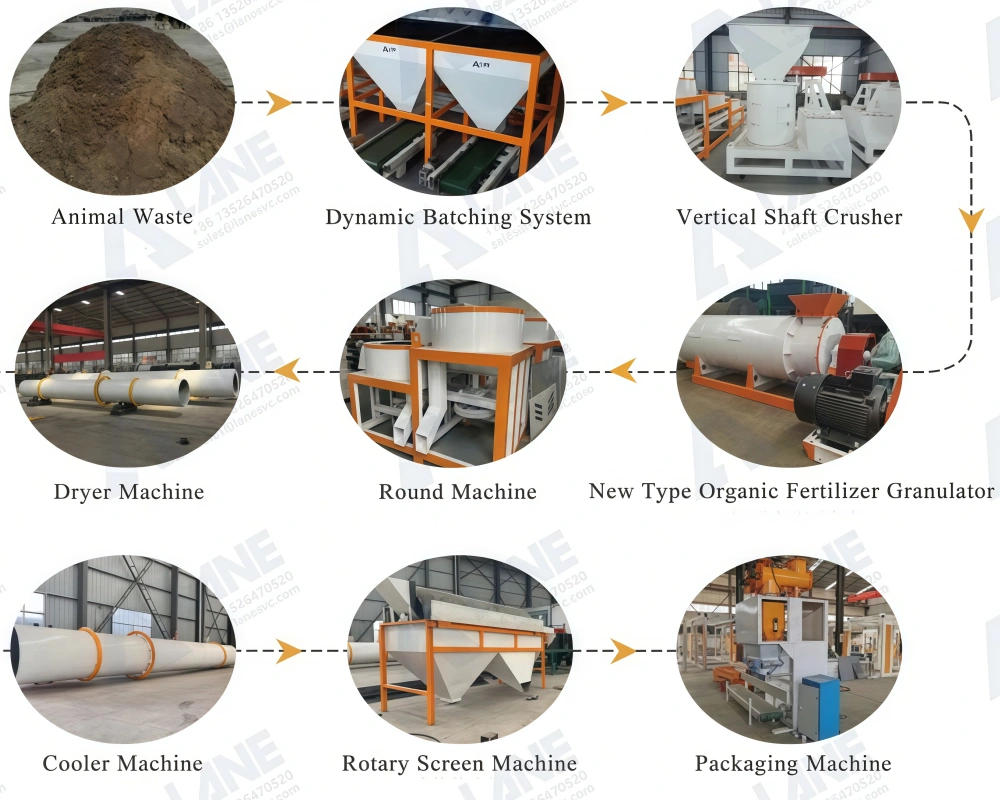
The production process in a fertilizer making manufacturing plant involves several key stages, each of which is crucial for producing high-quality fertilizers. Let’s take a closer look at the steps involved in the fertilizer production process.
- Raw Material Preparation
The production process begins with the preparation of raw materials. In a fertilizer making manufacturing plant, raw materials such as nitrogen, phosphorus, and potassium are carefully measured and prepared for mixing. This step is critical to ensure the correct nutrient balance in the final product.
- Mixing and Blending
Once the raw materials are prepared, they are mixed and blended to create a homogeneous mixture. The mixing and blending process in a fertilizer making manufacturing plant is designed to ensure that the nutrients are evenly distributed, which is essential for the effectiveness of the fertilizer.
- Granulation
The mixed raw materials are then fed into the granulation unit, where they are formed into granules. Granulation is a key stage in the fertilizer making manufacturing plant, as it determines the size and shape of the final product. The granules are typically formed by agglomerating the raw materials using a binder, followed by drying and cooling.
- Drying and Cooling
After granulation, the fertilizer granules must be dried and cooled to achieve the desired moisture content and hardness. In a fertilizer making manufacturing plant, the drying and cooling systems are designed to operate efficiently, ensuring that the granules are ready for packaging and storage.
- Screening and Coating
The dried and cooled granules are then screened to remove any oversized or undersized particles. The screened granules are then coated with a protective layer to prevent caking and improve storage stability. Screening and coating are essential processes in a fertilizer making manufacturing plant, ensuring the production of high-quality fertilizers.
- Packaging and Storage
The final step in the production process is packaging and storage. In a fertilizer making manufacturing plant, advanced packaging systems are used to package the fertilizers in various sizes and formats. Proper storage facilities ensure that the packaged fertilizers remain in optimal condition until they are ready for distribution.
Optimizing Operations in a Fertilizer Making Manufacturing Plant
To maximize productivity and ensure the production of high-quality fertilizers, it is essential to optimize operations in a fertilizer making manufacturing plants. Here are some tips to help you achieve this goal:
- Implement Advanced Process Control
Advanced process control systems can help monitor and control the various stages of the production process in a fertilizer making manufacturing plant. By implementing these systems, you can ensure consistent product quality and reduce waste.
- Regular Maintenance and Upgrades
Regular maintenance of equipment is crucial for ensuring the smooth operation of a fertilizer making manufacturing plant. Upgrading to more efficient equipment can also help reduce energy consumption and improve overall productivity.
- Employee Training and Safety
Training employees on the proper operation and maintenance of equipment is essential for optimizing operations in a fertilizer making manufacturing plants. Additionally, implementing safety protocols can help prevent accidents and ensure a safe working environment.
- Environmental Considerations
Minimizing the environmental impact of fertilizer production is becoming increasingly important. By implementing environmentally-friendly practices in your fertilizer making manufacturing plants, such as reducing emissions and waste, you can contribute to sustainable agriculture.
- Quality Control and Testing
Implementing strict quality control measures in your fertilizer making manufacturing plants can help ensure that the final product meets the required standards. Regular testing of raw materials and finished products is essential for maintaining product quality.
Conclusion
A fertilizer making manufacturing plants is a critical component of modern agriculture, enabling the production of high-quality fertilizers that are essential for boosting crop yields and maintaining soil health. By understanding the key components, production process, and optimization strategies, you can ensure the efficient operation of your fertilizer making manufacturing plant and contribute to sustainable agricultural practices. As the demand for food continues to rise, investing in a well-equipped and efficiently operated fertilizer making manufacturing plant will be crucial for meeting the challenges of modern agriculture.