Fertilizer Nutrient Inconsistency: How a Batching Machine Helps Maintain Stable Fertilizer Quality
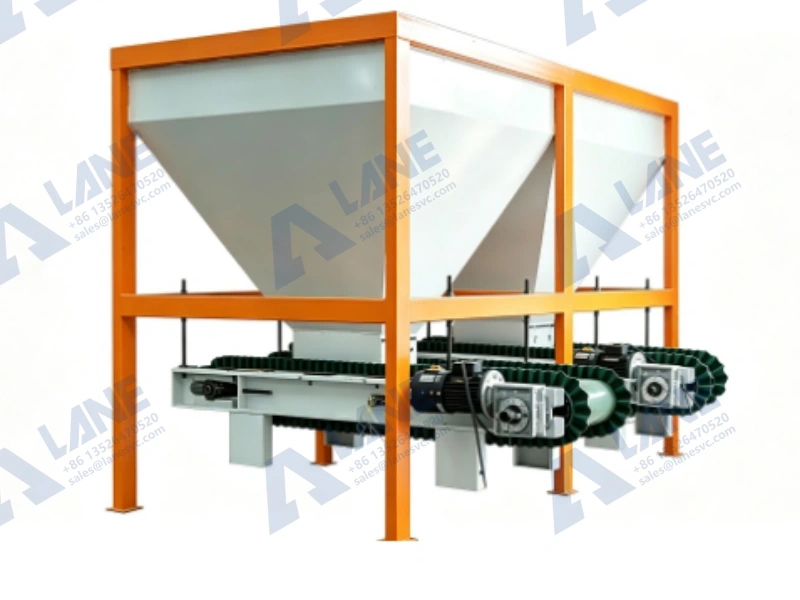
I have 8 years of experience as a process technician in BB fertilizer and compound fertilizer production lines, and have visited many blended fertilizer factories in Southeast Asia. Many factory owners are willing to invest in purchasing high-end mixed equipment, but the finished products still have batch problems with inconsistent fertilizer nutrients. No matter how good the mixing equipment is, it cannot compensate for the proportion error caused by the raw material feeding link.
Many blended fertilizer and NPK compound fertilizer factories will receive complaints from distributors about rework. There is a big difference in the nitrogen, phosphorus, and potassium indicators of different batches of finished products. Manual feeding or simple weighing methods are easy to cause inconsistent fertilizer nutrients, and long-term sales will damage the brand reputation. Reliable raw material operation is the basis for producing stable finished fertilizer with stable nutrients.
Real‑world Losses Brought by Fertilizer Nutrient Inconsistency
Some plant managers treat nutrient deviation as minor fluctuation. In fact, fertilizer nutrient inconsistency triggers troubles through whole links, from internal production to downstream agricultural application. Small errors during batching will expand into bigger problems once products leave the workshop.
> Batch‑to‑batch Deviation Causes Dealer Returns and Brand Damage
Distributors will receive feedback from farmers if nutrient levels shift between batches. Returned goods take extra time and shipping cost for fertilizer manufacturers. Repeated return cases slowly destroy market trust for your fertilizer brand.
> Unstable Nutrient Ratio Leads to Unpredictable Crop Growth Effect
Farmers follow fixed application rates according to fertilizer label data. When real nutrient content drifts away from marked values, crop growth will not match expected results. Yield drops may happen even if end users strictly follow planting guidance.
> Manual Proportioning Increases Raw Material Waste and Rework Workload
Workers need to re‑process non‑standard batches with wrong nutrient ratios. That means extra labor hours and extra consumption of raw materials. For medium‑size fertilizer factories, frequent rework will eat into monthly profit steadily.
> Non‑compliant Products Cannot Pass Local Fertilizer Market Inspection
Most regional agricultural departments carry out random sampling for fertilizer goods sold locally. Products failing nutrient inspection will face sales bans and administrative fines. Such incidents create heavy economic losses for fertilizer enterprises.
Root Causes for Fertilizer Nutrient Inconsistency in Blended Fertilizer Lines
Before solving fertilizer nutrient inconsistency, manufacturers need to find out where errors come from. Most proportion errors happen during feeding and dynamic weighing stages, instead of mixing equipment itself. Many factories mistakenly upgrade only mixing machines while ignoring batching station optimization.
> Manual Feeding and Rough Estimation Without Dynamic Weighing
Workers rely on manual bucket weighing or visual estimation in some small production workshops. Human judgment cannot keep high precision under long continuous production. Small weighing mistakes add up and finally cause fertilizer nutrient inconsistency.
> Unstable Material Flow Causes Deviation During Continuous Production
Granular or powdery fertilizer raw materials change flow status with humidity and particle size. Without real‑time flow adjustment, material output from silos will rise and fall randomly. Variable material flow directly breaks preset nutrient proportion values.
> Material Overflow or Belt Adhesion Changes Actual Feeding Amount
Ordinary flat belts allow fine‑particle materials to spill over side edges. Sticky fertilizer raw materials stick to belt surface and do not fall off at discharge position. Both overflow and belt adhesion reduce real material quantity sent into next‑stage mixing equipment.
> Outdated Control System Cannot Realize Real‑time Closed‑loop Adjustment
Old batching devices only set fixed opening for silo outlets. They collect weight data but cannot feed signals back to adjust material flow. Once working conditions shift, the system has no way to correct proportion drift automatically.
How Fertilizer Batching Machine Works to Avoid Fertilizer Nutrient Inconsistency
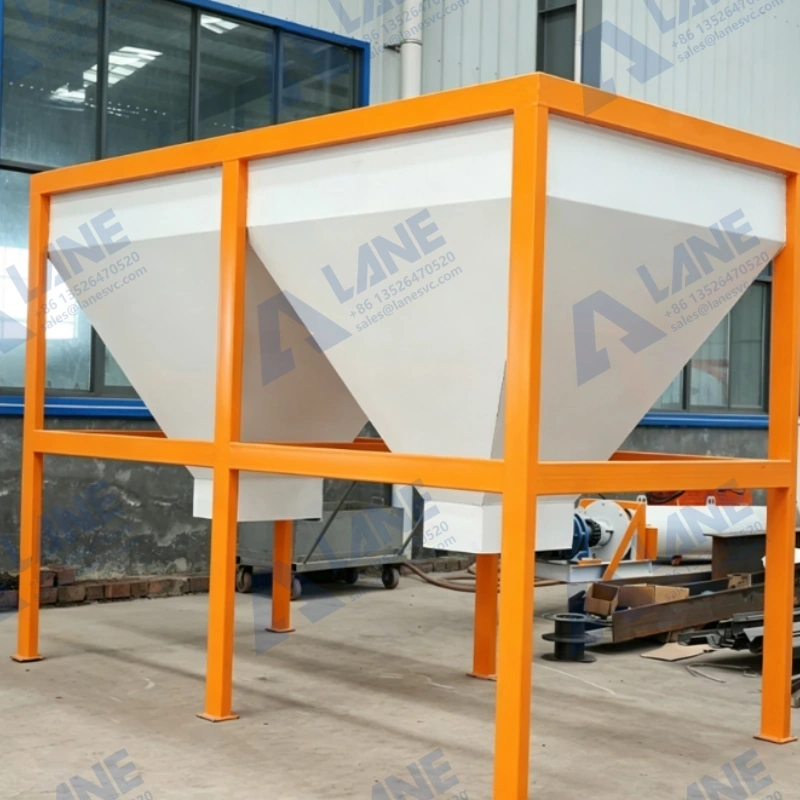
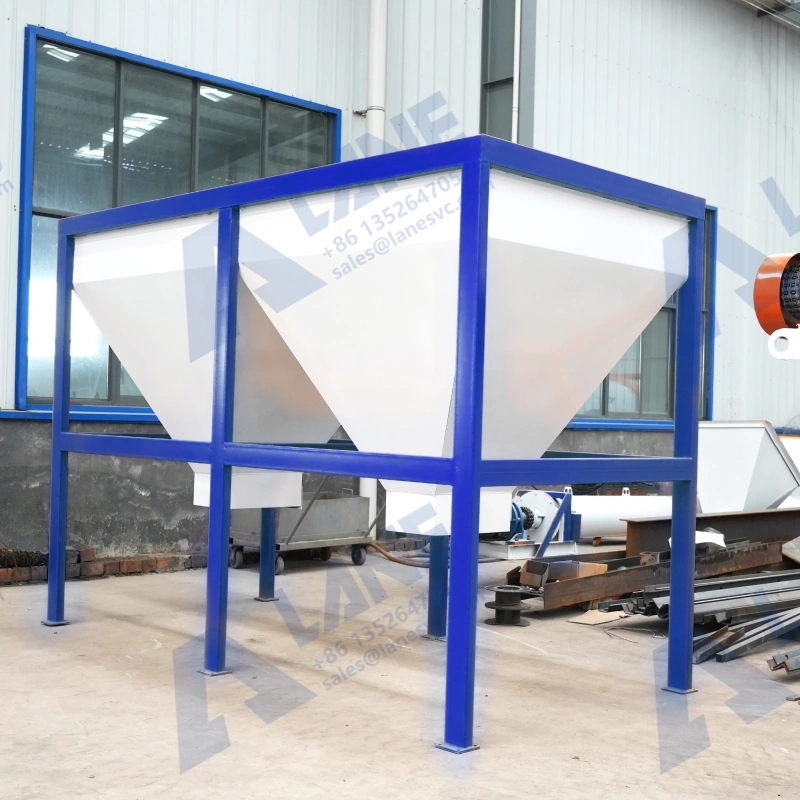
Fertilizer batching machine is core equipment for BB fertilizer and compound fertilizer projects. It completes continuous dynamic weighing and closed‑loop flow adjustment, and controls each raw material input precisely to fight fertilizer nutrient inconsistency. LANE fertilizer batching machine is built based on real‑world BB fertilizer plant site conditions.
> Core Working Logic of Closed‑loop Microprocessor Control System
The whole set adopts microprocessor, actuator and sensor to build closed‑loop control. Belt dosing scale measures passing material weight. Speed and weight signals get processed and converted into cumulative value and instantaneous flow rate. Processed data transmits to industrial control unit through RS‑485 communication port.
4‑20mA analog current signal sends instructions to frequency converter regulator. The regulator changes silo outlet opening size according to real‑time flow. When flow rate rises too high, outlet opening shrinks. When flow drops below target value, the gate opens wider.
Such cyclic adjustment keeps instantaneous flow and cumulative feeding amount within pre‑set range. It finishes stable dynamic batching for different fertilizer raw materials.
> Load Cell and Skirt Belt Realize Stable Dynamic Weight Measurement
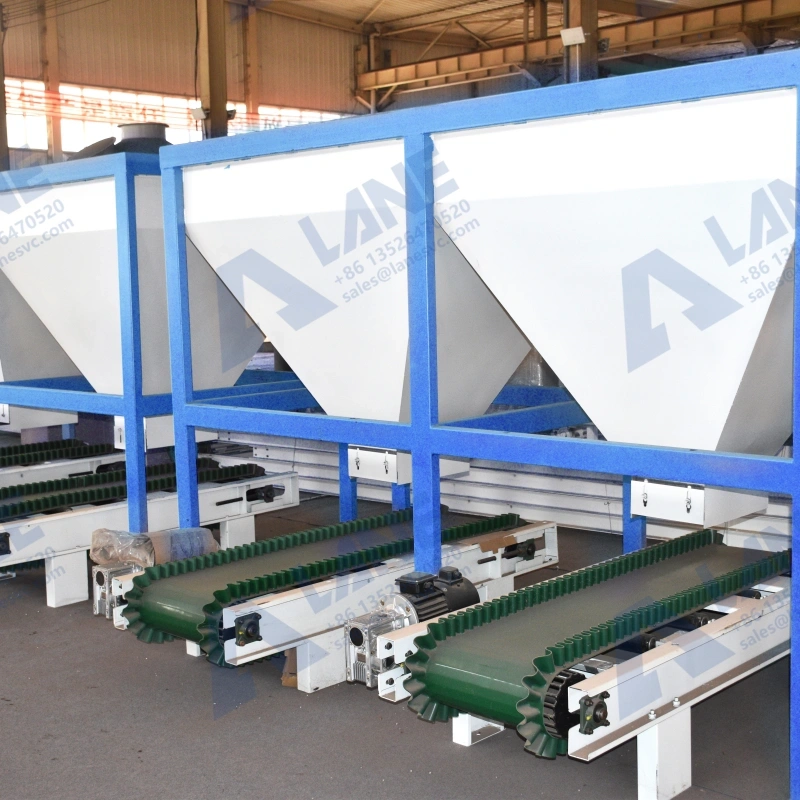
Raw materials fall from silo onto skirt belt through adjustable flow gate. Skirt structure on both sides stops granular and powdery materials from overflowing during transportation. Material passes over weighing section, and load cell captures real‑time material weight on running belt.
Constant belt running speed works together with load cell data. The system calculates accurate material flow without stopping production line. Operators do not need to pause feeding to get weight readings.
> Frequency Conversion Adjustment Modifies Silo Outlet According to Flow Signal
Frequency conversion adjustment links flow feedback signal with silo discharge gate. If sensor detects flow deviation against target value, the system makes small adjustments for gate opening without manual intervention.
This function matters a lot for long‑hour continuous production. Minor flow drift gets corrected immediately before it builds into large nutrient deviation.
> Discharge‑end Scraper Eliminates Residual Adhesive Material on Belt
A scraper installs right below belt at discharge position. It scrapes sticky fertilizer residues stuck on belt surface. Clean belt surface guarantees each group of weight sampling data stays accurate.
Without scraper maintenance, stacked adhesive material will add extra invisible weight for dynamic weighing. That hidden error will slowly bring fertilizer nutrient inconsistency.
Main Component Configuration of Standard Fertilizer Batching Machine
Stable running against fertilizer nutrient inconsistency depends on complete machine configuration. Different feeding, unloading and electric control modes bring obvious gap on accuracy performance for NPK and blended fertilizer. Plant buyers should match component options with their actual raw material features.
> Feeding Mechanism: Forklift Feeding and Screw Feeding Options
Forklift feeding fits large‑size granular fertilizer raw materials. It allows fast material adding for big‑volume BB fertilizer production lines. Screw feeding works better for fine powdery fertilizer materials that do not flow freely.
Users can pick feeding forms according to raw material state. Wrong feeding selection will cause frequent material bridging inside silo and affect batching stability.
> Unloading Mechanism for Different Fertilizer Raw Material Properties
Multiple unloading styles are available for fertilizer batching machine. Cylinder arc door unloading suits most common granular fertilizer. Vibration unloading handles materials with poor fluidity. Screw unloading and rotary feeder unloading serve sticky powder materials.
Pneumatic or electric valve unloading is also an alternative choice. Each unloading type solves specific material flow problems on site.
> Scale Body Structure Made of Standard Section Steel for Heavy Load
Scale body adopts angle steel, channel steel and square tube as main raw materials. Manufacturers finish frame through welding, grinding and surface spraying treatment. Solid section‑steel frame prevents deformation under long‑term heavy‑load material impact.
Deformed scale frame will shift sensor installation position, which leads to drifting weighing readings and hidden fertilizer nutrient inconsistency risks.
> Two Kinds of Electric Control Solutions for Different‑scale Factories
The first economical control set combines load cell, ordinary controller and basic electric components. This solution costs less, but field debugging work takes more time, and function scope remains limited. It fits small‑scale fertilizer workshops with short daily running hours.
The second mature solution uses load cell, weight transmitter, PLC and industrial touch screen. This configuration delivers stable weighing performance, simple debugging steps and rich operation functions. Medium‑sized and large fertilizer plants prefer this option for continuous mass production.
| Model | Silo Size(m) | Silo Volume(m³) | Belt Width(mm) | Belt Length(mm) | Power(kw) |
|---|---|---|---|---|---|
| LADP-2 According to the number of silos | 1*1 | 3 | 500 | 2000 | 1.1 |
| LADP-2 According to the number of silos | 1.2*1.2 | 3 | 500 | 2000 | 1.1 |
| LADP-2 According to the number of silos | 1.5*1.5 | 4 | 500 | 3000 | 1.1 |
| LADP-2 According to the number of silos | 1.8*1.8 | 5 | 600 | 3000 | 1.1 |
| LADP-2 According to the number of silos | 2*2 | 5 | 800 | 3000 | 1.1 |
Why PLC Touch‑screen Control Reduces Risk of Fertilizer Nutrient Inconsistency
Small‑budget batching devices use simple controller plus load cell. Medium and large fertilizer plants prefer PLC and industrial touch screen system, which brings better stability for long‑time continuous batching work. When production runs day and night, tiny control‑system defects will accumulate quickly.
> Real‑time Data Feedback via RS‑485 Signal Transmission
RS‑485 communication channel transmits flow data between weighing unit and PLC host. Weight and flow information updates constantly during material feeding. Operators can view real‑time batching readings directly on touch‑screen panel.
All running data gets recorded, so technicians can trace back historical records once proportion deviation shows up.
> Automatic Frequency Adjustment Keeps Material Flow Within Target Range
PLC system compares real‑time flow value against pre‑set target value. It sends adjustment signals to frequency converter without human intervention. The whole closed‑loop cycle repeats many times every minute.
Even raw‑material flow characteristics change slightly, the system can correct deviation in time. It greatly cuts chances for fertilizer nutrient inconsistency during long‑run operation.
> Convenient Parameter Modification for New Fertilizer Formula Switch
Plant operators save multiple formula groups inside touch‑screen system. When factory needs to produce new fertilizer grade, workers only select stored formula or input new proportion parameters.
Parameter setting work finishes within several minutes. It avoids wrong manual calculation which often creates nutrient proportion mistakes.
> Simple On‑site Debugging Cuts Human‑induced Proportion Mistakes
Field technicians do not need deep programming knowledge for daily debugging. Touch‑screen visual interface guides operators to finish calibration and parameter testing step by step.
Lower technical threshold reduces human error sources. Many nutrient deviation problems come from complicated and confusing operation interfaces on old batching machines.
Common Operation Mistakes That Trigger Fertilizer Nutrient Inconsistency
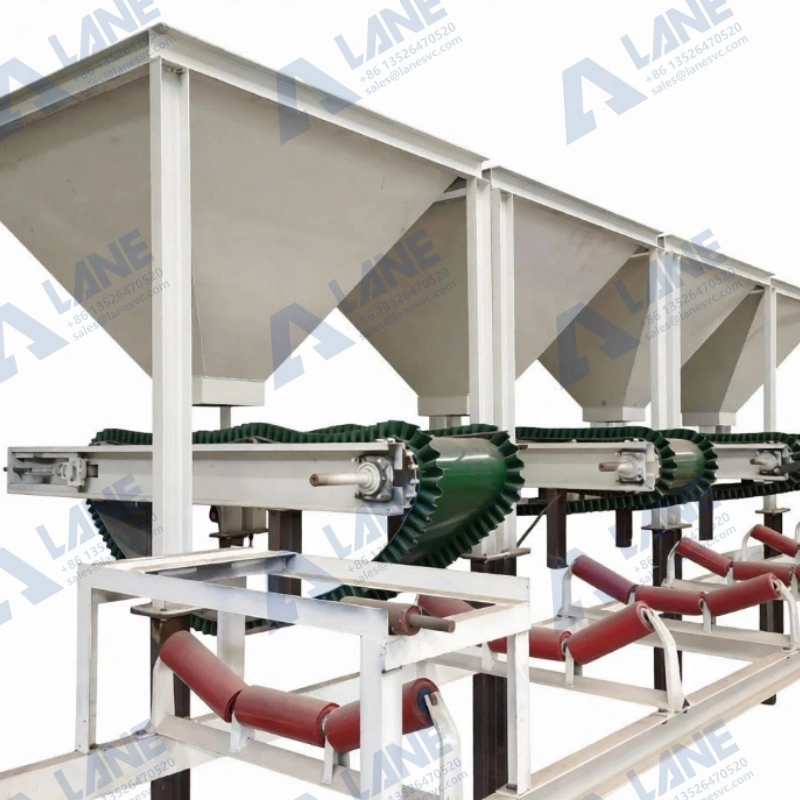
Even well‑configured fertilizer batching machine will produce bad batches under wrong operation habits. Many nutrient deviation issues come from daily mis‑operation rather than equipment failure. Factory maintenance teams should pay attention to these easy‑to‑ignore points during daily shifts.
> Ignore Regular Calibration of Load Cell Under Long‑time Running
Load cell zero point will drift slowly after weeks of continuous material impact. If operators skip calibration work, weight reading will slowly lose accuracy. This error accumulates batch by batch and finally leads to fertilizer nutrient inconsistency.
> Raw Material Blockage Inside Silo Causes Intermittent Material Flow
Powdery or damp fertilizer raw materials easily form bridging blocks inside silo. Material supply becomes intermittent. Instantaneous flow jumps up and down in disorder. No closed‑loop adjustment can fully fix severe silo blockage problems.
> Over‑accumulated Adhesive Material Without Timely Scraper Maintenance
Scraper blade will wear gradually after long‑term friction against belt. Worn‑out scraper cannot clear sticky residues completely. Residues build up on belt surface and interfere dynamic weighing results.
> Frequently Switch Formulas Without Enough Machine Stabilization Time
Each formula change needs short time for flow system to reach stable condition. If workers collect finished fertilizer immediately after switching parameters, the early‑stage unstable material flow creates non‑standard product sections.
> Mixed Lump Material Blocks Gate and Disturbs Feeding Rate
Hard lumps mixed inside fertilizer raw materials may jam silo discharge gate. Gate opening gets physically blocked. Actual feeding volume drops far below set value, and nutrient ratio goes wrong for that production segment.
Practical Tips to Keep Batching Accuracy and Avoid Fertilizer Nutrient Inconsistency
Simple daily maintenance and standardized operation can give full play to batching machine performance, and keep nutrient index consistent among NPK, compound fertilizer and blended fertilizer finished batches. These practical suggestions are summed up from many overseas BB fertilizer project service cases.
> Complete Load Cell Calibration Before Starting New Production Campaign
Run standard calibration procedure before you start large‑scale production after long‑time shutdown. Also perform calibration when raw‑material types get completely replaced. This step removes zero‑point drift influence for dynamic weighing.
> Check Scraper Condition to Prevent Material Build‑up on Conveyor Belt
Inspect scraper wear degree in each work shift. Replace scraper rubber timely once wear condition exceeds limit. Keep belt surface clean to guarantee valid weight sampling for every running cycle.
> Clear Silo Blockage to Guarantee Smooth and Continuous Material Flow
Observe silo discharging status during batching operation. Deal with material bridging right away once you spot intermittent feeding. Do not wait until nutrient deviation appears to handle silo block failures.
> Reserve Stabilization Period After Every Fertilizer Formula Change
After you input new formula parameters, let the batching machine run empty for a short stabilization period. Divert the initial unstable material flow away from finished‑product collection point. Start normal collection only after flow data stays steady.
> Record Historical Batching Data for Quick Troubleshooting of Deviation
Keep historical batching records stored in PLC touch‑screen system. When lab test reports show nutrient inconsistency, technicians can check flow trend records. You can tell whether deviation comes from feeding unit or later processing links.
FAQ
Overseas compound fertilizer and blended fertilizer project technicians often ask about the inconsistency between the precision of ingredients and the nutrient content of fertilizers, so here are five high-frequency practical questions. The answers are all from the on-site commissioning experience of fertilizer production line.
Q1: Can the fertilizer blending machine process lump, granular, and powder fertilizer raw materials at the same time?
A1: Yes. With the corresponding feeding and unloading mechanism, the LANE fertilizer blending machine can process block, granular, and powder fertilizer raw materials on the same production line. Each material should be matched with the corresponding feeding form; The powder raw material silo needs to be equipped with a bridge protection structure to ensure stable output.
Q2: What is the main difference between low-cost controller mode and PLC touch screen control?
A2: The cost-effective controller solution can meet the basic mixing requirements of small factories, but its anti-drift ability is weak during long-term uninterrupted production. The PLC touch screen solution has stronger anti-interference ability, complete data recording, more convenient parameter adjustment, and is more suitable for factories that produce 16-24 hours a day.
Q3: How often should the operator calibrate the weighing sensor of the batching machine under the mass production condition?
A3: In continuous mass production conditions, calibration is completed once every 7-10 working days. The calibration cycle should be shortened appropriately when the humidity of the raw material changes greatly and large pieces of material frequently hit the weighing body. Calibration should not be done only after producing nonconforming batches.
Q4: Can the fertilizer mixer be used with the existing mixing equipment?
A4: The equipment and the majority of BB fertilizers have good compatibility with double-shaft blenders and drum blenders. The batching machine conveys the qualified proportioned raw materials to the mixing equipment; Only when the raw material proportion is accurate can the mixer achieve uniform mixing effect. We can adjust the discharge height and docking structure to match the customer’s existing mixed main machine.
Q5: What are the common causes of sudden nutrient deviation after the equipment has been stable for several months?
A5: After several months of stable operation, the nutrient deviation occurred suddenly, which was mainly caused by the wear of the scraper rubber strip, the zero drift of the weighing sensor, the bridge blockage in the silo, and the blockage of the discharge gate. The probability of hardware damage on the scale is relatively lower, and troubleshooting faults should first check these consumable parts, and then further investigate electrical faults.
summary
Inconsistent fertilizer nutrients will destroy the product value of blended fertilizers and NPK compound fertilizers. Manual weighing can no longer meet the requirements of modern mass production. The qualified fertilizer blending machine relies on the weighing sensor, skirt belt and closed-loop control system to stabilize the dynamic feeding amount of each raw material. By cooperating with regular calibration and standardized operation, fertilizer manufacturers can maintain the stability of nutrient indicators in each batch, reduce the risk of rework, and enhance the market competitiveness of products.