Field Test of Rotary Cooling Machine for High-Temperature Granular Organic Fertilizer
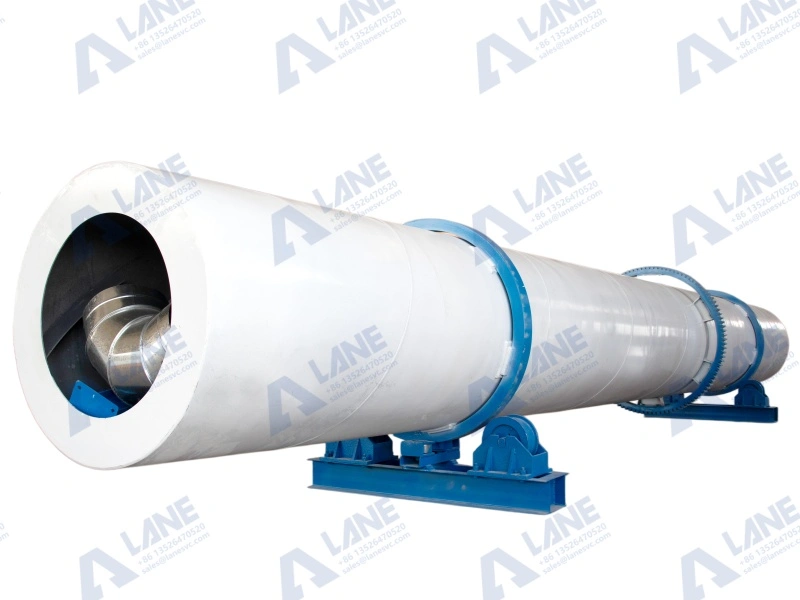
Many organic fertilizer processing plants will have drying equipment after the granulation process. The surface temperature of the granular organic fertilizer that has just been dried is very high. If it is directly packaged in bags, it is easy to form lumps and deteriorate in quality during storage.
Many workshop operators only collect simple temperature data from the outlet, often ignoring the thickness of the material layer, the rotational speed of the drum, and the airflow rate of the inlet, which will continue to affect the final cooling effect of the granular organic fertilizer under continuous production conditions.
We carried out on-site tests in cooperation with many fertilizer production enterprises, and carried out multi-group working condition tests on the rotary cooling machine of our factory. This article compiles real test data and field conditions to provide practical reference for processing plants with high-temperature fertilizer cooling requirements.
Common Quality Risks Caused by Insufficient Fertilizer Cooling
Regarding the on-site test results of the rotary cooling machine, a key point to highlight is this: if high-temperature granular fertilizer is sent directly to packaging without adequate cooling, it will trigger a range of downstream production issues, including product caking, bag damage from residual heat, and moisture-related quality deterioration.
> Long-Term Storage Caking Problem
There will be residual heat inside the high-temperature granular organic fertilizer after drying. Without cooling, it is directly packed into bags, and the heat is sealed inside the packaging bag and cannot be dispersed outward. The residual heat of the particles being squeezed and overlapped will cause the loose fertilizer particles to stick together and form hard lumps.
> Unstable Product Shelf Performance
The residual heat that continues to exist within the material will accelerate the loss of effective nutrients within the organic fertilizer. Compared with the finished product after sufficient cooling, the storage period of the granular fertilizer with inadequate cooling is shorter, and it is easy for the fertilizer supplier to encounter the risk of customer complaints and product returns.
> Safety Risks During Packaging Operation
Operators directly contact high-temperature fertilizer particles and will continue to be affected by heat radiation. At the same time, the high temperature will soften the plastic packaging bag, and the packaging bag is prone to minor damage during material transfer and stacking, causing the leakage of fertilizer materials.
Main Test Settings for Rotary Cooling Machine Field Experiment
All field tests were conducted using real raw materials from the production line, rather than laboratory-simulated samples, and technical staff recorded the cooling performance under various operating parameters in order to establish reasonable operational standards suitable for granular organic fertilizer processing.
Raw Material Conditions for the Test
The test material is granular organic fertilizer made from fermented chicken manure. After drying, the initial temperature of the material is stable in the range of 72 ℃ to 78 ℃, the average diameter of the particles is 2 mm to 4 mm, and the moisture content is controlled at about 14%.
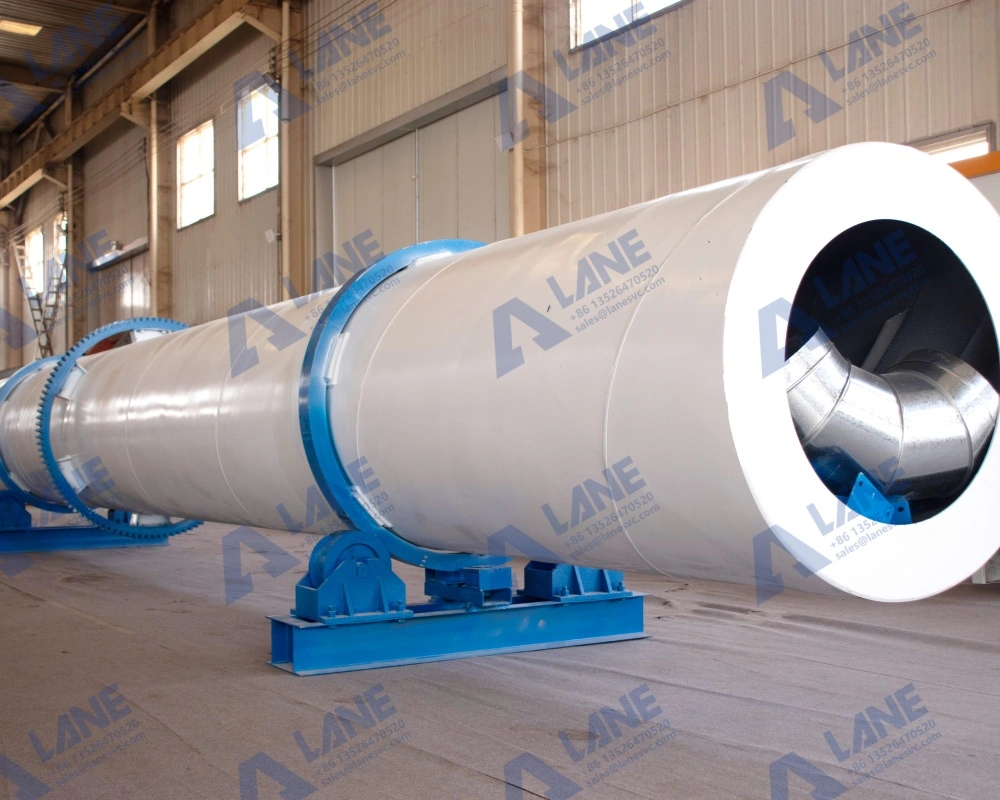
Main Test Settings for Rotary Cooling Machine Field Experiment
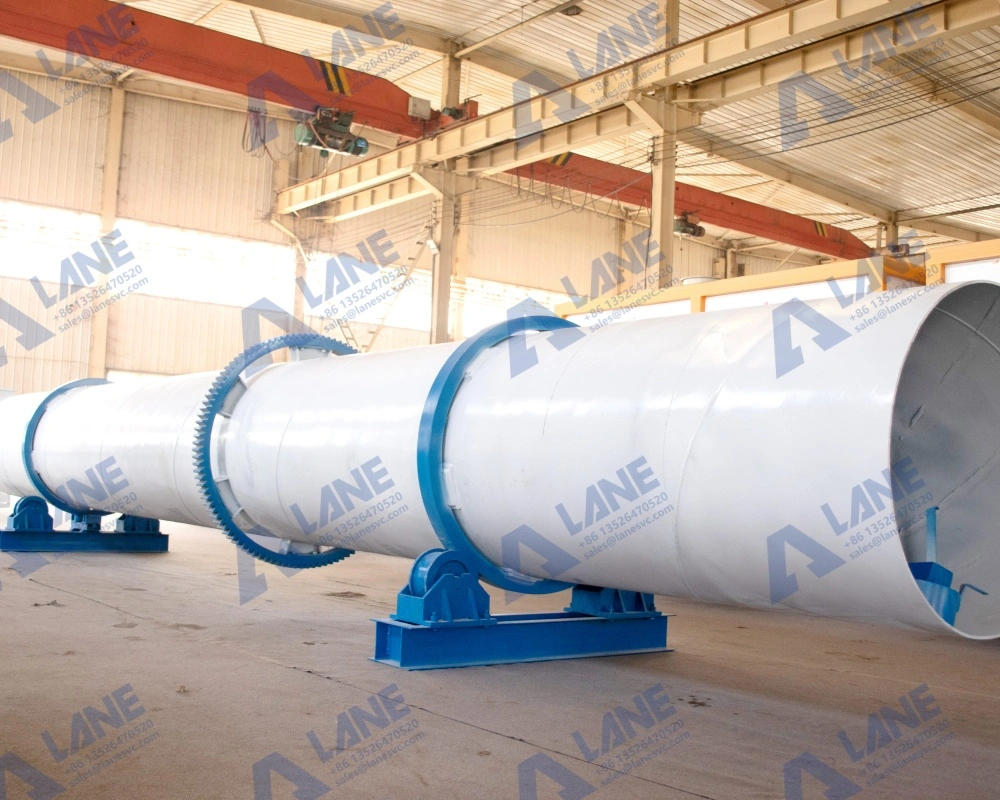
The rotary cooling machine used in the on-site test includes a supporting frame, a driving component, a large gear ring, a belt support, and the main body of the drum. A wear-resistant scraper is welded inside the cylinder body, and the fertilizer particles inside are continuously stirred during the operation of the equipment.
Adjustable Test Parameters
During the multiple rounds of experiments, the technicians adjusted the rotational speed of the cylinder, the feeding flow rate, and the amount of cold air intake, and simultaneously recorded the temperature of the material at the feeding and discharging ports, and calculated the actual cooling range that each set of operating parameters could achieve.
Key Field Test Data for Rotary Cooling Machine
All test groups adopted a stable and continuous feeding mode, the equipment continued to run for 60 minutes, and the operating condition reached a balance before the temperature data was officially collected to avoid data deviation caused by unstable operating conditions during the startup stage.
- Temperature Drop Performance Under Normal Load
When the rotary cooling machine operates stably under the rated feed load, the overall temperature of the granular organic fertilizer can be reduced by 38 ℃ to 45 ℃, and the fertilizer discharged from the outlet can basically meet the temperature standard for direct sealing packaging.
- Influence of Excessive Feeding on Cooling Effect
If the operator increases the feed flow rate above the rated load, the material layer in the drum will thicken, and the cold air will not be able to fully contact each fertilizer particle, resulting in a significant decrease in the overall cooling effect.
- Changes of Cooling Uniformity at Different Rotating Speeds
When the rotational speed of the barrel is too low, the fertilizer particles stay in a fixed area for a long time, resulting in uneven cooling. A moderate rotational speed can continuously turn the material, ensuring that the temperature difference between the output particles is maintained within a reasonable range.
Field-Tested Practical Advantages of Our Rotary Cooling Machine
Many simple cooling devices on the market can only cool the surface of the material. The on-site test results prove that the rotary cooling machine of our factory can realize uniform heat exchange with high-temperature granular organic fertilizer when it operates continuously for a long time.
- Full Contact Heat Exchange Brings Balanced Cooling
The built-in copy board of the equipment continuously lifts and scatters fertilizer particles, and the cold wind penetrates the inner part of the drum, forming convective heat exchange with each fertilizer particle, so there will be no situation where the inner layer particles still have a large amount of residual heat.
- Wear-Resistant Structure Reduces On-Site Maintenance Work
All the core components, such as the support frame, carrying belt, and internal copying board, are made of wear-resistant materials. During the long-term on-site test process, the accessories will not show the phenomenon of rapid wear due to the impact and friction of organic fertilizer granules.
- Flexible Parameter Matching Fits Variable Production Needs
Operators can adjust the rotational speed of the drum and the amount of air entering the drum according to the daily production capacity and the initial temperature of the fertilizer. The flexible and adjustable operation mode enables the rotary cooling machine to adapt to the frequently changing working conditions of the organic fertilizer production line.
| Model | Capacity(tph) | Drum Size(mm) | Rotation Speed(r/min) | Steel Plate Thickness(mm) | Lift Plate Thickness(mm) | Power(kw) |
|---|---|---|---|---|---|---|
| LARC0808 | 1-2 | Φ800*8000 | 5 | 8 | 4 | 5.5 |
| LARC1010 | 2-3 | Φ1000*10000 | 5 | 10 | 6 | 5.5 |
| LARC1212 | 3-5 | Φ1200*12000 | 5 | 10 | 6 | 7.5 |
| LARC1515 | 5-8 | Φ1500*15000 | 5 | 12 | 6 | 15 |
| LARC1616 | 8-12 | Φ1600*16000 | 5 | 12 | 6 | 18.5 |
| LARC1818 | 12-15 | Φ1800*18000 | 4 | 14 | 6 | 22 |
| LARC2020 | 20-25 | Φ2000*20000 | 4 | 14 | 6 | 37 |
| LARC2222 | 25-30 | Φ2200*22000 | 4 | 16 | 6 | 37 |
| LARC2424 | 30-35 | Φ2400*24000 | 4 | 16 | 6 | 45 |
| LARC2626 | 35-40 | Φ2600*26000 | 3 | 18 | 6 | 55 |
| LARC2828 | 40-45 | Φ2800*28000 | 3 | 18 | 6 | 75 |
| LARC3028 | 45-50 | Φ3000*28500 | 3 | 18 | 6 | 90 |
Effective Operation Suggestions Summarized from Field Test
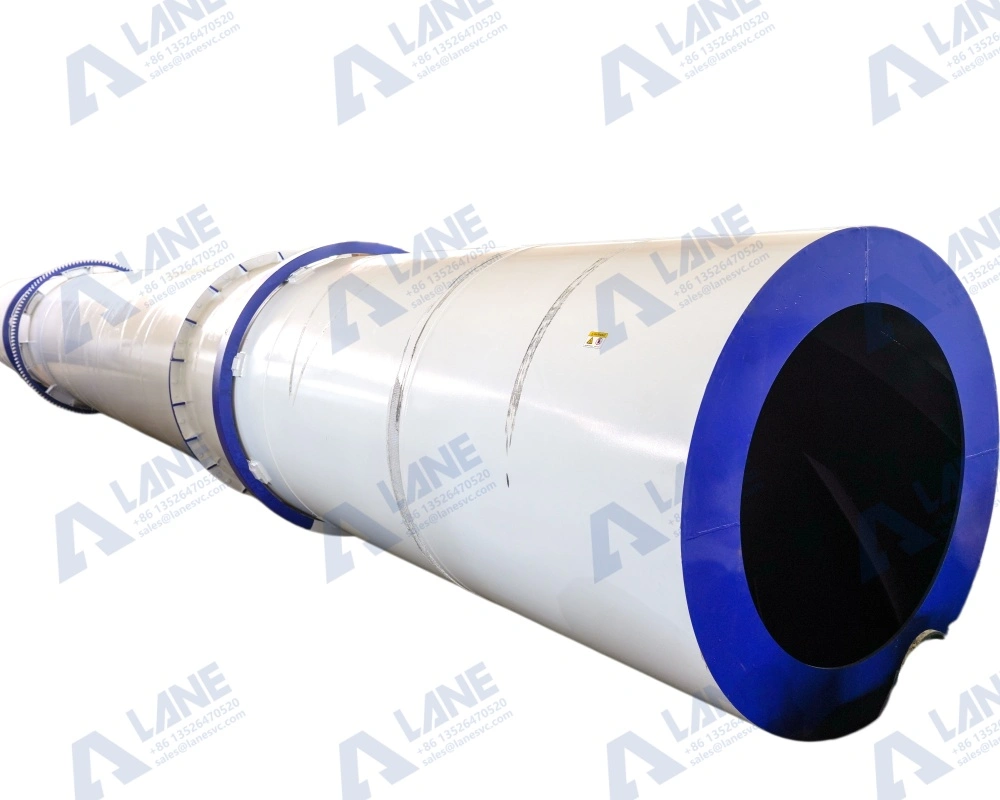
No matter how good the hardware performance of the equipment is, it will be difficult to achieve the desired cooling effect if there is no corresponding standardized operation method. From the summary of several rounds of on-site tests, a few simple operation specifications can stabilize the long-term operation conditions of the rotary cooling machine.
Keep Feeding Volume Within Rated Range
Try to keep the feeding speed steady and avoid a large amount of material pouring in for a short time. The long-term overload operation of the rotary cooling machine will directly reduce the cooling efficiency and cause the hidden danger of the finished fertilizer cooling not meeting the standard.
Check Air Circulation Status Regularly
Keep the air inlet and outlet free from dust accumulation and blockage. The blockage of the air channel will reduce the efficiency of convective heat transfer, and the cooling ability will gradually decrease in the continuous production process of the equipment.
Carry Out Weekly Inspection on Transmission Components
Check the meshing state of the large gear ring and the lubrication of the driving components every week. The smooth operation of the transmission can ensure the stable rotation speed of the drum, and the continuous and consistent effect of material stirring in the drum.
Comprehensive Conclusion from Rotary Cooler Field Cooling Test
The whole set of on-site experiments fully prove that the reasonable use of rotary cooling machine can effectively solve the blockage and quality hazard brought by high-temperature granular organic fertilizer. A stable cooling process is a crucial link between the drying and packaging processes.
Granular organic fertilizer manufacturers should not simply pursue production progress and omit the cooling process. The rotary cooling machine of our factory performs evenly and reliably in real workshop conditions, which can help fertilizer factories stabilize the quality of finished products and reduce customer disputes caused by material storage clumping.
LANE Group manufactures rotary cooling machines designed for high-temperature organic fertilizer processing. Our field-tested equipment delivers uniform cooling, reduces storage caking, and protects packaging integrity. Contact our engineering team for cooling solutions matched to your production capacity and material conditions.