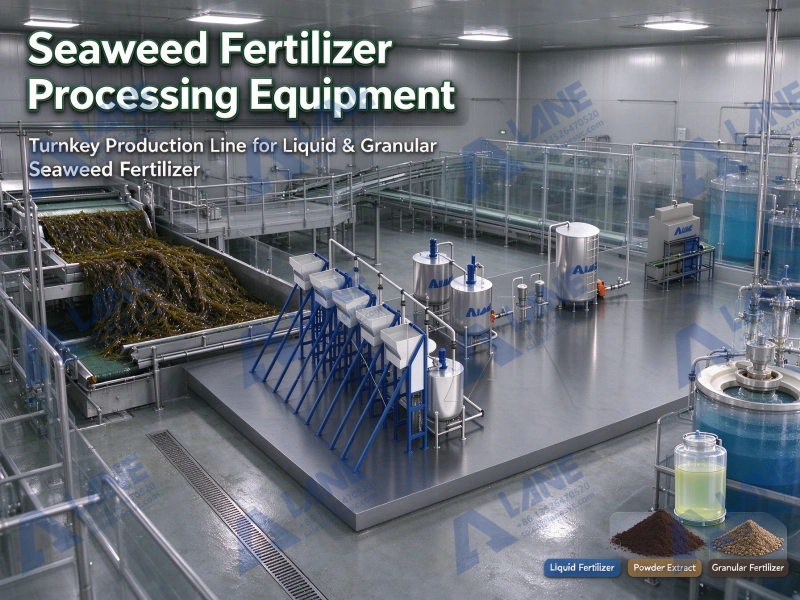
Floating Fish Feed Mill Pellet Ext-ruder Machine: Revolutionizing Aquaculture Feed Production
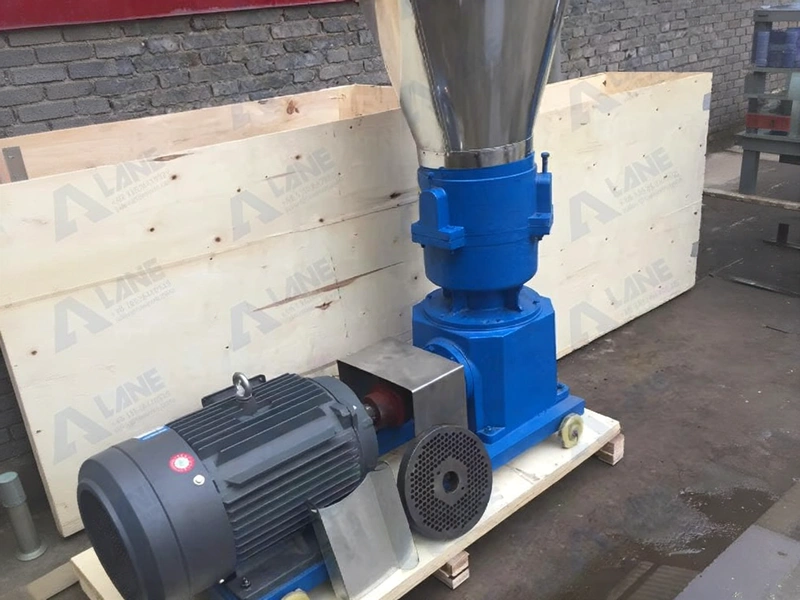
The aquaculture industry has experienced rapid growth in recent years, with fish farming becoming an essential component of global food production. As the demand for high-quality fish increases, so does the need for efficient and nutritious fish feed. The floating fish feed mill pellet ext-ruder machine plays a critical role in meeting this demand by producing floating fish feed pellets that are rich in nutrients and easily digestible for various species of fish. This article explores the importance of floating fish feed, the working principles of the pellet floating fish feed mill pellet ext-ruder machine, its benefits, and how to choose the right machine for your aquaculture operation.
The Importance of Floating Fish Feed
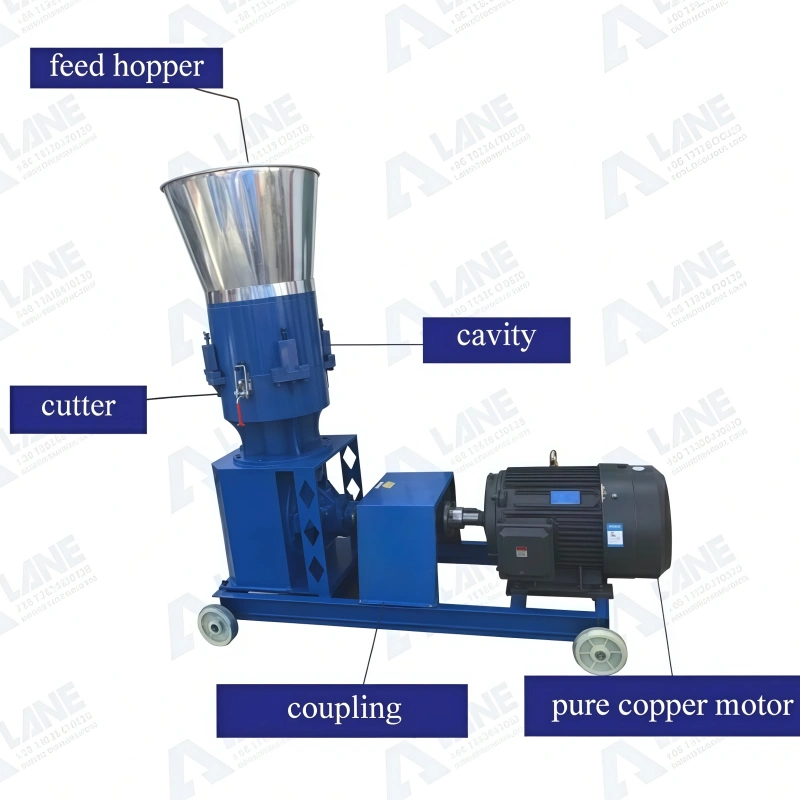
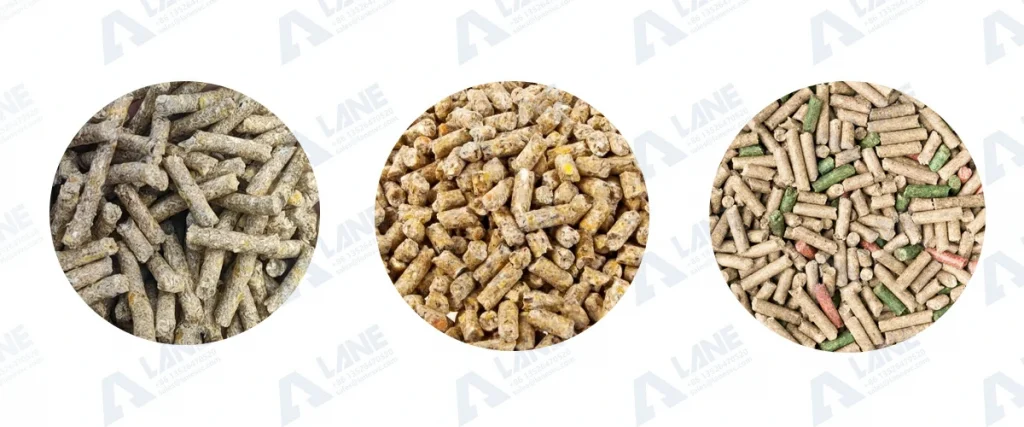
Floating fish feed is specially designed to float on the surface of the water, making it easier for fish to consume and for farmers to monitor feeding. Unlike sinking feed, floating pellets allow for better observation of fish feeding behavior, which can help in adjusting feed amounts to minimize waste and improve feed efficiency.
Key Advantages of floating fish feed mill pellet ext-ruder machine:
Better Feed Monitoring: Farmers can easily monitor how much feed is being consumed, allowing for precise control over feeding practices.
Reduced Waste: Floating feed reduces the risk of feed sinking and being wasted, ensuring that more nutrients are available to the fish.
Improved Water Quality: Since less feed sinks to the bottom of the pond, there is less risk of water pollution, leading to better overall water quality.
Enhanced Fish Growth: Floating feed is often more palatable and digestible for fish, promoting faster growth and better health.
How the floating fish feed mill pellet ext-ruder machine Works
The floating fish feed mill pellet ext-ruder machine is designed to produce high-quality fish feed pellets that float on water. The machine uses a combination of heat, moisture, and mechanical pressure to transform raw ingredients into floating pellets with the desired nutritional profile.
Raw Material Preparation: The floating fish feed mill pellet ext-ruder machine begins with the selection and preparation of raw materials. Common ingredients include fish meal, soybean meal, corn, wheat, and various vitamins and minerals. These ingredients are carefully measured and mixed to create a balanced feed formula.
Extrusion: The mixed ingredients are fed into the ext-ruder machine, where they are subjected to high pressure and temperature. This process causes the materials to expand and gelatinize, which is essential for creating floating pellets. The ext-ruder screw pushes the material through a die, shaping it into pellets.
Pellet Cutting: As the material exits the die, a cutting mechanism slices the extruded feed into uniform pellets. The size of the pellets can be adjusted by changing the die and cutter settings to suit different fish species.
Drying: The freshly extruded pellets contain moisture that needs to be removed to ensure stability and prevent spoilage. The pellets are passed through a drying chamber where they are heated to remove excess moisture, resulting in durable, long-lasting feed.
Cooling: After drying, the pellets are cooled to room temperature to prevent them from clumping together. Cooling also helps to harden the pellets, making them easier to handle and store.
Screening and Packaging: The cooled pellets are screened to remove any fines or broken pieces, ensuring a consistent product. The final pellets are then packaged and ready for distribution to fish farms.
| Model | Capacity(kg/h) | Weight(kg) | Power(kw) |
|---|---|---|---|
| LA125 | 80-100 | 35 | 3-4 |
| LA150 | 90-150 | 40 | 3-4 |
| LA160 | 150-200 | 45 | 4.5 |
| LA210 | 200-300 | 110 | 7.5 |
| LA230 | 350-450 | 150 | 11 |
| LA260 | 400-500 | 190 | 15 |
| LA300 | 500-700 | 400 | 22 |
| LA360 | 700-800 | 600 | 22 |
| LA400 | 900-1200 | 750 | 30 |
Benefits of Using a floating fish feed mill pellet ext-ruder machine
Investing in a floating fish feed mill pellet ext-ruder machine offers numerous advantages for aquaculture operations:
- Customizable Feed Formulation:The machine allows for the production of feed with customized nutritional profiles, tailored to the specific needs of different fish species. This flexibility is essential for optimizing fish health and growth.
- High Feed Conversion Ratio (FCR):Floating feed typically has a higher feed conversion ratio (FCR) compared to sinking feed, meaning that fish convert more of the feed into body mass. This efficiency leads to faster growth and higher yields.
- Improved Feed Quality:The extrusion process improves the digestibility of the feed by breaking down complex carbohydrates and proteins, making the nutrients more accessible to the fish. This results in better growth performance and overall health.
- Reduced Environmental Impact:Floating feed minimizes feed waste and reduces the amount of uneaten feed that sinks to the bottom of the pond, helping to maintain better water quality and reduce the environmental impact of fish farming.
- Economic Efficiency:By producing feed on-site, fish farmers can significantly reduce their feed costs and improve their profit margins. The machine’s ability to produce high-quality feed also leads to better fish growth, further enhancing profitability.
- Versatility:The floating fish feed mill pellet ext-ruder machine can produce feed for a wide range of fish species, from freshwater to marine fish. This versatility makes it a valuable asset for any aquaculture operation。
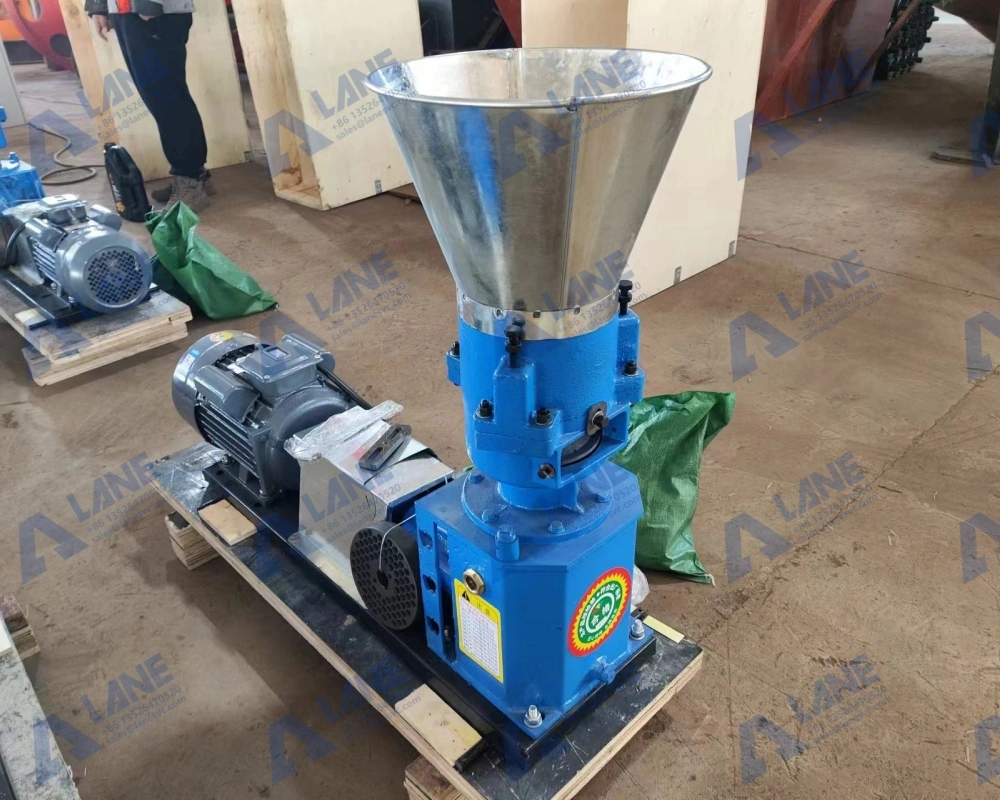
Key Considerations When Choosing a floating fish feed mill pellet ext-ruder machine
When selecting a floating fish feed mill pellet ext-ruder machine, it’s important to consider several factors to ensure that the machine meets your specific needs:
- Production Capacity
The production capacity of the machine should align with the scale of your operation. Consider the number of fish you are raising and their feed requirements when choosing a machine with the appropriate output capacity. - Pellet Size Flexibility
Different fish species require different pellet sizes. Ensure that the machine allows you to adjust the pellet size easily to cater to the needs of various species in your operation. - Energy Efficiency
Energy consumption is a critical factor, especially for large-scale production. Look for a machine that offers high energy efficiency to reduce operational costs and improve profitability. - Durability and Maintenance
Choose a machine that is built to last and requires minimal maintenance. Durable construction and high-quality components will ensure that the machine operates smoothly and reliably over time. - Automation and Control
Modern extruder machines often come with advanced automation and control features that allow for precise management of the extrusion process. Look for a machine with user-friendly controls and the ability to monitor and adjust key parameters in real-time. - After-Sales Support
Consider the availability of after-sales support, including technical assistance, spare parts, and maintenance services. A reliable supplier will offer ongoing support to ensure that your machine operates efficiently and effectively.
Conclusion
The floating fish feed mill pellet ext-ruder machine is an essential tool for modern aquaculture operations, enabling the production of high-quality, nutritious, and floating fish feed. By investing in this technology, fish farmers can improve feed efficiency, reduce waste, and enhance the growth and health of their fish stock. Whether you are a small-scale fish farmer or operate a large aquaculture facility, the right extruder machine can help you produce feed that meets the specific needs of your fish, ultimately contributing to the success and sustainability of your operation.