Food Waste Composting Odor Control: How to Reduce Odor in Commercial Composting Process
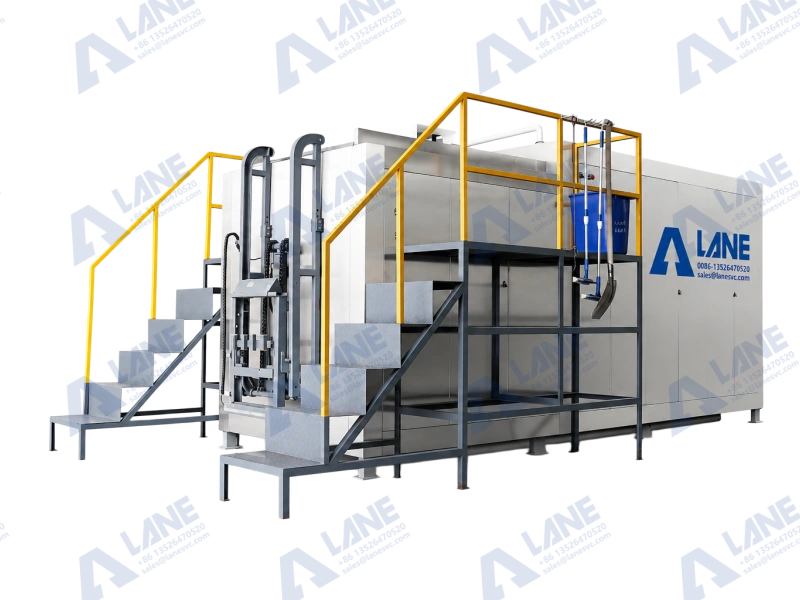
Many restaurants, hotels, and food processing plants face the same difficult problems in their daily waste disposal work. The water content of food waste is high, and the organic matter is easily decomposed, and the storage environment is unstable. Improper disposal will create an anaerobic environment and release a pungent and unpleasant odor.
Persistent odors can easily lead to complaints from nearby residents and increase the cost of garbage transfer. The traditional disposal mode of stacking and exporting is no longer able to meet modern environmental protection standards. More and more commercial units choose on-site disposal, by regulating oxygen, temperature, moisture and microbial environment to achieve effective Food Waste Composting Odor Control.
Why Does Composting Food Waste Produce a Pungent Smell
Odor complaints in commercial composting projects are mostly caused by internal deterioration of materials, rather than external factors. Operators can only stabilize Food Waste Composting Odor Control and avoid repeated environmental problems by understanding the real causes behind them.
High Water Content Accelerates Anaerobic Decomposition Process
Food waste contains a lot of soup and residual water. Excessive moisture will hinder the penetration of air into the pile. Oxygen is lacking in the deep layer of the material, and the microbial metabolism mode changes from aerobic to anaerobic decomposition. The reaction continues to produce ammonia, hydrogen sulfide, and other irritating gases, which are the main sources of odors in composting.
Poor Air Circulation Causes Organic Waste to Rot
Poor ventilation conditions, insufficient mixing frequency, and excessive material accumulation density will squeeze the permeable gaps inside the material. Long-term lack of oxygen accelerates the decay of organic waste, exhaust gases cannot be replaced in time, and unpleasant odors continue to accumulate and spread outward, continuously deteriorating the on-site working environment.
Inadequate Waste Sorting Exacerbates the Generation of Unpleasant Odors
Mixed impurities such as plastic residues, excessive oil, and inorganic debris can severely damage the stability of the composting system. Impurities interfere with the activity of microorganisms, disrupt the uniform fermentation rhythm, easily cause local material spoilage, and greatly increase the difficulty of Food Waste Composting Odor Control.
Key Factors Affecting the Effectiveness of Food Waste Composting Odor Control
If you want to control the unpleasant smell from composting food waste, you can’t rely on simply spraying deodorizers. The control effect is determined by three core indicators: moisture, oxygen, and temperature. Only by reasonably adjusting these conditions can we suppress the production of odors from the source.
- Maintain Appropriate Moisture Content During Composting Operation
High water content will inevitably cause anaerobic odor; On the other hand, if the moisture is too low, it will inhibit the activity of microorganisms and reduce the decomposition rate of materials. Only by maintaining the standard moisture range can we balance the fermentation efficiency and the effect of Food Waste Composting Odor Control.
- Improve Oxygen Supply Level by Relying on Aerobic Fermentation
Food Waste Composting Odor Control is very dependent on a stable aerobic fermentation environment. Adequate oxygen can allow beneficial aerobic microorganisms to dominate the decomposition reaction, effectively inhibit the occurrence of anaerobic reaction, and eliminate most of the rotten odor from the source.
- Temperature Control in Organic Waste Treatment Process
A moderate increase in temperature during the composting stage can kill harmful microorganisms and speed up the decomposition of organic matter. The stable temperature environment shortens the period of material maturation, prevents the long-term low-temperature storage and fermentation of materials, and avoids the continuous production of odors.
| Type | Model | Standard Configuration | Optional Configuration | Processing Capacity / Day | Dimensions (L × W × H) | Power (Customizable) |
| Integrated Type | LAJL-02T | Automatic Feeding | Sorting Platform | 0.2t | 3.3 × 1.21 × 1.8 m | 13kW |
| LAJL-05T | Shredding | Screw Press Dewatering | 0.5t | 3.8 × 1.35 × 2.2 m | 18kW | |
| LAJL-1T | Mixing | Oil-Water Separator | 1t | 3.8 × 1.6 × 2.5 m | 22kW | |
| LAJL-2T | Fermentation & Deodorization | Wastewater Treatment Equipment | 2t | 4.9 × 2.0 × 2.8 m | 43.8kW | |
| LAJL-5T | Odor Removal System | 5t | 7.3 × 2.35 × 3.3 m | 70kW | ||
| LAJL-10T | 10t | Equipment Footprint: Approx. 220 m² | 150kW | |||
| Modular Type | LAJL20T-LAJL1000T | Automatic Feeding | Wastewater Treatment | Customized | Customized | Customized |
| Apron Conveyor | Odor Removal | |||||
| Sorting | Granulation | |||||
| Shredding | ||||||
| Dewatering | ||||||
| Mixing | ||||||
| Screw Conveyor | ||||||
| Fermentation | ||||||
| Spray Tower | ||||||
| Carbon Box | ||||||
| Oil-Water Separation |
How Commercial Food Waste Composter Helps Reduce Odors
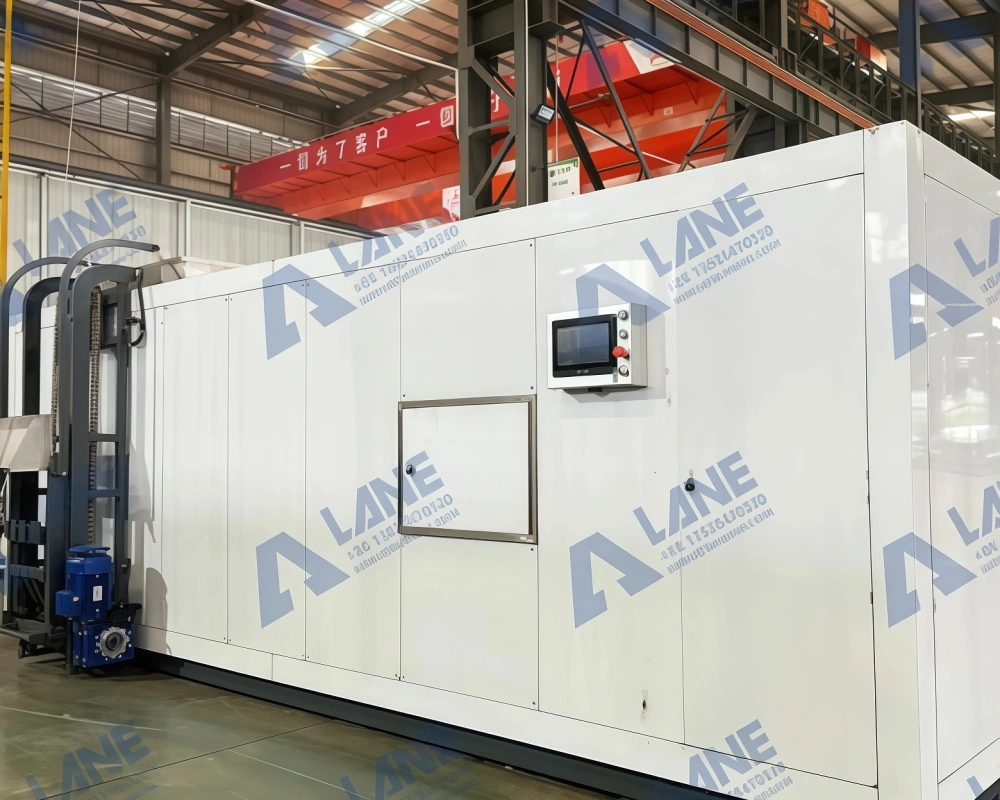
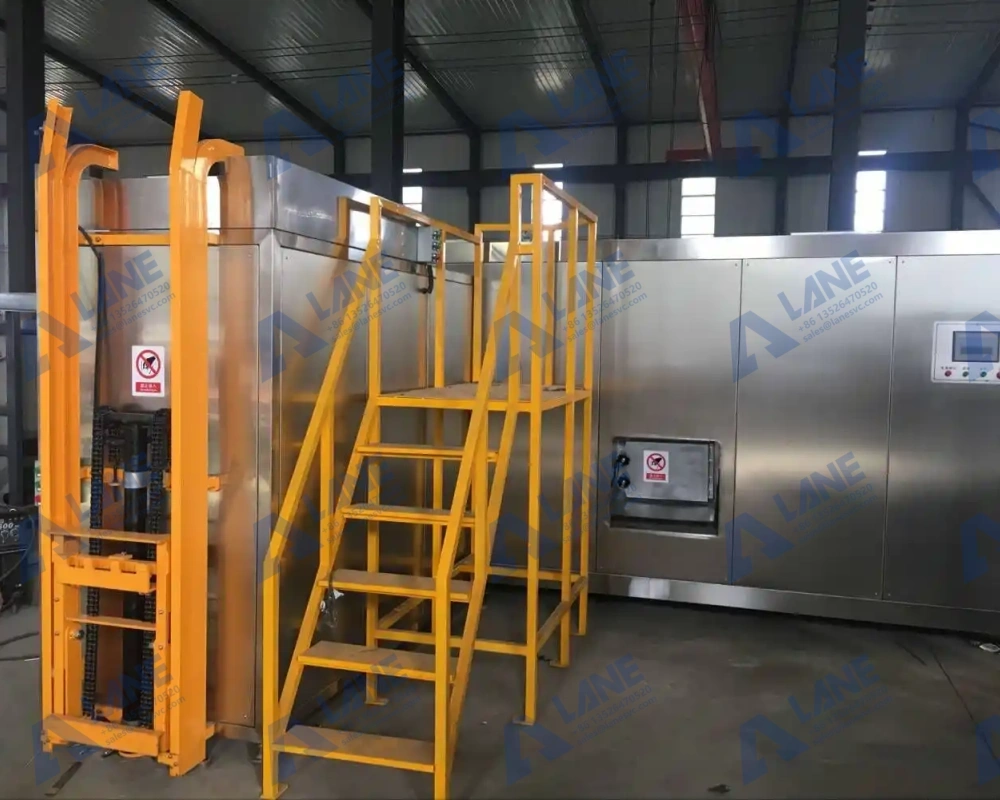
It is difficult to maintain a stable composting condition for a long time only by manual control. The professional commercial food waste composter can standardize the entire treatment process, specifically solve all kinds of odor problems, and realize scientific Food Waste Composting Odor Control.
> Crushing and Mixing System Improves Material Disintegration Efficiency
The commercial food waste composter is equipped with a professional crushing and mixing system, which can process large food waste into uniform and fine particles. After the particle size of the material is reduced, the contact area with oxygen increases, which accelerates the decomposition speed of microorganisms and reduces the residue of rotten material.
> Oil and Water Separation Device Cuts Off the Source of Unpleasant Odor
The commercial food waste composter equipped with the oil-water separation system can separate the excess oil and wastewater in the pre-fermentation process, solve the hidden danger of odor caused by the accumulation of oil and high humidity, and cut off the main source of odor in advance to support Food Waste Composting Odor Control.
> The Deodorization System Treats the Exhaust Gas
The accompanying deodorization device is equipped with intelligent ventilation control, which can filter and purify the waste gas produced by composting, remove the ammonia smell and rotten smell formed during fermentation, and ensure that there is no disorderly release of waste gas on site during food waste treatment.
> Intelligent Control System Maintains Stable Composting Environment
The independent PLC intelligent system automatically monitors and adjusts the temperature, running time and equipment condition, continuously maintains a stable aerobic environment, avoids human operation errors, and prevents the destruction of Food Waste Composting Odor Control effect.
Practical Odor Control Plans for Different Sources of Food Waste
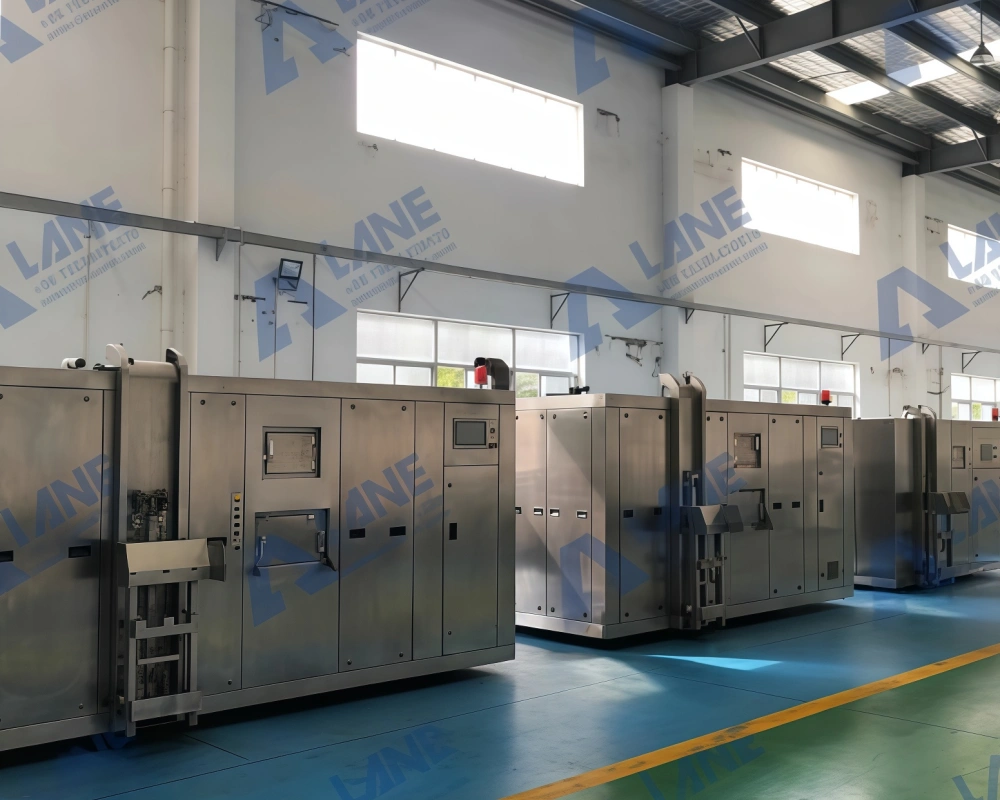
There are obvious differences in the proportion of water, fat, and impurities in food waste produced in different scenarios. Taking classification and targeted measures is the core of accurately implementing Food Waste Composting Odor Control in commercial projects.
Restaurant Food Waste Odor Management Plan
The daily output of restaurant food waste is stable, with high fat content and high moisture content, and it is easy to suddenly produce a strong odor when it is piled up for a long time. On-site real-time processing can avoid material accumulation and deterioration, and continuously maintain good Food Waste Composting Odor Control effects.
Hotel Food Waste Composting Disposal Plan
The hotel project has high requirements for on-site hygiene standards and needs to maintain a non-odorous running state continuously. Closed composting with regular material renewal can meet the strict on-site hygiene requirements and avoid environmental complaints related to food waste composting.
Measures for the Control of Odor from Food Processing Waste
Food processing waste includes fruit and vegetable scraps, food residues, and expired products, which decompose quickly. Timely aerobic composting can inhibit the rapid deterioration of materials and effectively complete Food Waste Composting Odor Control.
Common Operational Misconceptions That Exacerbate Unpleasant Odors from Composting Food Waste
The foul smell produced during commercial composting is mostly caused by daily operation errors, not by the defects of the equipment itself. Avoiding these typical mistakes can significantly improve the effectiveness of Food Waste Composting Odor Control.
Direct Input of High-Moisture Food Waste Without Pretreatment
Many operators directly feed materials without dehydrating high-moisture food waste in advance. There is too much free water in the reactor, which continuously forms anaerobic areas, bringing huge pressure to Food Waste Composting Odor Control in continuous production.
Ignore Waste Sorting Before Composting
Hard plastics, metals, and large amounts of inorganic debris cannot be degraded. Such foreign objects will wear out the mixing parts and block the ventilation channels. The sorting process cannot be omitted to achieve stable Food Waste Composting Odor Control.
Lack of Regular Equipment Maintenance Work
Pipeline blockage, ventilation failure, and the aging of the deodorization unit will gradually weaken the ability to deal with odors. Establishing a daily inspection plan will help sustain long-term Food Waste Composting Odor Control.
Select Appropriate Equipment to Achieve Long-Term Food Waste Composting Odor Control
In order to carry out Food Waste Composting Odor Control stably and long-term, the equipment configuration should be matched with the project conditions. Key reference for procurement: daily processing capacity, waste composition, installation area, automation level, and deodorization emission standard.
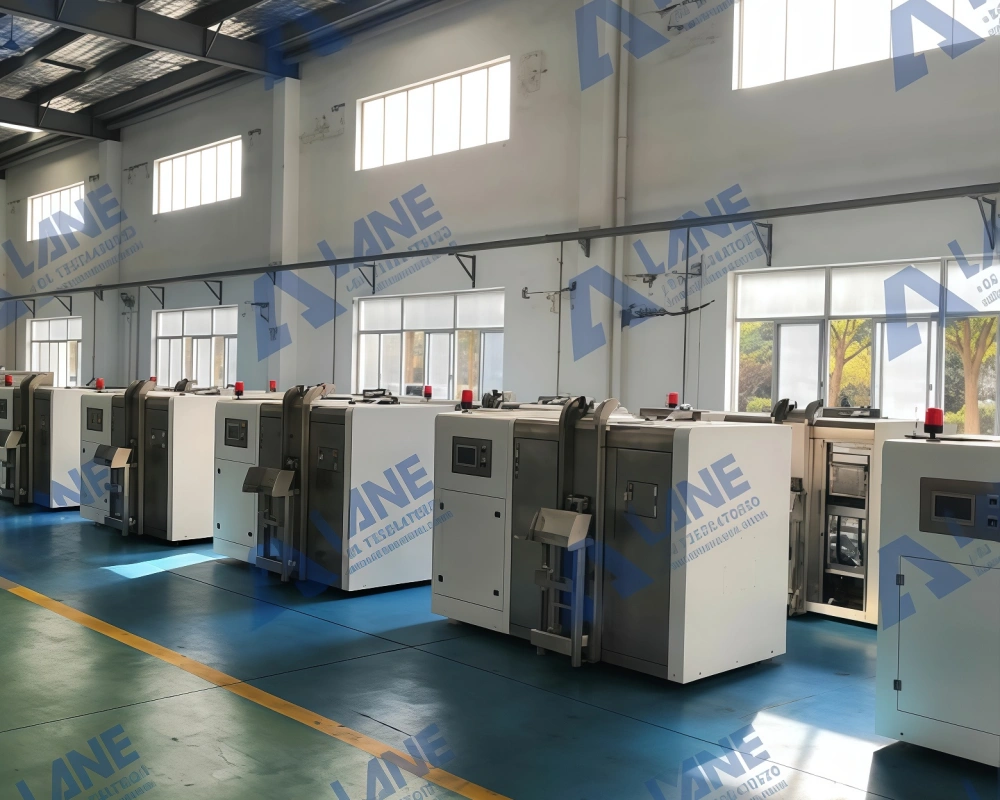
LANE commercial food waste composter can provide customized solutions according to the source of food waste and processing capacity, suitable for various projects such as restaurants, hotels, and food processing plants, and achieve long-term low-odor composting operation.
Frequently Asked Questions
Q1: Can Food Waste Composting Odor Control be completed only by spraying deodorizers?
Answer: Spraying deodorizer can only temporarily cover the smell, but it cannot solve the problem of anaerobic fermentation inside the material. Reliable Food Waste Composting Odor Control requires simultaneous optimization of moisture, ventilation, and fermentation environment.
Q2: How long will the unpleasant smell continue after normal aerobic composting of food waste?
Answer: The obvious odor is mainly concentrated in the early stage of fermentation. Maintain stable oxygen supply and appropriate moisture content, and the odor will be significantly reduced within a few hours. The fully enclosed commercial food waste composter can avoid the leakage of unpleasant odors during food waste composting.
Q3: Which type of food waste is more likely to produce a strong odor when composting?
Answer: Mixed garbage containing a large amount of meat residue, fish bones, and thick soup is very easy to produce a foul odor. Pre oil and water separation can simplify Food Waste Composting Odor Control.
Q4: Can small-scale commercial composting equipment effectively support Food Waste Composting Odor Control?
Answer: Yes, as long as the equipment is equipped with complete crushing, ventilation, and deodorization modules. LANE has small and medium-sized commercial food waste composter suitable for hotels and chain restaurants.
Q5: What measures should be taken if there is an odor leakage during the operation of the composting equipment for food waste?
Answer: Priority should be given to inspecting the sealing structure, ventilation system, and deodorization device, while testing the moisture content of the material. Timely troubleshooting can restore stable Food Waste Composting Odor Control.
Summary
Professional Food Waste Composting Odor Control must not rely solely on simple spraying of deodorizers. It is necessary to combine multiple methods, such as standardizing sorting operations, scientifically controlling water content, continuously supplying oxygen, and reasonably controlling fermentation temperature.
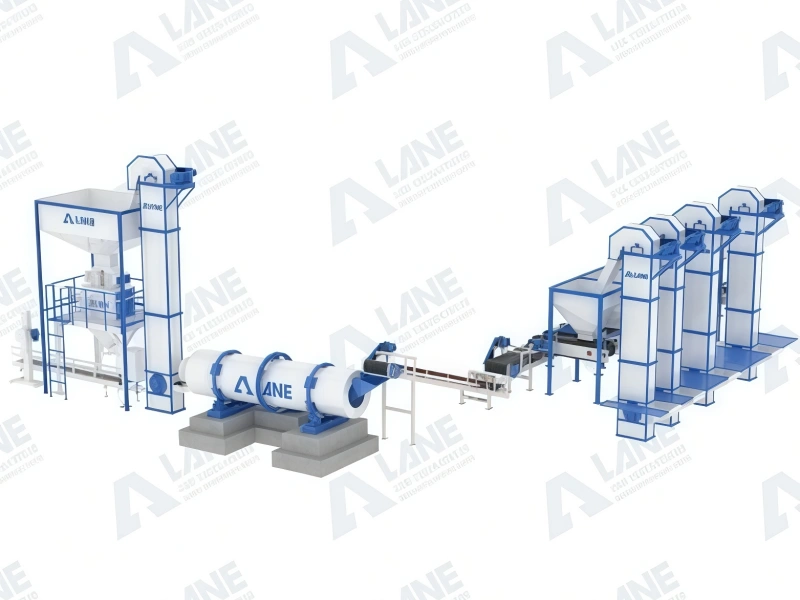
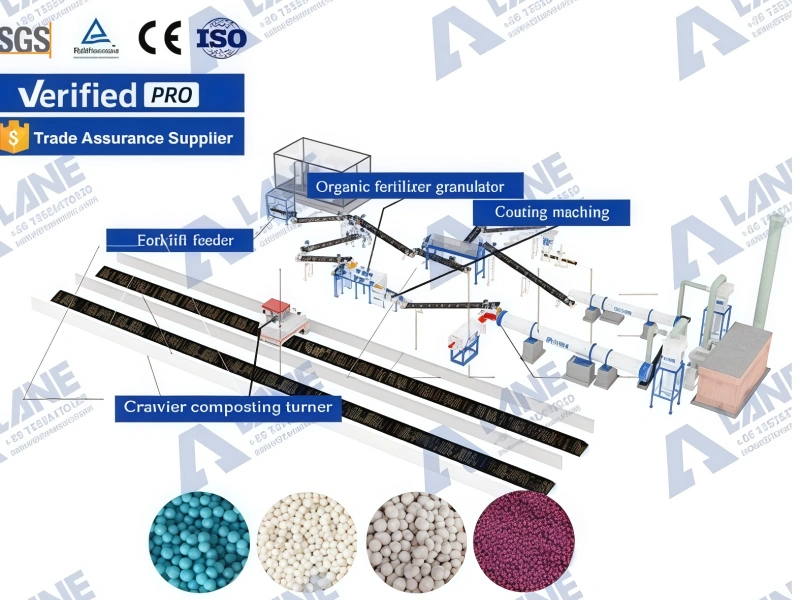
Professional commercial composting equipment can help enterprises reduce the frequency of food waste transfer, reduce operating costs, and meet environmental emission standards. The stable operation of aerobic composting system solves the problem of odor pollution from the root, and realizes the green disposal of commercial food waste. If your on-site composting project is plagued by odors for a long time, you can contact us to obtain a targeted equipment configuration plan and operation guidance for your food waste composting system.