Fish Feed Production Line: Crafting Nutrient-Rich Feed for Aquaculture
The aquaculture industry has witnessed tremendous growth in recent years, driven by the increasing demand for seafood. A critical component of successful aquaculture is the quality of the feed provided to the fish. The Fish Feed Production Line is a sophisticated system designed to produce high-quality, nutrient-rich feed that supports the healthy growth of fish. Whether for commercial fish farms or small-scale operations, a well-designed fish feed production line can make a significant difference in the efficiency and success of aquaculture ventures.
What is a Fish Feed Production Line?
A Fish Feed Production Line is a series of interconnected machines and processes that convert raw ingredients into formulated fish feed pellets. These systems are capable of handling a wide range of raw materials, including grains, fish meal, vegetable proteins, vitamins, and minerals, to create balanced feed tailored to the nutritional needs of different fish species.
- Raw Material Preparation
The process begins with the preparation of raw materials. Ingredients such as fish meal, soybean meal, corn, wheat, and other grains are carefully selected based on the nutritional requirements of the fish. These materials are then cleaned, ground, and mixed to create a homogenous blend that forms the base of the feed.
- Mixing and Formulation
Once the raw materials are prepared, they are mixed in precise proportions to achieve the desired nutrient profile. This step is crucial, as the right balance of proteins, fats, carbohydrates, vitamins, and minerals ensures that the fish receive the necessary nutrients for growth, health, and reproduction.
- Pelletizing Process
The mixed feed is then fed into a pelletizer, where it is compressed and extruded through a die to form pellets. The pelletizing process can be adjusted to create different sizes and shapes of pellets, depending on the species of fish being fed. The extruded pellets are then cut to the desired length and conveyed to the next stage of the process.
- Drying and Cooling
After pelletizing, the fish feed pellets are moist and warm. To ensure durability and shelf-life, the pellets are passed through a dryer, which removes excess moisture. The drying process is carefully controlled to prevent overheating, which could degrade the nutritional quality of the feed. Once dried, the pellets are cooled to room temperature before packaging.
- Packaging and Storage
The final step in the production line is packaging. The pellets are typically packed in bags or bulk containers, depending on the scale of the operation. Proper packaging is essential to protect the feed from moisture, pests, and contamination. Once packed, the fish feed is stored in a cool, dry place until it is ready for distribution or use.
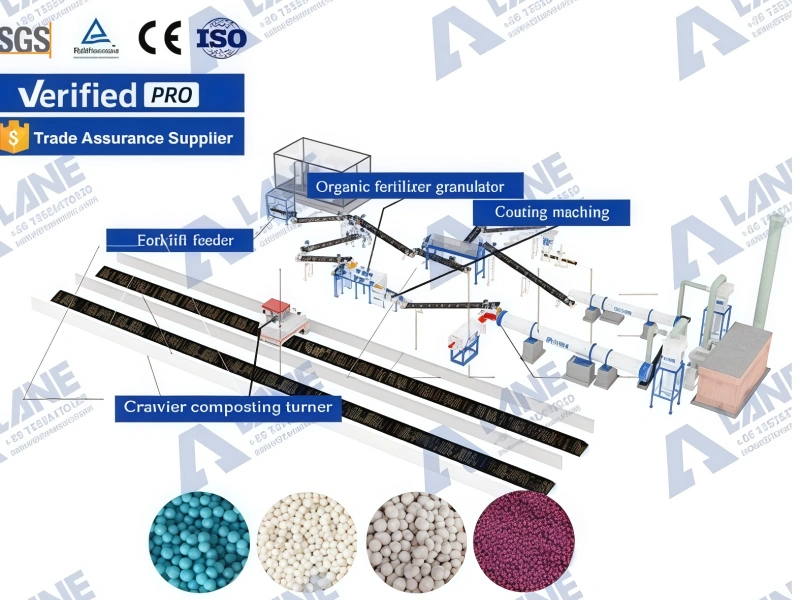
| Product Name | Model | Yield | Detail | Speed | Power |
|---|---|---|---|---|---|
| Crawler Compost Turner | LALG-2500 | 400-1500m*3/h | Stacking height 600mm-1500mm | 5-10m/min | 36-170 horsepower |
| Forklift Feeding Hopper | LAH-1.5-3 | Silo size: 1-4 meters | 2250mm*1050mm*1590mm | 1450r/min | 2.2-3KW |
| Vertical Crucher | LAC-60V | 1-12t/h | ZQ series reducer | 1450r/min | 7.5-37KW |
| Organic Fertilizer Granulator | LAZJ-1000 | 1-8t/h | ZY series reducer | 1450r/min | 7.5-11KW |
| Polishing Machine | LAP2-800 | 2-10t/h | Double bearing | 1450r/min | 3-7.5KW |
| Rotary Drum Drying Machine | LARD:1.2-12 | 1-25t/h | ZQ series reducer | 1450r/min | 5.5-22KW |
| Cooling Machine | LARC-1.0-10 | 1-20t/h | ZQ series reducer | 1450r/min | 5.5-22KW |
| Rotary Screen Machine | LAS-1240 | 1-23t/h | ZQ series reducer | 1450r/min | 3-7.5KW |
| Pellet Packing Machine | LAB-50K | 4-30 bags/minute | Packaging specification: 20-50kg | 4-6 bags/min | 50Hz/60Hz/220V/380V |
The Benefits of Using a Fish Feed Production Line
- Consistent Quality and Nutritional Value
A well-designed fish feed production line ensures that each batch of feed is consistent in quality and nutritional value. By precisely controlling the ingredients and processing conditions, producers can create feed that meets the specific dietary needs of different fish species, promoting healthy growth and reducing the risk of disease.
- Cost-Effective Production
Producing fish feed on-site using a production line can be more cost-effective than purchasing commercial feed. It allows aquaculture operations to source raw materials locally and tailor the feed to their specific needs, reducing waste and lowering feed costs.
- Customization for Specific Species
Different fish species have different nutritional requirements. A fish feed production line allows for the customization of feed formulations to meet these needs. Whether raising carnivorous species like salmon or herbivorous species like tilapia, the production line can be adjusted to create the ideal feed.
- Improved Feed Conversion Ratio (FCR)
The feed conversion ratio (FCR) is a measure of how efficiently fish convert feed into body mass. High-quality feed produced by a fish feed production line typically results in a lower FCR, meaning that less feed is needed to achieve the same growth. This not only reduces feed costs but also minimizes the environmental impact of aquaculture.
- Scalability
Fish feed production lines are scalable, making them suitable for operations of all sizes. Whether you are running a small farm or a large commercial operation, the production line can be adjusted to meet your production needs, ensuring that you can keep up with demand without sacrificing quality.
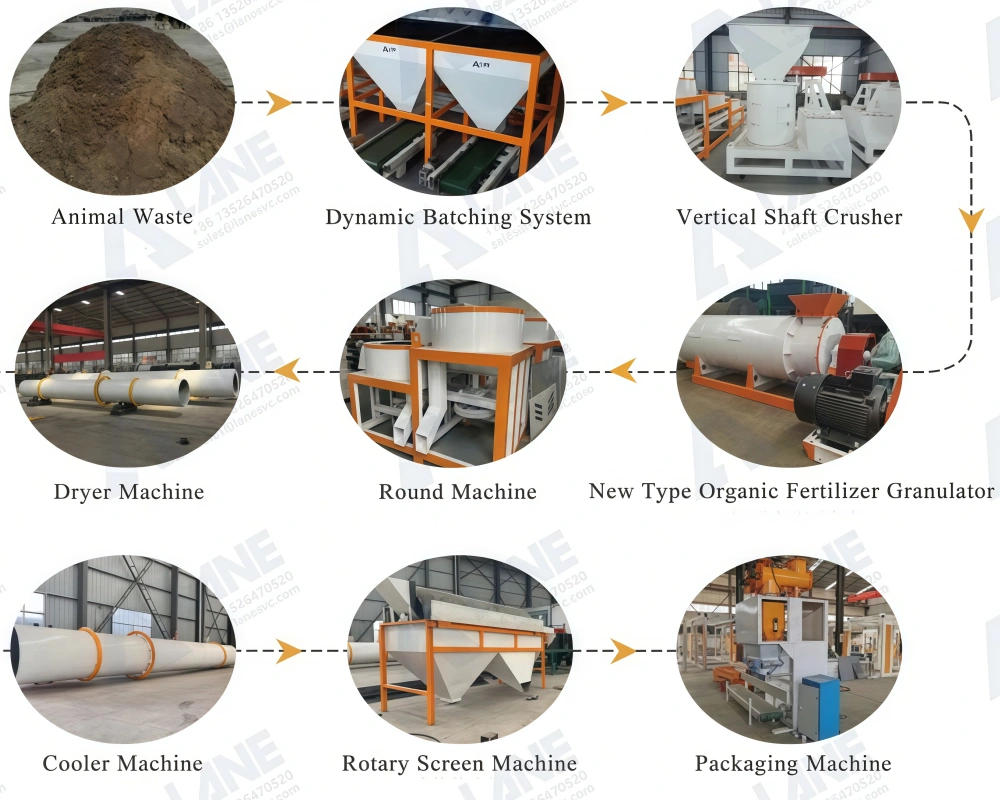
Key Components of a Fish Feed Production Line
- Hammer Mill
The hammer mill is used to grind raw materials into a fine powder, which is essential for creating a homogenous feed mix. This machine can handle a variety of ingredients, including grains, fish meal, and other protein sources.
- Mixer
The mixer combines the ground ingredients with other additives such as vitamins, minerals, and fats. It ensures that all components are evenly distributed, resulting in a consistent feed formulation.
- Pellet Mill
The pellet mill is the heart of the fish feed production line. It compresses the mixed feed into pellets of the desired size and shape. The die and rollers can be adjusted to produce different pellet sizes, making it suitable for various fish species.
- Dryer
The dryer reduces the moisture content of the pellets, ensuring that they are durable and have a long shelf life. It operates at a controlled temperature to preserve the nutritional integrity of the feed.
- Cooler
The cooler brings the temperature of the pellets down after drying, preventing them from sticking together and ensuring they are ready for packaging.
- Packaging Machine
The packaging machine bags the finished pellets, readying them for storage or transport. Proper packaging is essential to maintain the quality of the feed during storage.
| Product Name | Model | Yield | Detail | Speed | Power |
|---|---|---|---|---|---|
| Crawler Compost Turner | LALG-2500 | 400-1500m*3/h | Stacking height 600mm-1500mm | 5-10m/min | 36-170 horsepower |
| Forklift Feeding Hopper | LAH-1.5-3 | Silo size: 1-4 meters | 2250mm*1050mm*1590mm | 1450r/min | 2.2-3KW |
| Vertical Crucher | LAC-60V | 1-12t/h | ZQ series reducer | 1450r/min | 7.5-37KW |
| Organic Fertilizer Granulator | LAZJ-1000 | 1-8t/h | ZY series reducer | 1450r/min | 7.5-11KW |
| Polishing Machine | LAP2-800 | 2-10t/h | Double bearing | 1450r/min | 3-7.5KW |
| Rotary Drum Drying Machine | LARD:1.2-12 | 1-25t/h | ZQ series reducer | 1450r/min | 5.5-22KW |
| Cooling Machine | LARC-1.0-10 | 1-20t/h | ZQ series reducer | 1450r/min | 5.5-22KW |
| Rotary Screen Machine | LAS-1240 | 1-23t/h | ZQ series reducer | 1450r/min | 3-7.5KW |
| Pellet Packing Machine | LAB-50K | 4-30 bags/minute | Packaging specification: 20-50kg | 4-6 bags/min | 50Hz/60Hz/220V/380V |
Applications of Fish Feed Production Lines
- Commercial Fish Farms
Commercial fish farms require large quantities of high-quality feed to sustain their operations. A fish feed production line enables these farms to produce feed on-site, reducing costs and ensuring a steady supply.
- Aquaculture Research Facilities
Research facilities focused on aquaculture can use a fish feed production line to experiment with different feed formulations. This allows them to develop new feeds that improve fish health, growth rates, and feed efficiency.
- Small-Scale Fish Farms
For small-scale fish farmers, investing in a fish feed production line can be a game-changer. It provides them with the ability to produce custom feed that meets the specific needs of their fish, improving overall farm productivity. - Feed Manufacturing Companies
Feed manufacturing companies can use fish feed production lines to produce and sell feed to aquaculture operations. By offering a range of feed formulations, these companies can cater to the diverse needs of the aquaculture industry.
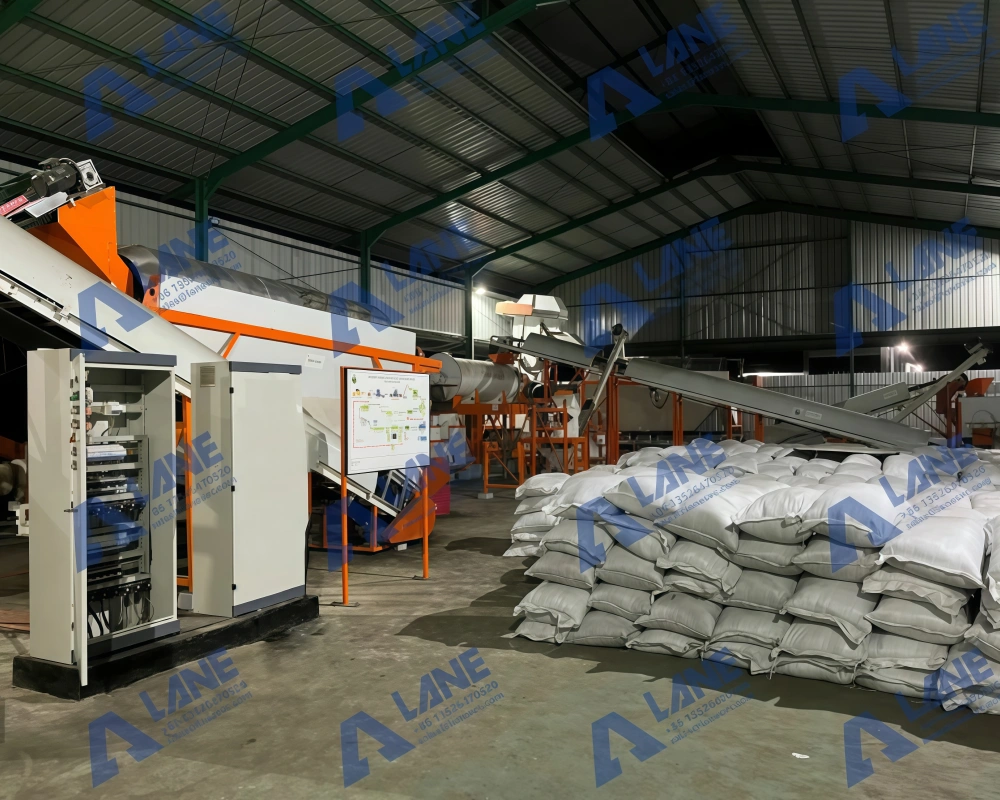
The Fish Feed Production Line is a vital component of modern aquaculture, offering a reliable and efficient way to produce high-quality fish feed. With the ability to customize feed formulations, improve feed conversion ratios, and reduce costs, these production lines are essential for any aquaculture operation looking to optimize its feed production.
By investing in a Fish Feed Production Line, aquaculture producers can ensure that their fish receive the best possible nutrition, leading to healthier fish, higher yields, and ultimately, a more profitable operation. Whether you’re running a small-scale farm or a large commercial operation, a well-designed fish feed production line is the key to success in the competitive world of aquaculture.