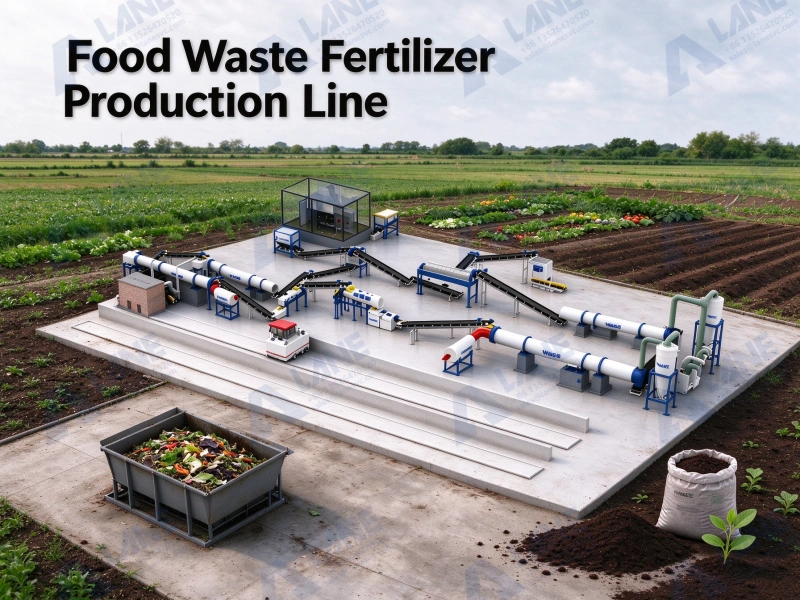
How to Produce BB Fertilizer from Urea and Other Fertilizer Materials?
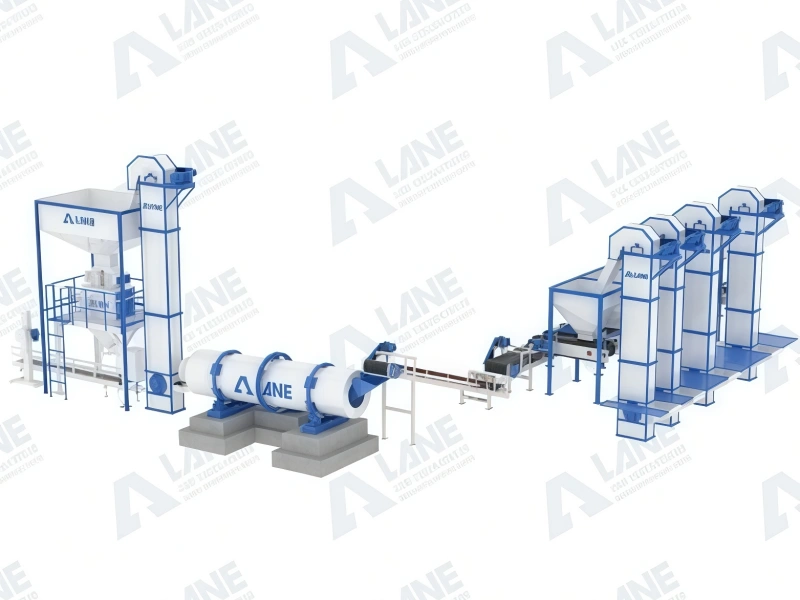
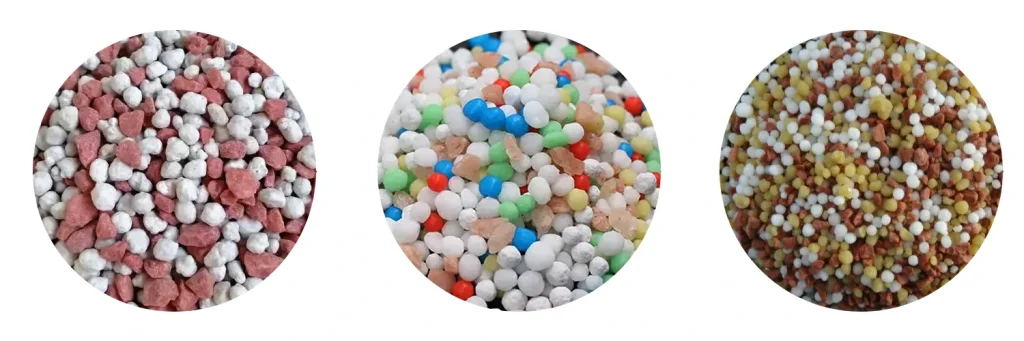
Many fertilizer manufacturing factories intend to take urea, granular phosphate and potash fertilizer as main raw materials to make BB fertilizer. However, newly built plants often encounter frequent troubles including material segregation, bulk caking, uneven nutrient distribution and poor appearance of finished fertilizer products.
In practice, it is not technically difficult to produce BB fertilizer from urea and other fertilizer materials. Manufacturers only need to strictly control several core links including raw material screening, formula matching, mixing operation and finished product storage, so as to continuously obtain qualified BB fertilizer. This mature production mode fits newly constructed fertilizer factories and also supports process upgrading for existing production workshops.
Raw Material Selection Standards to Produce BB Fertilizer from Urea and Other Fertilizer Materials
The whole production of BB fertilizer relies on physical mixing instead of chemical reaction. Therefore, the quality of raw materials directly decides the stability of finished goods. Reasonable raw material screening acts as the first critical step to produce BB fertilizer from urea and other fertilizer materials, which can avoid most common faults during continuous mass production.
Choose Urea Raw Materials with Uniform Particle Size and Qualified Dryness
Urea is the most widely used nitrogen raw material for BB fertilizer. Many factories ignore particle uniformity and moisture index when purchasing urea. Wet or irregular urea particles are easy to absorb moisture and form lumps after mixing, which brings hidden troubles when you produce BB fertilizer from urea and other fertilizer materials.
Match Phosphorus and Potassium Fertilizer Raw Materials with Similar Particle Size
Serious segregation easily occurs after mixing if the particle size gap between urea and phosphate, potash fertilizer is too large. Keeping similar particle specification of all raw materials is an effective measure to reduce segregation when you produce BB fertilizer from urea and other fertilizer materials.
Avoid Mixing Incompatible Raw Materials That Absorb Moisture Easily or Trigger Chemical Reactions
Some fertilizer raw materials will absorb moisture rapidly or produce chemical reactions once contacted. Operators need to make a clear compatibility list before batching. Blind material collocation will cause caking and failure when you produce BB fertilizer from urea and other fertilizer materials.
Screen Out Powder, Lumps and Other Impurities in Advance
A large amount of powder and hard blocks mixed in raw materials will break uniform mixing effects. Factories need to set up screening procedures before feeding. Removing impurities in advance helps maintain stable quality when you produce BB fertilizer from urea and other fertilizer materials.
Practical Proportion Guidelines to Produce BB Fertilizer from Urea and Other Fertilizer Materials
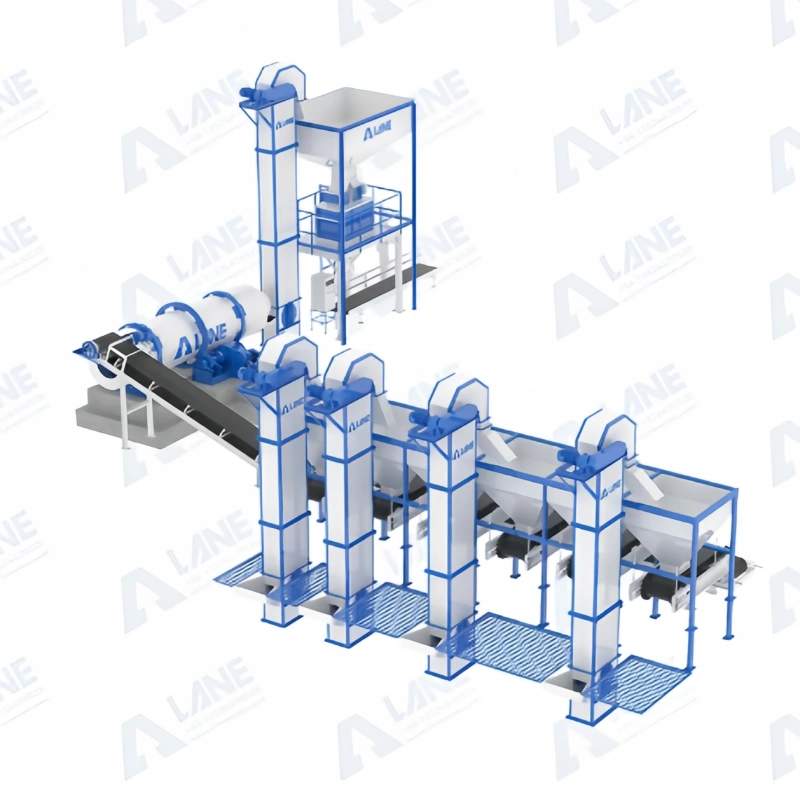
Manufacturers do not need complicated computing formulas for formula design. Operators can adjust raw material proportion according to target crops and local soil testing data to get BB fertilizer with balanced nutrients and low caking risk. Scientific and flexible formula design supports factories to steadily produce BB fertilizer from urea and other fertilizer materials.
> Adjust Urea Adding Proportion According to Crop Nutrient Demand
Different crops have distinct demand for nitrogen elements. Too high urea content may lead to excessive vegetative growth, while insufficient nitrogen restricts yield. Adjusting urea proportion reasonably is essential when you produce BB fertilizer from urea and other fertilizer materials.
> Differentiate Basic Formulas for Field Crops and Fruits and Vegetables
Field grain crops, fruits and vegetables have different absorption rules of nitrogen, phosphorus and potassium. Separating basic formulas can improve fertilizer utilization efficiency. Targeted formula arrangement helps you produce BB fertilizer from urea and other fertilizer materials to meet market demands.
> Appropriately Add Trace Element Granules to Raise Fertilizer Utilization Rate
According to soil deficiency status, manufacturers can add granular trace element raw materials. Adding trace components properly improves the comprehensive effect of finished BB fertilizer, and makes products more competitive when you produce BB fertilizer from urea and other fertilizer materials.
> Fine Tune Production Formulas Based on Raw Material Moisture Conditions
The moisture of urea and other raw materials fluctuates in different seasons. Operators need to slightly adjust formulas or add anti-caking auxiliary materials according to real-time moisture test, preventing quality fluctuation when you produce BB fertilizer from urea and other fertilizer materials.
Standard Production Workflow to Produce BB Fertilizer from Urea and Other Fertilizer Materials
Different from organic fertilizer or compound fertilizer granulation lines, BB fertilizer made from urea does not require granulation and drying links. The whole process consumes less power and cuts overall production cost. Medium and small fertilizer plants can adopt this mature workflow to continuously produce BB fertilizer from urea and other fertilizer materials.
- Complete Automatic and Accurate Batching of Multiple Raw Materials
Raw materials including urea, potash fertilizer and phosphate fertilizer are transported to independent silos. The dynamic batching system weighs each material automatically according to set formulas. Accurate batching forms the foundation if you want to produce BB fertilizer from urea and other fertilizer materials.
- Carry Out Uniform Granular Material Mixing Under Stable Running Speed
After batching, all materials are sent into the rotary drum mixer. Constant rotating speed avoids particle crushing and uneven mixing. Maintaining stable mixing parameters guarantees uniform nutrients when you produce BB fertilizer from urea and other fertilizer materials.
- Take Samples and Test Finished Materials for Nutrient Uniformity
After mixing, workers take random samples from finished materials for nutrient inspection. Timely sampling test can find abnormal proportion at an early stage, and avoid large batches of unqualified goods when you produce BB fertilizer from urea and other fertilizer materials.
- Realize Automatic Quantitative Packaging and Sealing
Qualified mixed materials are delivered to the automatic packaging scale for fixed-weight bagging and sealing. Tight sealing reduces moisture absorption during storage, protecting finished quality after you produce BB fertilizer from urea and other fertilizer materials.
Matching Complete Production Line to Produce BB Fertilizer from Urea and Other Fertilizer Materials
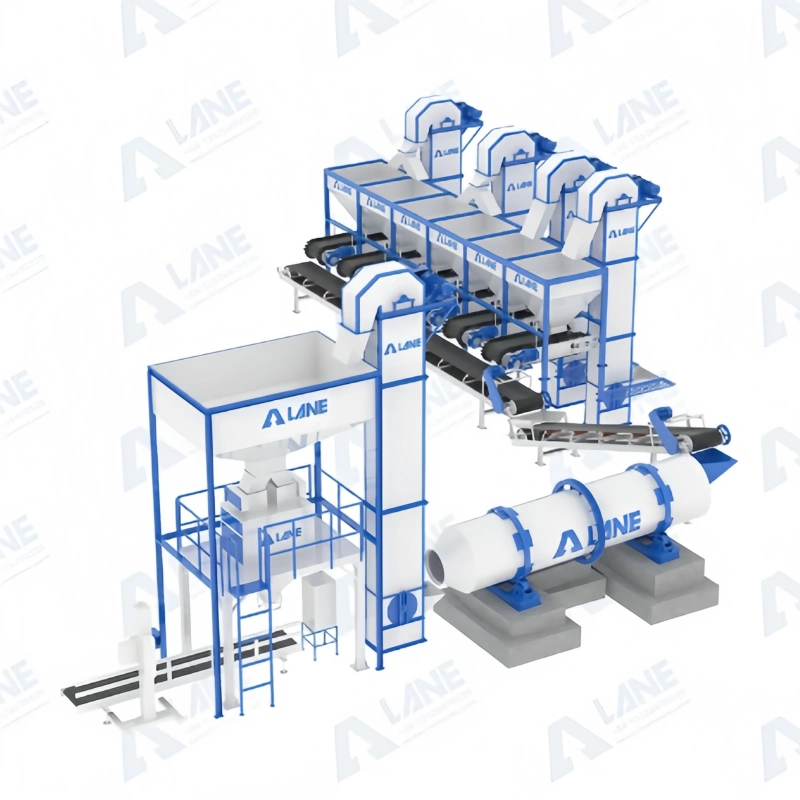
Urea particles are prone to separation and moisture absorption in conveying and mixing procedures. LANE complete BB fertilizer production line is designed to adapt to such characteristics of urea-based raw materials, lower daily operation difficulty, and help fertilizer factories easily produce BB fertilizer from urea and other fertilizer materials.
- High Precision Dynamic Batching System to Strictly Control Proportion Error
Our dynamic batching equipment supports independent metering for multiple raw materials. The proportion error is controlled within a reasonable range, ensuring consistent formula every batch when you produce BB fertilizer from urea and other fertilizer materials.
- Special Rotary Drum Mixer Preventing Particle Crushing and Material Segregation
The internal structure of our drum mixer forms soft material circulation. It mixes granular fertilizer evenly without smashing urea particles, effectively reducing segregation problems when you produce BB fertilizer from urea and other fertilizer materials.
- Simple Equipment Operation Helps Enterprises Save Labor Expenditure
The whole production line adopts centralized control. Only a small number of operators can finish feeding, monitoring and packaging work. Simple operation mode greatly reduces labor cost for factories that produce BB fertilizer from urea and other fertilizer materials.
- Modular Layout Saves Workshop Space and Shortens Commissioning Cycle
All devices adopt modular combination design. Users can expand or adjust equipment configuration according to hourly output. The modular structure shortens on-site installation time for new plants that produce BB fertilizer from urea and other fertilizer materials.
| Product Name | Machine Parameters | Machine Parameters | ||
|---|---|---|---|---|
| Dynamic Batching System | PVC drive belt: width 0.5m, length 2m | 1.1-2.2KW | SBD series reducer | 1450r/min |
| Bucket Elevator | Maximum feeding size: 25-55cm | Hopper width:160-400mm | Bucket type Q/H: 12/22m*3/h | 1.4m/h |
| BB Fetilizer Mixer | 500L | 7.5KW | 380V or custom-made | 1450r/min |
| Ton Charter Aircraft | 10-40 Bag/H | 5.5KW | 1600*1600*2800mm | AC380V |
Common Operational Errors When You Produce BB Fertilizer from Urea and Other Fertilizer Materials
Uneven nutrients, caking and segregation of finished BB fertilizer mostly come from improper field operation instead of equipment defects. Avoiding these typical mistakes can greatly lift product quality when you produce BB fertilizer from urea and other fertilizer materials.
Too Big Particle Size Difference Leads to Segregation Shortly After Mixing
Many factories ignore particle matching work. Once the size gap between urea and potash fertilizer is too large, materials will separate again after mixing. It is the most frequent error when new plants produce BB fertilizer from urea and other fertilizer materials.
Excessive Moisture of Raw Materials Causes Caking During Warehouse Storage
Raw materials with high moisture will absorb more moisture after mixing. Finished fertilizer forms hard blocks after several days of stacking. Controlling raw material dryness cannot be ignored if you want to produce BB fertilizer from urea and other fertilizer materials.
Overlong Mixing Time Wears Urea into Fine Powder
Too long mixing cycle will cause mutual friction between particles. Complete urea granules turn into powder, breaking particle consistency. Reasonably setting mixing duration is necessary when you produce BB fertilizer from urea and other fertilizer materials.
Unstable Feeding Speed Brings Continuous Proportion Deviation
Sudden increase or decrease of feeding volume disturbs automatic batching accuracy. Operators need to keep stable feeding rhythm to avoid formula deviation when you produce BB fertilizer from urea and other fertilizer materials.
Lack of Moisture Proof Measures for Stacked Finished Fertilizer Causes Secondary Moisture Absorption
Even qualified BB fertilizer will absorb moisture from air without sealed storage. Factories need to arrange moisture proof management for finished goods after they produce BB fertilizer from urea and other fertilizer materials.
Frequently Asked Questions
Question 1: What incompatible raw material combinations should we avoid if we produce BB fertilizer from urea and other fertilizer materials?
Answer: Urea cannot be mixed with raw materials that contain free calcium oxide. Meanwhile, avoid matching high-salt raw materials together. Such combinations easily trigger moisture absorption and chemical reaction, and bring caking risks when you produce BB fertilizer from urea and other fertilizer materials.
Question 2: Why does finished BB fertilizer appear segregation after several days of storage?
Answer: The primary factor is inconsistent particle size of raw materials. Vibration during transportation and stacking accelerates separation. Adjusting particle specifications of all raw materials is the key to solve this problem when you produce BB fertilizer from urea and other fertilizer materials.
Question 3: What basic machines are required for newly built factories to produce BB fertilizer from urea and other fertilizer materials?
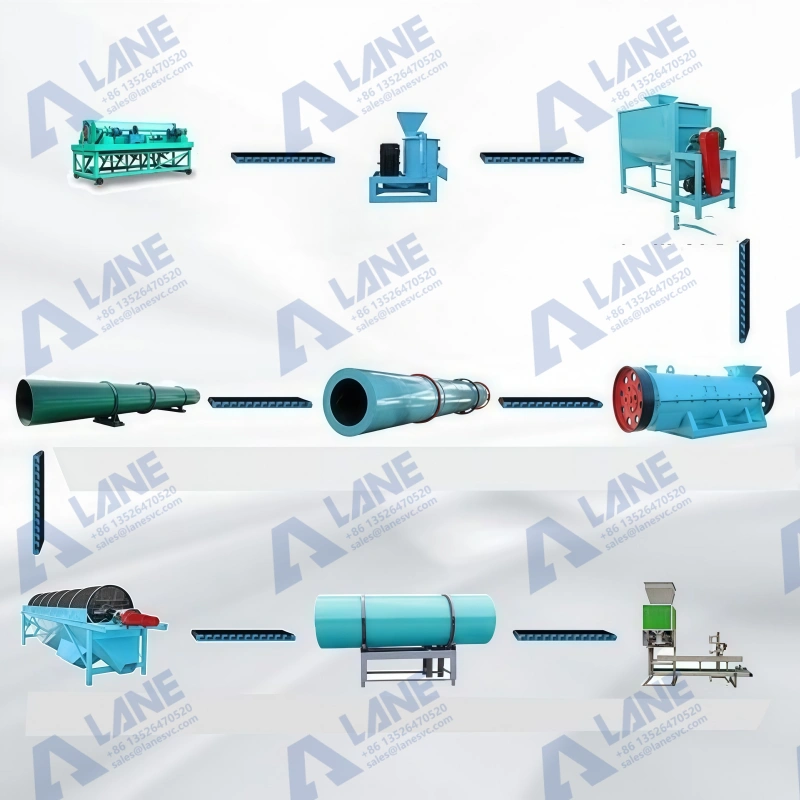
Answer: The core set includes bucket elevator, dynamic batching system, rotary drum mixer and automatic packaging machine. LANE can combine different devices to match your target hourly output when you produce BB fertilizer from urea and other fertilizer materials.
Question 4: Is anti-caking agent a necessary additive when we produce BB fertilizer from urea and other fertilizer materials?
Answer: It depends on raw material moisture and local climate. In humid areas, proper anti-caking auxiliary materials are recommended. We can offer targeted additive suggestions according to your raw material conditions when you produce BB fertilizer from urea and other fertilizer materials.
Question 5: What hourly production capacity can your complete BB fertilizer production line achieve?
Answer: Our standard line covers 10-20 tons per hour. We also support personalized customization according to customer demands. We can design the whole layout plan for you if you plan to produce BB fertilizer from urea and other fertilizer materials.
Conclusion
Producing BB fertilizer by taking urea as the main raw material features simple flow, low power consumption and short investment payback period, which suits most medium and small-scale fertilizer manufacturers.
If factories strictly carry out standardized raw material screening, stable mixing operation and scientific finished product storage management, they can steadily produce BB fertilizer from urea and other fertilizer materials and obtain market-competitive granular compound fertilizer products.
LANE full automatic BB fertilizer production line fits various urea-based fertilizer formulas with stable operation and simple daily maintenance. We provide free formula consultation, equipment selection scheme and plant layout design for clients who plan to produce BB fertilizer from urea and other fertilizer materials. Welcome to send your production demands to get targeted solutions.