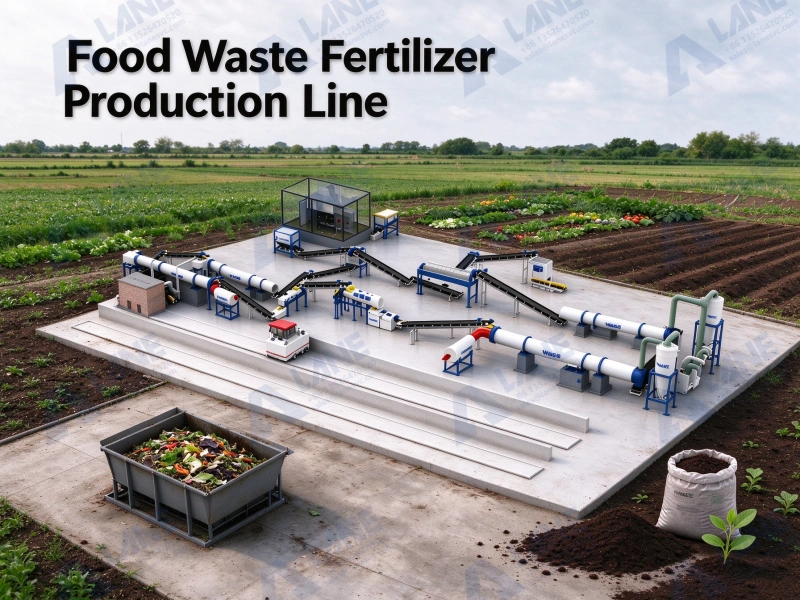
High Humidity Fertilizer: Higher Speed Aggravates Material Adhesion on Bucket Elevator
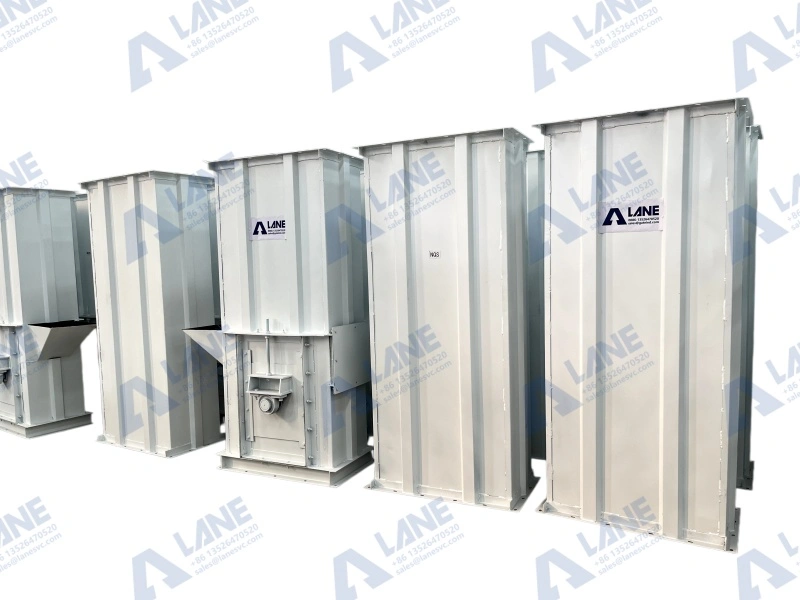
When dealing with high-moisture raw materials such as composted manure, many organic fertilizer processing plants often try to increase the speed of the bucket elevator to increase the production capacity per hour, but rarely seriously consider the various negative effects of this adjustment.
High humidity fertilizer with strong stickiness is very easy to firmly adhere to the inner wall of the hopper once the equipment operation speed exceeds the reasonable range. The continuous accumulation of residual materials will gradually reduce the effective conveying capacity, and the production line will have to stop repeatedly to arrange workers to clean the sticky material in the hopper.
We collected the real production records of front-line operators of dozens of fertilizer factories using the factory’s bucket elevator. Based on the real working conditions in the workshop, this paper sorts out feasible adjustment plans to alleviate the problem of material sticking in the process of conveying high humidity fertilizer. Many fertilizer processing plants around the world will encounter similar sticky material problems, and these practical methods can be directly used as reference for daily production arrangements.
Practical Troubles Brought by Speeding Up Bucket Elevator for High Humidity Fertilizer
No technician should alter bucket elevator operating speed without first understanding all hidden risks created by accumulated stuck fertilizer. Minor layers of bonded wet material grow into costly equipment breakdowns when teams leave these issues unaddressed over multiple production shifts.
> Gradual Drop in Usable Conveying Output
High humidity fertilizer will continue to adhere to the hopper surface layer by layer. As the accumulation of material continues to thicken, the available loading space in each hopper continues to shrink. Even if the operator continuously increases the speed of the bucket elevator, the actual amount of material transported to the rear end equipment still declines day by day. No matter how you increase the operating speed under this condition, you cannot achieve the expected hourly production target.
> Spoiled Residue Contaminates Fresh Fertilizer Batches
Trapped sticky high humidity fertilizer sits undisturbed inside buckets between each full rotation. Inside warm workshop environments, leftover material begins secondary fermentation and turns hard. These solid lumps break free and fall into newly processed fertilizer batches, ruining overall product quality. Buyers will submit complaints once they spot unwanted hardened chunks inside packaged fertilizer goods.
> Increased Wear for Buckets and Traction Components
Hardened fertilizer deposits create uneven load weights across every bucket during operation. Uneven mass generates sharp shock loads acting on the bucket elevator’s chains or belts. This extra strain accelerates abrasion on all traction hardware and pushes up regular maintenance costs. Unplanned chain and bucket replacements create unnecessary financial losses for fertilizer manufacturers.
> Regular Blockages Form at the Discharge Zone
The thick adhesive layer hinders the complete discharge of the material at the head position, and part of the high-moisture fertilizer remains in the hopper and follows the equipment cycle back to the feeding port. The material continues to pile up and eventually forms a blockage at the discharge port. Cleaning up the blockage requires the entire machine to be shut down, which consumes a lot of productive time.
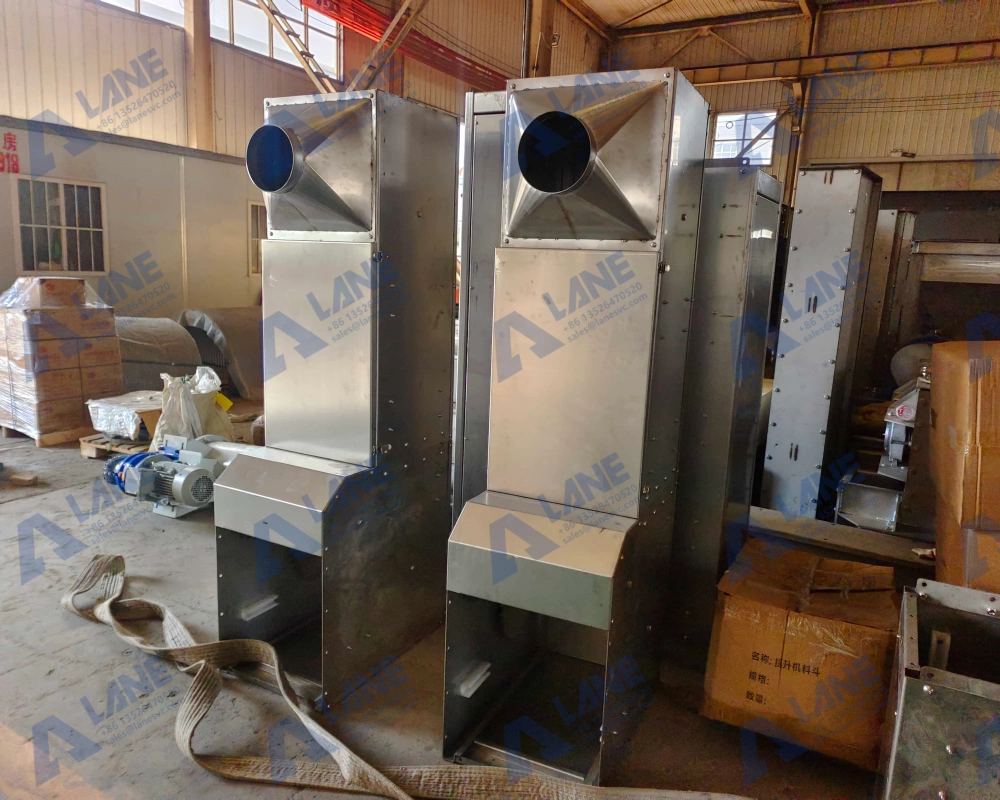
Key Design Advantages of Our Bucket Elevator for High Humidity Fertilizer Transport
Most standard bucket elevator builds are engineered purely for dry granular bulk materials. Our machinery includes targeted structural improvements built to handle the sticky physical traits of high humidity fertilizer found inside organic fertilizer manufacturing plants. Our engineering team completed dozens of continuous shift trials using genuine high-moisture feedstock before launching this optimized equipment variant.
Multiple Bucket Material Choices for Sticky Fertilizer Feedstock
When transporting high-moisture fertilizer, customers may choose between nylon hoppers and polished stainless steel hoppers. Compared to standard carbon steel hoppers used for dry materials, both options feature smooth inner walls that significantly reduce the risk of material build-up. We can also customize the hopper material to suit the specific raw material characteristics at each overseas fertilizer plant.
Modular Fully Sealed Outer Casing Assembly
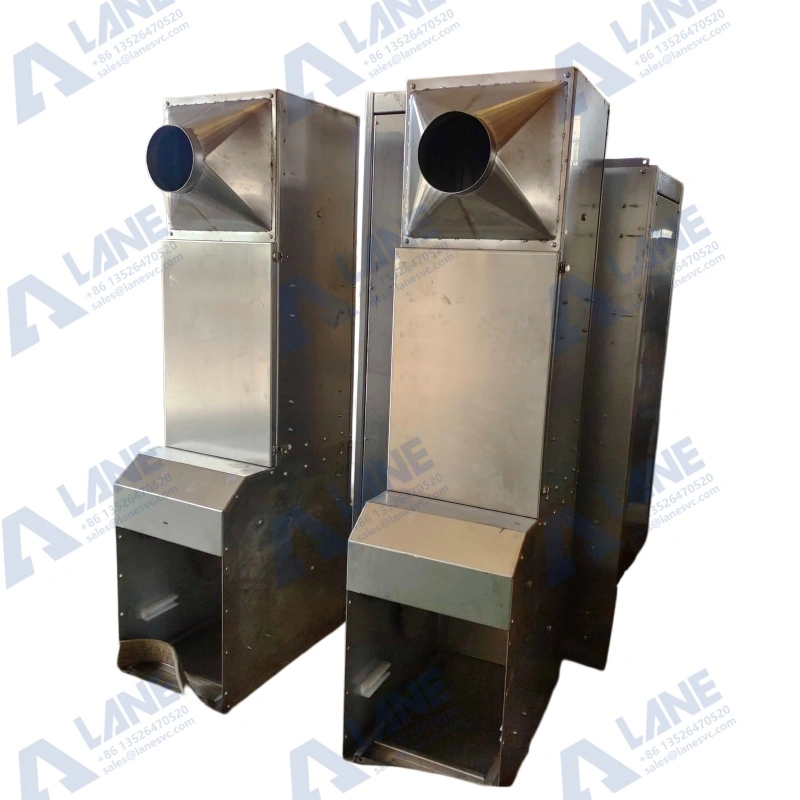
The whole set of bucket elevator adopts a modular closed shell, on the one hand to prevent the damp fertilizer fine powder from drifting out, and on the other hand to reduce the water vapor exchange between the workshop air and the material, and alleviate the tendency of the high humidity fertilizer to become sticky continuously. The sealed shell can also meet the strict environmental control requirements of many regions.
Adjustable Tension Hardware Mounted on the Tail Section
The tail of the equipment is equipped with a spiral tension mechanism, so on-site workers can flexibly fine-tune the tension of the chain and belt. Stable traction tension can avoid severe vibration and reduce the adhesion of high-humidity fertilizer squeezed on the inner wall of the hopper. Maintaining balanced tension can also extend the service life of the entire traction assembly.
| Model | Silo Volume(m³/h) | Max. Feed Size(mm) | Power(kw) | Silo Width(mm) | Silo Distance(mm) | Linear Velocity(m/h) |
|---|---|---|---|---|---|---|
| LAE-160 | 5.4/9.6 | 25 | 3 | 160 | 280 | 1.4 |
| LAE-250 | 12/22 | 35 | 4 | 250 | 360 | 1.6 |
| LAE-315 | 17/30 | 45 | 5.5 | 315 | 410 | 1.6 |
| LAE-400 | 24/40 | 55 | 7.5 | 400 | 480 | 1.8 |
| LAE-500 | 32/50 | 65 | 11 | 500 | 530 | 1.8 |
| LAE-630 | 40/60 | 75 | 15 | 630 | 600 | 2 |
Reasonable Speed Matching Tactics for Moving High Humidity Fertilizer
Pursuing the highest rotational speed alone is not an effective way to improve the production capacity of viscous fertilizer. The factory needs to set a reasonable operating speed, and at the same time, take corresponding adjustment measures to control the problem of material sticking to the bucket elevator. Blindly increasing the rotation speed often has the opposite effect on the transportation of high humidity fertilizer.
- Set Operating Speed Based on Raw Material Moisture Readings
Teams should test moisture levels of high humidity fertilizer regularly. Operators should maintain steady medium running speeds whenever material moisture rises above 30%. Avoid short sudden speed boosts, as extra movement compresses wet feedstock and makes sticking inside buckets much worse. Staff should log material moisture data to establish consistent speed guidelines for everyday production runs.
- Clear Away Residual Material During Shift Change Windows
Simplified bucket cleaning operations can be carried out during the group handover gap, and the fertilizer residues in high humidity should be removed in time before they form thick lumps. Regular light cleaning can avoid the need to stop the whole machine for large-scale cleaning after the formation of heavy accumulation. This simple operation specification can greatly reduce the heavy cleaning work later.
- Adjust Feeding Layout to Lessen Impact Compression
Add a guiding chute at the feed inlet to allow the high-moisture fertilizer to slide smoothly into the hopper. The vertical and violent impact of the material will squeeze the wet material, making it firmly adhere to the inner wall of the hopper. The gentle feeding mode can effectively reduce the risk of sticking. Many factories ignore the optimization of raw material form, and are plagued by the problem of continuous sticky material for a long time.
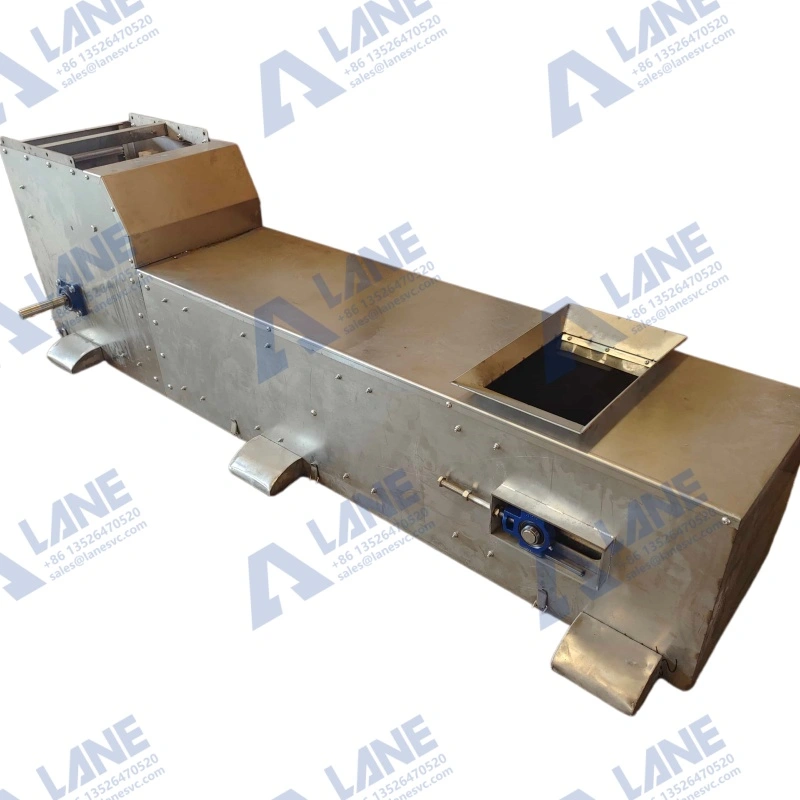
Optional Equipment Upgrades for Severe Material Adhesion Scenarios
If production lines continuously process highly sticky, high-moisture fertilizer, adjusting the operating speed alone is insufficient to fully resolve adhesion issues. However, several cost-effective structural modifications can be seamlessly integrated with our bucket elevator range and deliver significant performance gains. These upgrades require no major capital expenditure and can be retrofitted onto existing equipment.
- Install Auxiliary Discharge Stripping Plates at Machine Head
A flexible discharge scraper is installed near the unloading area, and the scraper gently sweeps the inner wall of the hopper every time the equipment completes a round of operation, scraping away the thin layer of high-moisture fertilizer that has been continuously attached and gradually accumulated. The installation of the scraper assembly does not require significant modifications to the main body of the machine.
- Select Deep or Shallow Bucket Styles According to Pellet Conditions
Loose granular high humidity fertilizer is suitable for deep hoppers; The shallow hopper is more effective when the fertilizer contains a lot of soft lumps. By matching the shape of the feeder, it can reduce the residue of the material in the discharge stage of the bucket elevator. After obtaining the customer’s raw material information, our technical team can recommend suitable hopper styles.
Closing Guidance for Stable Bucket Elevator Operation with High Humidity Fertilizer
There is a common misconception among workshop operators: the higher the rotational speed, the higher the conveying capacity. When dealing with high humidity fertilizer, exceeding the operating speed will continue to cause material adhesion, gradually reduce the actual conveying efficiency, and increase the daily maintenance workload.
Choosing a bucket elevator with reasonable configuration, combined with scientific operation speed control, can effectively inhibit the accumulation of viscous materials. The bucket elevator in this factory supports flexible structure selection and operation parameter adjustment, which can ensure the stable vertical transportation of various high humidity fertilizers. We provide technical guidance to customers all over the world and adjust the operation parameters of the equipment according to the actual production conditions in different regions.
LANE Group offers bucket elevators with multiple hopper material options and anti-adhesion upgrades for high-humidity fertilizer transport. Contact our technical team for speed recommendations and structural modifications tailored to your raw material conditions.