How Can a Bulk Material Handling Conveyor Improve Mining and Aggregate Transportation Efficiency?
Common Transportation Bottlenecks in Mining and Aggregate Production
When you walk around active mining and aggregate sites, transportation‑related troubles show up everywhere. These bottlenecks will not break your equipment directly, yet they slow down every downstream working procedure. Many plant crews get used to such status and never try to find better solutions.
Segmented production lines need workers to guide material dumping and re‑loading many times per shift. Heavy manual work brings higher labor payroll. Human mistakes also happen from time to time, such as wrong‑direction dumping or material overflow, which delay normal production progress.
> Segmented Conveying Causes Material Spillage and Resource Waste
Every transfer point is a risk point for mineral and aggregate materials. Hard granular ore and fine stone powder easily spill out during repeated dumping. Over long‑term running, cumulative material loss creates notable economic loss for mines and aggregate factories.
> Small Inclination Equipment Occupies Large Plant Space
Many old‑style conveyors can only run at small inclination angles. To finish vertical lifting work, operators have to lay out extremely long conveyor racks. This takes up valuable site land, leaves limited space for crushers, stockpiles and other supporting facilities.
> Discontinuous Operation Limits Overall Production Capacity
Truck fleets and multi‑segment transfer links cannot keep steady running speed. Waiting time for truck arrival, material re‑loading work will create frequent production pauses. Even high‑performance crushing machines cannot give full play to their rated processing capacity.
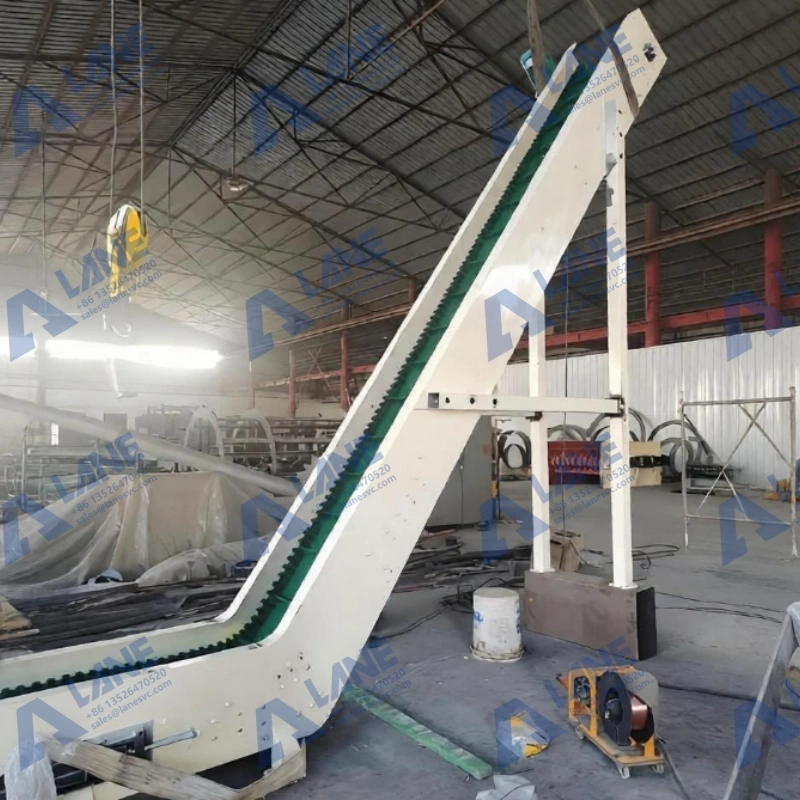
Core Structural Advantages of Heavy Duty Bulk Material Handling Conveyor
Working conditions at mines and aggregate sites are really tough. Dust, sharp hard stones and heavy material load put forward strict requirements for conveying hardware. Ordinary light‑duty conveyor products cannot stand such harsh working environment for long‑time operation.
> Wave Baffle and Diaphragm Structure Prevents Material Sliding
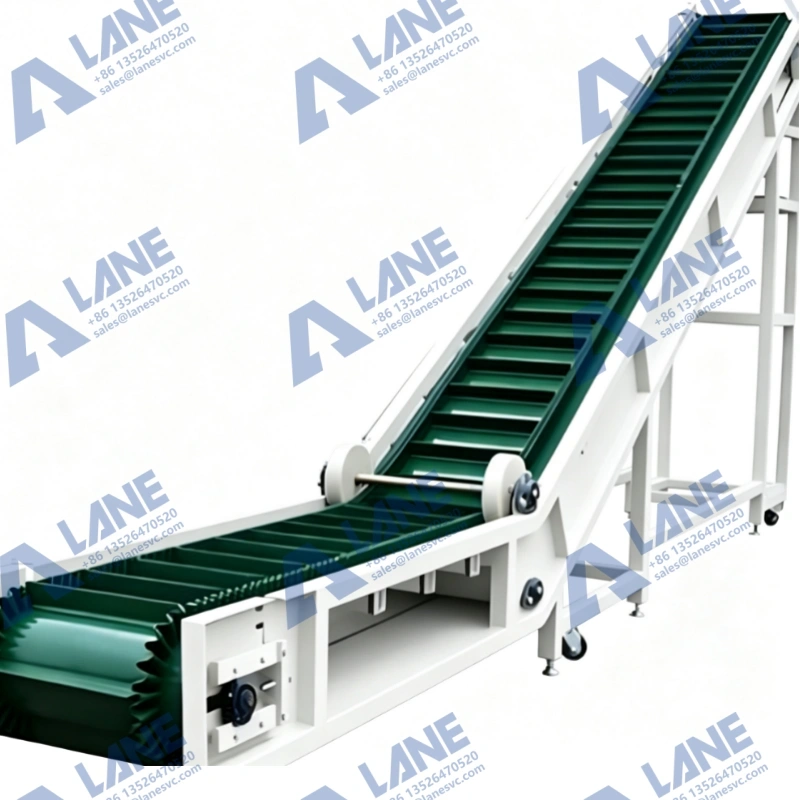
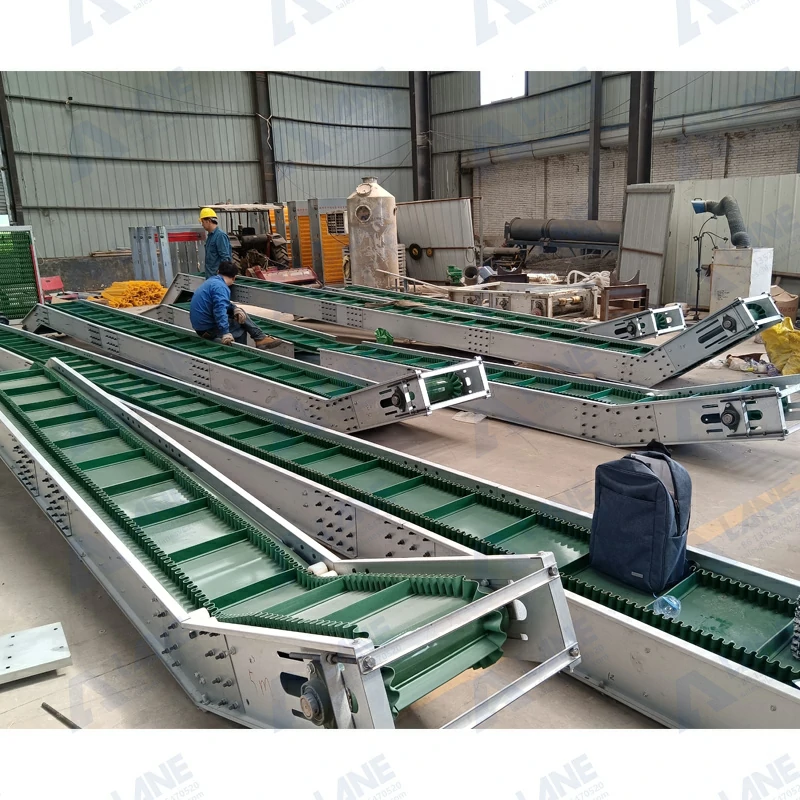
The wave‑shaped side baffles and partition diaphragms are built into the belt body. These structures hold loose ore and aggregate firmly on the belt surface. Even under steep conveying angles, granular materials will not slide backward down the slope.
> High‑strength Belt Body Adapts Hard Aggregate and Ore Materials
Our bulk material handling conveyor uses thick‑reinforced belt layers. Sharp crushed stones and coarse ore will not cut or scratch belt surface easily. It lowers belt replacement frequency under heavy‑load mining site conditions.
> Stable Drive System Supports Long‑hour Continuous Operation
Heavy‑load drive assemblies are configured for mining‑level working demands. The whole drive unit can keep running for multiple shifts without frequent shutdown for rest. This matches non‑stop production rhythm of modern mineral processing plants.
> Compact Integrated Design Saves Site Layout Space
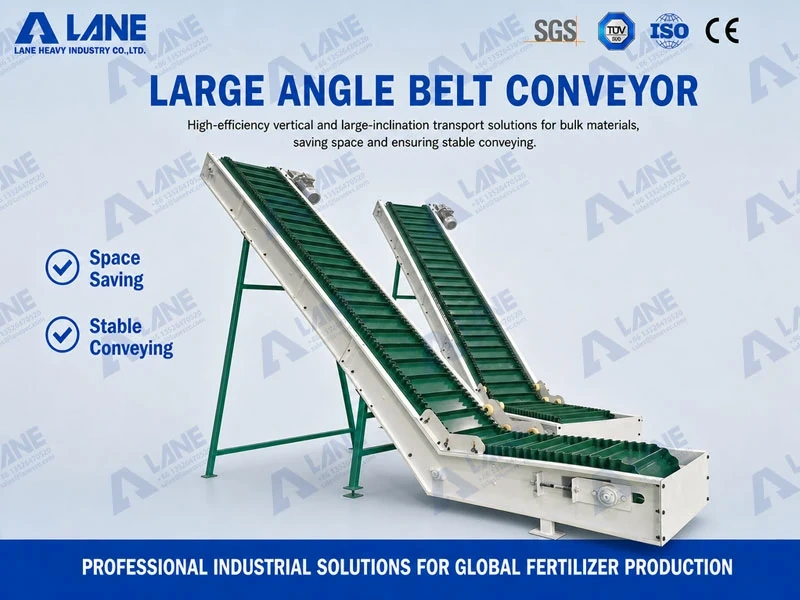
Thanks to high‑angle conveying capacity, the whole conveyor rack takes far less horizontal floor space. Plant designers do not need to reserve super‑long mounting zones. You can arrange crushers, screening machines and stock‑yard areas more reasonably within limited site land.
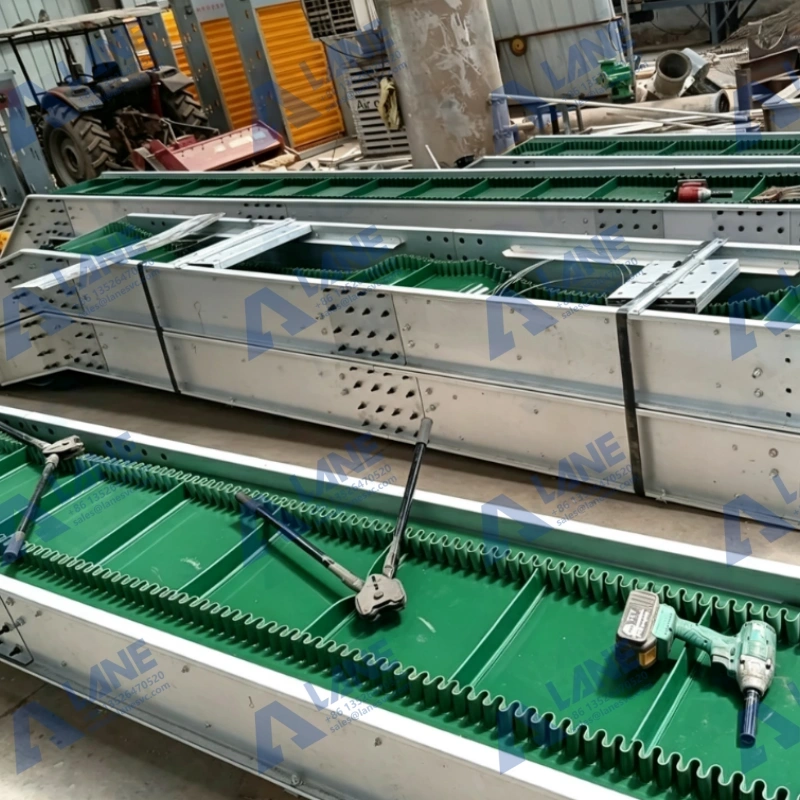
How Bulk Material Handling Conveyor Boosts Mining Transportation Efficiency
Mine production flows focus on continuous material circulation. If material cannot move smoothly from crushing area to stockpile zone, every upstream working step will get held up. Many site managers overlook how transportation decides real‑world output figures.
> Realizes Large‑capacity Uninterrupted Material Delivery
Well‑matched bulk material handling conveyor can keep steady material flow 24 hours a day. Material throughput stays stable without gaps caused by truck loading and waiting. The processing capacity of upstream crushing equipment can be fully released.
> Reduces Secondary Transfer Links and Shortens Process Flow
In many mine projects, one single heavy‑duty conveyor can finish material lifting and horizontal delivery in one pass. Plant builders cut out several intermediate dumping and re‑loading stations. Fewer transfer points mean fewer hidden troubles on production lines.
> High‑angle Conveying Shortens Equipment Layout Length
When you need to lift ore to a higher platform, high‑angle conveying helps you avoid laying many sections of low‑angle conveyors step by step. It simplifies site layout work and cuts overall equipment investment for whole transportation system.
> Low Operation Failure Rate Reduces Unplanned Downtime
Designed for heavy mineral raw materials, this type of conveyor has fewer vulnerable parts compared with truck fleets. If you stick to simple daily inspection, unexpected breakdowns happen rarely. Production will not be interrupted by frequent vehicle repair work.
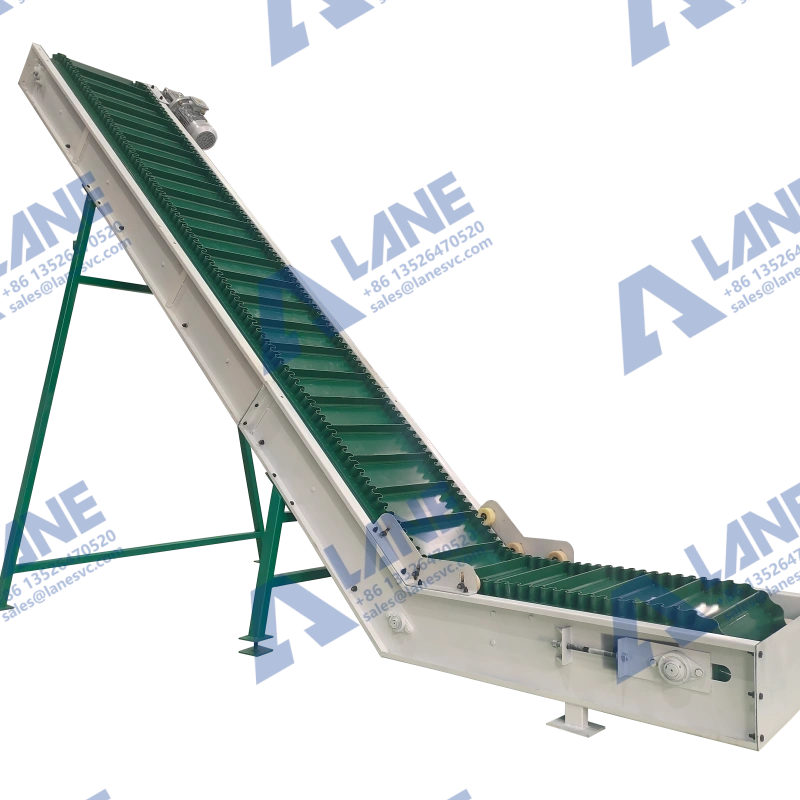
Efficiency Improvement of Bulk Material Handling Conveyor for Aggregate Processing
Aggregate crushing plants have their own special working characteristics. Raw stone goes through multi‑stage crushing, screening, finished‑grade separating. Material status changes constantly across different workshop sections. Conveying equipment must fit such changing working conditions.
> Synchronizes Crushing and Screening Work rhythm
The conveying speed of bulk material handling conveyor can be adjusted according to actual crusher output. Material feeding speed keeps pace with crushing and screening processing speed. It avoids material piling up at crusher feeding ports or screening machine discharge outlets.
> Reduces Fine Powder and Aggregate Spillage Loss
Sealed side baffle structure holds stone powder and graded aggregate inside belt coverage range. During transportation, fine powder will not fly everywhere, and finished‑size stone particles will not drop off from conveyor sides. It lowers raw‑material loss for aggregate factories.
> Steady Feeding Improves Overall Processing Consistency
Stable and continuous material supply makes screening and crushing work run under constant load. Material particle size after crushing stays more consistent. Plant operators get more qualified finished aggregate for sales.
> Simplifies Finished Aggregate Stockpiling and Transportation
Finished aggregate can be sent directly to stock‑yard area through the bulk material handling conveyor. You do not need extra truck shuttling between processing workshop and storage zone. Finished‑product stockpiling work becomes much simpler for site crews.
| MODÈLE | CAPACITÉ (M³/H) | LARGEUR DU CONVOYEUR À BANDE (MM) | LARGEUR TOTALE (MM) |
|---|---|---|---|
| LAD-300 | Angle d’inclinaison 30° bord de retenue 40/60 : 14/15m³/h Angle d’inclinaison 45° bord de retenue 40/60 : 10/11m³/h Angle d’inclinaison 60° bord de retenue 40/60 : 7/8m³/h |
300 | 480 |
| LAD-400 | Angle d’inclinaison 30° bord de retenue 60/80 : 20/34m³/h Angle d’inclinaison 45° bord de retenue 60/80 : 14/26m³/h Angle d’inclinaison 60° bord de retenue 60/80 : 10/18m³/h |
400 | 580 |
| LAD-500 | Angle d’inclinaison 30° bord de retenue 80/120 : 46/71m³/h Angle d’inclinaison 45° bord de retenue 80/120 : 35/57m³/h Angle d’inclinaison 60° bord de retenue 80/120 : 25/40m³/h |
500 | 870 |
| LAD-650 | Angle d’inclinaison 30° bord de retenue 120/160 : 104/120m³/h Angle d’inclinaison 45° bord de retenue 120/160 : 83/97m³/h Angle d’inclinaison 60° bord de retenue 120/160 : 58/69m³/h |
650 | 1020 |
| LAD-800 | Angle d’inclinaison 30° bord de retenue 120/160/200/240 : 128/157/195/235m³/h Angle d’inclinaison 45° bord de retenue 120/160/200/240 : 102/127/157/195m³/h Angle d’inclinaison 60° bord de retenue 120/160/200/240 : 72/90/112/142m³/h |
800 | 1220 |
| LAD-1000 | Angle d’inclinaison 30° bord de retenue 120/160/200/240 : 172/216/267/327m³/h Angle d’inclinaison 45° bord de retenue 120/160/200/240 : 137/175/216/271m³/h Angle d’inclinaison 60° bord de retenue 120/160/200/240 : 96/124/153/197m³/h |
1000 | 1400 |
| LAD-1200 | Angle d’inclinaison 30° bord de retenue 160/200/240/300 : 275/331/419/466m³/h Angle d’inclinaison 45° bord de retenue 160/200/240/300 : 222/267/347/384m³/h Angle d’inclinaison 60° bord de retenue 160/200/240/300 : 158/190/253/378m³/h |
1200 | 1690 |
| LAD-1400 | Angle d’inclinaison 30° bord de retenue 160/200/240/300/400 : 319/395/500/564/794m³/h Angle d’inclinaison 45° bord de retenue 160/200/240/300/400 : 258/318/414/465/680m³/h Angle d’inclinaison 60° bord de retenue 160/200/240/300/400 : 184/226/302/337/524m³/h |
1400 | 1890 |
Labor and Cost Saving Benefits of Bulk Material Handling Conveyor
Many site owners only calculate equipment purchase cost at the very beginning. They ignore long‑term running expenditure created by trucks and manual workers. If you count labor, fuel and material loss together, traditional transportation modes bring high hidden costs year by year.
> Reduces Manual Handling and On‑site Labor Allocation
After switching to continuous mechanical conveying, sites no longer need many workers for material dumping, guiding and re‑loading. Plant managers can cut labor posts for material transfer work, and assign workers to equipment inspection and maintenance tasks instead.
> Cuts Truck Transportation Fuel and Maintenance Costs
Fewer shuttle‑run trucks mean lower fuel consumption. You also spend less money on truck tire replacement, engine maintenance and vehicle repair work. For medium‑and‑large‑scale mines, such cost saving becomes quite obvious in one production year.
> Minimizes Material Waste to Improve Raw Material Utilization
Less spillage at transfer points helps factories make full use of mined ore and quarried stone. Valid finished‑product yield rises. Factories can get more saleable aggregate from the same amount of raw mineral materials.
> Low Energy Consumption Reduces Long‑term Operating Expenses
Compared with multiple heavy‑duty trucks, the power consumption of bulk material handling conveyor stays at a relatively low level. After long‑time running, the difference of energy‑related expenditure will be reflected on plant cost‑counting sheets.
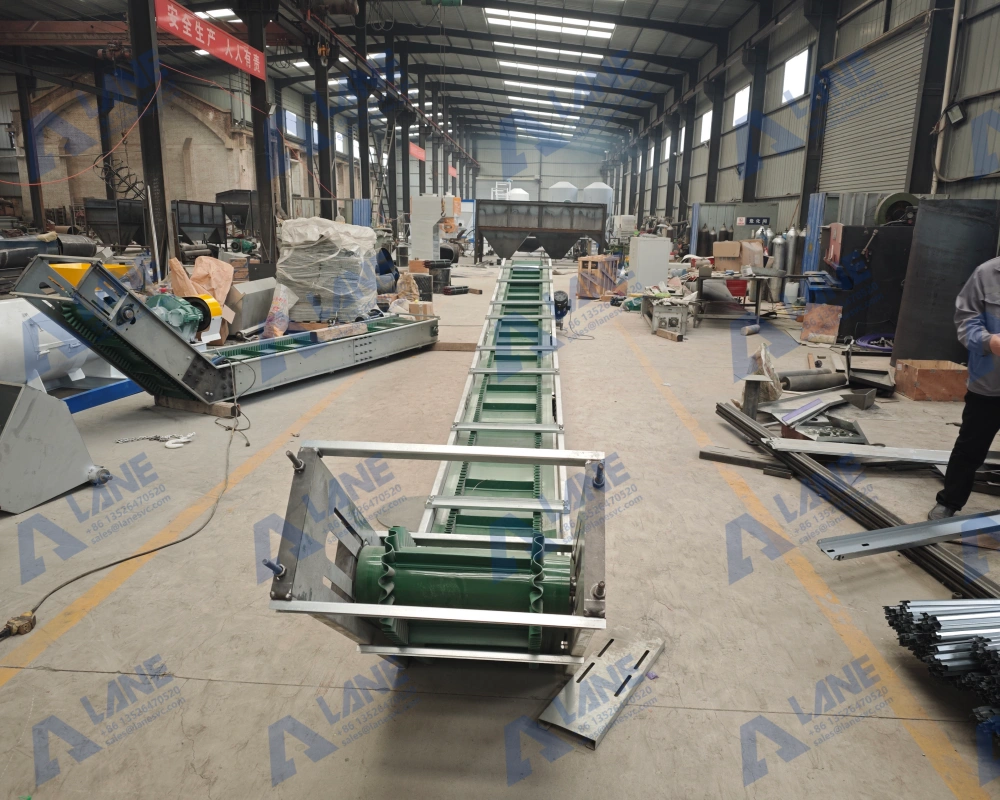
Practical Application Tips to Maximize Conveying Efficiency
Even high‑quality conveyor hardware cannot deliver ideal performance with wrong installation or improper daily operation. From my field service experience, small‑scale mis‑adjustment is the main cause of efficiency drop for most conveyor systems.
> Match Conveying Angle According to On‑site Terrain
Do not pursue larger inclination blindly. Confirm ore particle size, bulk density and actual terrain condition first. Set proper lifting angle, to prevent material rolling or sliding during conveying process.
> Keep Uniform Feeding to Avoid Overload and Blockage
Sudden surge of incoming material will overload conveyor belts and drive units. Cooperate with feeding machines to keep steady material flow. Avoid large piles of raw material dropping onto the conveyor belt in a short time.
> Regularly Clean Belt and Idler Adhered Materials
Sticky fine ore powder will stick to belt surface and idler rollers. If these deposits build‑up for a long time, they will change belt running track and bring extra load. Arrange regular cleaning work in daily site maintenance schedule.
> Inspect Drive System to Ensure Stable Power Output
Check drive motor, reducer and tension parts on a routine basis. Loose bolts or aging sealing components will weaken power output. Timely minor repairs can prevent unexpected efficiency drop in continuous production cycles.
FAQ
Many mine project managers and aggregate plant supervisors come to me with practical questions about bulk material handling conveyor. They care about material adaptability, capacity data and daily maintenance requirements. Below are five real‑world questions collected from our past project cases.
A1: It works well for crushed ore, quarry aggregate, coal, gravel and other heavy granular bulk materials. Material lump size, weight and stickiness should be checked before final model selection, to make sure the conveyor matches your actual working conditions.
A2: Specific improvement varies from site to site. For projects replacing segmented truck transportation, many customers see 20‑40 % growth of effective output, since waiting and transfer‑related downtime gets greatly reduced.
A3: The maximum angle depends on material features. With wave baffle belt structure, typical working angle can reach up to 90 degrees, but real‑world mine projects mostly adopt 30‑60 degrees for stable long‑term running.
A4: It is good for medium‑distance fixed‑route material transfer. For super‑long‑distance flexible transportation, truck fleets still have their own advantages. Our technical team will compare both schemes for your site during project consulting.
A5: Focus on four core points: keep uniform feeding, clean adhesive material on belt and idlers, check drive and tension condition, and replace worn‑out wearing parts in advance. Simple daily checks can avoid most efficiency‑loss faults.
Conclusion
Mining and aggregate processing sites face unique transportation challenges. Old‑style truck‑relying and segmented conveying modes bring lots of hidden troubles including high labor cost, material spillage and frequent production pause. The bulk material handling conveyor delivers continuous large‑volume material transfer, supports steep‑angle layout and cuts intermediate transfer stations. It helps mines and aggregate plants cut labor expense, reduce raw‑material waste and lower overall operating costs. Still, equipment performance cannot stand alone. Proper model selection, site‑adapted installation and routine inspection work together to sustain high‑level production efficiency. Plant operators should match conveyor parameters with real‑site material and terrain conditions, to get maximum return from this set of conveying equipment.