How Does Compost Cover for Rain Protect Organic Waste During Stormy Weather
  • By LANE
  • 22/08/2026

Heavy rain is one of the most common threats to open‑air composting for farms, livestock operations and organic fertilizer plants. A compost pile that maintains good texture under dry conditions can turn wet, heavy and sticky once storms arrive. Rainwater seeps down from the top, fills voids between organic fragments, and cuts off the airflow required for stable aerobic composting. This is where a compost cover for rain delivers real‑world value for outdoor windrow systems.
Many facility operators mistakenly believe rainfall only wets the top layer of compost. In reality, continuous downpours drive moisture deep into the pile body. Without reliable protection from a compost cover for rain, excess water destroys the balance of moisture and oxygen, slows microbial breakdown, and creates extra work for on‑site crews. From an equipment operator’s point of view, it is far easier to block excessive rainwater with a compost cover for rain before damage occurs than to rescue a fully saturated compost pile afterwards.

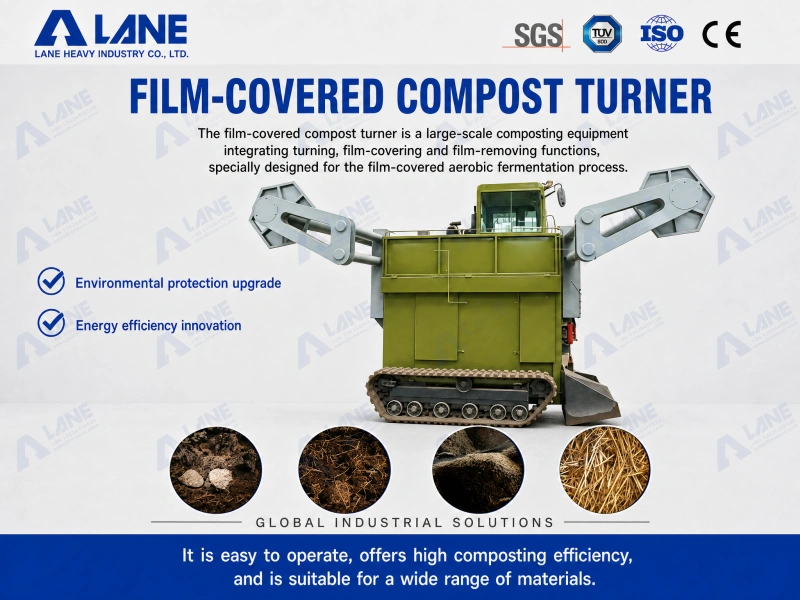
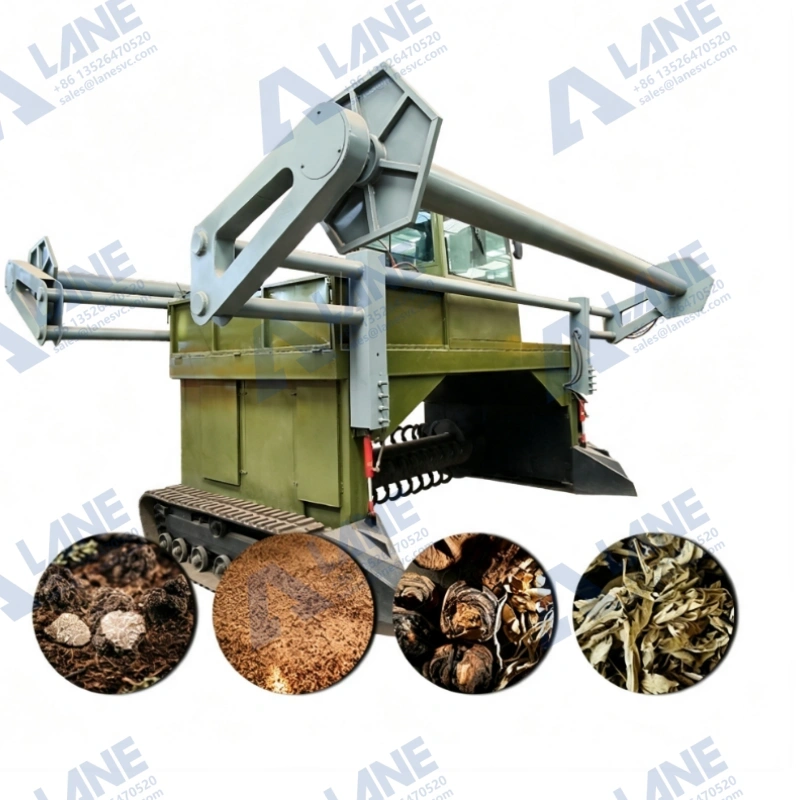
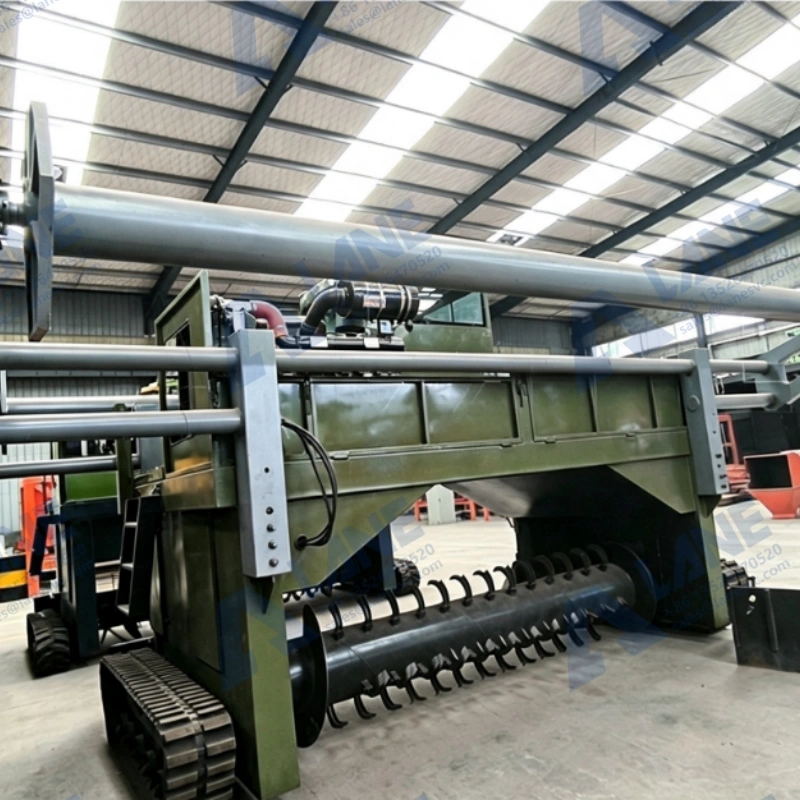
Compost Cover for Rain, film covered compost turner

What Happens to a Compost Pile During Heavy Rain

Organic waste carries inherent moisture even before composting begins. Manure, food scraps, and fresh crop residues hold large volumes of natural water, which supports microorganism reproduction. Under normal conditions, operators adjust turning frequency to keep moisture within the ideal working band.

When heavy rainfall adds large volumes of external water, the pile quickly drifts outside its target moisture range. The first visible symptom is soaked surface material. After repeated storms, the wet zone expands deeper inside the windrow. Fine organic particles clump together, and the loose porous structure collapses entirely. Managing compost in rainy conditions becomes extremely challenging without a compost cover for rain in place.
> Why Does Heavy Rain Make Compost Too Wet

Rainwater flows downward through loose compost and gets trapped within organic material. When moisture levels spike, particle gaps become completely filled with water. Those gaps are critical, as they allow fresh oxygen to circulate throughout the windrow.

Once saturation sets in, oxygen struggles to penetrate inward. Aerobic fermentation slows significantly, decomposition becomes uneven, and the whole pile grows difficult to process. A compost cover for rain limits incoming precipitation and helps keep pore spaces available for air movement.
> Why Can a Compost Pile Turn Into Mud

Risk rises sharply when feedstock contains high shares of fine, sticky particles. Animal manure serves as a typical example. Manure‑based compost already tends toward high moisture. After hours of heavy downpour, exposed surfaces turn soft and muddy.
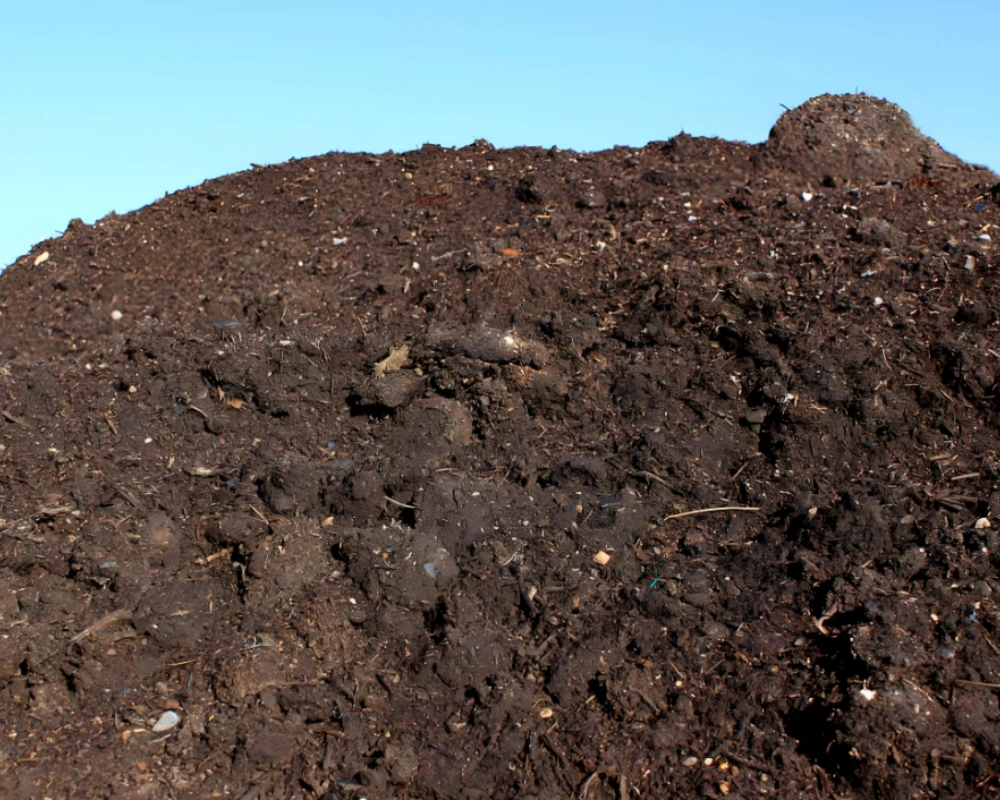
Operators then face practical operational trouble: muddy material resists turning and cannot transport smoothly along conveyors. A compost cover for rain reduces this risk by stopping most rainwater from touching the windrow surface in the first place.

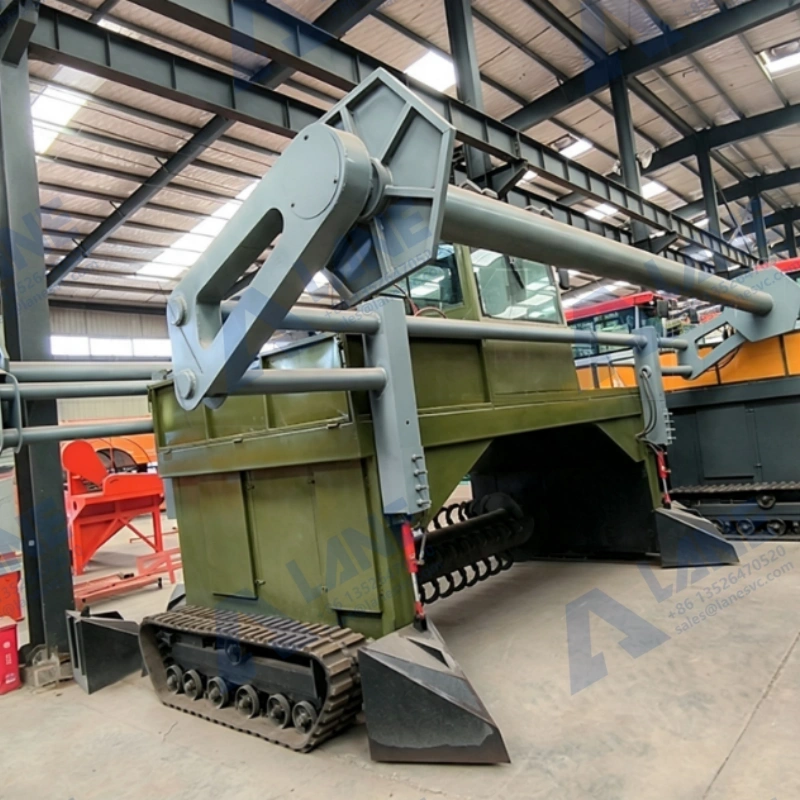
Compost Cover for Rain, film covered compost turner

How Does a Compost Cover for Rain Reduce Water Entry

The working principle of a compost cover for rain is practical and easy to understand. The protective material lays over top of compost windrows. It intercepts falling rain and channels runoff away from organic waste instead of letting water soak straight into the pile. This function proves especially valuable during sudden storms and extended wet seasons.
It is important to understand that a compost cover for rain cannot solve every single moisture‑related problem on its own. Its core function is blocking unwanted external rainwater. The native moisture contained inside raw feedstock still needs proper management through regular turning and aeration workflows. A compost cover for rain works as one key component within the full compost management system.
> Does Covering the Compost Mean the Pile Will Stay Completely Dry

The objective of using a compost cover for rain is not producing bone‑dry compost. Composting processes require baseline moisture to keep microbes active. Real trouble arises when outside rainfall pushes total moisture far above acceptable limits.

A compost cover for rain holds back most rain‑driven moisture spikes. Operators still carry out turning, aeration and material blending to fine‑tune internal conditions. The cover removes the biggest external variable so that routine process adjustments deliver predictable results.
> Why Is a Compost Cover for Rain More Useful Before a Storm

Repairing a water‑logged compost pile costs considerable time and labor after rain has already done damage. Operators may need multiple turning cycles, blending in dry bulking agents, or even mechanical dewatering to bring moisture back into range.
That explains why a compost cover for rain acts primarily as preventive equipment. Deployed ahead of bad weather, it avoids saturation before it develops. Waiting until after flooding occurs means accepting avoidable losses in both time and compost quality.

Compost Cover for Rain, film covered compost turner

Can Turning Help After Heavy Rain

A compost cover for rain blocks new incoming rainfall, yet it never replaces regular turning operations. Compost windrows still demand internal oxygen supply, and moisture must distribute evenly rather than pooling inside isolated sections. A compost turner blends overly wet zones together with drier material and rebuilds porous structure.

> How Does a Compost Turner Improve Moisture Distribution

Commonly, rain soaks the upper surface while deeper layers remain comparatively dry. Left untouched, this uneven moisture profile persists for weeks. Turning mixes saturated surface material with drier inner portions of the windrow. Meanwhile, mechanical agitation opens compacted layers and restores internal airflow.

For farms and organic waste facilities, the combined workflow makes perfect sense. A compost cover for rain keeps fresh rainwater off the pile, and the compost turner balances whatever moisture already exists within organic waste.
> Should Operators Turn an Exposed Pile During a Storm

Not always. If heavy rain is still falling, turning uncovered compost exposes more raw material to precipitation. This action worsens overall moisture issues. Best practice is securing the windrow with a compost cover for rain first, then performing turning work when weather conditions improve.

What Equipment Can Work Before Composting

Rain protection supplied by a compost cover for rain represents only one segment of organic waste treatment. Pre‑processing feedstock quality also shapes final compost output.
Wet food waste carries large volumes of free liquid. A dewatering machine removes excess free water before material enters windrow composting.
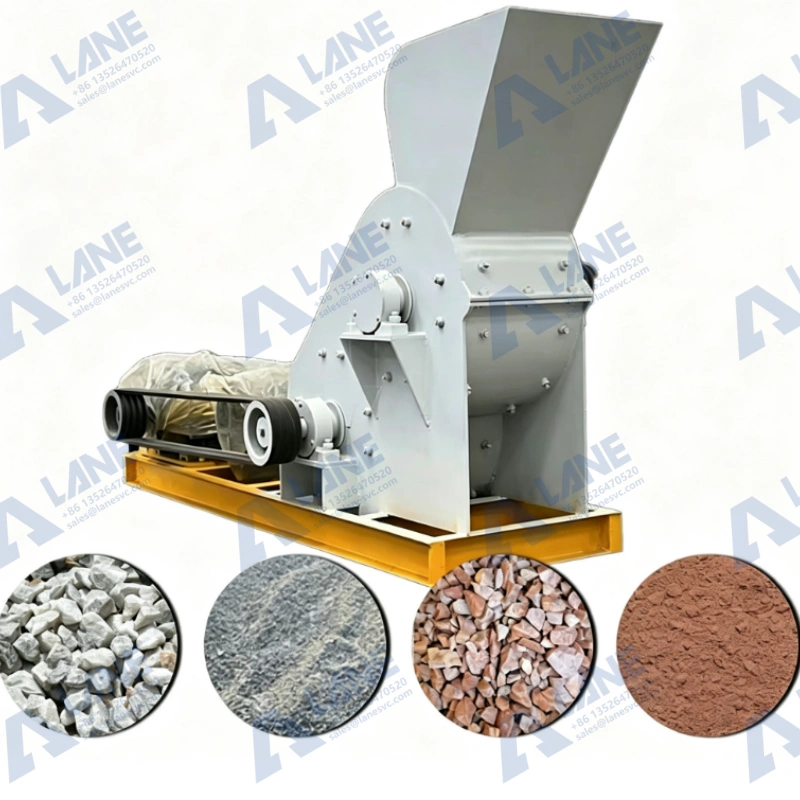
A crusher handles oversized lumps and cuts raw material down to suitable particle size.

A conveyor transfers processed material across different work stations.

For uneven feedstock, a mixer blends materials of varying moisture content to create homogeneous input.

None of these machines take the place of a compost cover for rain. Instead, they optimize material conditions before composting even begins.
Model LACF-4200
Turning width ≤4.22 m
Turning height 1.6–1.9 m
Maximum processing capacity 3800 m³/h
Adapted power 260 kW (Diesel engine driven)
Overall dimensions 7350×4650×4770 mm (L × W × H)
Lamination speed 15 minutes per tank (50-meter standard tank)
Applicable temperature range The area above -30℃
Adaptation scale ≥10000tpa Organic fertilizer plant

Hammer Crusher

What Equipment Can Follow the Composting Process

Once fermentation finishes, mature compost becomes feedstock for further fertilizer manufacturing. Multiple devices integrate according to target finished goods.
  • A screening machine sifts out oversized fragments and grades compost by particle dimension.
  • If finished compost still holds excessive moisture, a fertilizer dryer reduces water content.
  • Dried material requires cooling prior to storage, granulation or bagging.
  • When granular organic fertilizer is the target product, a fertilizer granulator forms uniform pellets.
  • A hot blast furnace delivers hot air required for drying workflows.
  • At the final stage, a fertilizer packing machine completes weighing and bagging.
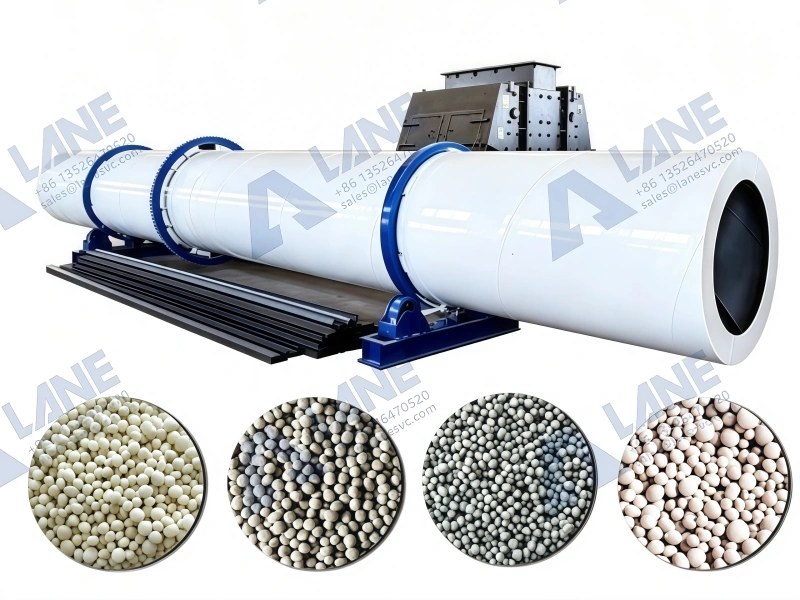
This sequence connects rain‑shielded composting (supported by a compost cover for rain) to a complete organic fertilizer production line.
Organic Fertilizer Pellet Cooling, rotary cooler

How Should Farms Manage Compost During Rainy Weather

Facilities ought not wait for storm alerts to inspect compost zones. Ahead of rainy seasons, operators inspect whether each compost cover for rain fits windrows properly, and verify that ground drainage pathways stay unobstructed. The composting yard must reserve enough space for turning and material movement.

After heavy rain passes, inspect surface conditions first. Where surfaces turn muddy, check how far moisture has penetrated inward. Evaluate overall material moisture and physical structure. If piles grow densely compacted, turning will rebuild essential air voids.
> Why Is Drainage Still Important Under a Compost Cover for Rain

A compost cover for rain blocks direct rainfall, yet surrounding ground water still poses risk. Surface runoff from roofs, roads or surrounding soil can flood compost zones when drainage systems perform poorly. Successful rainy‑season compost management combines a compost cover for rain above windrows plus functional site drainage around working areas.
Exact drainage solutions adapt to local site geography and regulatory requirements.
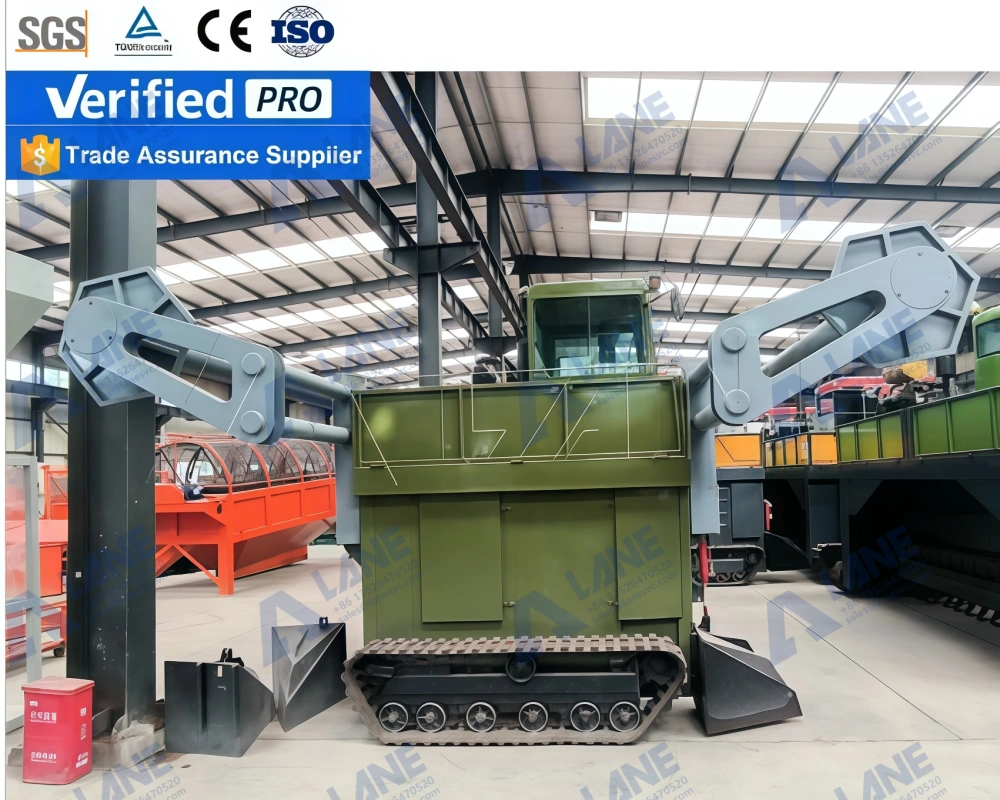
Compost Cover for Rain, film covered compost turner

Common Questions About Protecting Compost From Rain

 1. Can a Compost Cover for Rain Stop All Rainwater

A properly fitted compost cover for rain greatly cuts direct rain infiltration, but operators cannot treat it as the sole moisture‑control measure. Raw feedstock must hold reasonable baseline moisture, and windrows still demand routine process management.

2. What Should I Do If the Compost Is Already Too Wet

First check the depth of water penetration throughout the windrow. Turning redistributes soaked material. Where free liquid remains abundant, mechanical dewatering delivers tangible benefits. Adding compatible dry organic bulking material works as another feasible option whenever production workflows permit.

3. Can a Farm‑Used Compost Cover for Rain Be Used for Animal Manure

Yes. A compost cover for rain delivers outstanding value for manure composting work. Manure‑rich windrows turn heavy and water‑logged easily under sustained rainfall. The compost cover for rain blocks extra incoming water, while compost turners handle material mixing throughout fermentation cycles.

4. Does Heavy Rain Stop Composting

Not necessarily. The deciding factor stays whether moisture and oxygen stay within acceptable ranges. Saturated, poorly aerated piles develop unstable anaerobic fermentation. Using a compost cover for rain minimizes this risk factor.

5. Is Compost Protected by a Compost Cover for Rain Suitable for Fertilizer Production

It can be. After composting finishes, material moves onward through screening, drying, cooling, granulation and packing steps as feedstock and product specifications allow. So protection from rain via a compost cover for rain brings benefits not only for composting itself, but for the full organic fertilizer manufacturing chain.

Final Takeaway: Protect the Pile Before Rain Creates a Bigger Problem
Heavy rain can quickly transform well‑behaved compost into wet, hard‑to‑handle material. Excess water destroys internal airflow, increases compaction, creates muddy surfaces and disrupts normal microbial fermentation. A compost cover for for rain offers simple, practical primary protection. It limits new rainwater entering organic waste windrows.
Proactive moisture management must follow alongside physical covering. Compost turners redistribute wet and dry fractions of material. Dewatering equipment addresses surplus free liquid before composting starts. Conveyors and mixers streamline material handling tasks. Post‑fermentation equipment including screeners, dryers, coolers, granulators and packing machines link compost output to finished fertilizer goods.
For farms and organic waste treatment sites, the core logic remains straightforward: keep unnecessary rainwater out by deploying a compost cover for rain. Then leverage matched equipment to govern moisture, oxygen and fermentation conditions inside each windrow. That is how a compost cover for rain evolves from a simple protective sheet into a core component of stable, predictable composting operations.
Compost Cover for Rain, film covered compost turner