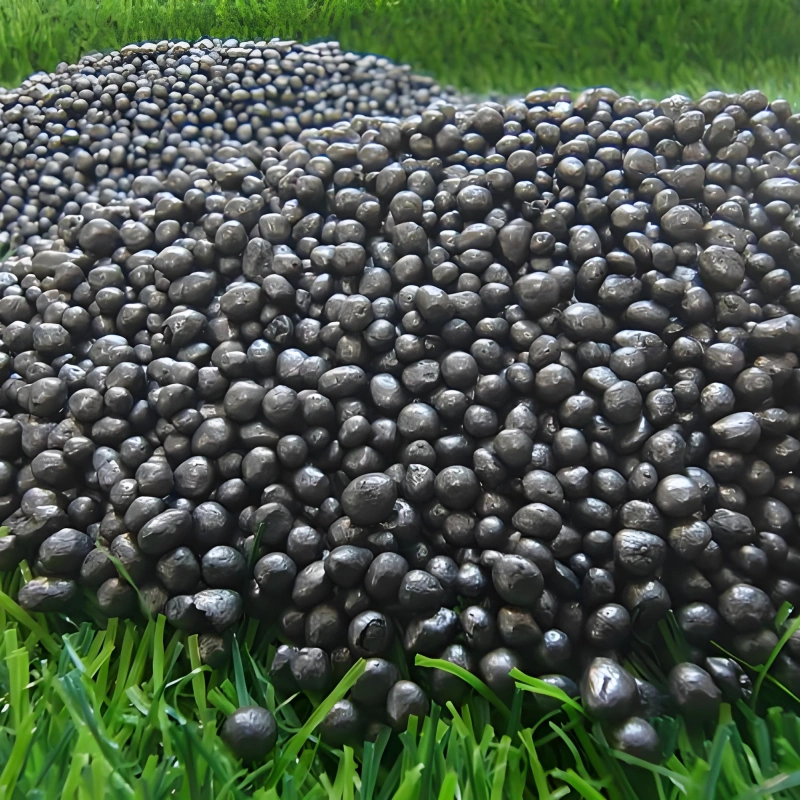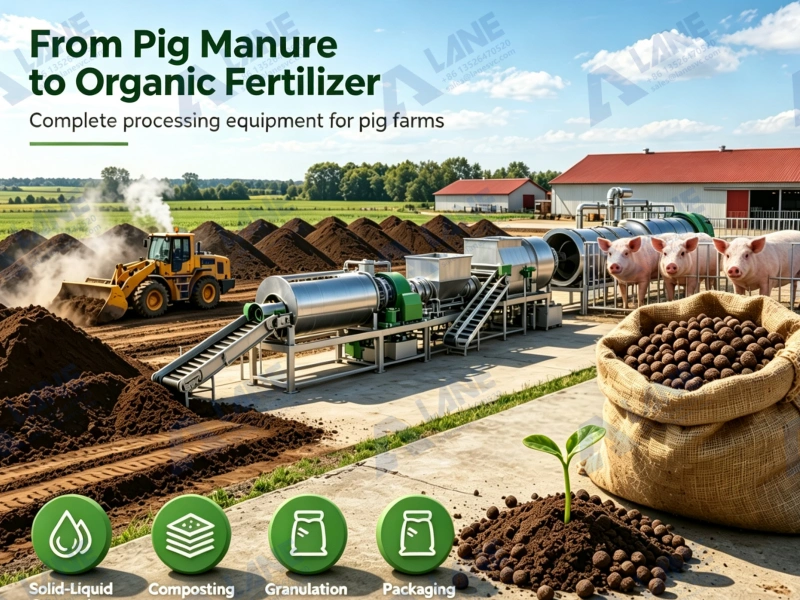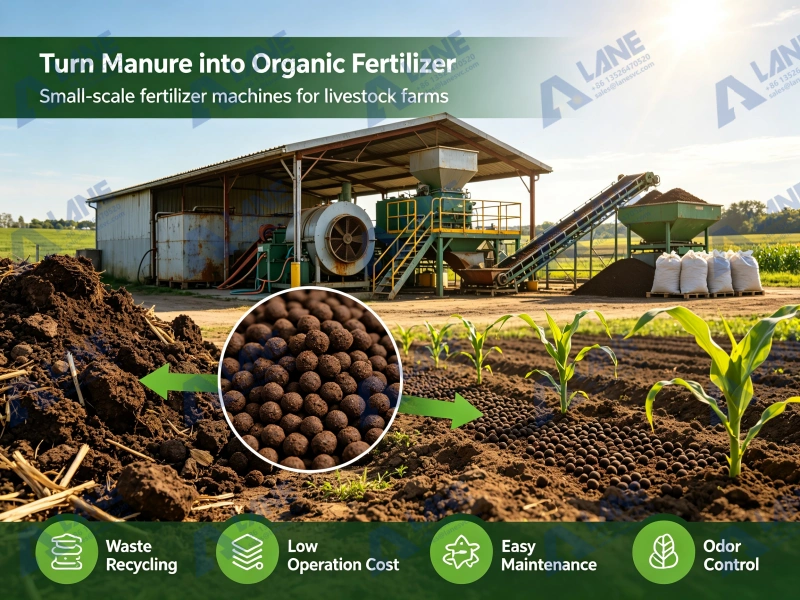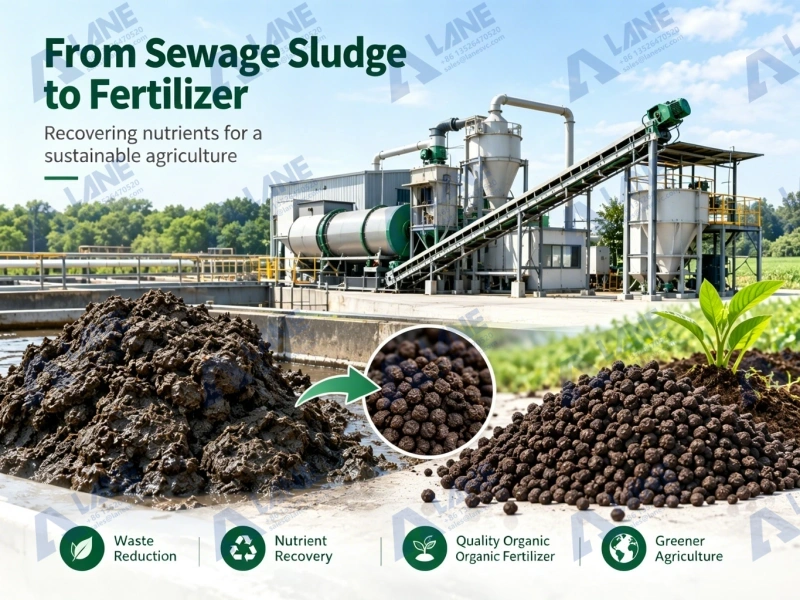
lawn fertilizer making machine:Produce Premium Turf-Grade Organic Pellets
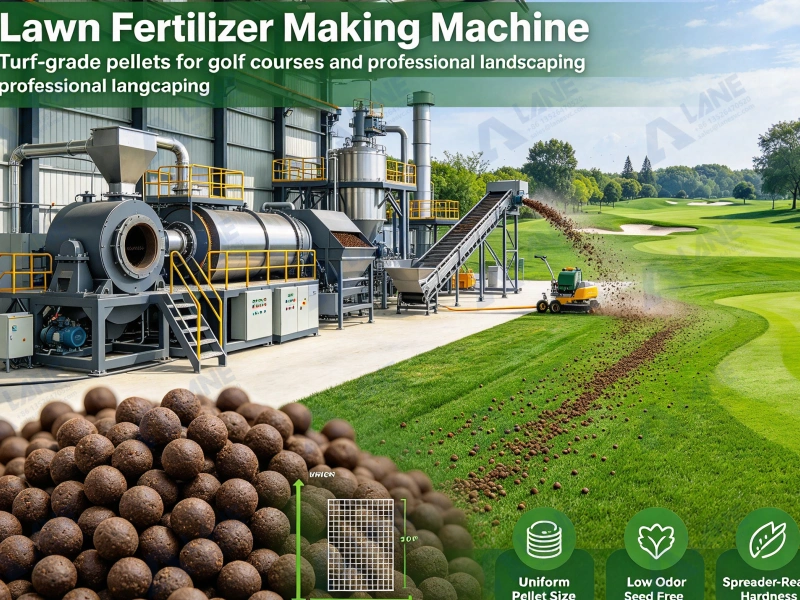
The global turf market is growing. Golf courses, football stadiums, commercial landscaping, and high-end residential lawns all need organic fertilizer. These buyers are picky. They will not accept pellets with odor, weed seeds, or uneven size. And they will not keep buying from suppliers who cannot hold a consistent standard.
Here is the problem with most equipment content today. It describes the same process: crush, mix, granulate, dry, cool, screen, pack. The process is real, but it does not answer the question that actually matters. What makes turf-grade organic fertilizer different from ordinary organic fertilizer?
The short answer is this: turf fertilizer must be suitable for lawn application. A lawn fertilizer making machine should not only make fertilizer pellets; it should make pellets that are suitable for lawn application. That single sentence changes how you choose equipment, how you set your process, and how you price your product.
Turf-Grade Fertilizer and Lawn Fertilizer Making Machine
Standard farm organic fertilizer line → Allow particle range: 2–5 mm Low production cost, but cannot meet turf fertilizer standards
Turf fertilizer core requirements:
✅ Even spreading over large areas
✅ Pellet strength: Resist breaking in high-speed spreader
✅ Controlled nutrient release → Prevent turf burn
Research conclusion: Particle size distribution decides spreading uniformity Common general granulator → Produce fines + mixed-size pellets Fine particles eject faster, big pellets roll away → Patchy turf
lawn fertilizer making machine evaluation rule: Granule quality > motor power / steel thickness Turf buyer’s 3 acceptance indicators:
• Low odor
• Zero viable weed seeds
• Narrow particle distribution
Dedicated lawn fertilizer making machine → Integrated modules to hit all indicators
Non-compliant batch → Full rejection by buyers
Granule Size and Uniformity
Benchmark turf pellet specifications
• German commercial turf fertilizer → 2–4 mm, NPK 7+3+13
• This size → balances uniform spreading and dust suppression
• Premium golf turf projects → prefer 1.5–3 mm micro-pellets, fit high-speed spreaders
Risks from improper pellet size
• Oversized pellets → bounce or roll away during spreading
• Wide size variation → uneven nutrient delivery in one pass
• Excess fine powder → operator irritation + raw material waste
• Consistent particle size → stable application rate & coverage
Limitations of general granulator
• Many ordinary granulators list output ranges: 0.3–3 mm or 3.5–6 mm.
• A stated range on its own offers little real insight.
• Two granulators may look similar on paper, but finished pellets can vary drastically.
• Evaluate particle distribution stability, not only the advertised size interval.
• Verify granulation zone stability and screening capacity during equipment comparison.
Core advantage of the lawn fertilizer making machine
• Stable granulation + reliable screening → maintains tight particle distribution.
• This practical performance gap sets it apart from basic granulators.
• Turf buyers rely on the lawn fertilizer making machine to keep batch-to-batch consistency.
• Uniform pellets bring superior spreading performance, the core value customers pay for.
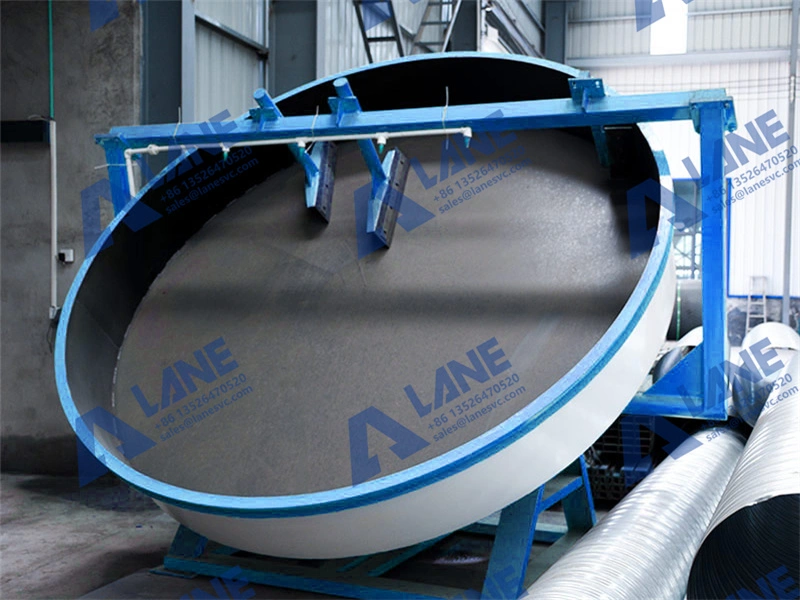
Moisture Control and Pellet Quality
Moisture is one of the most frequently cited parameters in equipment brochures, yet it is also widely misunderstood. Vendors quote many different ranges: 20–40%, 25–35%, 30–35%, and some models list 35–45%. Every range can be valid for a specific raw material blend, but it is wrong to assume all organic fertilizer must hit one fixed moisture percentage.
Factors determining proper moisture window
• Raw material characteristics
• Final fertilizer formulation
• Selected granulation method
The target moisture range depends on these three variables. A well-designed lawn fertilizer making machine, like the units built by Lane, is engineered around a defined operating moisture window. You need to pay attention to how the unit performs when material sits near either edge of that window.
Problems triggered by out-of-range moisture
• Too much moisture → sticky material, pellet agglomeration, tough screening, higher drying load
• Too little moisture → weak pellet formation, reduced throughput, extra fine powder
Moisture content also affects final granule size, which is why our team always reviews your feedstock before recommending a layout. The base frame of the lawn fertilizer making machine can be fitted with roller, disc or drum granulation assemblies to accommodate different inputs.
Lane’s flexible design philosophy allows these swaps without major rework to the main line.
When comparing suppliers, ask about the machine’s moisture tolerance and how it handles material wetter or drier than the ideal value. A lawn fertilizer making machine is only as good as how well its moisture operating range matches your raw material.
NPK and Raw Material Matching
Turf fertilizers are usually defined by their N-P-K. Nitrogen drives leaf growth and green color. Phosphorus supports root development. Potassium boosts turf stress resistance and matters most for autumn fertilization. The 7+3+13 blend we referenced works well for fall turf maintenance, with elevated potassium content.
Common organic raw material options
• Poultry, cow, sheep, or pig manure → supplies organic matter and nutrients
• Compost → boosts organic content and soil conditioning properties
• Plant residues and straw → serves as carbon source for composting
• Peat or cake fertilizer → added selectively in certain custom blends
It is not enough just to list raw material types. No matter what feedstock you select, your lawn fertilizer making machine needs stable handling performance.
Formulation design considers target N-P-K ratio, moisture, fiber content, compost maturity and final granule standards. Once the formula is finalized, the lawn fertilizer making machine must adapt to the selected raw materials, rather than forcing raw materials to fit rigid machine limits. This is one of the design principles adopted by Lane. A machine that can only process a single fixed recipe will limit your business expansion in the long run.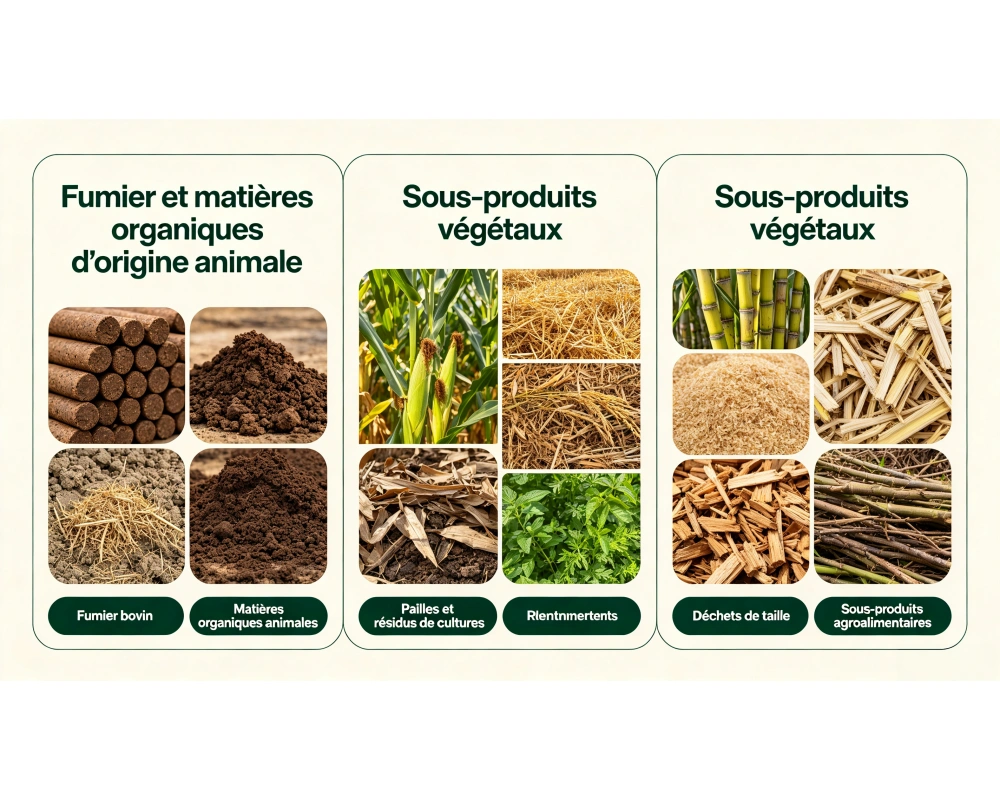
Choosing the Line: Capacity, Drying, and Screening
Equipment selection comes down to a short list of practical questions. These questions matter more than the model number, and they define what kind of lawn fertilizer making machine you actually need.
Key questions for line planning
• Required hourly output in tons
• Types of incoming raw materials
• Initial moisture of feedstock
• Target particle size specification
• Planned fertilizer formula
• Preferred automation level
• Available site space for drying & cooling
• Overall project budget
Commercial organic fertilizer lines range from roughly 1 t/h for small operations to 6–8 t/h for large industrial projects. Many new investors mistakenly take rated capacity as continuous real output.
Fiber-rich sheep manure creates higher recycle loads and cuts actual throughput by 20% to 35%. Lane optimizes the rotor and feeding structure on its lawn fertilizer making machine to reduce this capacity loss. A lawn fertilizer making machine rated 2 t/h is built for a totally different project than a 5 t/h model.
Drying configuration
• Depends on feedstock moisture, granulation technology and finished product standards
• Wet granulation works with 30–35% moisture fermented material, removing the need for front drying
• Raw feed above 40% moisture will require a dryer, adding fuel cost and fire risk
This choice influences capital cost, energy use, footprint and overall process complexity. Lane designs the lawn fertilizer making machine to support both process routes. Our engineering team evaluates your raw material data first, to help clients avoid unnecessary dryer investment.
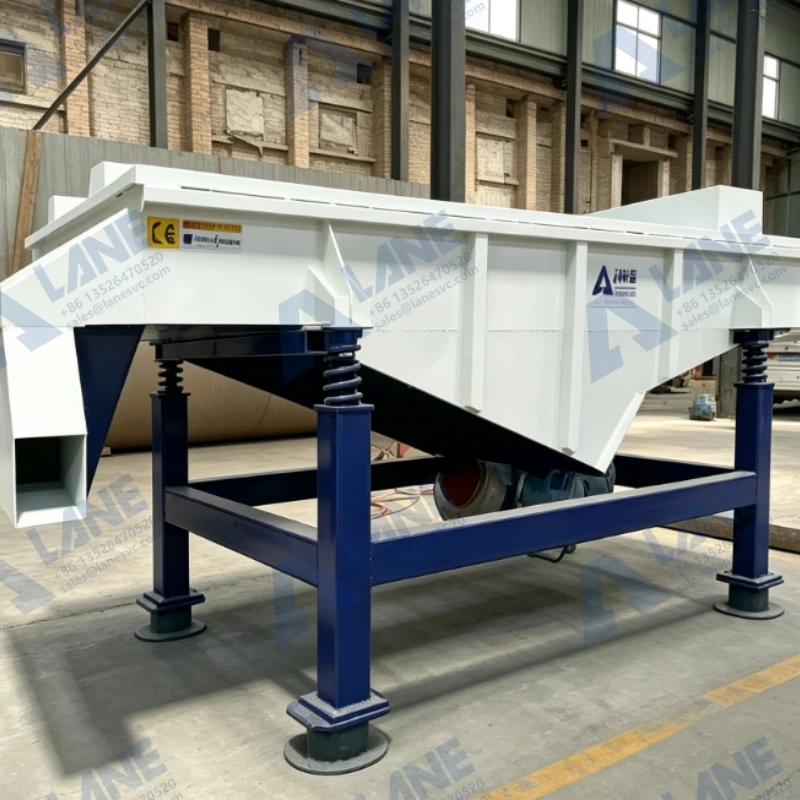
Screening for turf fertilizer
• Turf-grade fertilizer requires 1.5–3mm particles; standard farm sieve cannot hit this narrow band
• Qualified granules go to finished goods
• Oversized and undersized particles return for re-granulation
• Poor recycle loop causes repeated over-granulation and excess fine dust
For turf fertilizer, this step determines batch uniformity. Lane equips its lawn fertilizer making machine with multi-stage fine screening modules dedicated to turf production. Without this upgrade, the machine will produce inconsistent pellets, leading to rejected shipments from golf course buyers.
The Three Fears of Every Turf Buyer
Turf buyers reject organic fertilizer for three main reasons. These reasons shape every decision in a lawn fertilizer making machine. If your line does not address them, no marketing will help.
Sheep manure is notorious for its smell. Urban and residential projects are especially sensitive. The answer is a combination of aerobic fermentation, rotary drying, and multi-stage scrubbing or bio-filtration. Finished pellets should be odorless and acceptable near homes.
Weed seeds.
Weed seeds survive when fermentation temperatures are not controlled properly. Industrial aerobic fermentation with controlled high temperature destroys weed seeds and pathogens. For turf products, this is not a luxury; it is a requirement.
Clogged spreaders.
Commercial turf spreaders run at high speed. Weak or uneven granules break into powder inside the machine. The pellet must pass a crush-strength test before it is accepted. Precision granulation plus screening gives the uniform, hard granules that spreaders expect.
Here is the table we use in our own proposals:
| The turf buyer’s fear | The engineering answer |
|---|---|
| Odor complaints from the neighborhood | Aerobic fermentation + rotary drying + scrubbing / bio-filter |
| Weed seed contamination | Controlled high-temperature fermentation: zero seeds and pathogens |
| Pellets breaking inside the spreader | Uniform granules, crush-strength tested |
| Pellets caking during ocean freight | Anti-caking coating, pellet hardness above 25 N |
| Dust in the workshop | Negative-pressure dust collection, pulse bag filters |
When a buyer sees this table, they understand that the real product is the process, not the steel. A lawn fertilizer making machine that solves these five problems is a machine they can build a business on.
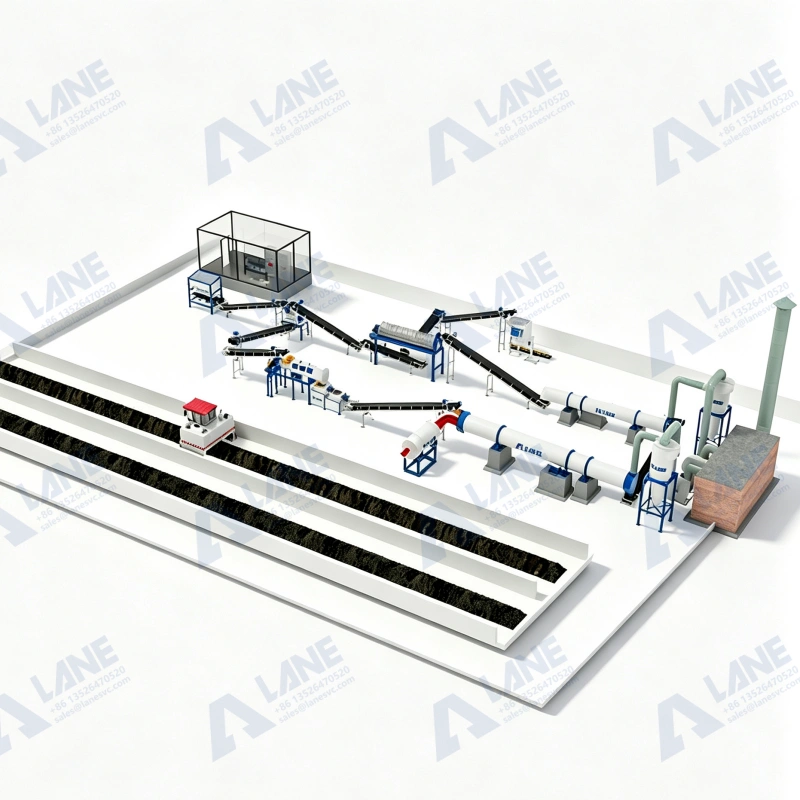
Beyond the Basics: Freight, Dust, Energy, and Flexibility
Ocean freight is the real test. Containers often spend two to three months at sea under tropical heat and high humidity.
Poorly formed pellets soak up moisture, turn soft and form hard lumps. Before selecting a lawn fertilizer making machine, verify pellet performance during long ocean transit. Lane tunes its granulation parameters to produce dense, coatable pellets, which stay intact until arrival at the destination port.
• Dust is not merely a cleaning nuisance; it creates safety and health hazards
• Fine organic particles generated in drying and screening stages carry explosion risks in enclosed spaces
• Negative-pressure extraction paired with pulse bag filters removes airborne dust
These small but vital details distinguish professional suppliers. Lane integrates matched dust collection units into the lawn fertilizer making machine package, helping buyers prevent safety fines and protect on-site staff.
Energy saving design
• Drying and cooling consume most energy across the whole organic fertilizer production line
• Heat recirculation systems reduce drying fuel consumption by up to 30%
• Lower energy use cuts running costs and improves carbon credentials for European buyers
Raw material properties shift seasonally. Rainy-season sheep manure differs greatly from dry-season stock.
Overly sensitive production lines frequently jam when feedstock characteristics change. Lane’s lawn fertilizer making machine adopts PLC control, allowing fast adjustment of speed and moisture setpoints. Operators can maintain stable output even with seasonal raw material variations, without extensive specialized training.
Use these items as a checklist when screening potential lawn fertilizer making machine suppliers. These practical features deserve discussion while comparing quotations.
The lowest upfront price for a lawn fertilizer making machine seldom translates to the lowest total cost of ownership.
Turnkey and Cost: What the Investment Really Covers
Purchasing production equipment differs greatly from buying a standalone granulator. A full lawn fertilizer making machine project covers multiple interconnected units.
Scope of a full turnkey project
• Granulation, crushing and mixing equipment
• Drying and cooling modules, subject to process requirements
• Material conveying and automatic feeding systems
• Bagging packaging units for bagged finished fertilizer
• Installation, wiring and electrical control for medium-to-large lines
• Raw material pre-treatment including fermentation, dewatering and impurity removal
A lawn fertilizer making machine is merely one segment of the whole production workflow. Lane provides full turnkey delivery for these projects.
Our team begins with factory layout planning, customizes equipment configuration, then carries out on-site installation, commissioning and operator training. Clients gain a single accountable partner, rather than scattered parts sourced from separate vendors.
Cost evaluation also needs this holistic view. Total investment includes hardware, drying & cooling, conveying, packaging, electrical installation and raw material pre-treatment.
When buyers compare quotations, they must evaluate the full scope rather than only checking the granulator price. A lawn fertilizer making machine seamlessly integrated into the whole process brings far greater value than a low-cost granulator that cannot match your workflow.
Questions Buyers Ask Us Most
Here are the questions we hear most often when buyers compare a lawn fertilizer making machine.
Q1: How do you guarantee the pellets will not disintegrate inside a commercial turf spreader?
The spreader runs at high speed. Weak pellets get crushed into powder. We test pellets for crush strength and design the granulation and coating stages around the target hardness. If the finished product passes the test, it spreads cleanly.
Q2: Sheep manure is corrosive. How long will the equipment last?
Sheep manure contains organic acids. Contact parts should be made of SUS304 stainless steel or wear-resistant alloys. Ask the supplier for the expected service life of the dryer liner and granulator internals. This question alone can save you a very expensive mistake.
Q3: The smell of sheep manure is notorious. What if nearby residents complain?
The answer is a combination of bio-filtration and multi-stage scrubbing, plus controlled fermentation. A properly designed line keeps factory emissions within environmental standards. Odor complaints can lead to fines or even a shutdown order, so this is a design requirement, not an afterthought.
Q4: Do I always need a dryer?
No. It depends on the moisture of the feed material, the granulation method, and the final product requirements. Some processes granulate fermented material directly. Others need drying and cooling. A good supplier helps you decide instead of selling you a dryer automatically.
Q5: What does capacity really mean in practice?
Rated capacity is a theoretical figure. Actual output depends on raw material supply, recycle ratio, cleaning downtime, and packaging speed. Use rated capacity times operating hours as a rough estimate, then add a safety margin.
Closing
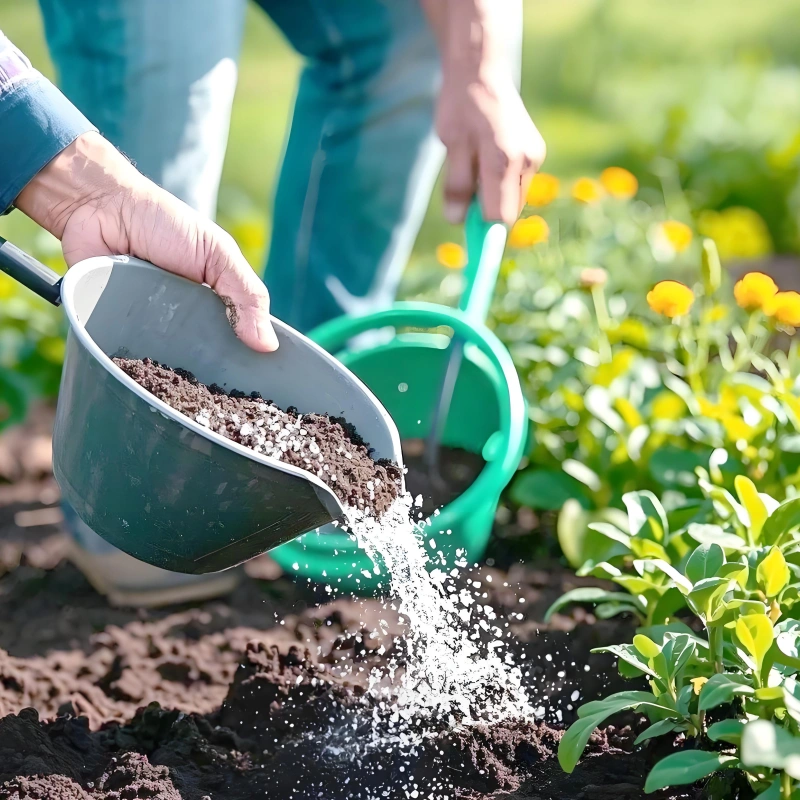
The global turf market continues expanding, and premium organic lawn fertilizer gains larger market share year by year.
Producers capable of manufacturing clean, uniform, weed-free pellets have a promising market opportunity. That is exactly what a lawn fertilizer making machine should deliver.
When you plan your project, always start with your target fertilizer product.
Define particle size, moisture range and N-P-K specification, and understand the core concerns of turf buyers. Select equipment only after these targets are clear.
Key features to verify during your assessment
• Effective screening and material recycle system
• Drying scheme tailored to your raw feedstock
• Built-in dust suppression and anti-caking functions
• Transparent breakdown of overall project cost
A lawn fertilizer making machine is a strategic investment rather than a simple commodity.
You need equipment capable of consistently producing turf-grade pellets demanded by golf courses and landscape clients.
If you are assessing a fertilizer project right now, work with an equipment supplier that studies your raw materials before quoting prices.
Lane adopts this consult-first approach. The right lawn fertilizer making machine will repay your investment via superior pellet quality and access to high-value turf markets.
A poorly matched unit, however, will compromise product quality and cost you valuable customers.