How to Reduce Dust Leakage When Mixing Dry Fertilizer Powder with Twin Shaft Mixer?
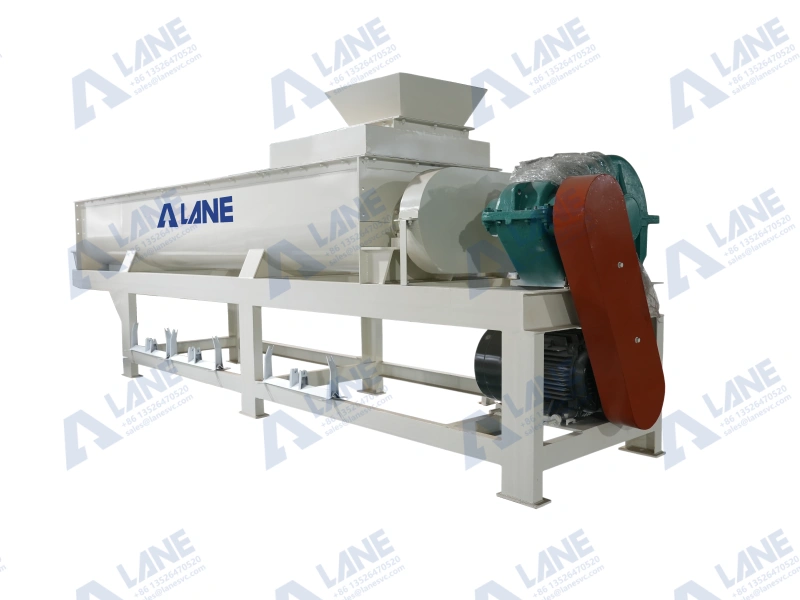
Many fertilizer processing plants encounter annoying dust problems in the raw material mixing process. Plant operators hope to reduce dust leakage when mixing dry fertilizer, thereby reducing raw material loss, improving the workshop operation environment, and meeting local environmental protection regulations.
This article sorts out the various common sources of dust overflow in the powder mixing process, introduces practical solutions that can be implemented, and helps enterprises reduce dust leakage when mixing dry fertilizer during the continuous production of dry fertilizer using a double-shaft mixer.
Common Causes of Dust Leakage When Mixing Dry Fertilizer Powder
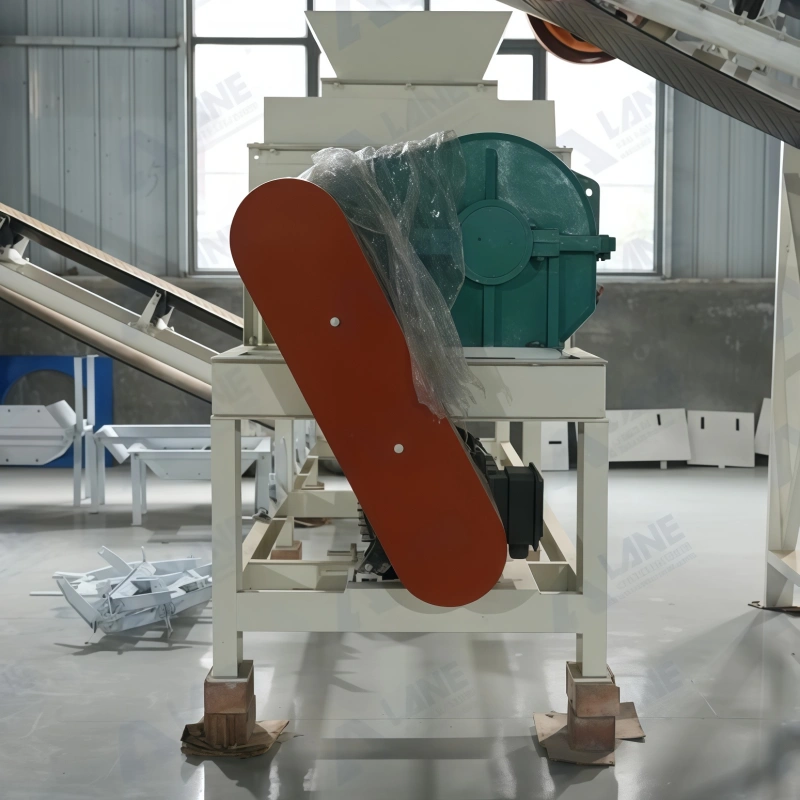
Before starting the rectification work, the factory needs to find the specific leakage point. Different fault sources require targeted adjustments and modifications to reduce dust leakage when mixing dry fertilizer with the double-shaft mixer.
Twin Shaft Mixer Shell and Cover Plate Poor Sealing
The shell and the top cover constitute the main closed space of the mixer. If the sealing strip is aged, damaged, or not installed properly, it will form gaps, and the fine powder of dry fertilizer will continue to drift out of the gaps during the operation of the equipment. Poor sealing is one of the primary reasons that make it difficult to reduce dust leakage when mixing dry fertilizer.
Unreasonable Feeding Mode Triggers Impact Dust
When the raw material powder falls freely into the mixing bin from a high place, it produces a strong airflow impact. Instantaneous impact raises a large amount of dust, and if the feeding port is not effectively blocked, the dust is very easy to spill out. Adjusting the feed method can significantly reduce dust leakage when mixing dry fertilizer at the inlet point.
Excessive Stirring Speed Causes Air Turbulence inside Equipment
When the rotational speed of the double helix shaft is set too high, turbulent airflow will form inside the mixing chamber. Strong air flow rolls up the fine powder, pushing the dust towards every weak seal point of the double-shaft mixer. Proper speed control helps reduce dust leakage when mixing dry fertilizer by minimizing internal air disturbance.
Wear of Shaft End Sealing Components
The shaft end sealing sleeve prevents the powder from leaking out along the shaft. Long-term friction will cause wear on the accessories, and after the shaft end appears a gap, the dry powder will continue to leak out along the main shaft. Regular replacement of these components is essential to reduce dust leakage when mixing dry fertilizer over extended production runs.
Lack of Supporting Dust Collection Equipment
Even if the mixer body is well sealed, continuous input of dry powder will cause a positive pressure in the bin. In the absence of a dust removal device, the internal pressure will naturally force the dust out of all small gaps. Installing proper dust collection is a fundamental measure to reduce dust leakage when mixing dry fertilizer in large-scale operations.
Practical Methods to Reduce Dust Leakage When Mixing Dry Fertilizer
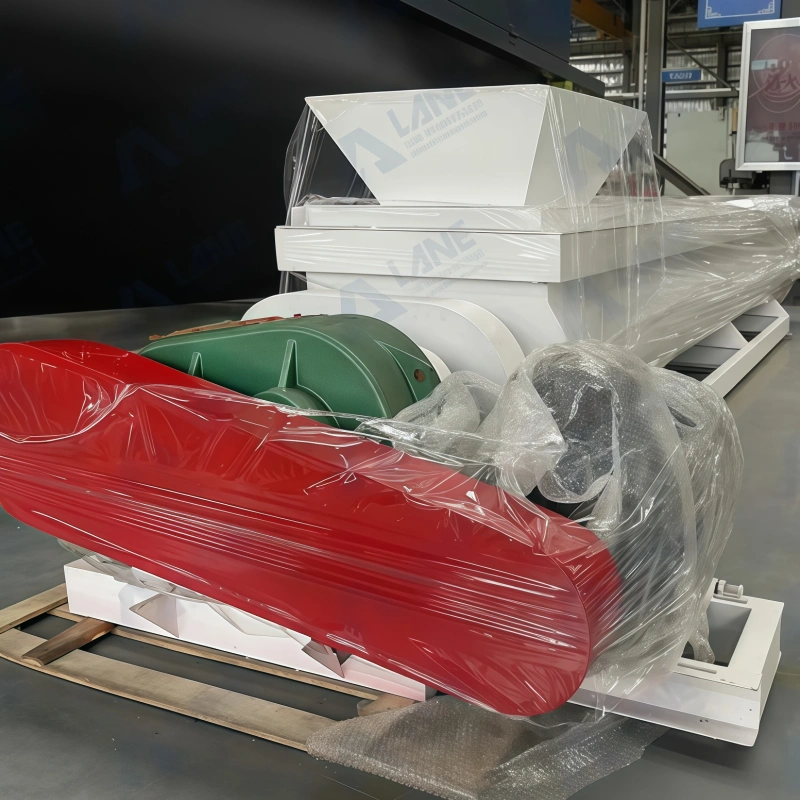
These improvement plans have been tested and verified in many organic fertilizer and compound fertilizer production plants. The factory can combine the actual layout of the workshop with the condition of the raw materials, and match multiple solutions to reduce dust leakage when mixing dry fertilizer.
- Optimize the Sealing Structure of Twin Shaft Mixer
Our factory’s double-shaft mixer adopts an overall closed welded shell structure. Regularly replace the aging rubber sealing strip, and install flexible sealing filler at the joint position of the top cover and the casing, sealing all small dust escape gaps. This is the most direct way to reduce dust leakage when mixing dry fertilizer.
- Transform Feeding System to Lower Material Impact
Add a buffer feeding chute to reduce the height of the material drop, and add a flexible dust-proof curtain at the feeding port. Appropriately slow down the feeding speed to weaken the impact airflow generated when dry fertilizer powder enters the mixing chamber. These feed modifications effectively reduce dust leakage when mixing dry fertilizer from the very beginning of the process.
- Adjust Rotation Speed of Double Spiral Mixing Shaft
According to the blending requirements of the powder, set the stirring speed in the reasonable range, and do not blindly increase the speed. Moderately controlling the rotational speed can alleviate the turbulence of the internal airflow and prevent the fine powder from floating around, which helps reduce dust leakage when mixing dry fertilizer without compromising mixing quality.
- Regular Inspection and Replacement of Sealing Accessories
Establish a fixed inspection cycle for wearable sealing accessories such as shaft end sealing sleeve and top cover sealing strip, and replace the accessories in advance before obvious dust leakage occurs to continuously maintain the closed performance of the double shaft mixer. Proactive maintenance is key to consistently reduce dust leakage when mixing dry fertilizer.
- Equip Matched Dust Removal System
Utilize the reserved air outlet on the top of the mixer to connect with the pulse dust collector, balance the positive pressure inside the mixing bin, and effectively avoid the dust from being squeezed out by pressure from various assembly gaps. A well-designed dust removal system can dramatically reduce dust leakage when mixing dry fertilizer and maintain negative pressure inside the equipment.
Daily Operation Guidelines for Dust Control
Even if the sealing structure is perfect, if the operation habits of the operator are not standardized, it is still impossible to prevent the dust from leaking out. Standardizing daily operations can ensure a long-term and stable anti-dust effect in the dry fertilizer mixing process, helping to reduce dust leakage when mixing dry fertilizer on every shift.
> Regular Inspection Checklist for All Sealing Positions
Inspections are carried out every week, covering the seam of the top cover, two points of shaft end sealing, and the inlet and outlet of the material. Record the sealed state, and arrange maintenance as soon as cracking or aging issues are found. Consistent inspection routines help reduce dust leakage when mixing dry fertilizer by catching problems early.
> Raw Material Humidity Control Suggestions
If the powder is too dry, it is very easy to be suspended in the air and produce dust. Adjust the moisture content of the raw material within the scope allowed by the process to reduce the phenomenon of fine particles floating and dispersing inside the double-shaft mixer. Proper moisture control can significantly reduce dust leakage when mixing dry fertilizer by making particles less prone to airborne dispersion.
> Standard Operation Process for Dry Fertilizer Mixing
The operation follows the standard sequence: turn on the dust removal equipment first, then start the double-shaft mixer, and finally start feeding; When the machine is stopped, stop feeding first, then shut down the mixing equipment and dust removal system to avoid residual dust blowing out in the moment of stopping. Following this sequence helps reduce dust leakage when mixing dry fertilizer during startup and shutdown cycles.
Advantages of Our Twin Shaft Mixer for Dry Fertilizer Production
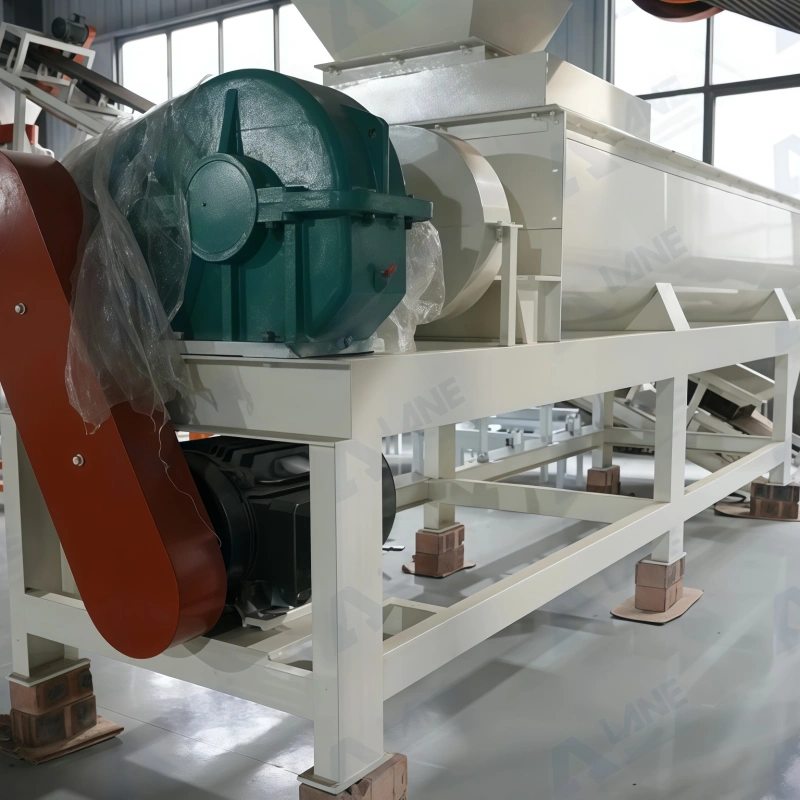
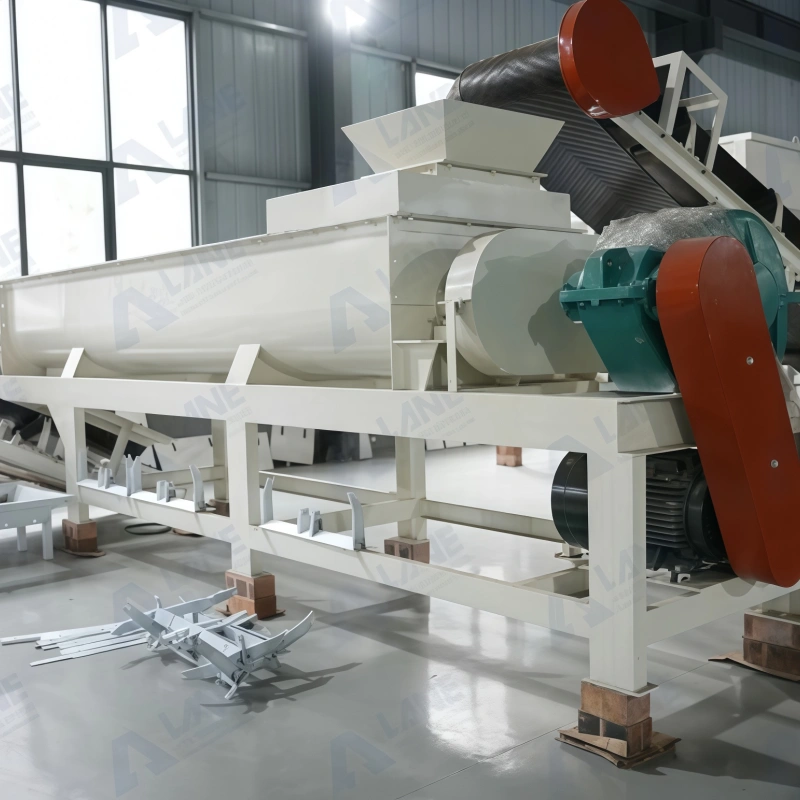
Many fertilizer plants have modified old open mixing equipment to solve the problem of dust. The LANE double-shaft mixer is originally equipped with an environmentally friendly sealing structure, which is suitable for the continuous dry powder mixing operation of the fertilizer production line and is designed specifically to reduce dust leakage when mixing dry fertilizer.
- Tightly Sealed Shell to Avoid Outward Dust Leakage
The mixer shell adopts a whole welding process, with small assembly gaps. It is equipped with a full-covered top cover and high-elastic sealing accessories, which greatly reduces the probability of natural overflow of dust during the mixing of dry fertilizer powder. This built-in design helps reduce dust leakage when mixing dry fertilizer right out of the box.
- Stable Double-Shaft Structure for Uniform Material Mixing
Two spiral shafts rotate in opposite directions simultaneously, and the material produces mutual squeezing and friction in the overlapping area of the mixer, achieving uniform mixing effect without relying on ultra-high speed operation that easily produces a large amount of dust. Lower operational speeds inherently reduce dust leakage when mixing dry fertilizer.
- Wear-Resistant Blades and Convenient Later Maintenance
The structure of the mixing blade is reasonable and wear-resistant, and the operator does not need to disassemble the entire shaft to replace the worn blade separately, which reduces the downtime of fertilizer plant equipment maintenance. Easier maintenance means more consistent opportunities to reduce dust leakage when mixing dry fertilizer over the equipment’s lifetime.
| Model | Capacity(tph) | Drum Size(mm) | Size(mm) | Power(kw) | Drum Volume(m³) | Mixing Shaft Size(mm) |
|---|---|---|---|---|---|---|
| LAM-0830D | 6-10T/H | 800*3000 | 3950*1650*800 | 18.5 | 1.6 | 102*8 |
| LAM-0840D | 8-12T/H | 800*4000 | 4950*1650*800 | 18.5 | 2.1 | 102*8 |
| LAM-1040D | 10-14T/H | 1000*4000 | 4950*2050*1000 | 22 | 2.6 | 118*10 |
| LAM-1050D | 12-16T/H | 800*4000 | 5950*2050*1000 | 22 | 3.3 | 133*14 |
| LAM-1240D | 12-16T/H | 1200*4000 | 5150*1960*1160 | 30 | 3.1 | 159*17.5 |
| LAM-1250D | 14-18T/H | 1200*5000 | 6150*2250*1200 | 30 | 3.9 | 159*17.5 |
| LAM-1550D | 16-20T/H | 1500*5000 | 6600*2200*1250 | 30 | 4.9 | 219*20 |
| LAM-1560D | 18-22T/H | 1500*6000 | 7250*2500*1500 | 30 | 5.9 | 219*20 |
Frequently Asked Questions
Question 1: What are the main factors that affect the reduction of dust leakage during the mixing of dry fertilizer in the factory?
Answer: Poor sealing structure, large impact of feeding material, high stirring speed, and lack of dust removal equipment are the main influencing factors; The wear of shaft end sealing accessories will also cause the continuous leakage of powder. Addressing all these factors is necessary to effectively reduce dust leakage when mixing dry fertilizer.
Question 2: Is it enough to reduce dust leakage when mixing dry fertilizer by simply upgrading the sealing structure?
Answer: Optimizing the seal can reduce most of the dust leakage, but there is still positive pressure inside the equipment. It is recommended to combine with feed modification and dust removal equipment to achieve the desired dust-proof effect. A comprehensive approach is required to truly reduce dust leakage when mixing dry fertilizer.
Question 3: Is it necessary to install a dust collector for mixed dry fertilizer powder?
Answer: For long-term, large-scale continuous mixing of dry powder, it is strongly recommended to use a dust collector to balance the internal pressure of the double-shaft mixer and prevent dust from being squeezed out of the crevices. This is one of the most effective ways to reduce dust leakage when mixing dry fertilizer in high-capacity production.
Question 4: How often should the sealing parts of the double shaft mixer be checked?
Answer: Continuous production lines are recommended to conduct routine inspections every week, and comprehensive replacement of sealing accessories should be carried out every 3 to 6 months according to the daily operation time and wear of raw materials. Regular checks help reduce dust leakage when mixing dry fertilizer by preventing gradual seal degradation.
Question 5: Can reducing the speed of the mixer effectively control dust?
Answer: Moderately reducing the speed can alleviate the turbulence of internal airflow and reduce the suspension of dust; At the same time, the factory needs to ensure the uniformity of material mixing, and the speed adjustment must take into account the mixing process requirements. Proper speed settings can significantly reduce dust leakage when mixing dry fertilizer while maintaining product quality.
Comprehensive Conclusion on Dust Control for Dry Fertilizer Mixing
Most fertilizer enterprises hope to reduce dust leakage when mixing dry fertilizer. A single renovation method cannot completely solve the problem of dust, and a combination of sealing upgrade, standardized operation, and dust removal equipment can achieve long-term stable dust suppression. Implementing these measures collectively will consistently reduce dust leakage when mixing dry fertilizer across all production scenarios.
If your factory is looking for a closed-type double-shaft mixer for blending dry fertilizer raw materials, the LANE technical team can provide layout suggestions, equipment selection, and dust control scheme consultation according to your production capacity and raw material characteristics. We specialize in helping customers reduce dust leakage when mixing dry fertilizer through tailored equipment solutions and process optimization.